Patent Agreement
Overview of this form
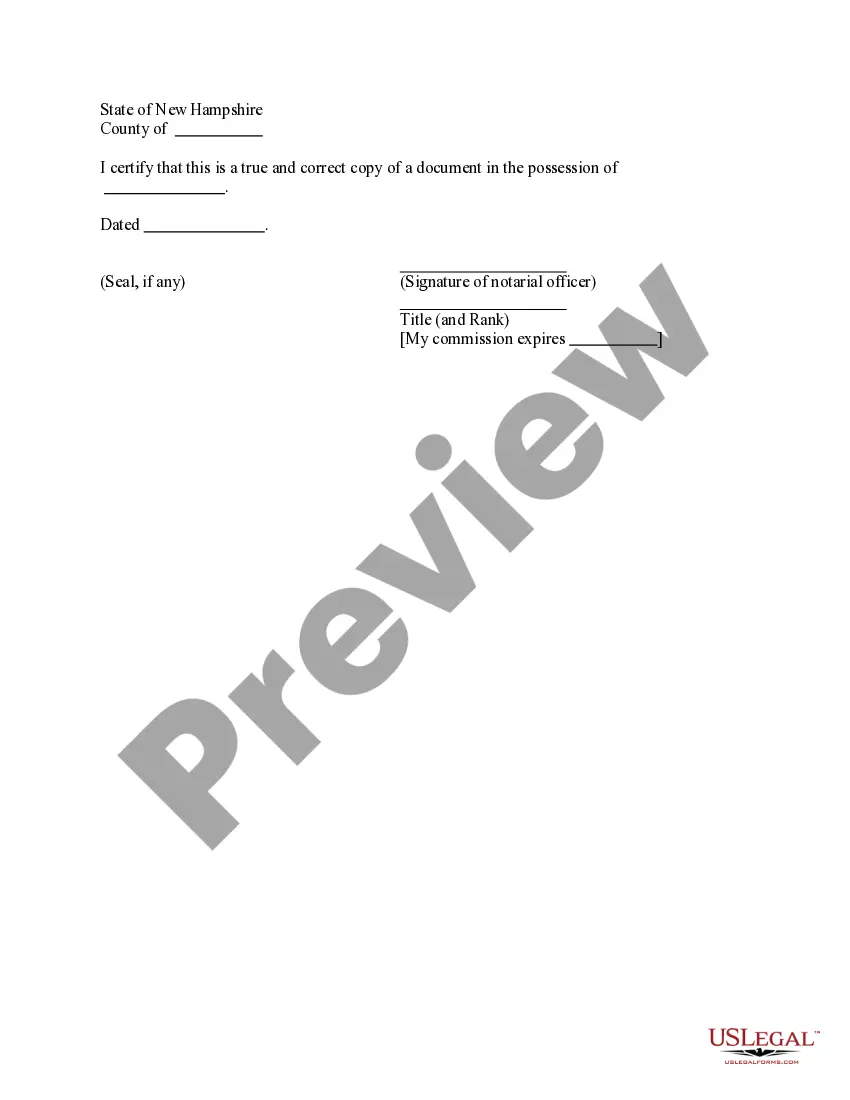
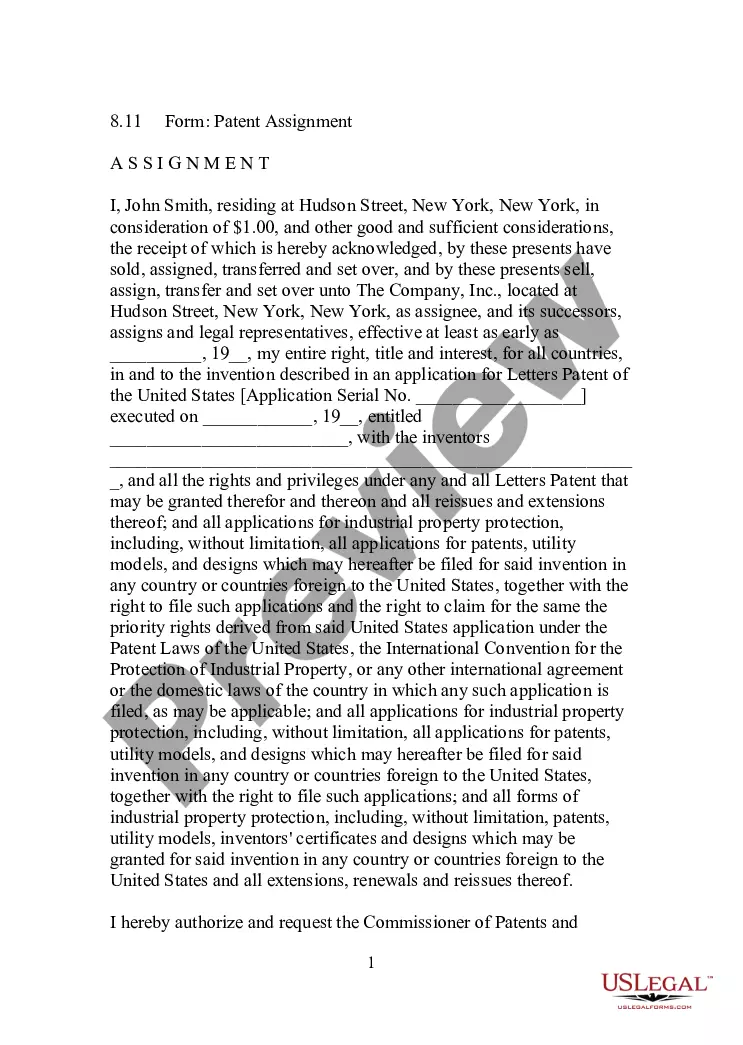
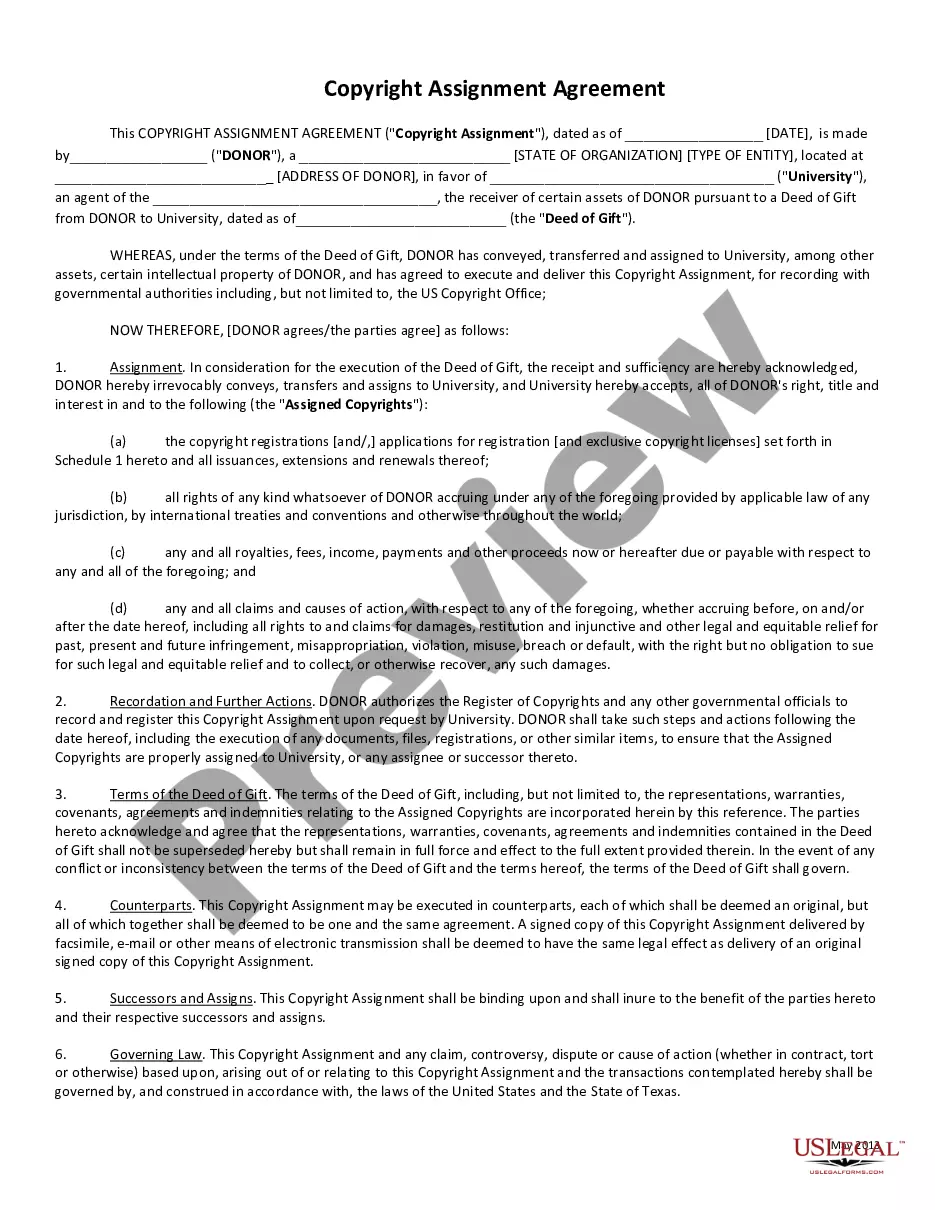
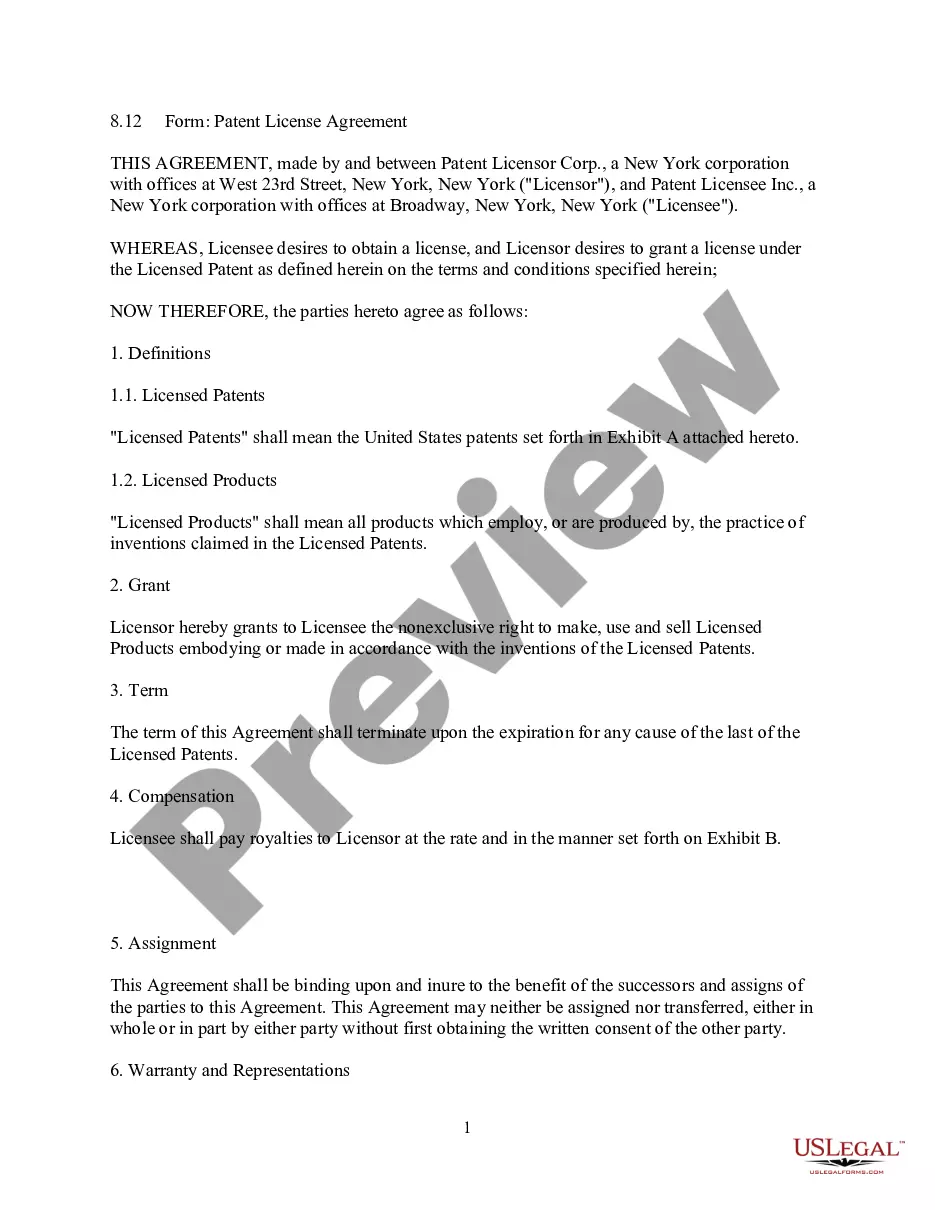
A Patent Agreement is a legal document that facilitates the transfer of patent rights from one party to another. This form is commonly used in business settings to ensure that inventors can assign their patent rights to companies or partners. Unlike other agreements, this specific form outlines the details of the invention, such as the application for Letters Patent and rights to future applications, providing clarity and security for both parties involved.
What’s included in this form
- The assignor's identity and acknowledgment of consideration.
- Details of the assigned invention and patent application reference.
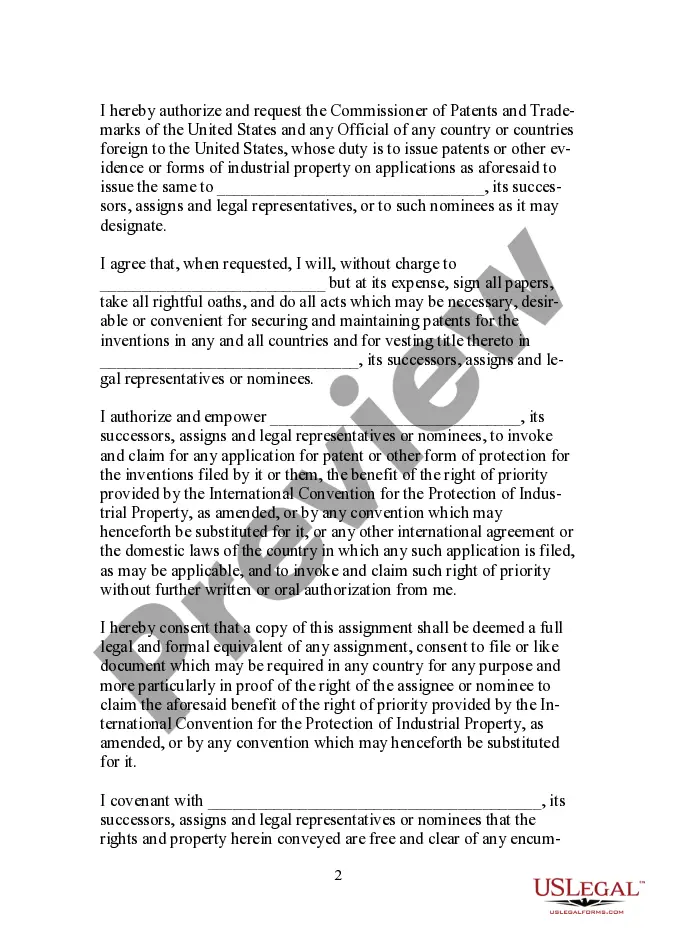
- Rights to file future applications and claim priority.
- Consent for the assignee to manage patent applications.
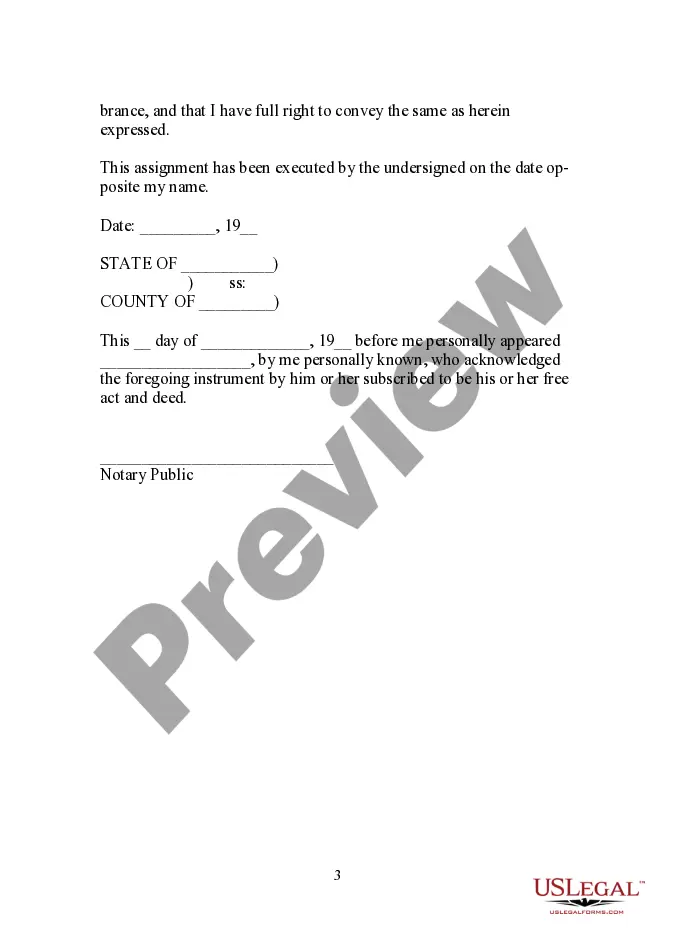
- Representation of clear title without encumbrances.
- Signature and notary acknowledgment sections.
When this form is needed
This Patent Agreement should be used when an inventor wants to transfer their rights to a patent or invention to a company or another individual. It is necessary when establishing business collaborations, licensing agreements, or any situation where ownership of the invention needs to be clearly defined and legally transferred.
Intended users of this form
- Inventors looking to assign their patent rights to a business or partner.
- Companies seeking to secure rights to an invention from an individual inventor.
- Legal professionals preparing agreements related to patent assignments.
- Entrepreneurs engaging in deals involving patented technology.
Completing this form step by step
- Identify the assignor (inventor) and the assignee (company).
- Enter the details of the invention and patent application, including application serial numbers and titles.
- Specify the date of assignment and effective date.
- Include the necessary signatures from both parties.
- Arrange for notarization if required for validity.
Does this document require notarization?
This document requires notarization to meet legal standards. US Legal Forms provides secure online notarization powered by Notarize, allowing you to complete the process through a verified video call, available 24/7.
Get your form ready online
Our built-in tools help you complete, sign, share, and store your documents in one place.
Make edits, fill in missing information, and update formatting in US Legal Forms—just like you would in MS Word.
Download a copy, print it, send it by email, or mail it via USPS—whatever works best for your next step.
Sign and collect signatures with our SignNow integration. Send to multiple recipients, set reminders, and more. Go Premium to unlock E-Sign.
If this form requires notarization, complete it online through a secure video call—no need to meet a notary in person or wait for an appointment.
We protect your documents and personal data by following strict security and privacy standards.

Make edits, fill in missing information, and update formatting in US Legal Forms—just like you would in MS Word.

Download a copy, print it, send it by email, or mail it via USPS—whatever works best for your next step.

Sign and collect signatures with our SignNow integration. Send to multiple recipients, set reminders, and more. Go Premium to unlock E-Sign.

If this form requires notarization, complete it online through a secure video call—no need to meet a notary in person or wait for an appointment.

We protect your documents and personal data by following strict security and privacy standards.
Typical mistakes to avoid
- Failing to include a clear description of the invention in the agreement.
- Not specifying the effective date of the assignment.
- Omitting necessary signatures or not notarizing the document when needed.
- Leaving out details regarding future rights and applications.
Advantages of online completion
- Convenience of downloading and completing the form at your own pace.
- Editability allows customization to fit specific needs.
- Access to professionally drafted legal templates ensures accuracy and compliance.
- Eliminates the complexities of drafting legal documents from scratch.
Summary of main points
- A Patent Agreement is essential for legally transferring patent rights.
- Complete all sections accurately, including notarization.
- This form is useful for inventors and businesses engaged in intellectual property transactions.
Looking for another form?


Form popularity
FAQ
Royalties are usage-based payments from one party (a licensee) to another (the licensor). Licensing fees are paid as part of an agreement that defines the terms under which a tangible property is licensed for use by one party (a licensor) to another (the licensee).
A patent is the granting of a property right by a sovereign authority to an inventor. This grant provides the inventor exclusive rights to the patented process, design, or invention for a designated period in exchange for a comprehensive disclosure of the invention.
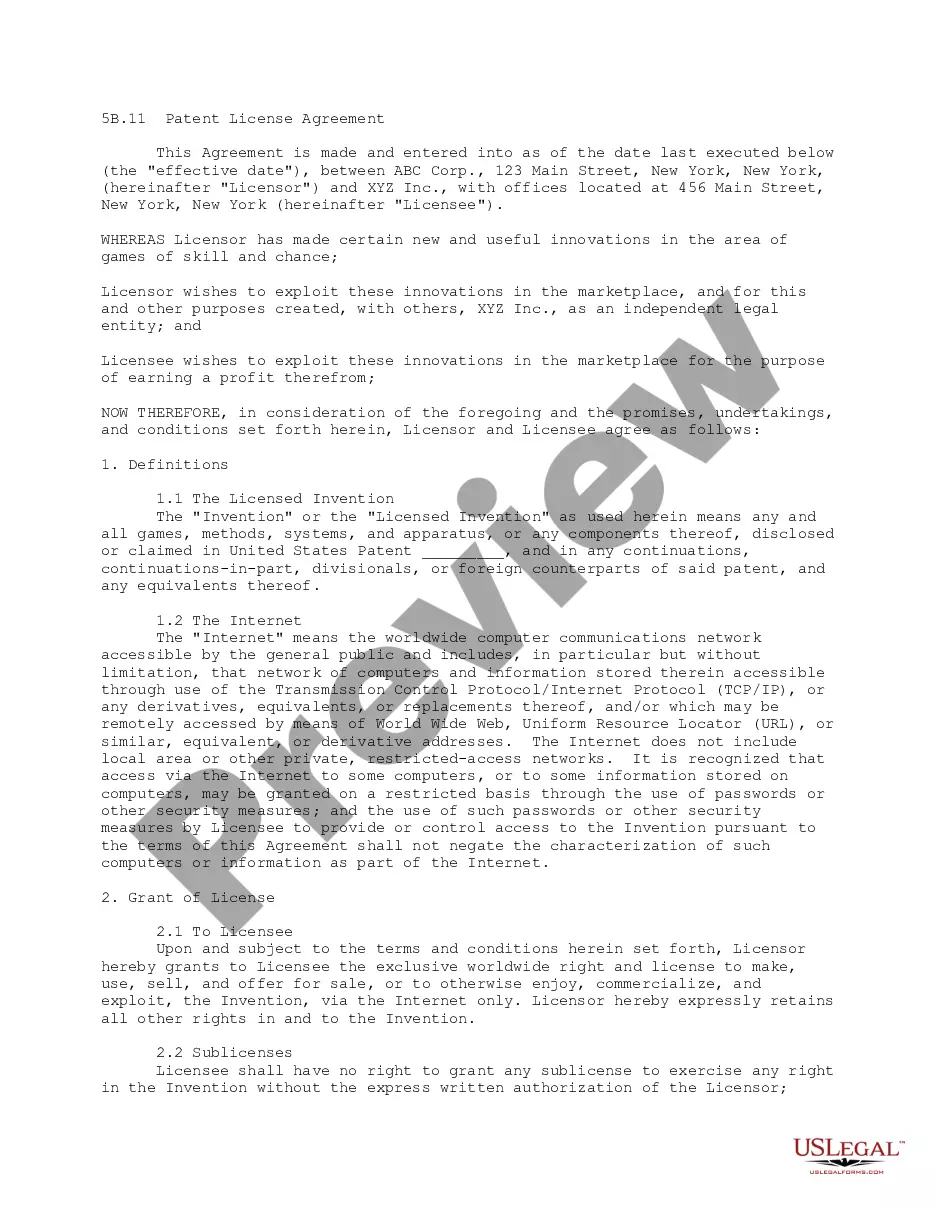
A patent license agreement typically grants a licensee exclusive rights to manufacture, sell, and use a patented invention, subjected to certain terms. A patent license agreement will also define the amount of royalties the licensee owes the licensor.
The royalties typically are a percentage of the gross sales of the products using your patent. Although each situation must be evaluated separately, royalties from patent licenses are usually 3 to 6 percent of gross sales. However, some patent license royalties are set by law.
A holder of a patent can license his patent in exchange for royalties by executing a licensing agreement between himself and the third party for an agreed-upon royalty. The agreement would allow a third party to use or sell the patented invention for a limited period of time.
An example of a licensing agreement is a contract between the copyright holders of software and another company, allowing the latter to use the computer software for their daily business operations.
Locate Manufacturers. Identify potential licensees. Sign a Confidentiality Agreement. Ask potential licensees to sign a confidentiality agreement to protect rights to your intellectual property. Negotiate Patent License. Complete a Patent License Agreement.
A patent license agreement is a contract and, naturally, the proper construction of a patent license agreement is generally a matter of state law. However, certain principles of federal law respecting patents create exceptions to the rules of construction that would normally obtain.
When it comes to setting patent licensing royalty rates, there's no room for guesswork you need to calculate fair royalties based on income, costs or comparable market rates. Royalty rates can be anything from 0.1% to 25%, and they can differ from product to product and industry to industry.