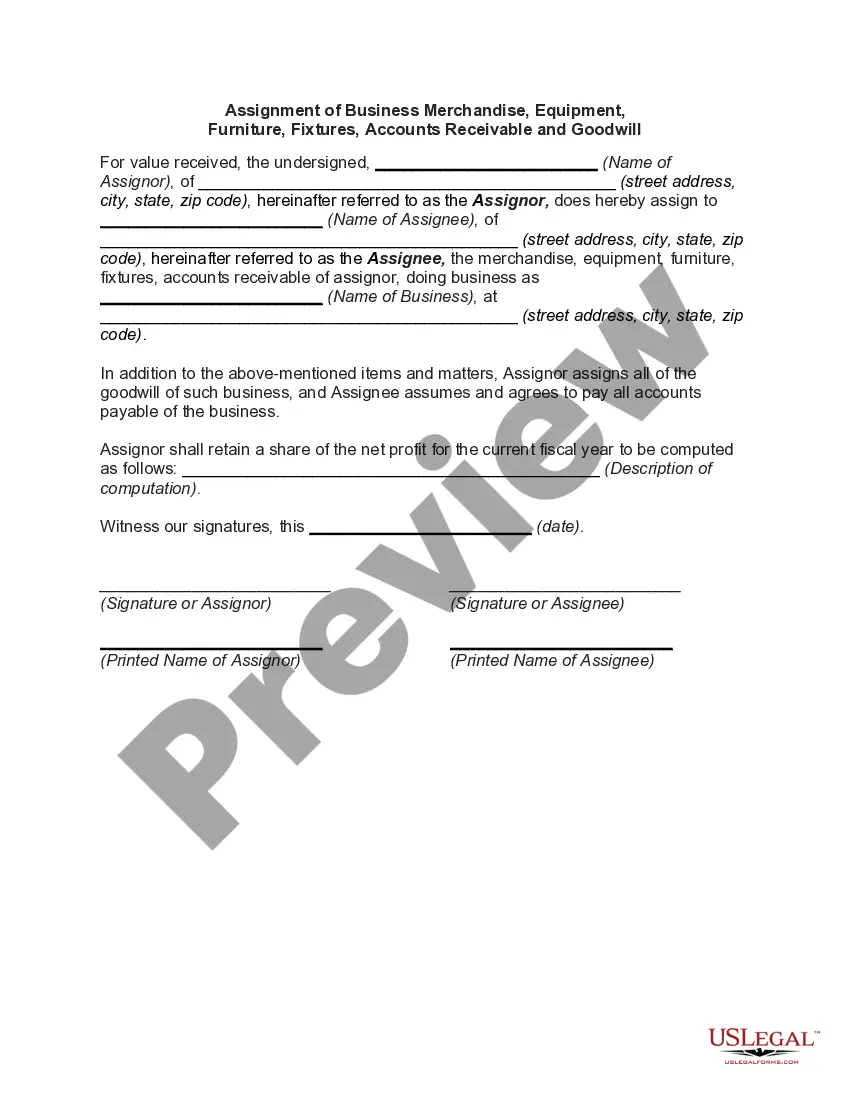
Texas Affidavit by an Attorney-in-Fact in the Capacity of a Court Appointed Receiver
Description
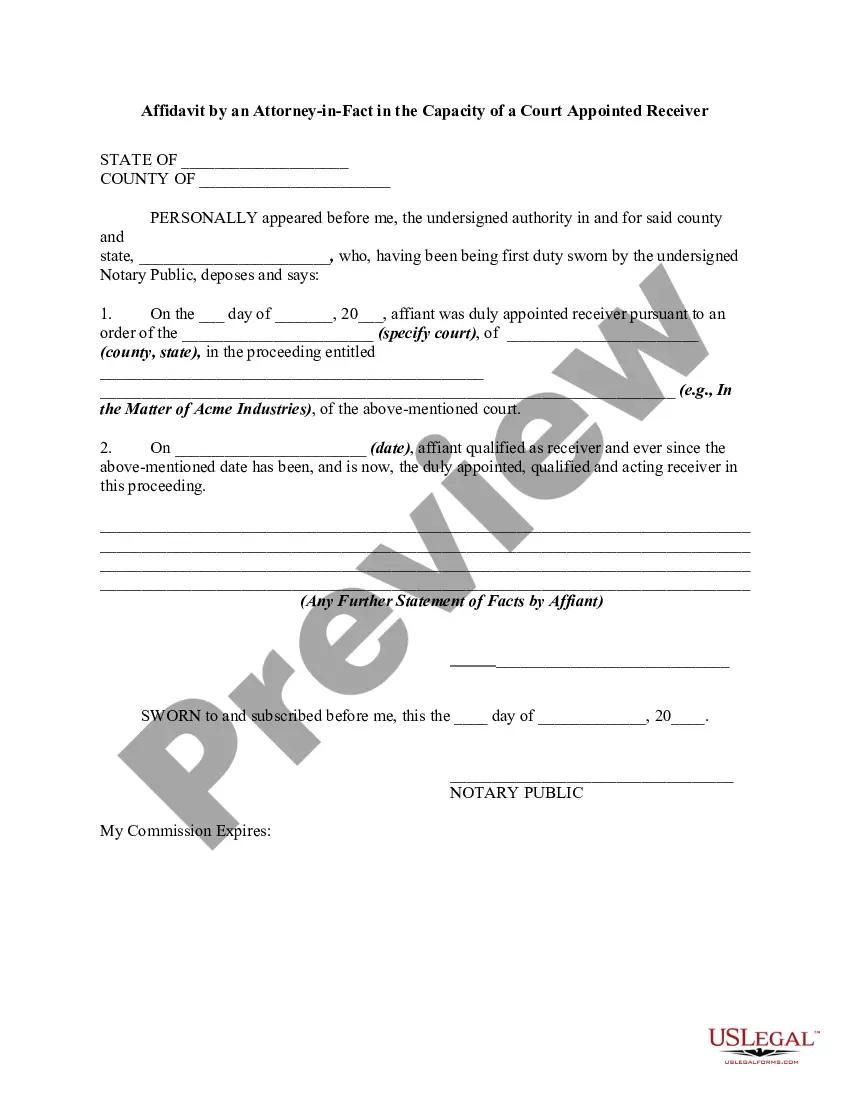

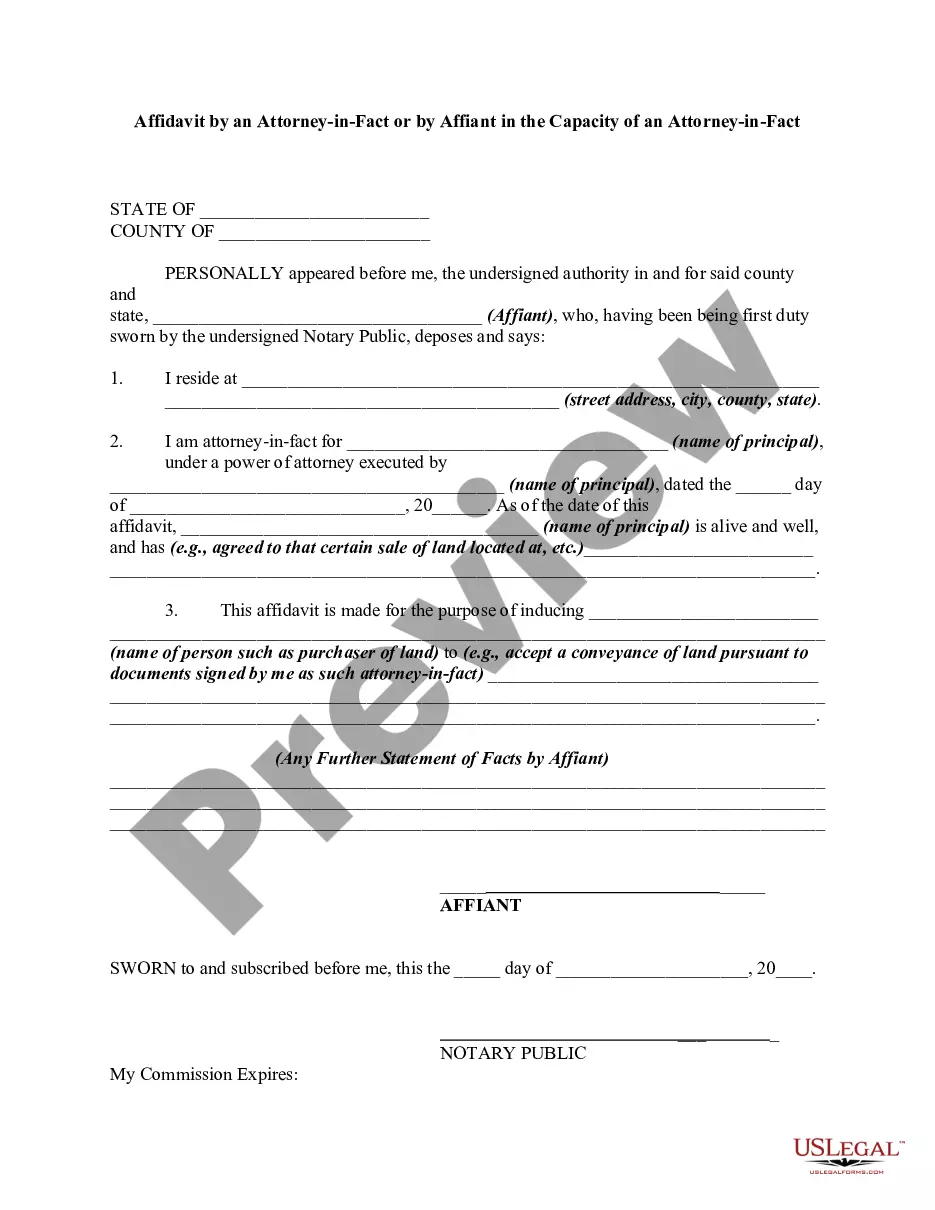
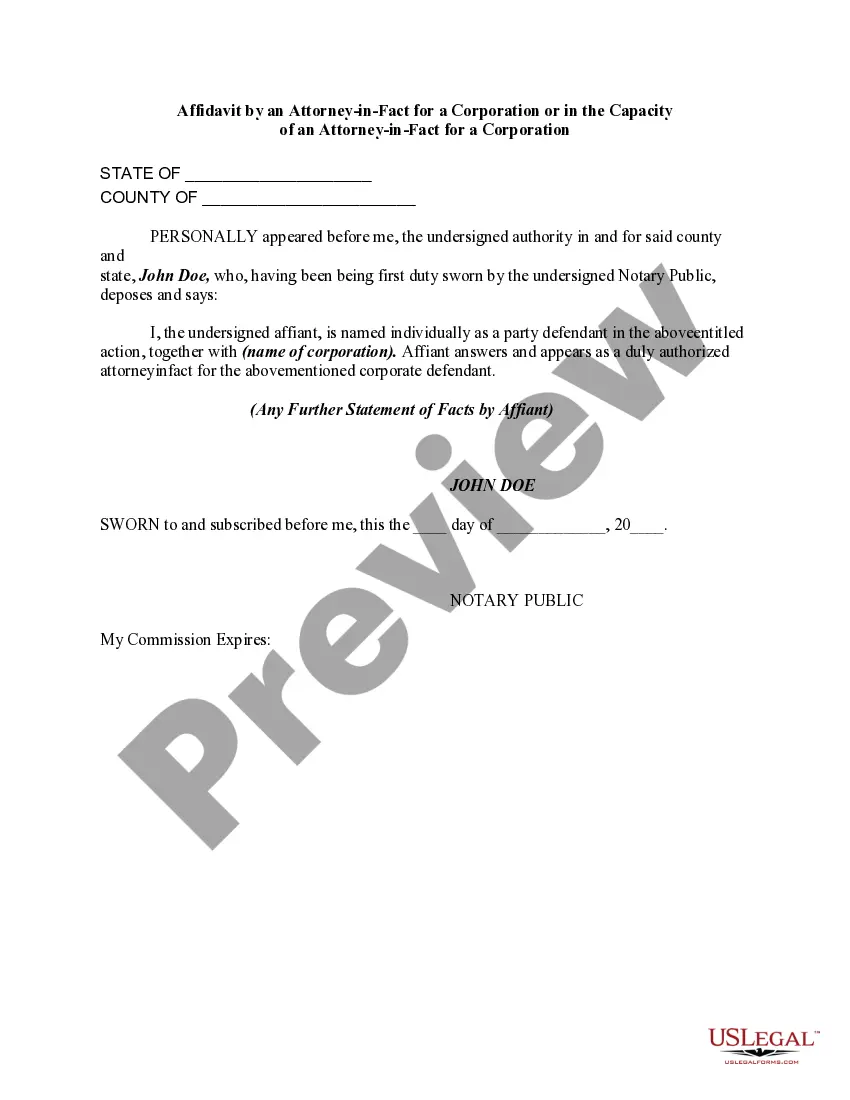
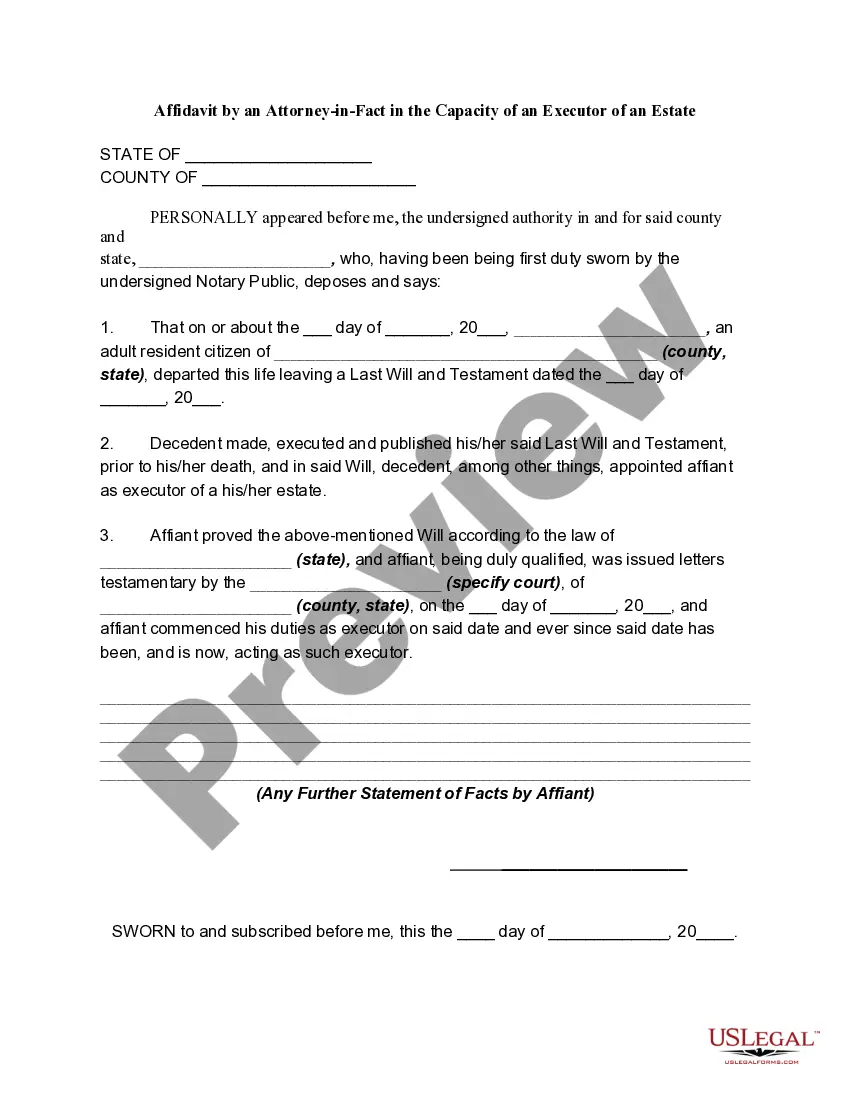
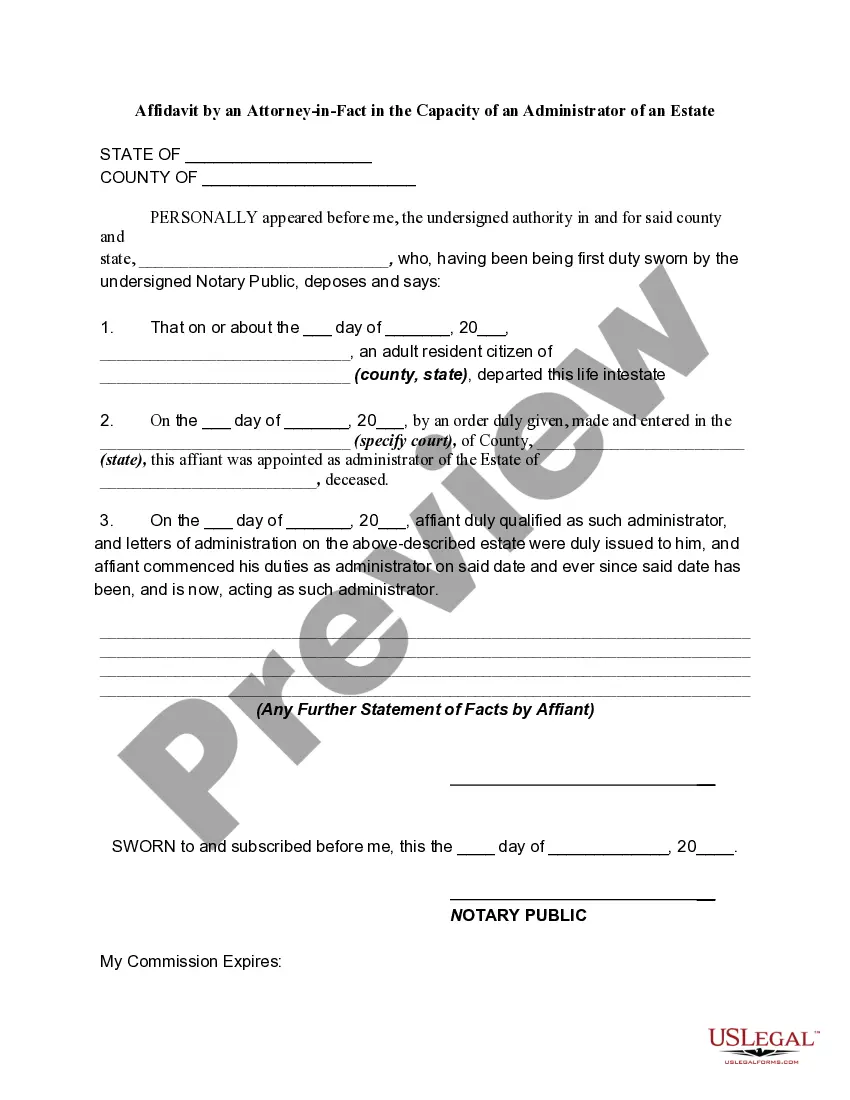
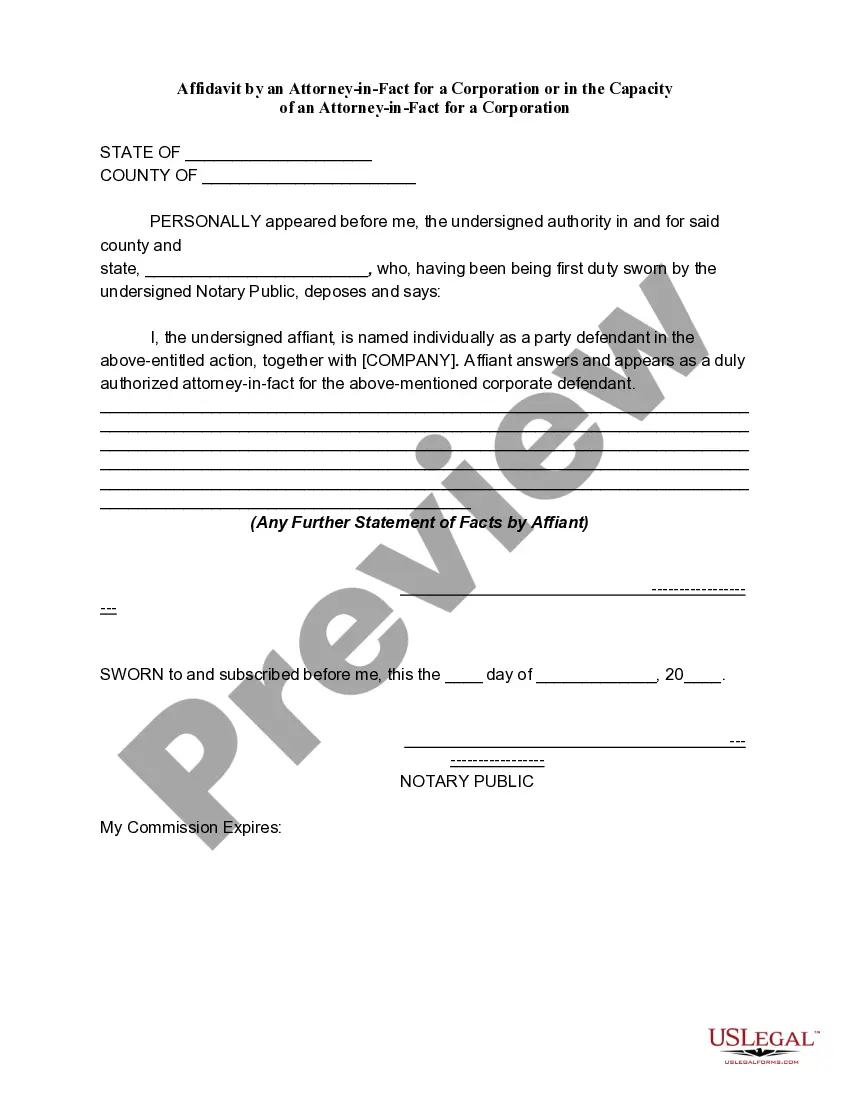
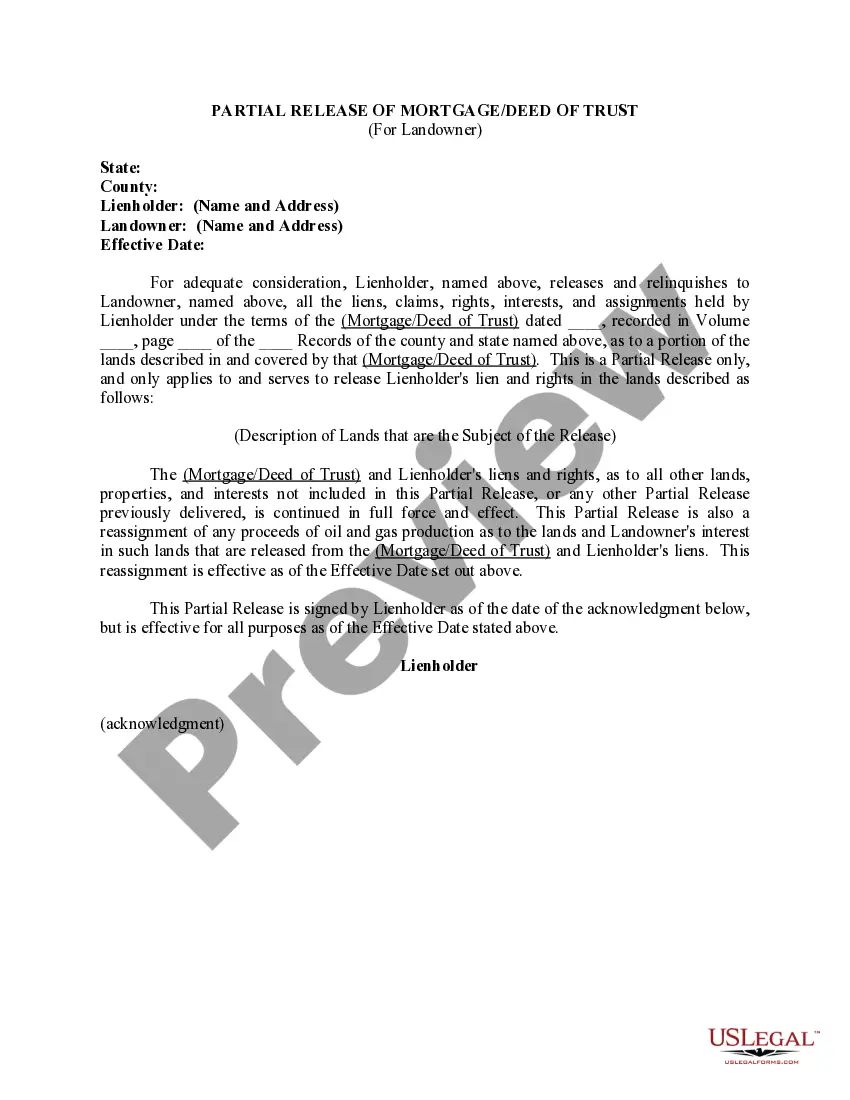

How to fill out Affidavit By An Attorney-in-Fact In The Capacity Of A Court Appointed Receiver?
Selecting the finest valid document template can be quite a challenge. Of course, there are numerous designs available online, but how can you locate the correct one you require.
Utilize the US Legal Forms website. The platform provides a vast collection of templates, such as the Texas Affidavit by an Attorney-in-Fact in the Role of a Court Appointed Receiver, which can be utilized for both business and personal purposes. All the forms are verified by experts and comply with federal and state regulations.
If you are already registered, Log In to your account and click on the Obtain button to retrieve the Texas Affidavit by an Attorney-in-Fact in the Role of a Court Appointed Receiver. Use your account to review the legitimate forms you have previously ordered. Navigate to the My documents section of your account and download another copy of the document you require.
Complete, modify, print, and sign the acquired Texas Affidavit by an Attorney-in-Fact in the Role of a Court Appointed Receiver. US Legal Forms is the largest repository of legal forms where you can find various document templates. Utilize the service to obtain correctly-crafted documents that adhere to state regulations.
- If you are a new user of US Legal Forms, here are simple steps for you to follow.
- First, ensure you have selected the appropriate form for your city/region. You can browse the document using the Preview option and review the form outline to confirm it is suitable for you.
- If the form does not satisfy your needs, utilize the Search bar to find the correct document.
- Once you are confident that the form is acceptable, click the Purchase now button to obtain the document.
- Choose the pricing plan you need and fill in the required information. Create your account and complete the transaction using your PayPal account or credit card.
- Select the file format and download the legitimate document template to your device.
Form popularity
FAQ
On the occasion of a party's first appearance through counsel, the attorney whose signature first appears on the initial pleadings for any party shall be the attorney in charge, unless another attorney is specifically designated therein.
General Affidavits must be signed in front of a notary public. A notary must verify your identification before you sign the document. Make sure to bring ID (like a driver's license or other form of identification) for the notary before you sign the affidavit.
Issuing process for witnesses and taking depositions shall not constitute a waiver of a motion to transfer venue, but depositions taken in such case may be read in evidence in any subsequent suit between the same parties concerning the same subject matter in like manner as if taken in such subsequent suit.
P. 10. An attorney may withdraw from representing a party only upon written motion for good cause shown.
Any party to a suit may appear and prosecute or defend his rights therein, either in person or by an attorney of the court.
Not more than two counsel on each side shall be heard on any question or on the trial, except in important cases, and upon special leave of the court.
After citation or notice has been given on behalf of any plaintiff or intervenor taxing unit, the court shall have jurisdiction to hear and determine the tax claims of all taxing units who are parties plaintiff, intervenor or defendant at the time such process is issued and of all taxing units intervening after such ...