Complaint or Petition by Purchaser Against Possessor of Real Property After Judicial Foreclosure Sale - Repossession
About this form
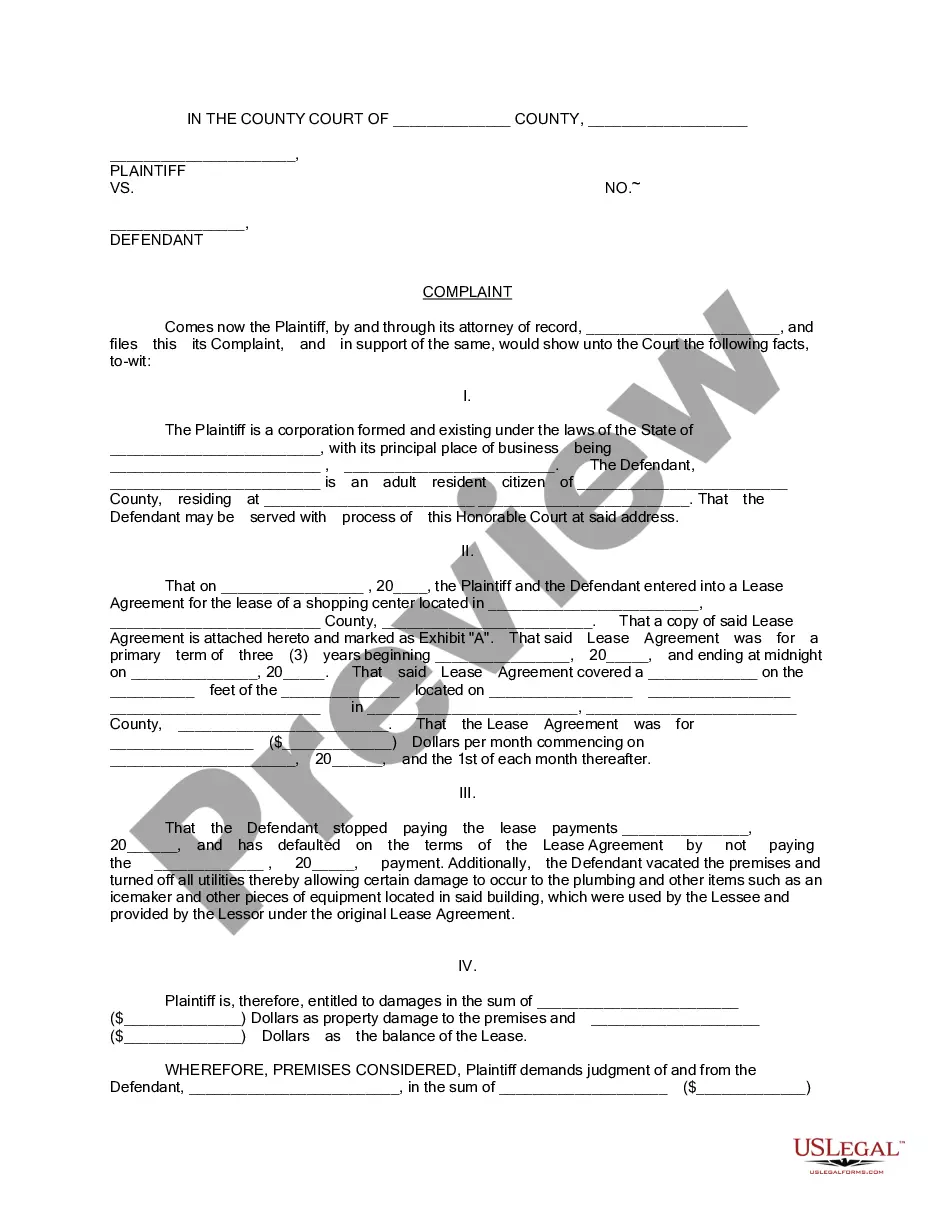
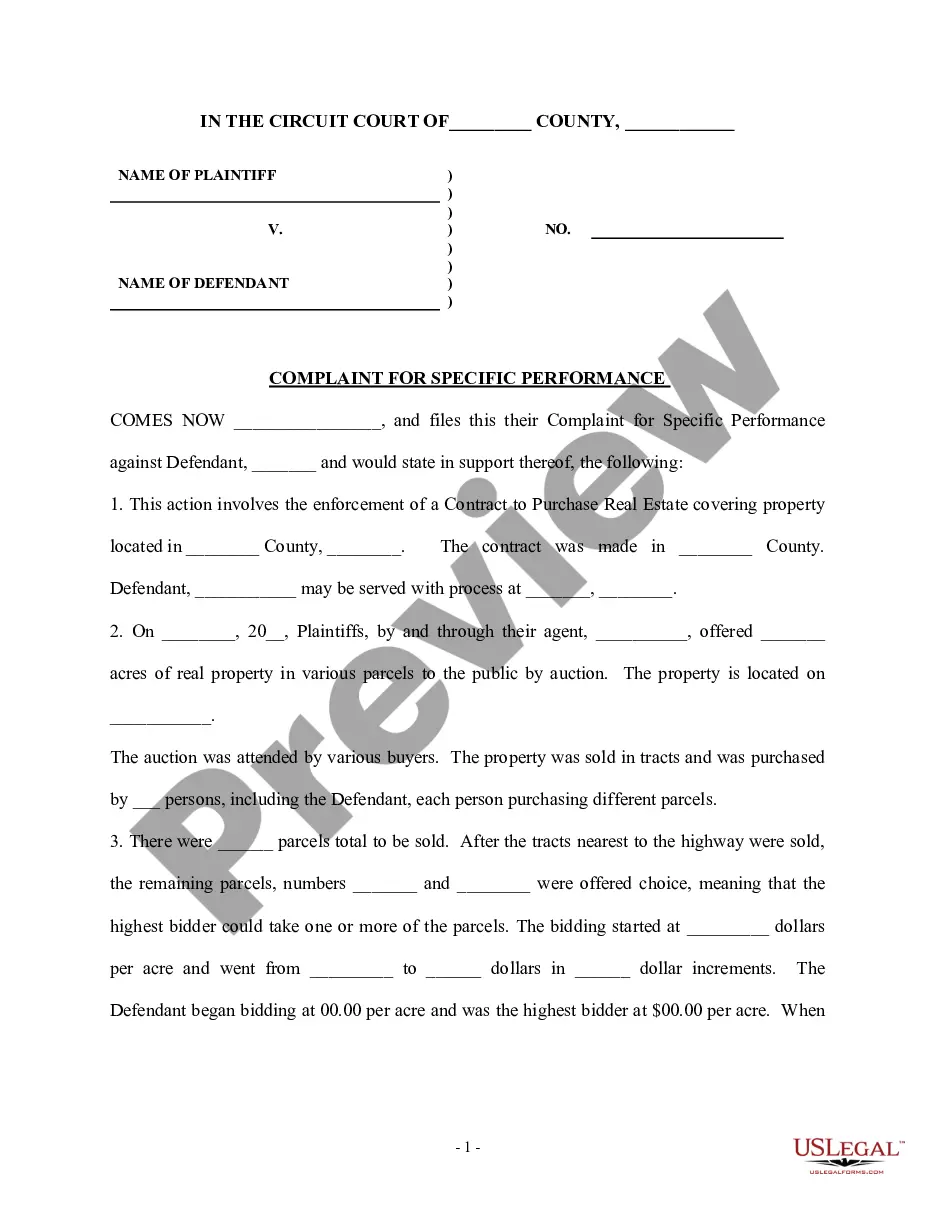
The Complaint or Petition by Purchaser Against Possessor of Real Property After Judicial Foreclosure Sale - Repossession form is a legal document used by property owners who have acquired real estate through a judicial foreclosure sale. This form enables the owner to initiate a lawsuit against any current possessor who remains in the property without legal rights, seeking their removal. It is essential in addressing unlawful detainer scenarios, differentiating it from other eviction processes that may not involve foreclosure issues.
Form components explained
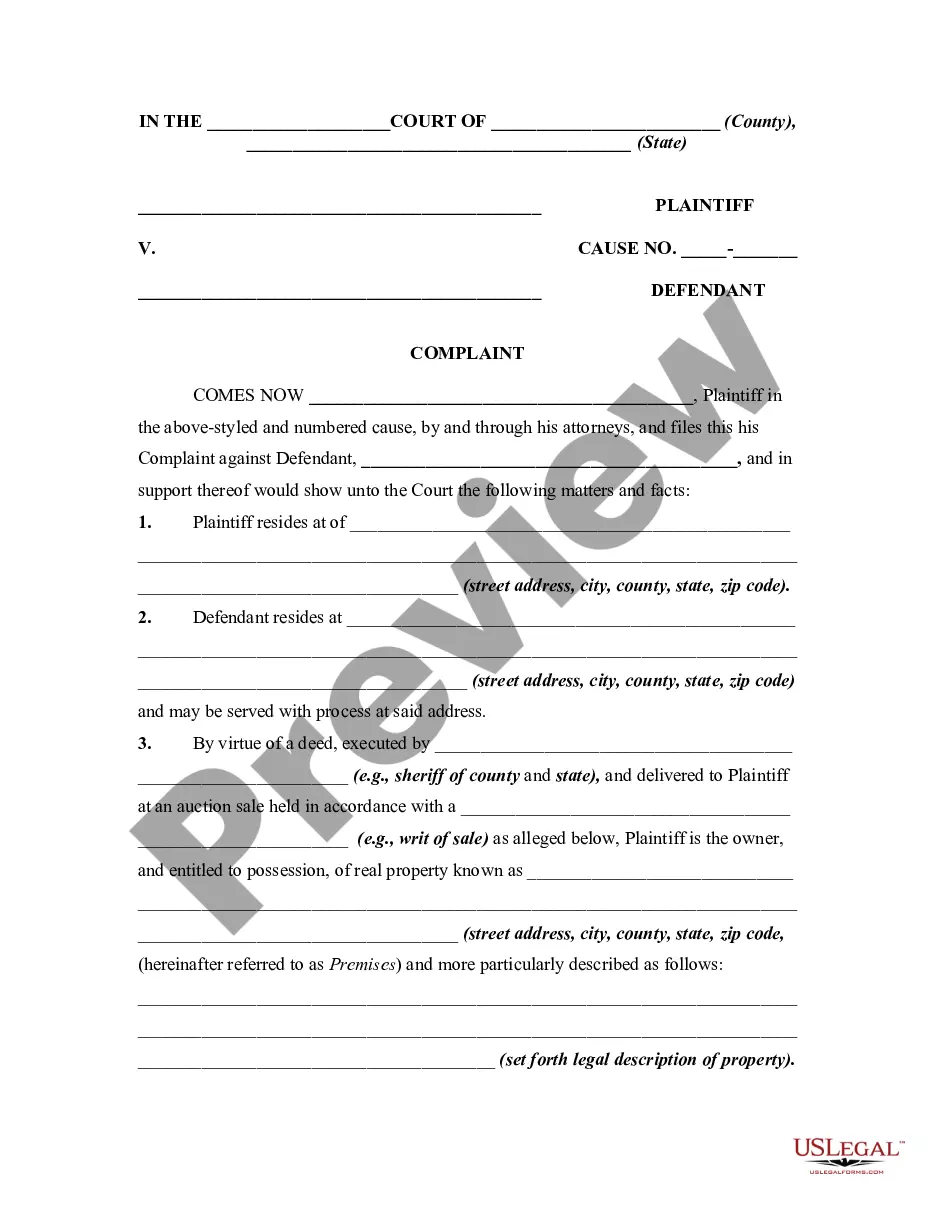
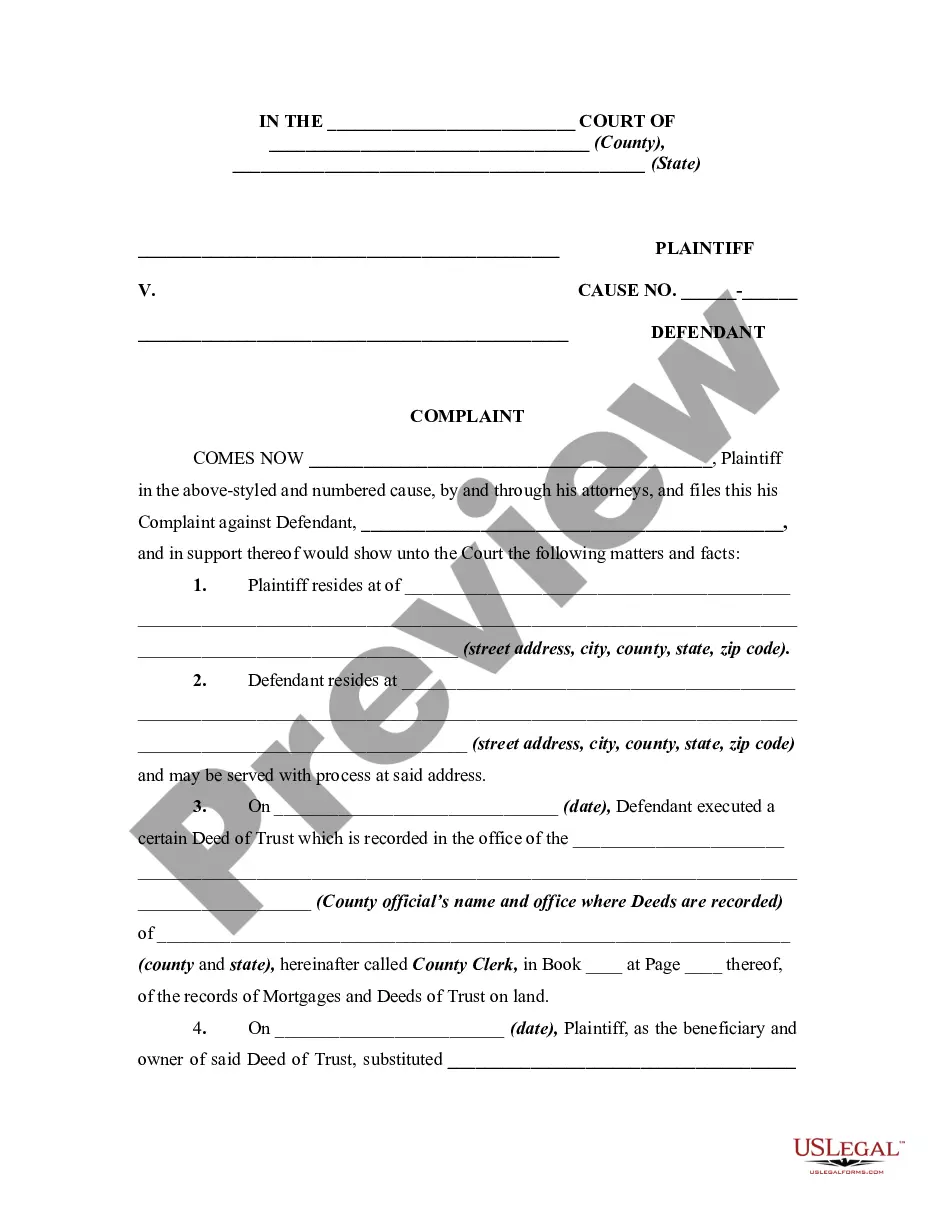
- Plaintiff and defendant information, including their addresses.
- Description of the property and legal title acquisition details.
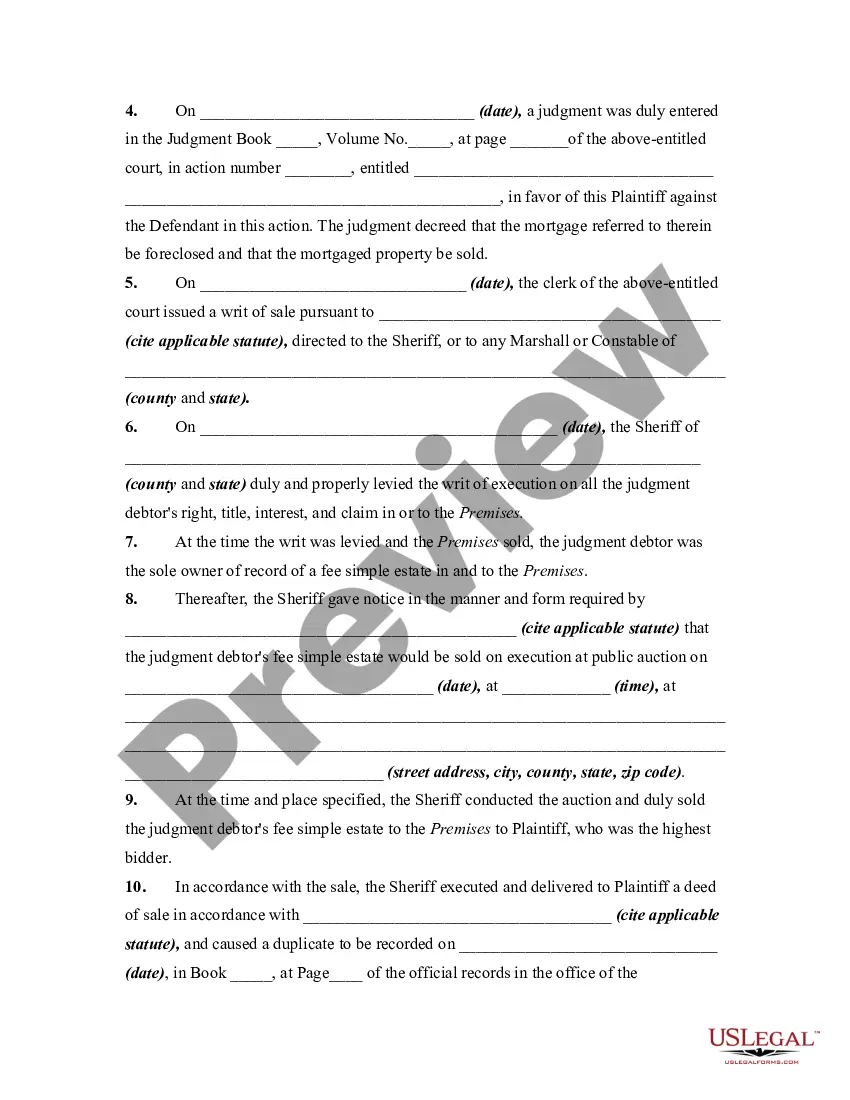
- Details of the foreclosure judgment and sale process.
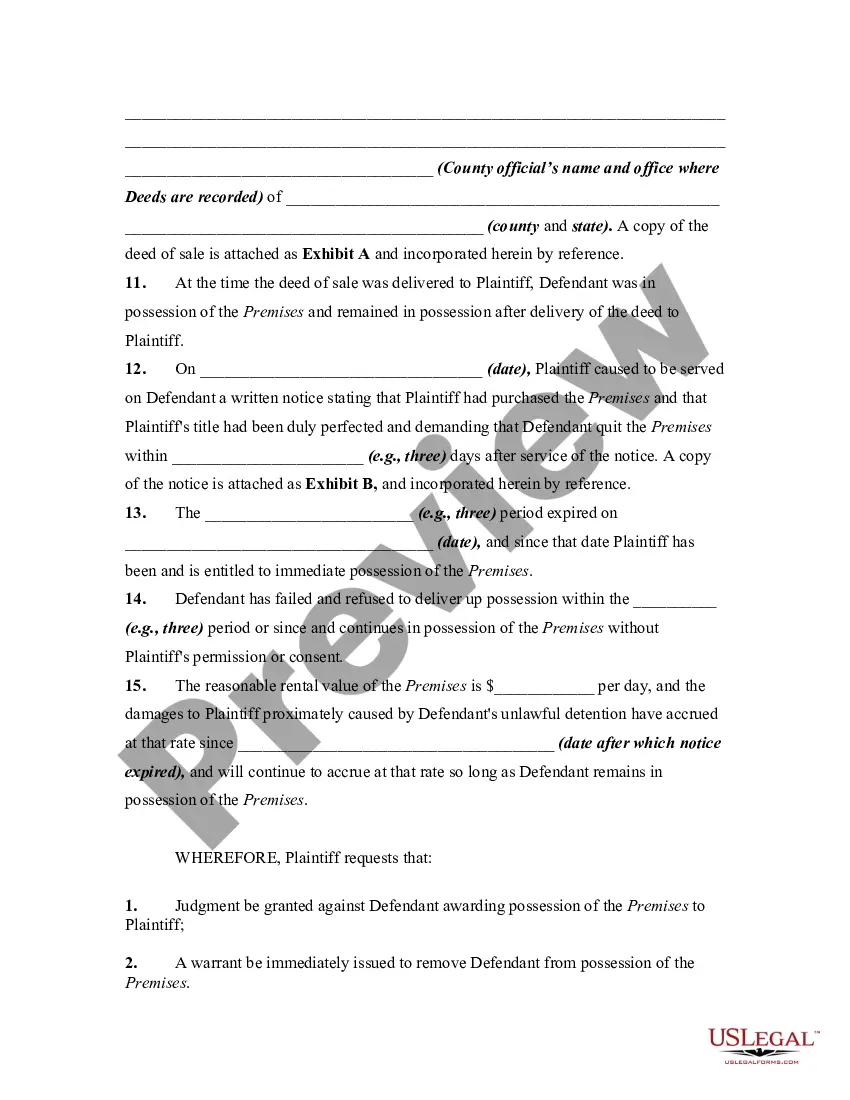
- Notice requirements served to the possessor before filing the complaint.
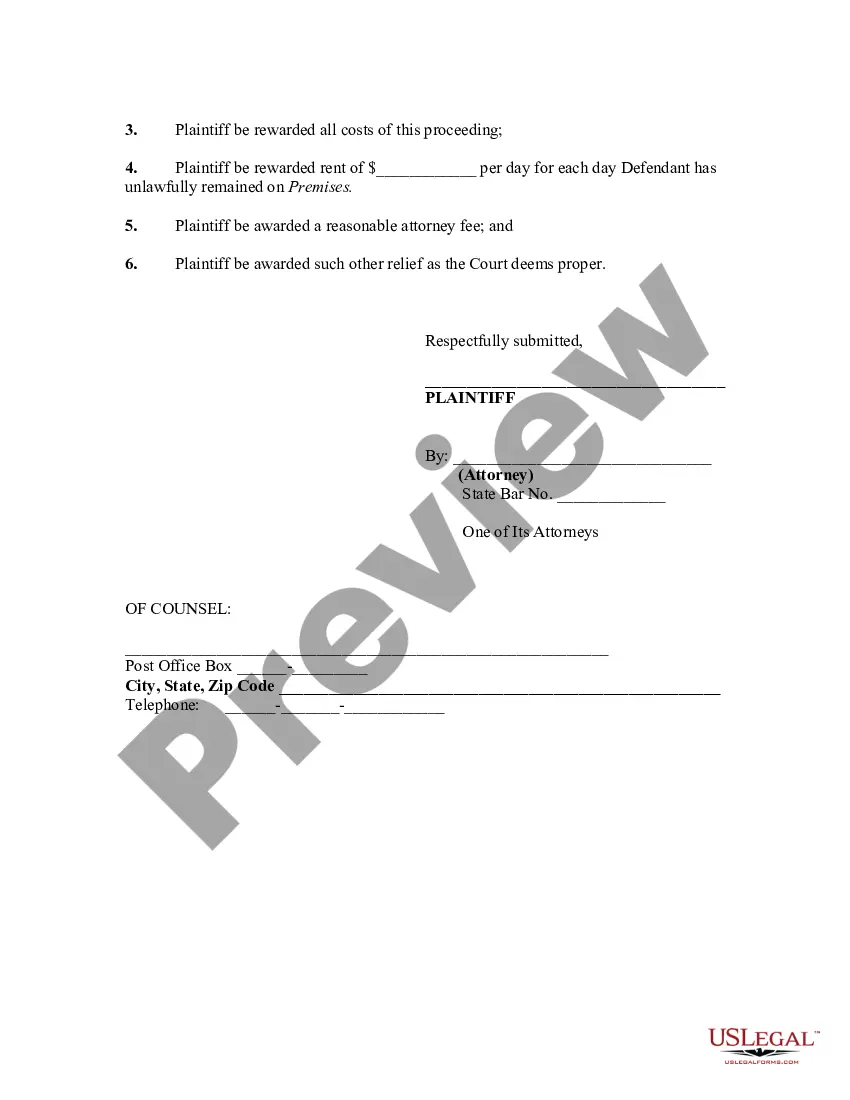
- Requests for possession, damages, and attorney fees from the court.

Situations where this form applies
This form should be used when a property owner seeks to reclaim possession of their property after it has been sold at a foreclosure auction. It is relevant in situations where the former owner or another party continues to occupy the premises without legal justification, following the foreclosure sale.
Who needs this form
- Homeowners who have purchased property at a judicial foreclosure sale.
- Investors looking to regain possession of real estate after a foreclosure auction.
- Attorneys representing clients in unlawful detainer cases related to foreclosed properties.
Steps to complete this form
- Identify the plaintiff and defendant, including their full addresses.
- Provide the legal description of the property involved in the foreclosure.
- Enter key dates related to the foreclosure judgment and sale proceedings.
- Attach copies of the notice served to the possessor and any relevant deeds.
- Specify the damages and rental value associated with the unlawful possession.
Does this form need to be notarized?
To make this form legally binding, it must be notarized. Our online notarization service, powered by Notarize, lets you verify and sign documents remotely through an encrypted video session.
Get your form ready online
Our built-in tools help you complete, sign, share, and store your documents in one place.
Make edits, fill in missing information, and update formatting in US Legal Forms—just like you would in MS Word.
Download a copy, print it, send it by email, or mail it via USPS—whatever works best for your next step.
Sign and collect signatures with our SignNow integration. Send to multiple recipients, set reminders, and more. Go Premium to unlock E-Sign.
If this form requires notarization, complete it online through a secure video call—no need to meet a notary in person or wait for an appointment.
We protect your documents and personal data by following strict security and privacy standards.

Make edits, fill in missing information, and update formatting in US Legal Forms—just like you would in MS Word.

Download a copy, print it, send it by email, or mail it via USPS—whatever works best for your next step.

Sign and collect signatures with our SignNow integration. Send to multiple recipients, set reminders, and more. Go Premium to unlock E-Sign.

If this form requires notarization, complete it online through a secure video call—no need to meet a notary in person or wait for an appointment.

We protect your documents and personal data by following strict security and privacy standards.
Typical mistakes to avoid
- Failing to properly identify all parties involved, including accurate addresses.
- Not including required attachments, such as notice copies or deed documentation.
- Missing deadlines for serving notice prior to filing the complaint.
- Not specifying the correct legal descriptions of the property.
Why complete this form online
- Convenient access to up-to-date, attorney-drafted legal templates.
- Easy editing to customize your form as per your specific case details.
- Ability to download and print forms immediately, saving time in legal proceedings.
Looking for another form?
Form popularity
FAQ
If the court grants summary judgment in favor of the bank, typically after a hearing, the bank wins the case, and your home will be sold at a foreclosure sale.order the foreclosure sale, or. dismiss the case, usually without prejudice. (Without prejudice means the bank can refile the foreclosure.)
Kentucky is a judicial foreclosure state and a lawsuit must be filed by a licensed attorney for any corporation to foreclose on a mortgage.
After foreclosure, you might still owe your bank some money (the deficiency), but the security (your house) is gone. So, the deficiency is now an unsecured debt.
It takes approximately 5 months to foreclose on a Kentucky property. That process may be lengthened if the borrower contests the foreclosure or it may be shortened if the borrower abandons the property during the foreclosure process.
You have up until 5 days before the foreclosure sale to cure the default and stop the process. This is called reinstatement of the loan.
In Kentucky, the purchaser from the foreclosure sale is entitled to possession of the property after ten days' notice to the former owners.
Judicial foreclosure is when foreclosure proceedings on a property take place through the court system. This type of foreclosure process often occurs when a mortgage note lacks a power of sale clause, which would legally authorize the mortgage lender to sell the property if a default occurred.
Foreclosure Defined Foreclosure means that your mortgage lender can legally repossess your house due to nonpayment. They can then sell your house to help repay the debt you owe on it.
To get the deficiency judgment, the bank has to file an application with the court within three months of the foreclosure sale. The judge will then hold a fair value hearing to determine the property's value.