Texas Site Work Contractor Package
Overview of this form package
The Texas Site Work Contractor Package is a comprehensive set of legal documents specifically designed for site work contractors, subcontractors, homeowners, and suppliers. This package is tailored to address common legal issues encountered during residential construction projects, particularly those involving land preparation and clearing. The primary feature of this package is the site work contract that adheres to Texas state law, ensuring that your agreements are legally sound and enforceable.
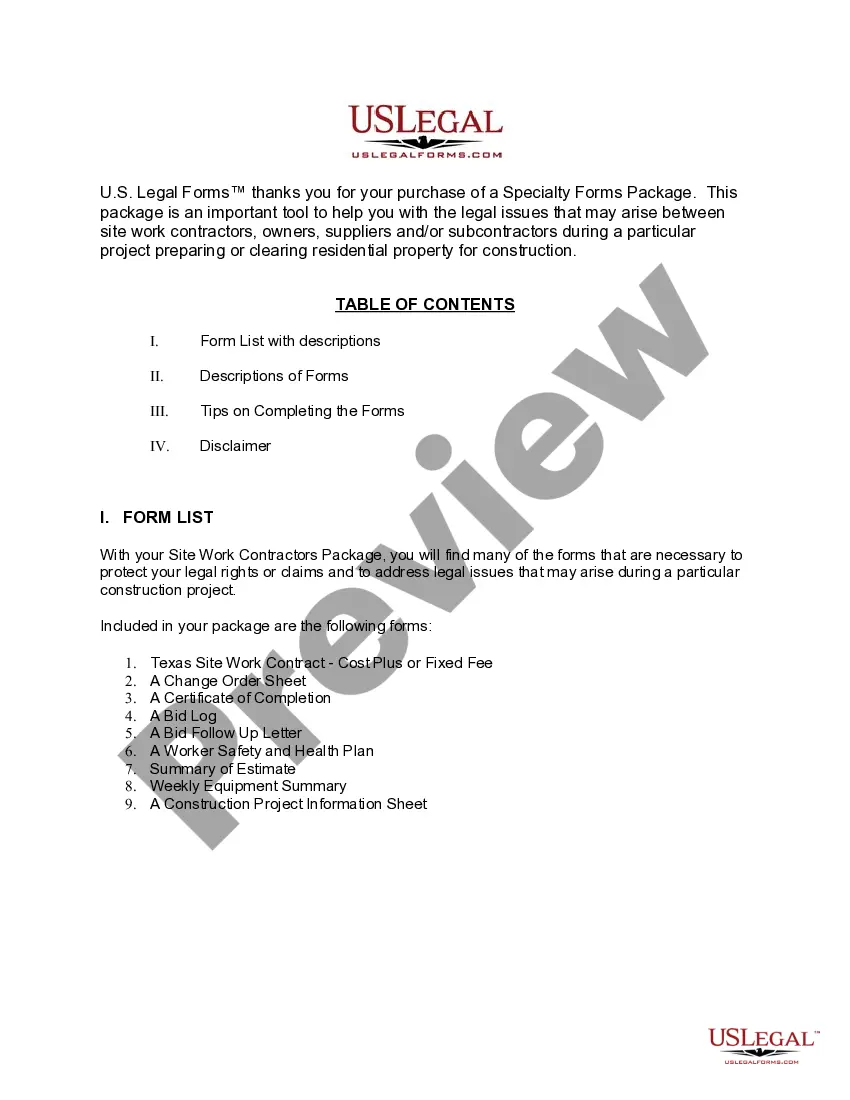
Forms included in this package
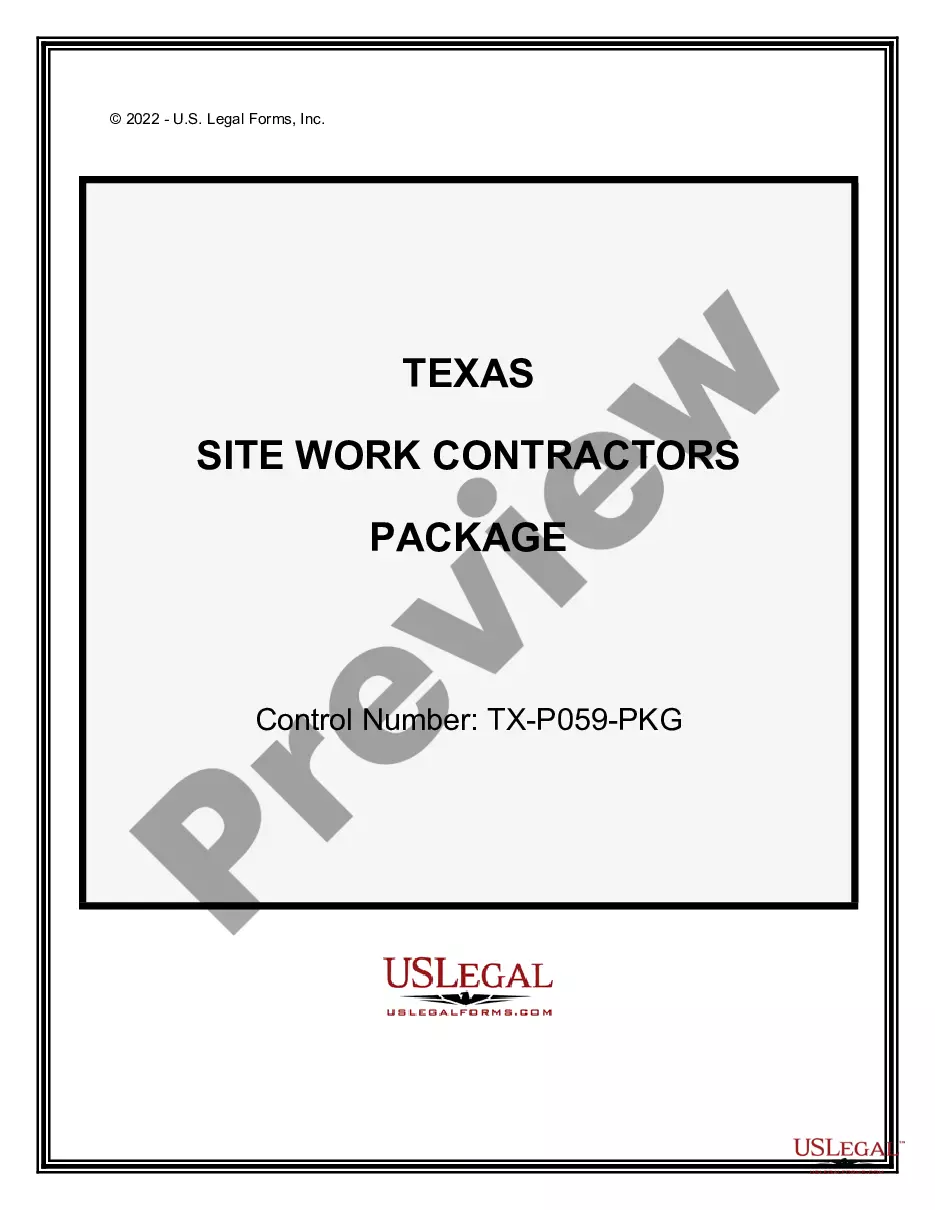
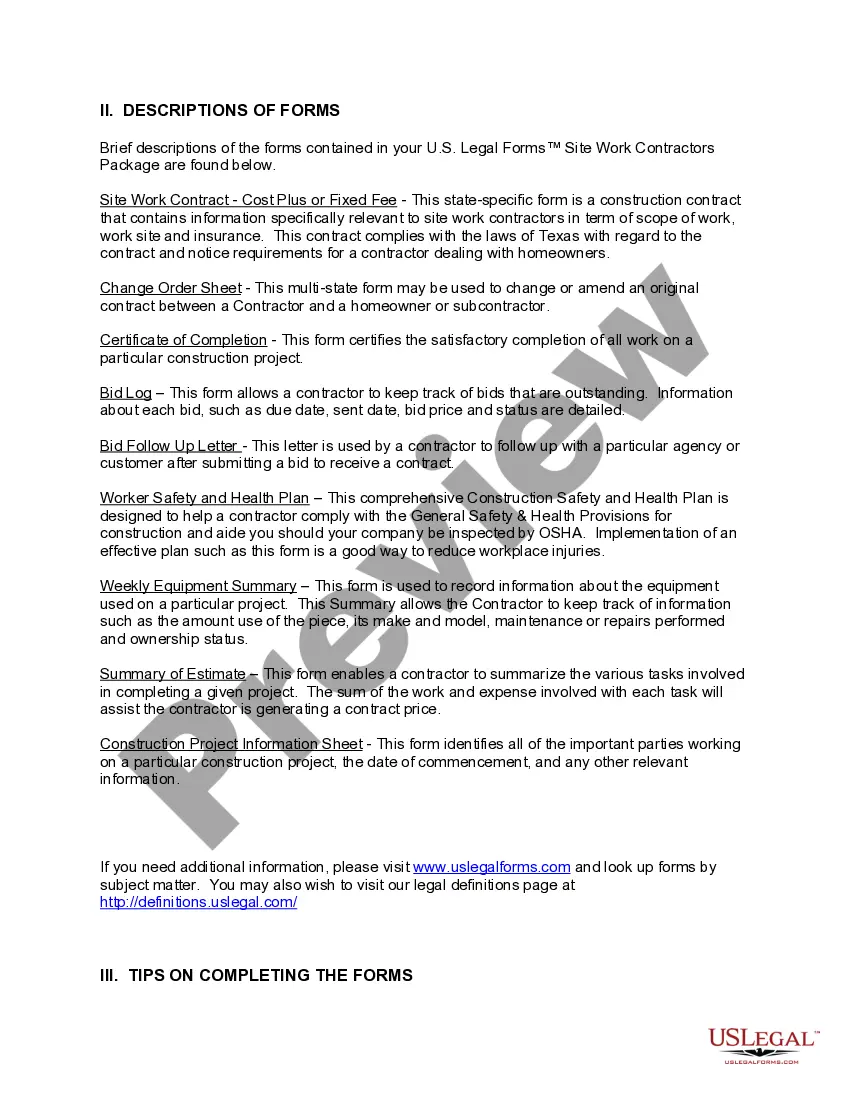
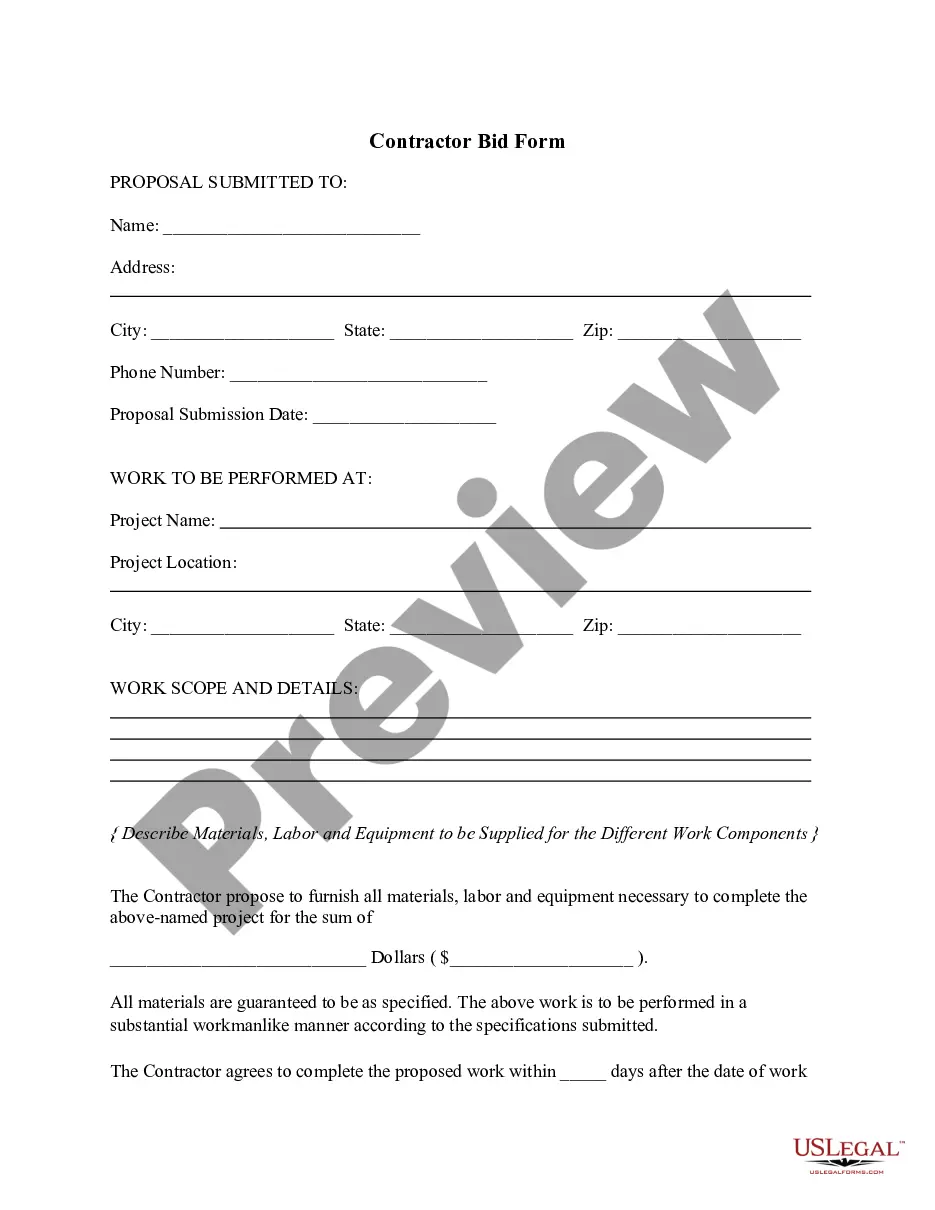
- Site Work Contract for Contractor
- Contractor's Weekly Equipment Summary
- Contractor's Bid Log
- Contractor's Bid Follow Up Letter
- Contractor's Summary of an Estimate
- Construction Safety and Health Plan
- Change Order for Construction or Repairs by Contractor
- Certification of Completion by Contractor
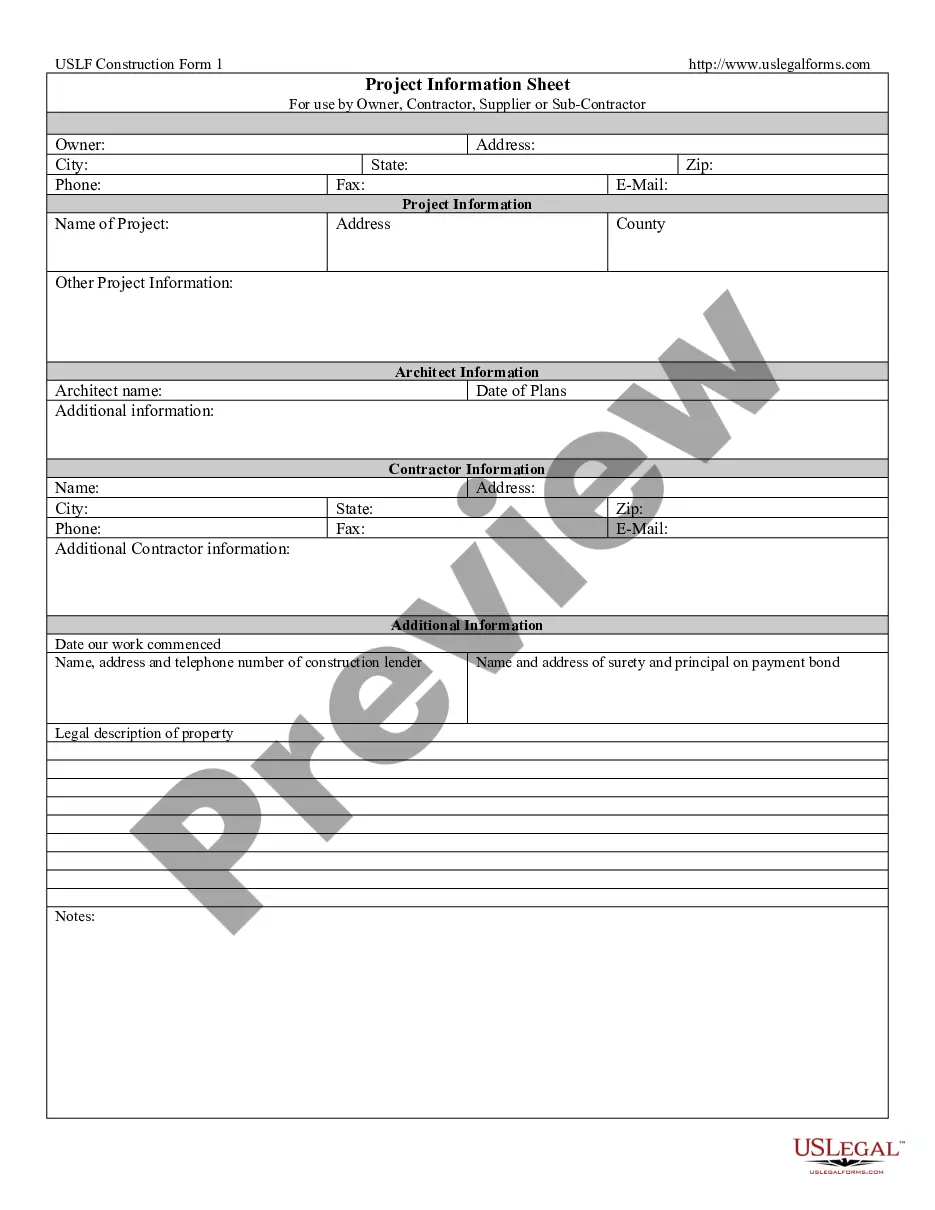
- Construction Project Information Sheet
When to use this document
This form package is useful in a variety of real-world scenarios, including:
- When starting a new construction project that requires land clearing or site preparation.
- When needing to make changes to an existing contract with clients or subcontractors.
- When documenting equipment use and worker safety measures on-site.
- To certify the completion of construction work before moving on to the next project phase.
Who should use this form package
- Site work contractors looking to formalize agreements with clients.
- Homeowners engaged in construction projects who require legal documentation.
- Subcontractors needing clarity in contractual obligations and rights.
- Suppliers providing materials or services for construction activities.
Steps to complete these forms
- Review all included forms thoroughly to understand the information required.
- Identify the parties involved in the contract and enter their details.
- Specify project details, including timelines, scope of work, and payment terms in the site work contract.
- Use the change order sheet for any amendments needed during the project.
- Certify project completion by filling out the Certificate of Completion once the work is done.
Do documents in this package require notarization?
Forms in this package usually don’t need notarization, but certain jurisdictions or signing circumstances may require it. US Legal Forms provides a secure online notarization option powered by Notarize, accessible 24/7 from anywhere.
Get your form ready online
Our built-in tools help you complete, sign, share, and store your documents in one place.
Make edits, fill in missing information, and update formatting in US Legal Forms—just like you would in MS Word.
Download a copy, print it, send it by email, or mail it via USPS—whatever works best for your next step.
Sign and collect signatures with our SignNow integration. Send to multiple recipients, set reminders, and more. Go Premium to unlock E-Sign.
If this form requires notarization, complete it online through a secure video call—no need to meet a notary in person or wait for an appointment.
We protect your documents and personal data by following strict security and privacy standards.

Make edits, fill in missing information, and update formatting in US Legal Forms—just like you would in MS Word.

Download a copy, print it, send it by email, or mail it via USPS—whatever works best for your next step.

Sign and collect signatures with our SignNow integration. Send to multiple recipients, set reminders, and more. Go Premium to unlock E-Sign.

If this form requires notarization, complete it online through a secure video call—no need to meet a notary in person or wait for an appointment.

We protect your documents and personal data by following strict security and privacy standards.
Avoid these common issues
- Failing to include all necessary parties in the contracts.
- Not updating the change order sheet when changes are made to the original contract.
- Omitting important project details, such as the location or specific tasks.
- Neglecting to sign or date the documents where required.
Benefits of completing this package online
- Convenience of immediate access to essential legal forms, downloadable anytime.
- Editability allows you to customize forms to fit your specific needs.
- Reliability from forms drafted by licensed attorneys knowledgeable in Texas law.
Summary of main points
- The Texas Site Work Contractor Package provides essential legal documents for construction projects.
- Understanding when and how to use each form can prevent legal issues during construction.
- These forms comply with Texas regulations, enhancing their enforceability.
Looking for another form?
Form popularity
FAQ
Contract drawings and specifications. Priced bill of quantities. Construction programme. Project quality management plan. Project health and safety plan. Conditions of contract. Risk insurance.
The five requirements for creating a valid contract are an offer, acceptance, consideration, competency and legal intent.
You shouldn't pay more than 10 percent of the estimated contract price upfront, according to the Contractors State License Board.
General Requirements are used as the clearinghouse for items that do not apply directly to construction, the cost of which are customarily spread out over the entire project. These costs are also referred to as project overhead. For estimating purposes, either term is acceptable.
Typically, pay no more than 1/3rd up front. completed 1/3rd of the job. to your satisfaction. Don't sign your insurance check over to a contractor.
Standard construction contracts should have the following information and clauses: Name of contractor and contact information. Include the contractor's license number along with phone number, email address, and company address. Name of homeowner and contact information.
Bidding Documents. Construction Contractor Agreement. Architectural Drawings. Specifications. Bill of Quantities. Schedule. Work Orders. Subcontractor Application.
Your general contractor should provide proof of licensing, bonding and insurance before a project starts, but it's better to have it in hand before you sign any contracts. It's important that contractors carry any licensing and/or certification required for the specific trade or skill they practice.
Identifying/Contact Information. Title and Description of the Project. Projected Timeline and Completion Date. Cost Estimate and Payment Schedule. Stop Work Clause and Stop Payment Clause. Act of God Clause. Change Order Agreement. Warranty.