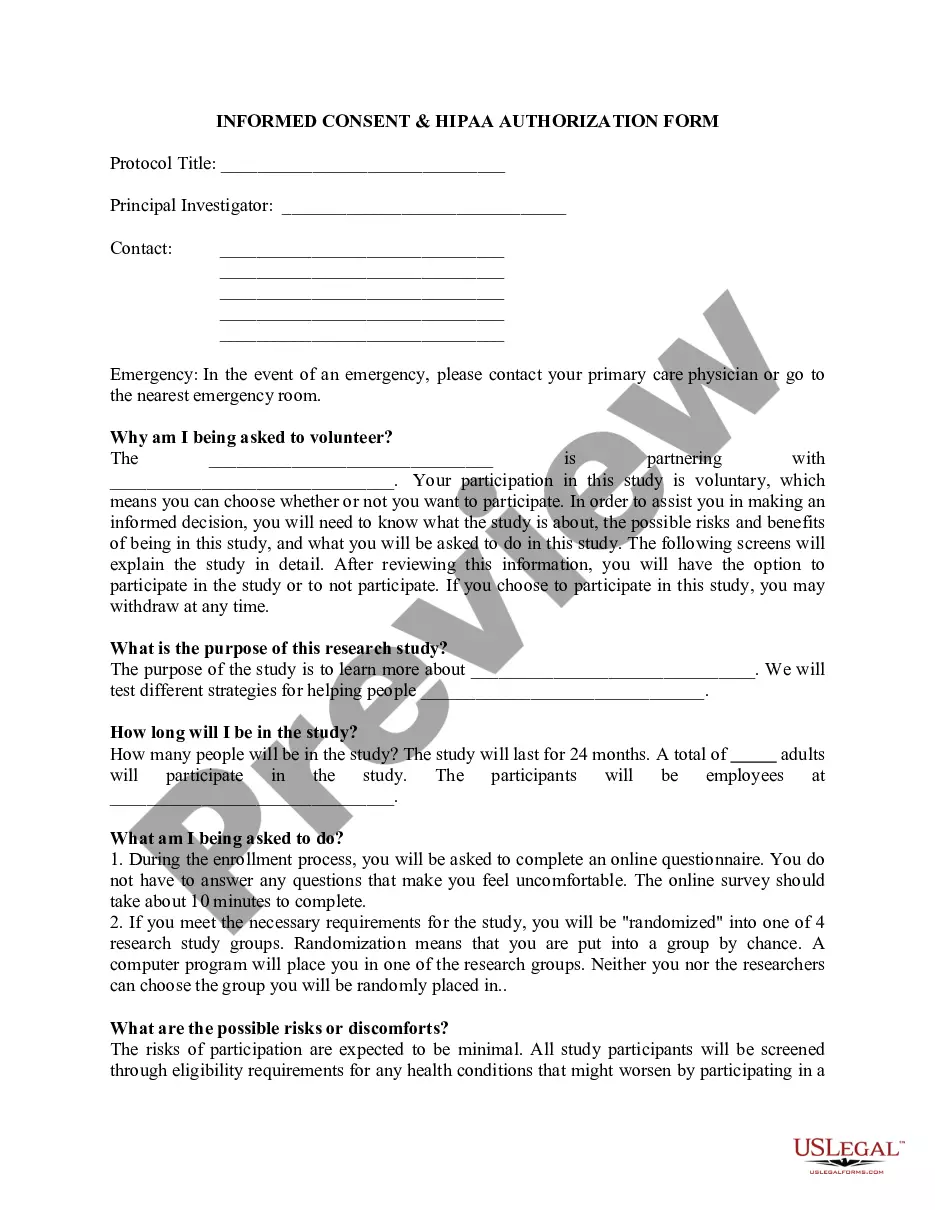
Texas Oil and Gas Acknowledgment
Understanding this form
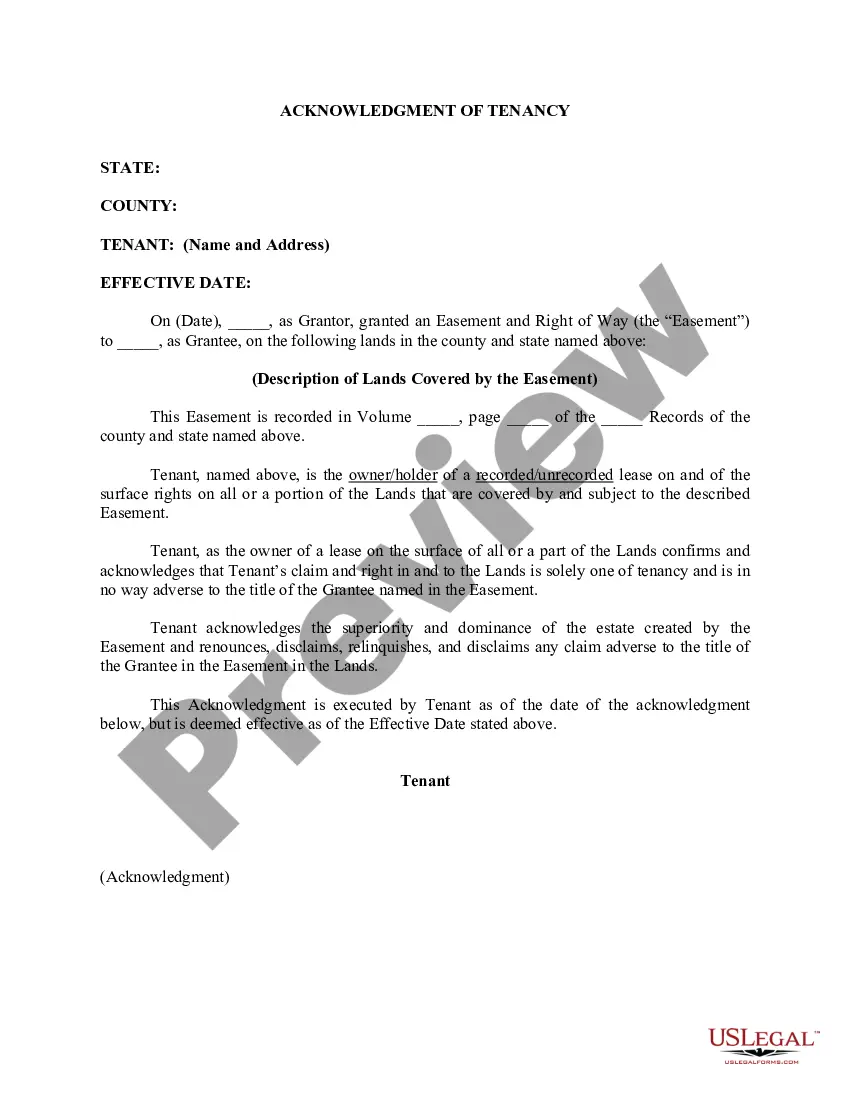
The Texas Oil and Gas Acknowledgment is a legal document that confirms the signature of a party involved in an instrument related to oil and gas rights. This acknowledgment is essential for any document that will be recorded, particularly those affecting real property interests. Unlike other acknowledgments, this form is specifically tailored for transactions involving oil and gas properties in Texas, ensuring that all signatures are properly verified by a notarizing authority.
Key parts of this document
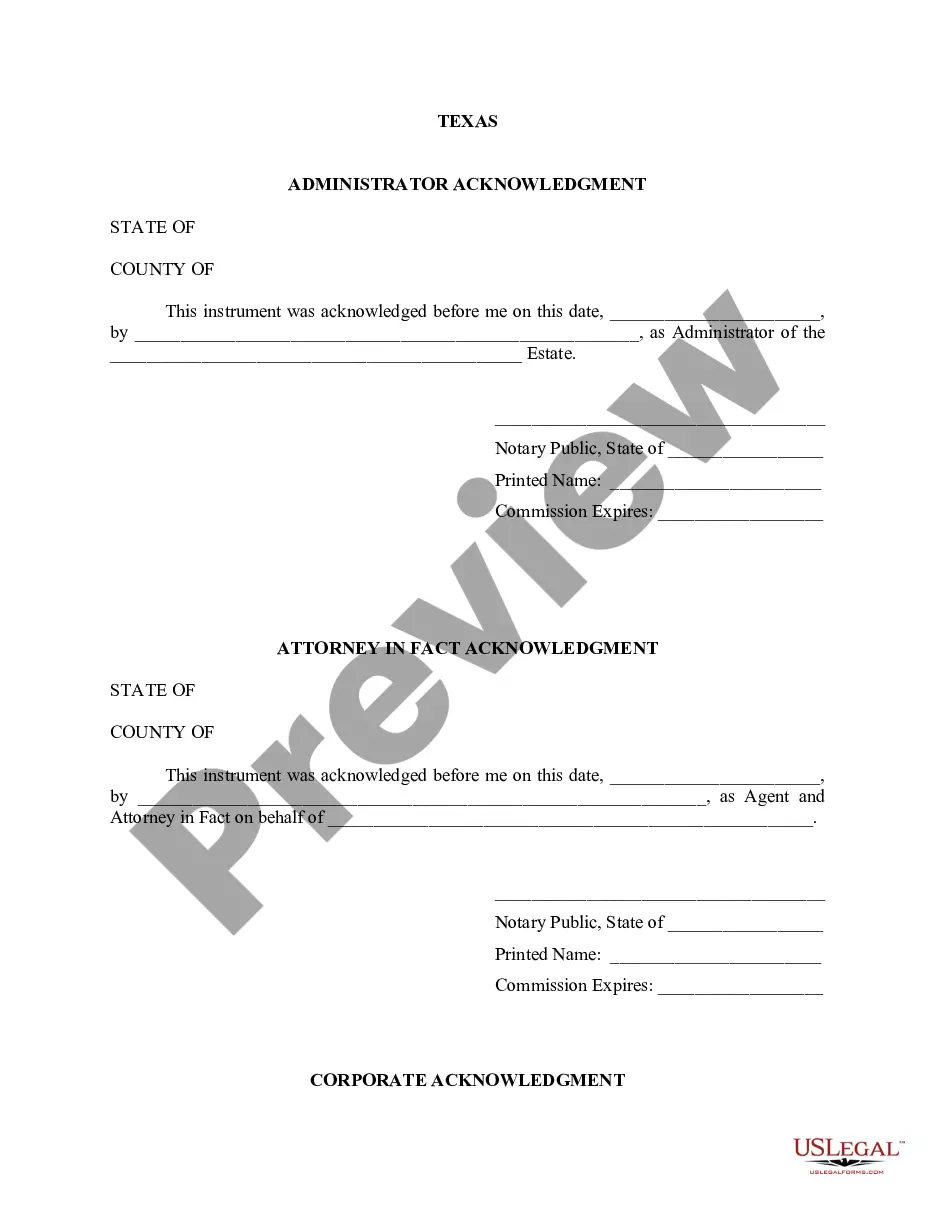
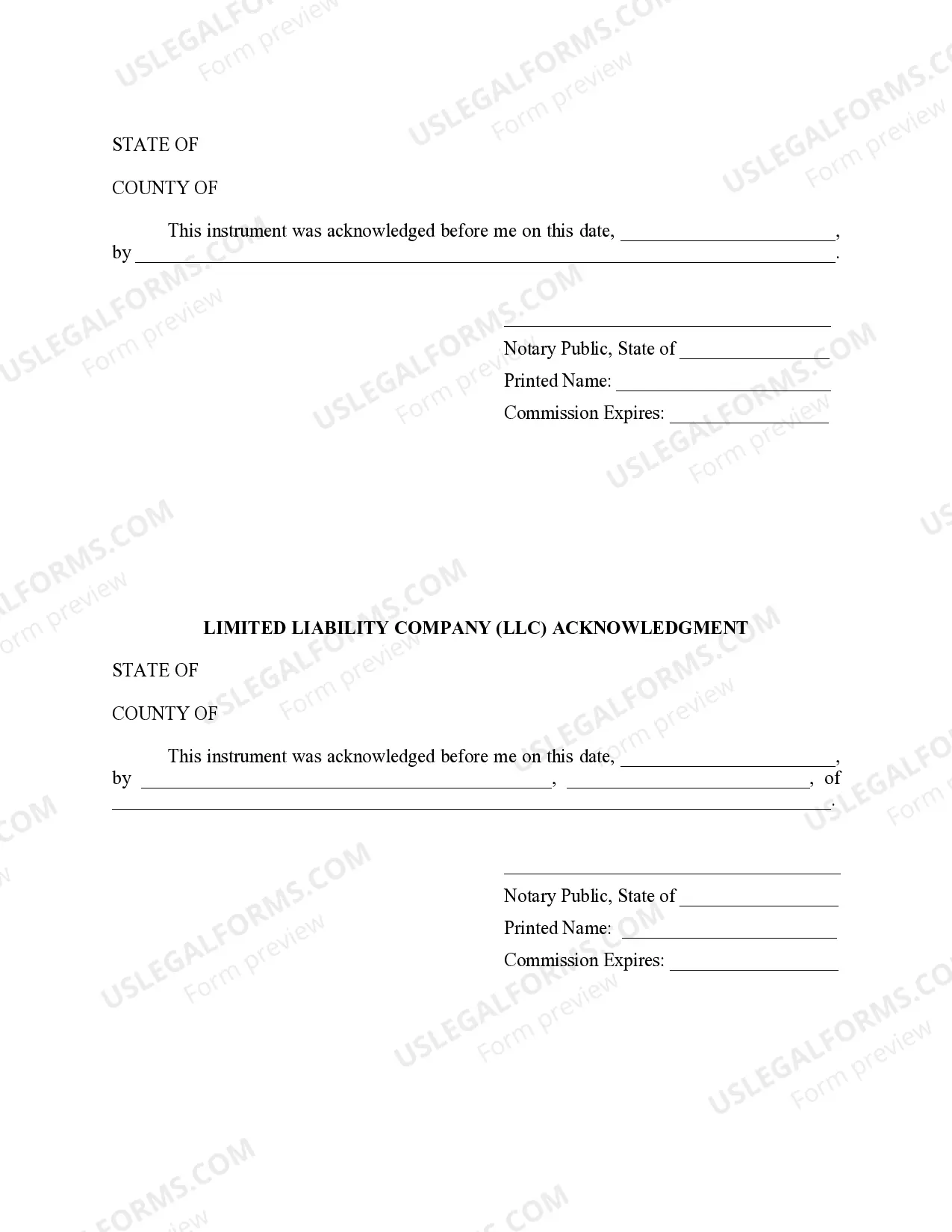
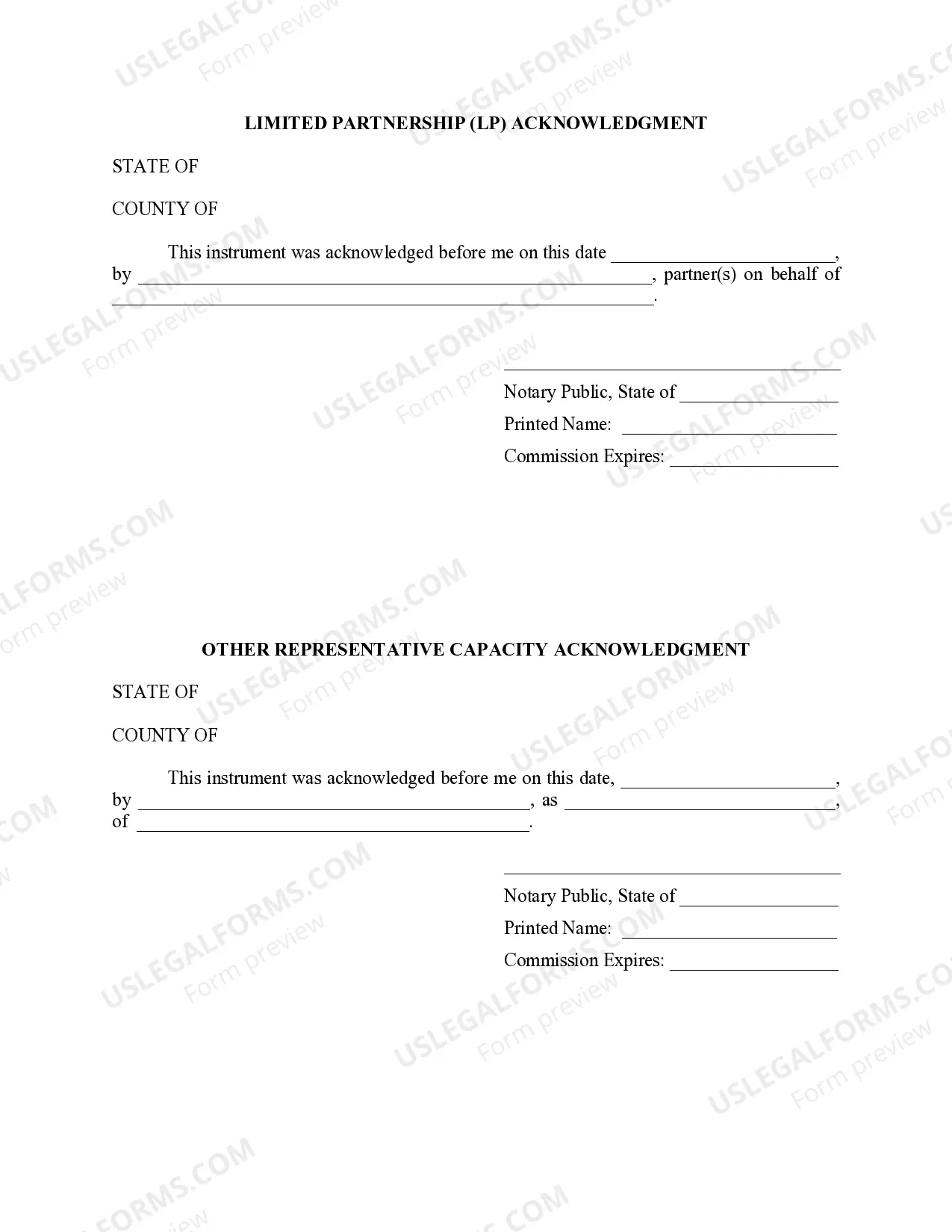
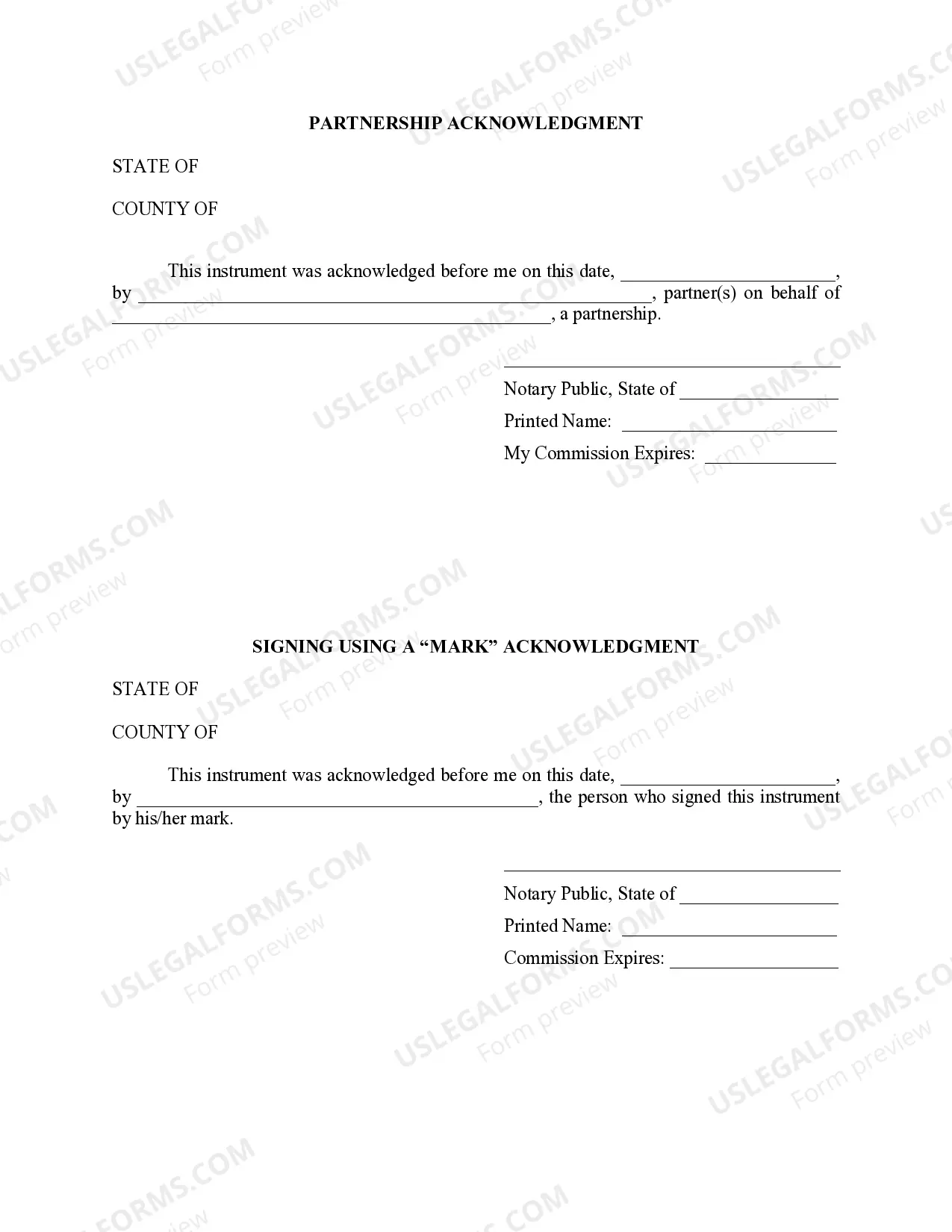
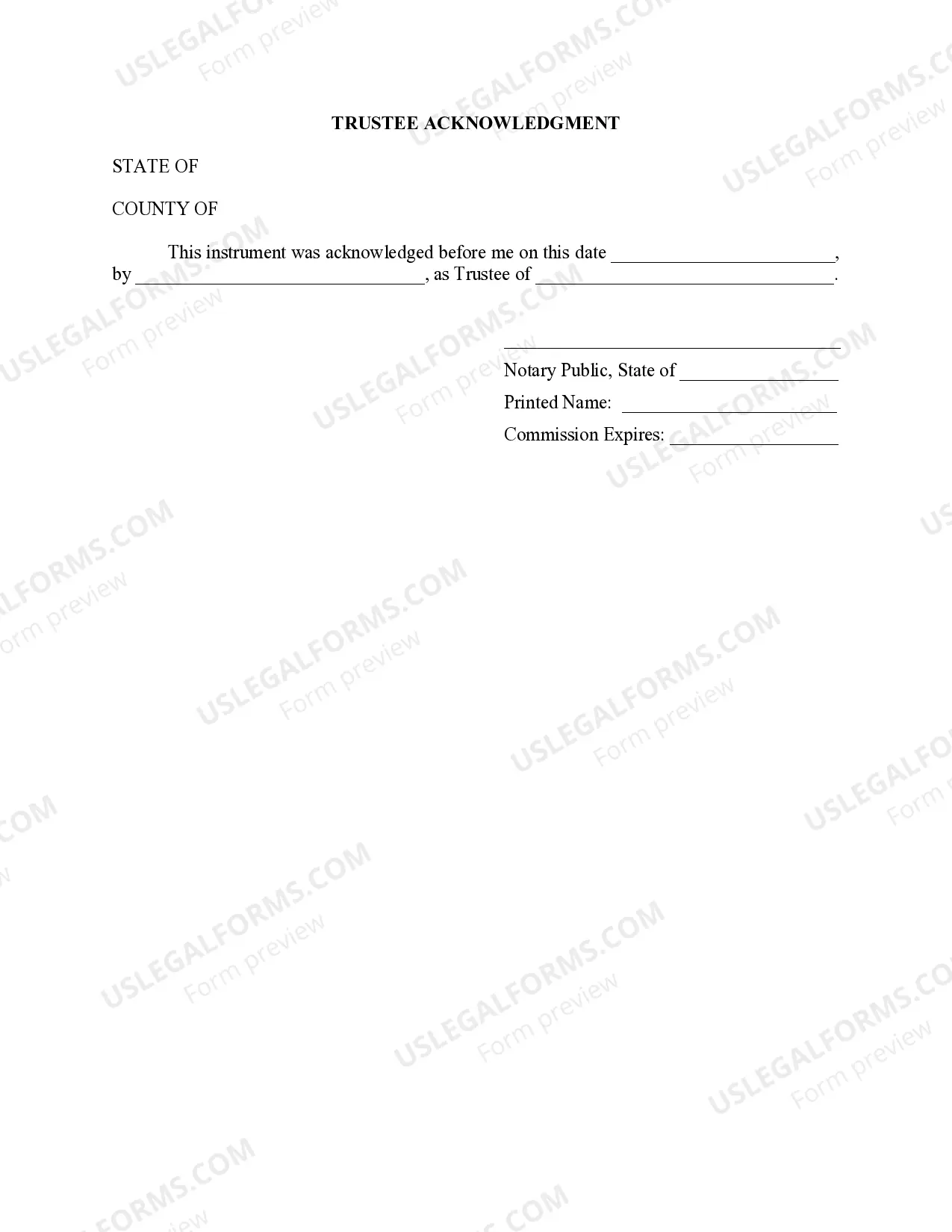
- Administrator acknowledgment section for estate representatives.
- Attorney in fact acknowledgment section for agents acting on behalf of others.
- Corporate acknowledgment for representatives of corporations.
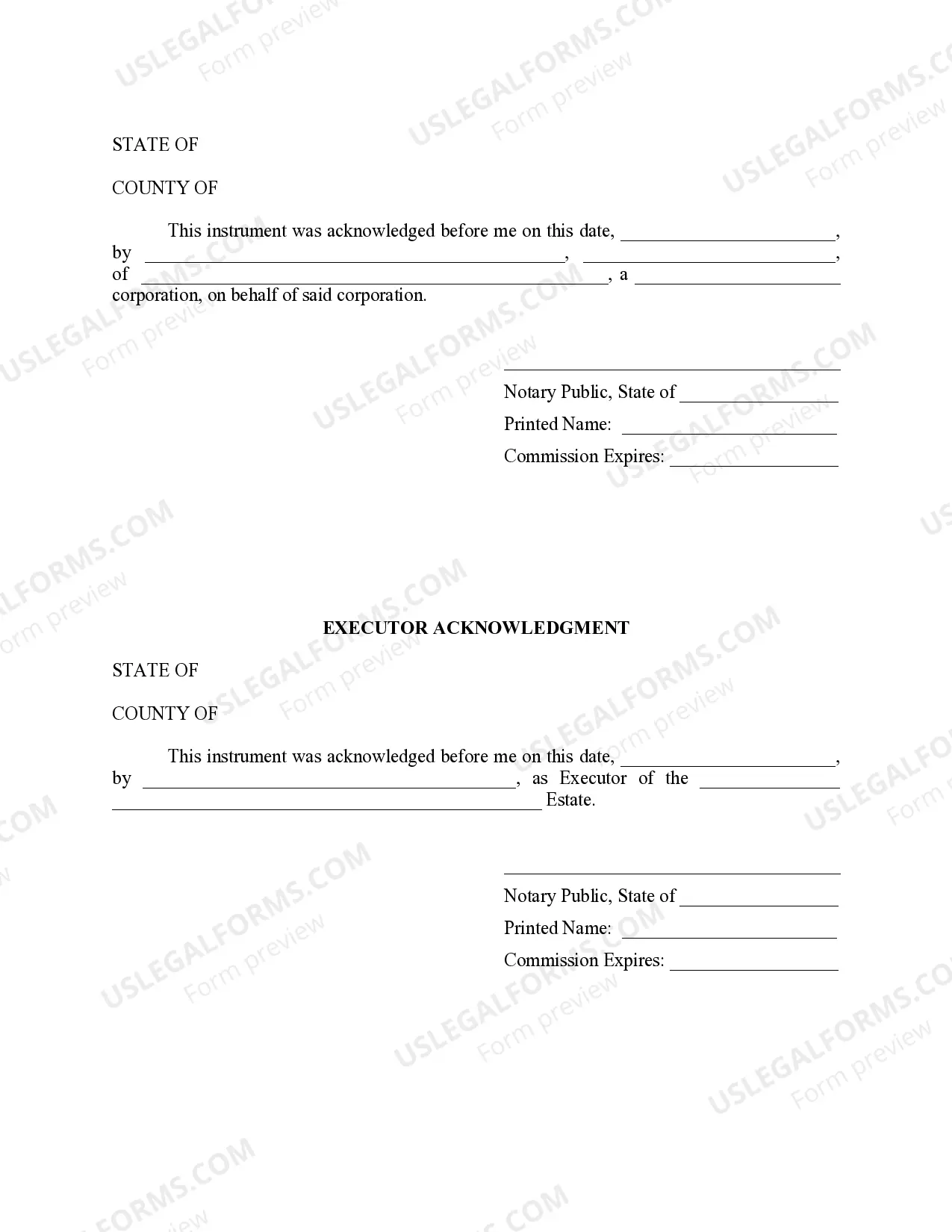
- Executor acknowledgment for individuals administering estates.
- Guardian acknowledgment for those managing the estate of a minor or incapacitated person.
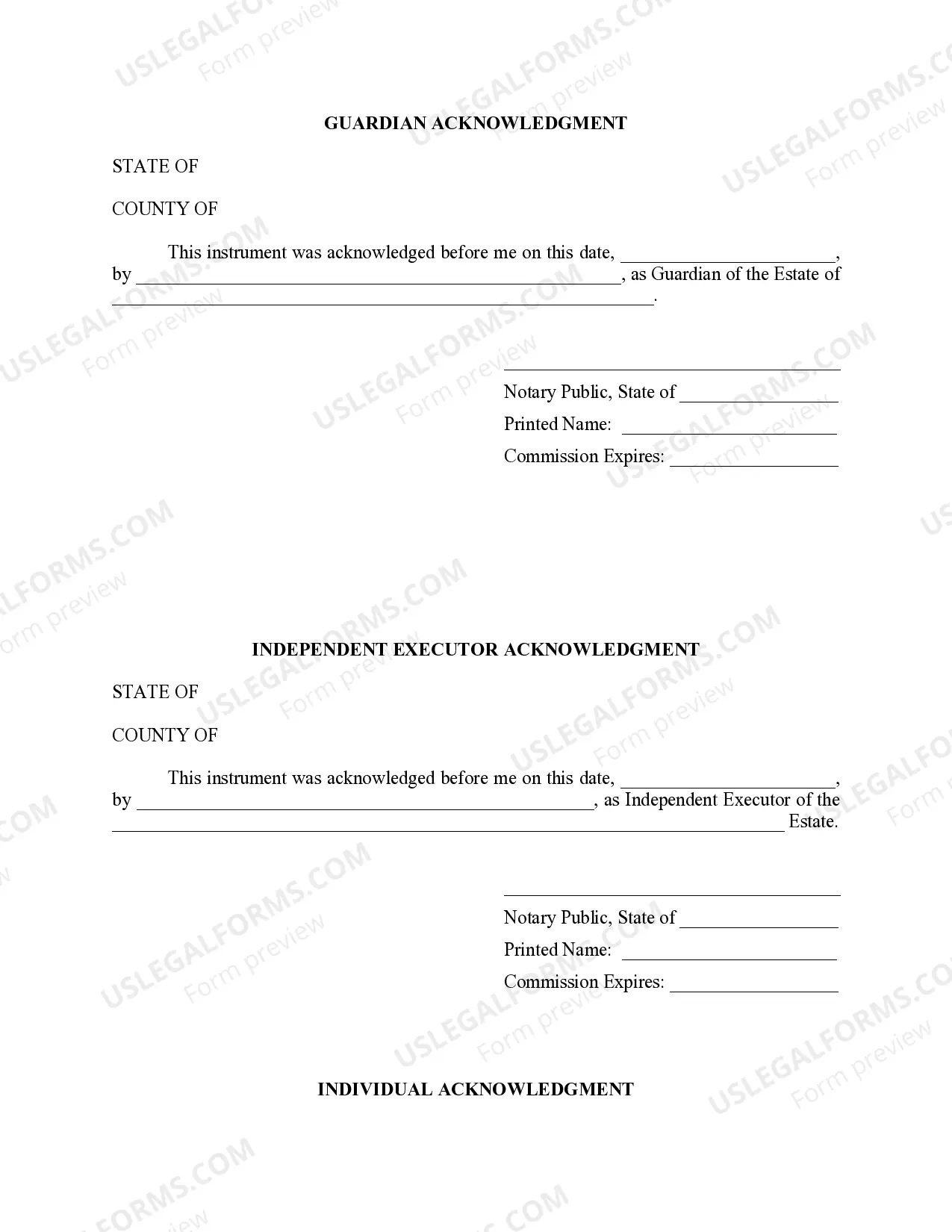
- Individual acknowledgment for personal signatories.
- Business entity acknowledgments for LLCs and partnerships.
- Notary public certification area to validate the acknowledgment.
When to use this document
This form is necessary when executing documents related to oil and gas transactions in Texas. Use it when any party is signing an agreement, deed, or other instrument that will be submitted for recording. Examples include transferring oil and gas leases, granting mineral rights, or other legal declarations that involve real property interests in the energy sector.
Who this form is for
- Administrators: Individuals managing an estate.
- Attorneys in fact: Agents acting on behalf of someone else.
- Corporate representatives: Officials representing a corporation.
- Executors: Individuals responsible for administering the estate of a deceased person.
- Guardians: Individuals managing the estate of minors or incapacitated persons.
- Individuals: Anyone personally signing an instrument related to oil and gas transactions.
- Business representatives: Officials from limited partnerships or limited liability companies (LLCs).
How to prepare this document
- Identify the type of acknowledgment needed (e.g., administrator, executor, corporate).
- Fill in the date of acknowledgment and the name of the individual acknowledging the signature.
- Complete the estate or corporation's name, if applicable.
- Have the notary public fill in their details, including their printed name and commission expiration date.
- Ensure the signatory and notary public sign where indicated to validate the document.
Does this document require notarization?
Notarization is required for this form to take effect. Our online notarization service, powered by Notarize, lets you verify and sign documents remotely through an encrypted video session, available 24/7.
Get your form ready online
Our built-in tools help you complete, sign, share, and store your documents in one place.
Make edits, fill in missing information, and update formatting in US Legal Forms—just like you would in MS Word.
Download a copy, print it, send it by email, or mail it via USPS—whatever works best for your next step.
Sign and collect signatures with our SignNow integration. Send to multiple recipients, set reminders, and more. Go Premium to unlock E-Sign.
If this form requires notarization, complete it online through a secure video call—no need to meet a notary in person or wait for an appointment.
We protect your documents and personal data by following strict security and privacy standards.

Make edits, fill in missing information, and update formatting in US Legal Forms—just like you would in MS Word.

Download a copy, print it, send it by email, or mail it via USPS—whatever works best for your next step.

Sign and collect signatures with our SignNow integration. Send to multiple recipients, set reminders, and more. Go Premium to unlock E-Sign.

If this form requires notarization, complete it online through a secure video call—no need to meet a notary in person or wait for an appointment.

We protect your documents and personal data by following strict security and privacy standards.
Common mistakes to avoid
- Failing to complete all required sections of the acknowledgment.
- Not having the document notarized in a timely manner.
- Leaving out the name of the estate, corporation, or individual involved.
- Forgetting to include the expiration date of the notary's commission.
Advantages of online completion
- Immediate access to professionally drafted templates.
- Editability to customize the form according to your specific needs.
- Convenience of downloading and storing documents digitally.
- Time-saving compared to visiting a legal office.
What to keep in mind
- The Texas Oil and Gas Acknowledgment is essential for validating signatures on documents affecting oil and gas property interests.
- Proper notarization is required for legal validity.
- This form is specifically tailored for different types of representatives, including administrators, corporate officials, and guardians.
- Filling out the form correctly helps avoid common pitfalls that could render the acknowledgment invalid.
Looking for another form?
Form popularity
FAQ
Petroleum, also called crude oil, is a fossil fuel. Like coal and natural gas, petroleum was formed from the remains of ancient marine organisms, such as plants, algae, and bacteria.
Petroleum is found in underground pockets called reservoirs. Deep beneath the Earth, pressure is extremely high. Petroleum slowly seeps out toward the surface, where there is lower pressure. It continues this movement from high to low pressure until it encounters a layer of rock that is impermeable.
There are 1.65 trillion barrels of proven oil reserves in the world as of 2016. The world has proven reserves equivalent to 46.6 times its annual consumption levels. This means it has about 47 years of oil left (at current consumption levels and excluding unproven reserves).
Technically speaking it is actually unlikely that we will ever 'run out' of oil.Oil, and all other fossil fuels are finite resources by their very nature, but as easier reservoirs of oil are exhausted other more complicated reservoirs become economically viable.
The top oil producing countries are Saudi Arabia, Russia, the United States, Iran, and China. In the United States, petroleum is produced in 31 states. Those states that produce the most petroleum are Texas, Alaska, California, Louisiana, and Oklahoma.
So what happens when we run out? Hopefully we will have switched from finite resources like oil and natural gas to renewable, green resources like wind, solar and hydro power. Cars might run on electricity, or even water.Without oil, cars may become a relic of the past.
Oil prices fell more than 7% on Thursday, recording their biggest one-day drop since September as traders weighed signs that demand in Europe could falter and data showing that crude remains plentiful. U.S. crude prices ended the day down 7.1% at $60 a barrel following their fifth consecutive daily decline.
For example, one of the most-cited estimates comes from BP's BP prediction made on World Energy Day in 2014; based on reserve estimates of 1.688 trillion barrels, BP claimed the earth has enough oil left for about 53 more years at current production levels.
At our current consumption rate of about 20 million barrels a day, the Strategic Petroleum Reserve would last only 36 days if we were faced with a situation where the oil had to be released all at once (however, only 4.4 million barrels a day can be withdrawn, extending our supply to 165 days).