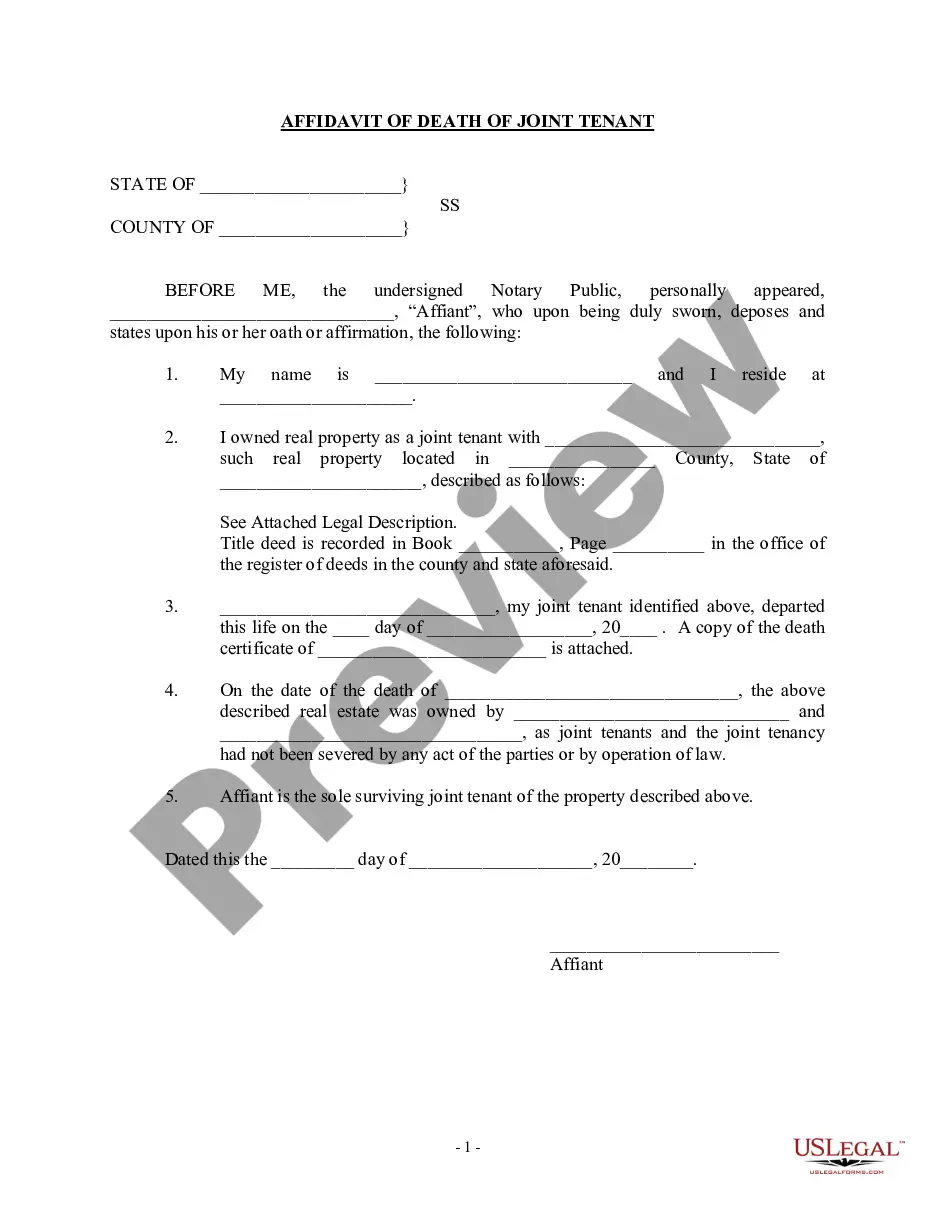
Texas Complete Small Estate Affidavit
Understanding this form
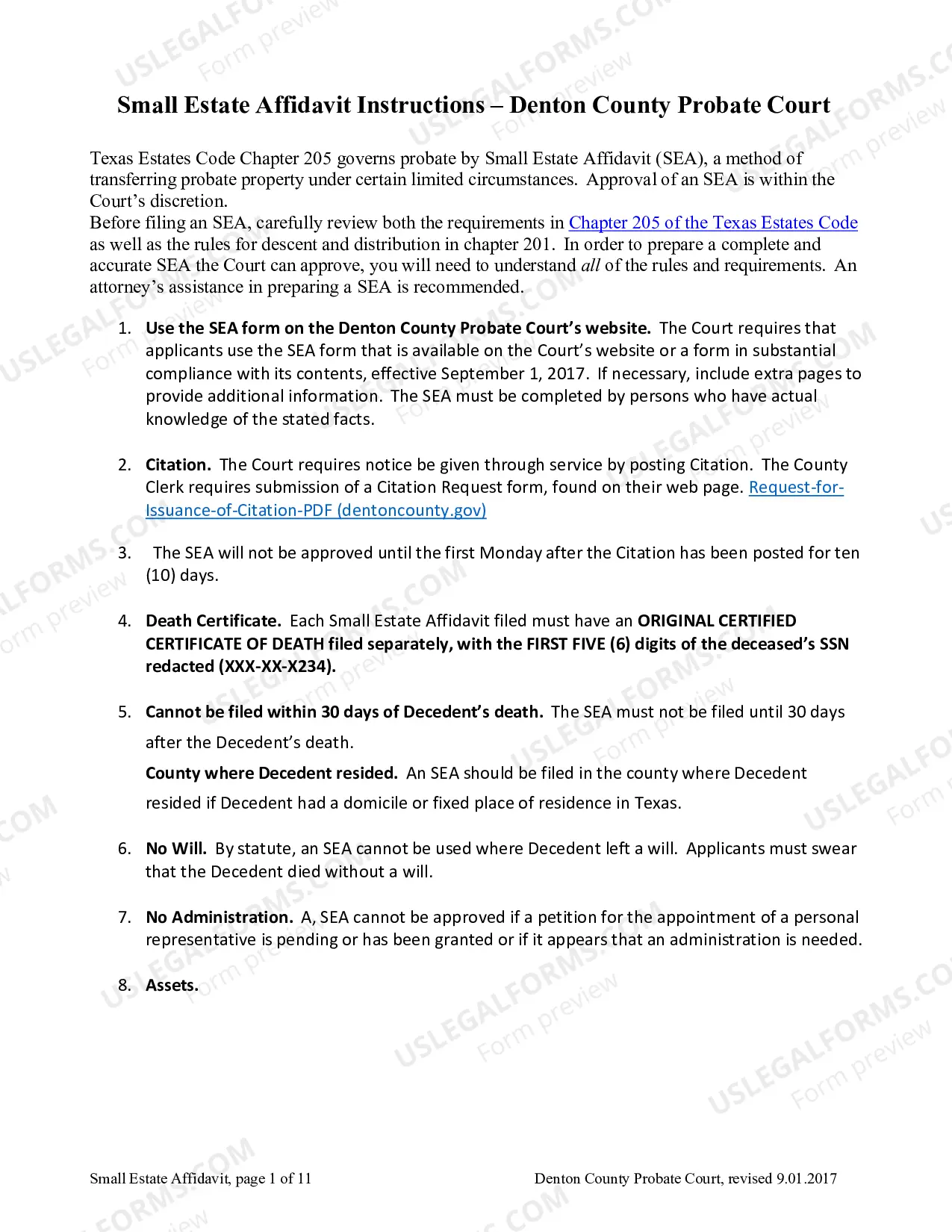
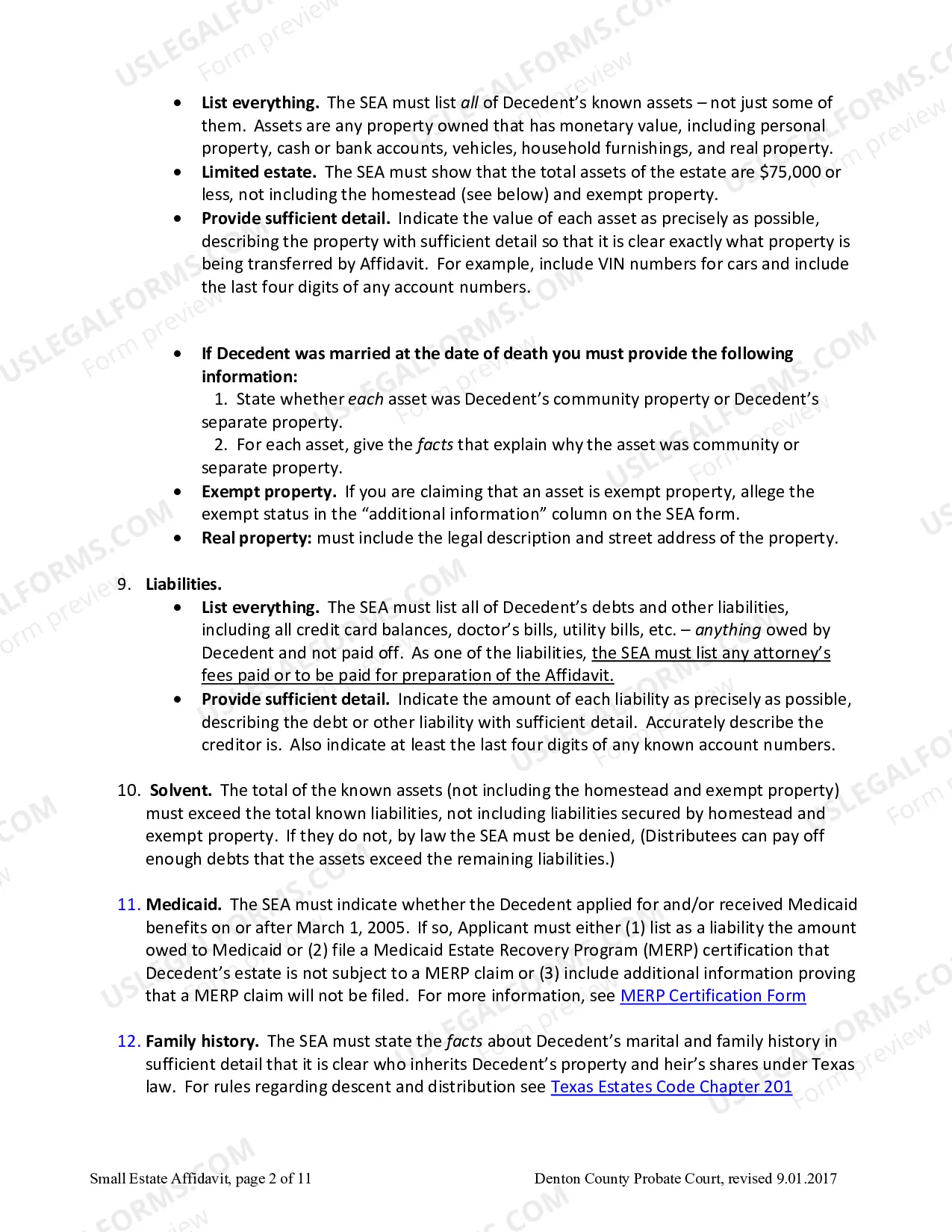
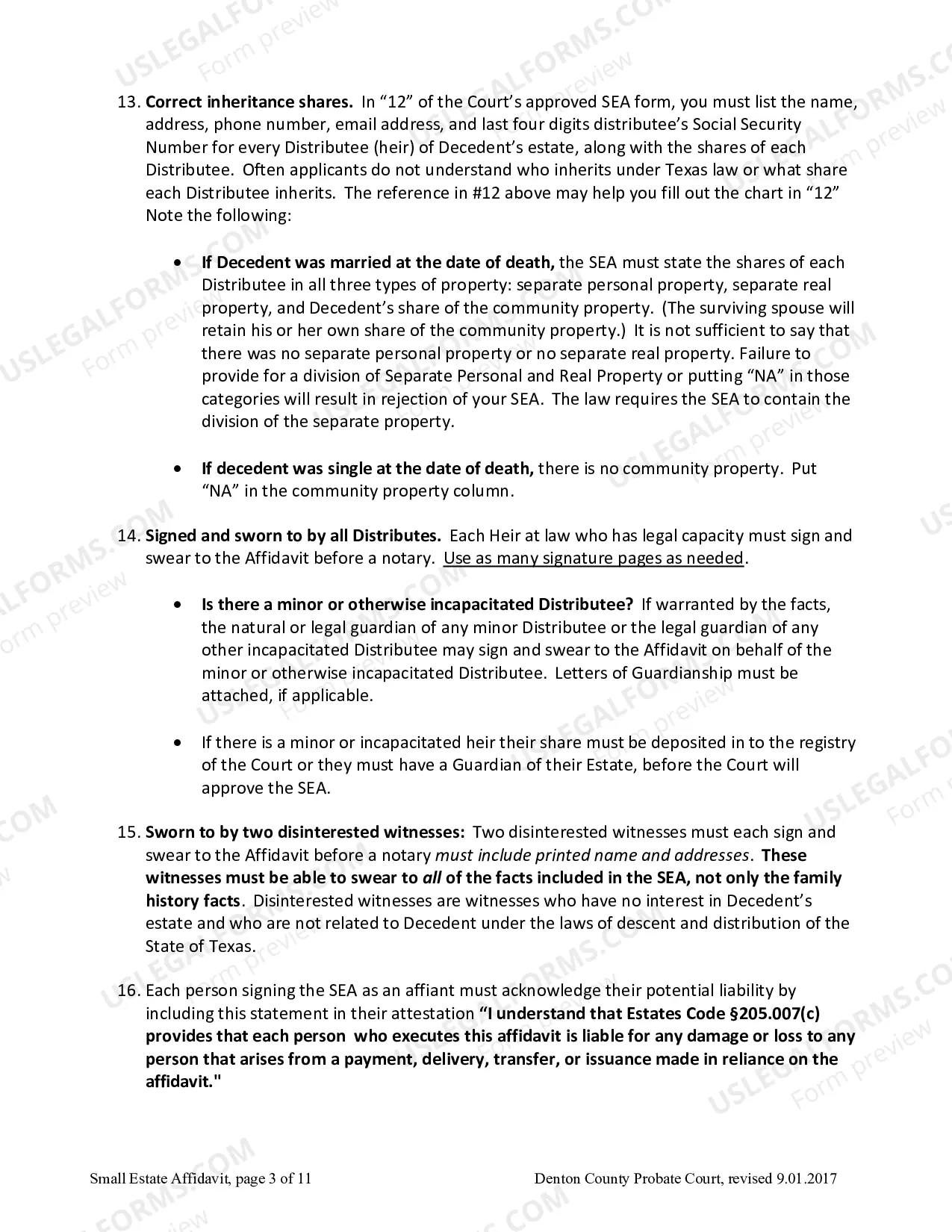
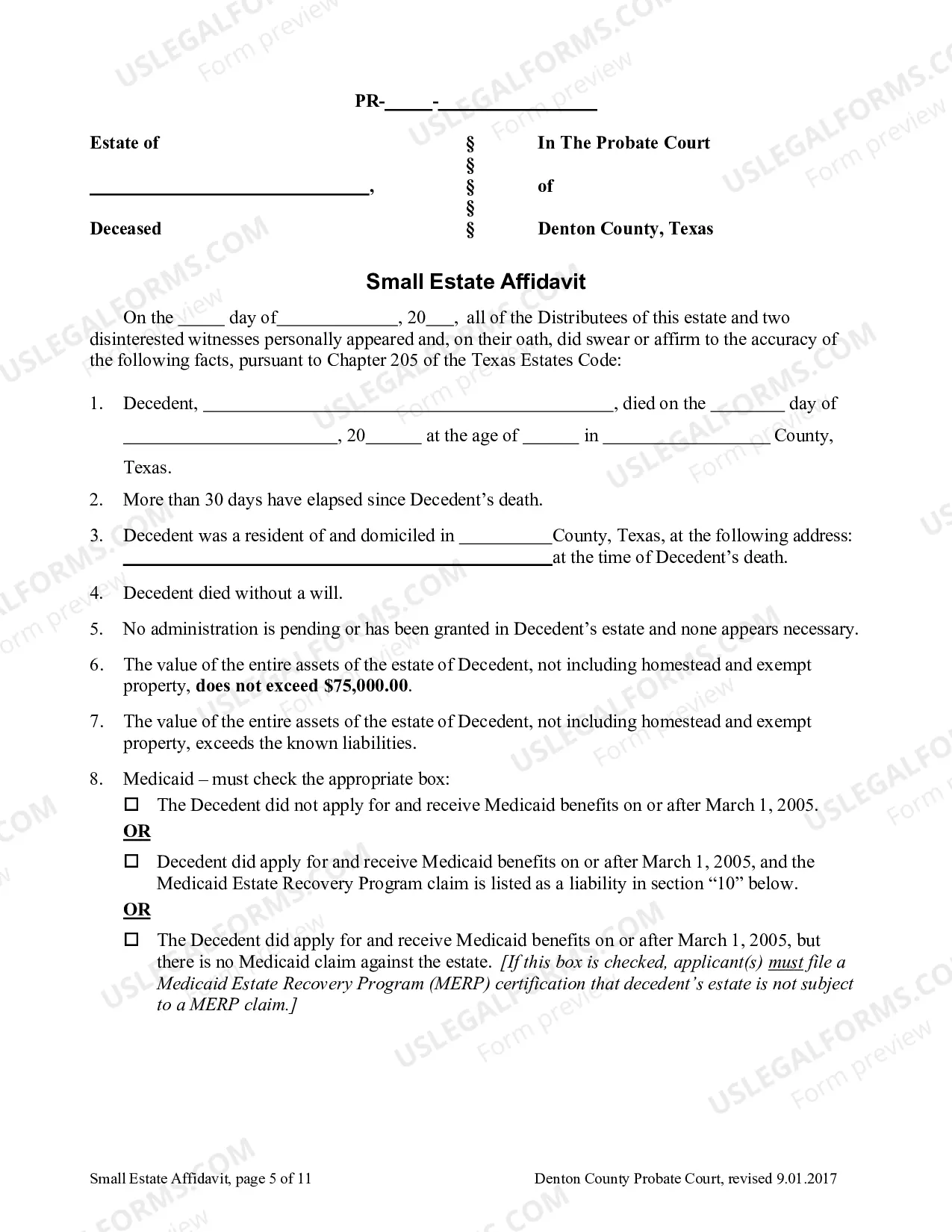
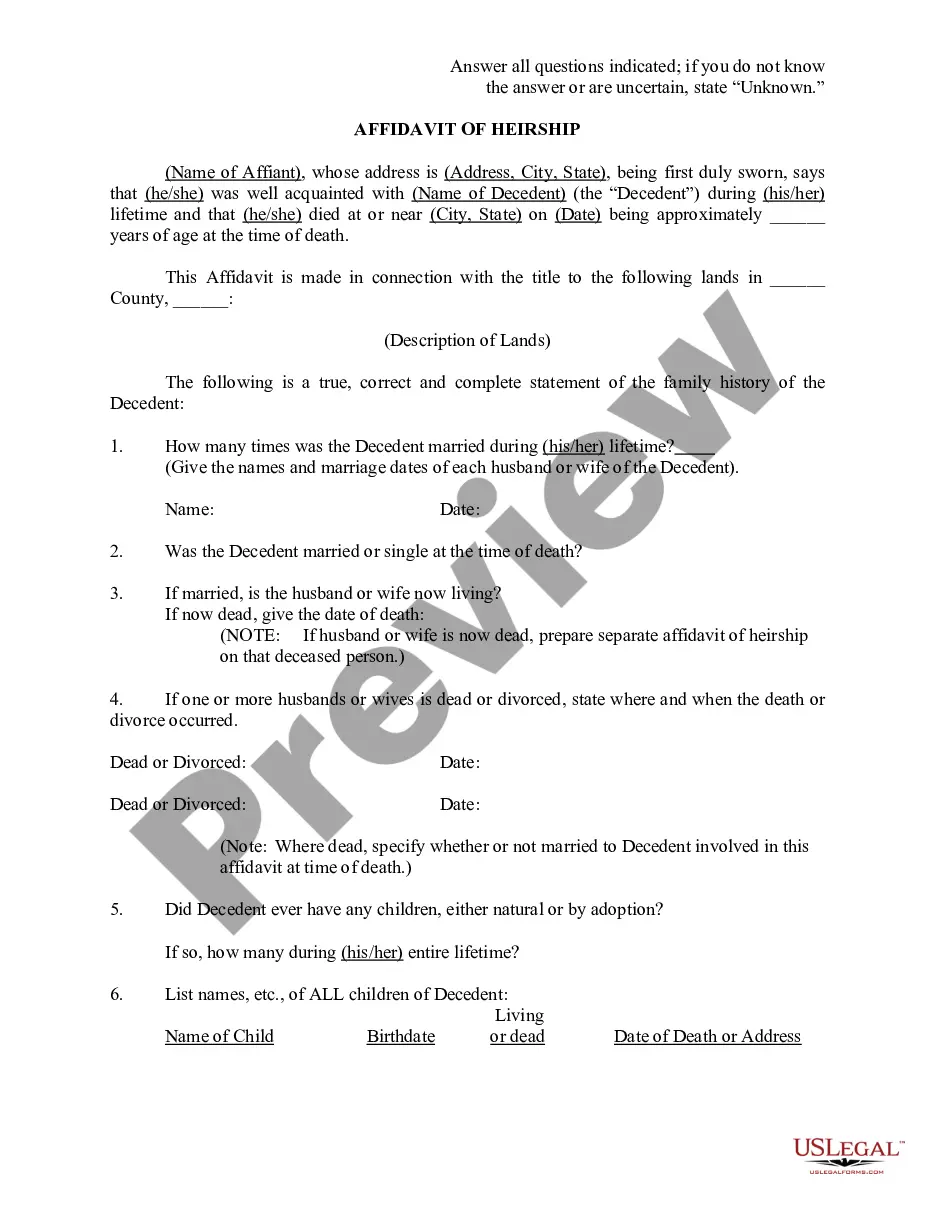
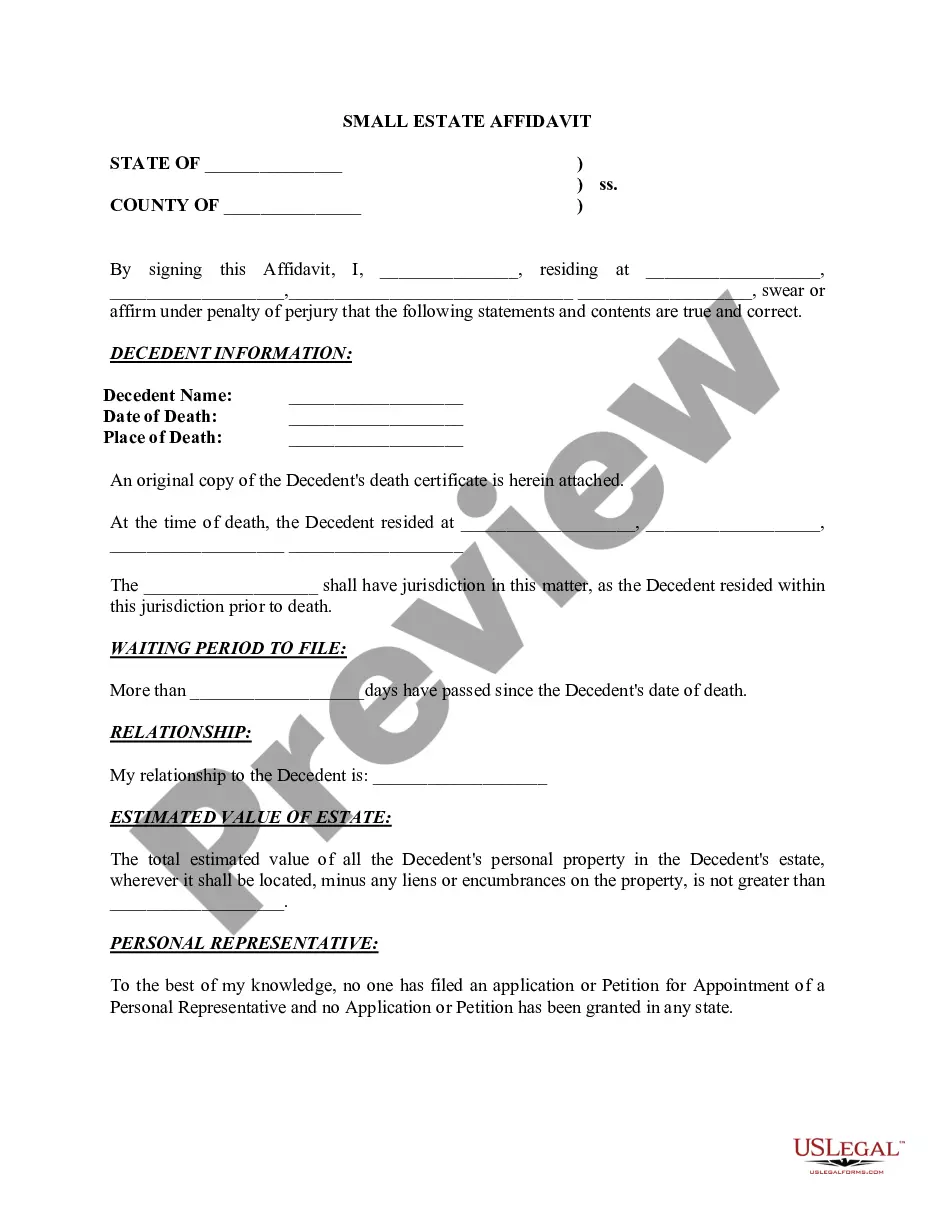
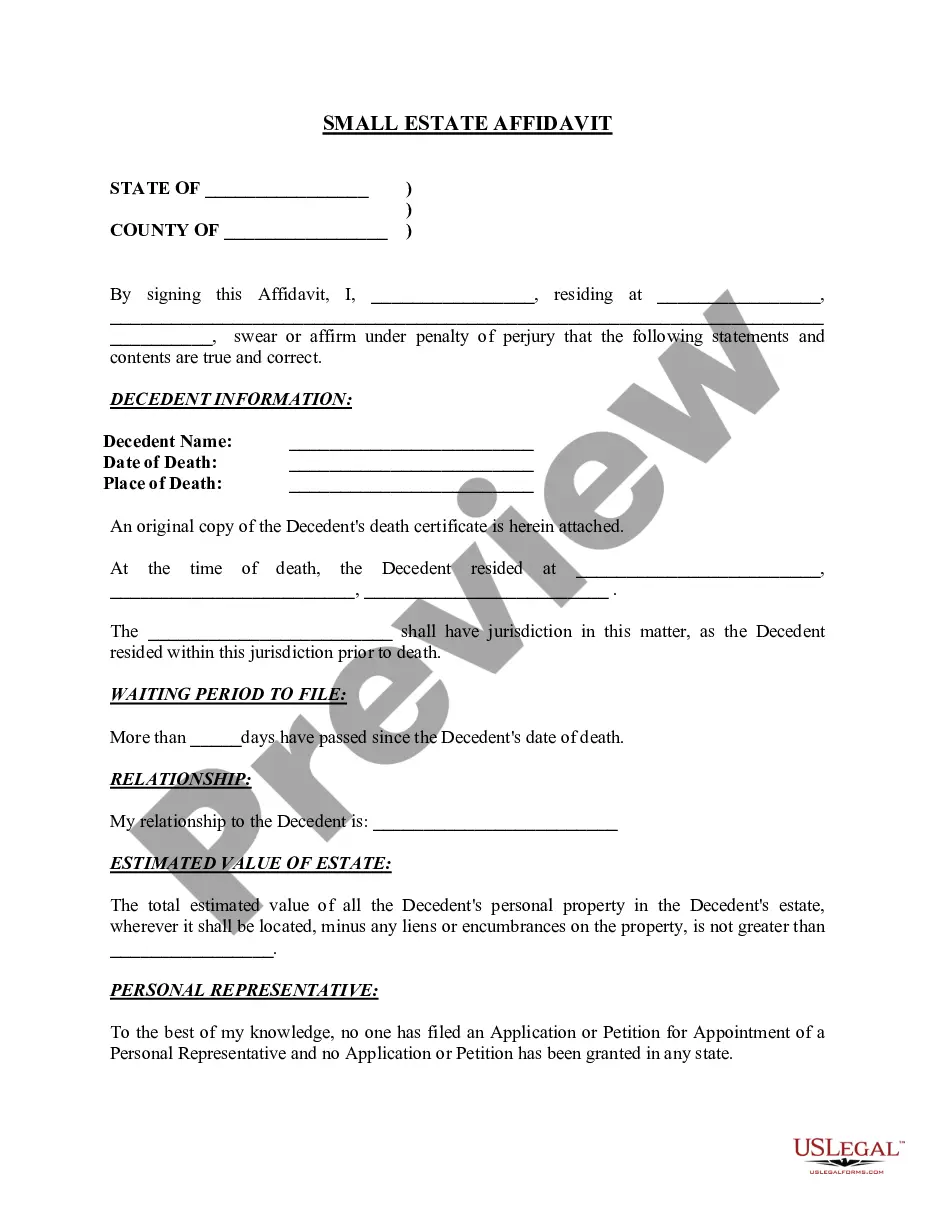
The Complete Small Estate Affidavit is a legal document used in Texas to transfer probate property without going through the formal probate process. This form is applicable when the total assets of the deceased, excluding certain exemptions, are valued at $75,000 or less. Unlike a will, an affidavit allows heirs to claim their inheritance directly, streamlining the distribution of the estate in situations where there is no will and no ongoing administration is necessary.
Key components of this form
- Identification of the deceased, including date of death and place of residence.
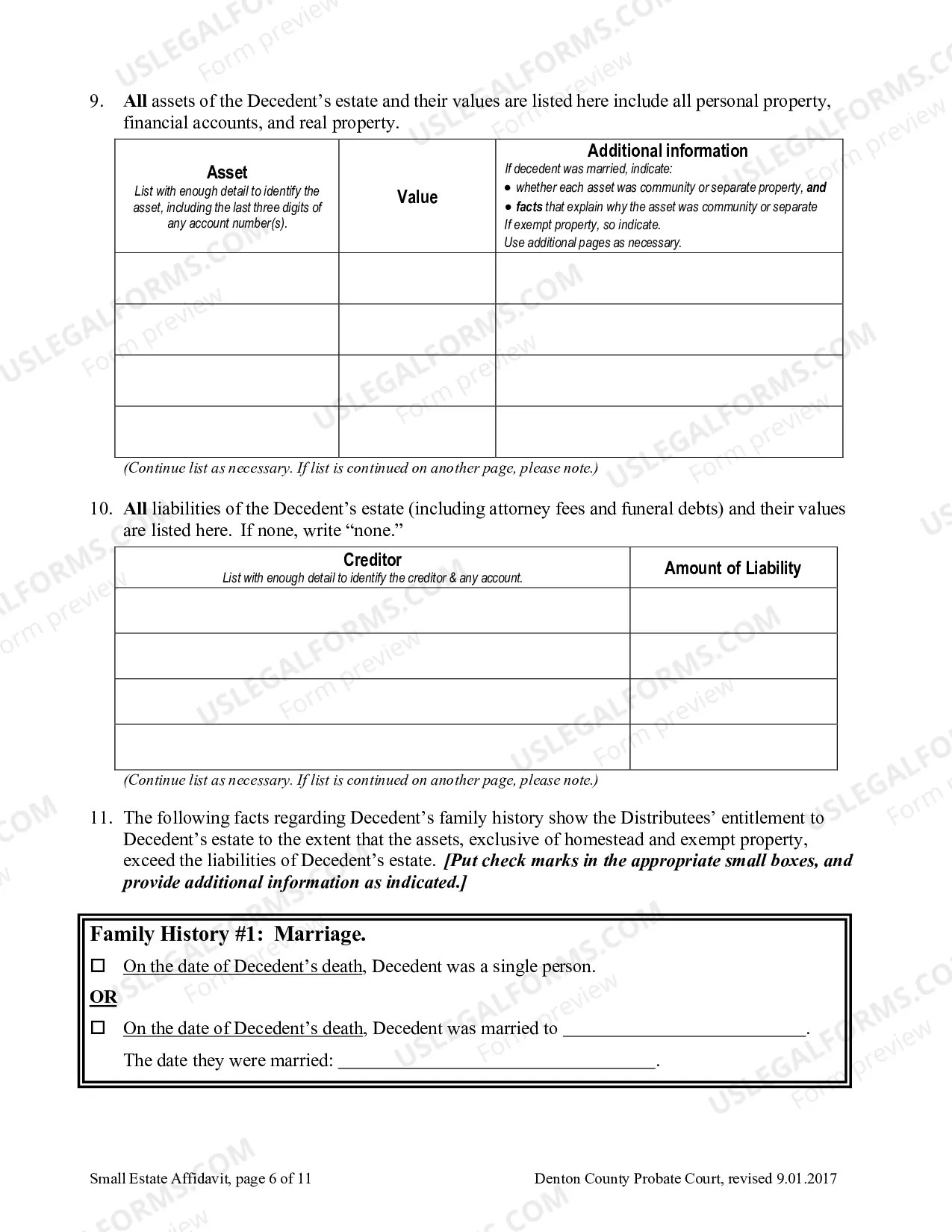
- Disclosure of all known assets and their values.
- A declaration confirming no will exists and that no administration is pending.
- Details on the deceased's debts and liabilities.
- Information regarding any Medicaid benefits received by the deceased.
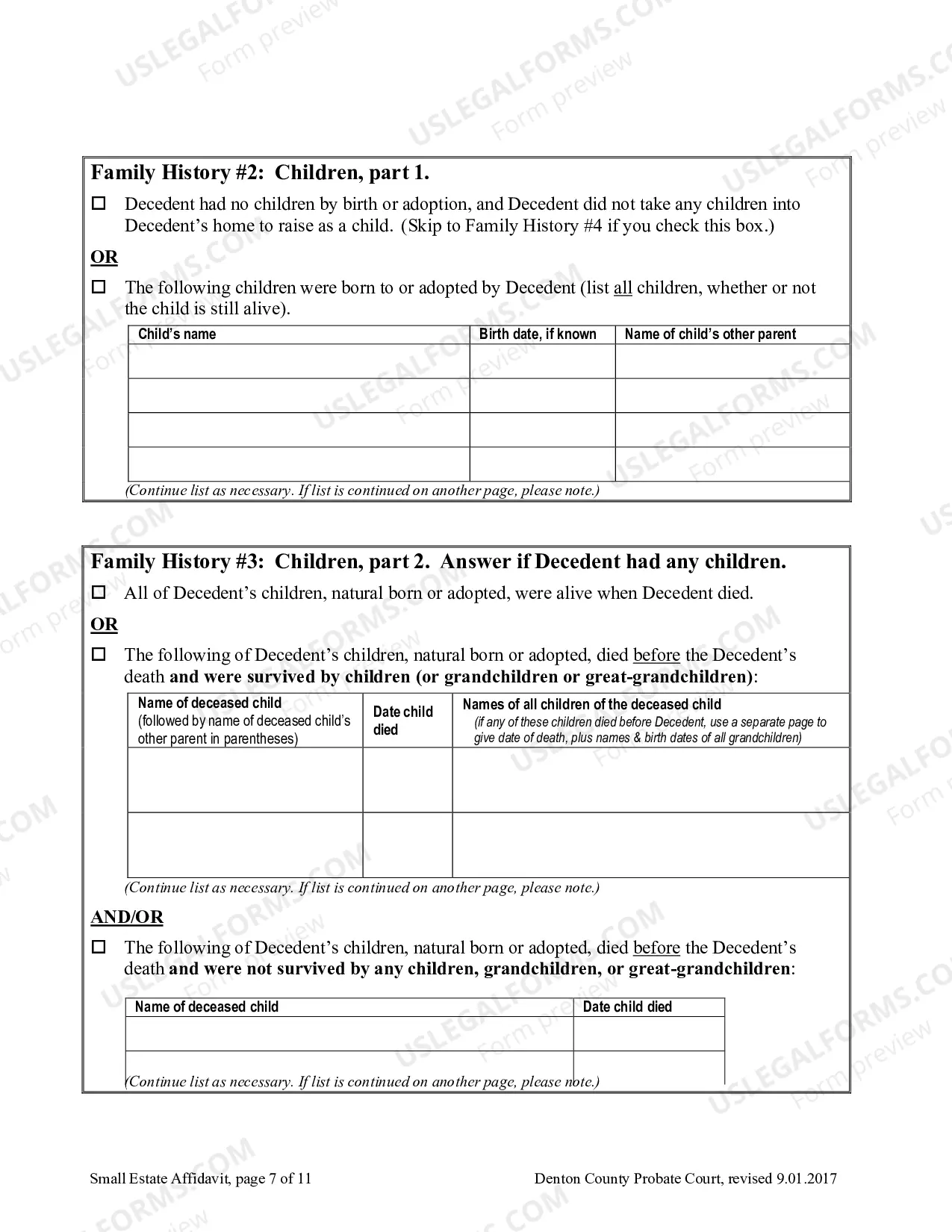
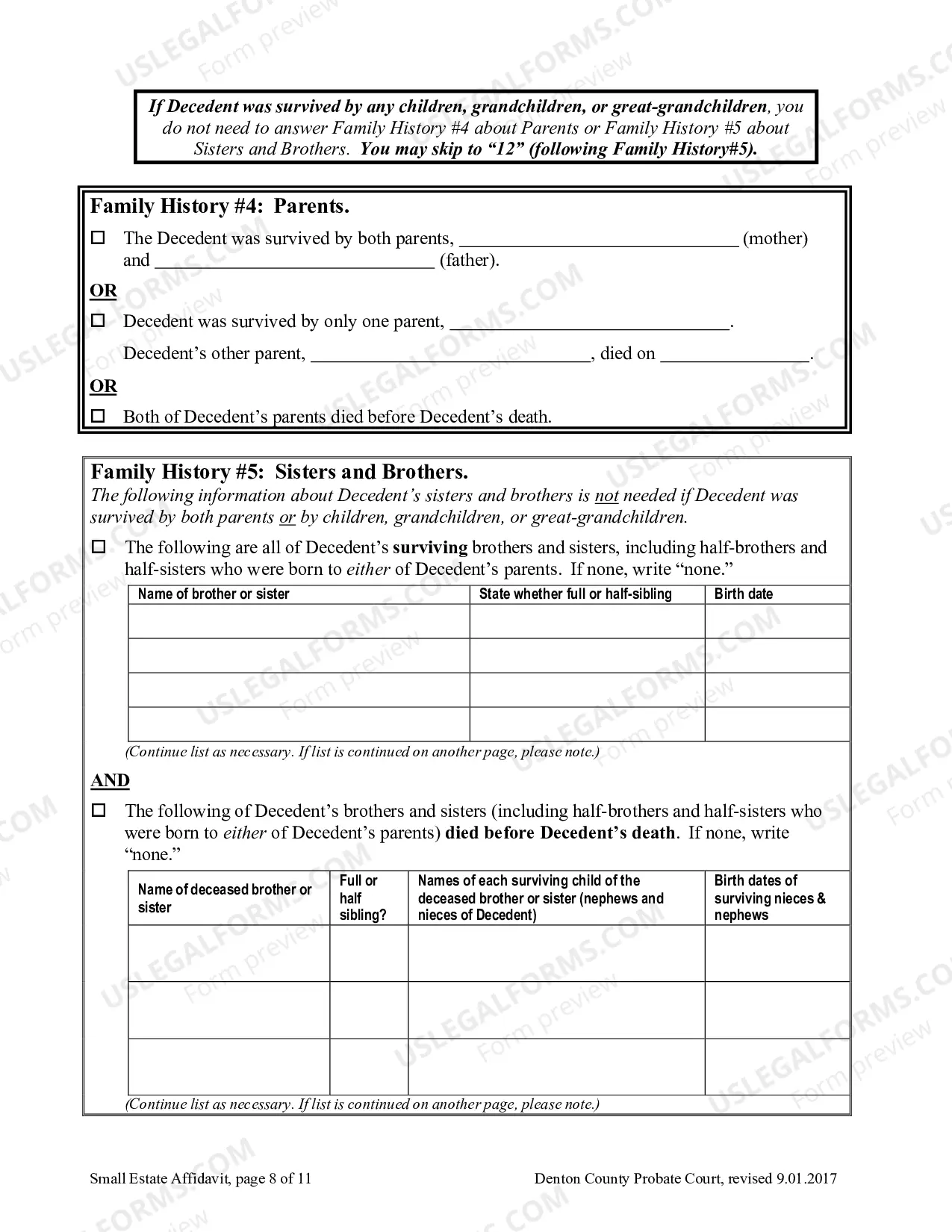
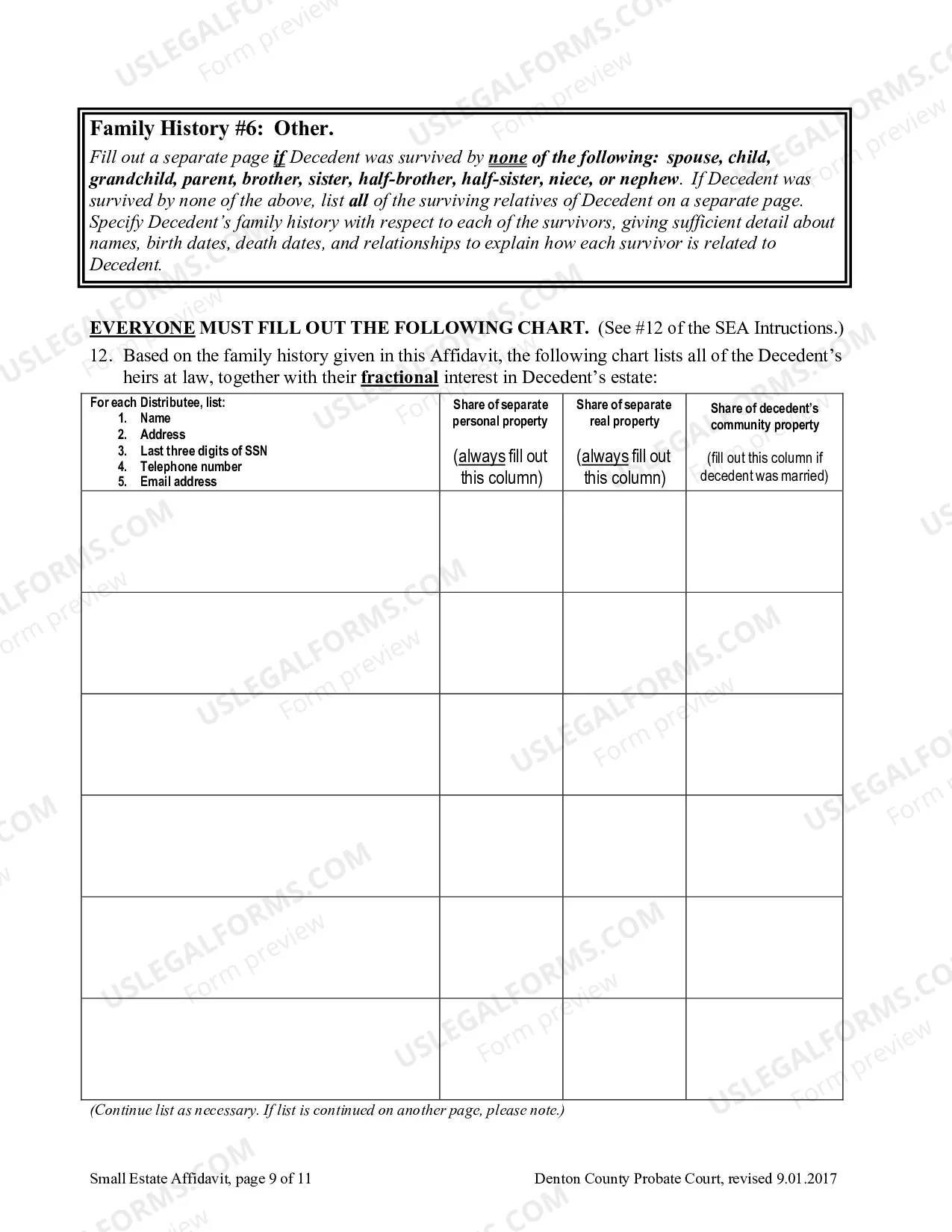
- The names and contact information of all distributees (heirs) and their respective shares.

Common use cases
This form is used when a person passes away without a will, and their total assets do not exceed $75,000, excluding certain exempt property. It is appropriate for estates that do not require a formal probate process and where the heirs need to claim their rightful inheritance efficiently. If at least 30 days have passed since the death and there are no ongoing probate proceedings, this affidavit becomes a suitable legal tool.
Who can use this document
- Heirs of the deceased who are entitled to inherit under Texas law.
- Individuals managing the estate of someone who died without a will.
- Anyone seeking to transfer ownership of the deceased's assets without formal probate.
- Legal representatives or guardians acting on behalf of minor or incapacitated heirs.
Instructions for completing this form
- Identify the decedent by entering their name, date of death, and place of residence.
- List all assets owned by the decedent, providing detailed descriptions and values.
- Detail any liabilities the decedent had at the time of death, ensuring all debts are included.
- Gather information about all heirs, including names and contact details, and specify each heir's share of the estate.
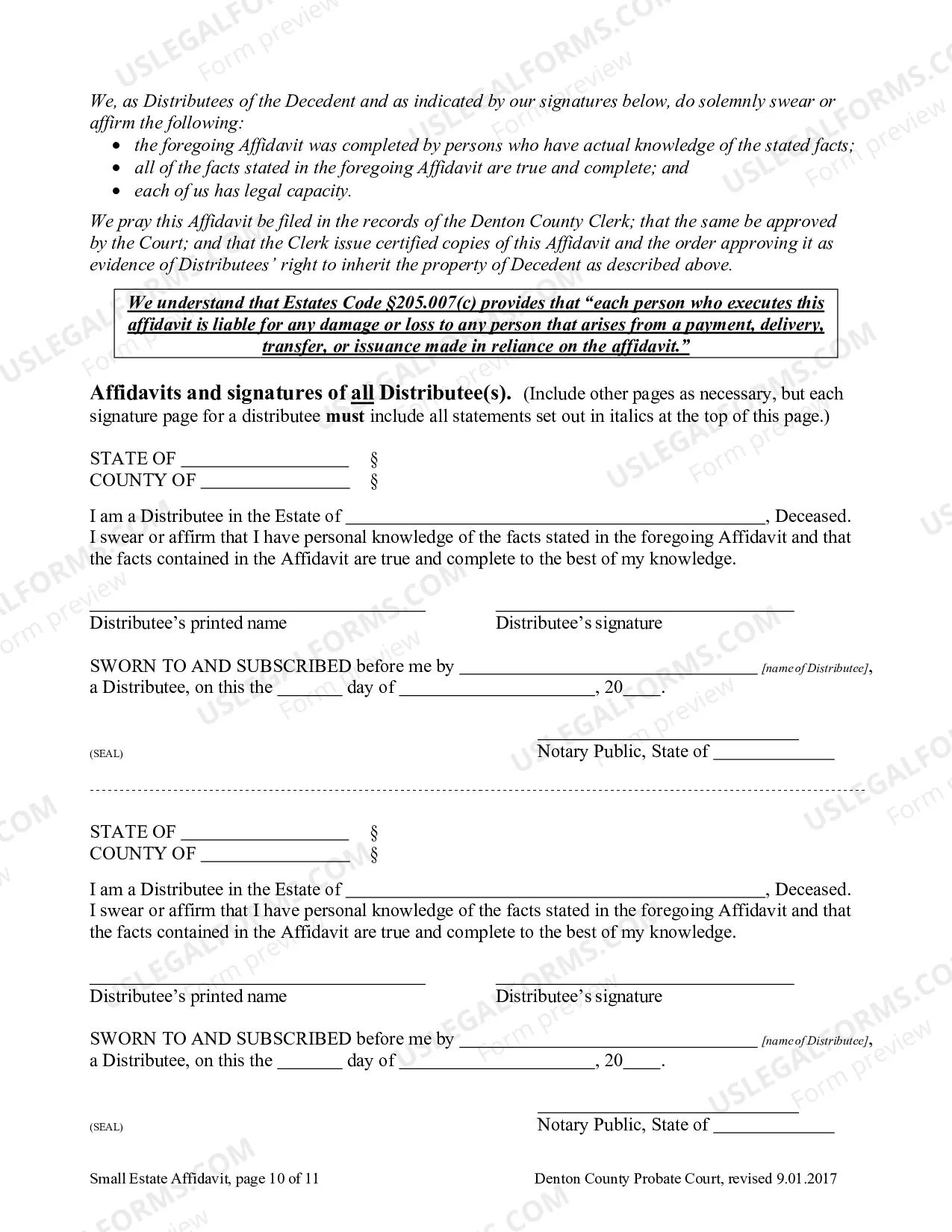
- Have all required signatures and notarizations completed by both distributees and witnesses as needed.
Is notarization required?
Notarization is generally not required for this form. However, certain states or situations might demand it. You can complete notarization online through US Legal Forms, powered by Notarize, using a verified video call available anytime.
Get your form ready online
Our built-in tools help you complete, sign, share, and store your documents in one place.
Make edits, fill in missing information, and update formatting in US Legal Forms—just like you would in MS Word.
Download a copy, print it, send it by email, or mail it via USPS—whatever works best for your next step.
Sign and collect signatures with our SignNow integration. Send to multiple recipients, set reminders, and more. Go Premium to unlock E-Sign.
If this form requires notarization, complete it online through a secure video call—no need to meet a notary in person or wait for an appointment.
We protect your documents and personal data by following strict security and privacy standards.

Make edits, fill in missing information, and update formatting in US Legal Forms—just like you would in MS Word.

Download a copy, print it, send it by email, or mail it via USPS—whatever works best for your next step.

Sign and collect signatures with our SignNow integration. Send to multiple recipients, set reminders, and more. Go Premium to unlock E-Sign.

If this form requires notarization, complete it online through a secure video call—no need to meet a notary in person or wait for an appointment.

We protect your documents and personal data by following strict security and privacy standards.
Typical mistakes to avoid
- Failing to wait at least 30 days after the decedent's death before filing.
- Not providing detailed descriptions of assets and liabilities, which can lead to rejection of the affidavit.
- Omitting any heirs or incomplete information about their shares.
- Not having two disinterested witnesses for the affidavit.
Why use this form online
- Convenience: Download and complete the form at your own pace from any location.
- Editability: Easily modify details as required before finalizing the document.
- Reliability: Access to accurate and up-to-date forms that comply with Texas law.
Looking for another form?

Form popularity
FAQ
Types of Property Exempt from Probate The asset is held in joint tenancy, such as a home where two people's names are on the deed; Community property with the right of survivorship; Payable-on-death bank accounts; Proceeds and benefits that are payable via a life insurance policy; and. Payments from a survivor annuity.
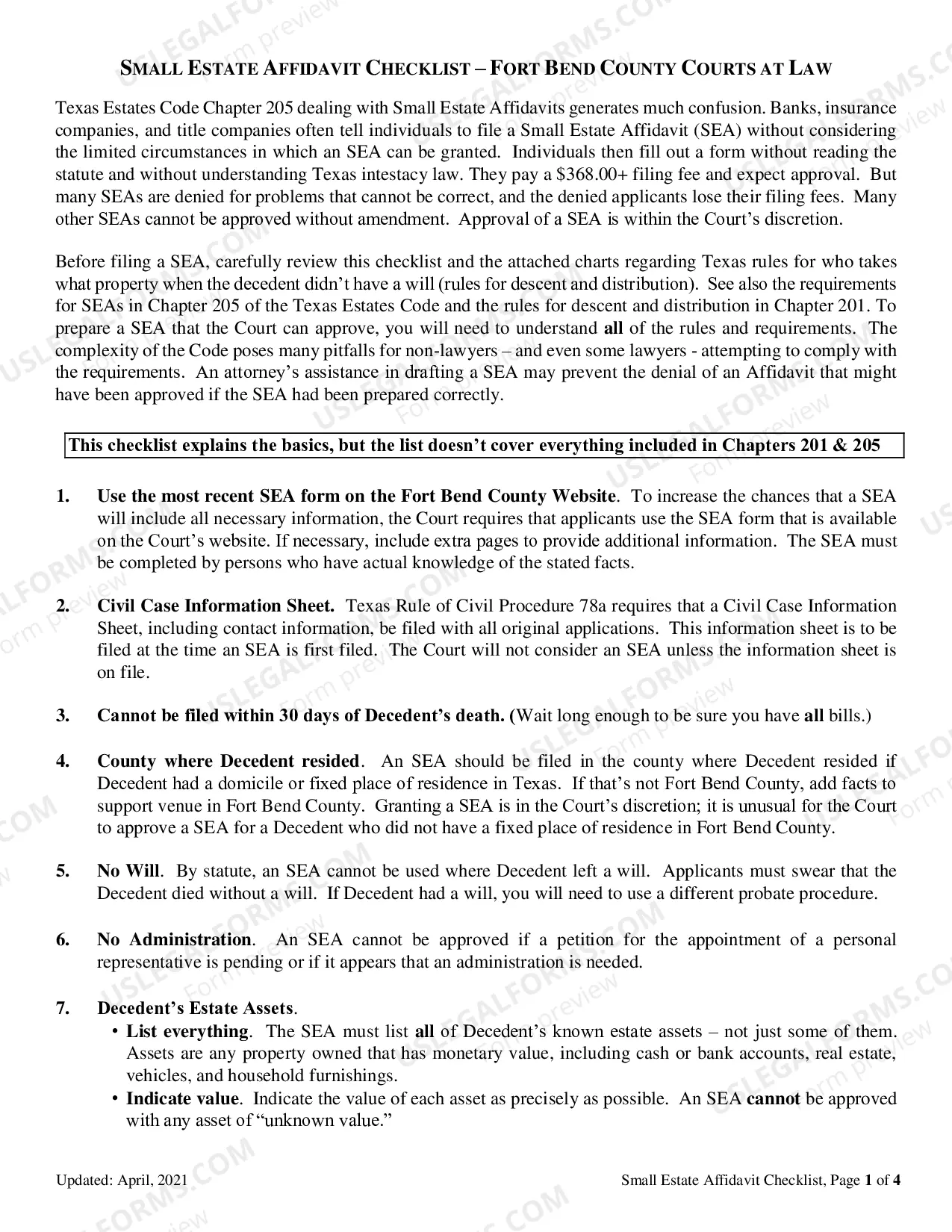
People then fill out a form without reading the statute and or understanding Texas intestacy law. They pay a $232 filing fee and expect approval.
The small estate affidavit must show that the deceased's estate is worth $75,000 or less, the estate's assets cover any outstanding debts, and a few other requirements.
The term ?personal property? is specifically defined in the Estates Code. And the courts in Texas have long held that this term includes all property other than real estate.
If the decedent was single, personal property worth up to $50,000 is considered exempt property. Pension benefits, retirement assets and insurance benefits are also exempt.
How to Fill Out Affidavit of Heirship PDFRUN - YouTube YouTube Start of suggested clip End of suggested clip Read the clause above the signature. Lines. Once you have understood this clause. And have confirmedMoreRead the clause above the signature. Lines. Once you have understood this clause. And have confirmed the information contained in this affidavit. You may sign it a fix your signature.
It is not necessary to hire a lawyer to file a small estate affidavit. In fact, many probate courts provide forms on their website for the public's use.
In Texas, a small estate is defined as an estate that has less than $75,000 of assets. These assets can include anything, from cash in bank accounts to cryptocurrency, to real estate and personal effects. The $75,000 amount is measured by the fair market value on the date of death.