Tennessee Drainage Contractor Package
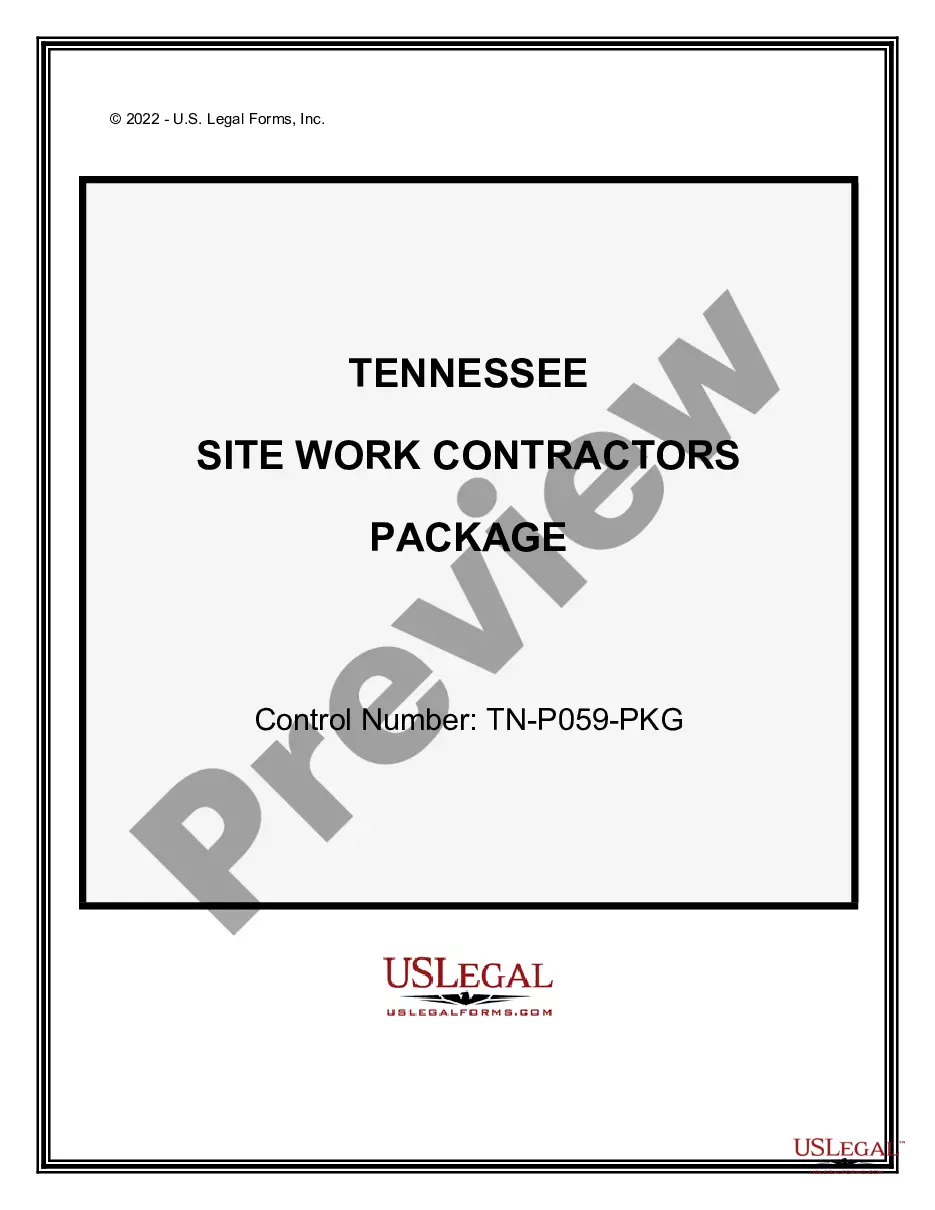
Understanding this form package
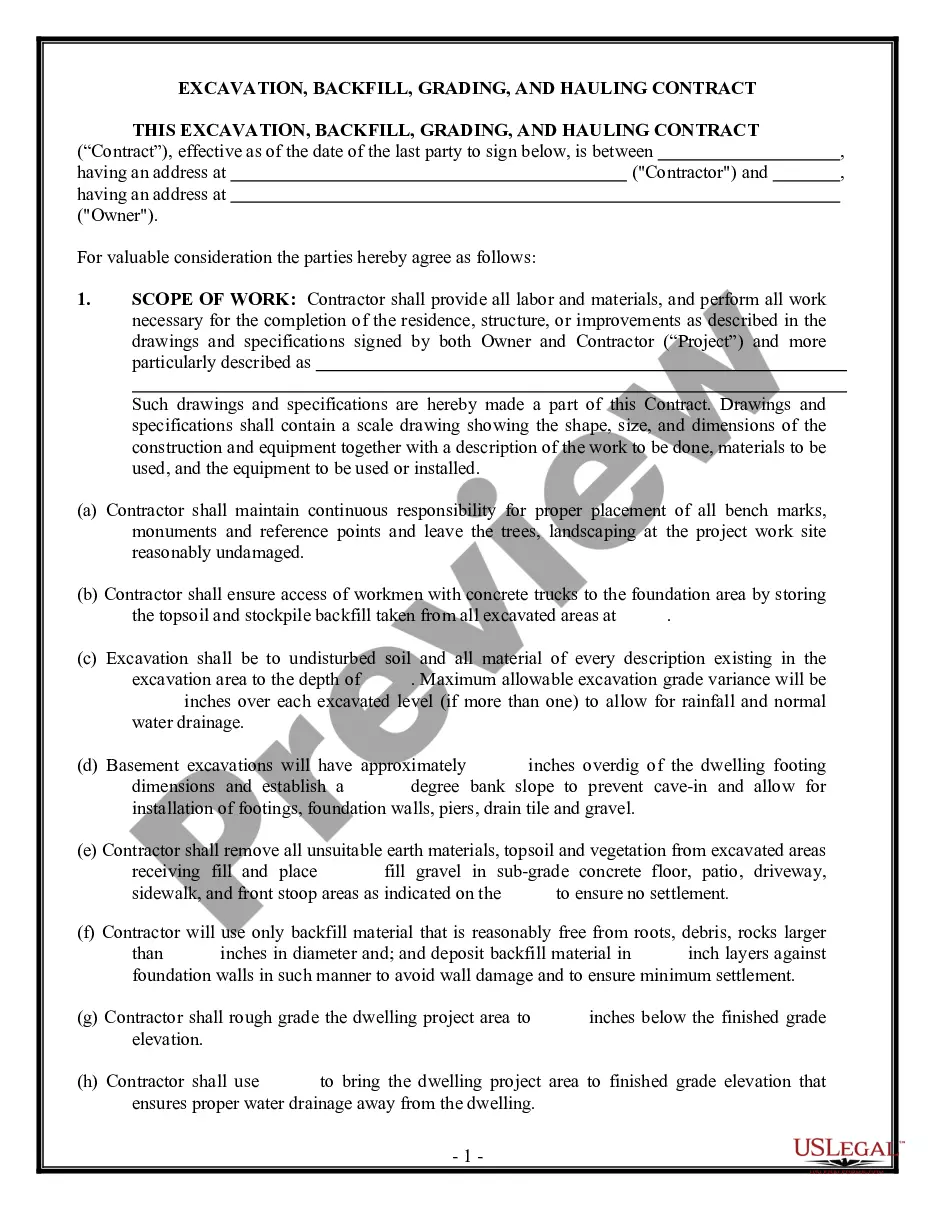
The Tennessee Drainage Contractor Package includes essential legal documents designed specifically for drainage contractors. This package equips you to assert your legal rights and effectively manage legal matters that may arise during construction projects involving cesspools, septic tanks, storm drains, and other sewage systems. Unlike other general construction packages, this one is tailored to comply with Tennessee state law, ensuring that your contractor agreements are valid and enforceable.
What’s included in this form package
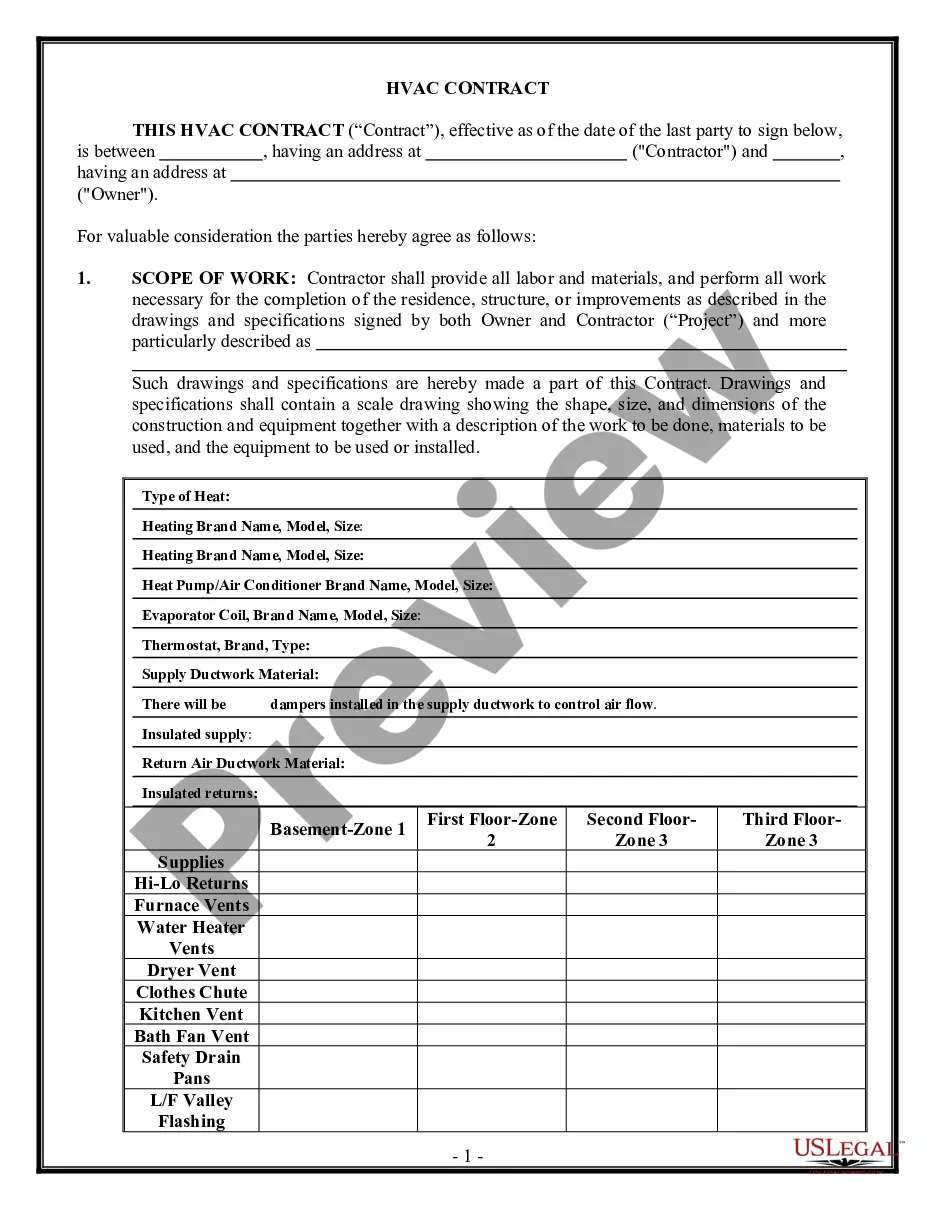
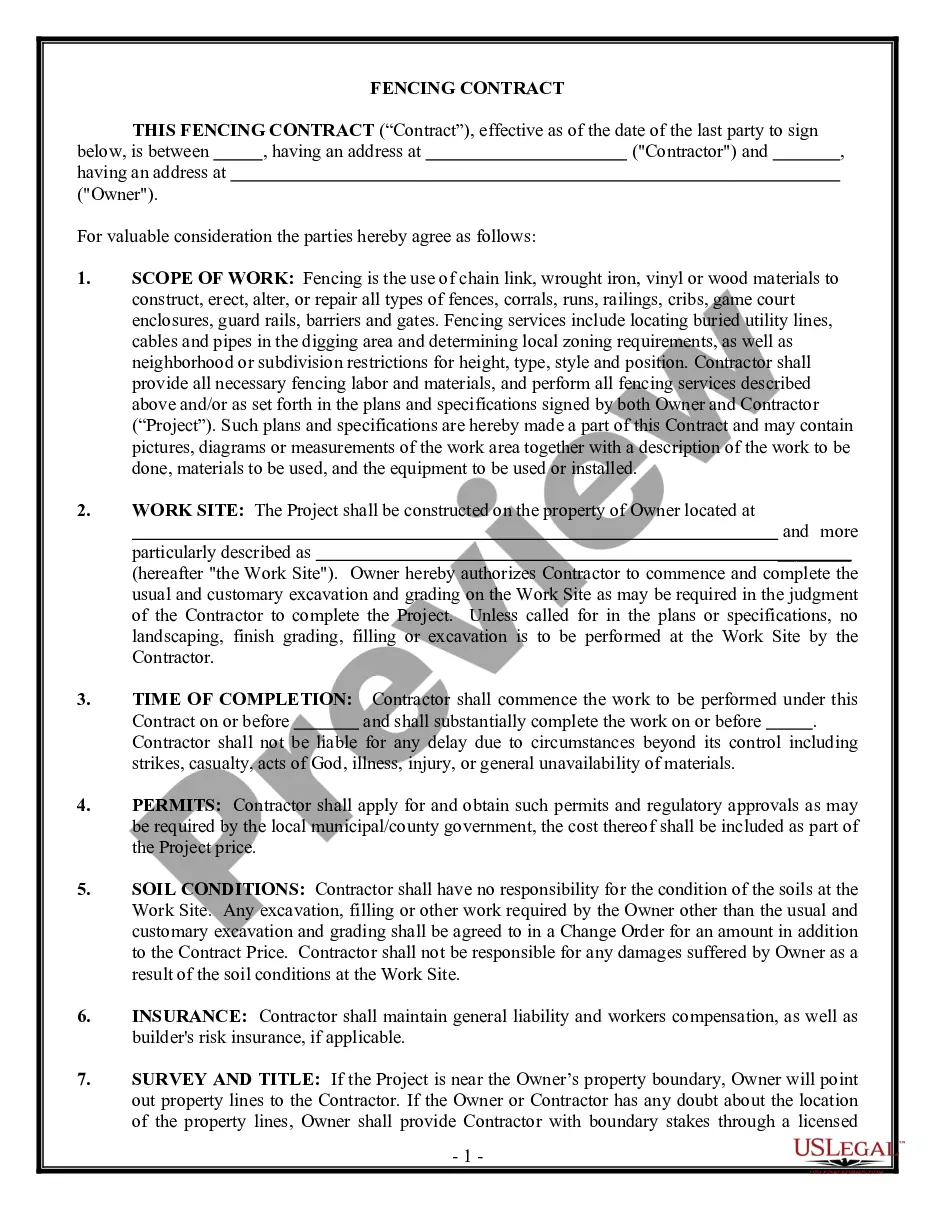
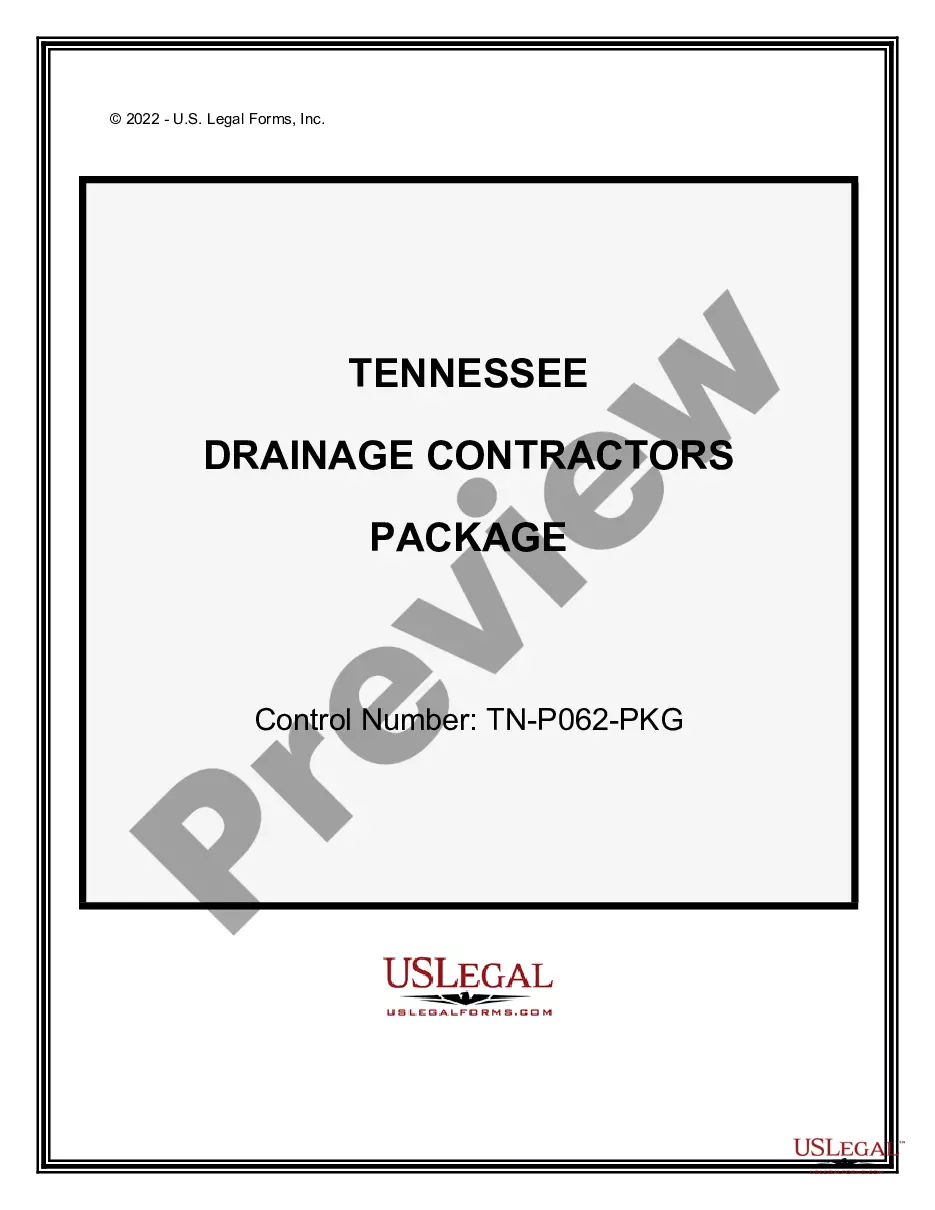
- Drainage Contract for Contractor
- Contractor's Weekly Equipment Summary
- Contractor's Bid Log
- Contractor's Bid Follow Up Letter
- Contractor's Summary of an Estimate
- Construction Safety and Health Plan
- Change Order for Construction or Repairs by Contractor
- Certification of Completion by Contractor
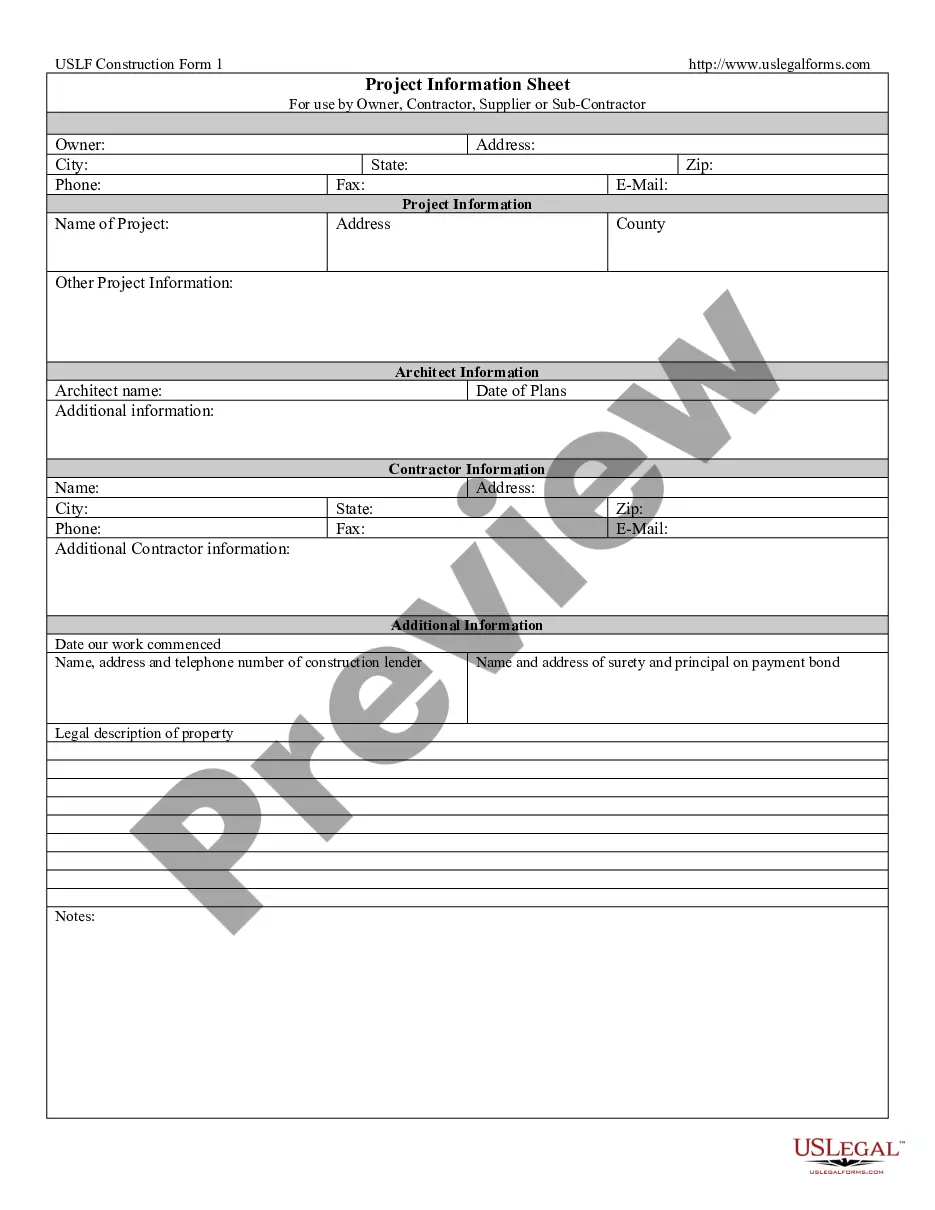
- Construction Project Information Sheet
Situations where these forms applies
This package is valuable in various situations, such as:
- Starting a new drainage project requiring formal agreements.
- Amending existing contracts with change orders.
- Tracking bids and follow-ups for competitive projects.
- Documenting project completion for billing and safety compliance.
Who can use this document
- Drainage contractors working on residential or commercial projects.
- Subcontractors involved in drainage installations.
- Suppliers providing materials for drainage systems.
- Property owners managing drainage construction work.
Instructions for completing these forms
- Review all included forms to understand their purposes.
- Identify the parties involved in the drainage project.
- Complete the necessary details, such as dates and signatures, on each form.
- Utilize the Change Order Sheet to amend any existing agreements as needed.
- Save completed forms in a secure location for future reference and compliance.
Do documents in this package require notarization?
Most forms in this package do not require notarization. However, local laws or specific situations may demand it. Our online notarization service, powered by Notarize, lets you complete the process through a verified video call, available anytime.
Get your form ready online
Our built-in tools help you complete, sign, share, and store your documents in one place.
Make edits, fill in missing information, and update formatting in US Legal Forms—just like you would in MS Word.
Download a copy, print it, send it by email, or mail it via USPS—whatever works best for your next step.
Sign and collect signatures with our SignNow integration. Send to multiple recipients, set reminders, and more. Go Premium to unlock E-Sign.
If this form requires notarization, complete it online through a secure video call—no need to meet a notary in person or wait for an appointment.
We protect your documents and personal data by following strict security and privacy standards.

Make edits, fill in missing information, and update formatting in US Legal Forms—just like you would in MS Word.

Download a copy, print it, send it by email, or mail it via USPS—whatever works best for your next step.

Sign and collect signatures with our SignNow integration. Send to multiple recipients, set reminders, and more. Go Premium to unlock E-Sign.

If this form requires notarization, complete it online through a secure video call—no need to meet a notary in person or wait for an appointment.

We protect your documents and personal data by following strict security and privacy standards.
Common mistakes
- Failing to include start and completion dates in contracts.
- Not updating the Change Order Sheet when changes occur.
- Omitting required signatures from relevant parties.
- Neglecting to document project completion formally.
Benefits of using this package online
- Convenient access to all necessary legal forms in one package.
- Editable forms for customization to meet specific project needs.
- Reliable, attorney-drafted documents ensuring legal compliance.
Legal use & context
- All forms are designed to be enforceable under Tennessee law.
- Using legally sound contracts helps protect your rights as a contractor.
- Improperly completed forms may lead to disputes or non-compliance issues.
Quick recap
- This package contains necessary legal documents for drainage contractors in Tennessee.
- It simplifies the management of legal rights during construction projects.
- Proper completion of the forms is crucial for legal enforceability.
- Always check state-specific requirements for legal compliance.
Looking for another form?


Form popularity
FAQ
For the best drainage, look for coarse washed rock (gravel) that is screened, with a stone size of 1/2 to 3/4 inch. Smaller rock with fine particles could clog the holes of the drain pipe. Pea stone works, but the smooth stones settle together and don't move as much water as coarse rock.
Improper Grading - Grading is the leveling or sloping of the land around your home. The way your soil is graded by builders, homeowners & landscapers can have a big impact on drainage. Common fixes: Regrading portions of your yard to improve water flow may be the solution.
Material. Polyvinyl Chloride pipes are the most commonly used pipes for any drainage project. Due to the material's malleable properties, PVC pipes can come in almost any size. These types of pipes are great for drainage situations where the water and environment exert a great deal of pressure and weight.
Clean Your Gutters. This task is both simple and free. Extend Your Downspouts. Create A Rain Garden. Install A Rain Barrel. Seal The Driveway. Install A French Drain. Improve The Grading. Install A Sump Pump.
Sometimes the problem can be solved by shaping the surface to allow runoff or by diverting excess water. Sometimes, the only way to overcome poorly drained soils is to install drain tile. In this extreme condition, make sure the drain tiles are installed to move soil water away from structures and ornamental trees.
Nearly every book or web site on container gardening recommends placing coarse material at the bottom of containers for drainage. The materials most often recommended for this practice are sand, gravel, pebbles, and pot shards.
Natural Selection. One popular solution to a drainage problem is to route rain water to a low point in your yard where it can flow away from the house naturally over rocks in a dry creek bed. In particularly heavy storm events, the debris washed away from by excess water will be captured in a catch basin (pictured).
Clean Your Gutters. This task is both simple and free. Extend Your Downspouts. Create A Rain Garden. Install A Rain Barrel. Seal The Driveway. Install A French Drain. Improve The Grading. Install A Sump Pump.
Determine the cause for poor drainage. You need to first determine what is causing water to accumulate in your yard before looking into potential solutions. Till the soil. Install a dry well. Grow trees and shrubs. Use drainage pipe. Slope the yard away from your home.
Standing Water in Yard If water stands in your yard for hours or even days after a moderate rain, you have poor drainage, which can be caused by heavy, compacted soils or improper grading.Fortunately, a French drain or re-grading the property can usually solve this problem.