Tennessee Transfer and Assignment
Understanding this form
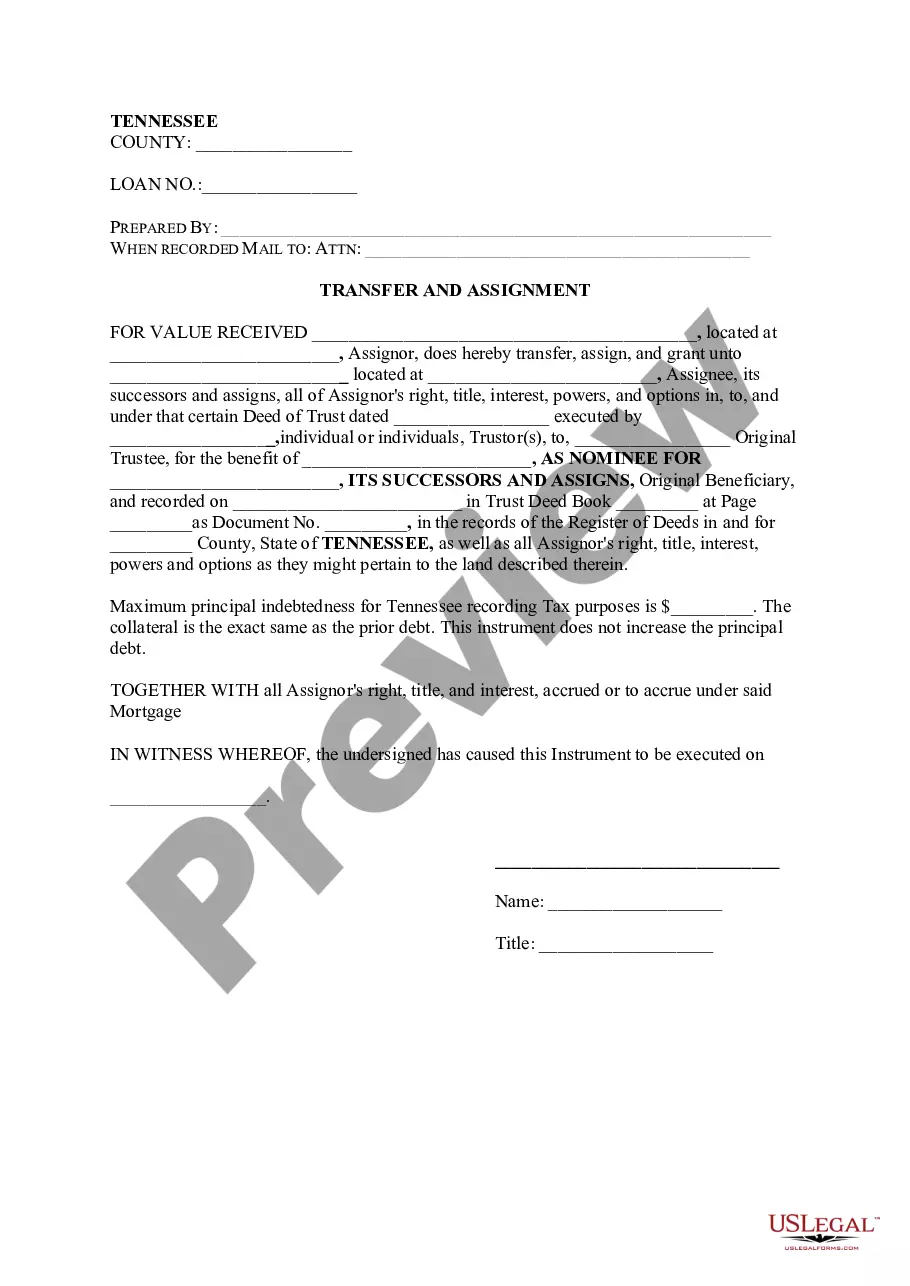
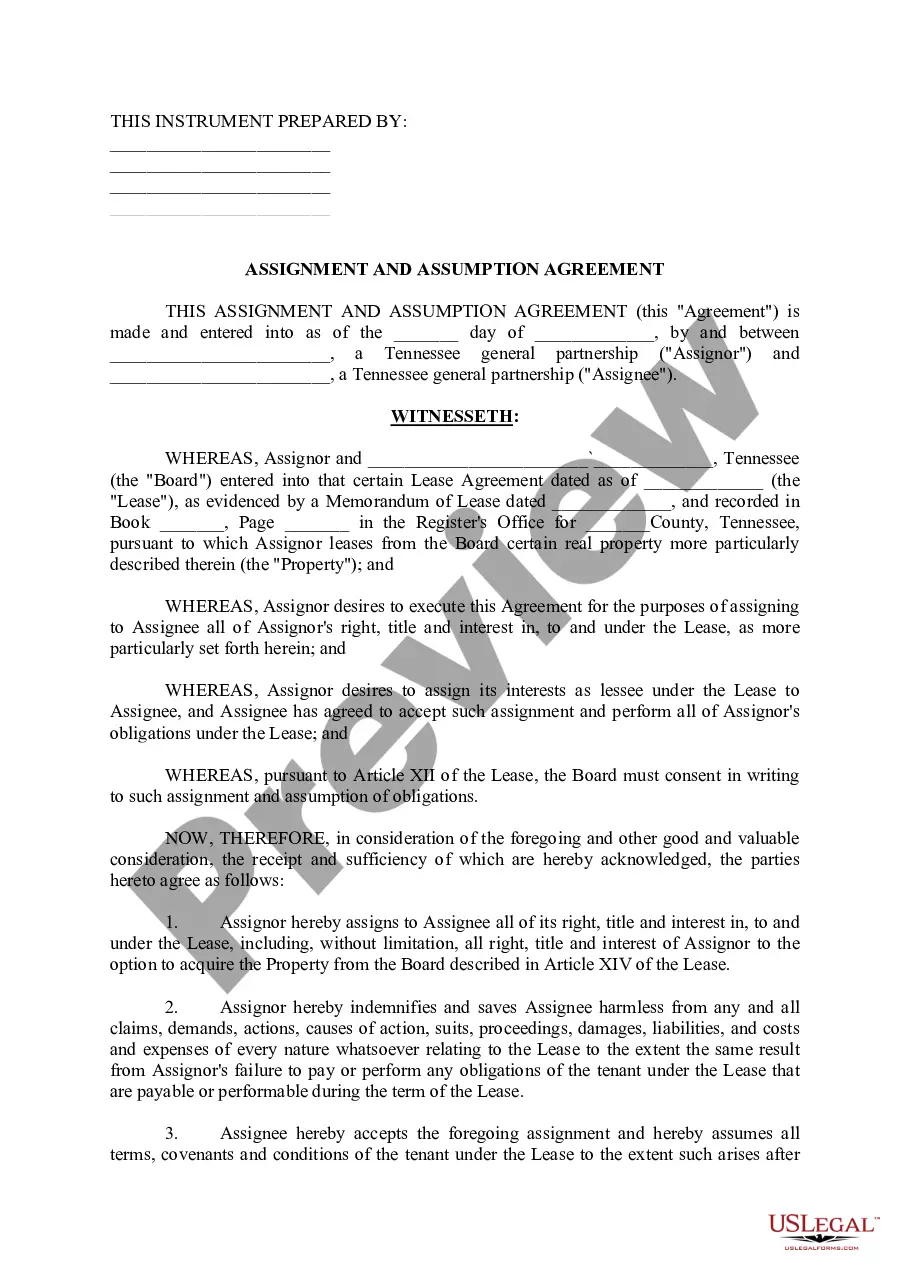
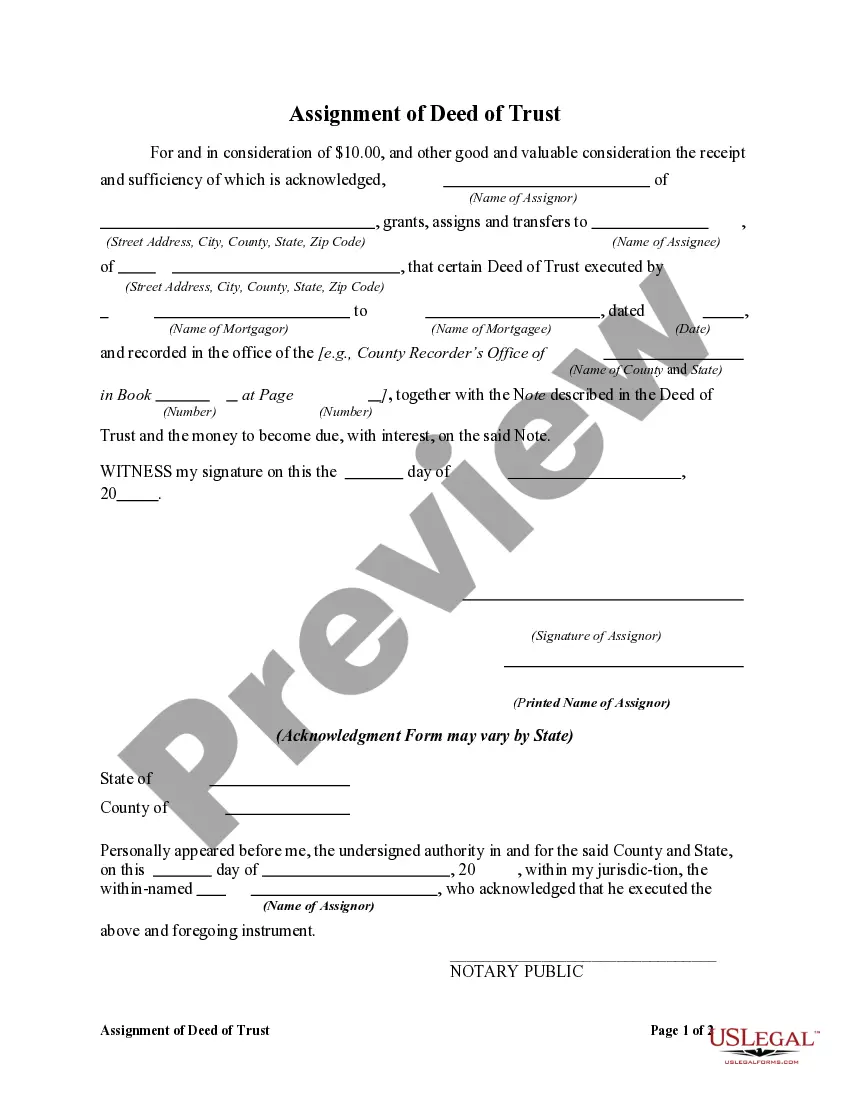
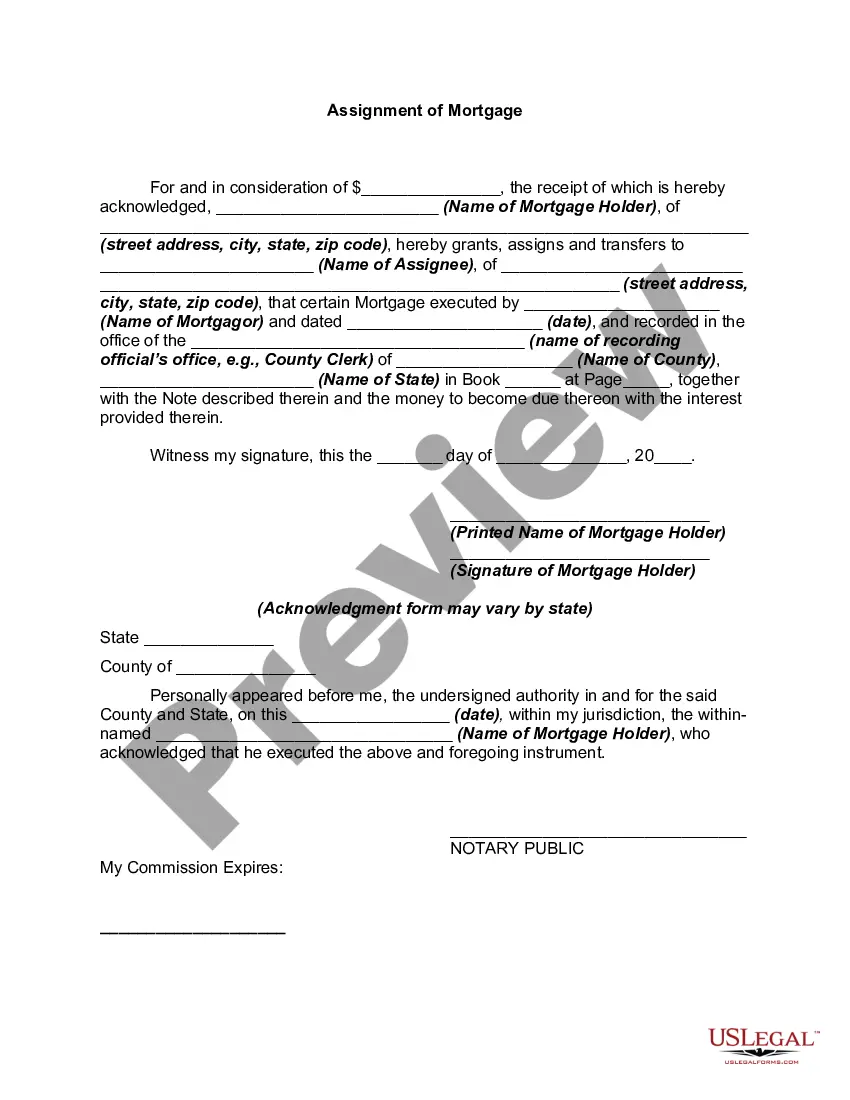
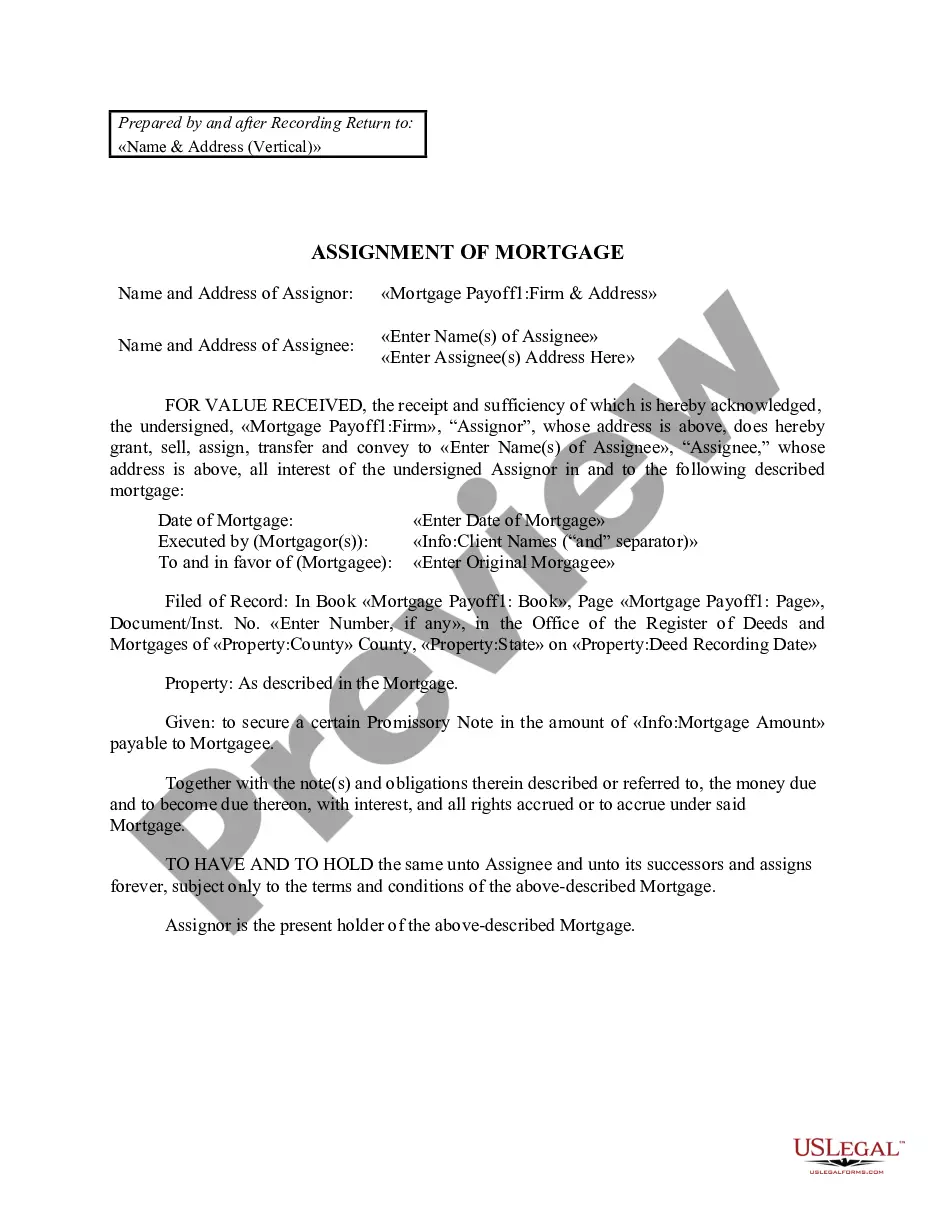
The Transfer and Assignment form is a legal document used when the holder of a mortgage or deed of trust wants to transfer their rights, title, and interest to another party. This form serves to formalize the assignment of the mortgage, ensuring that the rights of the assignor (the original mortgage holder) are legally conveyed to the assignee (the new party receiving the mortgage). It is important to use this specific form rather than others, such as a simple assignment document, to ensure proper legal compliance and protection of interests involved in the transfer.
What’s included in this form
- Identifying details of the assignor and assignee, including names and addresses.
- Specific reference to the original Deed of Trust, including dates and record information.
- The amount of principal indebtedness for recording tax purposes.
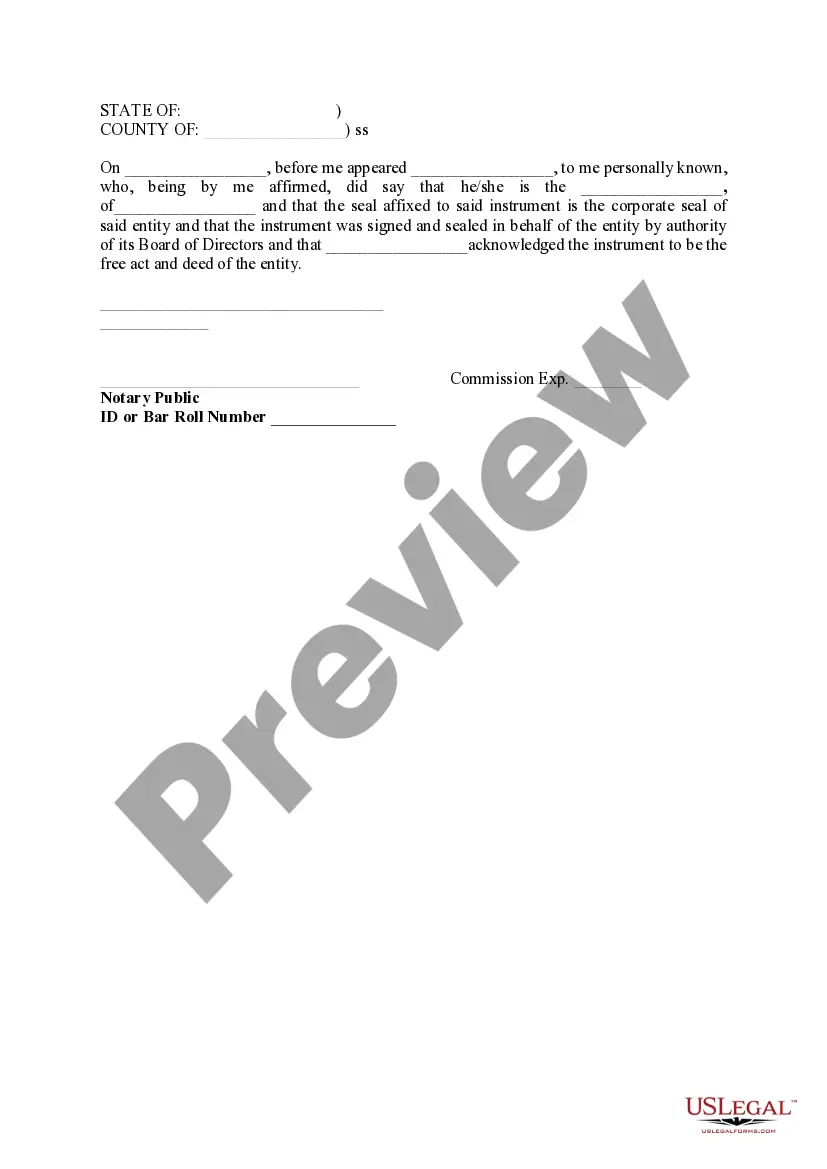
- Signature section for the assignor and acknowledgment by a notary public.
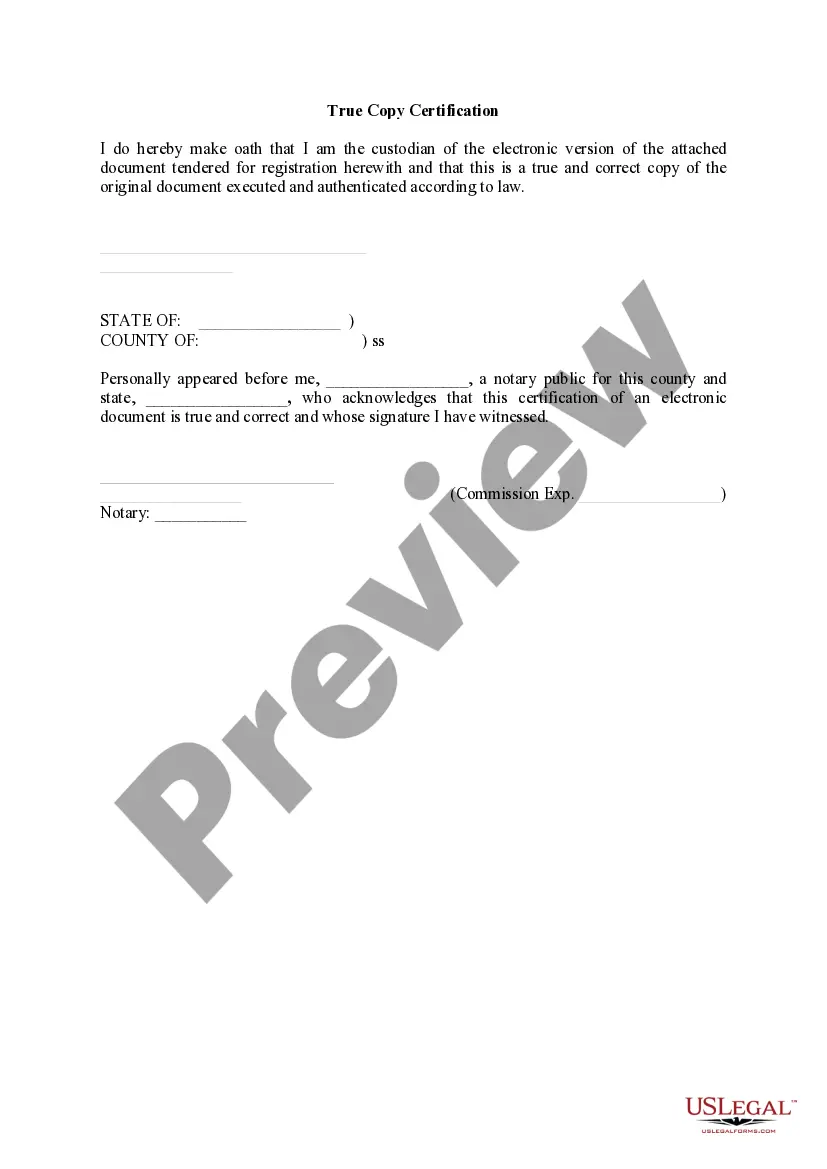
- True copy certification procedures, if applicable.

When to use this form
This form is typically used in scenarios where a mortgage holder wishes to transfer their mortgage to a third party. This could occur during the sale of property, when refinancing debt with a new lender, or as part of estate planning to assign the mortgage to heirs. Utilizing this form ensures that the debt responsibilities and rights to the property are officially recognized under the new assignee.
Who can use this document
- Homeowners or property owners looking to transfer their existing mortgage to another party.
- Lenders or financial institutions involved in assigning mortgages as part of their operations.
- Heirs or beneficiaries who are taking over a mortgage as part of an estate settlement.
- Real estate professionals facilitating transfers between interested parties.
Steps to complete this form
- Identify the parties involved: Fill in the names and addresses of the assignor and assignee.
- Specify the property: Include details of the original Deed of Trust, such as date and document number.
- Enter the principal indebtedness: State the maximum indebtedness amount for recording tax purposes.
- Obtain signatures: Ensure the assignor signs the form and includes their title, if applicable.
- Have the form notarized: Schedule a time with a notary public to verify the signatures and details.
Notarization requirements for this form
Yes, this form must be notarized to be legally valid. Notarization serves as a safeguard to create a public record of the transaction and verifies the identities of the parties involved. US Legal Forms offers integrated online notarization services that are accessible 24/7 through a secure video call, ensuring that you can complete all necessary steps without requiring travel.
Get your form ready online
Our built-in tools help you complete, sign, share, and store your documents in one place.
Make edits, fill in missing information, and update formatting in US Legal Forms—just like you would in MS Word.
Download a copy, print it, send it by email, or mail it via USPS—whatever works best for your next step.
Sign and collect signatures with our SignNow integration. Send to multiple recipients, set reminders, and more. Go Premium to unlock E-Sign.
If this form requires notarization, complete it online through a secure video call—no need to meet a notary in person or wait for an appointment.
We protect your documents and personal data by following strict security and privacy standards.

Make edits, fill in missing information, and update formatting in US Legal Forms—just like you would in MS Word.

Download a copy, print it, send it by email, or mail it via USPS—whatever works best for your next step.

Sign and collect signatures with our SignNow integration. Send to multiple recipients, set reminders, and more. Go Premium to unlock E-Sign.

If this form requires notarization, complete it online through a secure video call—no need to meet a notary in person or wait for an appointment.

We protect your documents and personal data by following strict security and privacy standards.
Common mistakes
- Failing to accurately identify the parties involved can lead to legal complications.
- Neglecting to include the necessary reference details about the original Deed of Trust.
- Missing signatures or improperly completed notary sections can invalidate the form.
- Forgetting to specify the principal indebtedness amount, which is crucial for tax purposes.
Why complete this form online
- Convenience: Access and fill out the form from anywhere at any time.
- Editability: Easily update any information if changes are necessary before finalizing.
- Reliable resources: Ensure that you are using a current and legally compliant form drafted by licensed attorneys.
Looking for another form?
Form popularity
FAQ
Assignment involves the transfer of an interest or benefit from one person to another. However the 'burden', or obligations, under a contract cannot be transferred.
The assignor normally remains liable unless there is an agreement to the contrary by the other party to the contract.No specific language is required to create an assignment so long as the assignor makes clear his/her intent to assign identified contractual rights to the assignee.
Personal Service Contracts. Partnership Agreements. Patent Licenses. Copyright Licenses. Trademark Licenses. Government Contracts. Franchise Agreements. Limited Liability Company Agreements and Joint Venture Agreements.
Under an assignment, one party (the assignor) keeps performing their obligations under the contract, but transfers some or all rights to a third party (the assignee).The main point to remember is that you cannot assign obligations under a contract to another party you can only assign your benefits or rights.
The contract doesn't allow assignment Some contracts come with an anti-assignment clause which prohibits any assignments. The assignment violates public policy or the law Some jurisdictions have laws that prohibit or limit assignments.
An incidental beneficiary may not sue to enforce the contract.They cannot sue for damages if the contract with the government is broken by the employer. An assignment is a transfer of rights that a party has under a contract to another person, called an assignee. The assigning party is called the assignor.
When an assignor hands over their contracts rights to an assignee, they are signing away their obligation to perform and putting that obligation on a new party. The other party involved in the contract should see no difference in how the agreement plays out.
The assignee won't be required to go through the assignor when asserting legal rights under the contract. This means that the assignee can generally sue the other party to the contract if that party doesn't fulfill the contract.
A legal chose is one which could be sued for only in common law court e.g. a contractual debt, whereas an equitable chose is the one which could be sued for only in the Courts of Chancery, e.g. an interest in a project.. Under the existing framework of law on assignment there exist two types of assignment: legal and.