Assignment of Deed of Trust
About this form
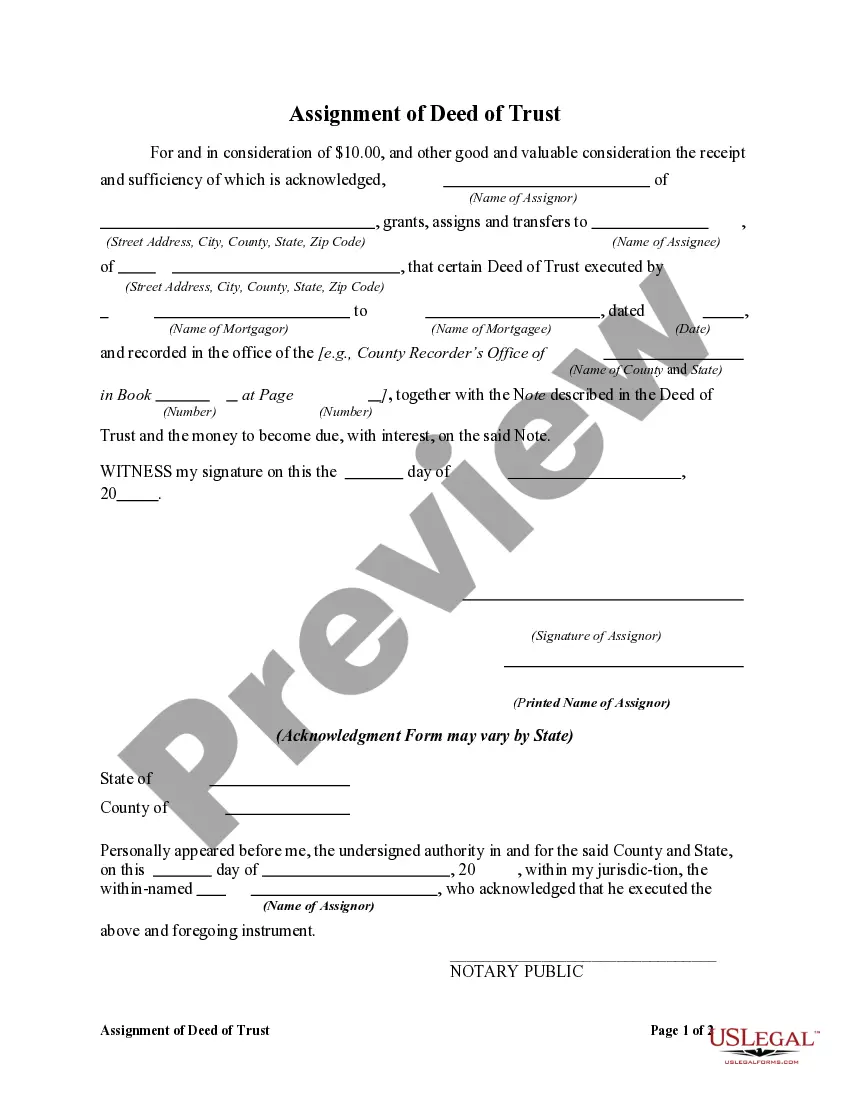
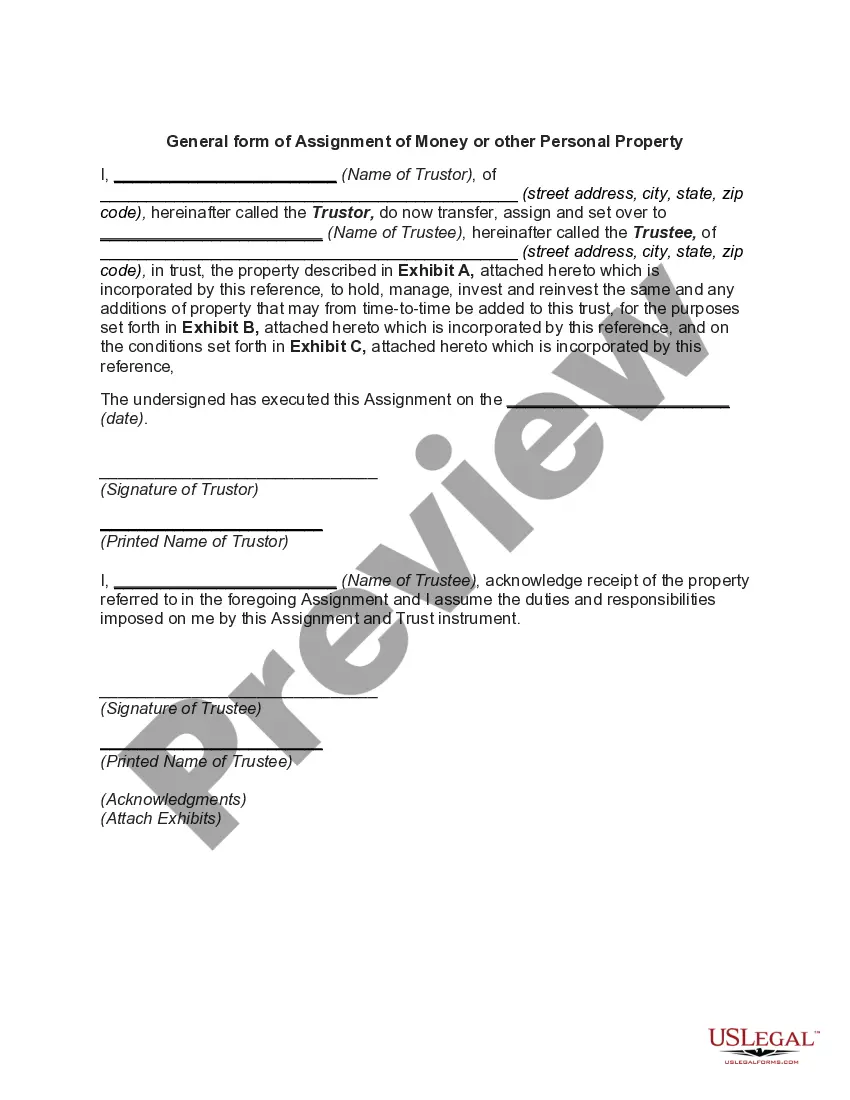
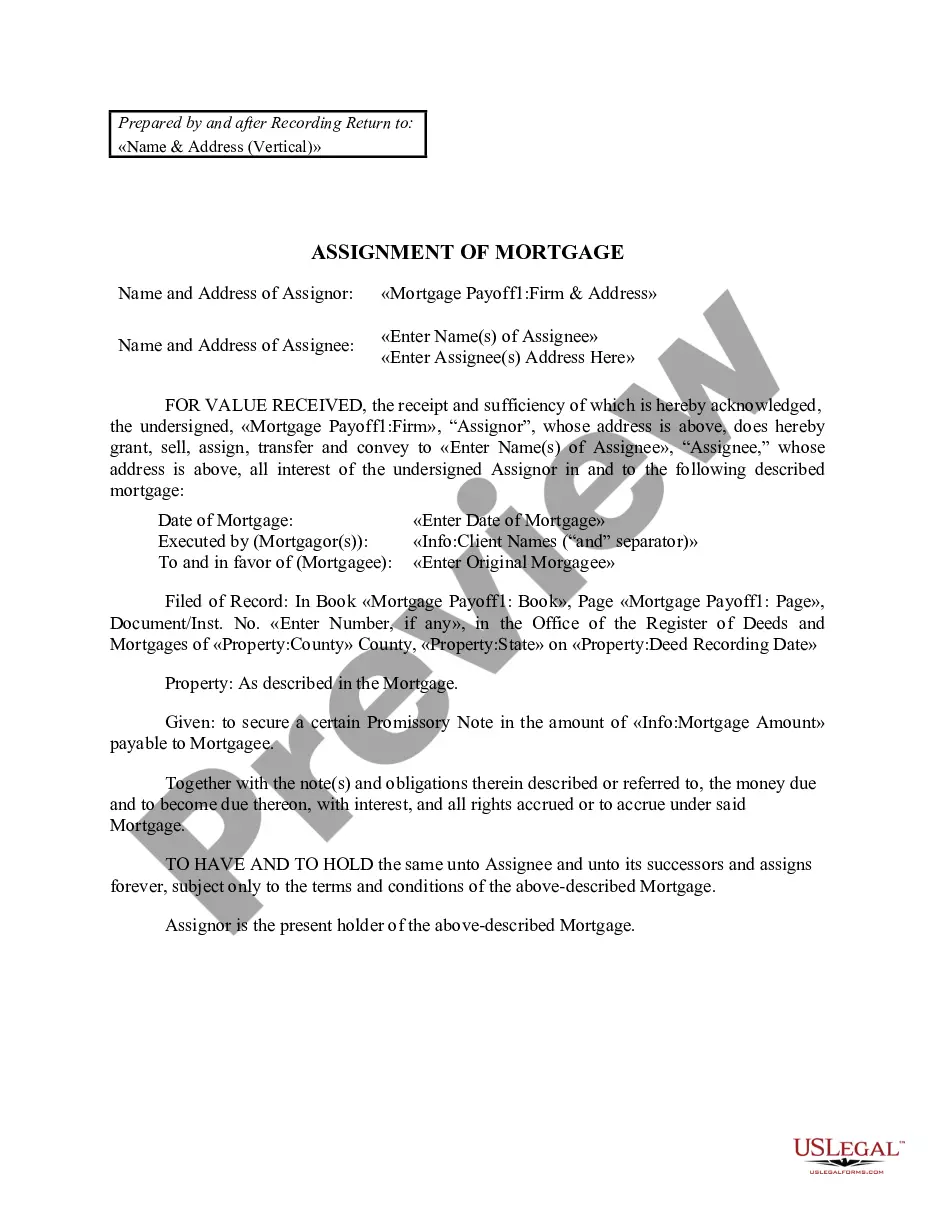
The Assignment of Deed of Trust is a legal document that allows a lender to transfer a mortgage loan to another lender. This form is commonly used in real estate transactions, primarily in California, where mortgage loans are often secured with a deed of trust. Unlike other forms of mortgage documentation, this assignment specifically pertains to the formal transfer of rights and responsibilities under the original deed of trust.
Main sections of this form
- Identifying information of the original lender.
- Details of the new lender receiving the assignment.
- Property description that is subject to the deed of trust.
- Signatures of both lenders involved in the agreement.
- Date of the assignment execution.


Situations where this form applies
This form is used when a lender wants to sell or transfer a mortgage loan to another financial institution. It is important in various situations, such as when banks or other lenders engage in trading mortgage loans for investment purposes, or when debt restructuring is required. Although borrowers may not see direct impacts from this process, it ensures that the legal title and obligations of the mortgage are correctly transferred to the new lender.
Who this form is for
- Lenders looking to sell mortgage loans to other institutions.
- Financial institutions involved in the buying and selling of mortgage loans.
- Real estate professionals engaged in the mortgage market.
- Attorneys managing real estate transactions on behalf of clients.
Instructions for completing this form
- Identify the original lender and the new lender's names and addresses.
- Provide a detailed description of the property that is secured by the deed of trust.
- Enter the date on which the assignment is executed.
- Both lenders should sign and date the document.
- Ensure that copies are provided to both parties involved in the transaction.
Does this form need to be notarized?
This document requires notarization to meet legal standards. US Legal Forms provides secure online notarization powered by Notarize, allowing you to complete the process through a verified video call, available 24/7.
Get your form ready online
Our built-in tools help you complete, sign, share, and store your documents in one place.
Make edits, fill in missing information, and update formatting in US Legal Forms—just like you would in MS Word.
Download a copy, print it, send it by email, or mail it via USPS—whatever works best for your next step.
Sign and collect signatures with our SignNow integration. Send to multiple recipients, set reminders, and more. Go Premium to unlock E-Sign.
If this form requires notarization, complete it online through a secure video call—no need to meet a notary in person or wait for an appointment.
We protect your documents and personal data by following strict security and privacy standards.

Make edits, fill in missing information, and update formatting in US Legal Forms—just like you would in MS Word.

Download a copy, print it, send it by email, or mail it via USPS—whatever works best for your next step.

Sign and collect signatures with our SignNow integration. Send to multiple recipients, set reminders, and more. Go Premium to unlock E-Sign.

If this form requires notarization, complete it online through a secure video call—no need to meet a notary in person or wait for an appointment.

We protect your documents and personal data by following strict security and privacy standards.
Avoid these common issues
- Failing to include all required signatures.
- Neglecting to properly describe the property securing the mortgage.
- Overlooking the need to provide copies of the completed form to all parties.
- Using outdated or incorrect form templates that do not comply with state regulations.
Advantages of online completion
- Convenience of downloading and completing the form at your own pace.
- Access to attorney-reviewed templates for added reliability.
- Ability to easily edit the form to fit your specific circumstances.
- Secure storage options for important legal documents.
Looking for another form?


Form popularity
FAQ
An assignment of a deed of trust is simply the movement of the deed of trust from one party to another, a party that was not originally involved in the deed creation when the property was bought. A corporate assignment is simply an assignment of the deed of trust between different businesses.
A deed of assignment is used to assign just the beneficial interest in land/property from one party to another. A deed of trust can also be used to do this, however it also includes other clauses such as how to sell the property.
Giving the wrong legal address for the property or the wrong amount of the debt can render the deed unenforceable. In some cases, the error is easy to fix, and the court will rule the deed is enforceable.
A deed of trust is a legal document that is the security for a real estate loan. The document itself is recorded with the county recorder or registrar of titles in the county where the real estate is located.
A deed of trust is a written instrument with three parties: The trustor, who is the borrower and homeowner. The beneficiary, who is the lender. The trustee, who is a third party such as an insurance company or escrow management agency that holds actual title to the property in trust for the beneficiary.
Some owners are put off using solicitors duke to the deed of trust cost. Individuals can write out their own, and use someone else as a witness. However, this may have errors or not be a legally binding document. The investment of getting a deed of trust when buying a property is often worth it in the long term.
When your mortgage lender decides he wants to sell your mortgage loan to another lender, your mortgage lender will sign an assignment of deed of trust in favor of the new lender. This assignment gives the new lender the same lien on your property that your original lender had under the mortgage loan.
An assignment of trust deed is a document that lenders use when they sell loans secured by trust deeds. While they can freely sell the promissory notes between themselves, the trust deeds that give them the right to foreclose have to be assigned with a legal document.