Tennessee Assignment and Assumption Agreement
Understanding this form
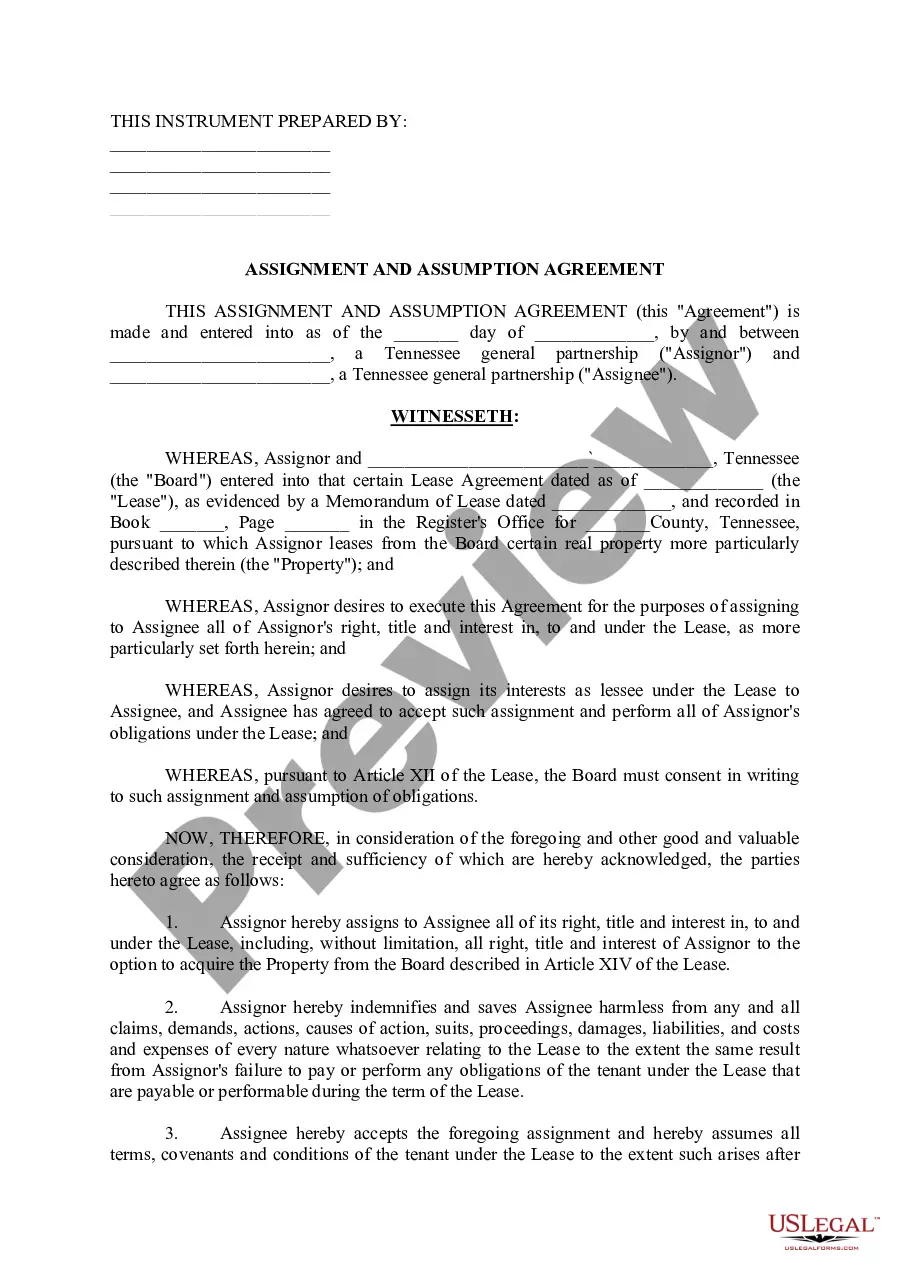
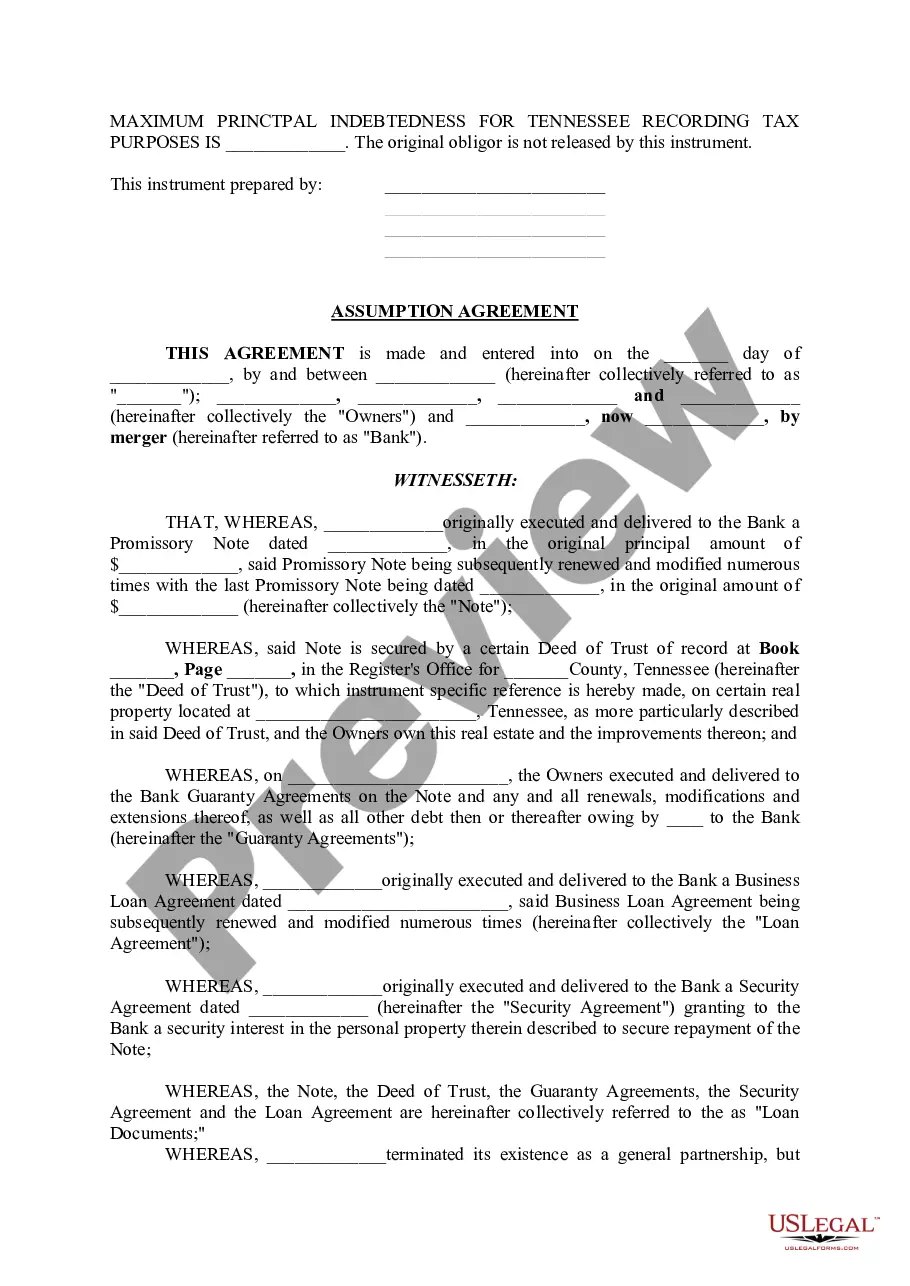
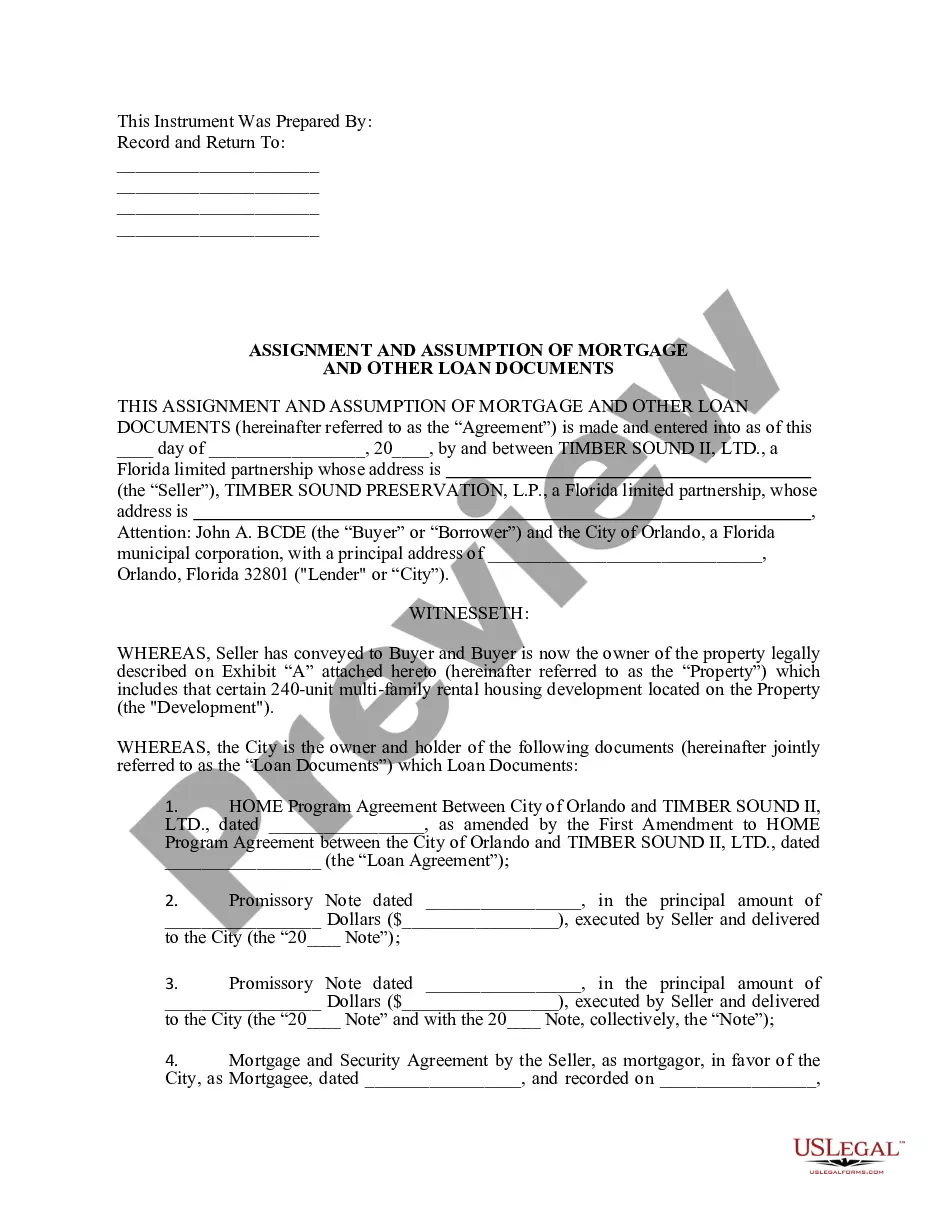
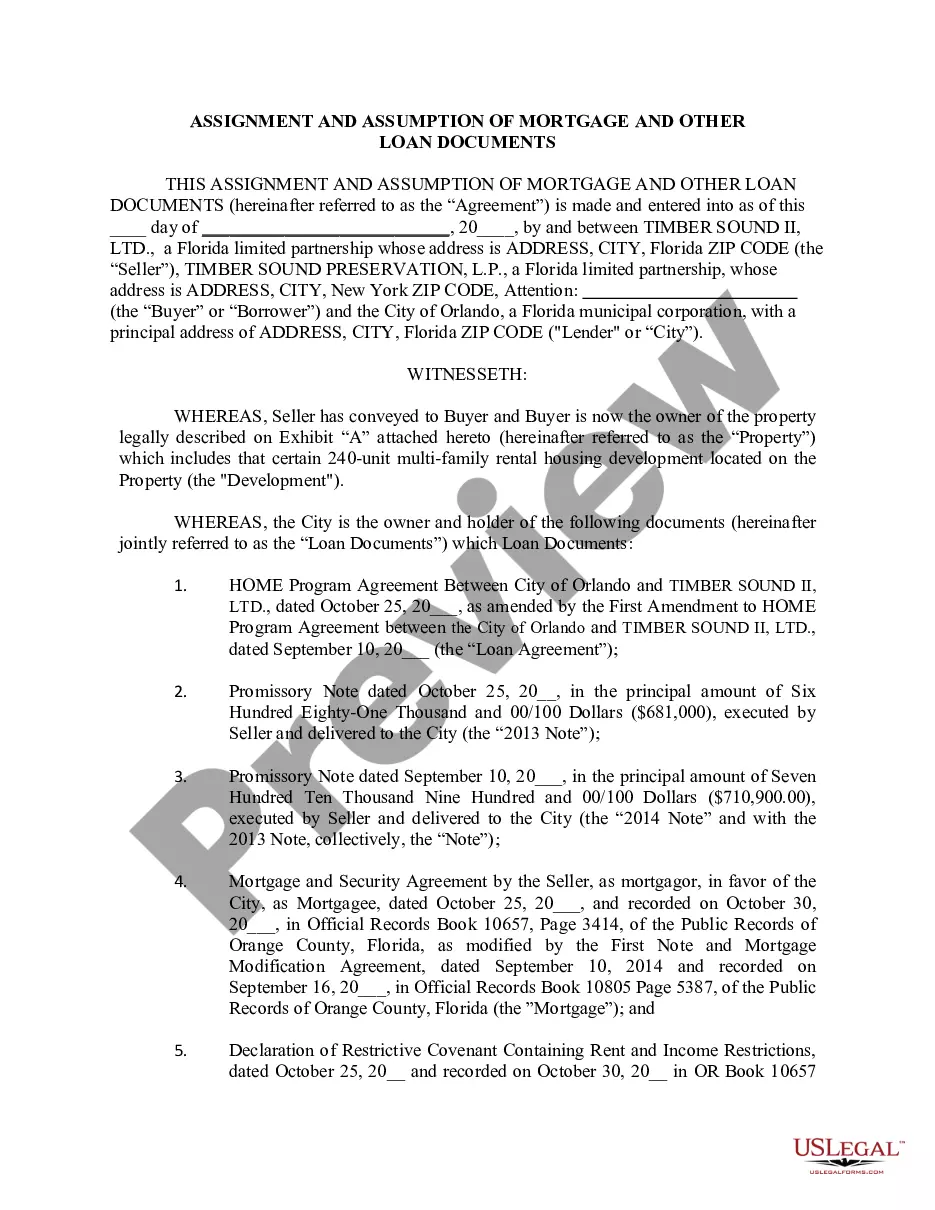
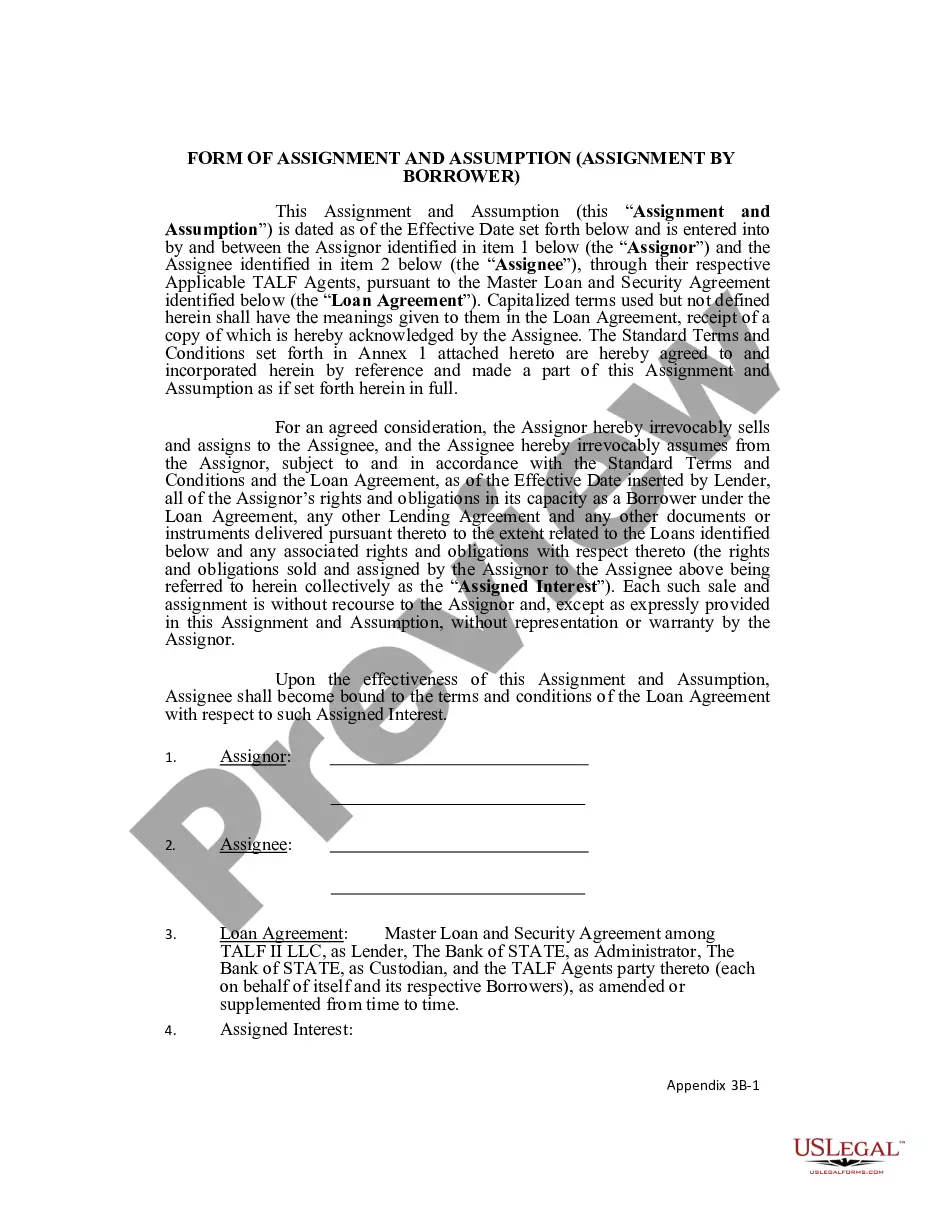
An Assignment and Assumption Agreement is a legal document that facilitates the transfer of rights and obligations from one party (the Assignor) to another (the Assignee) in relation to a lease or contract. This form specifically addresses the assignment of a deed of trust and releases the original owners from their obligations, while ensuring that the new owners agree to the terms set forth by the lender. It is essential to differentiate this agreement from simple transfer documents, as it includes an explicit assumption of responsibilities and typically requires consent from involved parties.
Key parts of this document
- Identification of the Assignor and Assignee, including their legal status and jurisdiction.
- Details of the original Lease Agreement, including dates and property description.
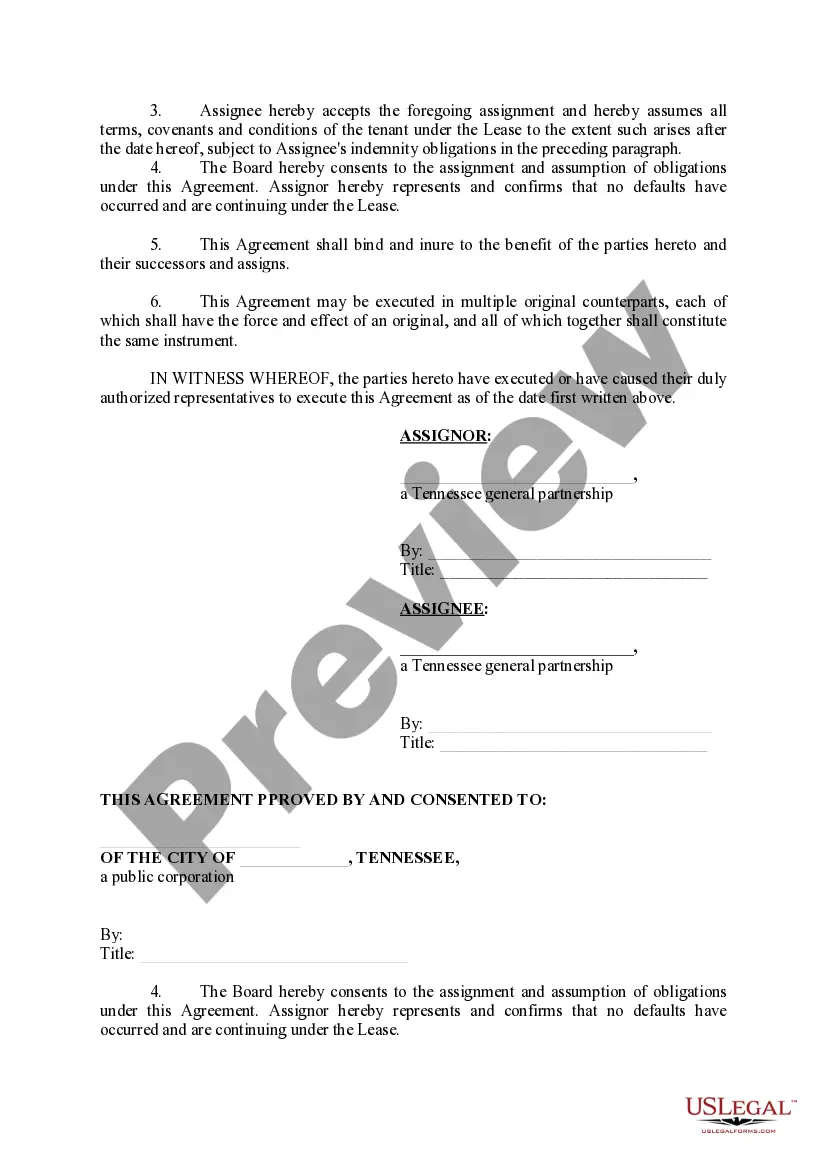
- Assignment of rights and obligations from the Assignor to the Assignee.
- Indemnification clause protecting the Assignee from claims arising from the Assignor's actions.
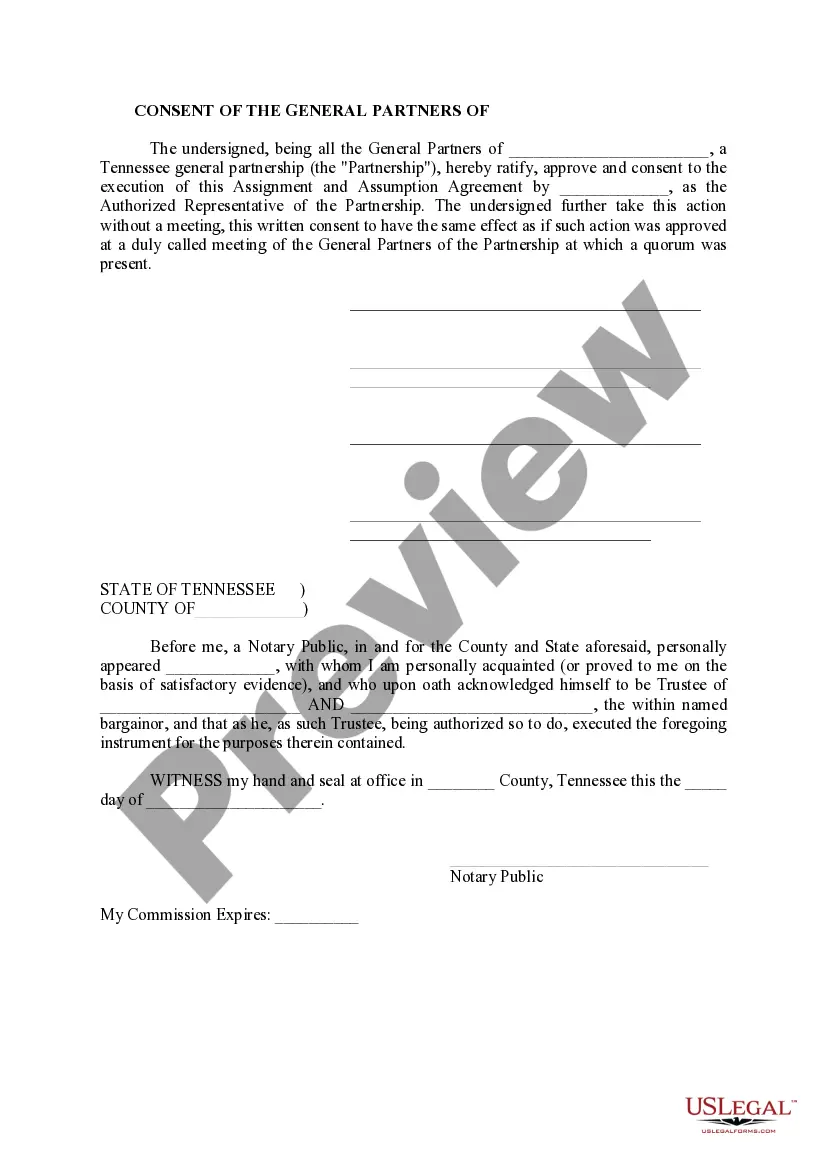
- Consent clause from the Board, necessary for the validity of the assignment.
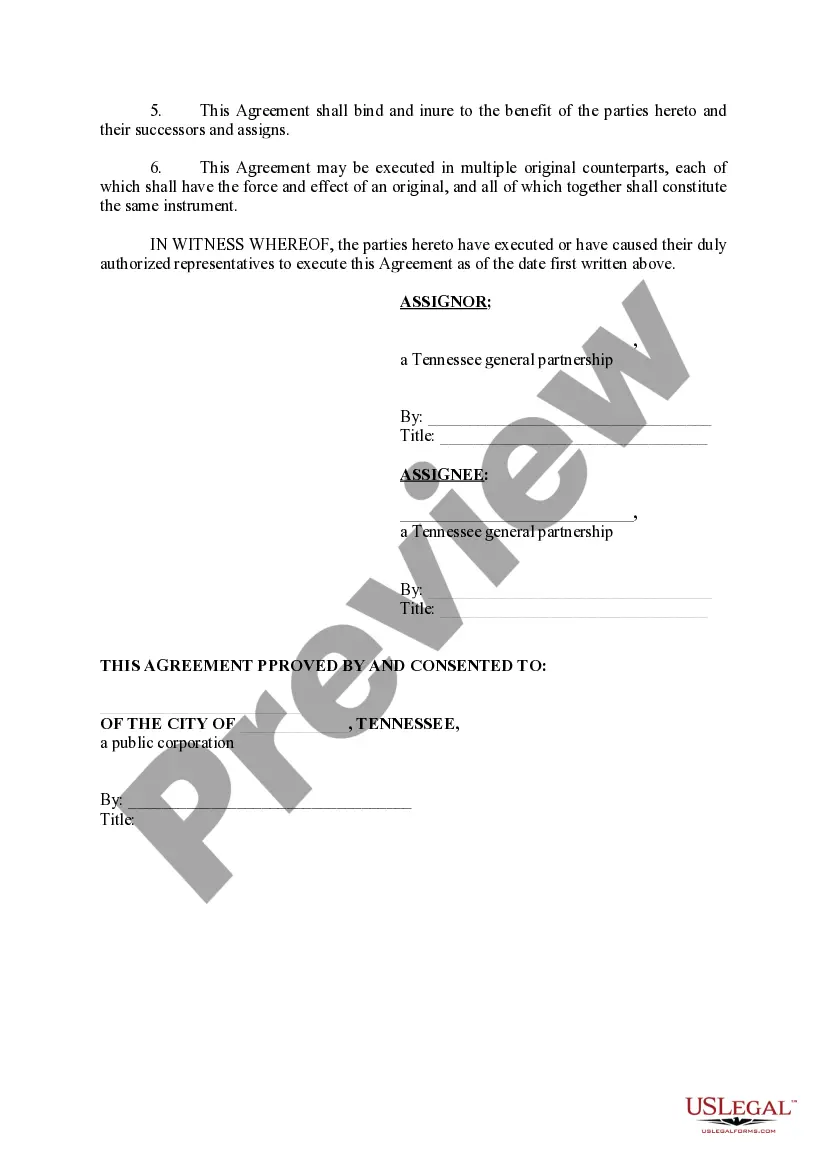
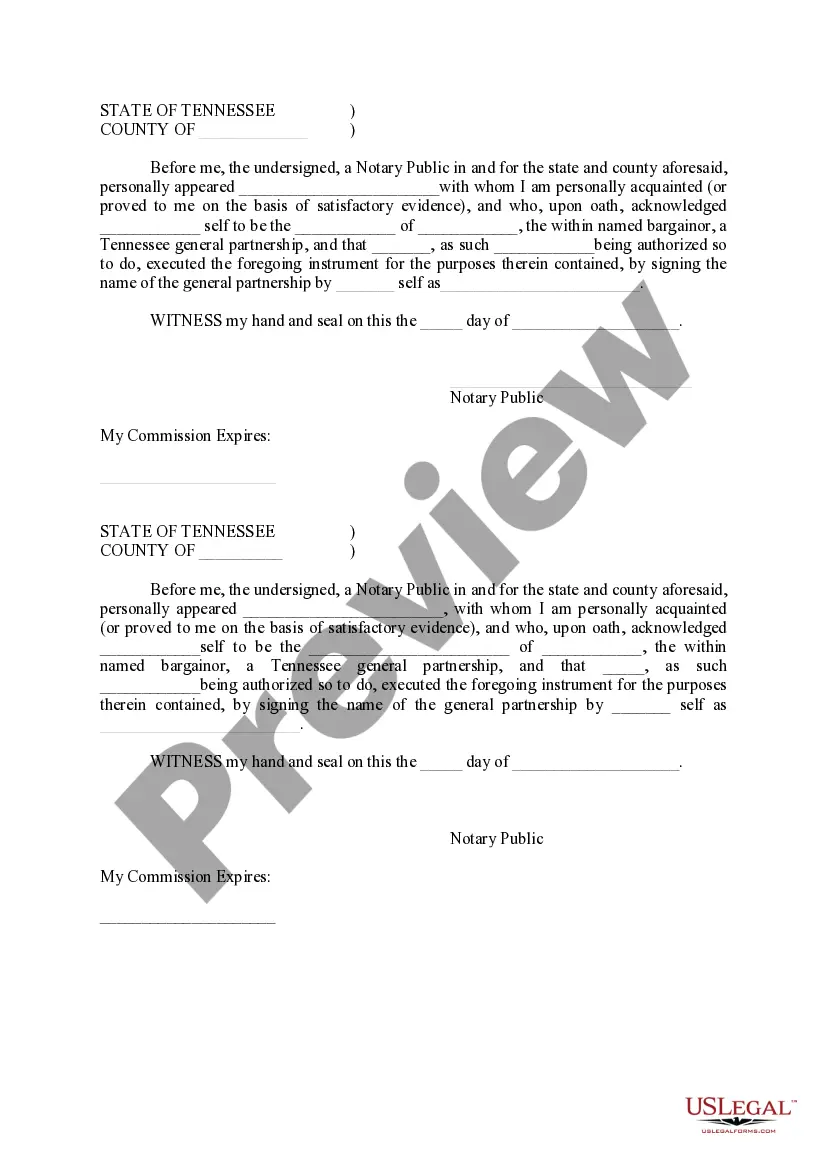
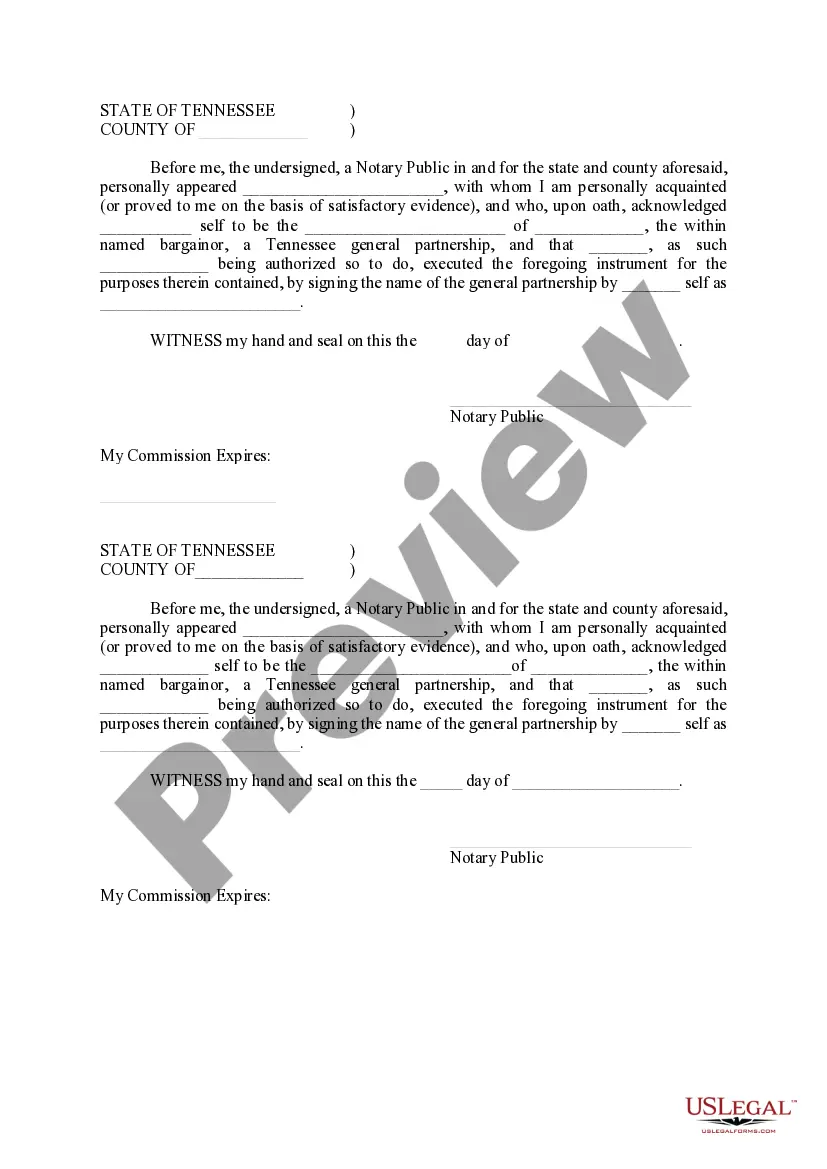
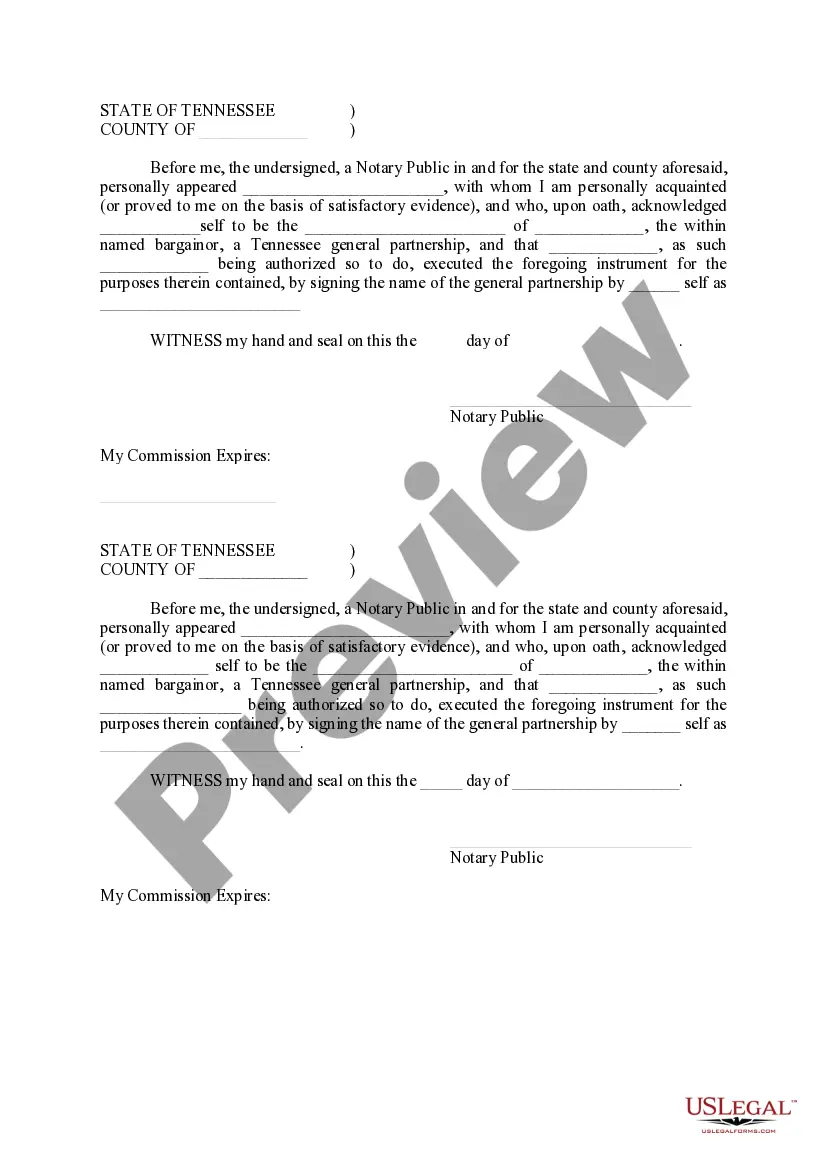
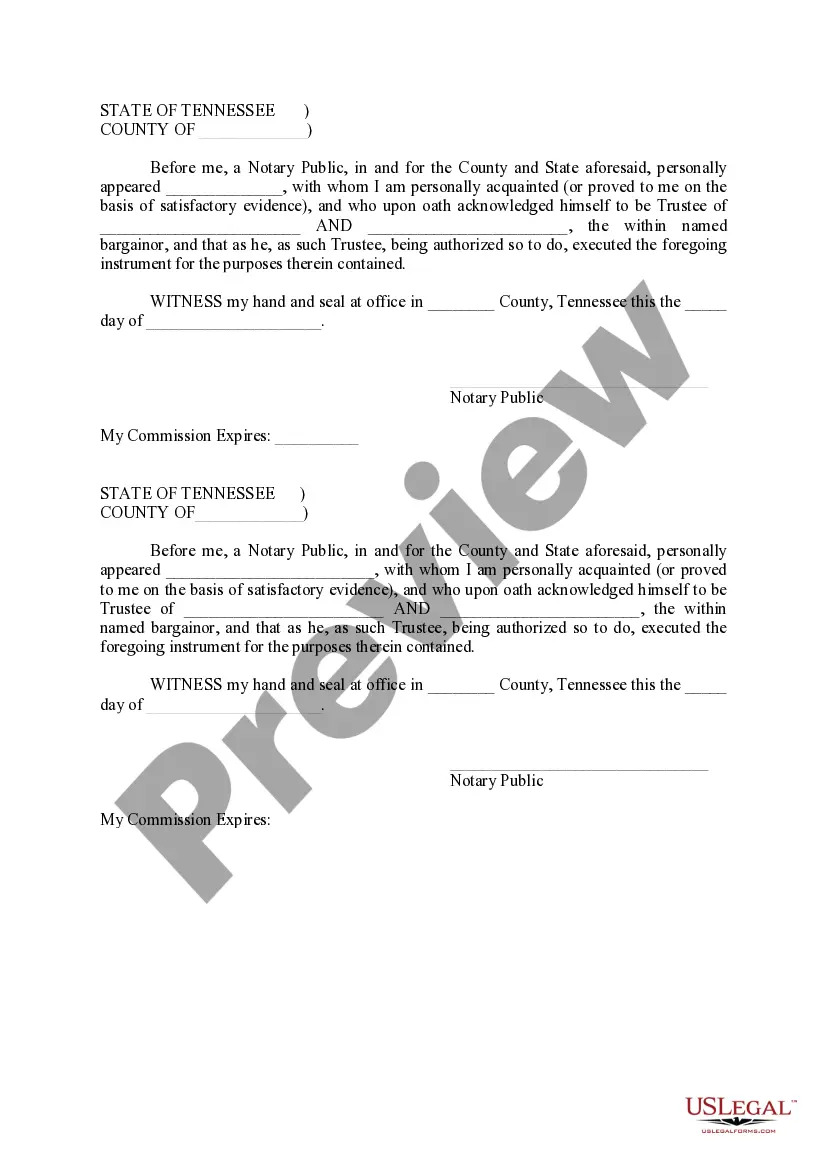
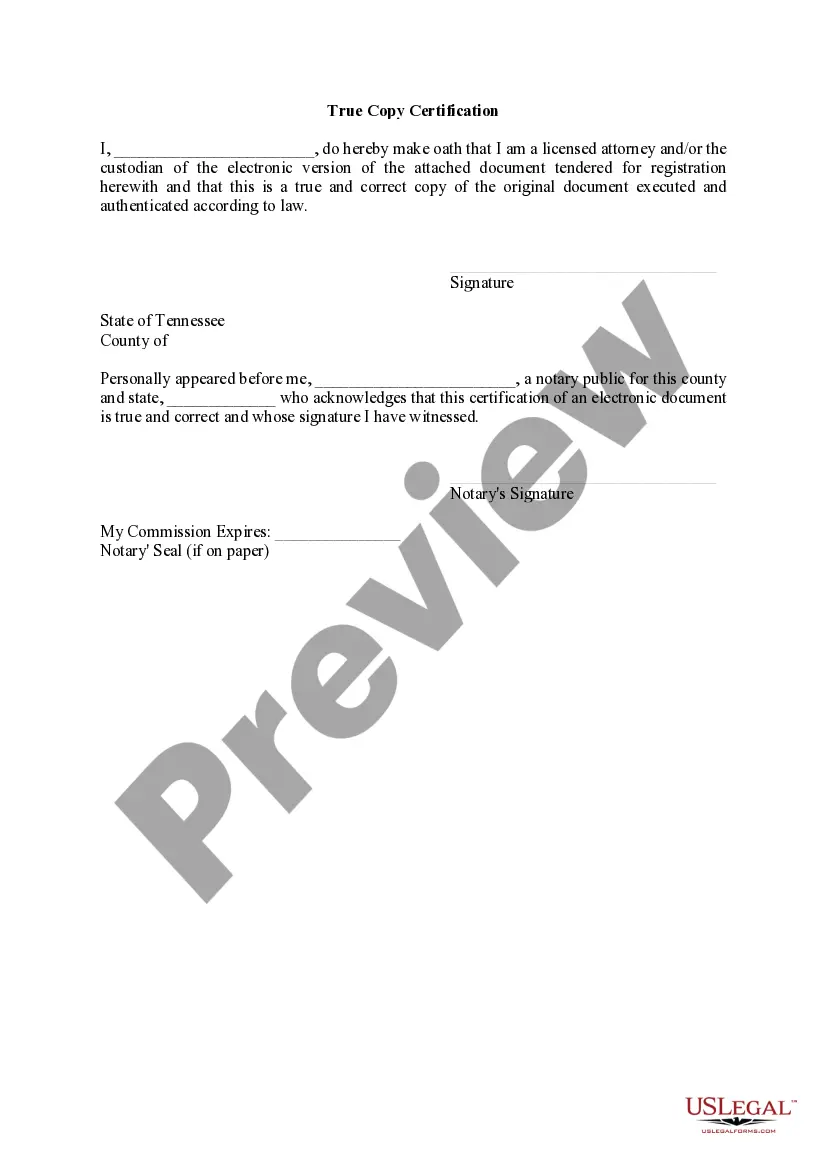
- Signature lines for the parties involved and the Notary Public.
Common use cases
This form is useful in situations where an individual or corporation wants to transfer their rights and obligations under a lease or trust deed to a new owner. For example, if a business sells its property with an existing lease or a mortgage agreement, this form can be used to ensure that the new owner assumes the lease's terms and responsibilities, effectively releasing the original owner from further obligations.
Who needs this form
- Property owners looking to transfer their lease obligations to a new tenant.
- Real estate investors acquiring property subject to an existing lease.
- Parties involved in commercial transactions that require clear assignment of contractual obligations.
- Individuals or businesses seeking to formalize their agreements to avoid disputes later.
How to prepare this document
- Identify and enter the full names and legal status of both the Assignor and Assignee.
- Detail the original Lease Agreement, including its date, parties involved, and property description.
- Clearly state the rights and obligations being assigned to the Assignee.
- Include consent from the Board to finalize the assignment.
- Both parties must sign and date the agreement in front of a Notary Public to ensure validity.
Notarization guidance
Yes, this form must be notarized to be legally valid. Notarization provides an essential layer of authenticity to the agreement. US Legal Forms offers integrated online notarization services, ensuring you can have the document notarized securely and conveniently through a video call, available 24/7 without requiring travel.
Get your form ready online
Our built-in tools help you complete, sign, share, and store your documents in one place.
Make edits, fill in missing information, and update formatting in US Legal Forms—just like you would in MS Word.
Download a copy, print it, send it by email, or mail it via USPS—whatever works best for your next step.
Sign and collect signatures with our SignNow integration. Send to multiple recipients, set reminders, and more. Go Premium to unlock E-Sign.
If this form requires notarization, complete it online through a secure video call—no need to meet a notary in person or wait for an appointment.
We protect your documents and personal data by following strict security and privacy standards.

Make edits, fill in missing information, and update formatting in US Legal Forms—just like you would in MS Word.

Download a copy, print it, send it by email, or mail it via USPS—whatever works best for your next step.

Sign and collect signatures with our SignNow integration. Send to multiple recipients, set reminders, and more. Go Premium to unlock E-Sign.

If this form requires notarization, complete it online through a secure video call—no need to meet a notary in person or wait for an appointment.

We protect your documents and personal data by following strict security and privacy standards.
Common mistakes
- Failing to obtain the necessary consents from all parties involved, especially the Board.
- Not providing complete descriptions of the original Lease Agreement and property involved.
- Neglecting to sign in front of a Notary Public, as required for a valid agreement.
- Overlooking indemnification clauses that protect the Assignee from future claims regarding the lease.
Why complete this form online
- Convenient access to legally vetted templates drafted by licensed attorneys.
- Immediate download and editing options, allowing customization to specific needs.
- Increased reliability, as the forms are kept up-to-date with current laws and regulations.
- Ease of use, enabling efficient completion without the need for extensive legal knowledge.
Looking for another form?
Form popularity
FAQ
In both instances, assignment is the process whereby a person, the assignor, transfers rights or benefits to another, the assignee.While novation requires the consent of all parties, assignment needs no consent from other non-assigning parties.
Related Content. Also called an assignment and assumption. An agreement in which one party transfers its contractual rights and obligations to another party.
Assignment is the transfer of all rights to the buyer (assignee) from the seller (assignor).Assumption is like an Assignment except the seller is released from all liability under the terms of the lease. This is rare and it almost never happens.
The assignor normally remains liable unless there is an agreement to the contrary by the other party to the contract.No specific language is required to create an assignment so long as the assignor makes clear his/her intent to assign identified contractual rights to the assignee.
An assignment of contract occurs when one party to an existing contract (the "assignor") hands off the contract's obligations and benefits to another party (the "assignee"). Ideally, the assignor wants the assignee to step into his shoes and assume all of his contractual obligations and rights.
An assignment and assumption agreement is used after a contract is signed, in order to transfer one of the contracting party's rights and obligations to a third party who was not originally a party to the contract.
A contract may contain a non-assignment clause, which prohibits the assignment of specific rights and some various rights, or of the entire contract, to another. However, such a clause does not necessarily destroy the power of either party to make an assignment.
What Is a Non-Assignment Provision and Why Do You Need It? Generally speaking, contracts can be freely assigned to third parties. Non-assignment provisions are designed so that contracts cannot be as freely assigned to third parties; or at least, not without first obtaining the contracting counterparty's consent.
Release of the Debtor. In consideration of the assumption of the Debtor's Liabilities, the Creditor (a) agrees to look solely to the Assuming Party for the payment and the performance of the Liabilities; and (b) forever releases and discharges the Debtor from the Liabilities.