Assignment of Mortgage
About this form
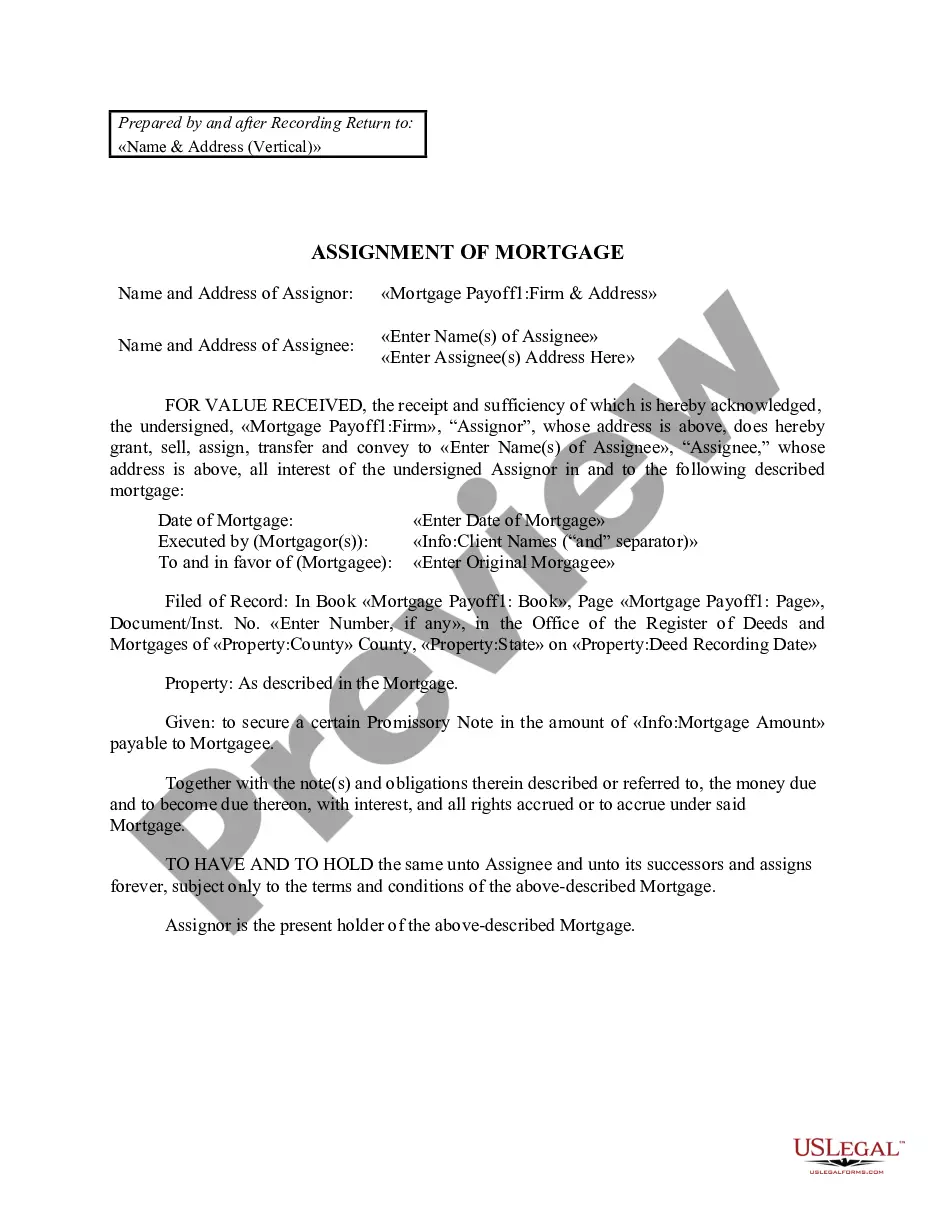
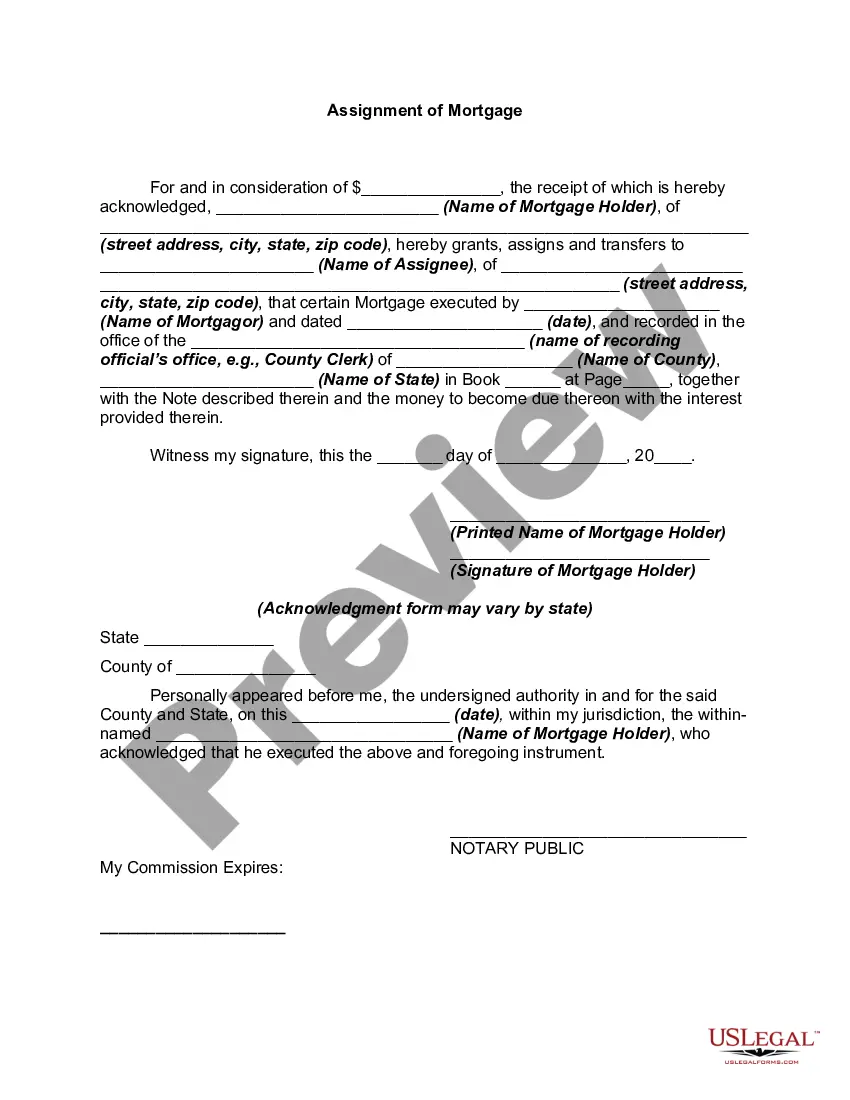
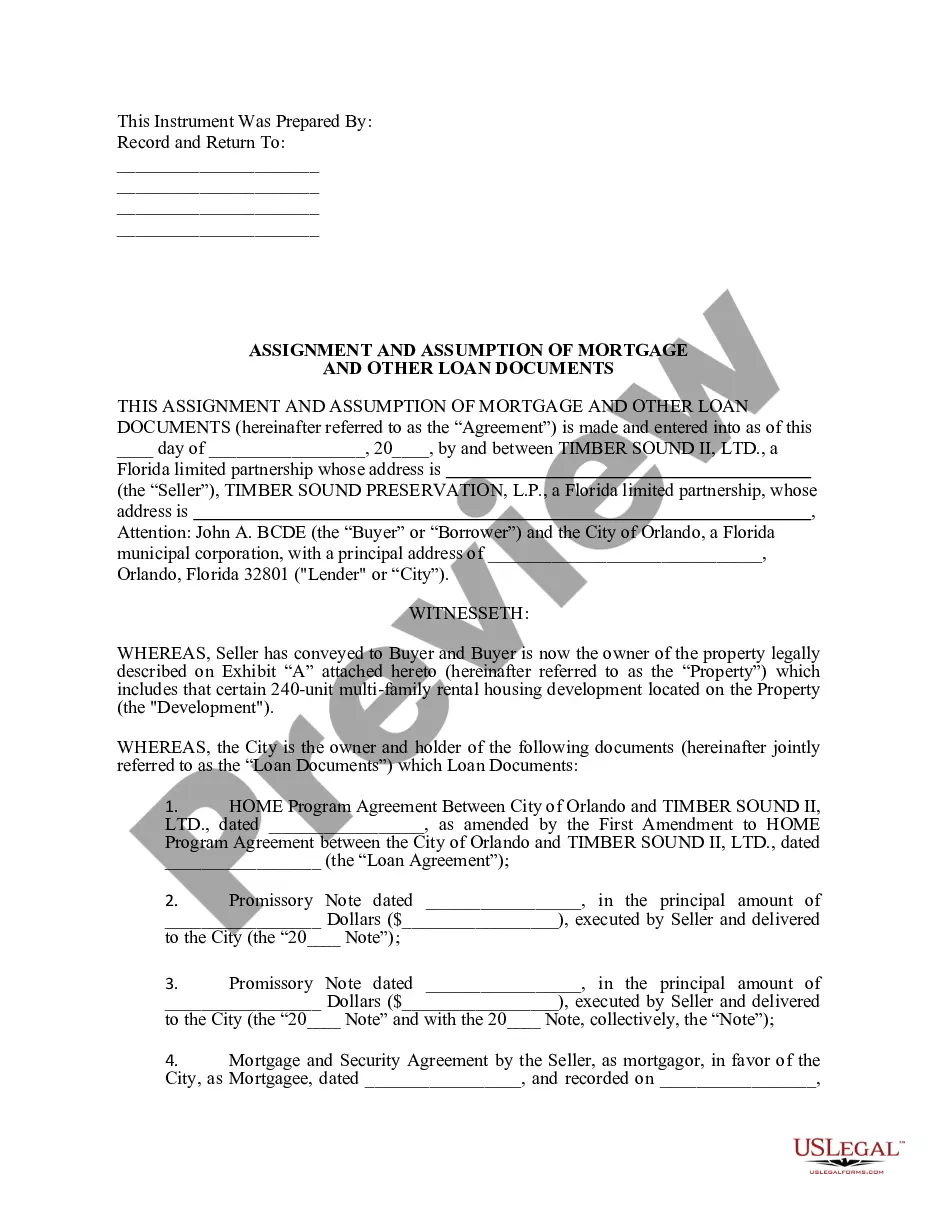
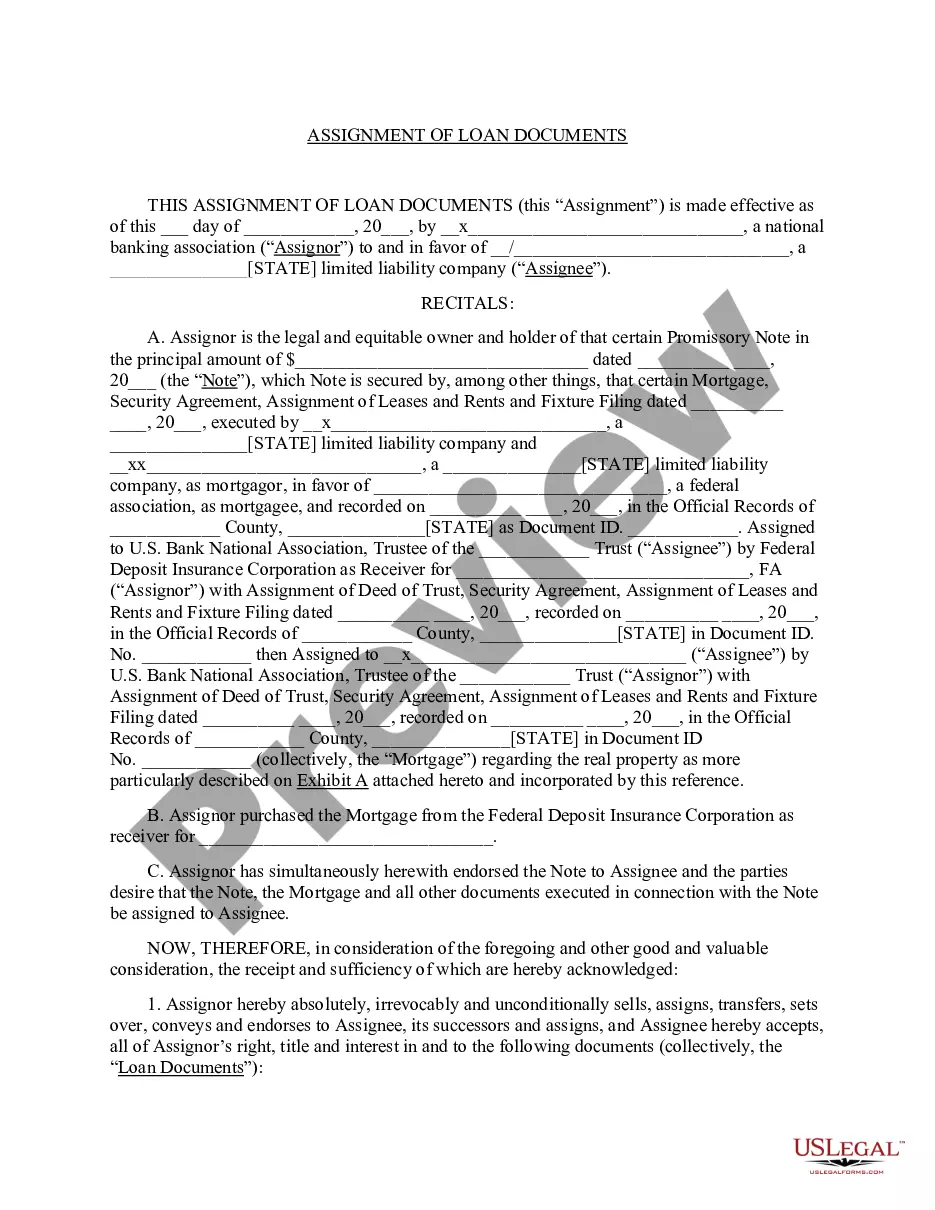
The Assignment of Mortgage is a legal document that transfers the rights and interests in a mortgage from one party to another. This form is used to formally assign the obligations and benefits of the mortgage, distinguishing it from other real estate documents such as a mortgage agreement or deed of trust. By completing this form, the original mortgage holder (assignor) can legally pass these rights to a new party (assignee). This ensures clarity in the repayment obligations associated with the mortgage.
What’s included in this form
- Name and address of the assignor (current mortgage holder)
- Name and address of the assignee (new mortgage holder)
- Description of the mortgage being assigned, including mortgage date and original mortgagee
- Details of the promissory note secured by the mortgage
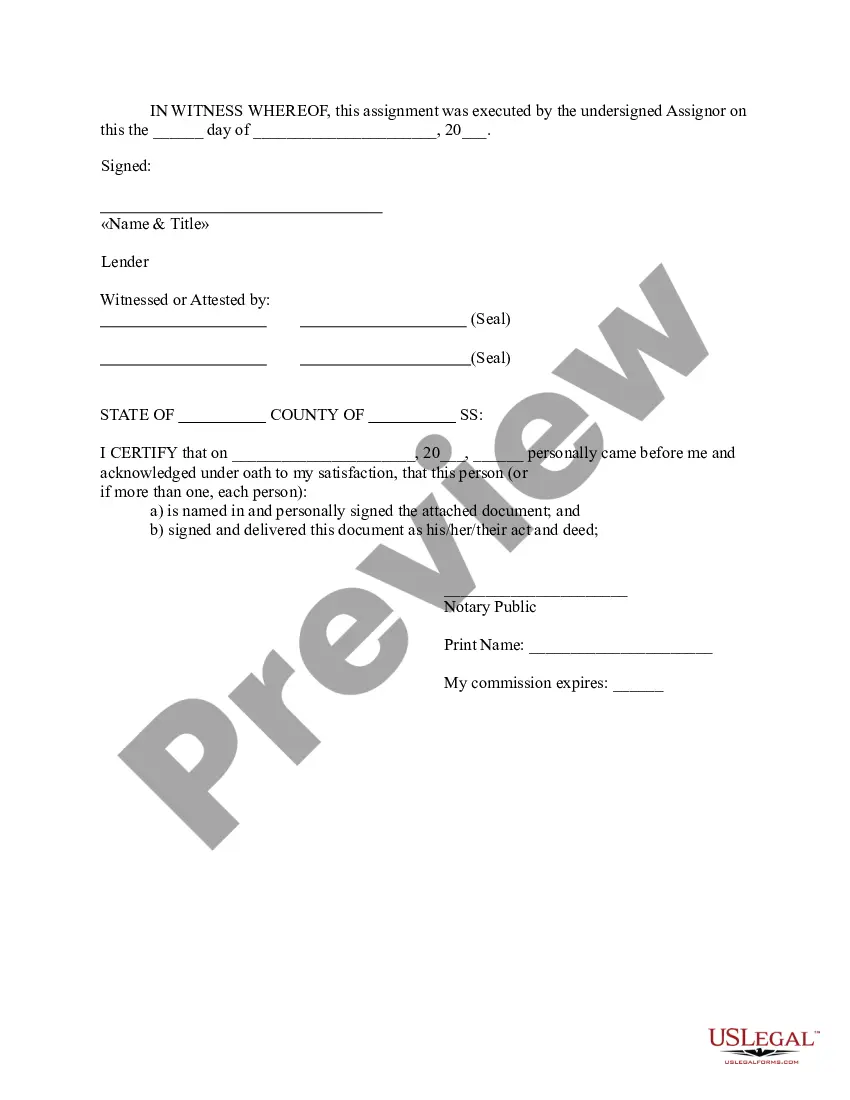
- Execution section for signatures of the assignor and notary

Situations where this form applies
This form should be used when you wish to transfer your interest in a mortgage to another party. Common scenarios include selling the property that is mortgaged, refinancing the mortgage under a new lender, or transferring the mortgage obligation to a family member or business associate. Utilizing this form ensures that the new lender can collect payments and that all legal rights under the mortgage are transferred appropriately.
Who should use this form
Individuals or entities that may need to utilize this form include:
- Current mortgage holders looking to assign their mortgage
- Individuals selling their property with an existing mortgage
- Financial institutions engaging in assignments of mortgages
- Family members or associates involved in property transfers
How to prepare this document
- Identify the assignor and assignee by entering their full names and addresses.
- Specify the mortgage details, including the mortgage date, original mortgagee, and recording information.
- Enter the amount of the promissory note secured by the mortgage.
- Provide a date for the execution of the assignment.
- Include signatures from both the assignor and a notary public, if required.
Notarization guidance
Yes, this form must be notarized to be legally valid in most circumstances. Notarization provides an additional layer of verification and helps prevent fraud. US Legal Forms offers integrated online notarization options through secure video calls, available 24/7, ensuring your document is properly notarized without the need for in-person visits.
Get your form ready online
Our built-in tools help you complete, sign, share, and store your documents in one place.
Make edits, fill in missing information, and update formatting in US Legal Forms—just like you would in MS Word.
Download a copy, print it, send it by email, or mail it via USPS—whatever works best for your next step.
Sign and collect signatures with our SignNow integration. Send to multiple recipients, set reminders, and more. Go Premium to unlock E-Sign.
If this form requires notarization, complete it online through a secure video call—no need to meet a notary in person or wait for an appointment.
We protect your documents and personal data by following strict security and privacy standards.

Make edits, fill in missing information, and update formatting in US Legal Forms—just like you would in MS Word.

Download a copy, print it, send it by email, or mail it via USPS—whatever works best for your next step.

Sign and collect signatures with our SignNow integration. Send to multiple recipients, set reminders, and more. Go Premium to unlock E-Sign.

If this form requires notarization, complete it online through a secure video call—no need to meet a notary in person or wait for an appointment.

We protect your documents and personal data by following strict security and privacy standards.
Typical mistakes to avoid
- Failing to include complete and accurate names and addresses of all parties involved.
- Not providing the correct mortgage details, such as the recording information.
- Overlooking the need for notarization in certain jurisdictions.
- Signing the document without witnessing or notarizing it, when required.
Advantages of online completion
- Convenient access to customizable templates that meet your specific needs.
- Complete the form at your own pace without the pressure of a legal professional.
- Instant downloadable formats allow for quick completion and submission.
- Increased reliability as the forms are drafted by licensed attorneys.
Looking for another form?

Form popularity
FAQ
A disadvantage of a mortgage assignment is the consequences of failing to record it. Under most state laws, an entity seeking to institute foreclosure proceedings must record the assignment before it can do so. If a mortgage is not recorded, the judge will dismiss the foreclosure proceeding.
An assignment transfers all the original mortgagee's interest under the mortgage or deed of trust to the new bank. Generally, the mortgage or deed of trust is recorded shortly after the mortgagors sign it, and, if the mortgage is subsequently transferred, each assignment is recorded in the county land records.
An assignment of mortgage is a legal term that refers to the transfer of the security instrument that underlies your mortgage loan ? aka your home. When a lender sells the mortgage on, an investor effectively buys the note, and the mortgage is assigned to them at this time.
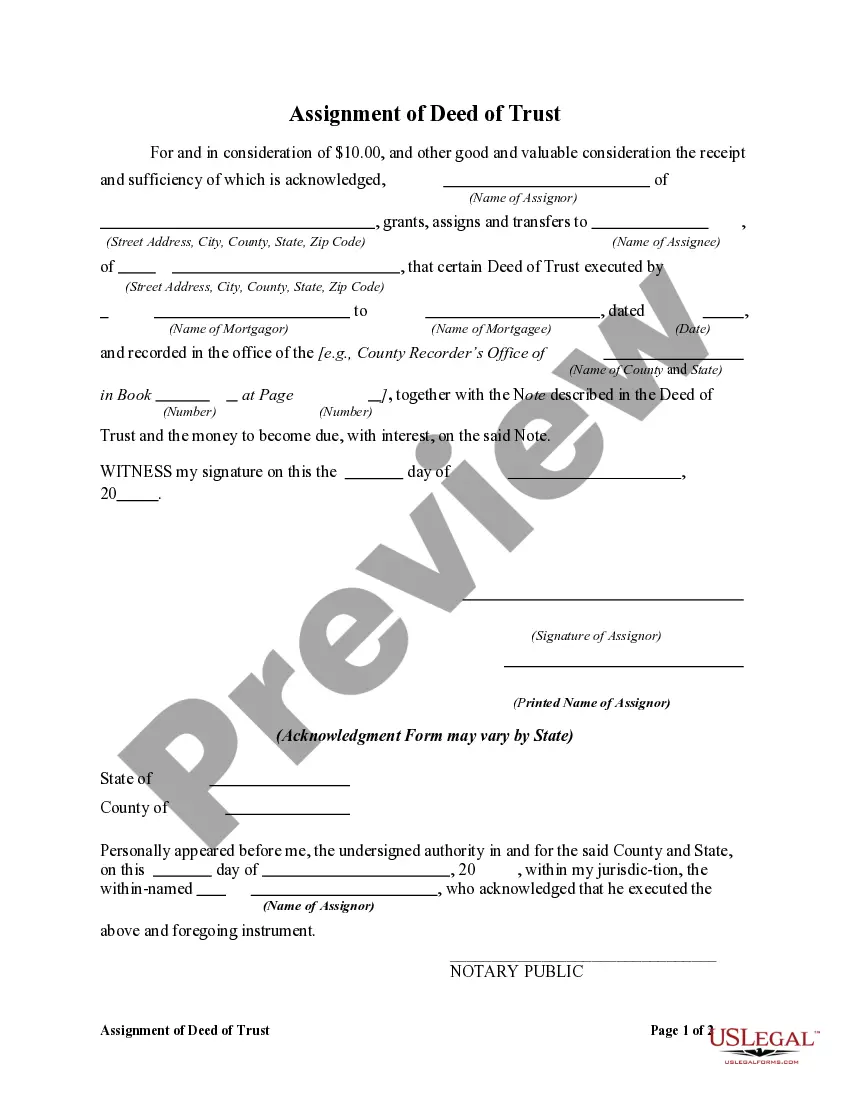
A deed of trust is a legal agreement that's similar to a mortgage, which is used in real estate transactions. Whereas a mortgage only involves the lender and a borrower, a deed of trust adds a neutral third party that holds rights to the real estate until the loan is paid or the borrower defaults.
If the mortgagee fails to execute and record a Satisfaction of Mortgage within the 60-day period afforded by statute, the mortgagor (property owner) may file suit and seek a court order directing the mortgagee to execute a satisfaction of mortgage or an order extinguishing the lien against the property.
Assignment of Mortgage ? The Basics. When your original lender transfers your mortgage account and their interests in it to a new lender, that's called an assignment of mortgage. To do this, your lender must use an assignment of mortgage document. This document ensures the loan is legally transferred to the new owner.
The most common example of an Assignment of Mortgage is when a mortgage lender transfers/sells the mortgage to another lender. This can be done more than once until the balance is paid. The lender does not have to inform the borrower that the mortgage is being assigned to another party.
Once a loan has been assigned to MERS, it can be bought and sold any number of times later without recording assignments. Don't be surprised if you find out that your mortgage was assigned to MERS at some point. In most cases, the loan will have to be assigned out of MERS' name before a foreclosure can begin.