Deed of Trust - Assignment
What is this form?
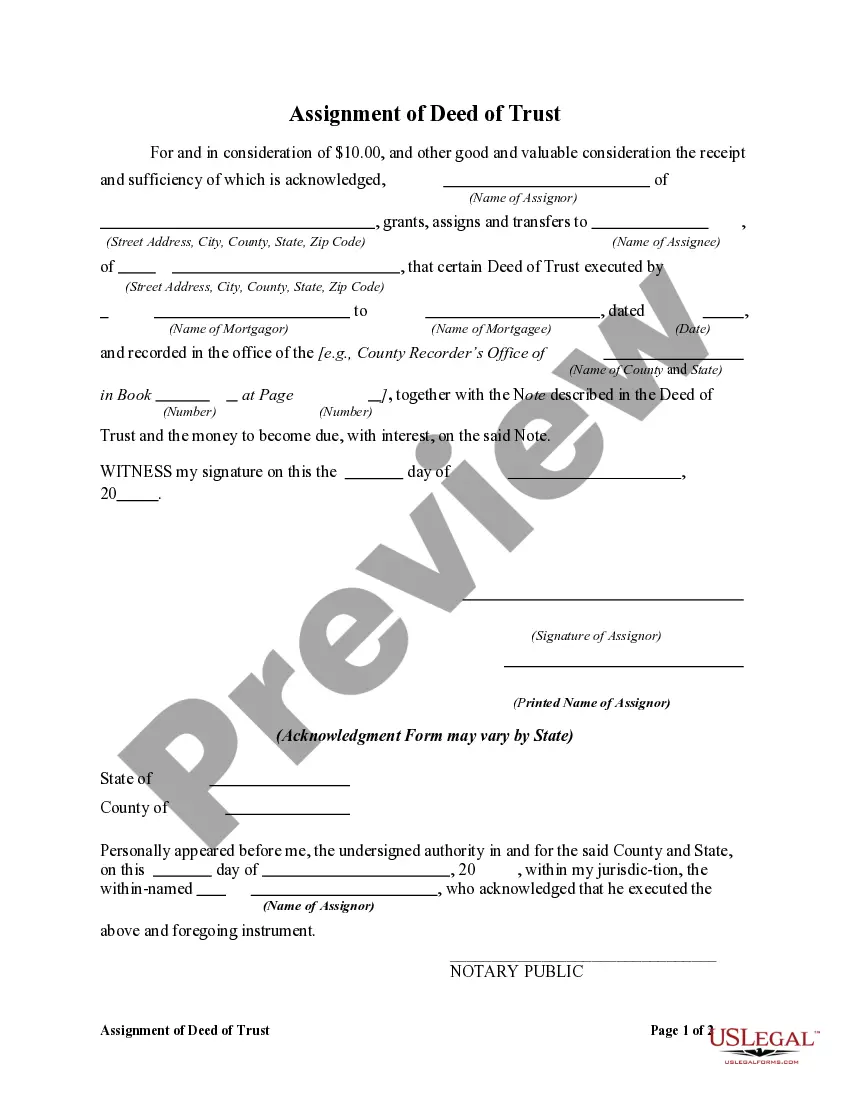
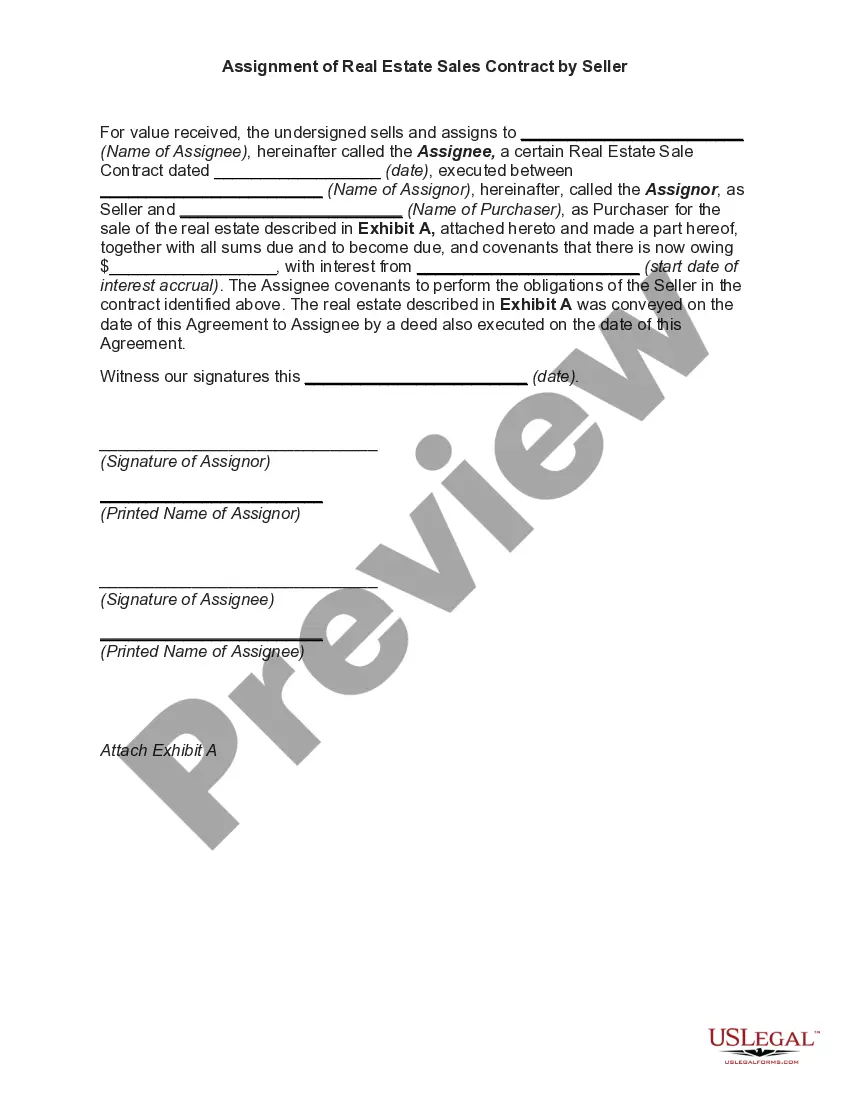
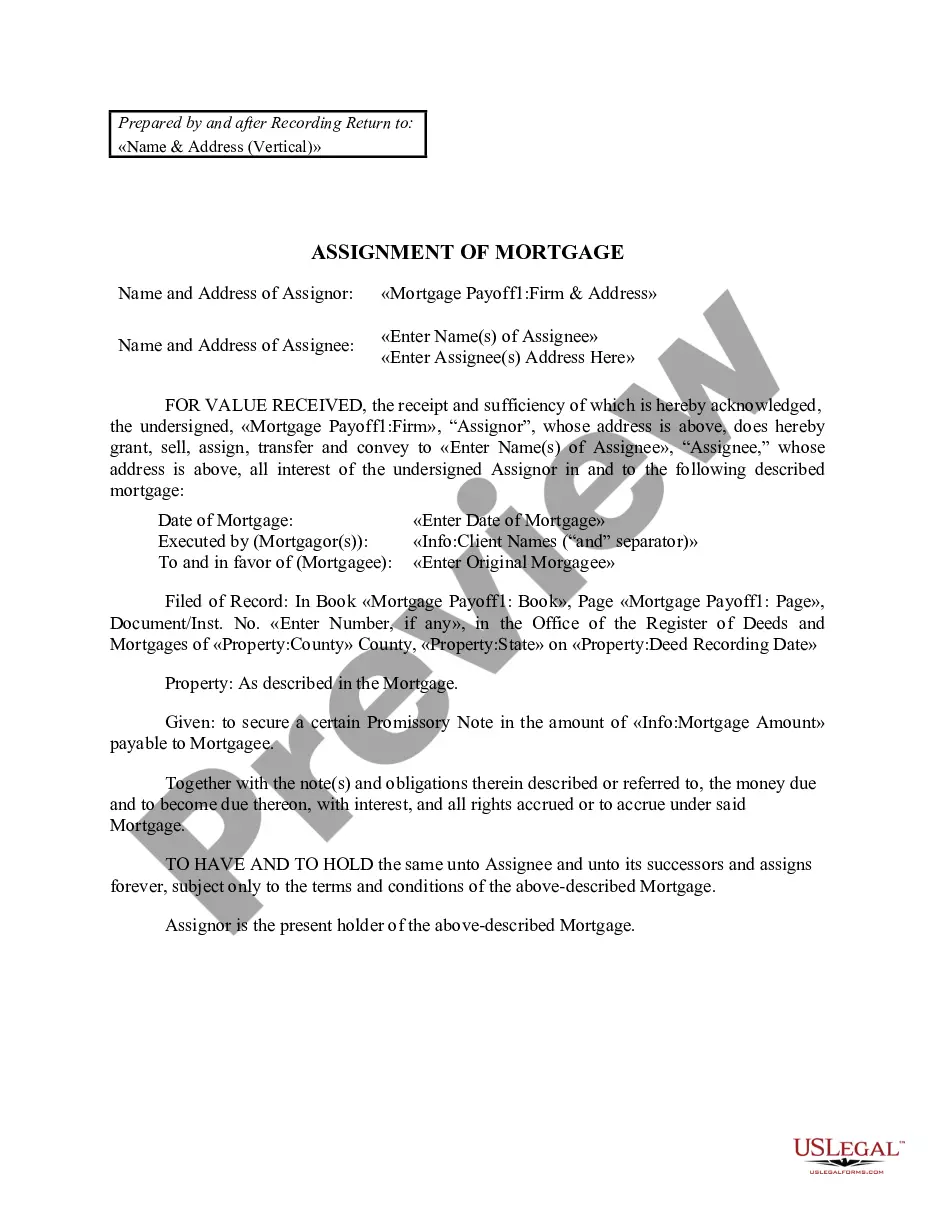
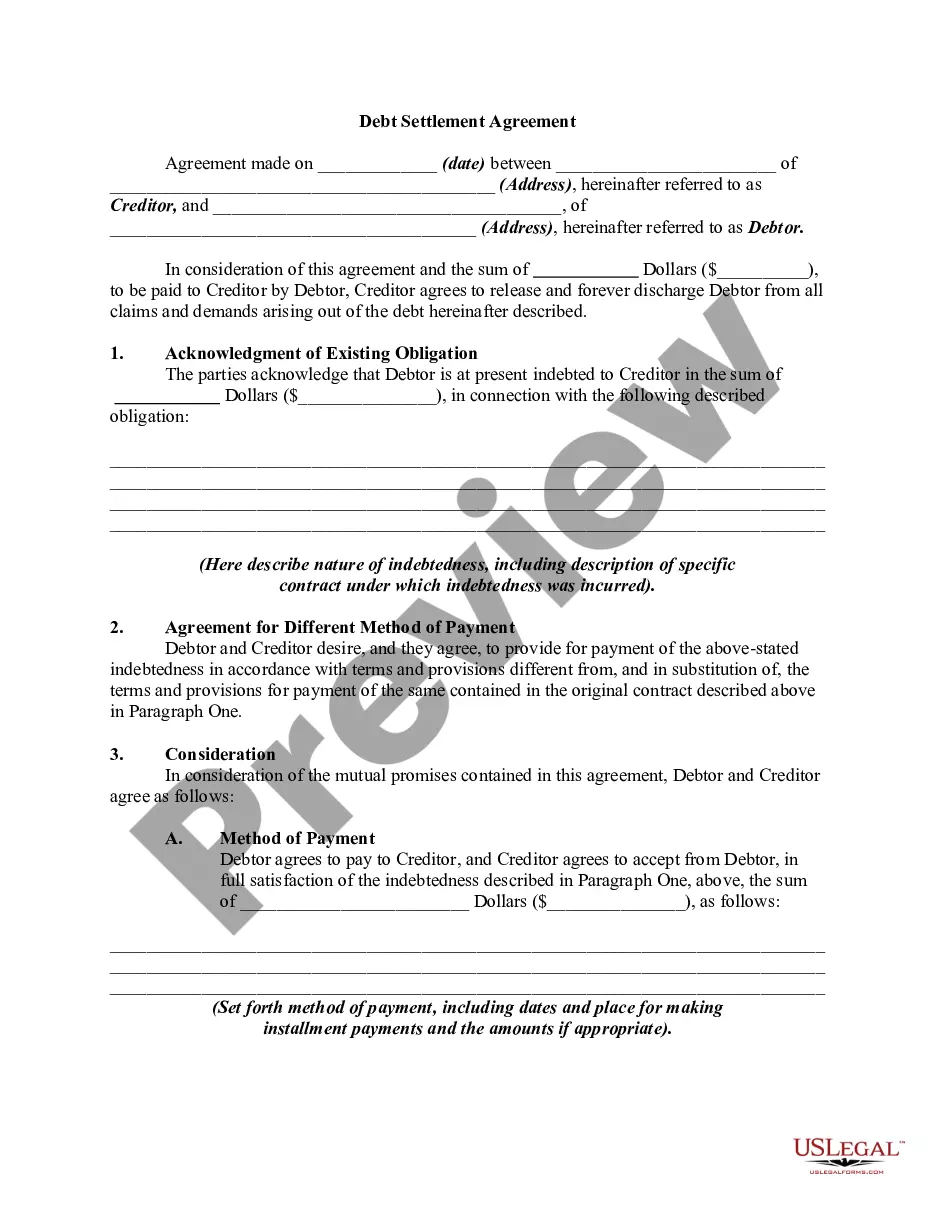
The Deed of Trust - Assignment is a legal document used when the grantor wishes to convey their rights and interests in a deed of trust concerning real property to another party. This form is distinct from a standard deed of trust as it explicitly transfers the ownership of the beneficial interest associated with that deed, ensuring that the assignee can secure any debts related to the property.
Key parts of this document
- Party information: This includes the names of the grantor and the assignee.
- Deed of trust details: The date and parties involved in the original deed, including the trustee.
- Property description: The legal description of the real property being transferred.
- Monetary value: The amount secured by the deed of trust.
- Signatures: Designation of individual or corporate signatures to finalize the assignment.
Situations where this form applies
You will need to use the Deed of Trust - Assignment when you are transferring your interest in a deed of trust to another party. This can occur in various scenarios, such as selling the secured interest to an investor, consolidating debts under new management, or refinancing an existing loan secured by the property.
Who can use this document
- Individuals or businesses holding a beneficial interest in a deed of trust.
- Trustees managing the property to facilitate the assignment.
- Financial institutions or investors acquiring interests in real estate financing.
Steps to complete this form
- Identify the parties involved: Clearly state the names of the grantor and the assignee.
- Specify the deed of trust: Include details such as the involved trustee and the date of the original deed.
- Describe the property: Provide a complete legal description of the real property associated with the deed of trust.
- Enter the monetary amount: State the total debt or claim secured by the deed of trust.
- Include signatures: Ensure the appropriate individuals or corporate representatives sign the document.
Notarization requirements for this form
This document requires notarization to meet legal standards. US Legal Forms provides secure online notarization powered by Notarize, allowing you to complete the process through a verified video call, available 24/7.
Get your form ready online
Our built-in tools help you complete, sign, share, and store your documents in one place.
Make edits, fill in missing information, and update formatting in US Legal Forms—just like you would in MS Word.
Download a copy, print it, send it by email, or mail it via USPS—whatever works best for your next step.
Sign and collect signatures with our SignNow integration. Send to multiple recipients, set reminders, and more. Go Premium to unlock E-Sign.
If this form requires notarization, complete it online through a secure video call—no need to meet a notary in person or wait for an appointment.
We protect your documents and personal data by following strict security and privacy standards.

Make edits, fill in missing information, and update formatting in US Legal Forms—just like you would in MS Word.

Download a copy, print it, send it by email, or mail it via USPS—whatever works best for your next step.

Sign and collect signatures with our SignNow integration. Send to multiple recipients, set reminders, and more. Go Premium to unlock E-Sign.

If this form requires notarization, complete it online through a secure video call—no need to meet a notary in person or wait for an appointment.

We protect your documents and personal data by following strict security and privacy standards.
Common mistakes to avoid
- Failing to include the complete legal description of the property.
- Not properly identifying all parties involved in the assignment.
- Omitting signatures or corporate titles where applicable.
Benefits of completing this form online
- Convenience: Access and complete the form from anywhere at any time.
- Editability: Easily modify the form to suit your specific requirements.
- Reliability: Use templates drafted by licensed attorneys, ensuring compliance with legal standards.
Summary of main points
- The Deed of Trust - Assignment serves to transfer beneficial interests in real estate financing.
- Understanding the property and involved parties is essential for a valid assignment.
- Review state-specific guidelines to ensure compliance with local regulations.
Looking for another form?

Form popularity
FAQ
An assignment of a deed of trust is simply the movement of the deed of trust from one party to another, a party that was not originally involved in the deed creation when the property was bought. A corporate assignment is simply an assignment of the deed of trust between different businesses.
A deed of assignment is used to assign just the beneficial interest in land/property from one party to another. A deed of trust can also be used to do this, however it also includes other clauses such as how to sell the property.
They serve different purposes and are signed by different parties. The warranty deed transfers the property's ownership from the current owner to the new buyer, while the deed of trust ensures the lender has interest in the property in the event a buyer defaults on the loan.
The assignment must be in writing and signed under hand by the assignor. Notice of the assignment must be received by the other party or parties for the assignment to take effect.
A legal agreement to give an asset or to sell a debt to someone else: This deed of assignment enables ownership of a life-insurance policy to be transferred from the current owner to another person or organization.
A Deed of Assignment refers to a legal document which an assignor states his willingness to assign the ownership of his property to the assignee.It is the written proof of ownership which stipulates the kind of rights or interests being transferred to the buyer which is a legal interest.
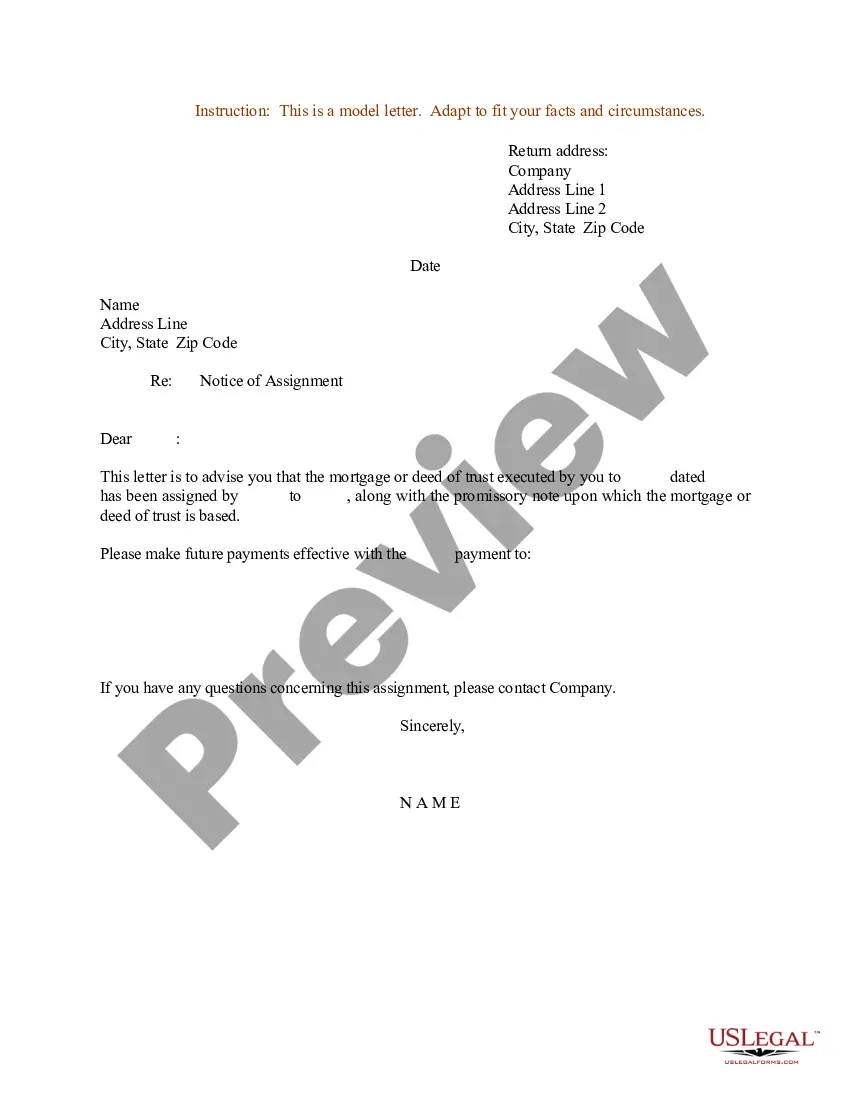
When your mortgage lender decides he wants to sell your mortgage loan to another lender, your mortgage lender will sign an assignment of deed of trust in favor of the new lender. This assignment gives the new lender the same lien on your property that your original lender had under the mortgage loan.
An assignment is a legal term used in the context of the law of contract and of property. In both instances, assignment is the process whereby a person, the assignor, transfers rights or benefits to another, the assignee.The rights may be vested or contingent, and may include an equitable interest.
A deed of assignment is used to assign just the beneficial interest in land/property from one party to another. A deed of trust can also be used to do this, however it also includes other clauses such as how to sell the property.