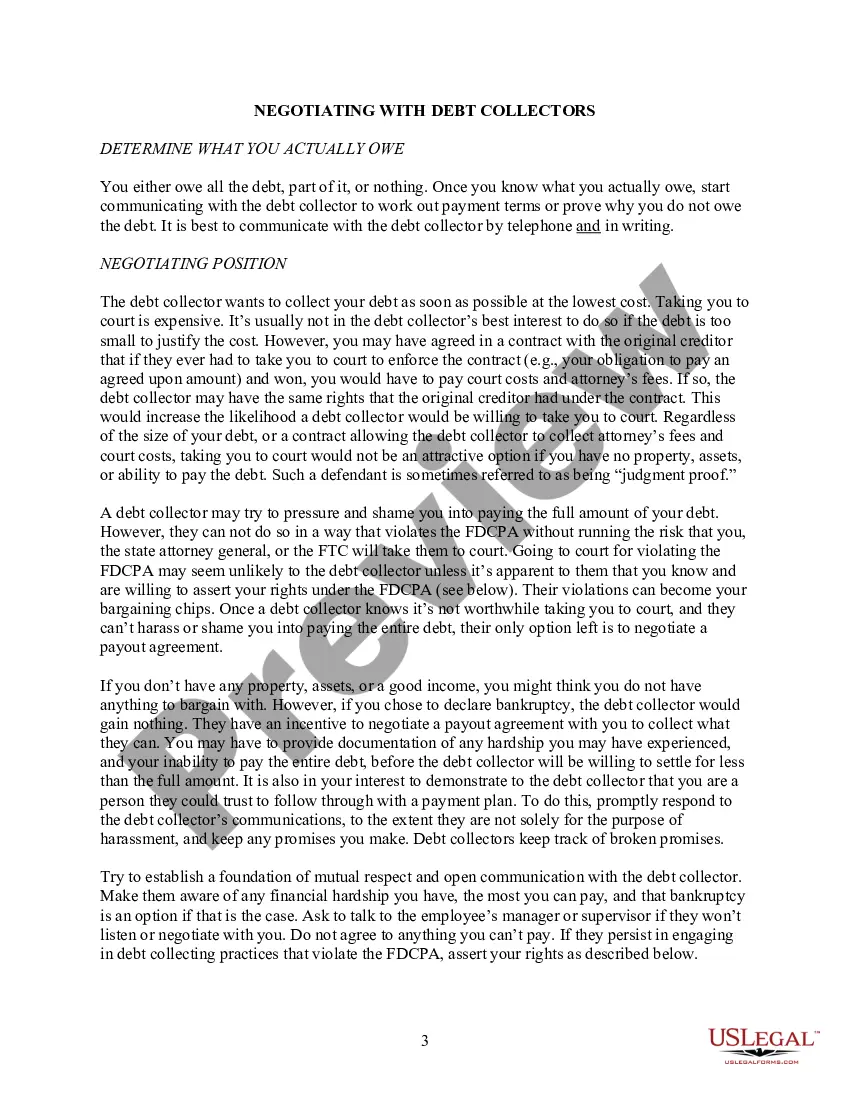
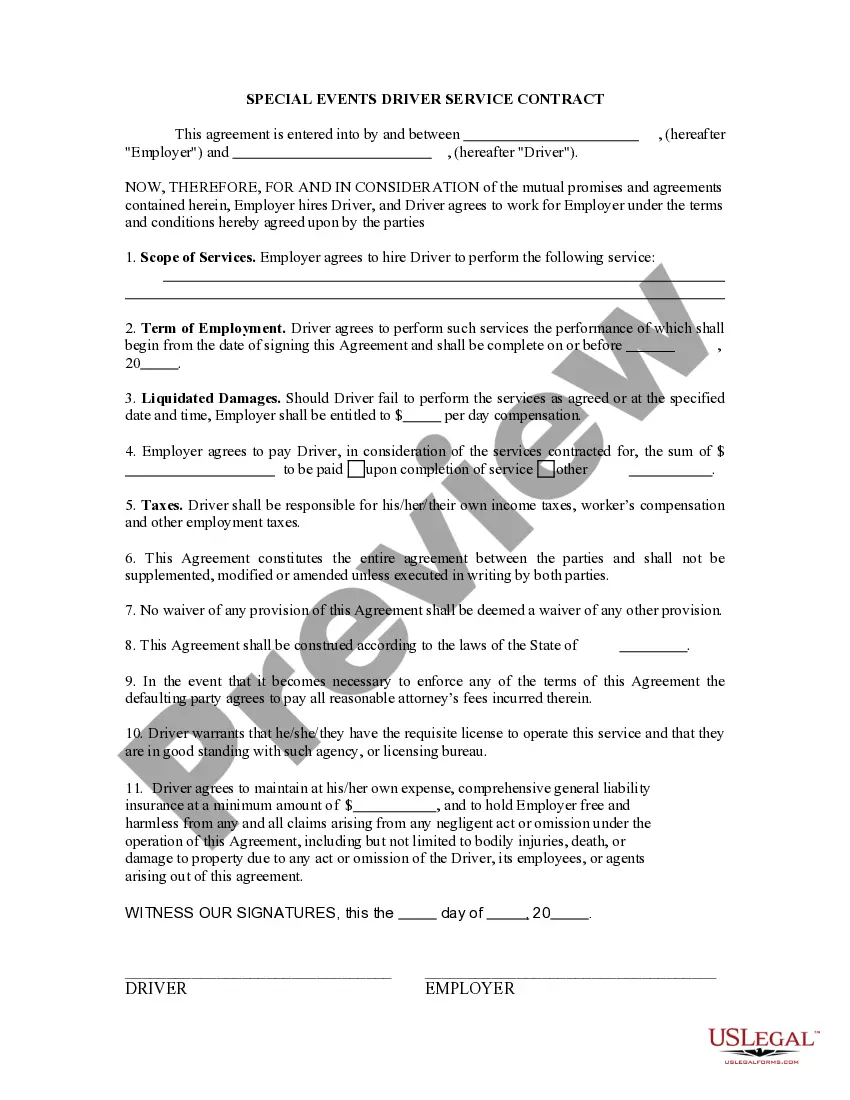
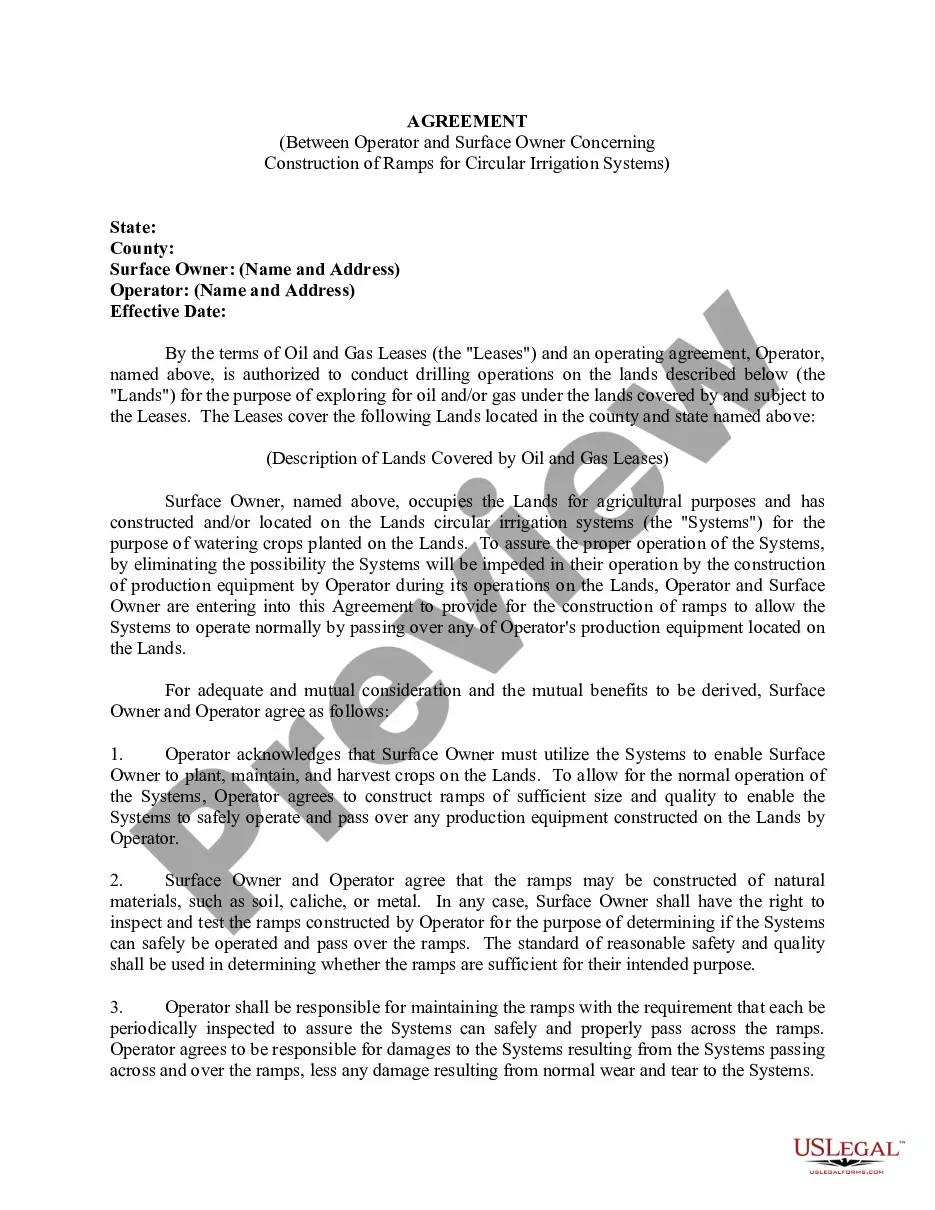
South Dakota Payout Agreement
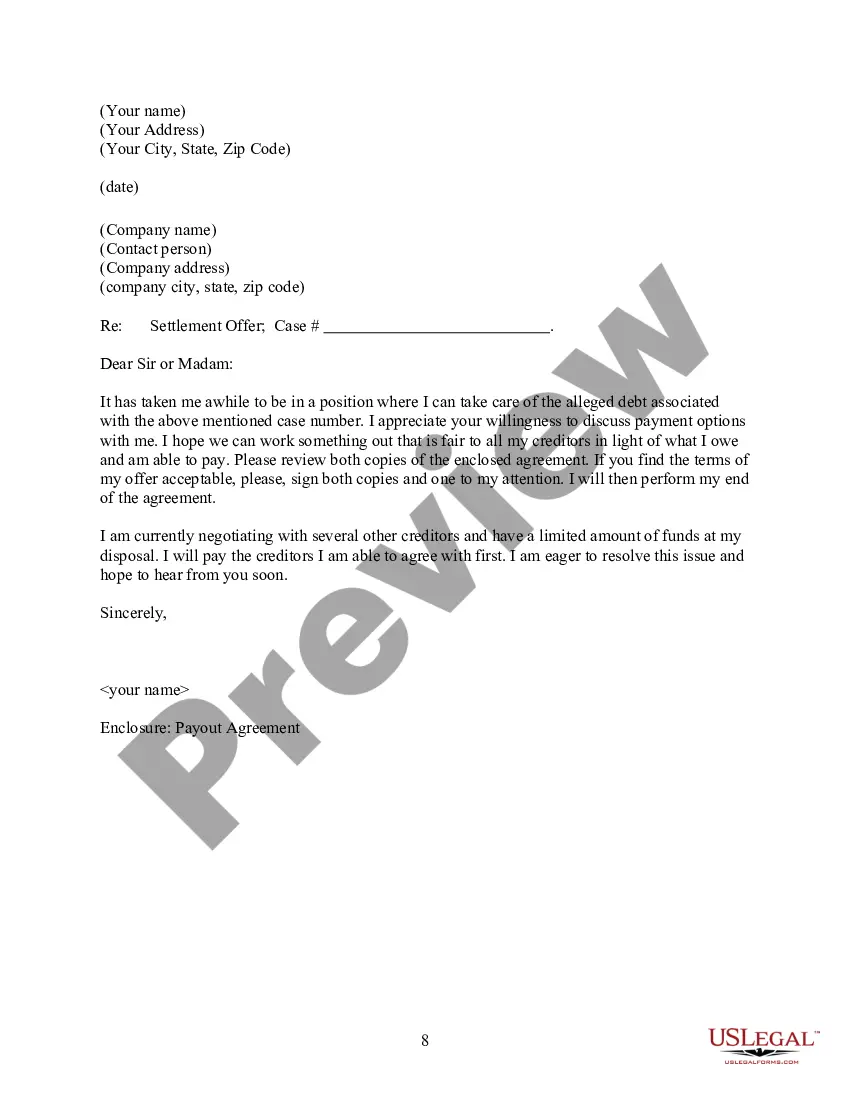
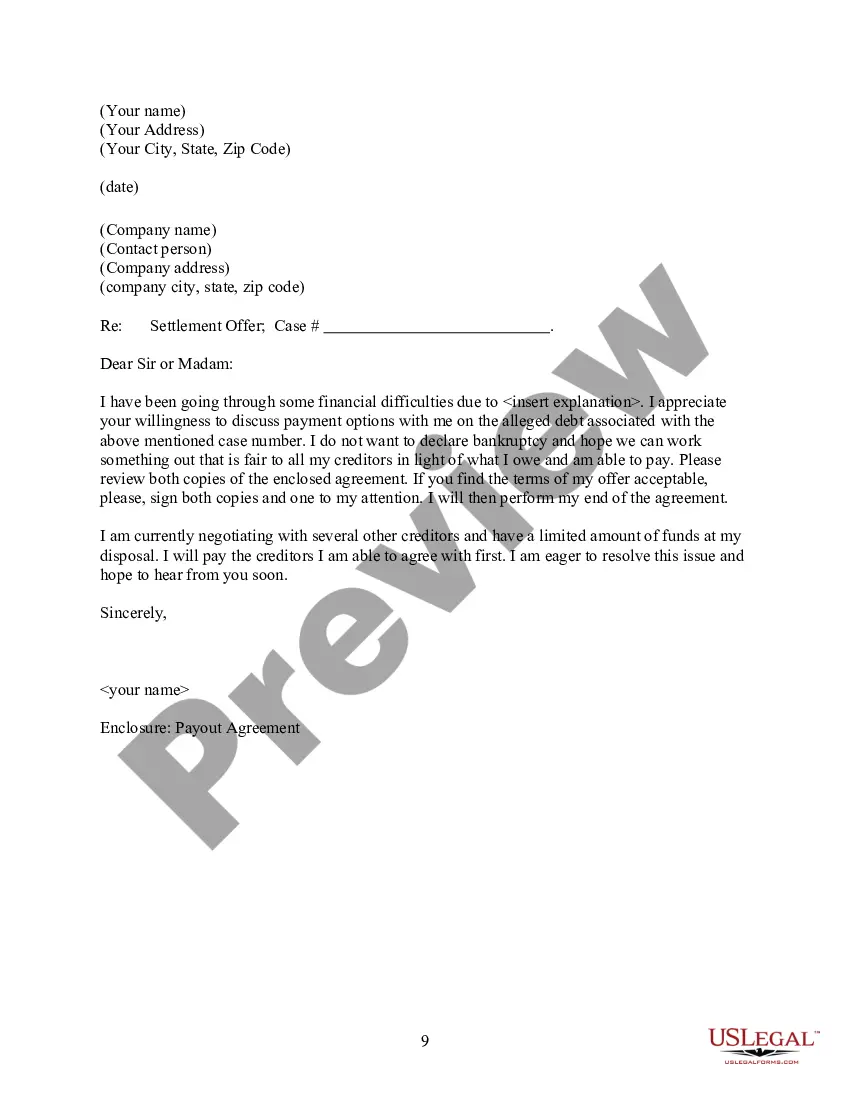
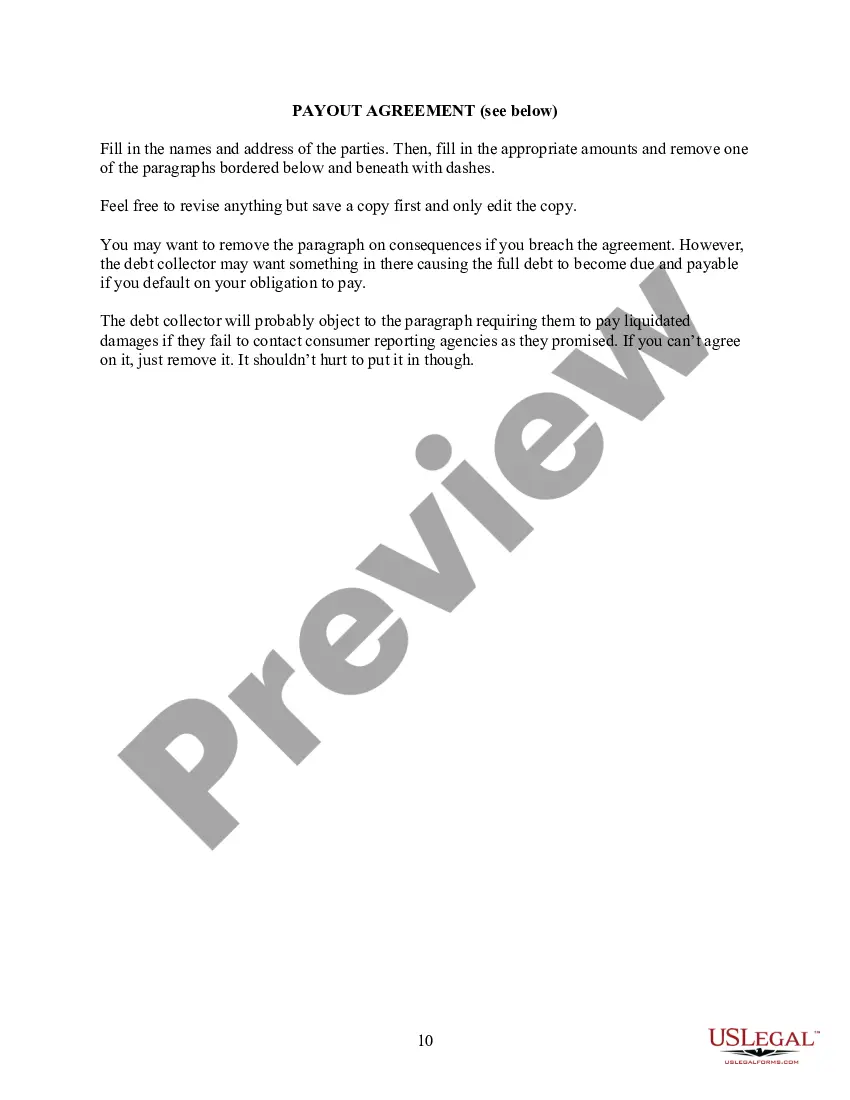
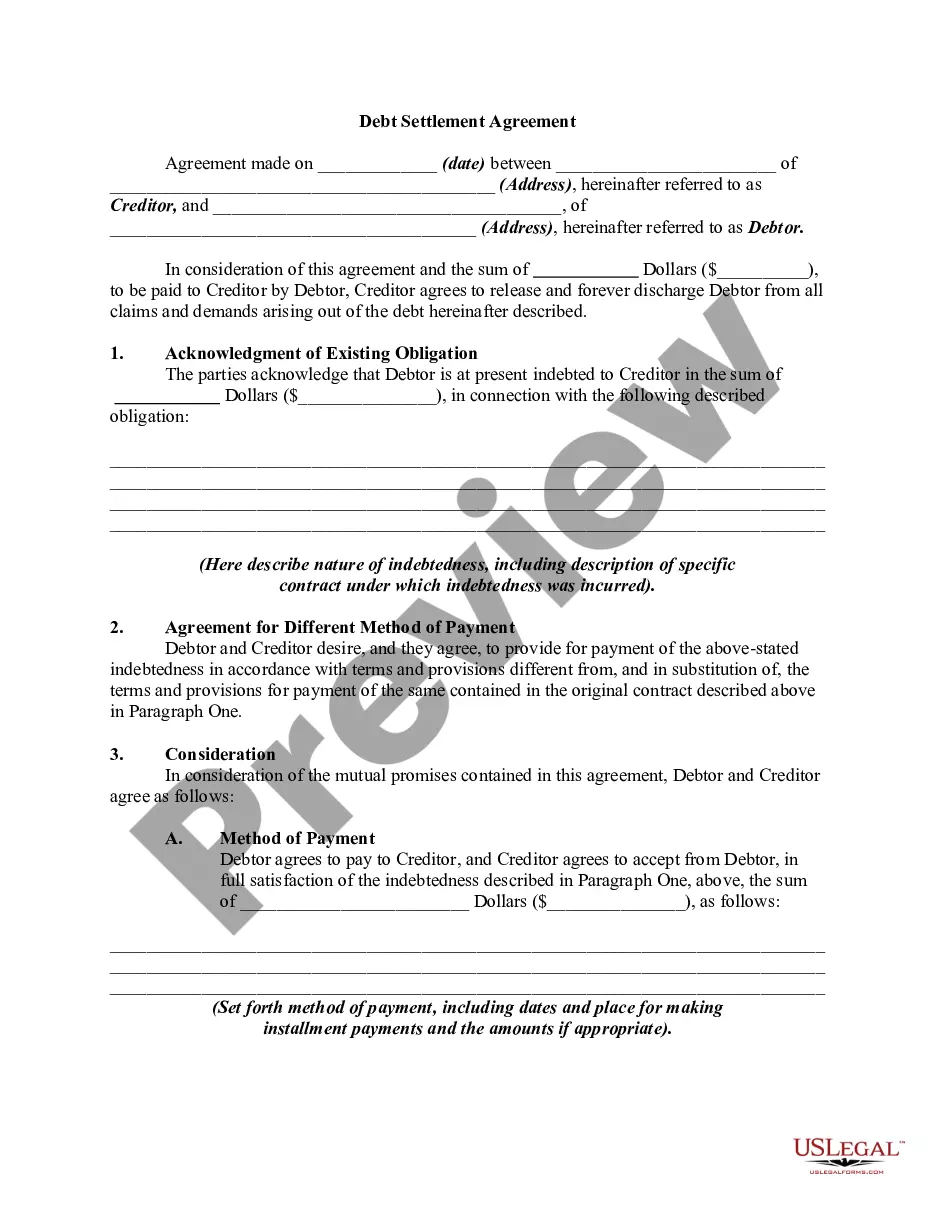
Description

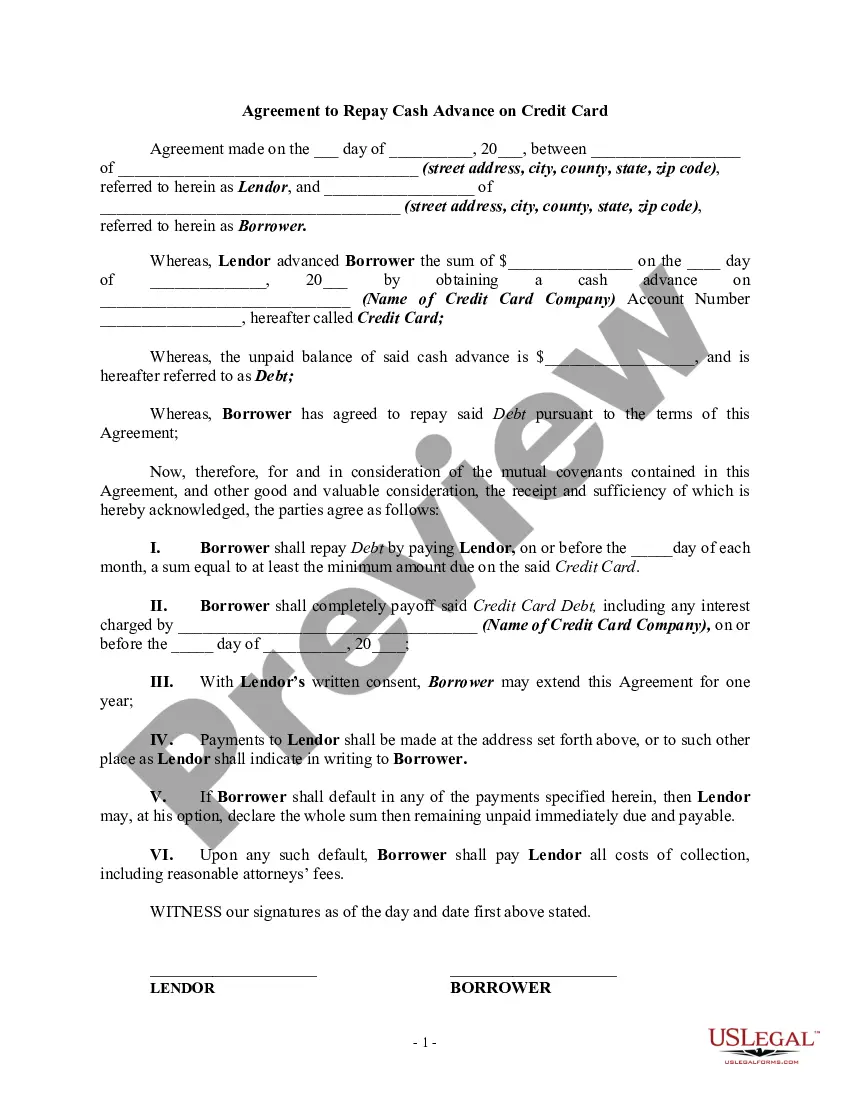
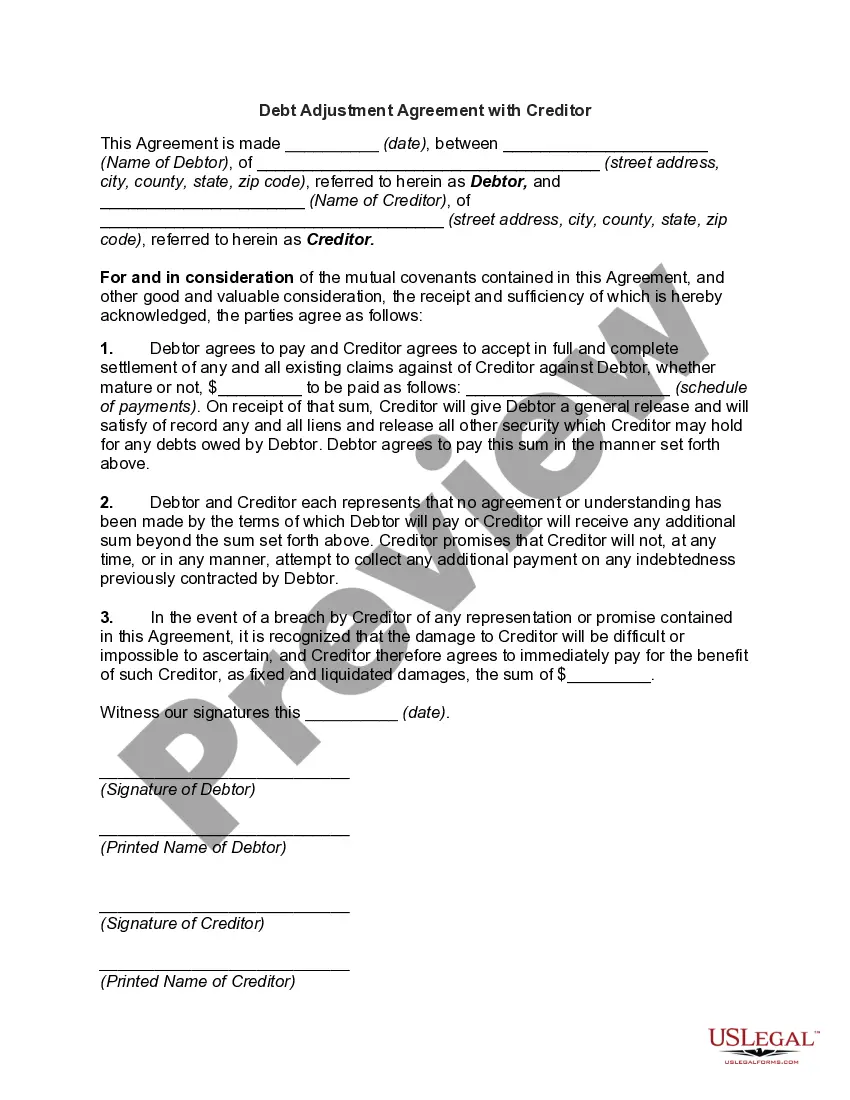
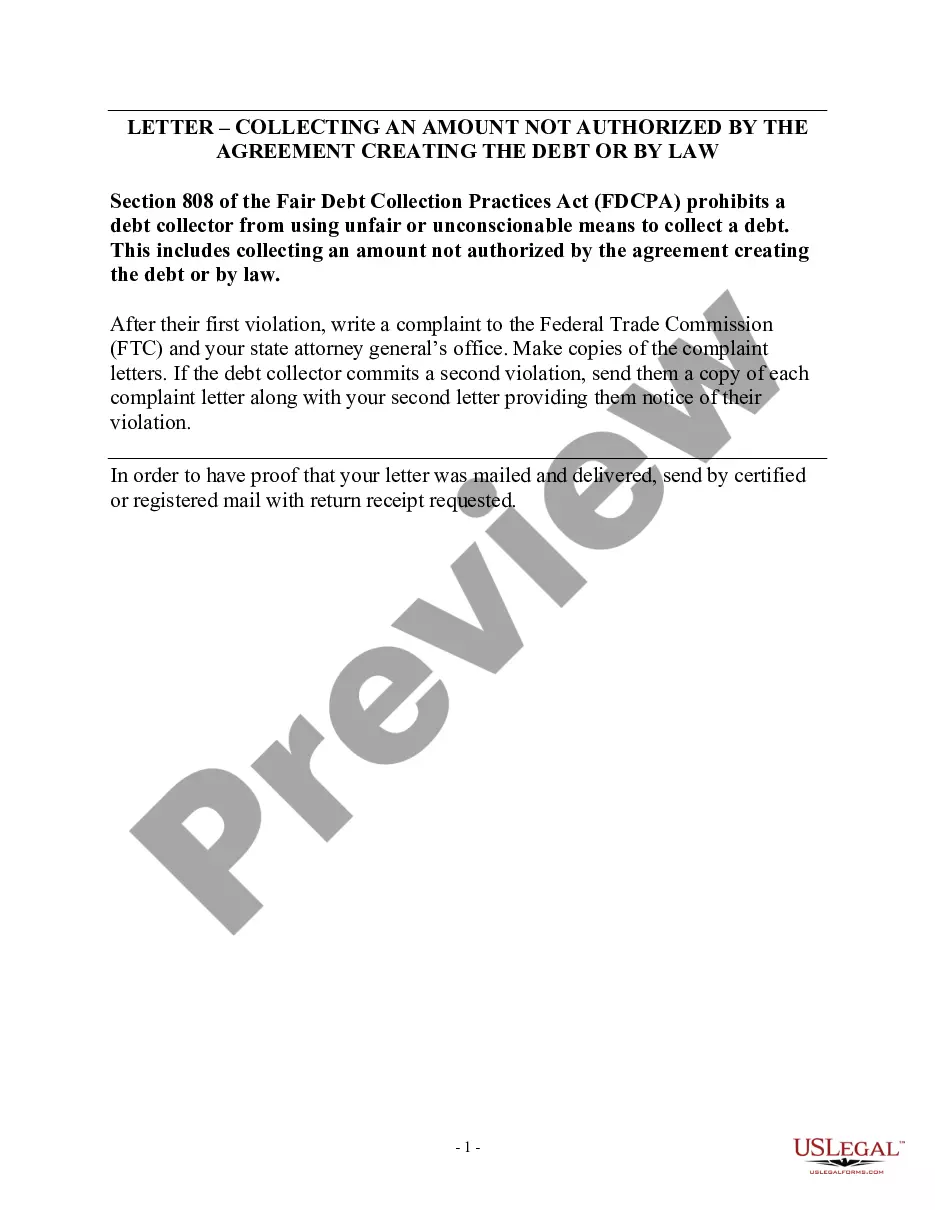
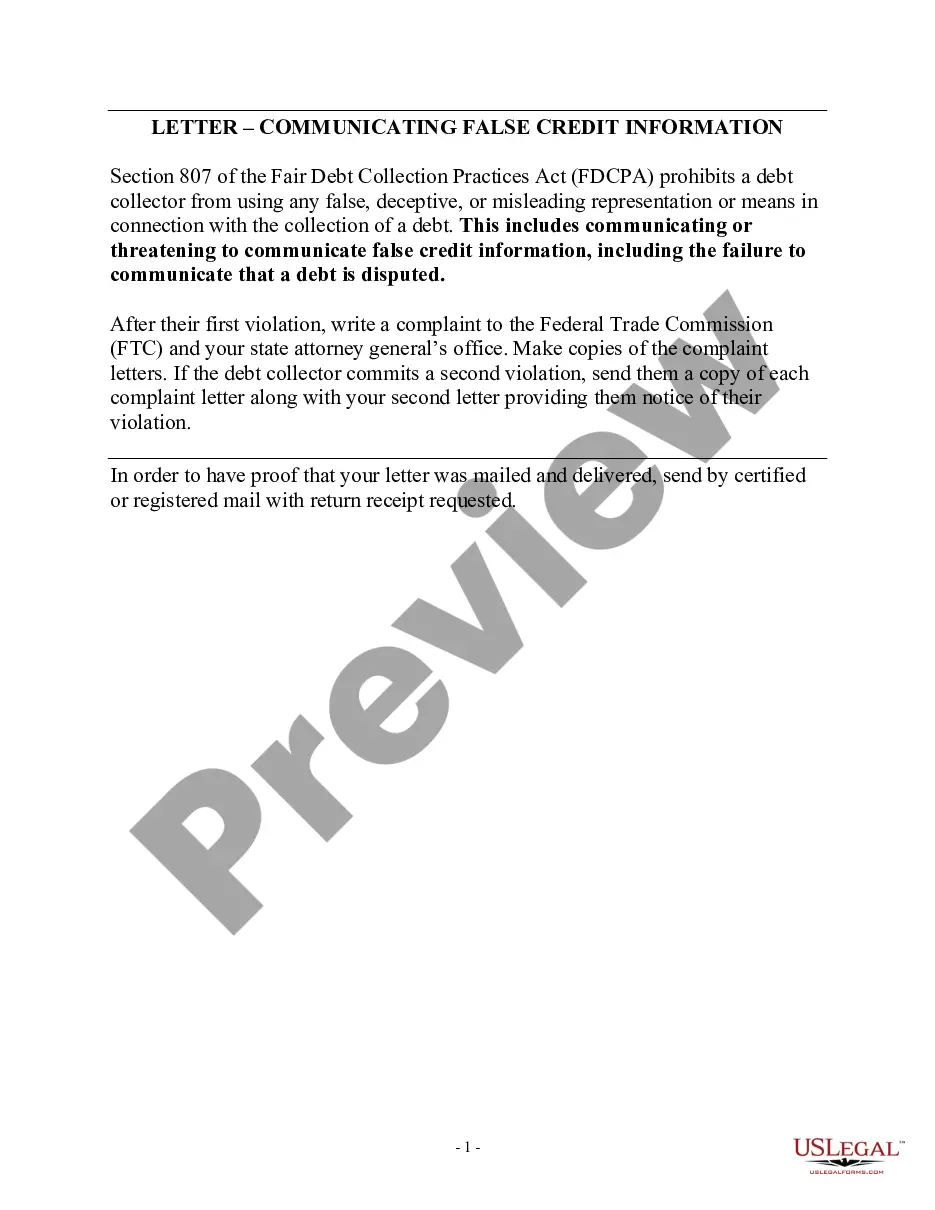
Get your form ready online
Our built-in tools help you complete, sign, share, and store your documents in one place.
Make edits, fill in missing information, and update formatting in US Legal Forms—just like you would in MS Word.
Download a copy, print it, send it by email, or mail it via USPS—whatever works best for your next step.
Sign and collect signatures with our SignNow integration. Send to multiple recipients, set reminders, and more. Go Premium to unlock E-Sign.
If this form requires notarization, complete it online through a secure video call—no need to meet a notary in person or wait for an appointment.
We protect your documents and personal data by following strict security and privacy standards.

Make edits, fill in missing information, and update formatting in US Legal Forms—just like you would in MS Word.

Download a copy, print it, send it by email, or mail it via USPS—whatever works best for your next step.

Sign and collect signatures with our SignNow integration. Send to multiple recipients, set reminders, and more. Go Premium to unlock E-Sign.

If this form requires notarization, complete it online through a secure video call—no need to meet a notary in person or wait for an appointment.

We protect your documents and personal data by following strict security and privacy standards.
Looking for another form?






How to fill out Payout Agreement?
Selecting the optimal legal document template can present challenges.
Clearly, there is an abundance of templates accessible online, but how can you obtain the legal document you need.
Use the US Legal Forms website.
First, verify that you have selected the correct form for your particular region/state. You can review the form using the Preview button and read the form summary to ensure it fits your needs.
- The service provides thousands of templates, such as the South Dakota Payout Agreement, suitable for both business and personal purposes.
- All templates are reviewed by experts and comply with state and federal regulations.
- If you are currently registered, Log In to your account and click the Acquire button to locate the South Dakota Payout Agreement.
- Utilize your account to browse the legal documents you have previously purchased.
- Navigate to the My documents section of your account and obtain another copy of the document you need.
- If you are a new user of US Legal Forms, follow these simple instructions.
Form popularity
FAQ
An employer implying that there is a contract. In all but 14 states employees may not have at-will status if the employer implies a contract. The 14 states include Arizona, Delaware, Florida, Georgia, Indiana, Louisiana, Massachusetts, Missouri, Montana, North Carolina, Pennsylvania, Rhode Island, Texas, and Virginia.
A wrongful termination or wrongful dismissal occurs when a company unlawfully lays off or fires an employee. The majority of terminations are legal under South Dakota law, but sometimes companies deliberately or unknowingly break a law or violate a contract when ending the employee-employer relationship.
U.S. states have separate and individual employment laws. The term at-will employment is a legal term meaning that an employer can terminate an employee for any reason without warning....Those states are:Alabama.Alaska.Arizona.California.Delaware.Idaho.Massachusetts.Montana.More items...
Employment relationships in South Dakota may be 'terminated at will,' which means an employer does not need a specific reason to fire an employee. This is the same concept as an employee not needing a specific reason to quit a job. Generally, the only exceptions to this rule are when: A contract for employment exists.
Your weekly benefit is 1/26th of the wages paid in the highest quarter of your base period, up to a maximum weekly benefit amount determined by the state's average weekly wage. Your wages in the highest quarter of your base period must be at least $728.
South Dakota has been a right-to-work state since 1946, when it was made part of the state constitution.
Employment relationships in South Dakota may be 'terminated at will,' which means an employer does not need a specific reason to fire an employee. This is the same concept as an employee not needing a specific reason to quit a job. Generally, the only exceptions to this rule are when: A contract for employment exists.
Q: What is the state law regarding paid leave, i.e. vacation and sick time? A: South Dakota has no law requiring paid leave.
Under South Dakota law, employment is considered at-will, meaning that employment may be terminated at the will of either party. Consequently, an employee may quit and an employer may terminate a worker for any reason or for no reason at all.
A state constitutional amendment passed in 1946 prohibits any person's right to work from being denied or abridged on account of membership or nonmembership in any labor union, or labor organization. Currently, South Dakota is one of the twenty-five states in the country to enact right to work laws.