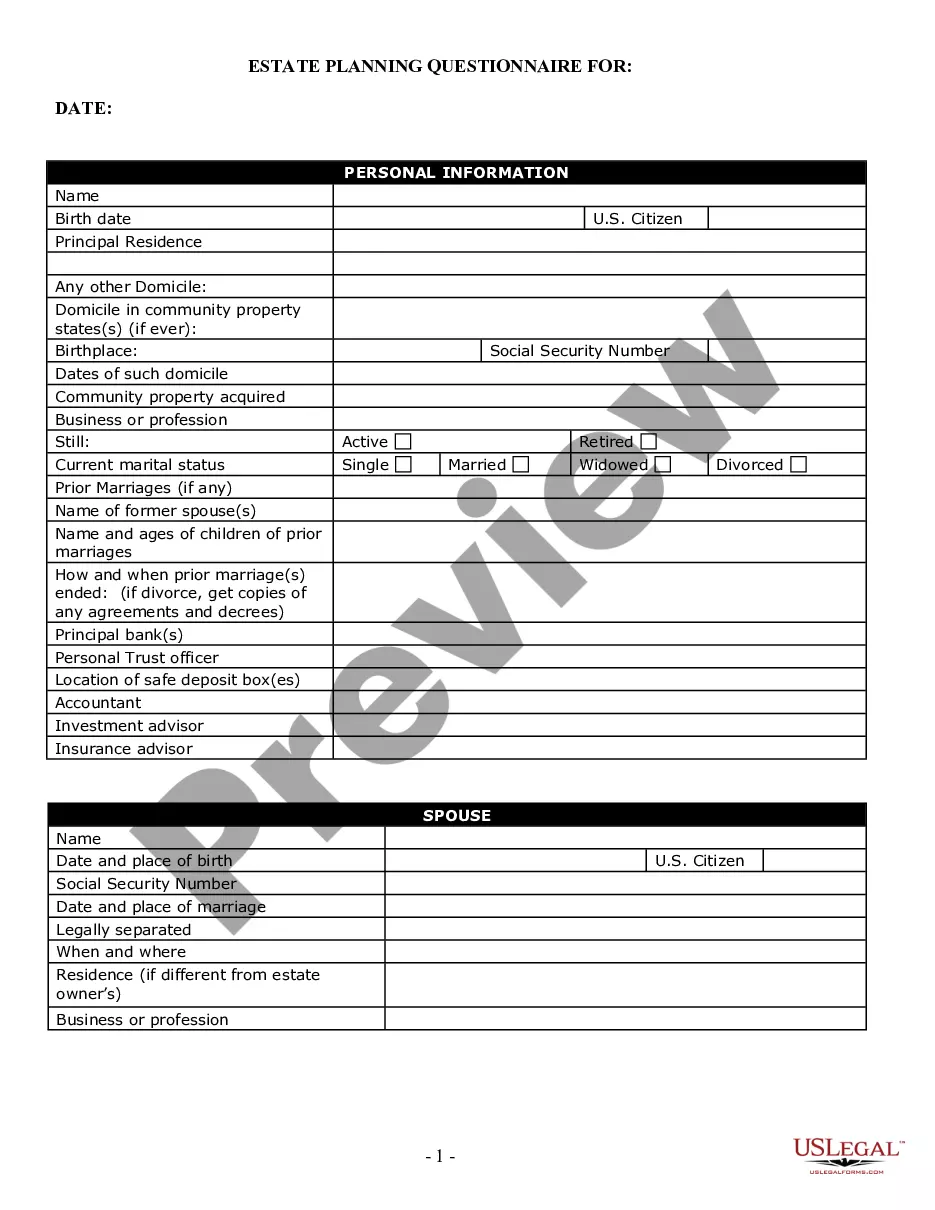
Rhode Island Living Trust for Individual Who is Single, Divorced or Widow (or Widower) with Children

What is this form?
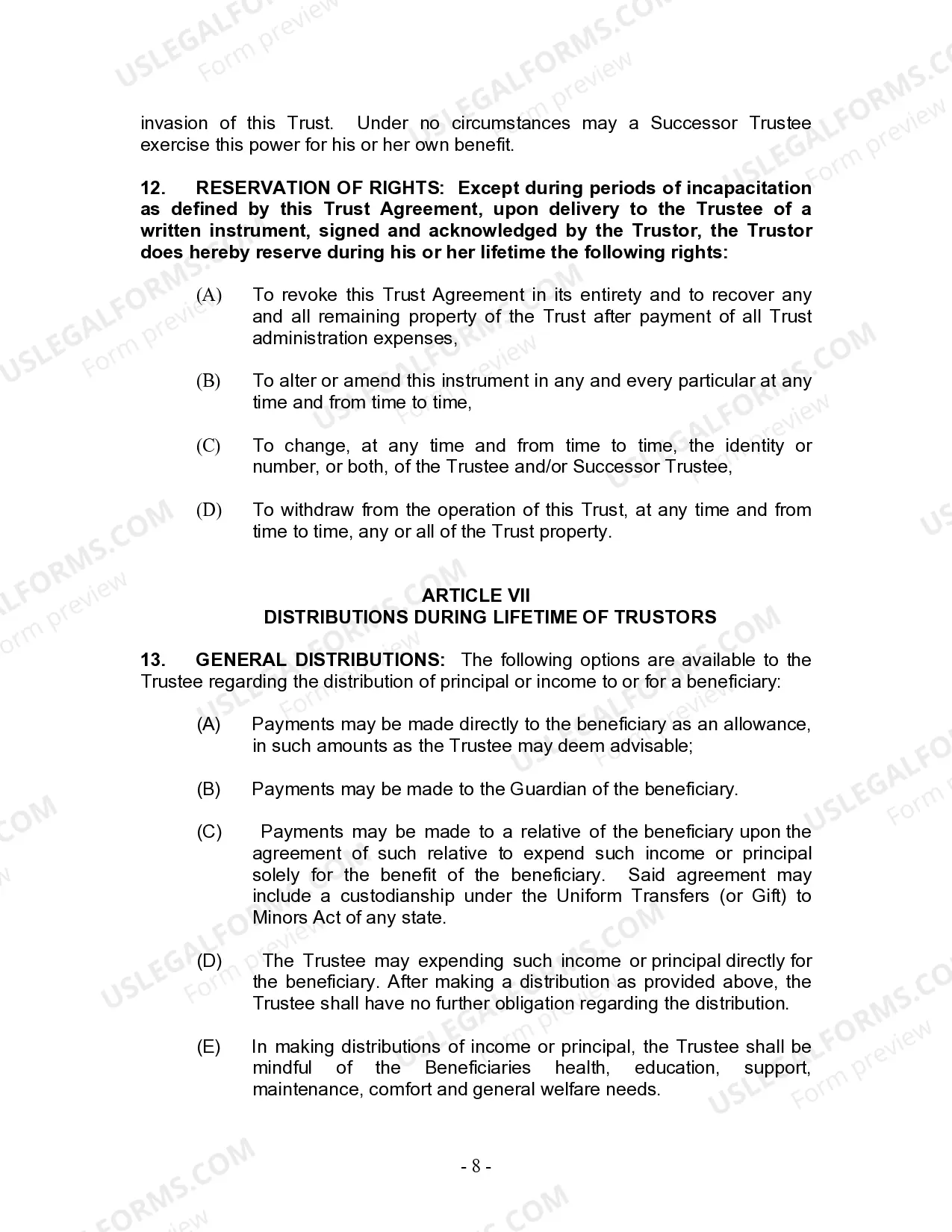
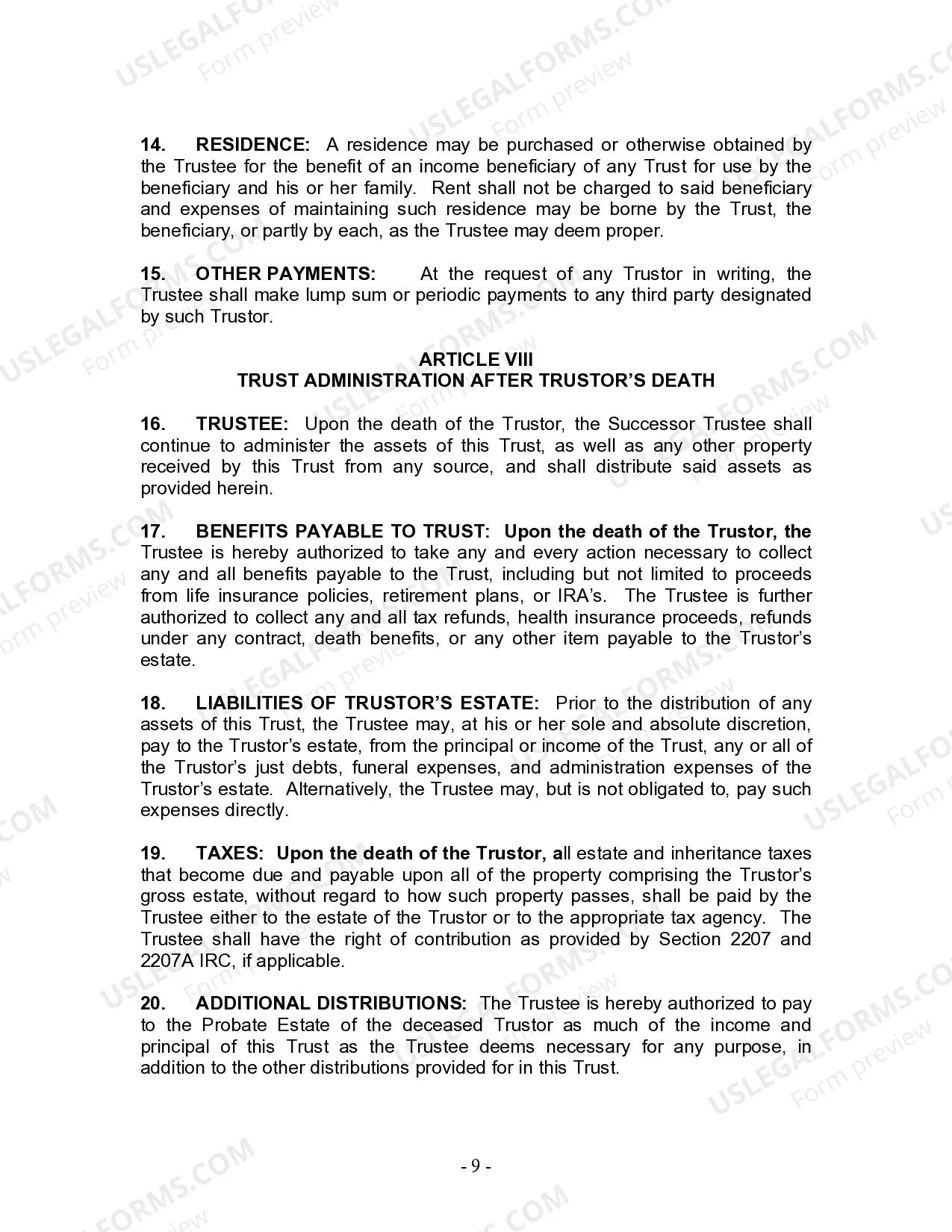
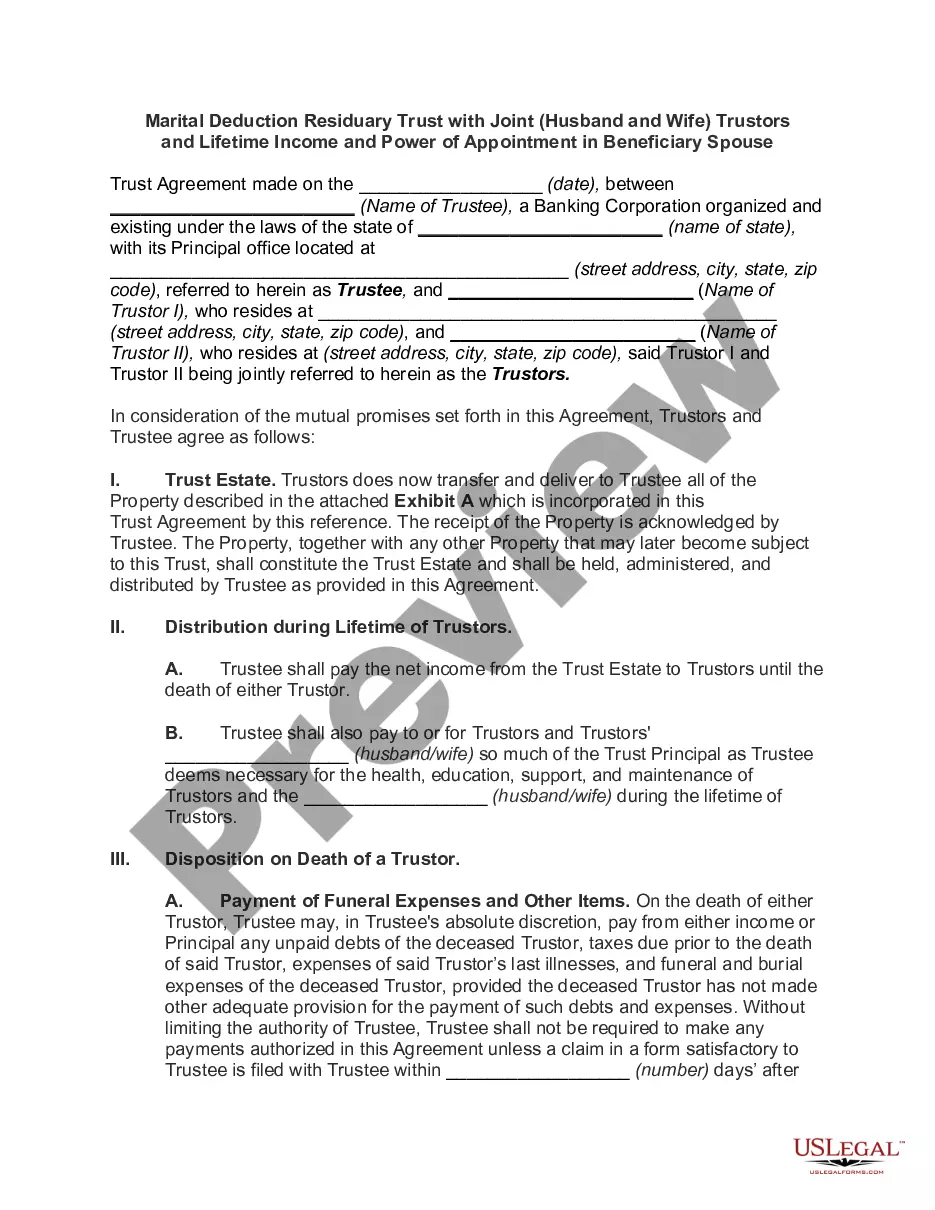
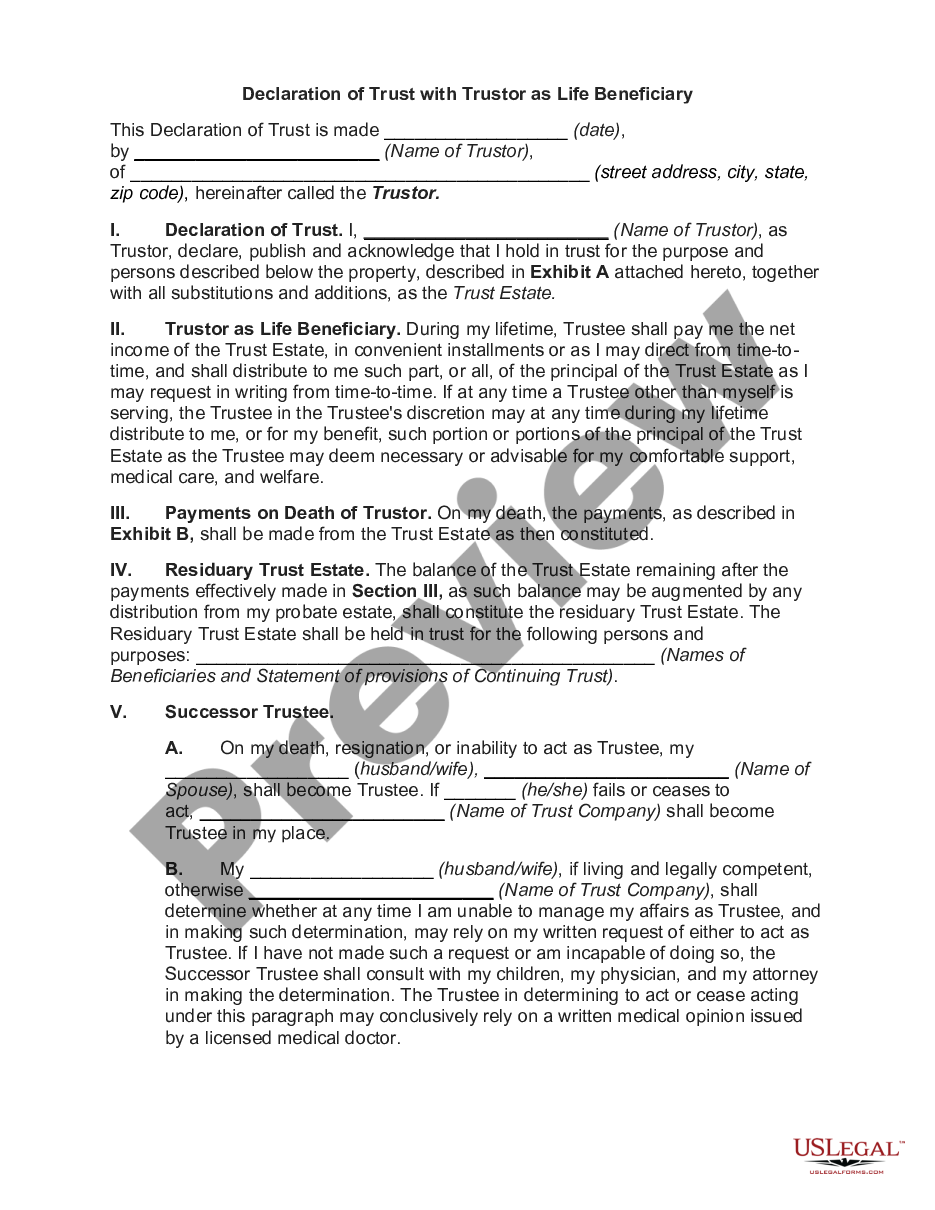
This Living Trust for Individual Who is Single, Divorced or Widow (or Widower) with Children is designed for individuals wanting to manage their estate during their lifetime and specify how their assets will be distributed after death. Unlike a will, which goes through probate, a living trust allows assets to transfer directly to beneficiaries upon the creator's death, simplifying the process and ensuring privacy. This form is especially suitable for those with children, providing a clear plan for the management and distribution of assets to avoid potential disputes among heirs.
What’s included in this form
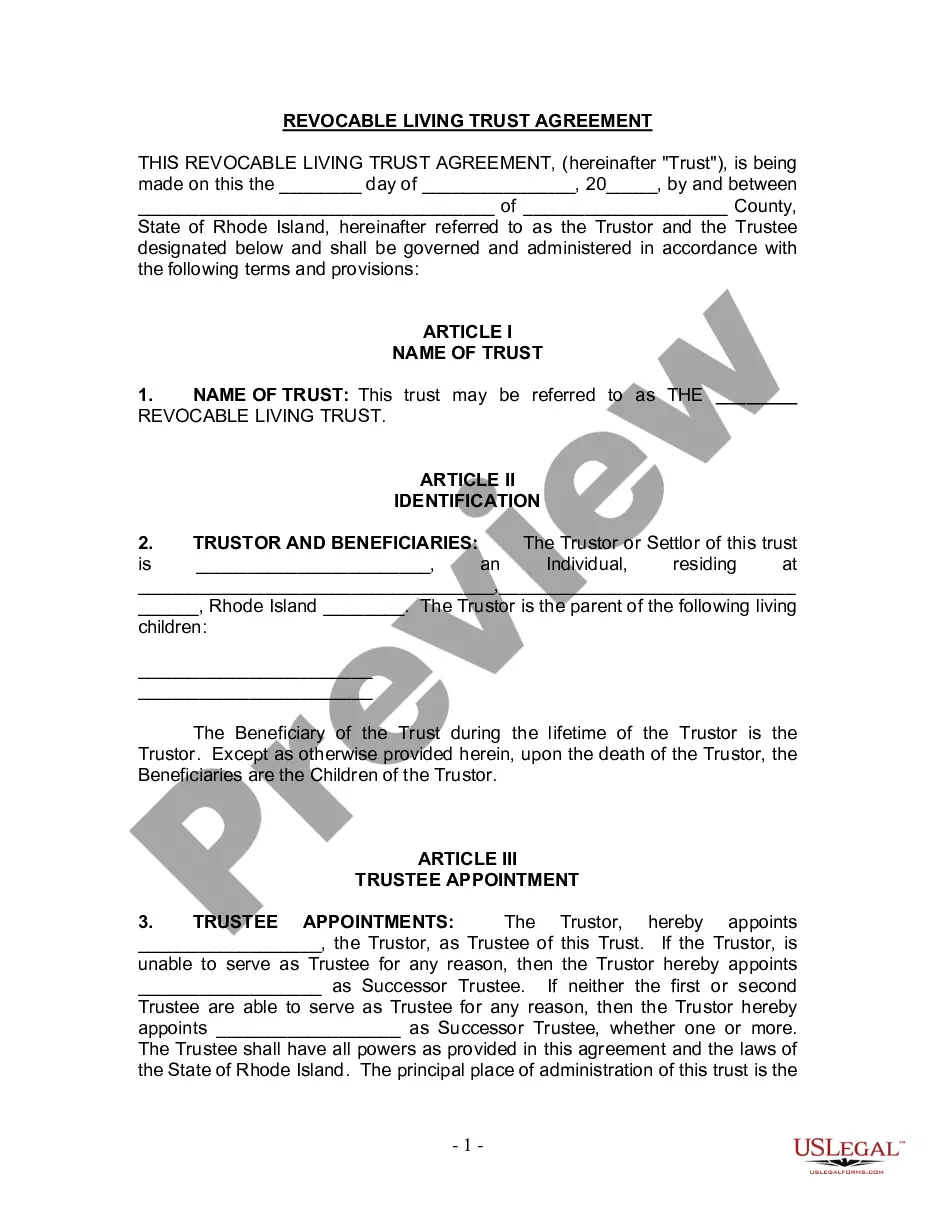
- Name of the trust and identification of the Trustor and beneficiaries.
- Appointment of the Trustee and successor Trustees.
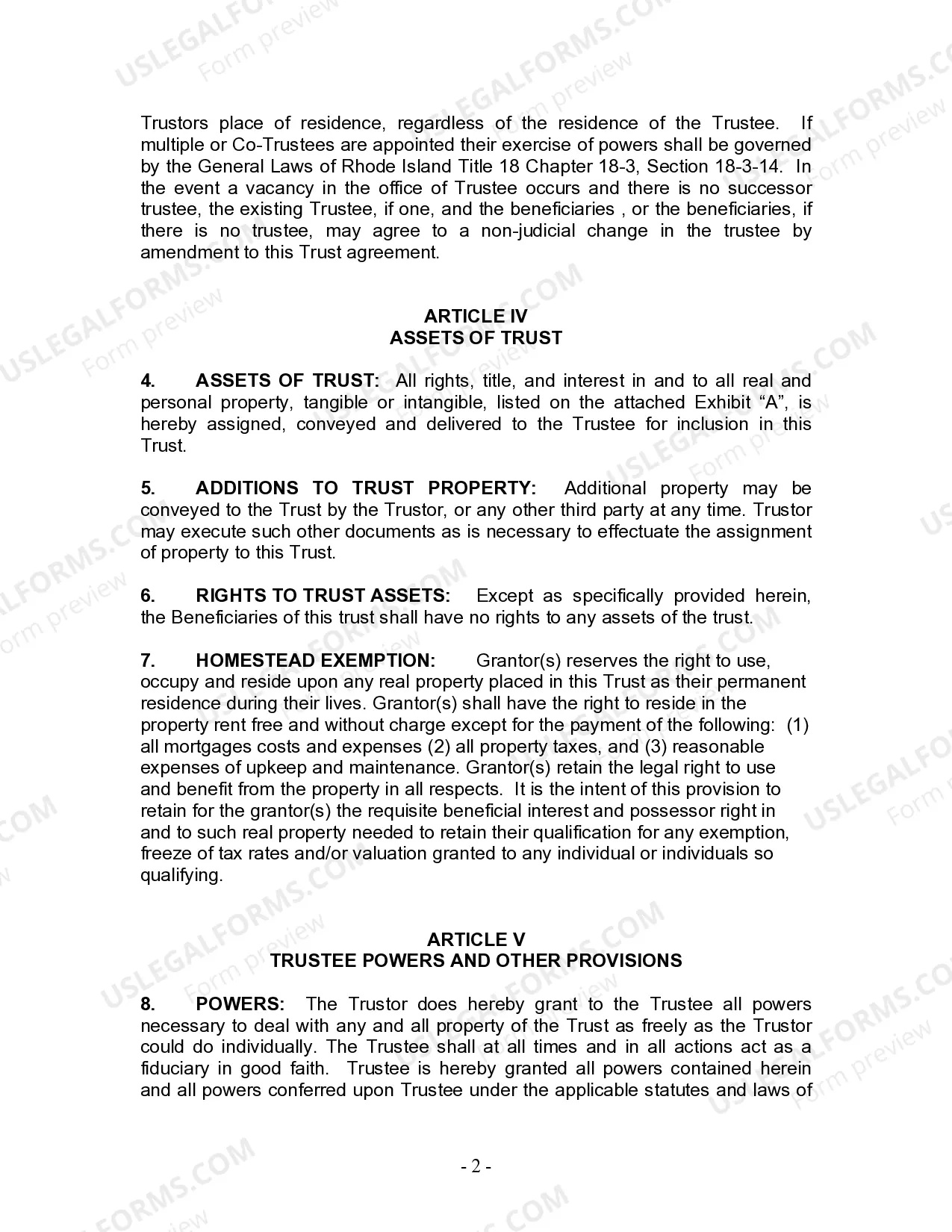
- Details on the assets included in the trust and additional property additions.
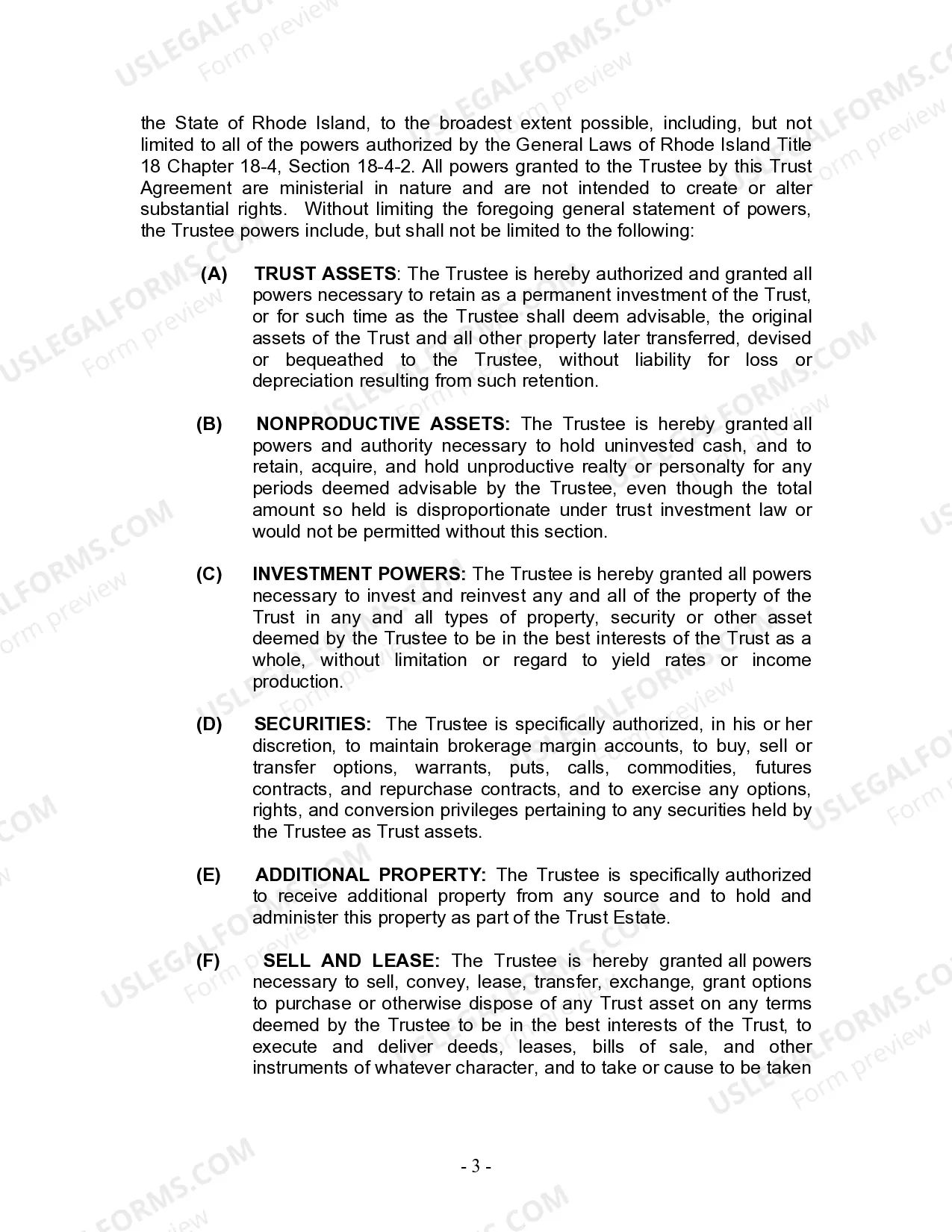
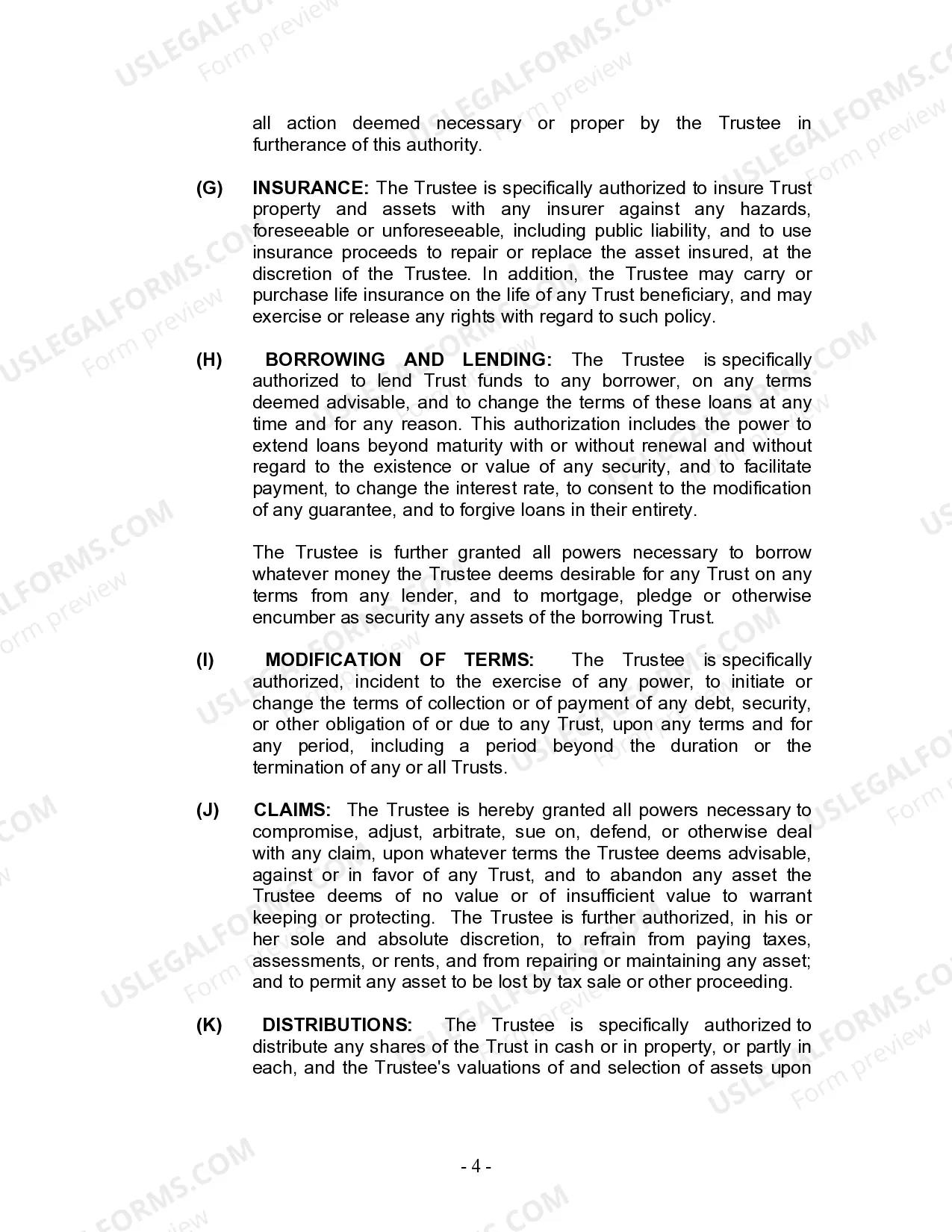
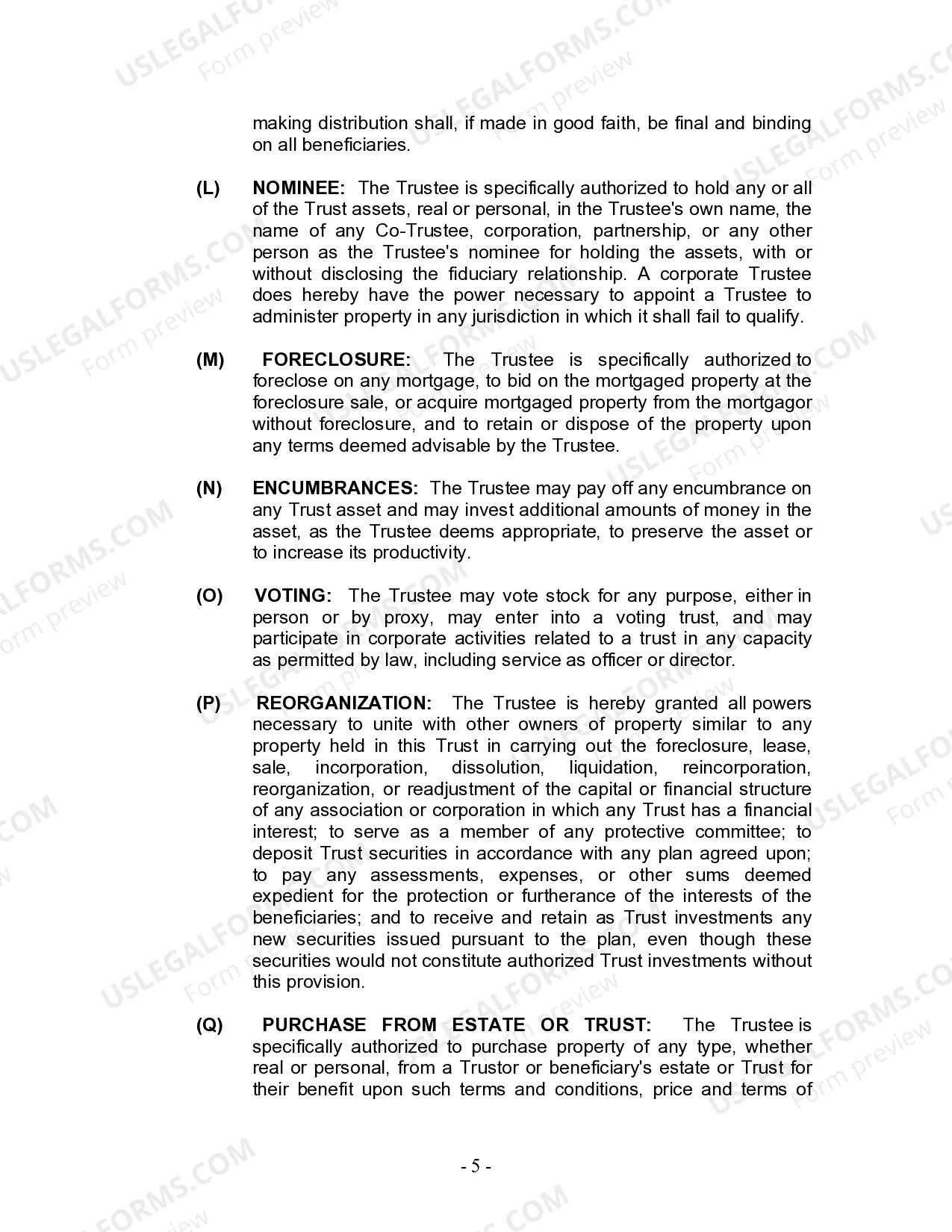
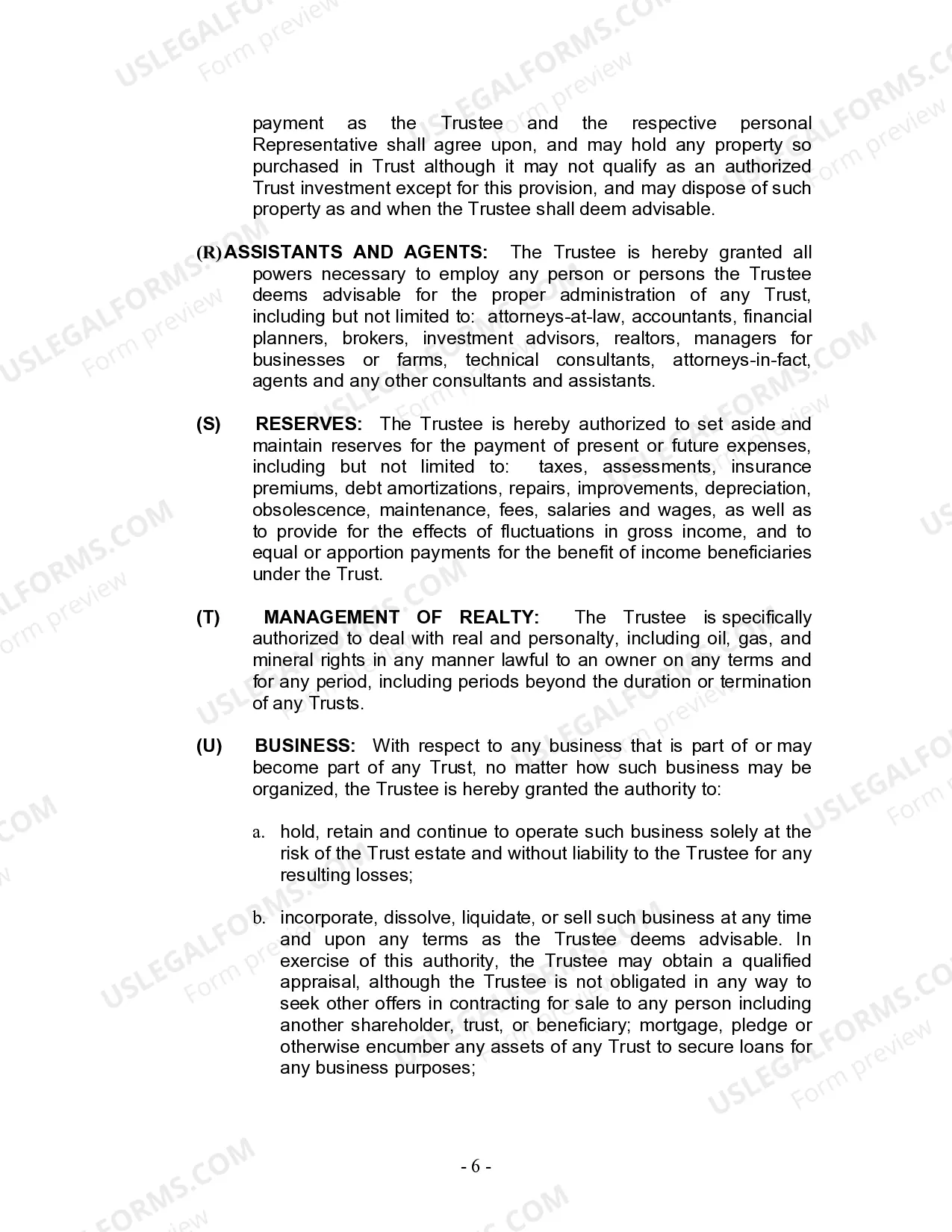
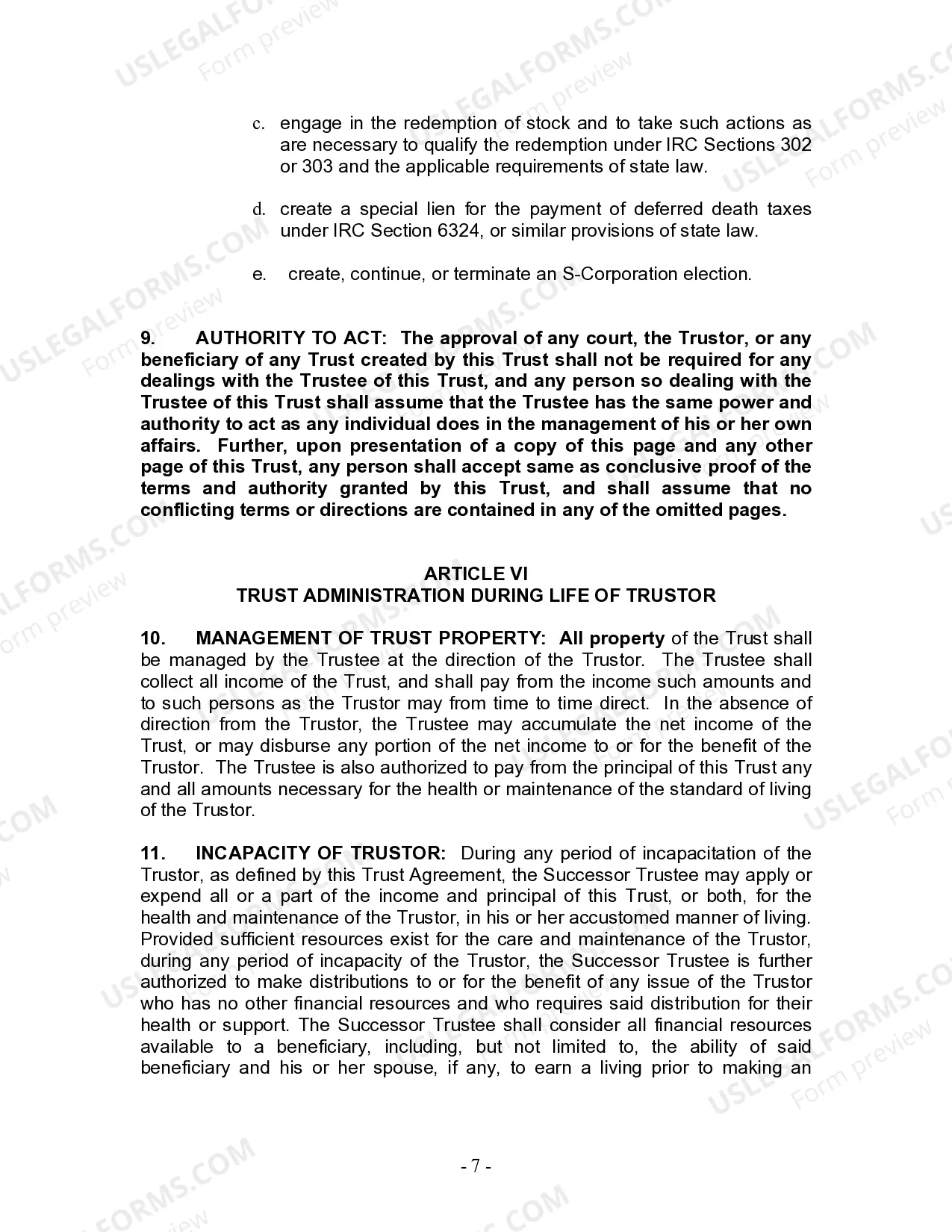
- Trustee powers, including the management and distribution of assets.
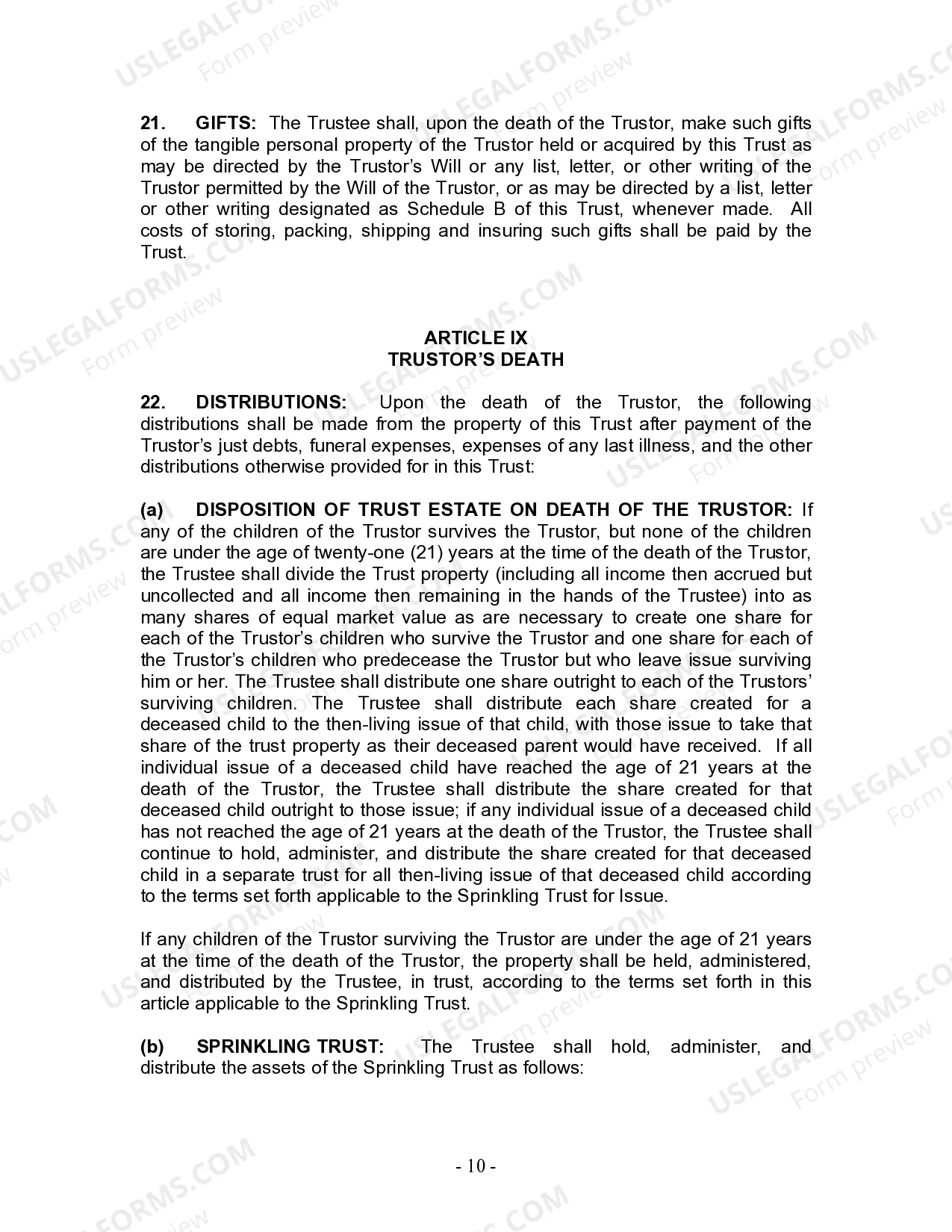
- Provisions for distribution upon the death of the Trustor, including care for minor children.


When to use this form
This living trust should be used when an individual wants to establish a comprehensive estate plan to manage their assets during their lifetime and provide for their children in the event of their death. It is particularly beneficial for single parents, those who are divorced, or widows and widowers with children, who wish to ensure their children are cared for and inherit their estate without the complications of probate.
Who this form is for
- Individuals who are single, divorced, or widowed.
- Parents with one or more children, providing for their care after death.
- Anyone seeking to avoid probate and maintain control over their assets.
How to prepare this document
- Identify the Trustor by entering their name, address, and any relevant personal information.
- Specify the name of the trust and list the assets to be included in the trust.
- Appoint a Trustee, including details for any successor Trustees if the primary Trustee cannot serve.
- Designate all beneficiaries, clearly outlining their relationships to the Trustor.
- Review the document for accuracy before signing and executing, ensuring compliance with state laws.
Notarization guidance
This form does not typically require notarization unless specified by local law. Itâs recommended to consult with a legal professional if there are questions about the need for notarization based on specific circumstances or state requirements.
Get your form ready online
Our built-in tools help you complete, sign, share, and store your documents in one place.
Make edits, fill in missing information, and update formatting in US Legal Forms—just like you would in MS Word.
Download a copy, print it, send it by email, or mail it via USPS—whatever works best for your next step.
Sign and collect signatures with our SignNow integration. Send to multiple recipients, set reminders, and more. Go Premium to unlock E-Sign.
If this form requires notarization, complete it online through a secure video call—no need to meet a notary in person or wait for an appointment.
We protect your documents and personal data by following strict security and privacy standards.

Make edits, fill in missing information, and update formatting in US Legal Forms—just like you would in MS Word.

Download a copy, print it, send it by email, or mail it via USPS—whatever works best for your next step.

Sign and collect signatures with our SignNow integration. Send to multiple recipients, set reminders, and more. Go Premium to unlock E-Sign.

If this form requires notarization, complete it online through a secure video call—no need to meet a notary in person or wait for an appointment.

We protect your documents and personal data by following strict security and privacy standards.
Mistakes to watch out for
- Failing to name a successor Trustee, which may cause confusion or delays after the Trustor's death.
- Not specifying all assets to be included in the trust, leading to potential disputes over omitted property.
- Overlooking the need for updating the trust after significant life events, such as marriage, divorce, or the birth of additional children.
Why use this form online
- Immediate access to a legally compliant and state-specific living trust document.
- Convenient editing options allow users to tailor the trust to their personal circumstances.
- Online resources provide guidance on completion to help individuals without legal expertise.
Legal use & context
- A living trust is a legally binding document that helps in managing and distributing assets.
- It allows the Trustor to retain control over their assets while providing a clear plan for their distribution upon death.
- This document helps avoid the legal complexities and costs associated with probate proceedings.
What to keep in mind
- This form creates a revocable living trust, allowing the creator to manage their assets during their lifetime.
- The trust avoids probate, enabling assets to pass directly to designated beneficiaries.
- Specifically designed for single, divorced, or widowed individuals with children to ensure their families are provided for.
Looking for another form?


Form popularity
FAQ
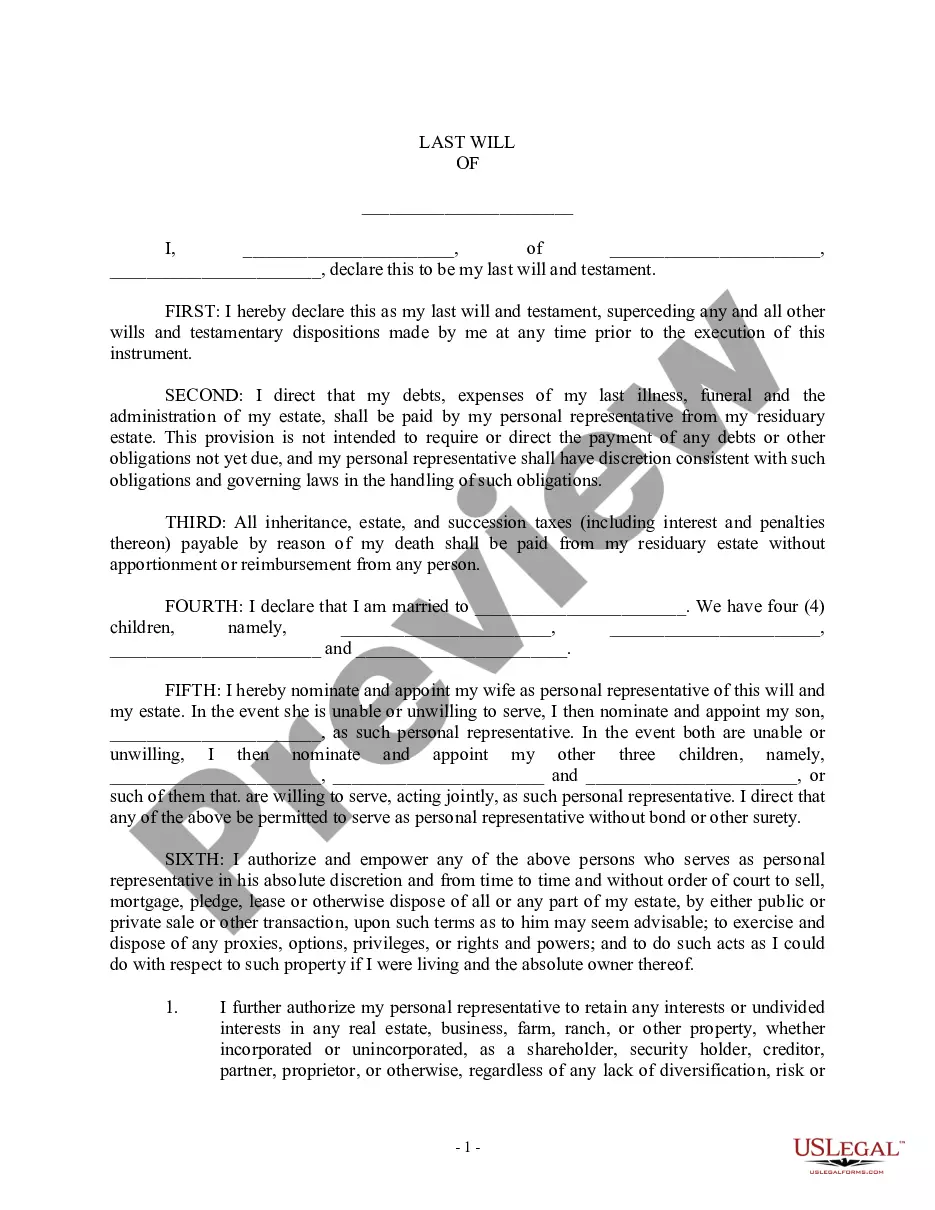
This law states that no matter what your will says, your spouse has a right to inherit one-third or one-half (depending on the state and sometimes depending on the length of the marriage) of your total estate. To exercise this right, your spouse has to petition the probate court to enforce the law.
California is a community property state, which means that following the death of a spouse, the surviving spouse will have entitlement to one-half of the community property (i.e., property that was acquired over the course of the marriage, regardless of which spouse acquired it).
Most married couples own most of their assets jointly. Assets owned jointly between husband and wife pass automatically to the survivor.This requires the will to be probated and an executor to be appointed in order to secure the assets. There are exceptions to the probate requirement for estates of $50,000 or less.
While a surviving spouse is not an heir in the strict definition of the word, a spouse or registered domestic partner is typically first in line for assets through a state's marital or community property laws.If all heirs are deceased, then the assets of the estate pass to the state, which is called escheatment.
If you die without a will in Rhode Island, your children will receive an intestate share of your property.For children to inherit from you under the laws of intestacy, the state of Rhode Island must consider them your children, legally.
Many married couples own most of their assets jointly with the right of survivorship. When one spouse dies, the surviving spouse automatically receives complete ownership of the property. This distribution cannot be changed by Will.
In Rhode Island, you can make a living trust to avoid probate for virtually any asset you ownreal estate, bank accounts, vehicles, and so on. You need to create a trust document (it's similar to a will), naming someone to take over as trustee after your death (called a successor trustee).
Heirs who inherit property are typically children, descendants, or other close relatives of the decedent. Spouses typically are not legally considered to be heirs, as they are instead entitled to properties via marital or community property laws.
The Spouse Is the Automatic Beneficiary for Married People A federal law, the Employee Retirement Income Security Act (ERISA), governs most pensions and retirement accounts.