Sample Letter for Documents Relative to Lawsuit
Understanding this form
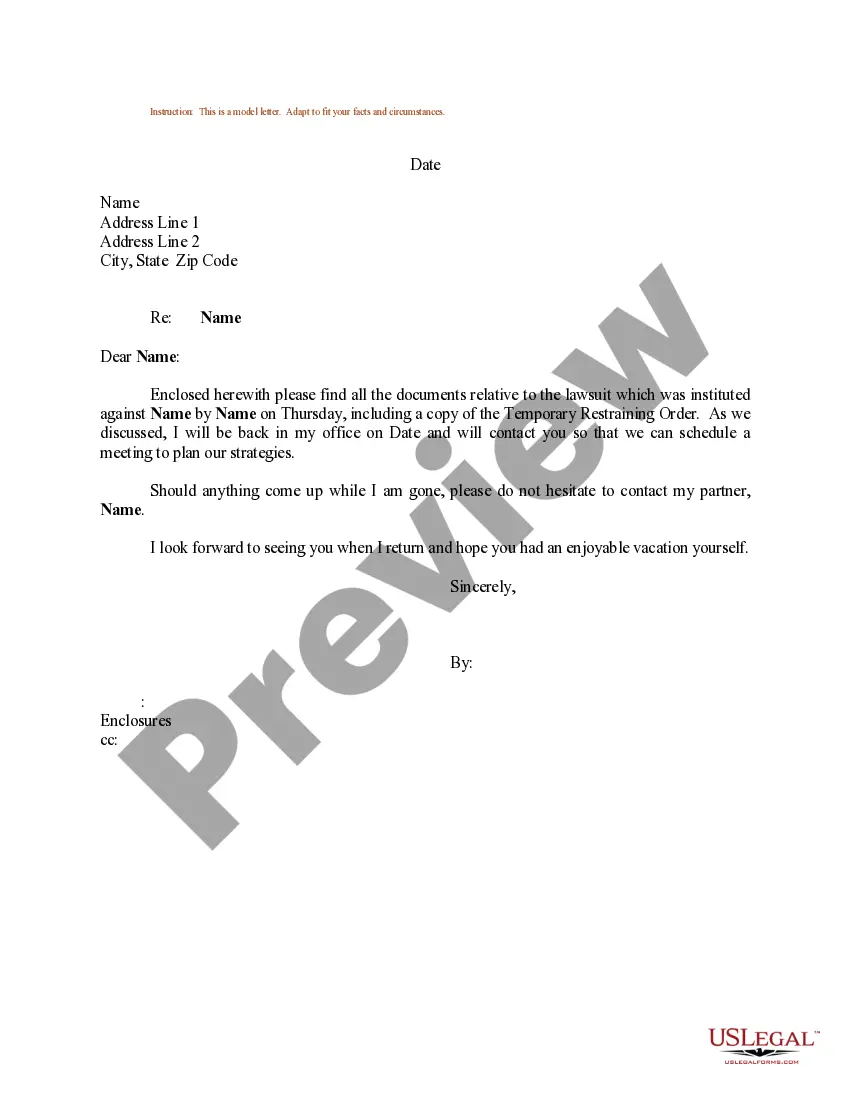
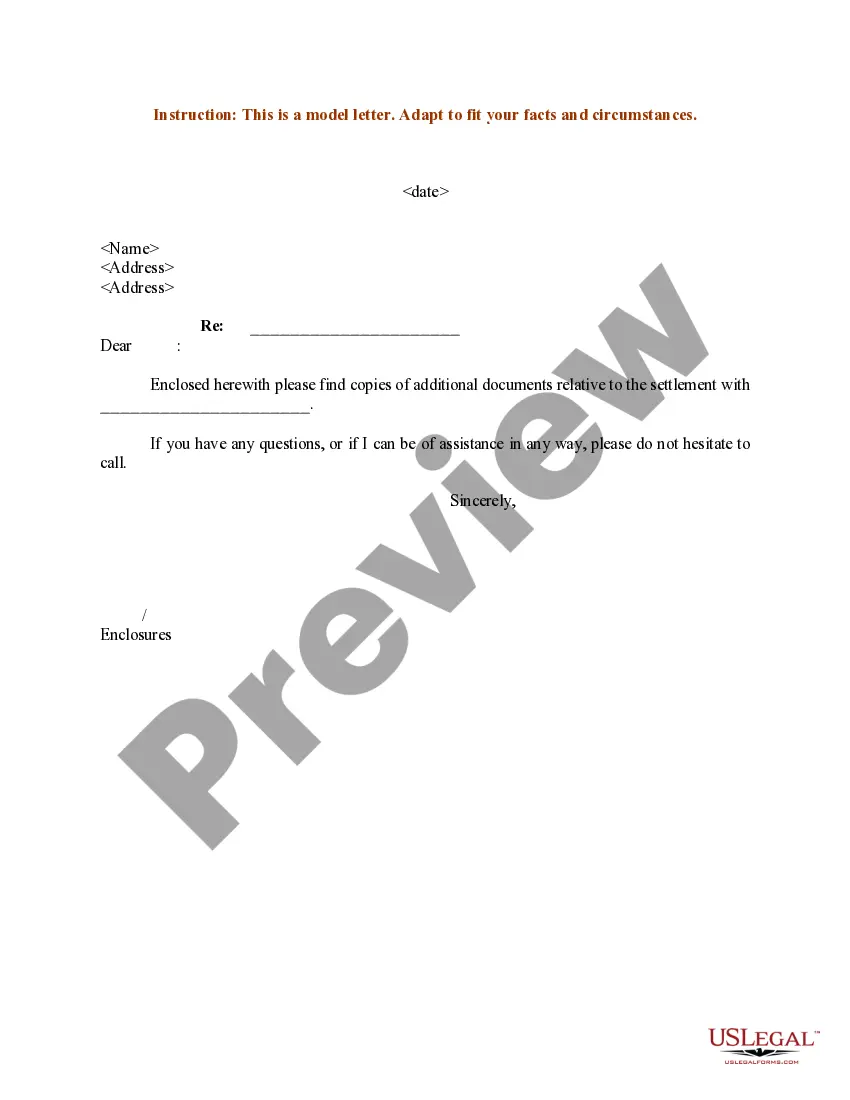
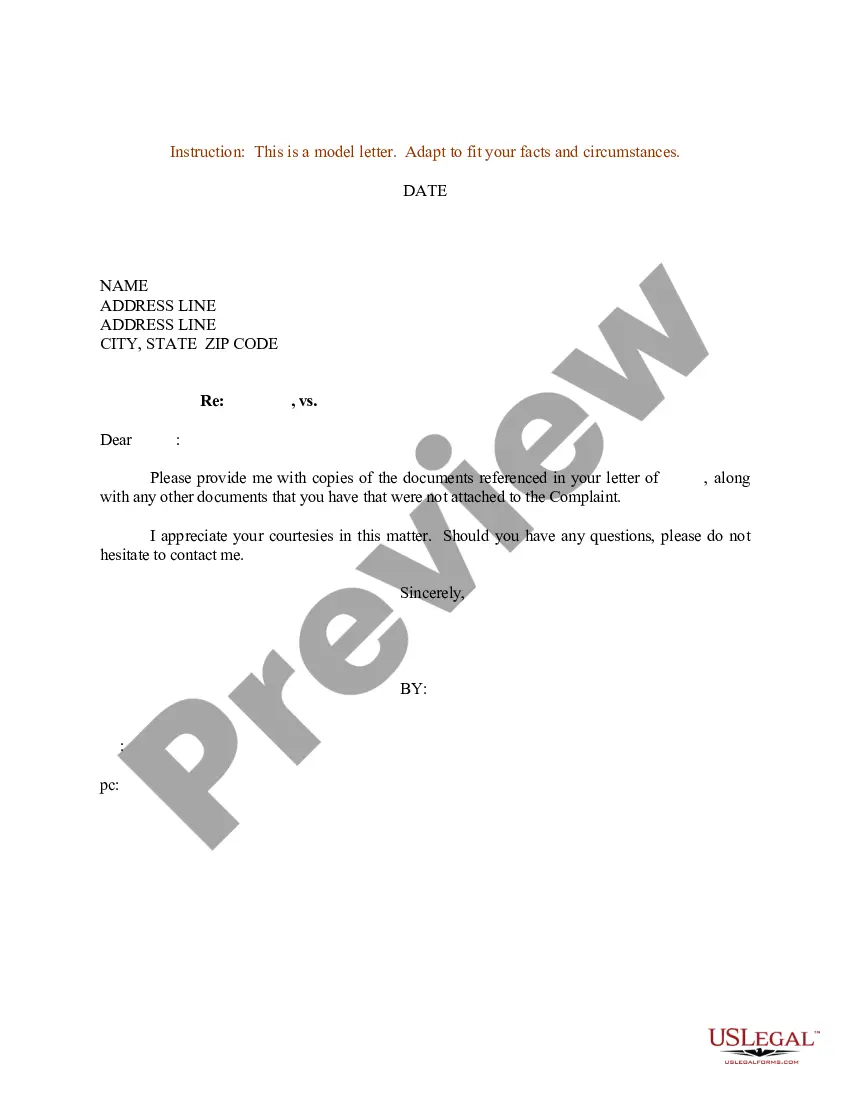
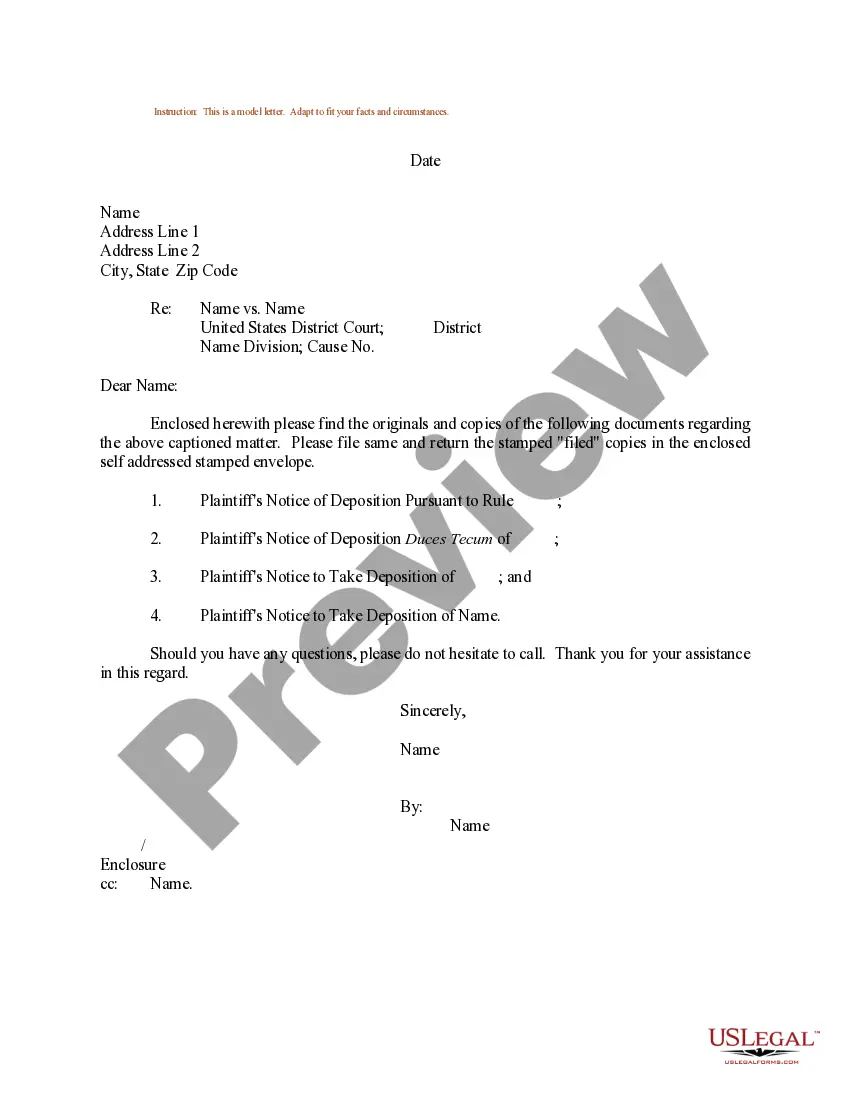
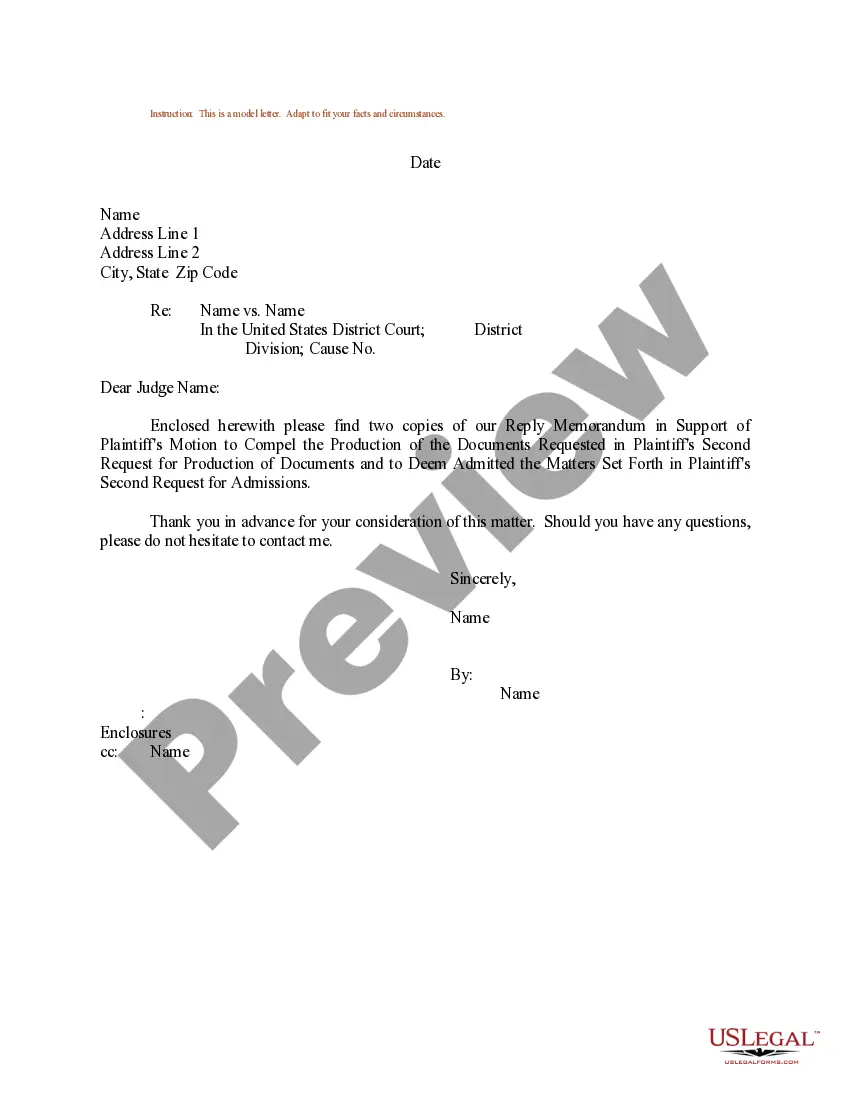
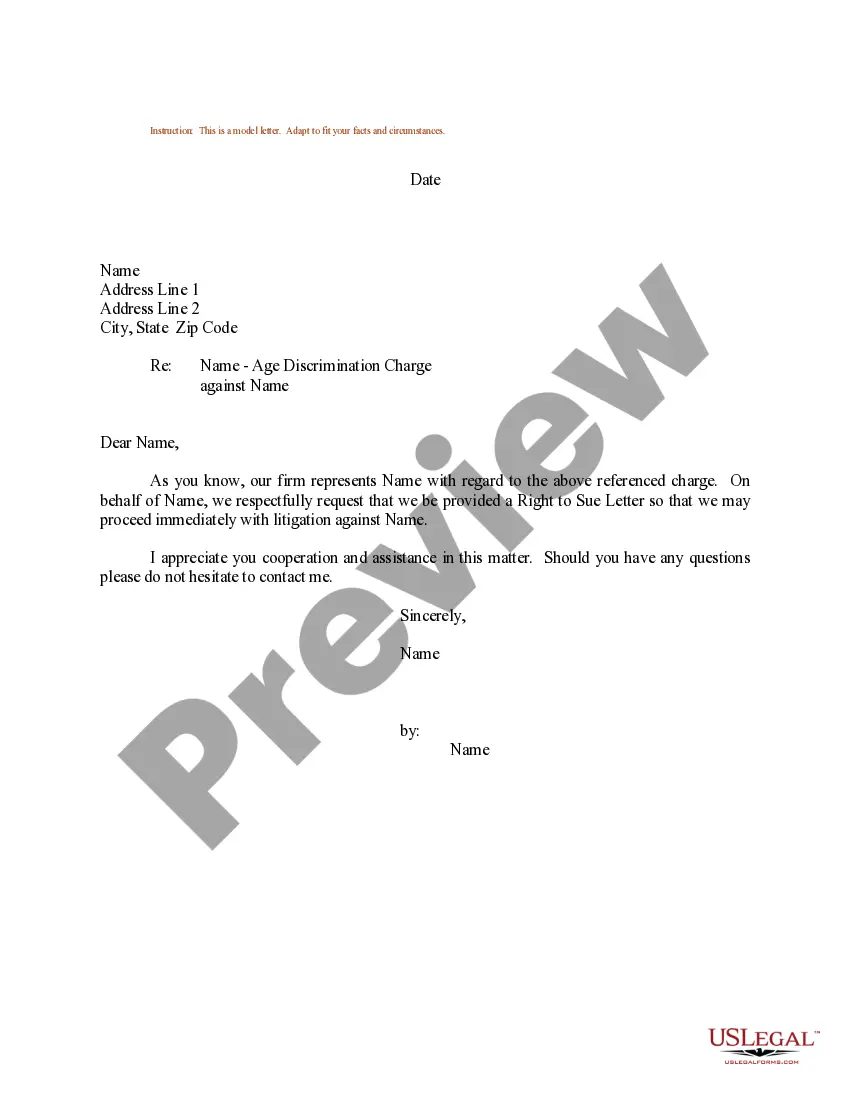
The Sample Letter for Documents Relative to Lawsuit is a template designed to help individuals or legal teams communicate effectively regarding lawsuit-related documents. This letter serves as a formal notification to a party about the documents related to a lawsuit, including critical items such as Temporary Restraining Orders. Unlike other generic letters, this template is crafted with legal precision and can be customized to suit the particularities of the case at hand.
Key components of this form
- Date: The date the letter is prepared.
- Sender's information: Name and address of the sender.
- Recipient's information: Name and address of the recipient.
- Subject line: A brief reference to the matter being discussed.
- Body of the letter: Details about the documents enclosed and plans for follow-up communication.
- Closing signature: Formal sign-off from the sender.
Common use cases
This form should be used when a party needs to officially send documents related to a lawsuit to another party. It is applicable in situations where a Temporary Restraining Order has been issued, or when legal documentation must be shared between attorneys and clients, or among involved parties. The letter establishes a record of communication and is essential for maintaining clarity in ongoing legal matters.
Who this form is for
- Attorneys representing clients in legal disputes.
- Individuals involved in lawsuits who need to notify others about pertinent documents.
- Paralegals assisting in the preparation of legal correspondence.
How to prepare this document
- Identify the date when the letter is being sent.
- Fill in your information, including name and address, in the designated fields.
- Enter the recipient's name and address accurately.
- Clearly state the subject of the letter for clarity and context.
- Compose the body, including a brief explanation of the enclosed documents and any necessary follow-up actions.
- Sign the letter professionally and include your name.
Notarization requirements for this form
Notarization is not commonly needed for this form. However, certain documents or local rules may make it necessary. Our notarization service, powered by Notarize, allows you to finalize it securely online anytime, day or night.
Get your form ready online
Our built-in tools help you complete, sign, share, and store your documents in one place.
Make edits, fill in missing information, and update formatting in US Legal Forms—just like you would in MS Word.
Download a copy, print it, send it by email, or mail it via USPS—whatever works best for your next step.
Sign and collect signatures with our SignNow integration. Send to multiple recipients, set reminders, and more. Go Premium to unlock E-Sign.
If this form requires notarization, complete it online through a secure video call—no need to meet a notary in person or wait for an appointment.
We protect your documents and personal data by following strict security and privacy standards.

Make edits, fill in missing information, and update formatting in US Legal Forms—just like you would in MS Word.

Download a copy, print it, send it by email, or mail it via USPS—whatever works best for your next step.

Sign and collect signatures with our SignNow integration. Send to multiple recipients, set reminders, and more. Go Premium to unlock E-Sign.

If this form requires notarization, complete it online through a secure video call—no need to meet a notary in person or wait for an appointment.

We protect your documents and personal data by following strict security and privacy standards.
Mistakes to watch out for
- Forgetting to include the date.
- Omitting the recipient's complete information.
- Using vague language in the body of the letter.
- Failing to proofread for typos or grammatical errors.
Benefits of using this form online
- Easy accessibility: Download the template anytime, anywhere.
- Editable format: Customize the content to meet your unique situation.
- Legal accuracy: Use a template drafted by licensed attorneys, ensuring it meets legal standards.
Looking for another form?
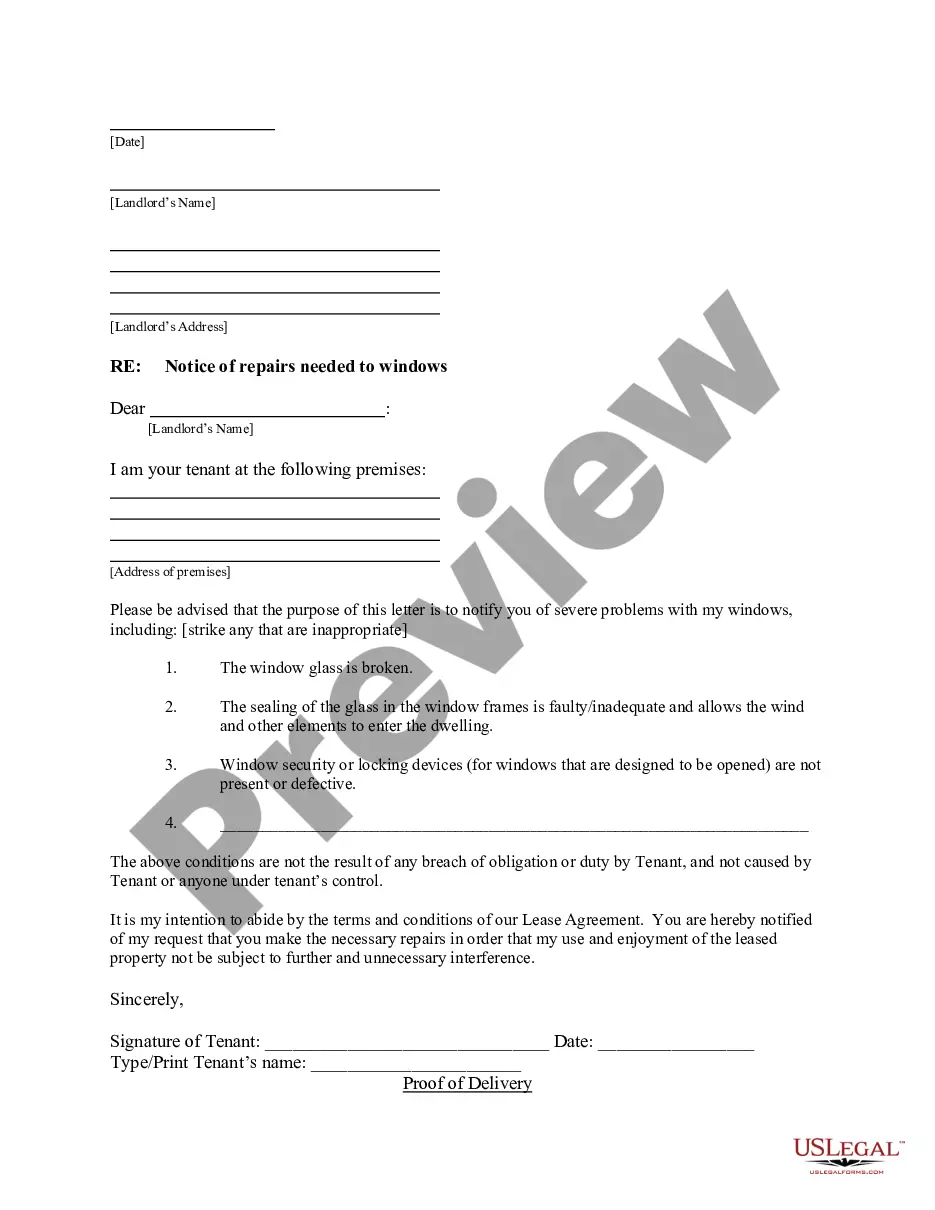
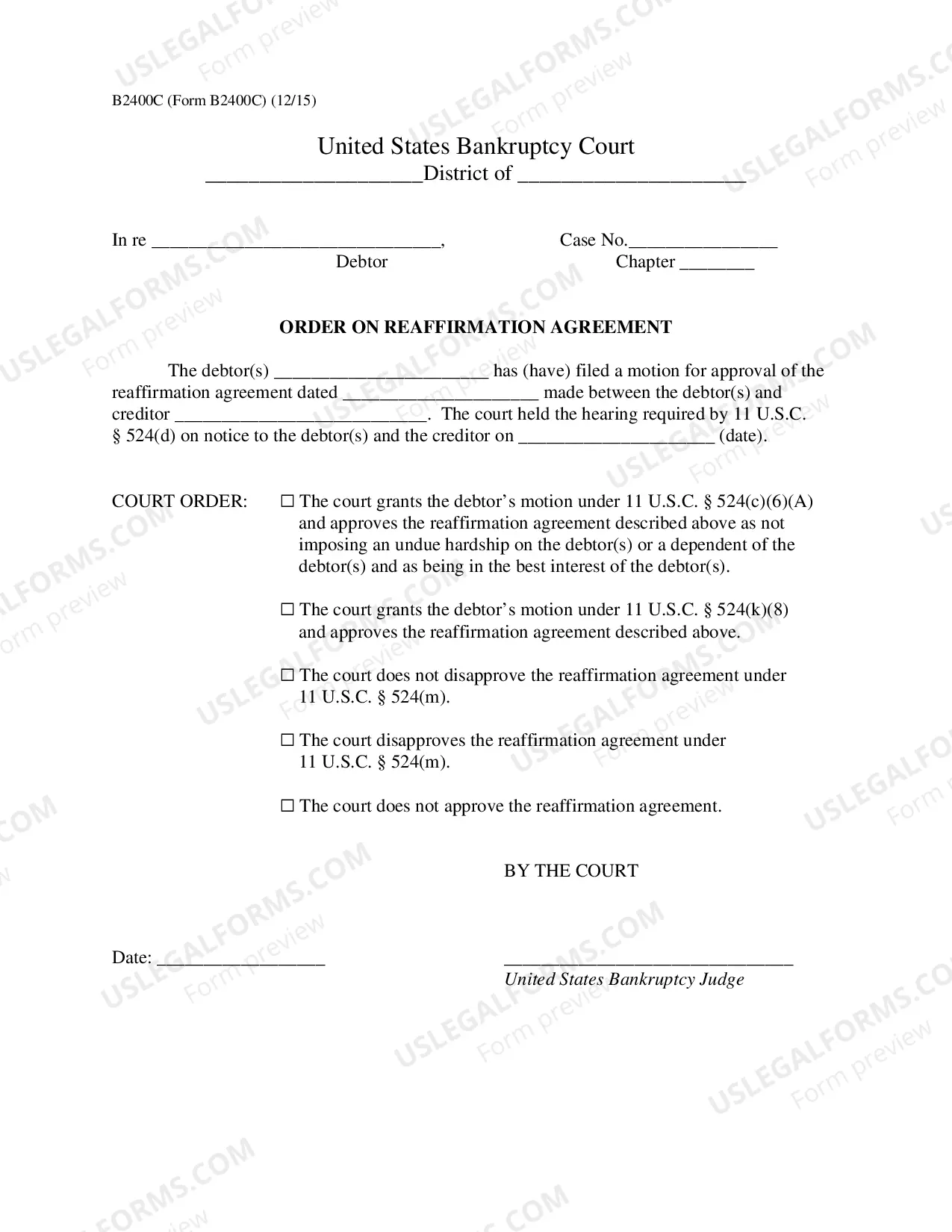
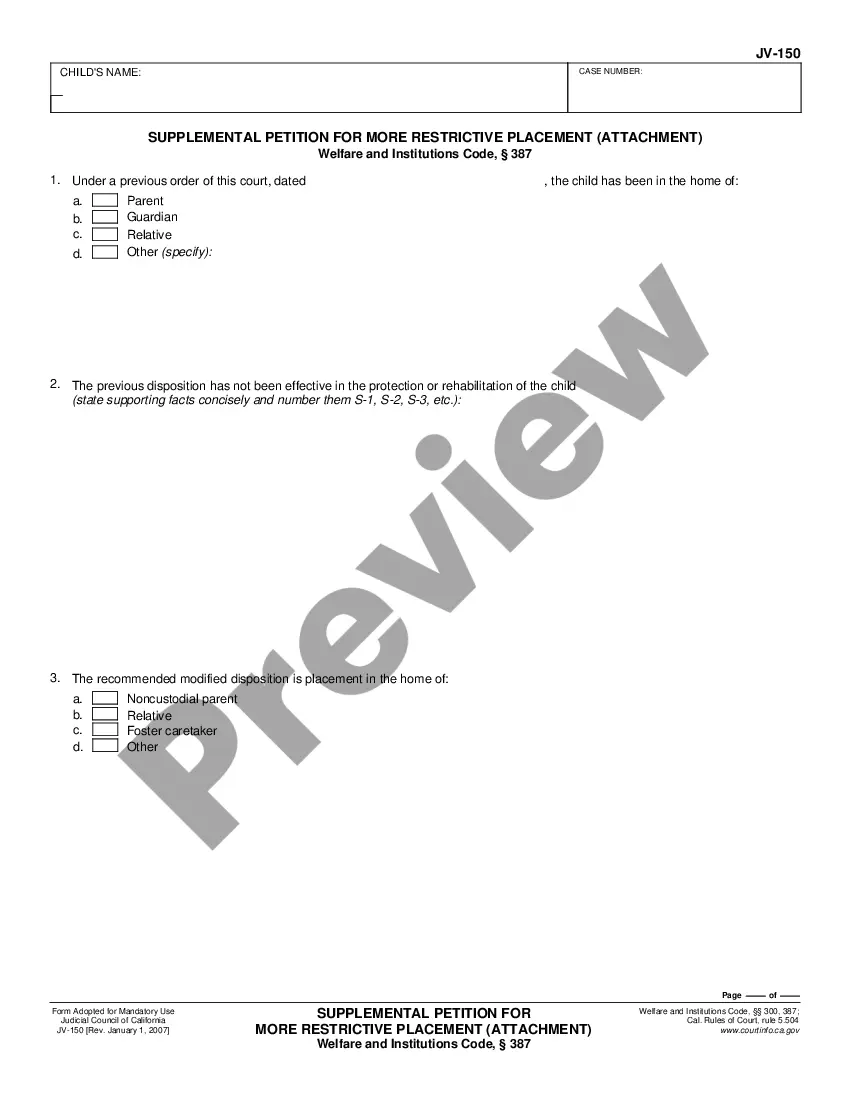
Form popularity
FAQ
A summary of the original incident with any factual disputes highlighted. Evidence to support the version of events provided in the Settlement Demand Letter. An outline of any relevant legal standards that apply to the matter. A settlement offer and terms/timeline for acceptance.
A settlement demand letter is used to ask for a settlement. The demand letter indicates that you are willing and ready to settle your claim related to your slip and fall accident, car crash, construction accident, or other injury.
Title the affidavit. First, you'll need to title your affidavit. Craft a statement of identity. The very next section of your affidavit is what's known as a statement of identity. Write a statement of truth. State the facts. Reiterate your statement of truth. Sign and notarize.
It should include your name, address, and a date for the letter. If sending to an insurance company, you would include their name, address, and a line directing the personal injury demand letter to the attention of an adjustor by name and title if one has been assigned to your claim.
Type your letter. Concisely review the main facts. Be polite. Write with your goal in mind. Ask for exactly what you want. Set a deadline. End the letter by stating you will promptly pursue legal remedies if the other party does not meet your demand. Make and keep copies.
In the sentence, the person writing the statement must state that he or she is stating that the information is accurate. (Example: I, Jane Doe, solemnly swear that the contents of this document are true and correct, and that I agree to abide by the terms in this affidavit.)
Step 1 Sender and Effective Date. (1) Sender's Name and Address; and. Step 2 Being Sent to and Reason for the Lawsuit. (3) Name of the Person or Entity to who the letter is being sent; Step 3 The Parties and Settlement Demand. Step 4 Governing Law and Signature.
Understand the claim. The first step is to carefully review the claim. Layout the terms. Be specific when offering a settlement. Include a tempting payout. The key is to make an appealing offer that still undercuts the original demand. Give a response timeframe.
On the low end, an injury case might settle for only a few thousand dollars. But many personal injury cases settle for much more. An average personal injury settlement amount is anywhere between $3,000 and $75,000.