Pennsylvania Roofing Contractor Package
Understanding this form package
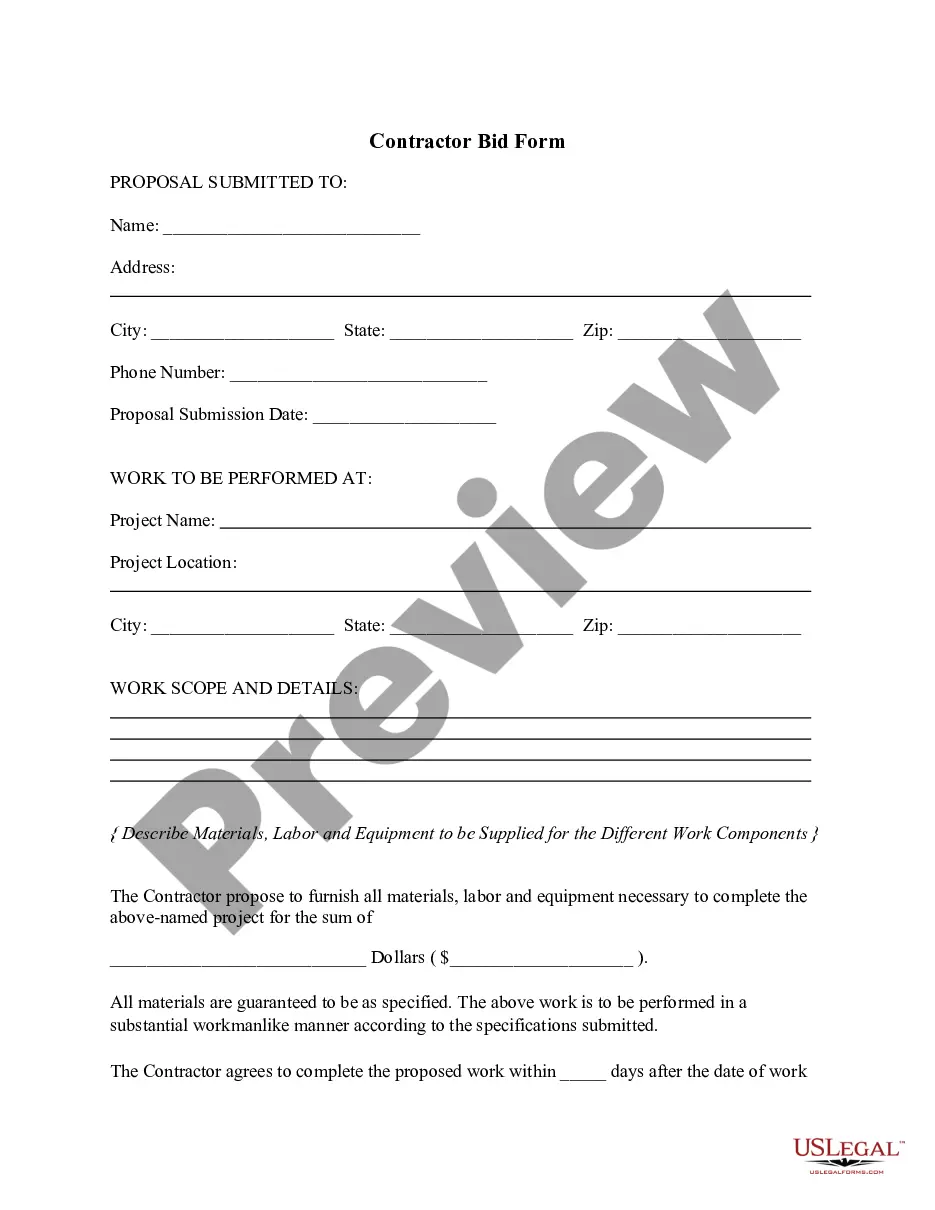
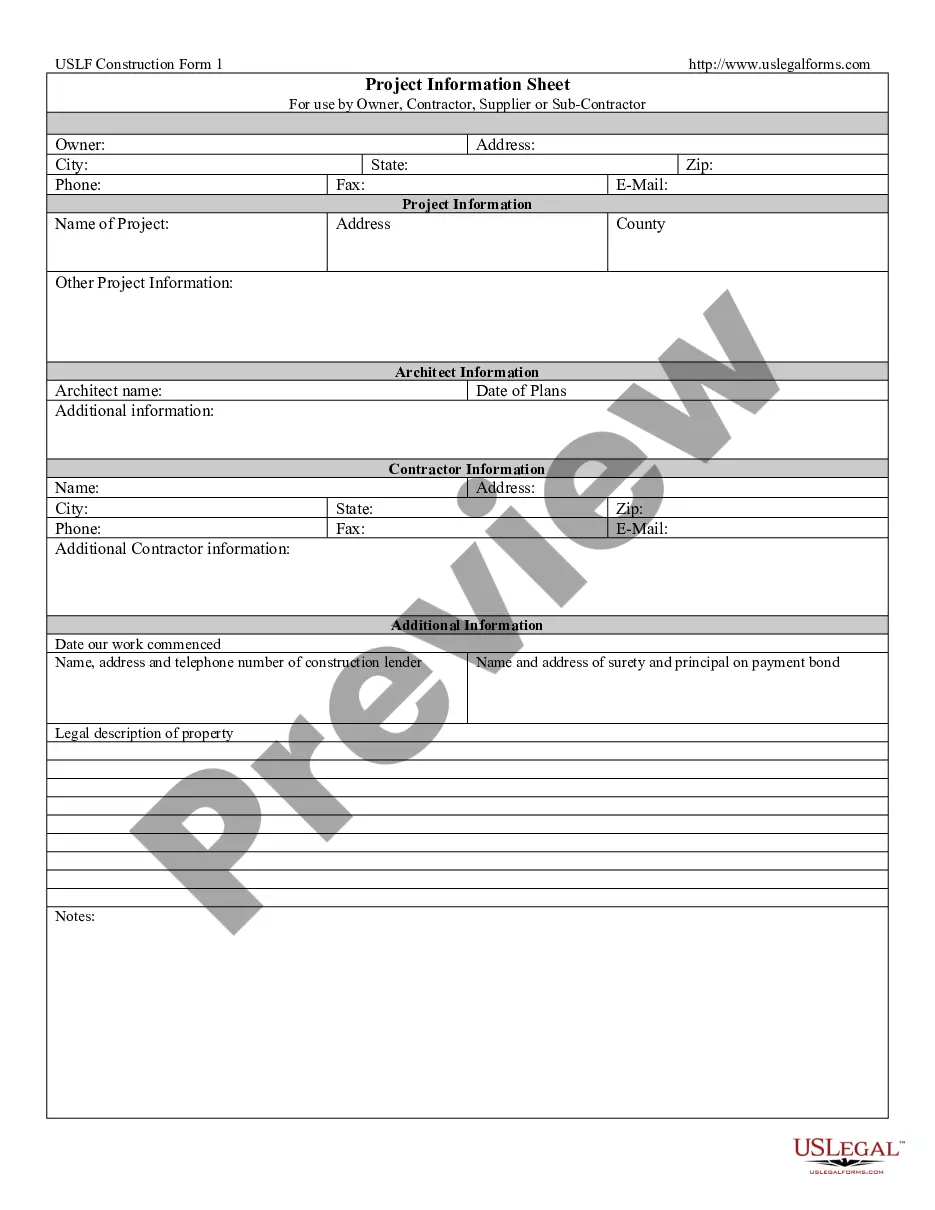
The Pennsylvania Roofing Contractor Package is a comprehensive collection of legal forms specifically designed to address the common legal issues that arise between roofing contractors, property owners, suppliers, and subcontractors during roofing projects in Pennsylvania. This package includes a roofing contract that complies with state law, along with several additional forms that help manage various aspects of roofing projects effectively, reducing the risk of misunderstandings and disputes.
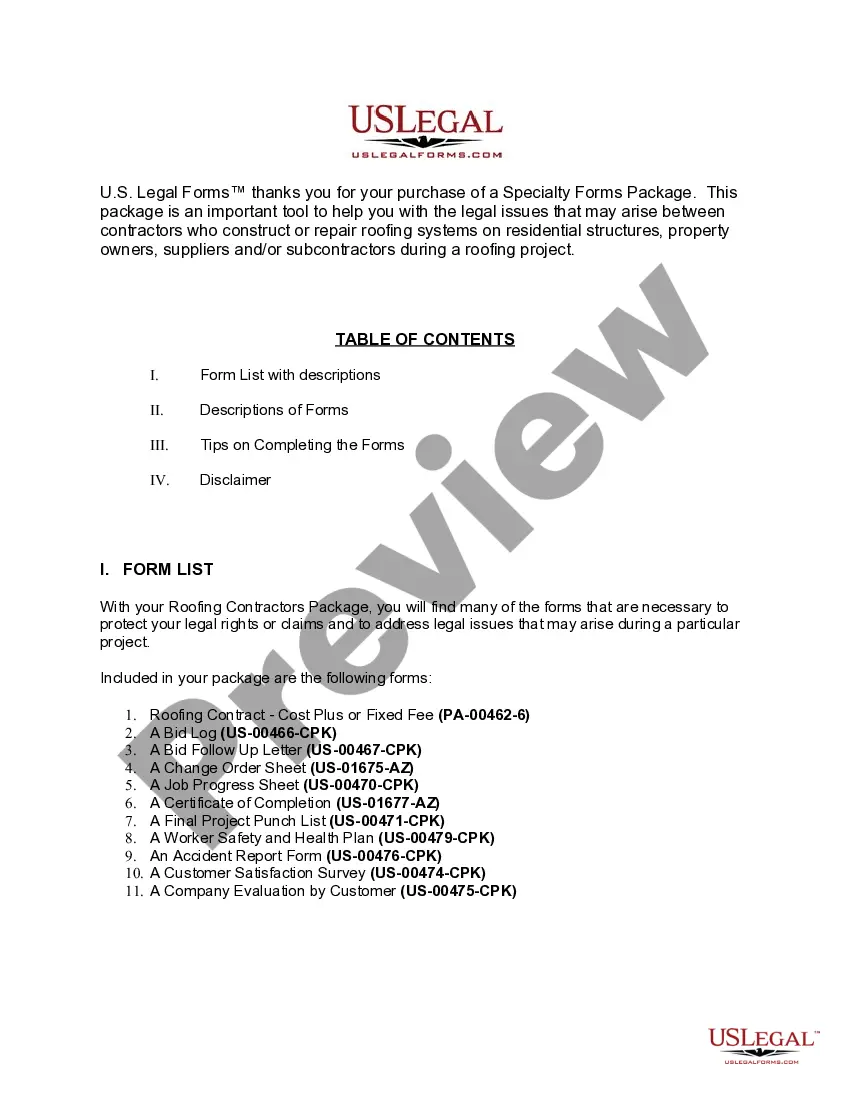
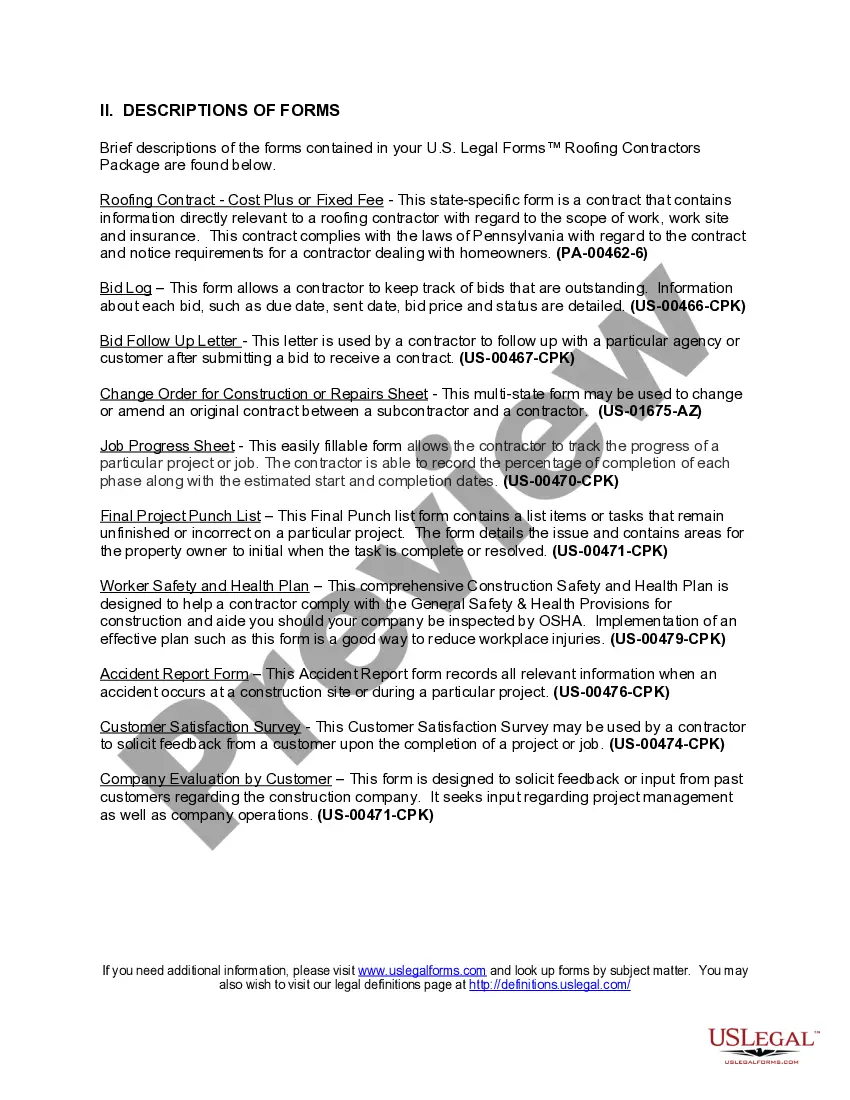
What’s included in this form package
- Roofing Contract for Contractor
- Contractor's Bid Log
- Contractor's Bid Follow Up Letter
- Contractor's Job Progress Sheet
- Customer Satisfaction Survey
- Construction Company Evaluation by a Customer
- Construction Accident Report
- Construction Safety and Health Plan
- Change Order for Construction or Repairs by Contractor
- Certification of Completion by Contractor
When this form package is needed
This package is essential when engaging in roofing projects, whether for new constructions or repairs. It can be used in scenarios such as:
- Drafting contracts with clarity regarding costs and scopes of work.
- Managing bids and documentation throughout the project lifecycle.
- Addressing changes and completing final inspections.
- Ensuring compliance with safety protocols on construction sites.
- Gathering feedback from customers to improve services.
Who should use this form package
- Roofing contractors operating in Pennsylvania.
- Property owners hiring contractors for roofing projects.
- Suppliers providing materials for roofing jobs.
- Subcontractors involved in roofing work.
- Anyone interested in ensuring legal compliance in roofing contracts and projects.
Instructions for completing these forms
- Review the included forms carefully to understand their purposes.
- Identify and enter the parties involved, including the contractor and property owner names.
- Complete the roofing contract by detailing the scope of work and cost structure.
- Document bids using the Bid Log to track all submitted proposals and their statuses.
- If changes occur, use the Change Order Sheet for proper documentation.
- Ensure safety compliance by filling out the Worker Safety and Health Plan.
Do documents in this package require notarization?
Forms in this package typically do not require notarization. However, certain states or document types may still need it. US Legal Forms provides online notarization powered by Notarize, available 24/7 for your convenience.
Get your form ready online
Our built-in tools help you complete, sign, share, and store your documents in one place.
Make edits, fill in missing information, and update formatting in US Legal Forms—just like you would in MS Word.
Download a copy, print it, send it by email, or mail it via USPS—whatever works best for your next step.
Sign and collect signatures with our SignNow integration. Send to multiple recipients, set reminders, and more. Go Premium to unlock E-Sign.
If this form requires notarization, complete it online through a secure video call—no need to meet a notary in person or wait for an appointment.
We protect your documents and personal data by following strict security and privacy standards.

Make edits, fill in missing information, and update formatting in US Legal Forms—just like you would in MS Word.

Download a copy, print it, send it by email, or mail it via USPS—whatever works best for your next step.

Sign and collect signatures with our SignNow integration. Send to multiple recipients, set reminders, and more. Go Premium to unlock E-Sign.

If this form requires notarization, complete it online through a secure video call—no need to meet a notary in person or wait for an appointment.

We protect your documents and personal data by following strict security and privacy standards.
Mistakes to watch out for
- Failing to detail the scope of work in the roofing contract.
- Neglecting to document changes with the Change Order Sheet.
- Inadequate follow-up on bids submitted to potential clients.
- Not obtaining customer feedback with the Customer Satisfaction Survey.
- Ignoring safety regulations when completing the Worker Safety and Health Plan.
Benefits of using this package online
- Convenient access to all necessary roofing project documents from anywhere.
- Editable forms that can be customized to meet specific project needs.
- Cost-effective, saving you over 50 percent compared to purchasing forms separately.
- Reliable support from legal professionals in case of questions regarding form use.
- Time-efficient completion of forms with user-friendly digital formats.
Legal use & context
- The included roofing contract and forms are designed to be legally enforceable in Pennsylvania.
- Proper use of these forms can help mitigate disputes and protect your legal rights.
- Feedback forms can provide valuable customer insights for future projects.
Quick recap
- This package offers essential forms for roofing contractors and related parties in Pennsylvania.
- Correct completion of forms helps prevent legal issues throughout roofing projects.
- Leveraging feedback tools enhances service quality and customer satisfaction.
Looking for another form?


Form popularity
FAQ
Balance: Roofers work on roofs, which might have very steep pitches. Strength: Roofers need to be able to carry heavy materials, like bundles of shingles, up ladders and onto roofs. Stamina: Roofers spend most of their day on their feet outside, sometimes during intense heat or cold.
Company Contact Info. All estimates should have the roofing company contact information that includes the company name, address, phone number, and email address. A Full Work Description. Start and Completion Date. Materials to Be Used. The Total Cost. Warranties.
In most cases a reputable roofing company with ask for at least one third to one half up front, which isn't unreasonable, but can be a sizable amount.
Most homeowners spend between $300 and $1,100 for a roof repair, or an average of $650 per repair call. Typically, a job is to repair leaks. Seal the leak, replace shingles, seal the shingles. If there is a small area and few shingles being repaired, it will likely be on the low end, or as little as $150.
You can always negotiate with your contractor on the price of a successful project before signing a contract. Discuss your budget with your roofing contractor. Agree that any unexpected project expenses will be presented in writing to help you remain within your budget.
You can always negotiate with your contractor on the price of a successful project before signing a contract. Discuss your budget with your roofing contractor.
Many roofing companies will require 10% of the total job cost to be paid upon delivery of the materials, which is usually the day the job starts. If a contractor does require a deposit from you to secure a commitment from him, if you trust him, and you feel good about it, we recommend no more than 10% down.
You can always negotiate with your contractor on the price of a successful project before signing a contract. Discuss your budget with your roofing contractor. Agree that any unexpected project expenses will be presented in writing to help you remain within your budget.
Your roof estimate should include the number of penetrations and the specific kind of boot that'll go around them. The estimate should also include any flashing your roof needs. Flashing is metal placed anywhere the shingles butt up against something, such as a wall, chimney, or in open valleys.