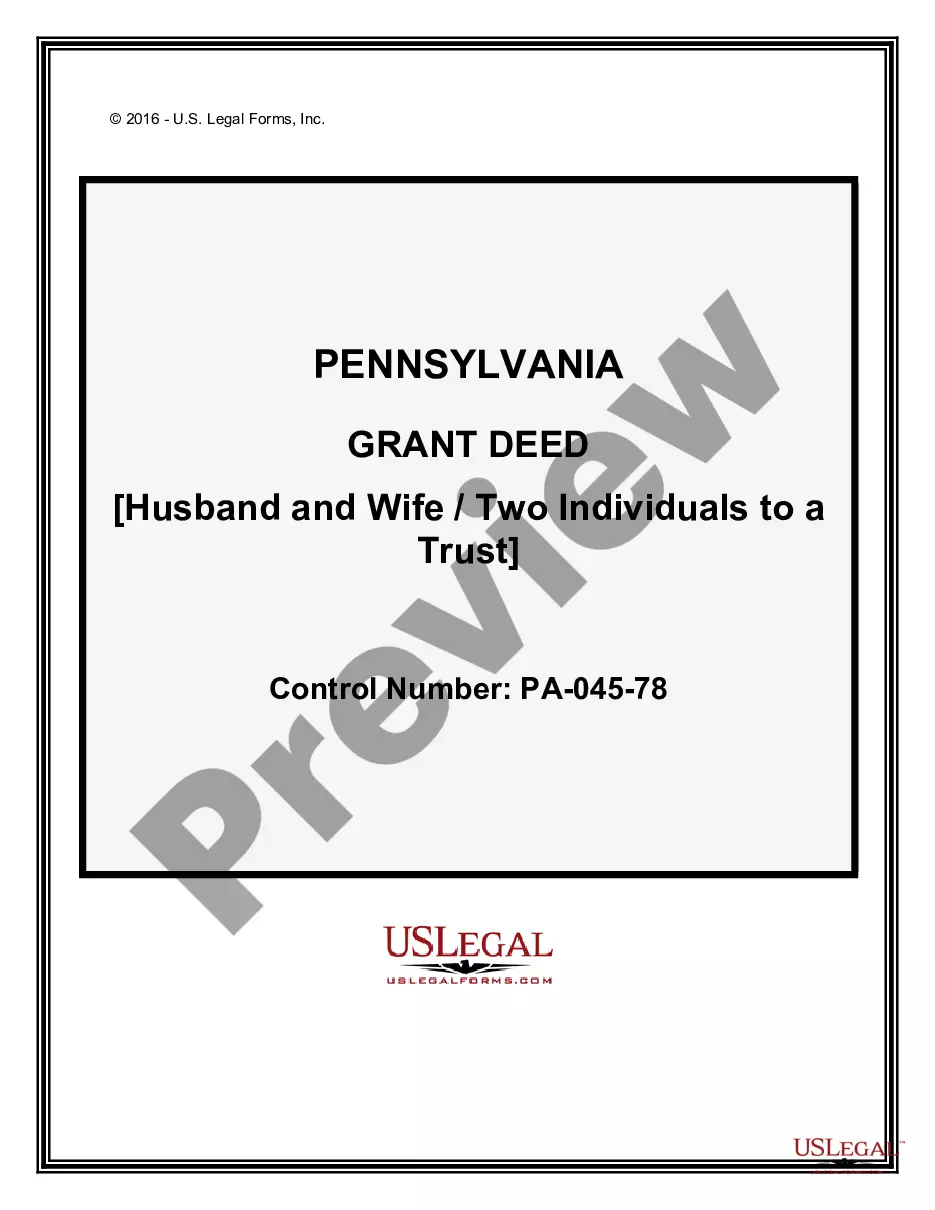
Pennsylvania Grant Deed from Husband and Wife, or two Individuals, to a Trust
Understanding this form
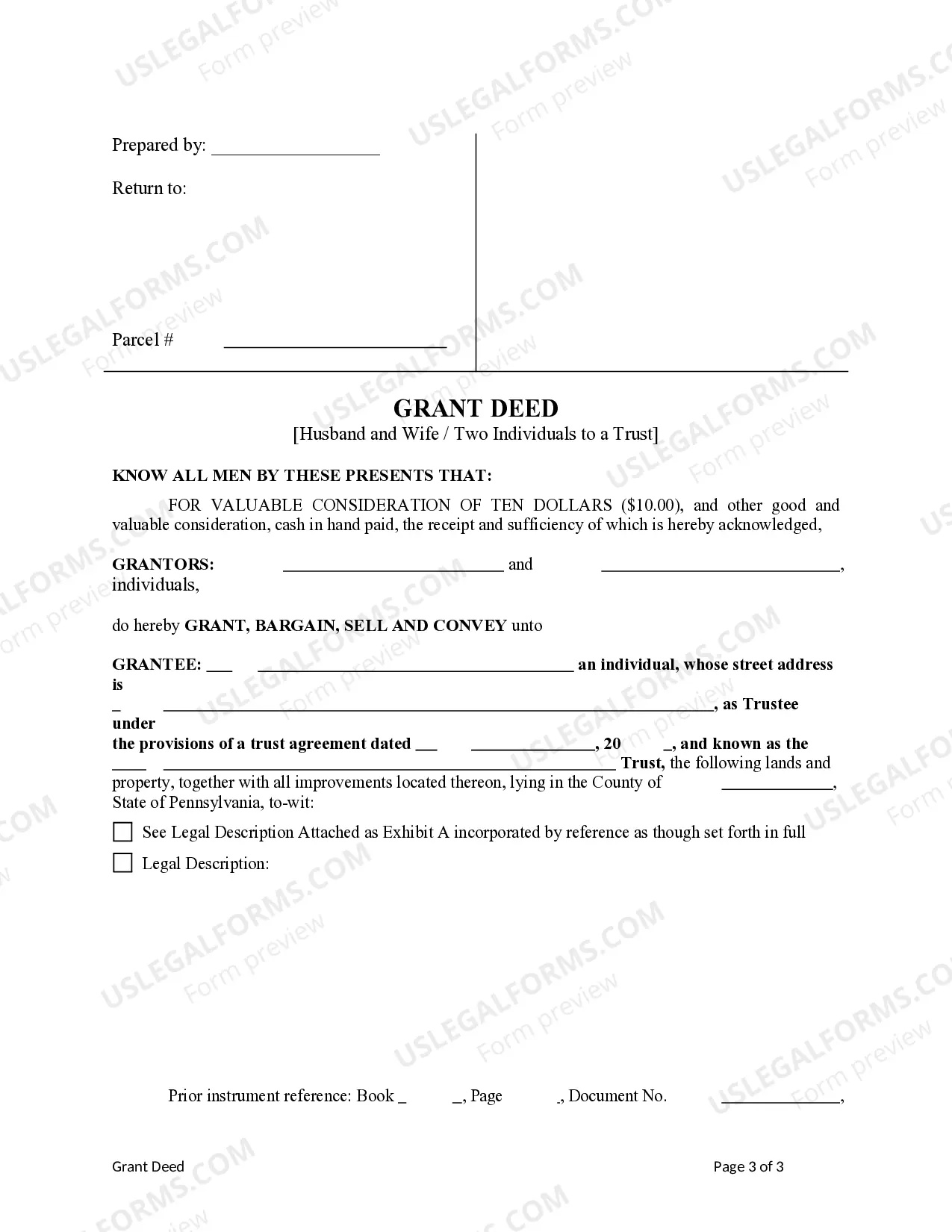
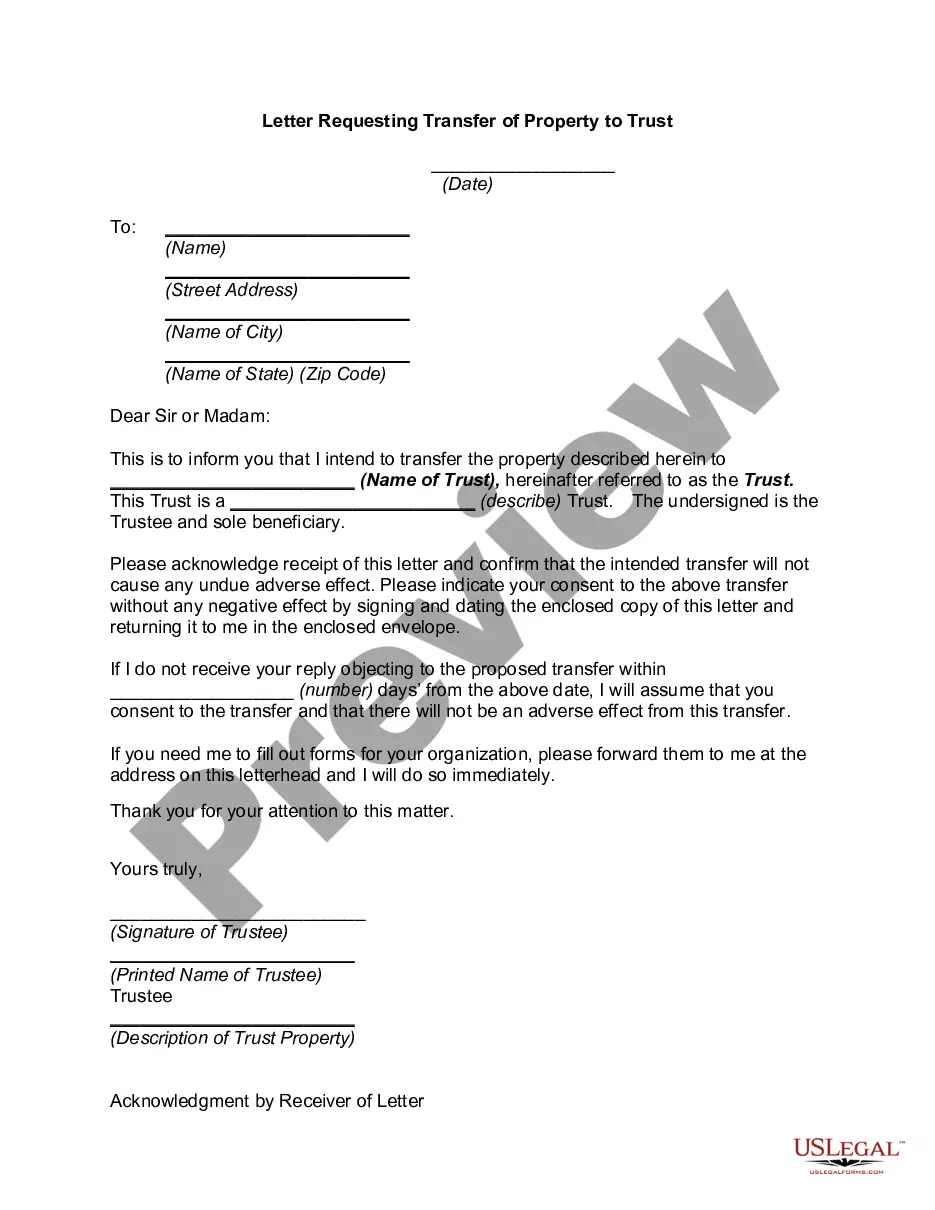
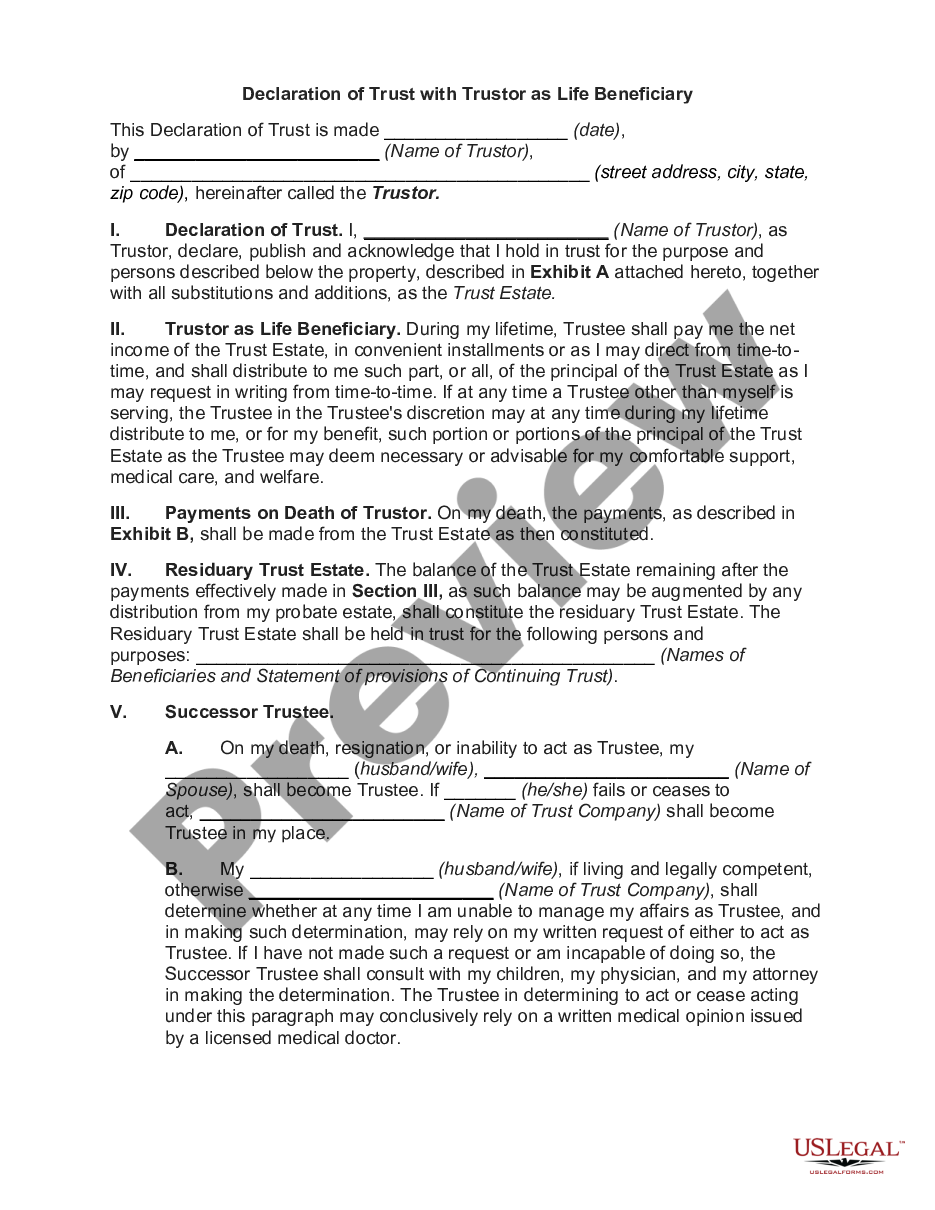
This form is a Grant Deed from husband and wife, or two individuals, to a trust. It allows the Grantors to formally transfer ownership of a property to the Grantee, which is the trust in this case. Unlike other property transfer forms, this Grant Deed includes affirmations that the Grantors have the legal right to convey the property and that all encumbrances are disclosed to the Grantee. This ensures the trust receives clear title to the property free from disputes regarding ownership.
Key parts of this document
- Names of the Grantors and Grantee
- Description of the property being conveyed
- Affirmations regarding the Grantors' rights to convey the property
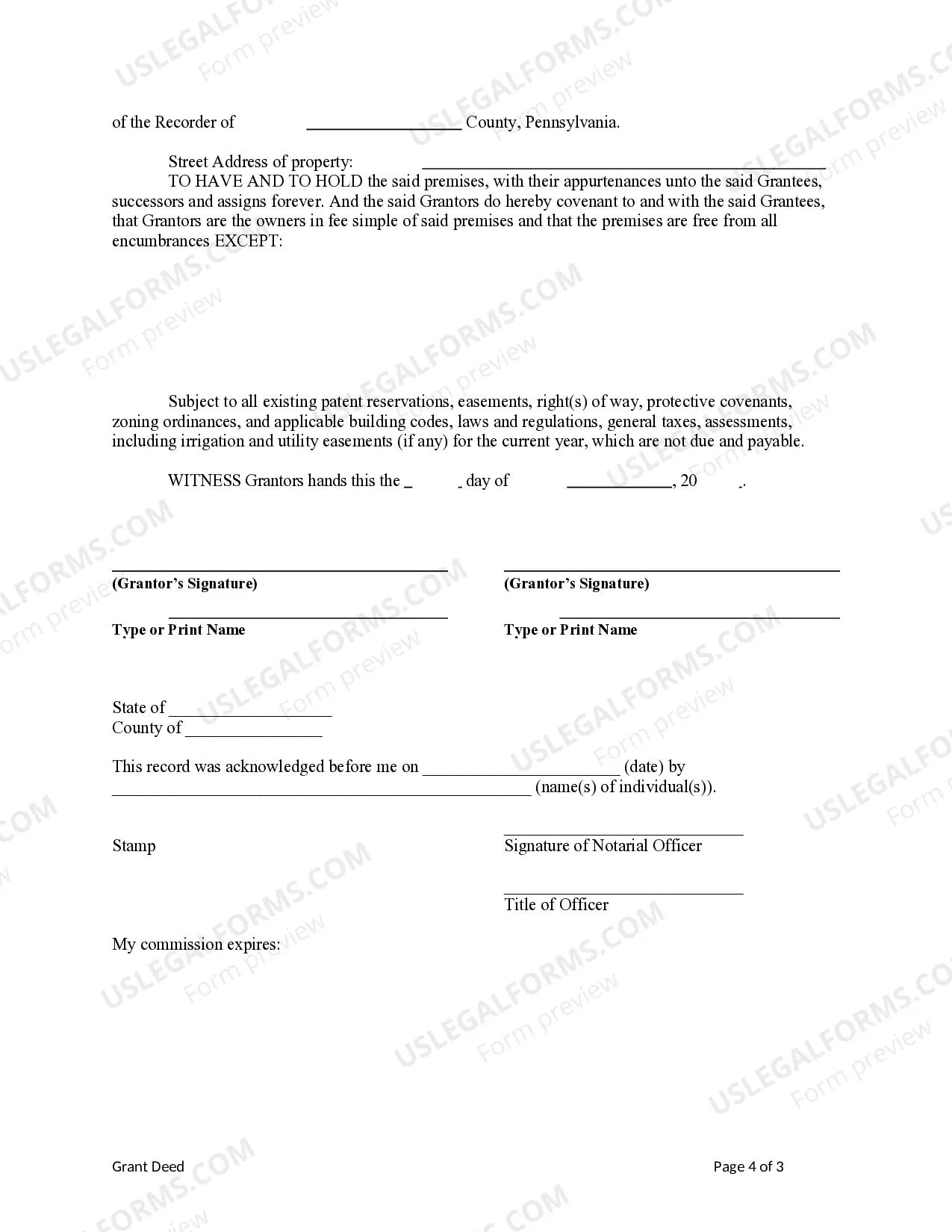
- Disclosure of any encumbrances or liens
- Signature and date lines for the Grantors




When this form is needed
This Grant Deed should be used when a husband and wife or two individuals wish to transfer their property into a trust. This may occur during estate planning to protect assets, manage property for beneficiaries, or provide for the orderly distribution of assets upon the Grantors' passing. It is also useful when property needs to be held in trust for tax benefits or qualification for certain programs.
Who this form is for
This form is intended for:
- Married couples looking to transfer property into a trust
- Individuals wishing to consolidate property holdings in a trust
- Estate planners managing property for future distribution
How to complete this form
- Identify the Grantors and enter their full names.
- Specify the property being conveyed, including its legal description.
- Disclose any existing liens or encumbrances on the property.
- Have both Grantors sign and date the document in the designated areas.
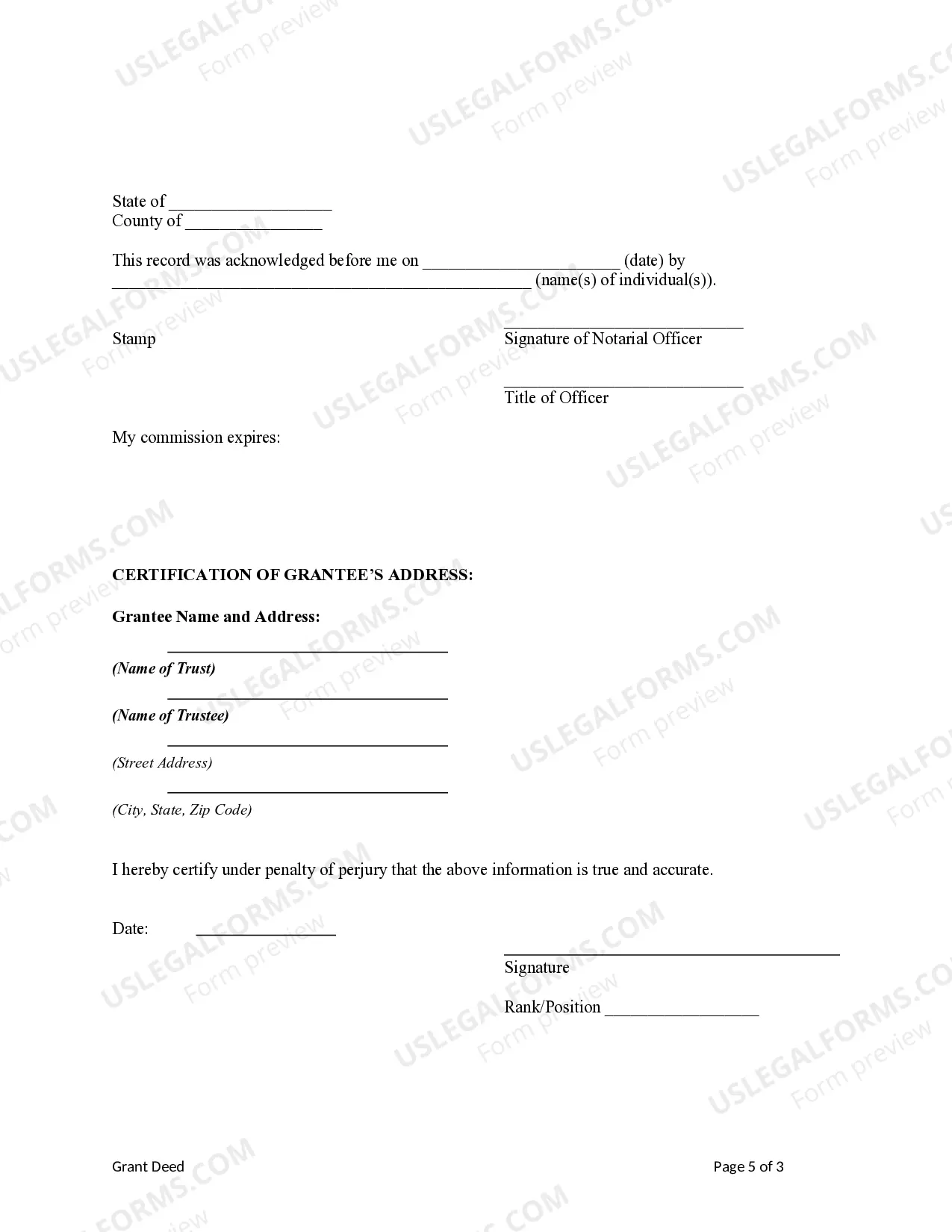
- Ensure the form is properly notarized if required by local law.
Notarization guidance
Yes, this form must be notarized to be legally valid. US Legal Forms offers integrated online notarization services available 24/7 through a secure video call, ensuring your Grant Deed can be completed without the need for travel.
Get your form ready online
Our built-in tools help you complete, sign, share, and store your documents in one place.
Make edits, fill in missing information, and update formatting in US Legal Forms—just like you would in MS Word.
Download a copy, print it, send it by email, or mail it via USPS—whatever works best for your next step.
Sign and collect signatures with our SignNow integration. Send to multiple recipients, set reminders, and more. Go Premium to unlock E-Sign.
If this form requires notarization, complete it online through a secure video call—no need to meet a notary in person or wait for an appointment.
We protect your documents and personal data by following strict security and privacy standards.

Make edits, fill in missing information, and update formatting in US Legal Forms—just like you would in MS Word.

Download a copy, print it, send it by email, or mail it via USPS—whatever works best for your next step.

Sign and collect signatures with our SignNow integration. Send to multiple recipients, set reminders, and more. Go Premium to unlock E-Sign.

If this form requires notarization, complete it online through a secure video call—no need to meet a notary in person or wait for an appointment.

We protect your documents and personal data by following strict security and privacy standards.
Typical mistakes to avoid
- Failing to accurately describe the property being transferred.
- Not including all necessary disclosures about encumbrances.
- Omitting signatures or not dating the document.
- Using incorrect names for the Grantors and Grantee.
Why complete this form online
- Convenient access to legal forms anytime and from anywhere.
- Edit and fill the form digitally to reduce errors.
- Reliable templates drafted by licensed attorneys to ensure legal compliance.
Legal use & context
- The grant deed serves as a legal transfer of property ownership to a trust.
- It helps to ensure that all relevant obligations of the grantors are clearly stated.
- Properly executed, it can prevent disputes among heirs regarding property ownership.
Main things to remember
- The Grant Deed transfers property ownership from individuals to a trust.
- Accurate completion is essential to ensure legal validity.
- Notarization is required to finalize the transfer of property.
Looking for another form?
Form popularity
FAQ
It's often easier to qualify for a joint mortgage, because both spouses can contribute income and assets to the application. However, if one spouse can qualify for a mortgage based on his own income and credit, the mortgage does not need to be in both spouses' names unless you live in a community property state.
The names on the mortgage show who's responsible for paying back the loan, while the title shows who owns the property. You can put your spouse on the title without putting them on the mortgage; this would mean that they share ownership of the home but aren't legally responsible for making mortgage payments.
In California, all property bought during the marriage with income that was earned during the marriage is deemed "community property." The law implies that both spouses own this property equally, regardless of which name is on the title deed.
In cases where a couple shares a home but only one spouse's name is on it, the home will not automatically pass to the surviving pass, if his or her name is not on the title.
To add a name to a house deed in Pennsylvania, a new deed is prepared. The owner can prepare his own deed or contact an attorney or document service to provide one. Using an attorney is the best route because the attorney ensures that the deed is prepared per the requirements of the state.
To add a name to a house deed in Pennsylvania, a new deed is prepared. The owner can prepare his own deed or contact an attorney or document service to provide one. Using an attorney is the best route because the attorney ensures that the deed is prepared per the requirements of the state.
The simplest way to add a spouse to a deed is through a quitclaim deed. This type of deed transfers whatever ownership rights you have so that you and your spouse now become joint owners. No title search or complex transaction is necessary. The deed will list you as the grantor and you and your spouse as grantees.
California married couples generally have three options to take title to their community (vs separate) property real estate: community property, joint tenancy or Community Property with Right of Survivorship. The latter coming into play in California July of 2001.