Oregon Power of Attorney - Specific Real Estate
What this document covers
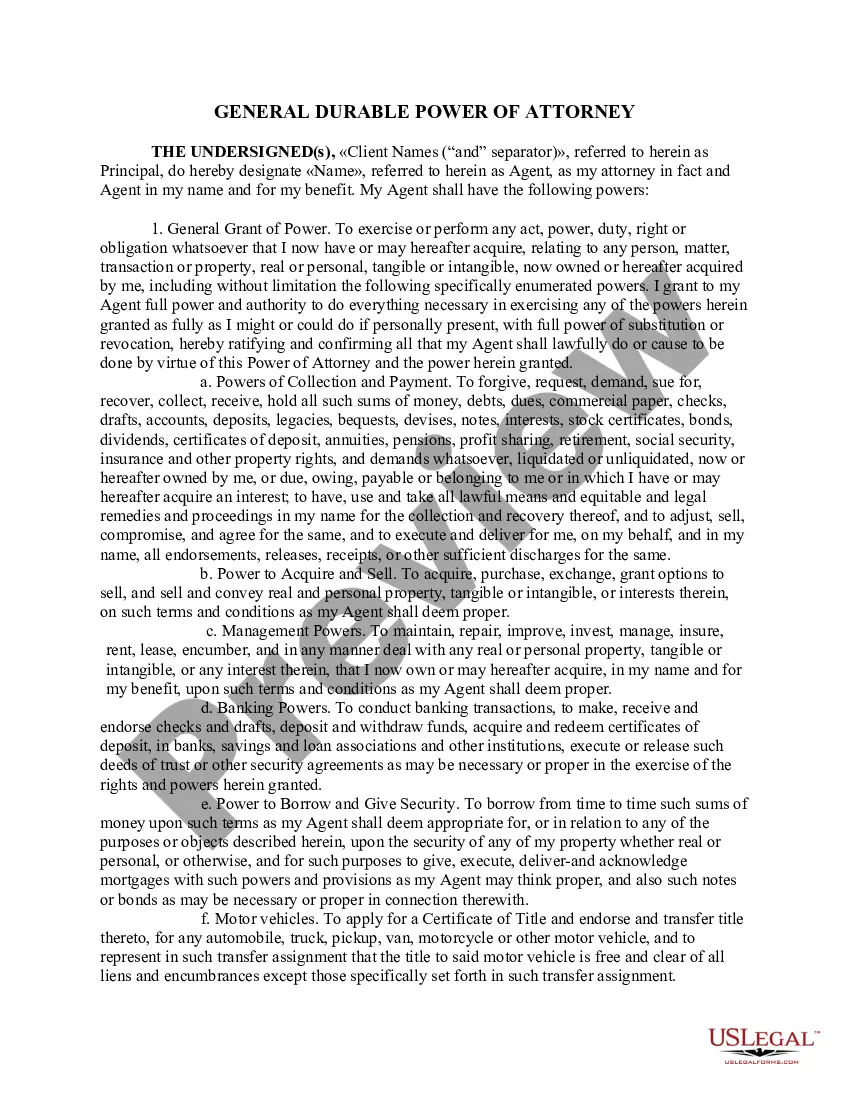
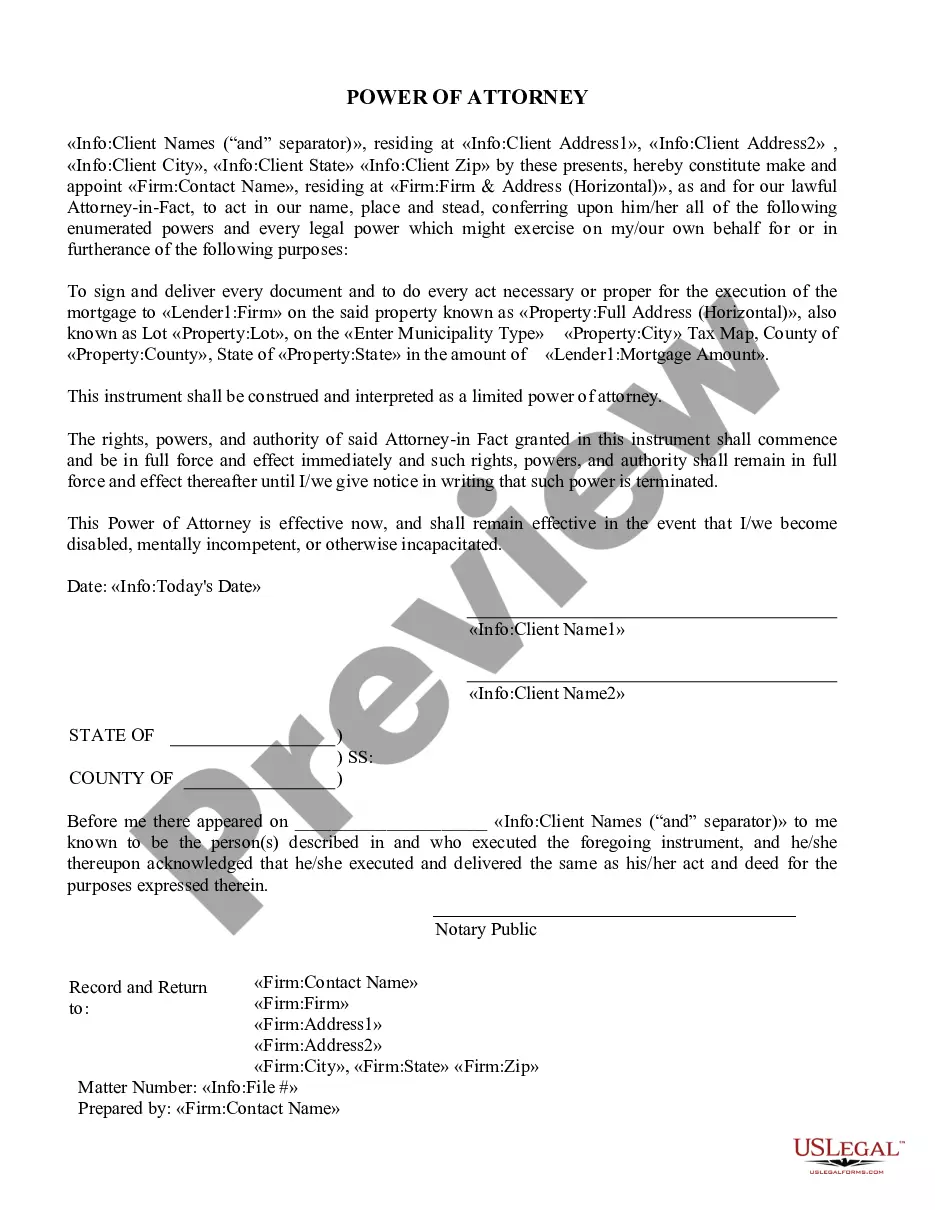
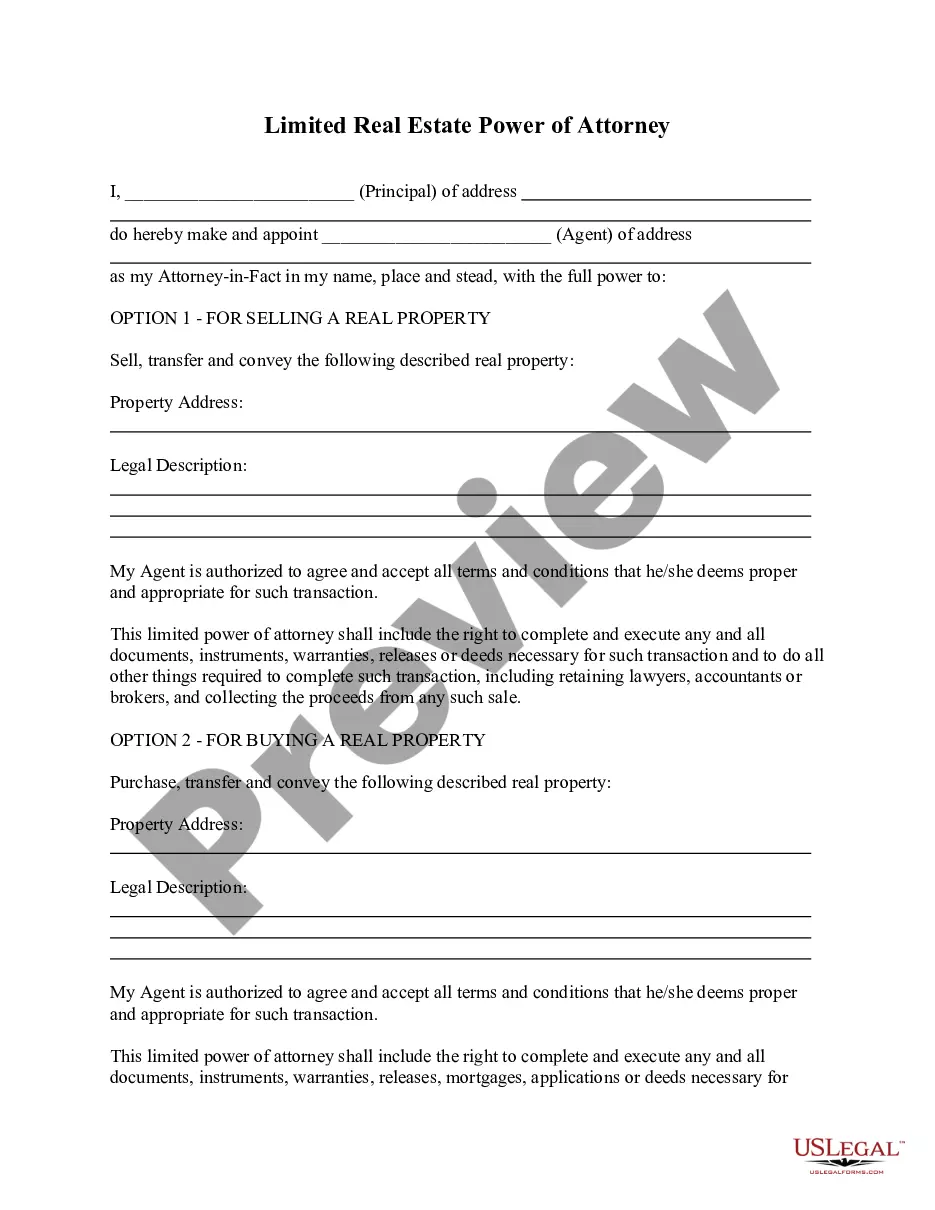
The Power of Attorney - Specific Real Estate is a legal document that allows a person (the grantor) to designate another individual (the attorney-in-fact) to manage specific real estate transactions on their behalf. This differs from a general power of attorney, which provides broader authority over various matters, as this form limits the agent's powers strictly to the management of a specified parcel of real estate. It is essential for individuals needing assistance with real estate decisions while ensuring they maintain control over specific tasks.
Form components explained
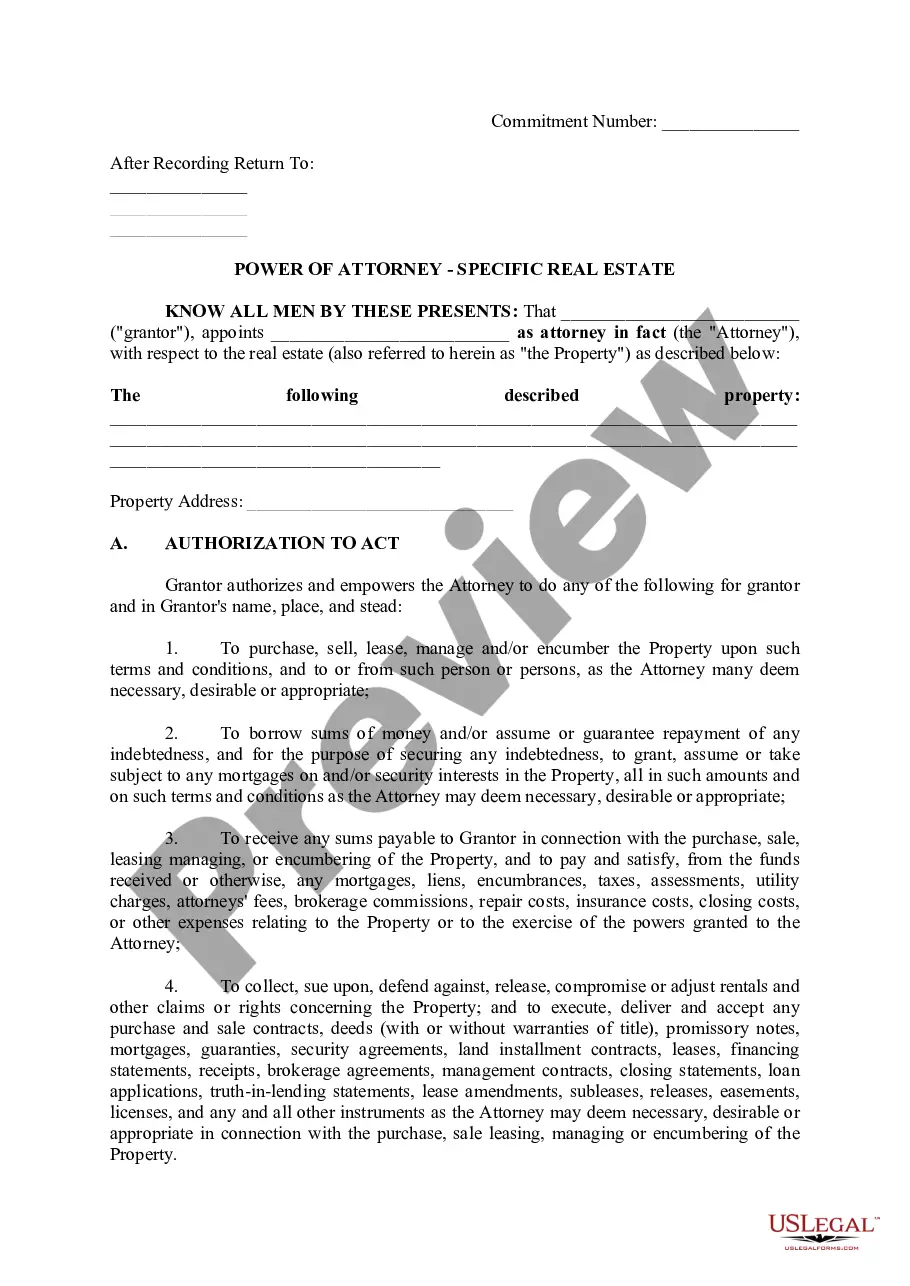
- Commitment number and instructions for return of the document after recording.
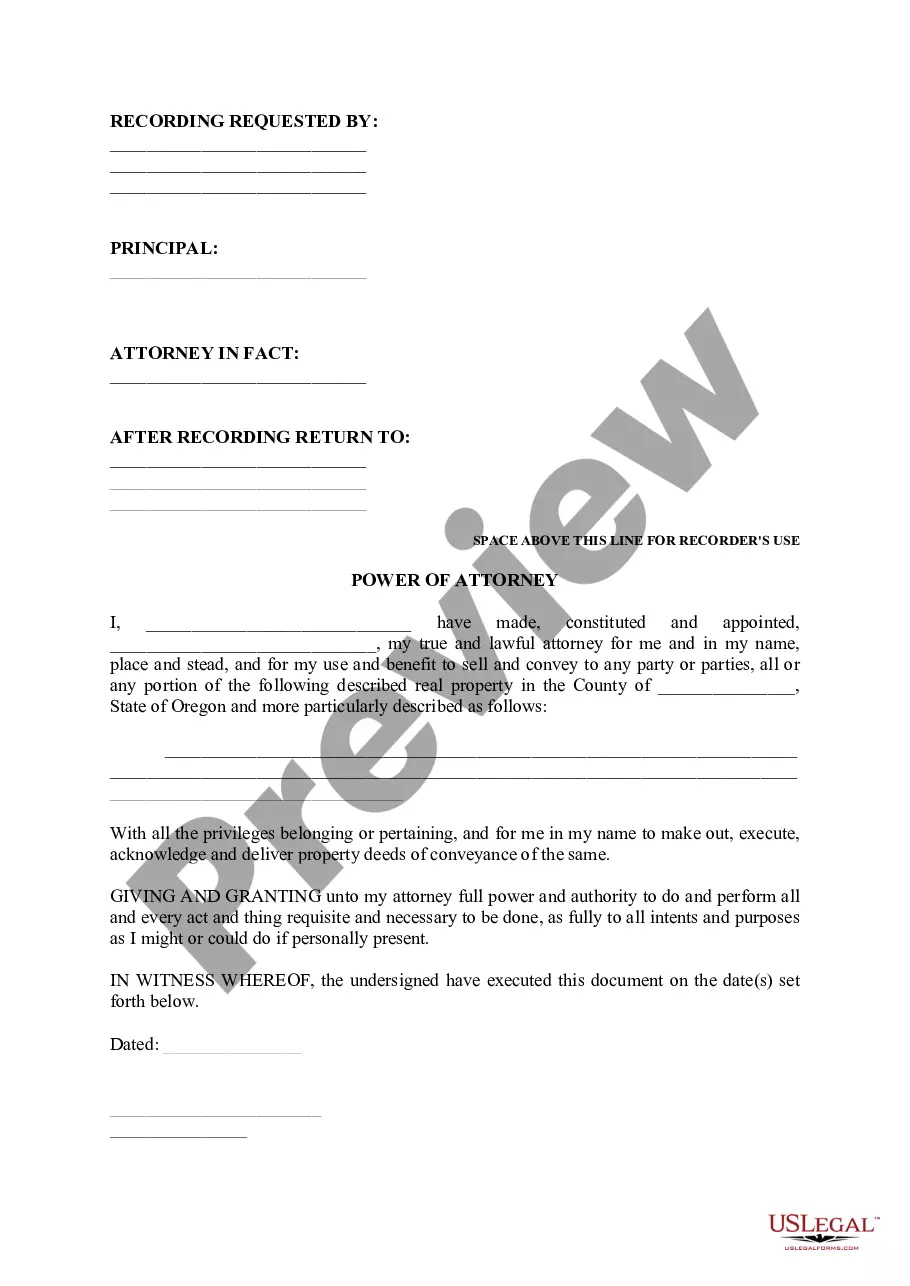
- Name of the grantor and the designated attorney-in-fact.
- Description of the specific property being managed.
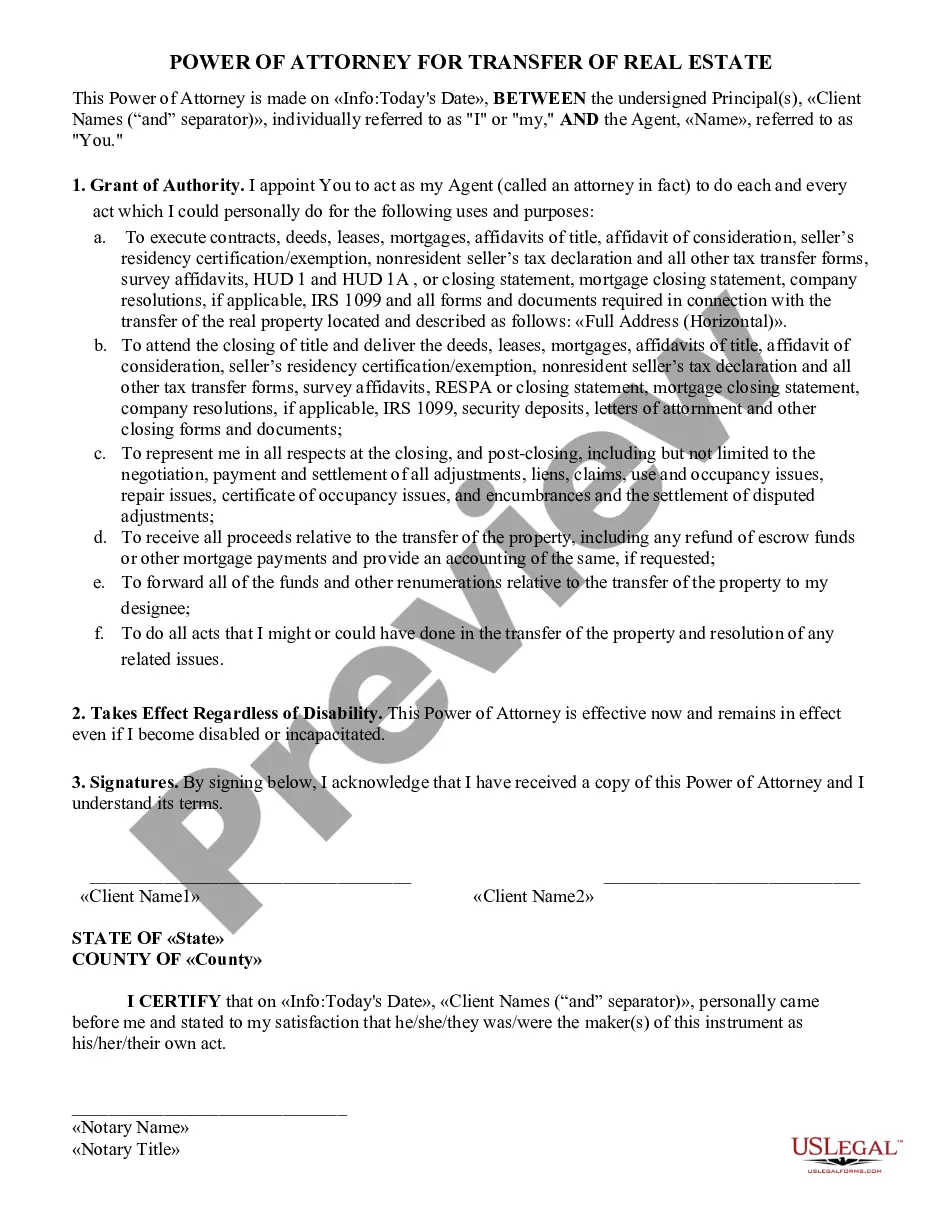
- Authority granted to the attorney regarding buying, selling, leasing, and managing the property.
- Durability clause ensuring the power remains effective despite the grantor's incapacity.
- Expiration date for the power of attorney.


Situations where this form applies
This form is ideal when a property owner needs someone else to handle real estate transactions, whether due to being out of town, illness, or inability to manage these affairs personally. It provides a structured way to empower an agent to act in specific situations, such as selling a property or dealing with leasing agreements without giving away overall authority.
Who can use this document
This form is appropriate for:
- Property owners who need to delegate authority for specific real estate transactions.
- Individuals who are temporarily unavailable to manage their real estate affairs.
- Homeowners involved in a sale, purchase, or lease of a property and need assistance.
- Anyone wanting to ensure that their specific real estate options are handled by a trusted individual.
Instructions for completing this form
- Identify the parties involved by filling in the grantor's and attorney-in-fact's names.
- Clearly describe the real estate property in question, including its address and any relevant details.
- Specify the powers being granted to the attorney-in-fact regarding the management of the property.
- Indicate if this power of attorney should continue despite the grantor's incapacity by including the durability clause.
- Set an expiration date if applicable, or leave it open-ended if a lasting authority is necessary.
- Have all parties sign the document and, if required, arrange for notarization to formalize the agreement.
Does this form need to be notarized?
This form does not typically require notarization unless specified by local law. However, notarization is often recommended to ensure that the document will be recognized by third parties and provide additional legal protection for the parties involved.
Get your form ready online
Our built-in tools help you complete, sign, share, and store your documents in one place.
Make edits, fill in missing information, and update formatting in US Legal Forms—just like you would in MS Word.
Download a copy, print it, send it by email, or mail it via USPS—whatever works best for your next step.
Sign and collect signatures with our SignNow integration. Send to multiple recipients, set reminders, and more. Go Premium to unlock E-Sign.
If this form requires notarization, complete it online through a secure video call—no need to meet a notary in person or wait for an appointment.
We protect your documents and personal data by following strict security and privacy standards.

Make edits, fill in missing information, and update formatting in US Legal Forms—just like you would in MS Word.

Download a copy, print it, send it by email, or mail it via USPS—whatever works best for your next step.

Sign and collect signatures with our SignNow integration. Send to multiple recipients, set reminders, and more. Go Premium to unlock E-Sign.

If this form requires notarization, complete it online through a secure video call—no need to meet a notary in person or wait for an appointment.

We protect your documents and personal data by following strict security and privacy standards.
Common mistakes to avoid
- Failing to clearly identify the specific real estate property can lead to confusion or disputes.
- Not specifying the exact powers granted to the attorney-in-fact, which may limit their ability to act effectively.
- Omitting the expiration date if the grantor wants the authority to be temporary.
- Neglecting to sign the document in the presence of a notary, if required by state law.
Advantages of online completion
- Convenience of accessing and completing the document from home without a physical visit to an attorney.
- Editable format allows for easy adjustments and personalization of the form as needed.
- Secure storage and access to your document at any time, reducing the risk of loss.
Looking for another form?
Form popularity
FAQ
By giving someone the power to sign on their behalf, the Principal is giving the attorney-in-fact power to make decisions for them. When signing a POA, the Principal's signature must be notarized at the time and place it is signed. A local notary in any state of the U.S. is acceptable.
You can draft a durable power of attorney by writing out or typing the document, which should include the date, your full name, and speech that clearly identifies the document as a durable power of attorney that applies even in the case of your incapacitation.
Your name, address, and signature as the principal. The name, address, and signature of your Agent. The activities and properties under the Agent's authority. The start and termination dates of the Agent's powers. Any compensation you will give to the Agent.
A special power of attorney is a legal document that authorizes one person, called an agent or an attorney in fact, to act on behalf of another person, known as the principal, under specific, clearly laid-out circumstances.
There is nothing in Oregon law (ORS 127.002 - 127.045) that requires a Power of Attorney to be notarized. However, I STRONGLY encourage you to get the Powers of Attorney for both parents signed in the presence of a notary public.
Draft a list of special powers. Decide what powers are springing. Pick an agent and a successor agent. Note the expiration date. Compile the information into one document. Execute the power of attorney letter.
A power of attorney letter bestows the Agent with powers to act over various transactions. Generally, the main elements in an example of power of attorney letter include: Your name, address, and signature as the principal.The name, address, and signature of the person who witnesses the signing.
Draft the Power of Attorney for NRIs, print on a plain paper and sign it. Go to the Indian Embassy or Consulate in that country and get it stamped and sealed from the embassy.
Non-Durable Power of Attorney. Durable Power of Attorney. Special or Limited Power of Attorney. Medical Power of Attorney. Springing Power of Attorney. Create Your Power of Attorney Now.