Oregon Response to Show Cause Order
About this form
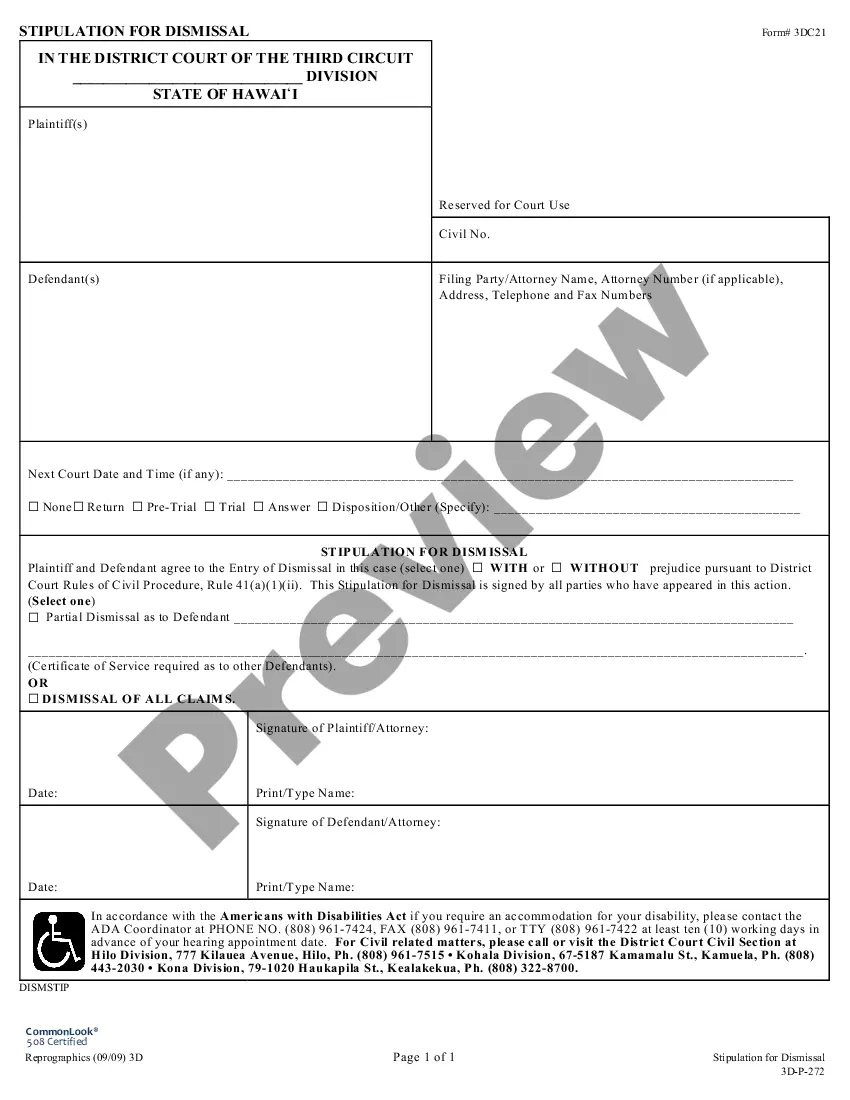
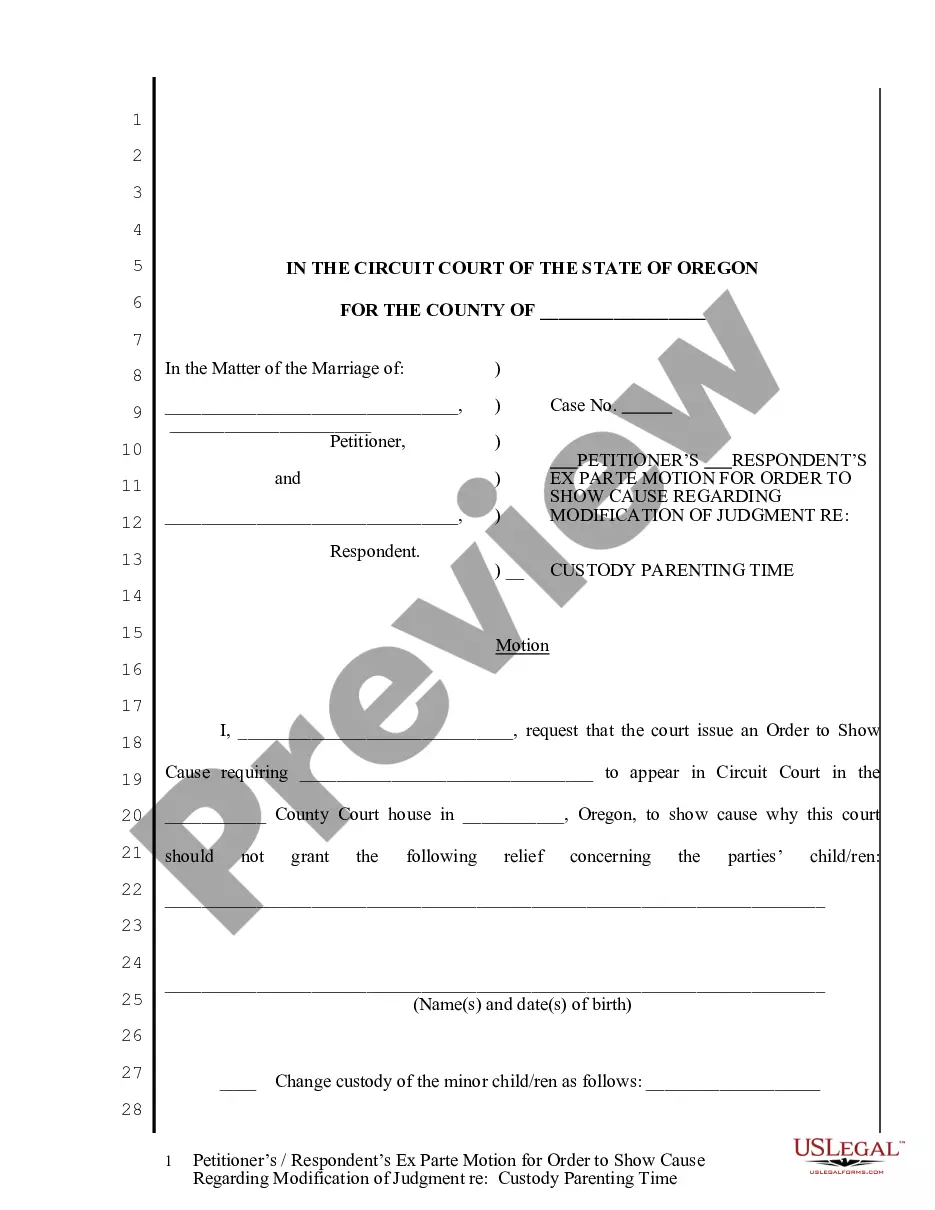
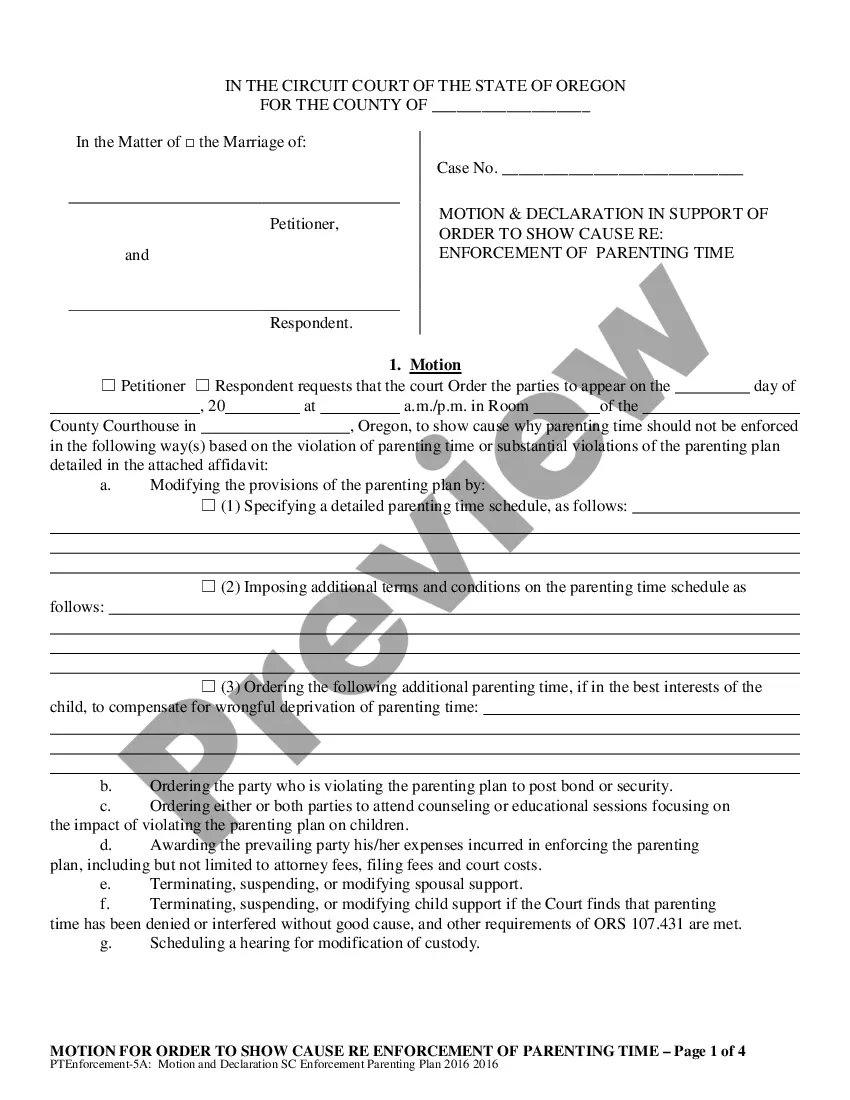
The Response to Show Cause Order is a court document used in Oregon domestic litigation. This form allows a party involved in a case to formally respond to a motion concerning issues like parenting plan enforcement. It ensures that both parties have the opportunity to present their positions before the court, distinguishing it from other legal forms by specifically addressing the request for a hearing related to enforcement actions.
Key components of this form
- Case caption indicating the parties involved and the case number.
- Section to identify if the filer's role is as Petitioner or Respondent.
- Request for a hearing regarding the enforcement of the parenting plan.
- Instructions for notifying the other party and their legal representation.
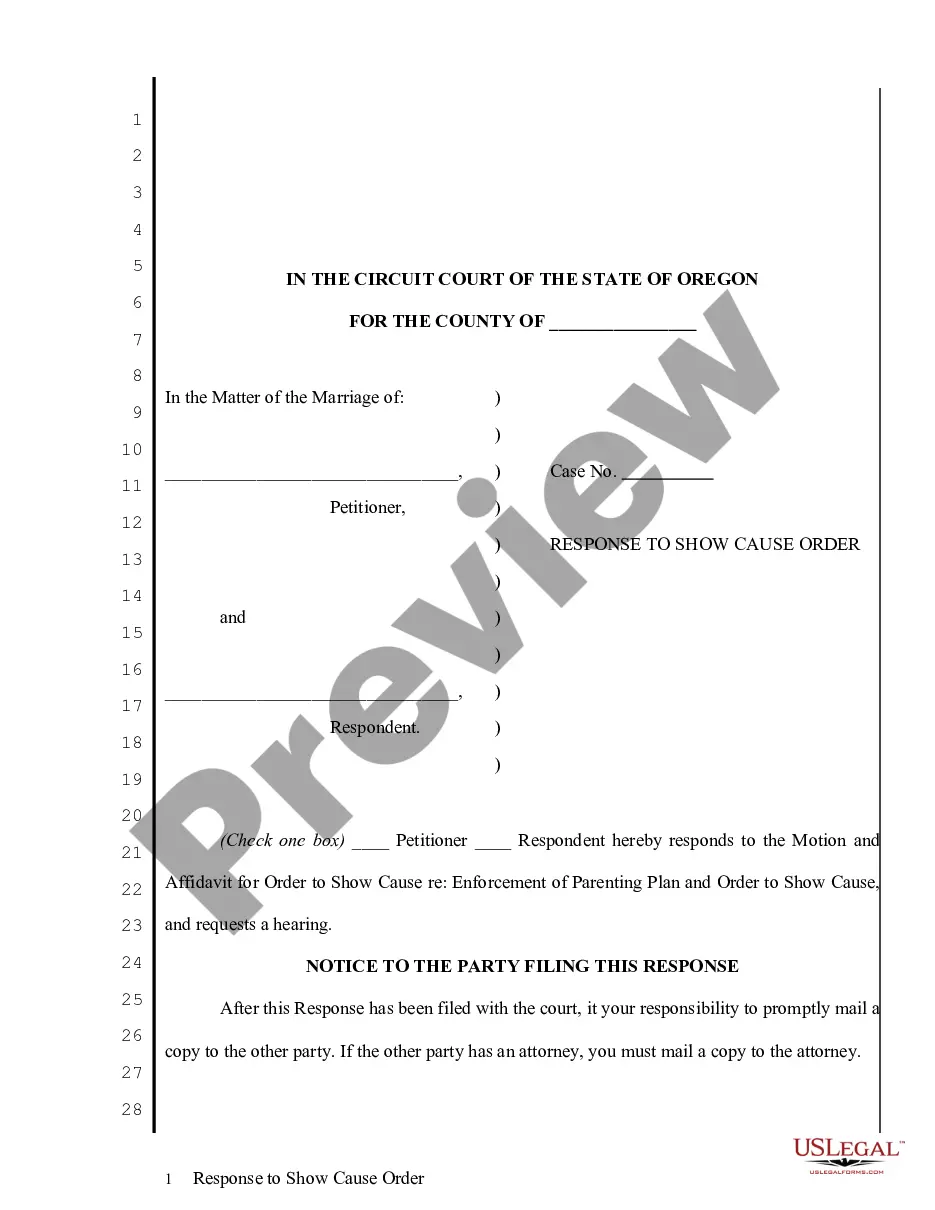
- Requirements for mediation participation and education program completion.
- Contact information fields, including mailing address and telephone number.
Common use cases
This form is typically used when one party in a domestic dispute is seeking enforcement of an existing parenting plan and has filed a motion for the court to address compliance. It is especially relevant in scenarios involving disputes over child custody or visitation issues where a parent believes the terms of the parenting plan are not being followed.
Who this form is for
- Individuals involved in a child custody or parenting plan enforcement case in Oregon.
- Either party who has received a Motion and Affidavit for Order to Show Cause.
- Parents or guardians seeking to voice their concerns related to parenting arrangements in court.
Instructions for completing this form
- Identify the parties involved by filling in the names of the Petitioner and Respondent.
- Check the appropriate box to indicate whether you are the Petitioner or Respondent.
- Enter the date of filing and provide your signature to authenticate the document.
- Fill in your mailing address and daytime telephone number for court correspondence.
- Mail a copy of the completed Response to the other party and their attorney, if applicable.
Does this document require notarization?
This form does not typically require notarization unless specified by local law. Always check the specific requirements for the court in which you are filing to ensure compliance.
Get your form ready online
Our built-in tools help you complete, sign, share, and store your documents in one place.
Make edits, fill in missing information, and update formatting in US Legal Forms—just like you would in MS Word.
Download a copy, print it, send it by email, or mail it via USPS—whatever works best for your next step.
Sign and collect signatures with our SignNow integration. Send to multiple recipients, set reminders, and more. Go Premium to unlock E-Sign.
If this form requires notarization, complete it online through a secure video call—no need to meet a notary in person or wait for an appointment.
We protect your documents and personal data by following strict security and privacy standards.

Make edits, fill in missing information, and update formatting in US Legal Forms—just like you would in MS Word.

Download a copy, print it, send it by email, or mail it via USPS—whatever works best for your next step.

Sign and collect signatures with our SignNow integration. Send to multiple recipients, set reminders, and more. Go Premium to unlock E-Sign.

If this form requires notarization, complete it online through a secure video call—no need to meet a notary in person or wait for an appointment.

We protect your documents and personal data by following strict security and privacy standards.
Common mistakes to avoid
- Failing to properly notify the other party about the filed response.
- Not checking the correct box for Petitioner or Respondent.
- Omitting important contact information such as your mailing address or phone number.
- Not filing the response by the required deadline, which could negatively impact your case.
- Skipping mediation without filing a Motion for Waiver, if necessary.
Why complete this form online
- Instant access to the form allows for quicker responses to legal proceedings.
- Downloadable and editable formats let you complete the document at your own pace.
- Forms are drafted by licensed attorneys, ensuring they meet legal standards.
- User-friendly process reduces the complexity of legal documentation.
Looking for another form?

Form popularity
FAQ
An order to show cause is a type of court order that requires one or more of the parties to a case to justify, explain, or prove something to the court. Courts commonly use orders to show cause when the judge needs more information before deciding whether or not to issue an order requested by one of the parties.
A response to an order to show cause typically requires you to show up in-person to the hearing. You can provide an answer to the order and state why you object to the order being issued.
A motion is the standard way to seek certain forms of relief from a court. An Order to Show Cause is often a quicker way to seek the same relief. It usually has some provision which directs you to do something or to refrain from doing something...
1 attorney answer As a general rule, the court will, on a contested motion, wait 10-12 days after the motion is docketed to see if an objection is filed. Once that time has passed, the clerk will give the motion and any...
Fill out your court forms. Have your forms reviewed. Make at least 2 copies of all your forms. File your forms with the court clerk. Serve your papers on the other parent. File your Proof of Service. Go to your court hearing.
The court will schedule a show cause hearing and order the custodial parent to appear and explain the failure to follow the visitation schedule. At the hearing, both parents will have the opportunity to tell their version of the events. The judge will determine what the facts are.
It's basically an order directing a party to appear in court and explain why that party took (or failed to take) some action, or why the court should or should not grant the requested relief.The main objective of the show cause hearing is to get the party who is not following the court's order to do so.
You may reschedule an order to show cause by submitting a request or motion for continuance with the court.