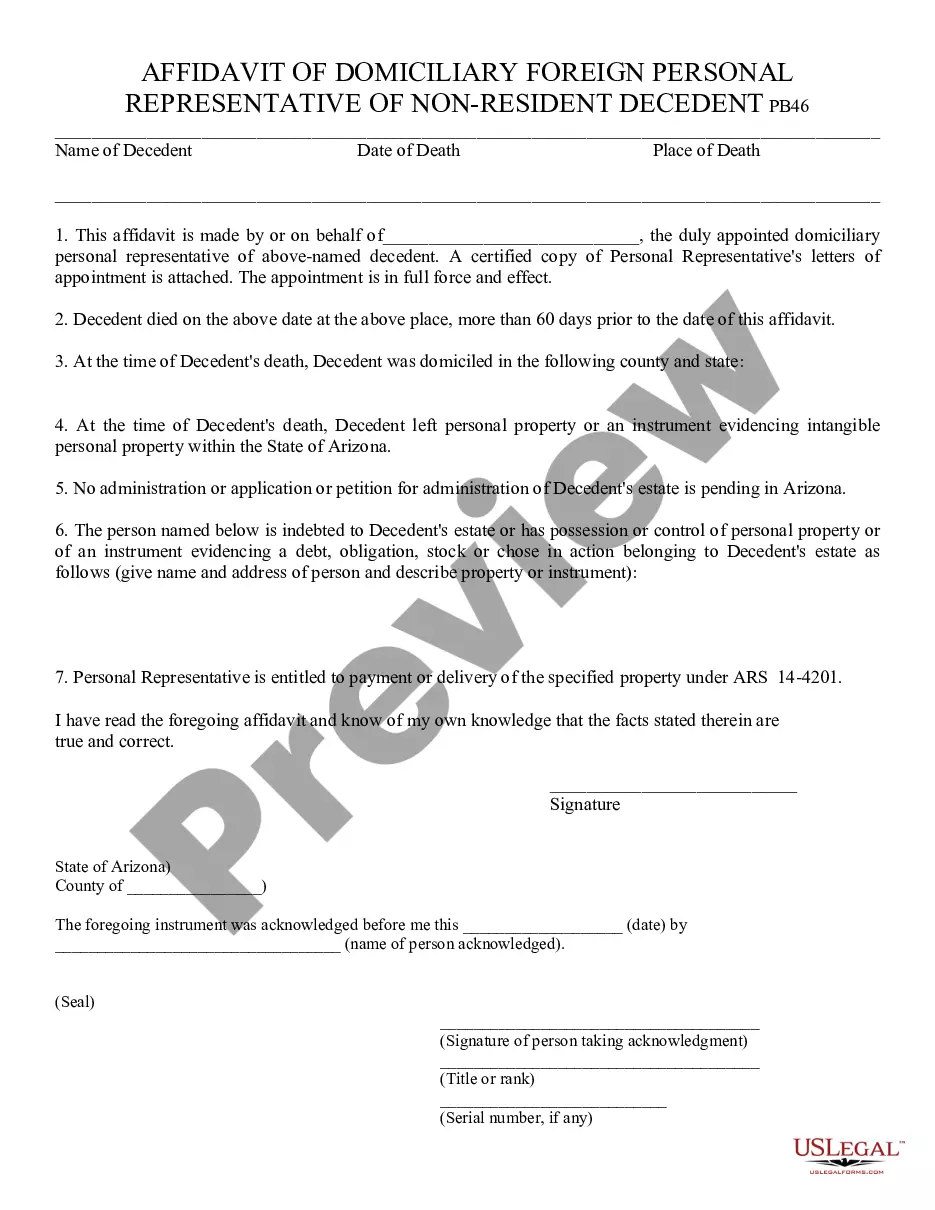
Oklahoma Financial Account Transfer to Living Trust
About this form
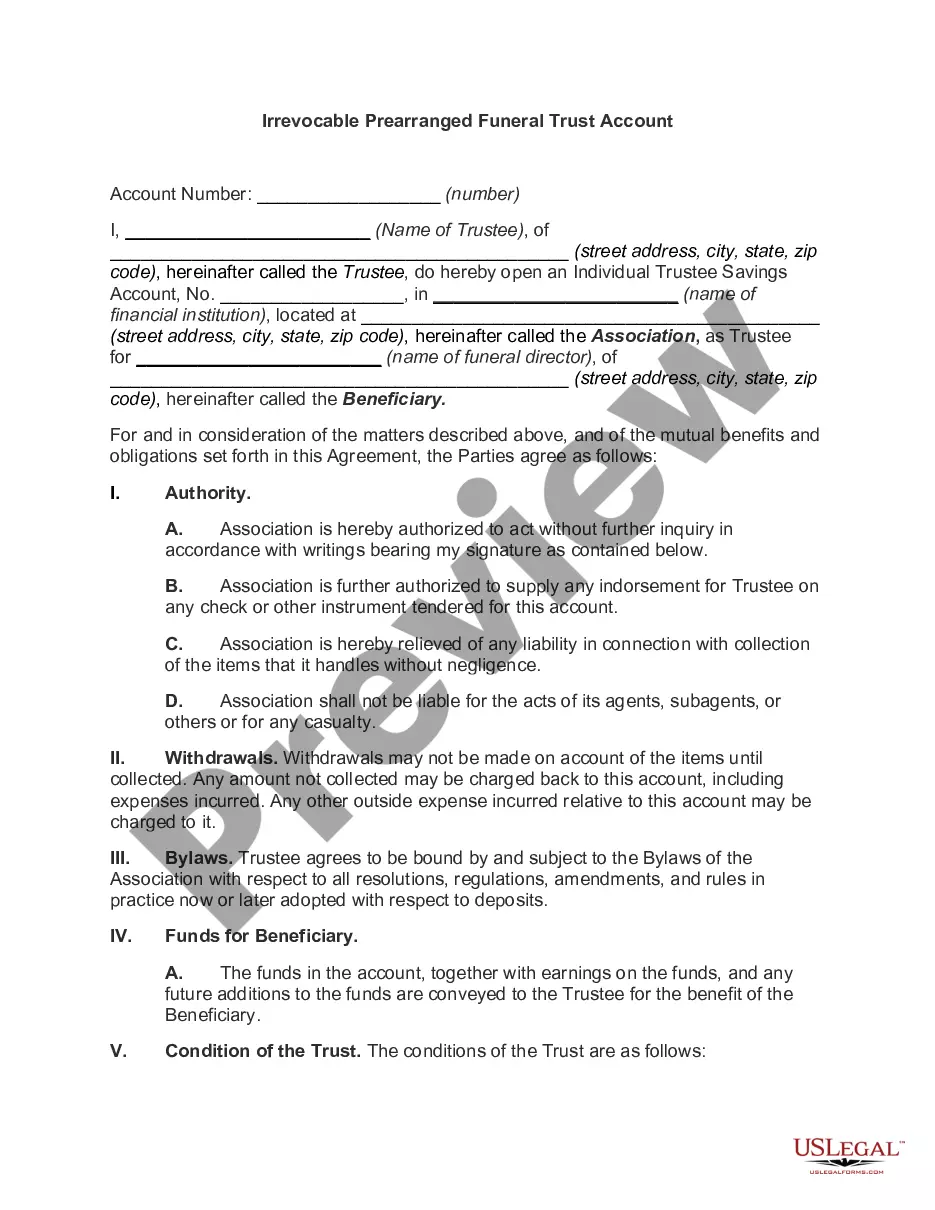
The Financial Account Transfer to Living Trust form facilitates the transfer of bank and other financial accounts into a living trust. A living trust is a legal structure created during a person's lifetime, allowing them to manage their assets efficiently. This form specifically assigns the rights and ownership of financial accounts from the Assignor(s) to the Assignee, typically the Trustee of the living trust, ensuring that these assets are controlled according to the terms of the trust. Unlike other legal documents, this form is tailored for transferring financial accounts directly, which is crucial for effective estate planning.
Key parts of this document
- Assignor(s) details: Names and signatures of the person(s) transferring the accounts.
- Assignee designation: Specifies that the accounts will be held in the name of the Trustee of the living trust.
- Account description: Clear identification of the financial accounts being transferred.
- Date of execution: Ensures that the transfer is recorded officially on a specific date.
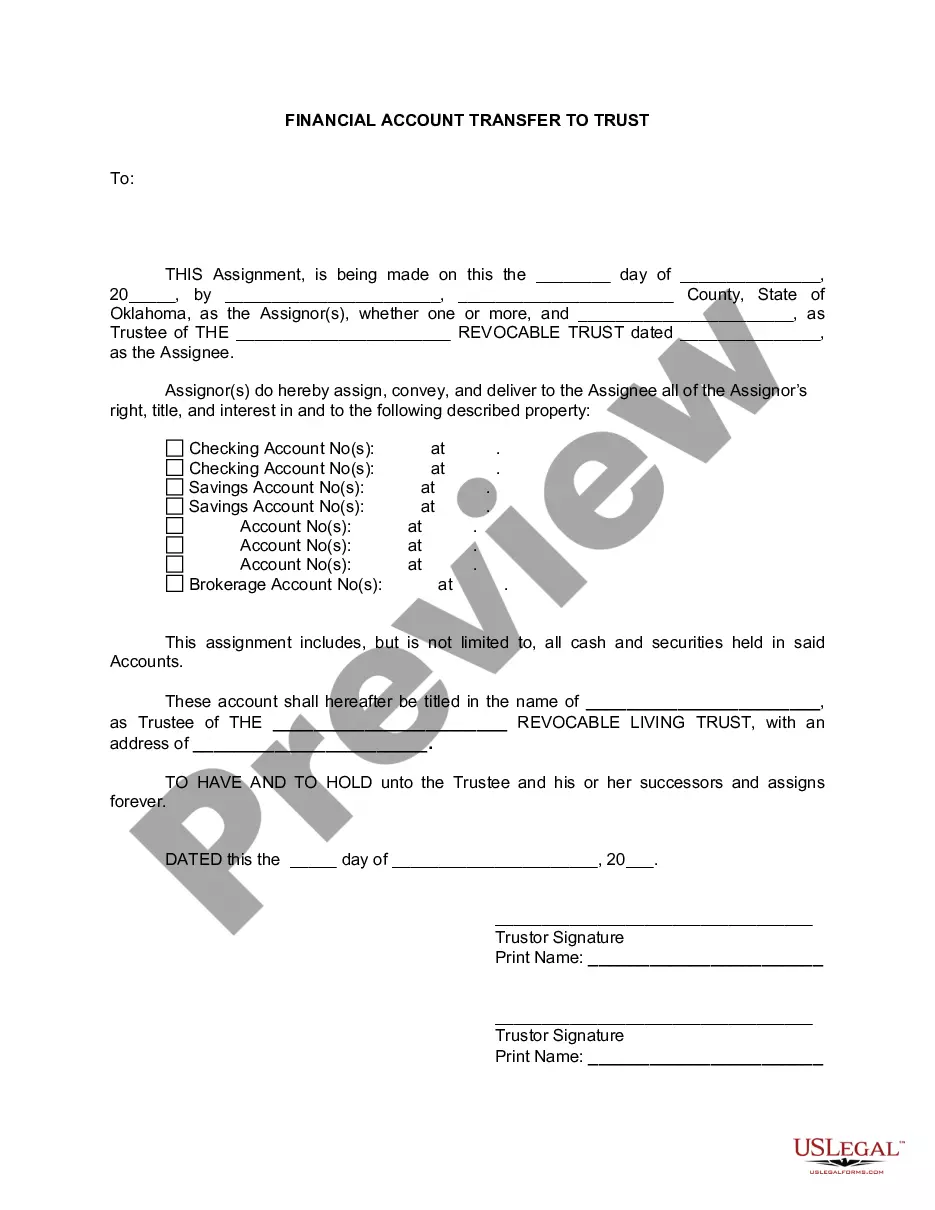
- Notary acknowledgment: Verification by a notary public to validate the signatures and the transfer.



Situations where this form applies
This form should be used when an individual wishes to transfer their financial accounts into a living trust. It's beneficial during estate planning to avoid probate and to ensure assets are managed according to the individual's wishes in their lifetime and after death. Common scenarios include when someone is setting up a new living trust or changing the ownership of existing accounts to facilitate better management and distribution of assets.
Intended users of this form
- Individuals creating or updating their living trust.
- Trustees who need to establish control over financial accounts held in a living trust.
- Anyone looking to simplify their estate management and avoid probate.
How to complete this form
- Identify the parties: Clearly list the Assignor(s) and Assignee's names.
- Specify the property: Clearly describe the financial accounts being transferred.
- Fill in the trust details: Include the name of the living trust and address of the Trustee.
- Enter the execution date: Document the date when the form is completed and signed.
- Obtain notarization: Sign in the presence of a notary public for validation.
Notarization requirements for this form
This form must be notarized to be legally valid. US Legal Forms provides secure online notarization powered by Notarize, allowing you to complete the process through a verified video call.
Get your form ready online
Our built-in tools help you complete, sign, share, and store your documents in one place.
Make edits, fill in missing information, and update formatting in US Legal Forms—just like you would in MS Word.
Download a copy, print it, send it by email, or mail it via USPS—whatever works best for your next step.
Sign and collect signatures with our SignNow integration. Send to multiple recipients, set reminders, and more. Go Premium to unlock E-Sign.
If this form requires notarization, complete it online through a secure video call—no need to meet a notary in person or wait for an appointment.
We protect your documents and personal data by following strict security and privacy standards.

Make edits, fill in missing information, and update formatting in US Legal Forms—just like you would in MS Word.

Download a copy, print it, send it by email, or mail it via USPS—whatever works best for your next step.

Sign and collect signatures with our SignNow integration. Send to multiple recipients, set reminders, and more. Go Premium to unlock E-Sign.

If this form requires notarization, complete it online through a secure video call—no need to meet a notary in person or wait for an appointment.

We protect your documents and personal data by following strict security and privacy standards.
Avoid these common issues
- Failing to describe the accounts adequately.
- Omitting the required signatures from all Assignor(s).
- Not having the document notarized when necessary.
- Leaving the date of execution blank.
Benefits of using this form online
- Convenience: Access and complete the form from anywhere, at any time.
- Easy editability: Make changes easily before finalizing your documents.
- Drafted by licensed attorneys: Ensures compliance with legal requirements.
Main things to remember
- The Financial Account Transfer to Living Trust form is essential for estate planning, transferring financial accounts into a trust.
- It is necessary to have the form notarized for legal validity.
- Proper completion ensures smooth management and distribution of assets.
Looking for another form?




Form popularity
FAQ
The process of funding your living trust by transferring your assets to the trustee is an important part of what helps your loved ones avoid probate court in the event of your death or incapacity. Qualified retirement accounts such as 401(k)s, 403(b)s, IRAs, and annuities, should not be put in a living trust.
You can transfer your home (or any real property) to the trust with a deed, a document that transfers ownership to the trust. A quitclaim deed is the most common and simplest method (and one you can do yourself).
When Should You Put a Bank Account into a Trust?More specifically, you can hold up to $166,250 of real or personal property outside a trust and avoid full probate in California. However, if you have more than $166,250 in a bank account, you should consider transferring it into your trust.
To fund a trust with your bank accounts, you will retitle the accounts into your trust's name. You should sign new signature and ownership cards to retitle any accounts or cash equivalents, including treasury bills, money market accounts, and certificates of deposit, into your Trust.
Houses and other real estate (even if they're mortgaged) stock, bond, and other security accounts held by brokerages (but think about naming a TOD beneficiary instead) small business interests (stock in a closely held corporation, partnership interests, or limited liability company shares)
Putting money in a trust lets you pass property to someone in a structured way, where you can impose rules. For example, you might say that your beneficiary can't use these funds to pay off debt. Or, you might impose rules on how old the beneficiary needs to be before she gains control over the money.
You cannot put your own money into most SNTs. If someone you know wants to leave assets for you in their will, they must state the name of the SNT in their will, not your name.
Take your trust documents to a bank or financial institution and open a trust fund bank account with the same name as the trust. You will need to provide the names and contact information of the trustees. You can either deposit a lump sum or pay into the trust over time.
Visit your local bank branch and let the branch manager or representative know you want to transfer your bank account into the trust. Give the bank representative a signed and notarized copy of your trust document. The bank will need to confirm that you're the owner and verify the name of the trust.