Ohio Newly Widowed Individuals Package
Overview of this form package
The Ohio Newly Widowed Individuals Package is a set of vital legal documents specifically designed for those who have recently lost a spouse. This package helps individuals organize their legal affairs effectively during a challenging time. By providing state-specific forms, this package ensures compliance with Ohio's legal requirements, making it easier to navigate the complexities of estate management and personal planning.
What’s included in this form package
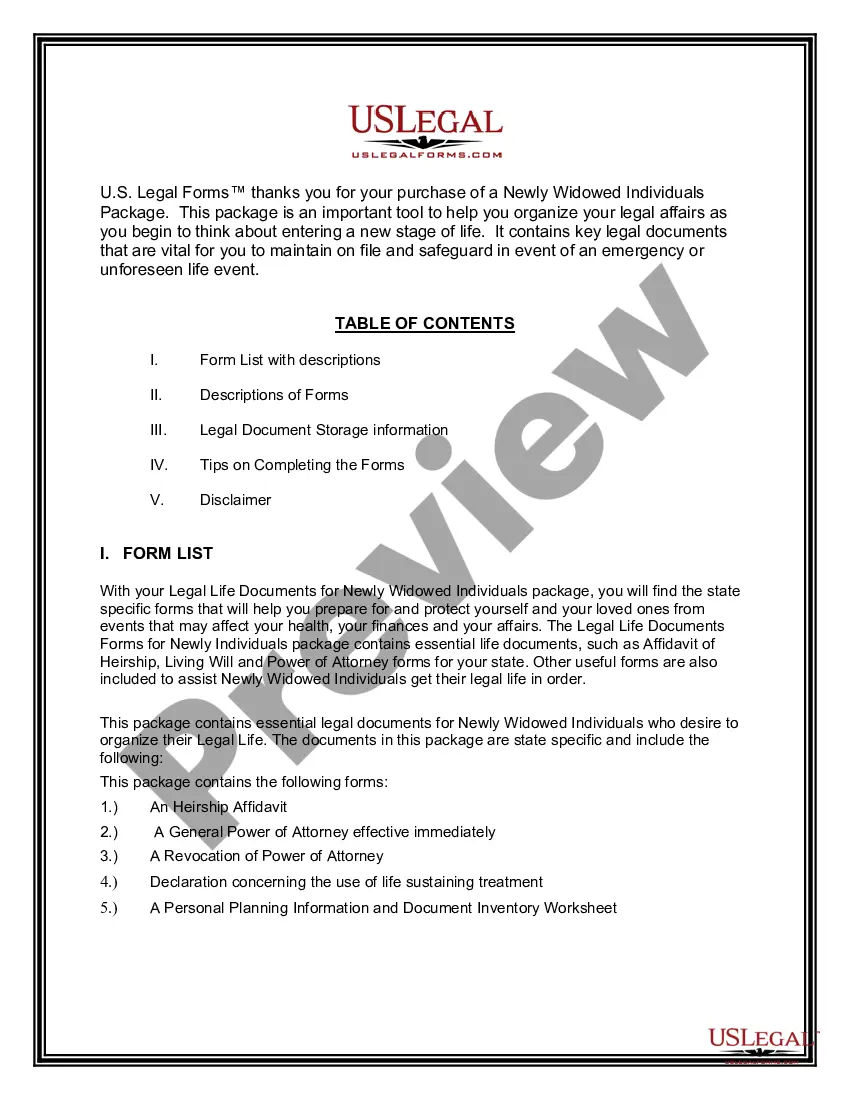
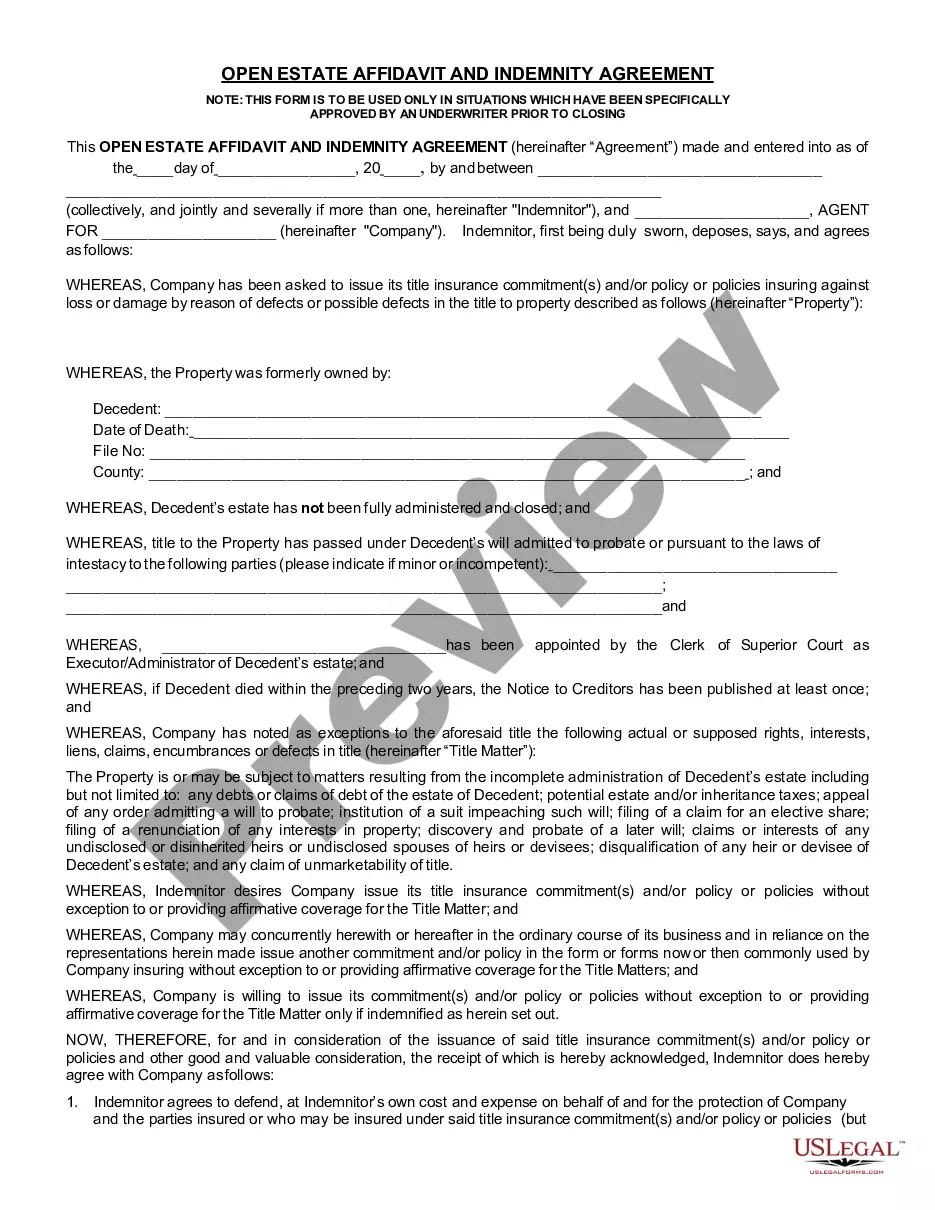
- Last Will and Testament
- Heirship Affidavit - Descent
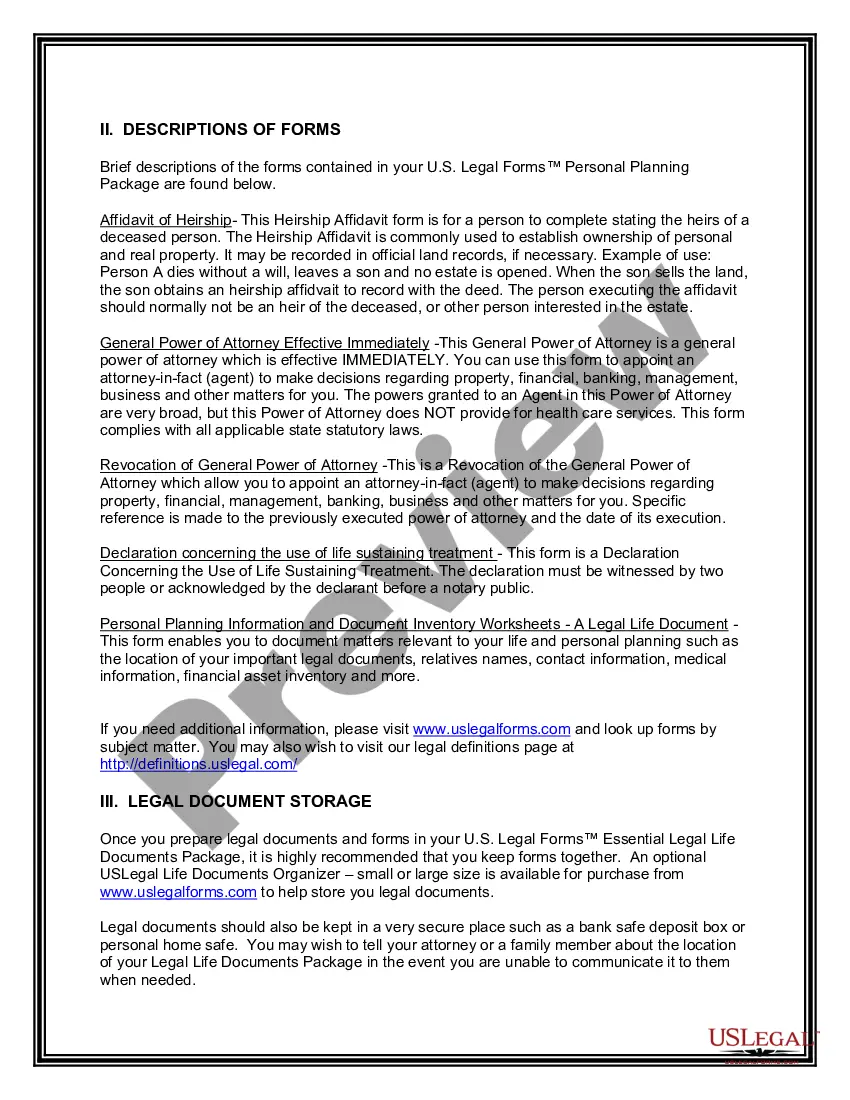
- General Durable Power of Attorney for Property and Finances or Financial Effective Immediately
- Revocation of General Durable Power of Attorney
- Living Will or Declaration concerning the use of life sustaining treatment
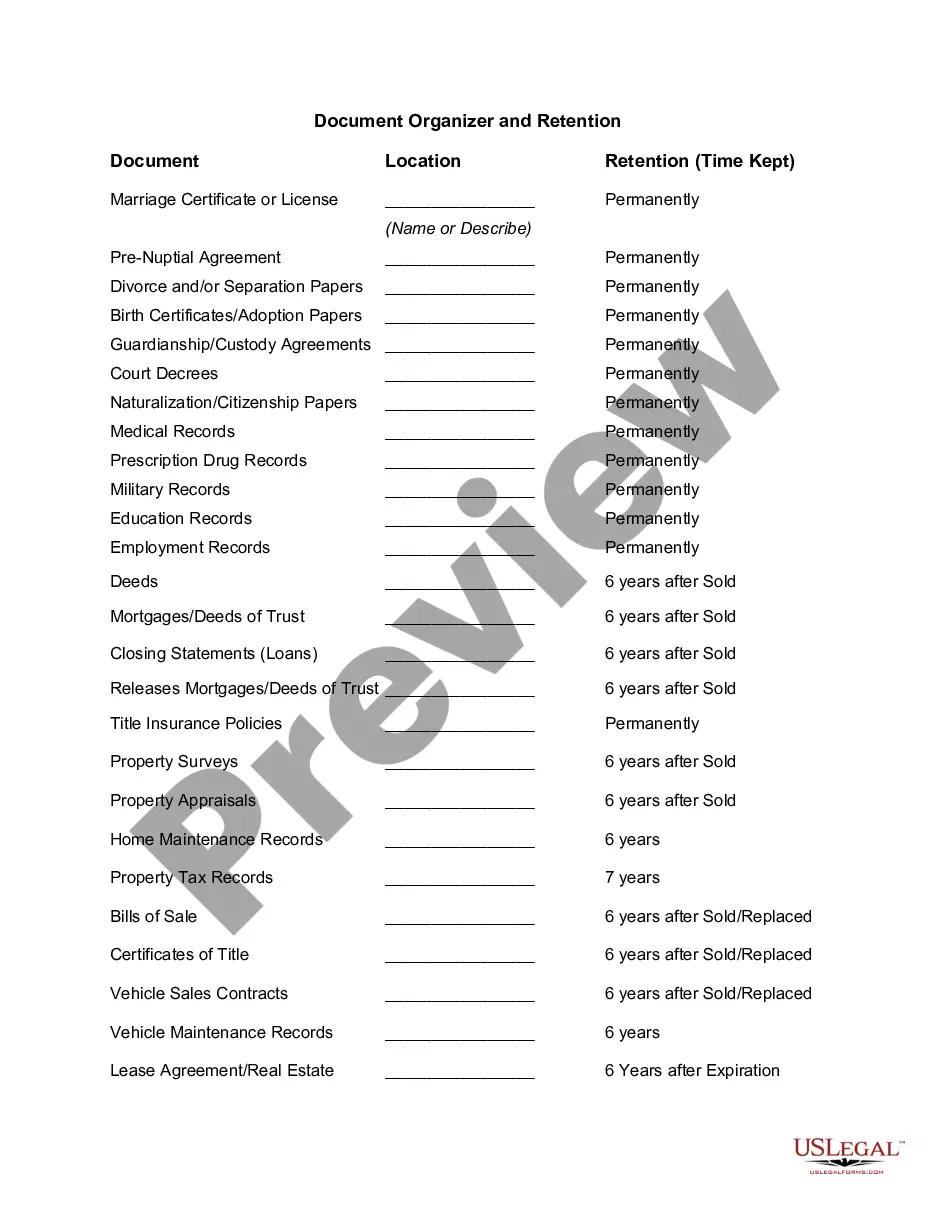
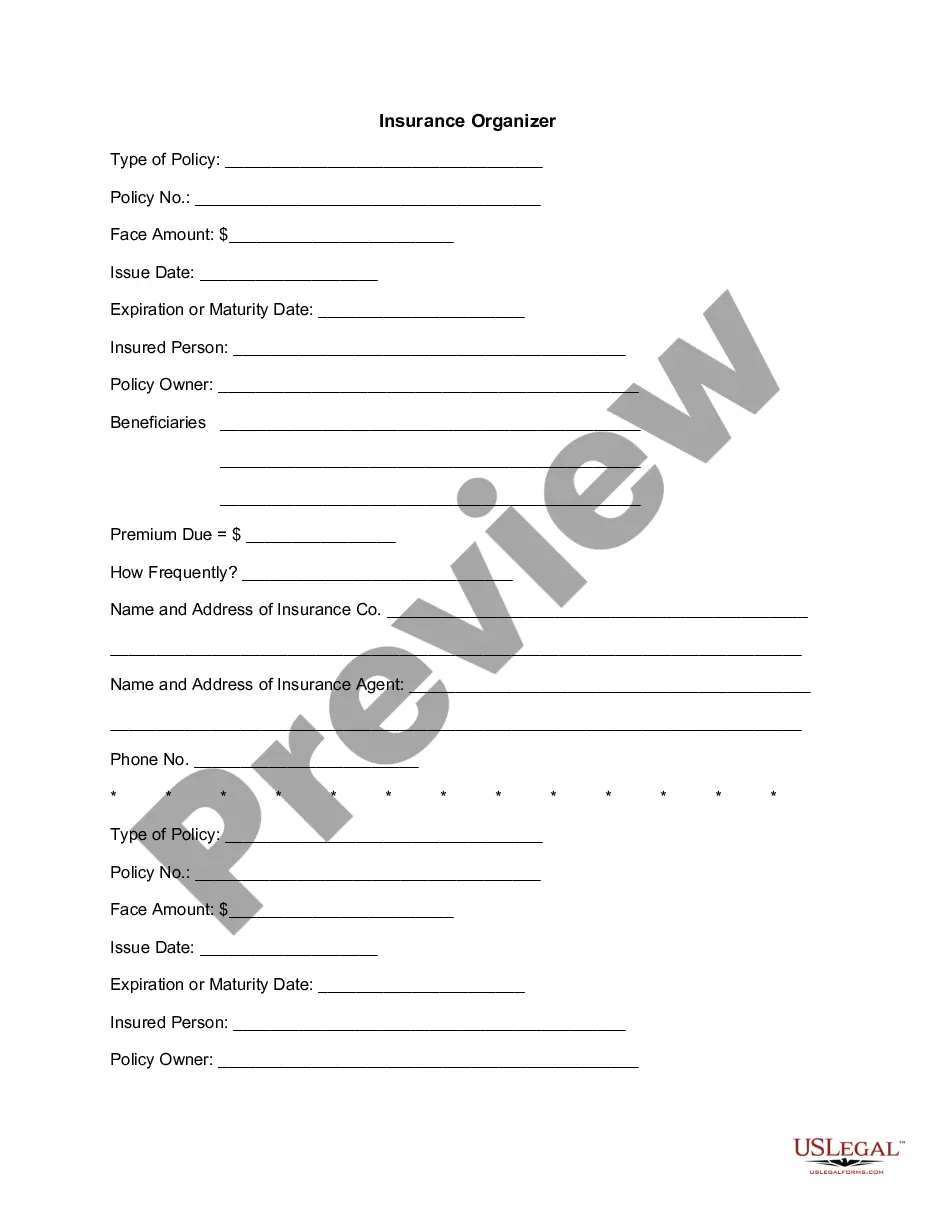
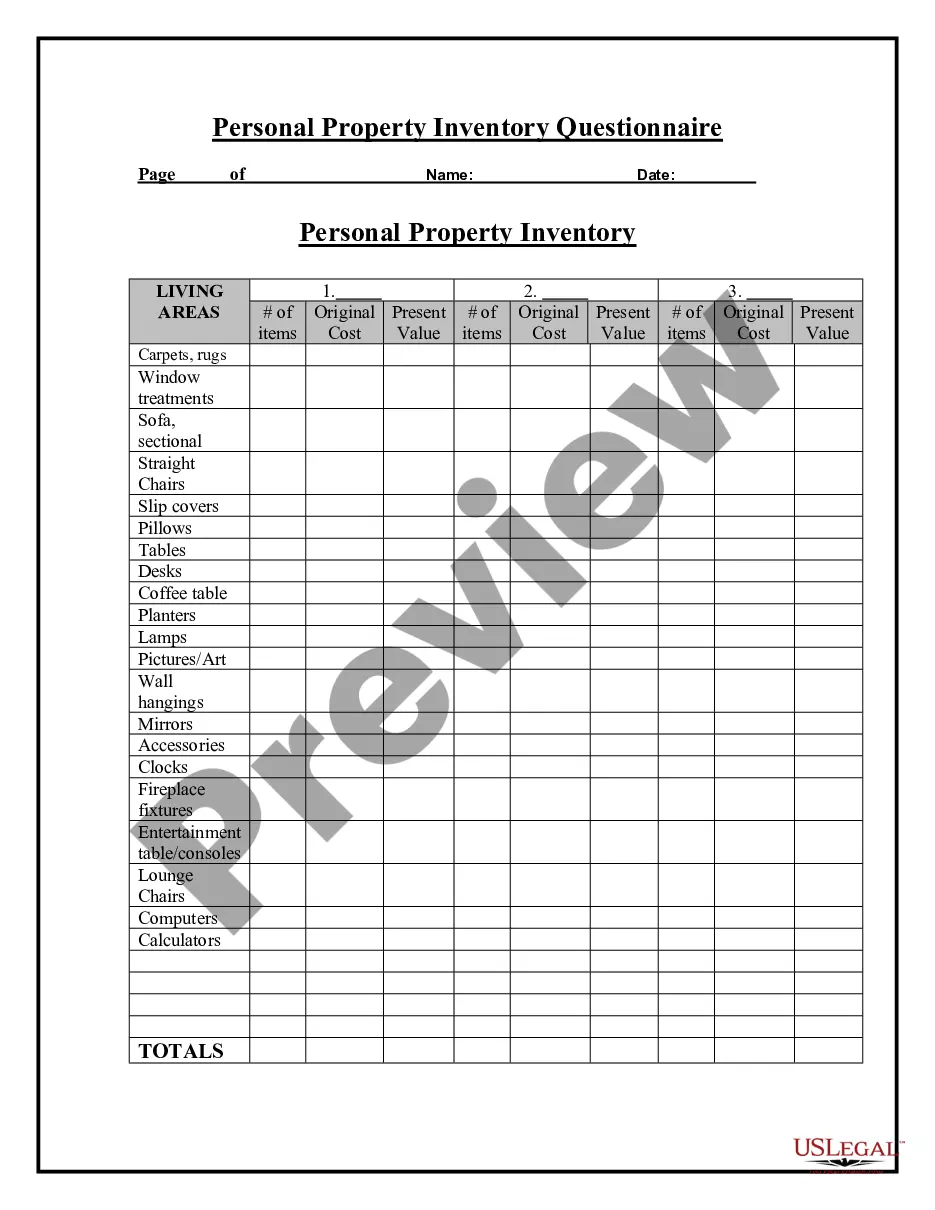
- Personal Planning Information and Document Inventory Worksheets - A Legal Life Document
Situations where these forms applies
This form package is ideal for recently widowed individuals who need to address various legal matters, such as:
- Determining the inheritance of assets
- Assigning someone to manage financial and legal decisions
- Making decisions about life-sustaining treatments
- Organizing personal information and documents for efficient future planning
Who this form package is for
- Individuals in Ohio who have recently become widowed
- Anyone looking to manage their legal and financial affairs after a spouse's death
- Those who need to organize essential documents regarding their healthcare and estate
Instructions for completing these forms
- Review each form included in the package to understand its purpose.
- Gather relevant information and documents needed for completion.
- Enter the required information in the provided fields accurately.
- Ensure any necessary signatures are completed, adhering to Ohio state laws.
- Store your completed documents securely, considering legal document storage best practices.
Notarization details for included forms
Certain documents in this package must be notarized for legal effectiveness. Our online notarization service, powered by Notarize, lets you verify and sign documents remotely through an encrypted video session, available anytime.
Get your form ready online
Our built-in tools help you complete, sign, share, and store your documents in one place.
Make edits, fill in missing information, and update formatting in US Legal Forms—just like you would in MS Word.
Download a copy, print it, send it by email, or mail it via USPS—whatever works best for your next step.
Sign and collect signatures with our SignNow integration. Send to multiple recipients, set reminders, and more. Go Premium to unlock E-Sign.
If this form requires notarization, complete it online through a secure video call—no need to meet a notary in person or wait for an appointment.
We protect your documents and personal data by following strict security and privacy standards.

Make edits, fill in missing information, and update formatting in US Legal Forms—just like you would in MS Word.

Download a copy, print it, send it by email, or mail it via USPS—whatever works best for your next step.

Sign and collect signatures with our SignNow integration. Send to multiple recipients, set reminders, and more. Go Premium to unlock E-Sign.

If this form requires notarization, complete it online through a secure video call—no need to meet a notary in person or wait for an appointment.

We protect your documents and personal data by following strict security and privacy standards.
Avoid these common issues
- Failing to sign or date documents where required.
- Not providing accurate or complete information on forms.
- Neglecting to have forms notarized or witnessed when necessary.
- Forgetting to store completed documents in a safe and accessible place.
Benefits of using this package online
- Convenience of downloading forms from home, eliminating the need for in-person visits.
- Editability allows customization of forms to fit individual needs.
- Reliability provided by forms drafted by licensed attorneys specific to Ohio law.
Key takeaways
- This package is specifically tailored for newly widowed individuals in Ohio.
- It includes essential documents to manage legal and personal affairs effectively.
- Completing these forms accurately and securely is crucial for ensuring legal compliance.
Looking for another form?
Form popularity
FAQ
It takes 30 to 60 days for survivors benefits payments to start after they are approved, according to the agency's website.
California is a community property state, which means that following the death of a spouse, the surviving spouse will have entitlement to one-half of the community property (i.e., property that was acquired over the course of the marriage, regardless of which spouse acquired it).
Widows and widowers Generally, spouses and ex-spouses become eligible for survivor benefits at age 60 50 if they are disabled provided they do not remarry before that age. These benefits are payable for life unless the spouse begins collecting a retirement benefit that is greater than the survivor benefit.
In most cases, a widow or widower qualifies for survivor benefits if he or she is at least 60 and had been married to the deceased for at least nine months at the time of death.
The earliest a widow or widower can start receiving Social Security survivors benefits based on age will remain at age 60. Widows or widowers benefits based on age can start any time between age 60 and full retirement age as a survivor.
There are two kinds of benefits that loved ones left behind may be entitled to receive after the death of a spouse. These are: Widowed parent's allowance. Bereavement allowance and bereavement payment.
Be at least age 60. Be the widow or widower of a fully insured worker. Meet the marriage duration requirement. Be unmarried, unless the marriage can be disregarded.
If you are the widow or widower of a person who worked long enough under Social Security, you can: Receive full benefits at full retirement age for survivors or reduced benefits as early as age 60.
For Your Widow Or WidowerWidows and widowers can receive: Reduced benefits as early as age 60 or full benefits at full retirement age or older. If widows or widowers qualify for retirement benefits on their own record, they can switch to their own retirement benefit as early as age 62.