New Hampshire Notice of Default in Payment of Rent as Warning Prior to Demand to Pay or Terminate for Residential Property
Description
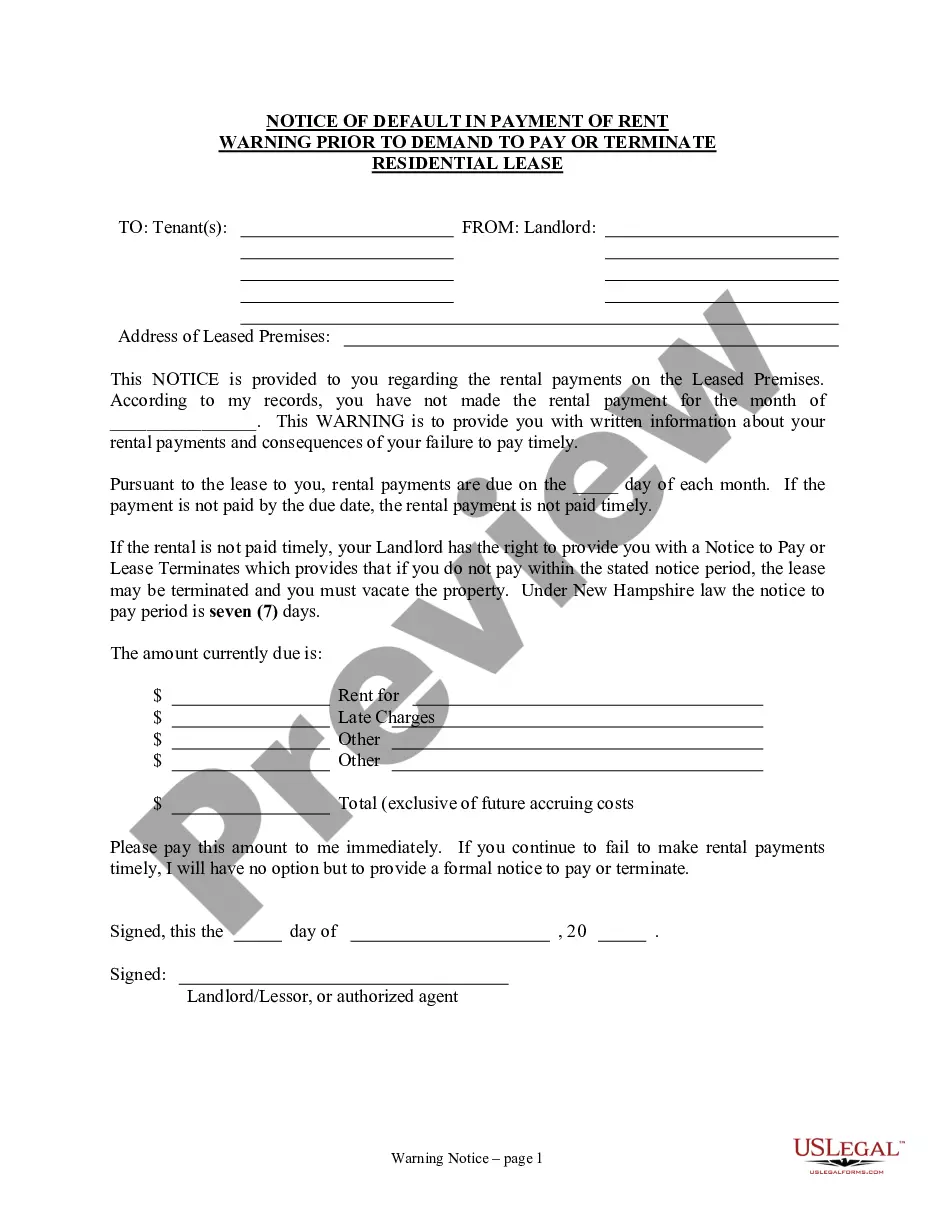
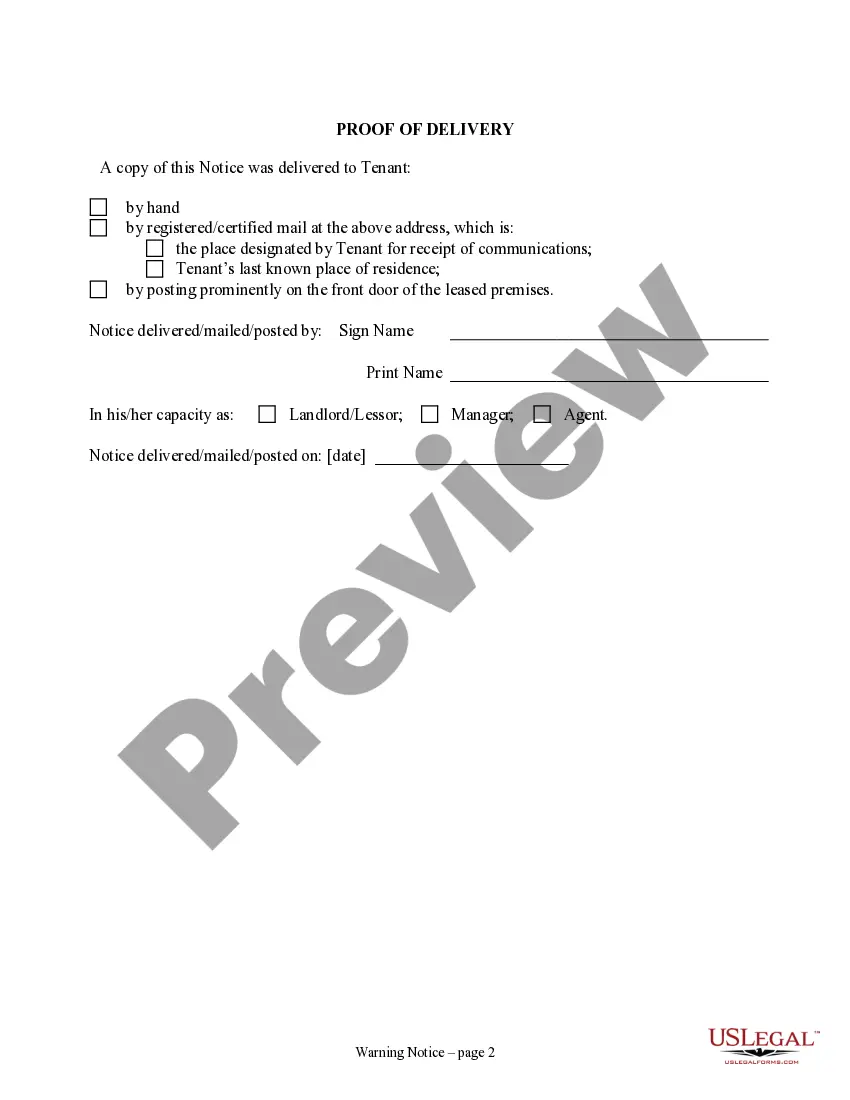
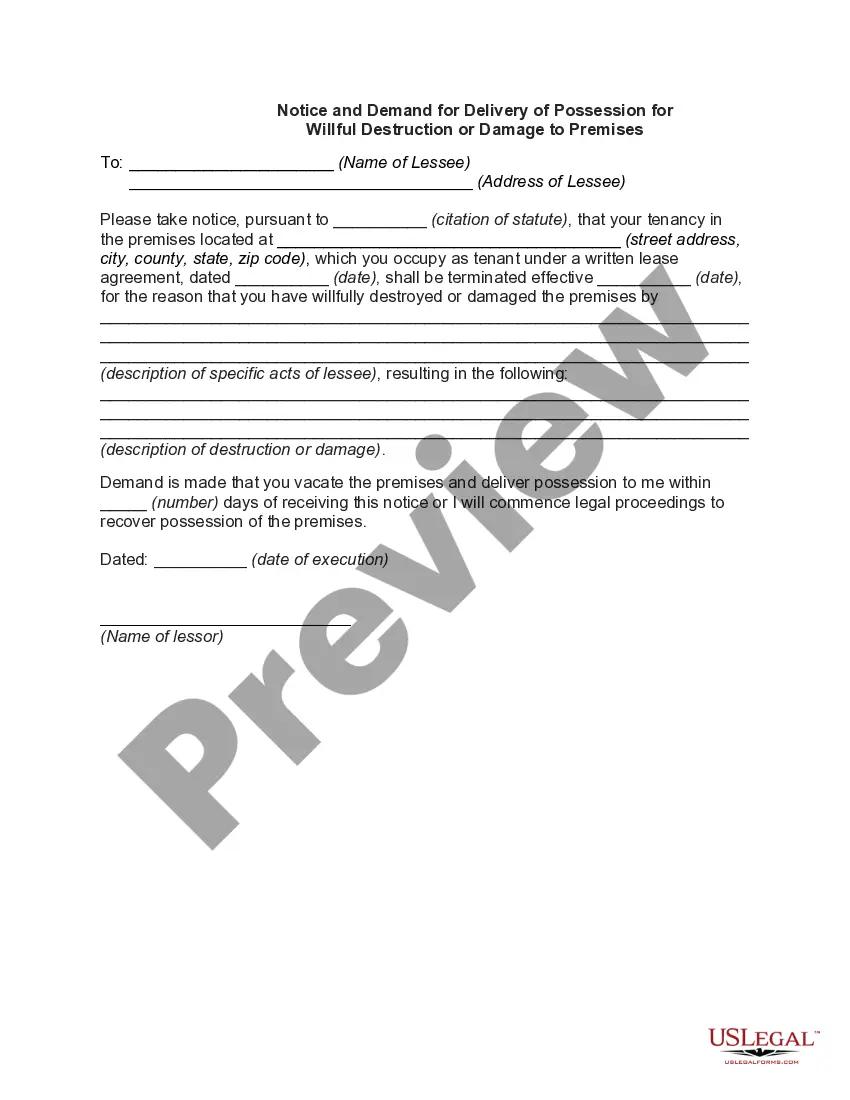
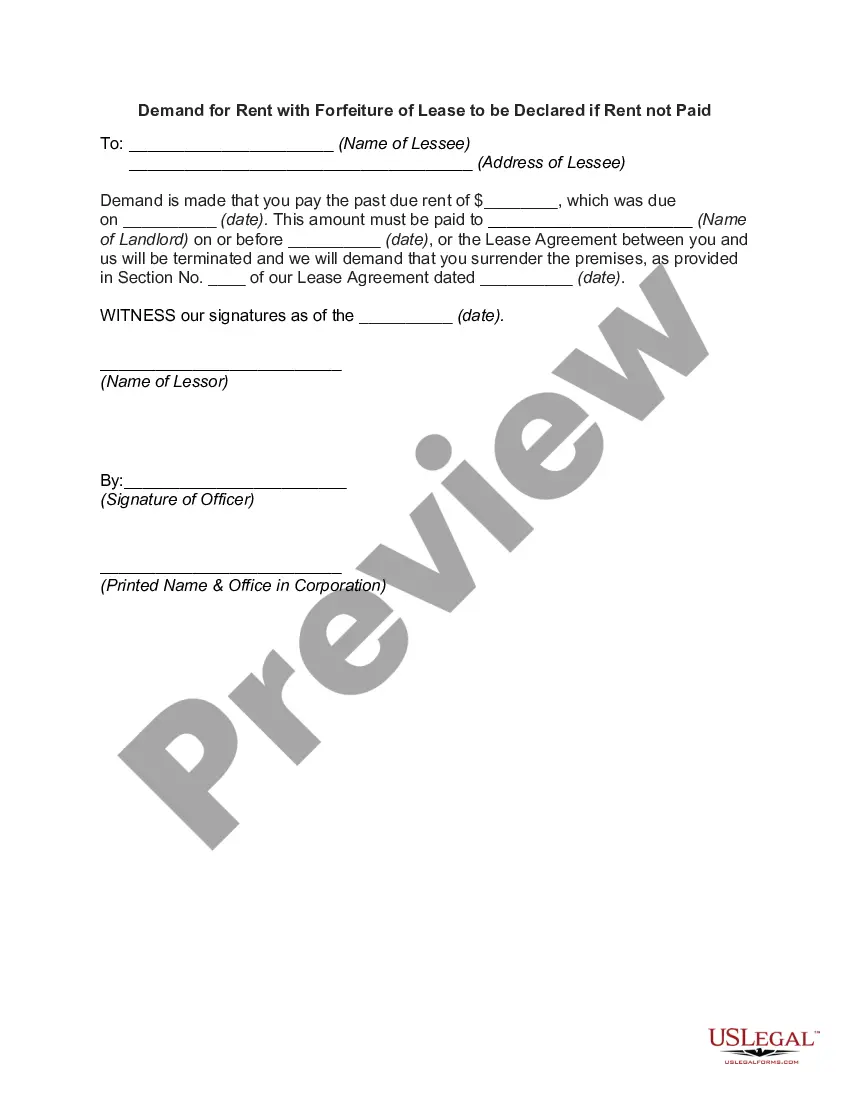
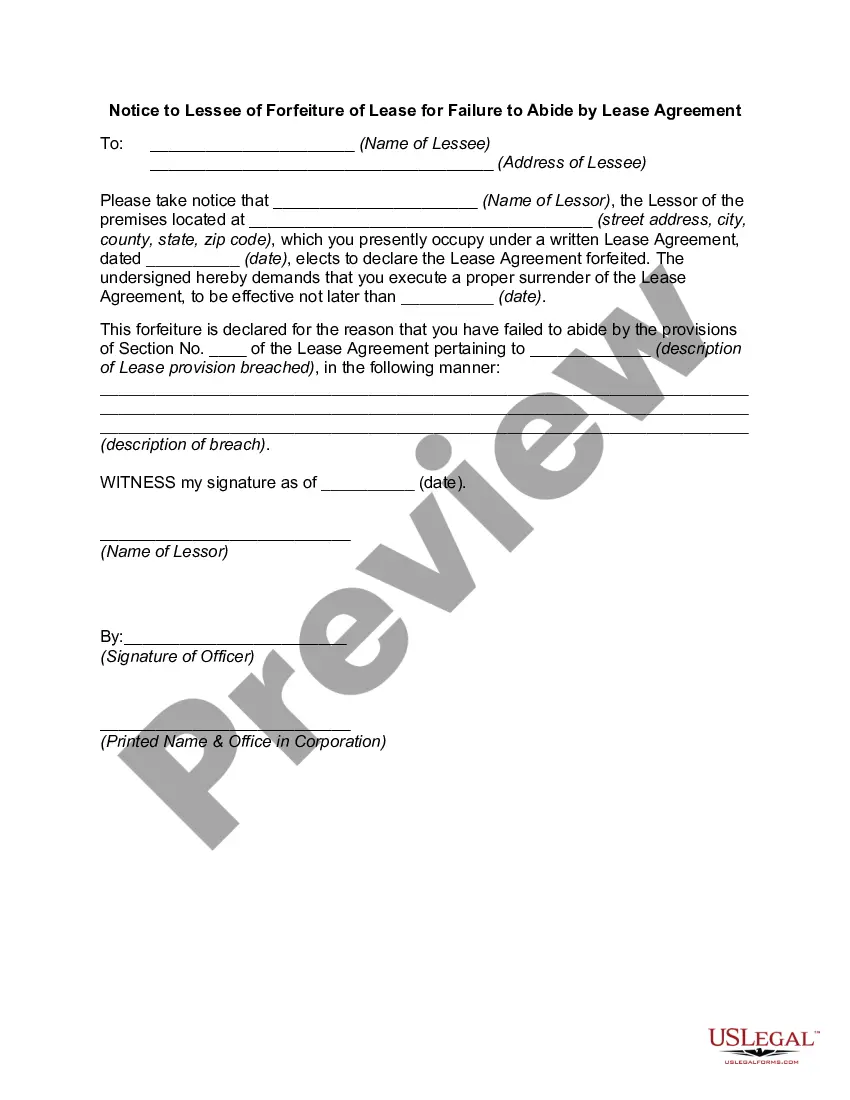

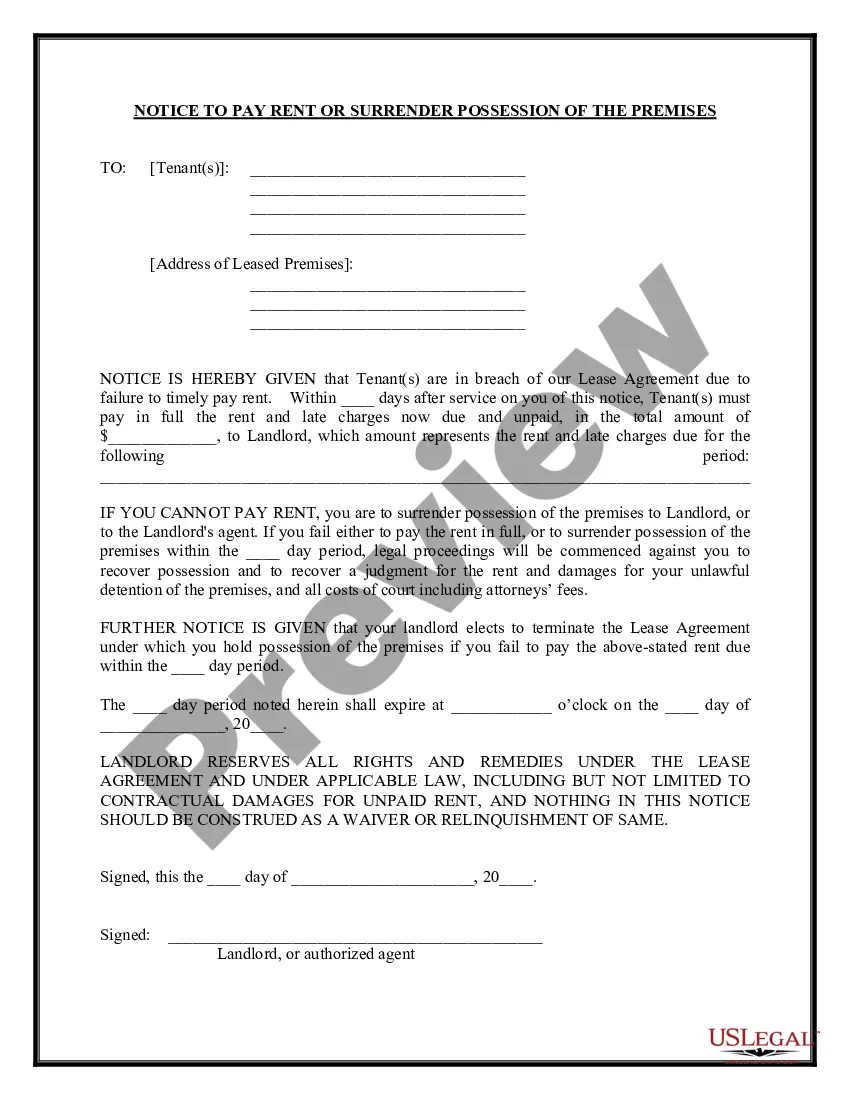
How to fill out New Hampshire Notice Of Default In Payment Of Rent As Warning Prior To Demand To Pay Or Terminate For Residential Property?
Avoid costly attorneys and find the New Hampshire Notice of Default in Payment of Rent as Warning Prior to Demand to Pay or Terminate for Residential Property you need at a reasonable price on the US Legal Forms website. Use our simple groups function to find and download legal and tax files. Go through their descriptions and preview them prior to downloading. Moreover, US Legal Forms enables customers with step-by-step instructions on how to obtain and fill out every single form.
US Legal Forms customers simply need to log in and download the particular document they need to their My Forms tab. Those, who have not got a subscription yet need to stick to the tips listed below:
- Make sure the New Hampshire Notice of Default in Payment of Rent as Warning Prior to Demand to Pay or Terminate for Residential Property is eligible for use in your state.
- If available, read the description and use the Preview option before downloading the templates.
- If you are confident the document fits your needs, click Buy Now.
- In case the template is wrong, use the search engine to get the right one.
- Next, create your account and choose a subscription plan.
- Pay out by card or PayPal.
- Choose to download the form in PDF or DOCX.
- Simply click Download and find your template in the My Forms tab. Feel free to save the template to the gadget or print it out.
Right after downloading, you are able to complete the New Hampshire Notice of Default in Payment of Rent as Warning Prior to Demand to Pay or Terminate for Residential Property manually or an editing software. Print it out and reuse the template multiple times. Do more for less with US Legal Forms!
Form popularity
FAQ
7 days is required for almost all evictions. 30 days is required for month-to-month leases. The notice must state the specific reason for eviction, and can be delivered in person, or left on their door. When the notice is up, issue a writ of summons.
Answer. Tenants have the right to "quiet enjoyment" of their home. Unless there is an emergency, your landlord or their agent must give you at least 24 hours' notice if they intend to visit.Apart from genuine emergencies, landlords cannot enter a tenant's home without their consent unless they have a court order.
A landlord can legally evict a tenant only by sending a written notice to the tenant. This written notice must be in the form of a "written notice to quit or leave" which is a legal document. Eviction for not paying rent, damages to the property or danger to the health or safety of others require seven days' notice.
7 days is required for almost all evictions. 30 days is required for month-to-month leases. The notice must state the specific reason for eviction, and can be delivered in person, or left on their door. When the notice is up, issue a writ of summons.
A. In a month-to-month tenancy, the landlord may raise the rent after giving the tenant 45 days' written notice.
The landlord can enter without consent, however they must provide you with a proper notice to enter that: Gives the required minimum notice for the state you live in;No notice is required for an emergency to do urgent repairs or if the landlord is concerned about your welfare.
Usually, 2 months' notice is required unless the tenancy agreement states otherwise. Your landlord may need to give you more than 2 months' notice if you have a contractual periodic tenancy. You should check your contract to ensure that your landlord has given you the correct amount of notice.
Your landlord only needs to give 'reasonable notice' to quit. Usually this means the length of the rental payment period so if you pay rent monthly, you'll get one month's notice. The notice does not have to be in writing.
They have to give you at least 28 days notice, but this could be longer depending on your agreement. If you don't leave by the time your notice ends, your landlord has to go to court to get a court order to make you leave.