Special Verdict Form; Special Interrogatories
What this document covers
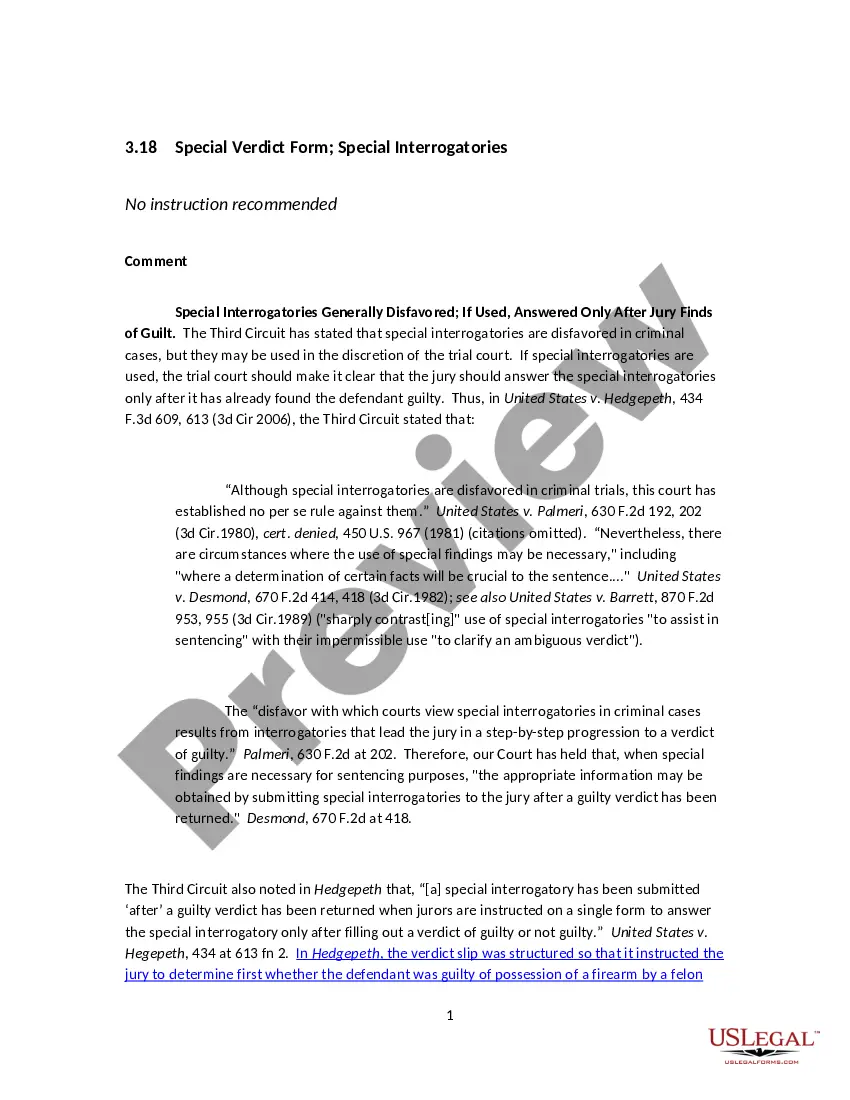
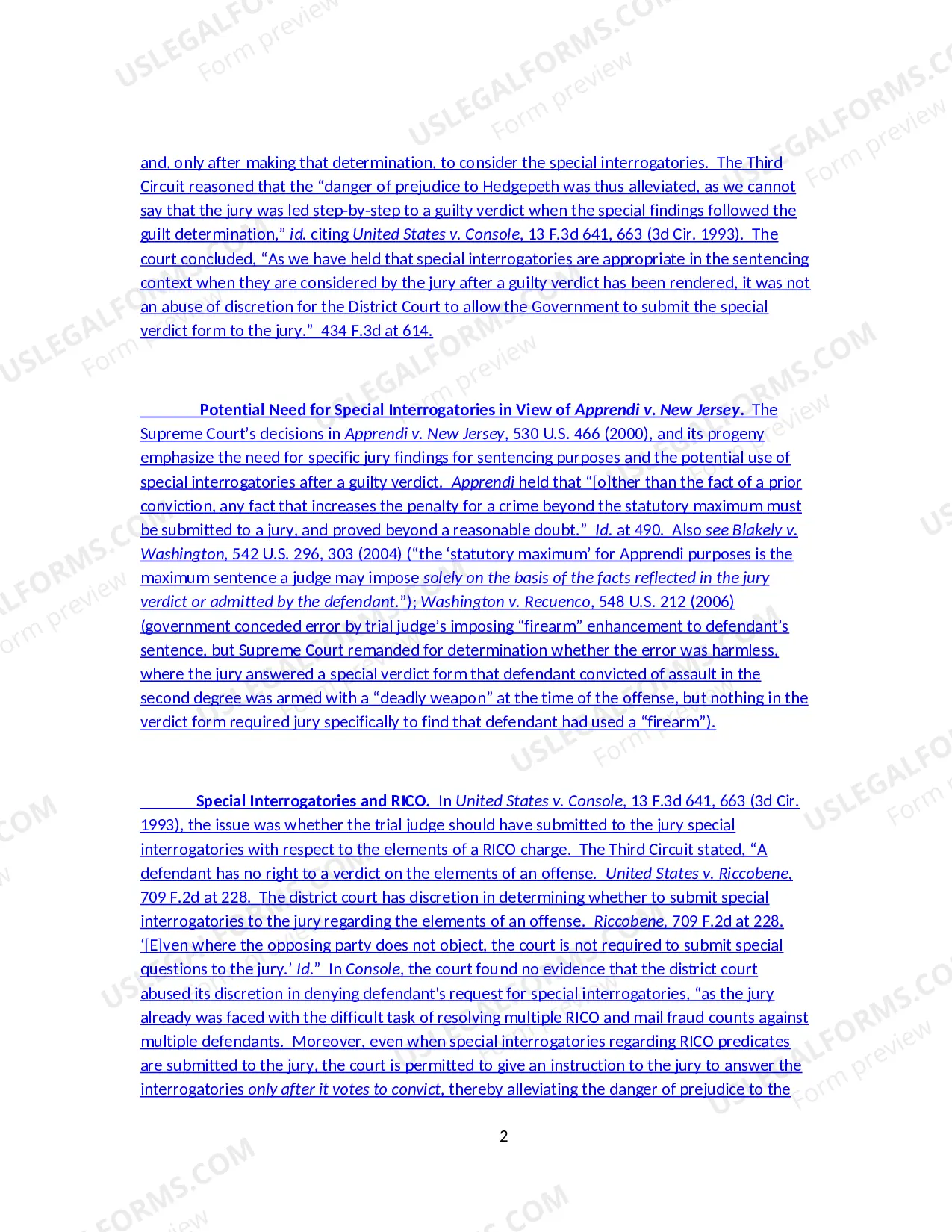
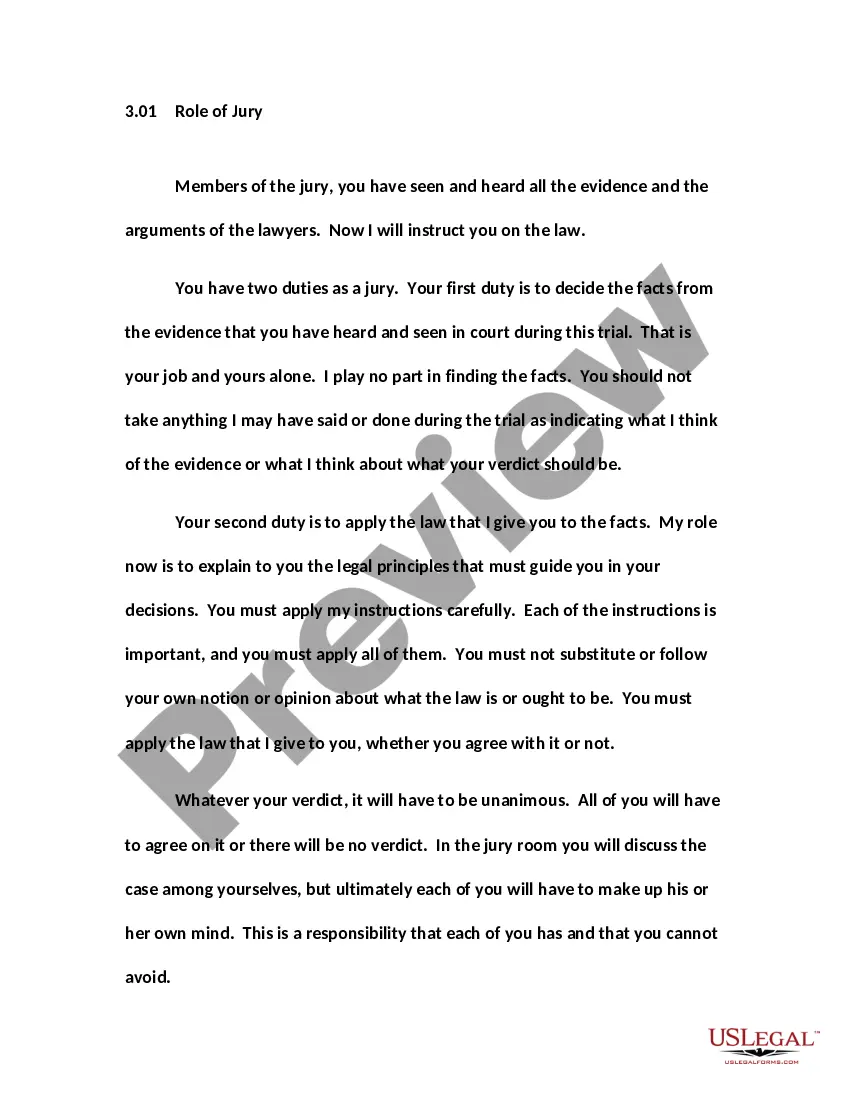
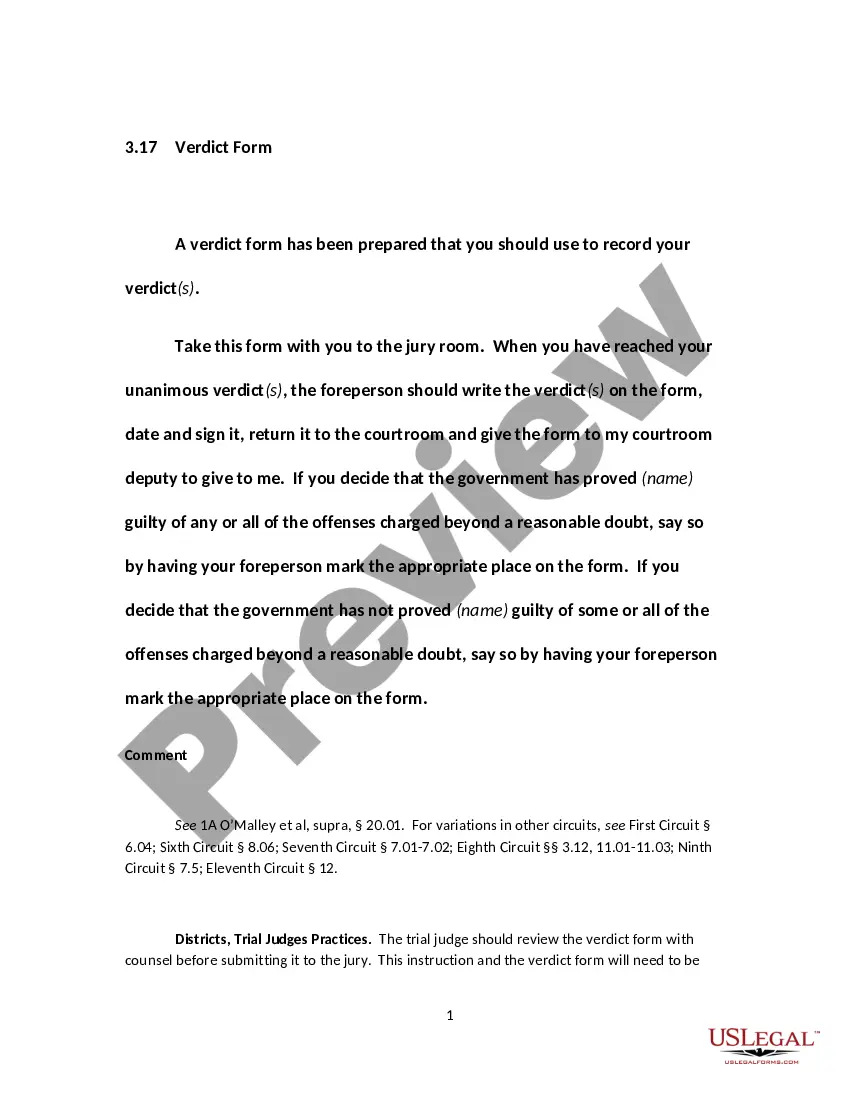
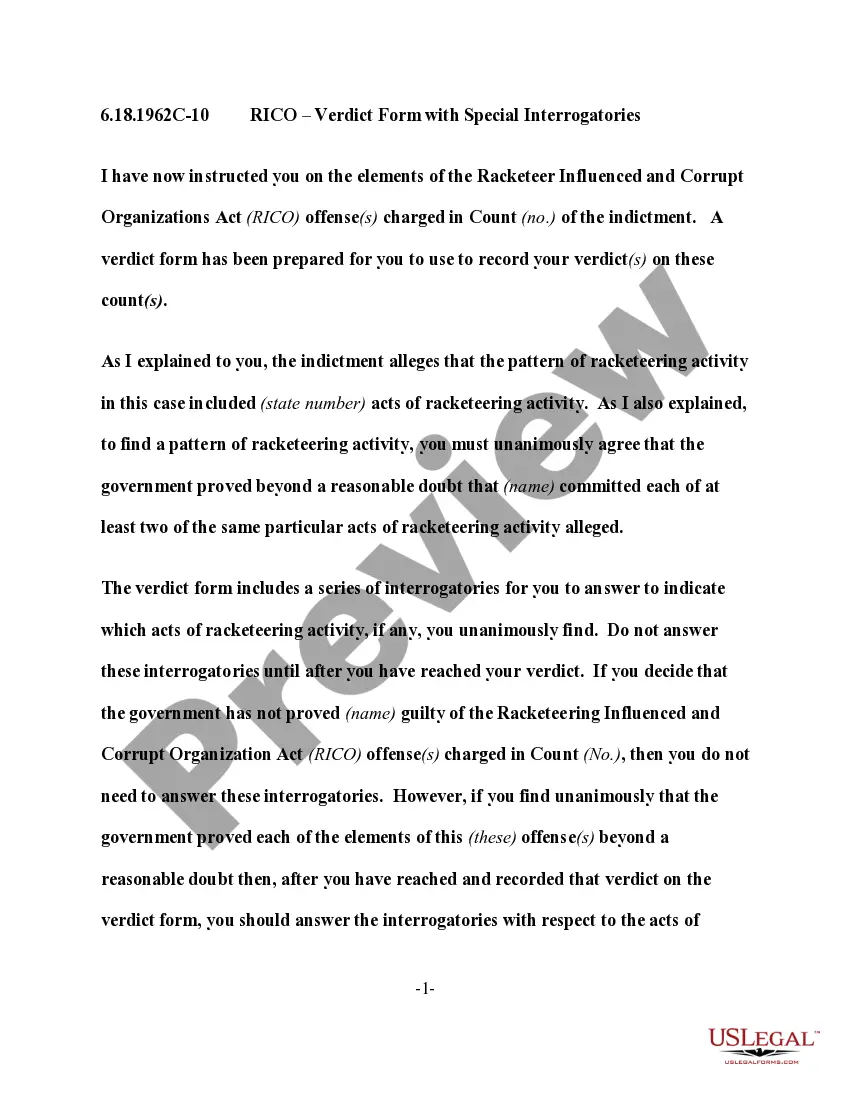
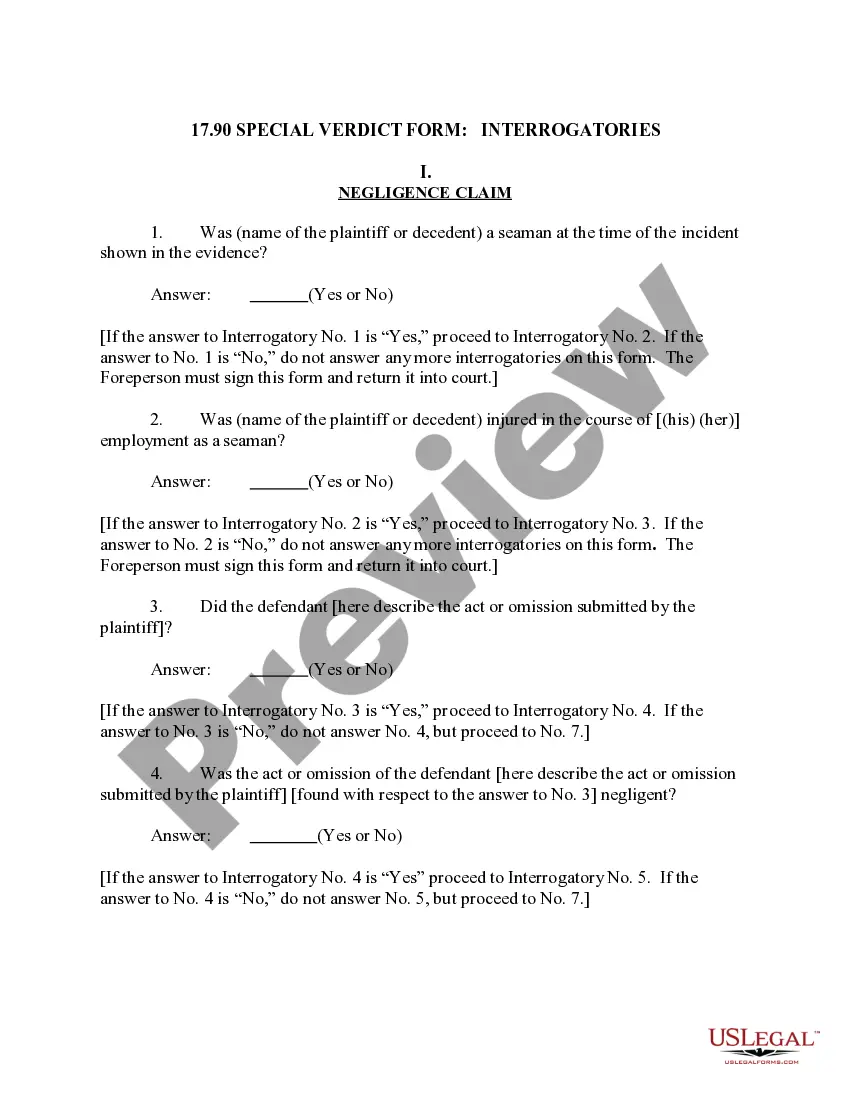
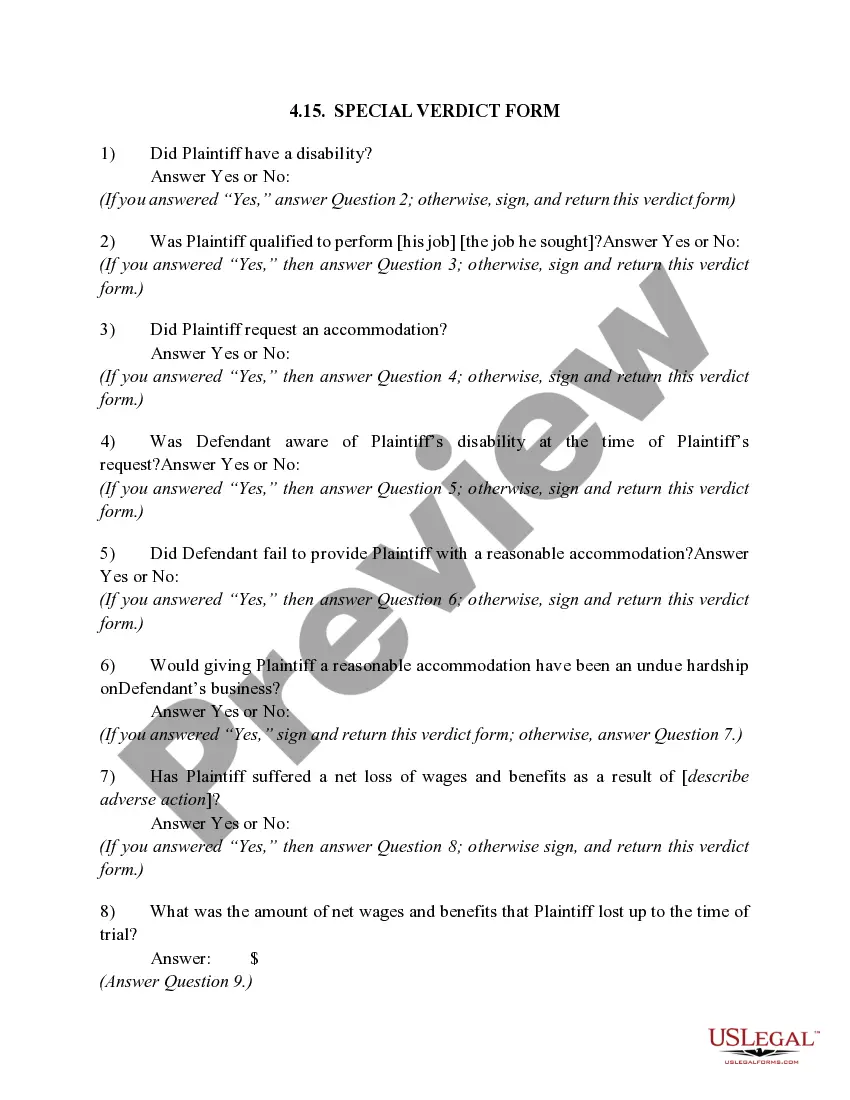
The Special Verdict Form; Special Interrogatories is a legal document used in the context of criminal trials. It allows a jury to provide detailed findings on certain facts after they determine a defendant's guilt. This form is important because, while special interrogatories are generally disfavored, they can offer necessary clarifications for sentencing purposes, particularly in complex cases. It differs from other forms by requiring that special questions be answered only after a guilty verdict is rendered.
Form components explained
- Instructions for the jury to answer special interrogatories after finding guilt.
- Clear structure specifying the process for answering the questions.
- Guidance based on relevant legal precedents regarding the necessity of special interrogatories.
- Criteria for when special interrogatories may be deemed appropriate.
- Sections dedicated to specific offenses or circumstances where special findings may impact sentencing, like RICO or firearm charges.
Common use cases
This form should be used in criminal cases where the court finds it necessary to obtain specific factual determinations from the jury post-verdict. Examples include cases involving RICO charges, certain drug offenses, or when the sentencing depends on particular elements that must be established by the jury.
Who needs this form
- Judges overseeing criminal trials where the use of special interrogatories is considered.
- Prosecutors who need to clarify certain factual points for sentencing.
- Defense attorneys seeking to understand how special findings may impact their client's case.
- Jurors who are instructed to use the form as part of their deliberation process.
Instructions for completing this form
- Determine the guilty verdict before addressing the special interrogatories.
- Read the instructions clearly, including any legal background provided.
- Respond to each special interrogatory carefully based on the evidence presented in the trial.
- Ensure that each answer reflects the jury's consensus post-verdict.
- Sign the form as required to validate the findings.
Does this form need to be notarized?
Notarization is generally not required for this form. However, certain states or situations might demand it. You can complete notarization online through US Legal Forms, powered by Notarize, using a verified video call available anytime.
Get your form ready online
Our built-in tools help you complete, sign, share, and store your documents in one place.
Make edits, fill in missing information, and update formatting in US Legal Forms—just like you would in MS Word.
Download a copy, print it, send it by email, or mail it via USPS—whatever works best for your next step.
Sign and collect signatures with our SignNow integration. Send to multiple recipients, set reminders, and more. Go Premium to unlock E-Sign.
If this form requires notarization, complete it online through a secure video call—no need to meet a notary in person or wait for an appointment.
We protect your documents and personal data by following strict security and privacy standards.

Make edits, fill in missing information, and update formatting in US Legal Forms—just like you would in MS Word.

Download a copy, print it, send it by email, or mail it via USPS—whatever works best for your next step.

Sign and collect signatures with our SignNow integration. Send to multiple recipients, set reminders, and more. Go Premium to unlock E-Sign.

If this form requires notarization, complete it online through a secure video call—no need to meet a notary in person or wait for an appointment.

We protect your documents and personal data by following strict security and privacy standards.
Common mistakes
- Answering special interrogatories before a guilty verdict has been reached.
- Failing to follow the specific structure or instructions outlined in the form.
- Not consulting relevant legal precedents that support the use of special interrogatories.
- Overlooking potential legal implications of the answers provided.
Benefits of using this form online
- Convenience of immediate access and easy download from any location.
- Editability to allow users to customize answers before finalization.
- Reliable templates designed by licensed attorneys to ensure legal compliance.
- Step-by-step guidance on how to complete the form effectively.
Legal use & context
- This form is intended for use in criminal trials to clarify specific findings required for sentencing.
- Its use is governed by legal precedents emphasizing the necessity of factual determinations by the jury.
- Failure to properly use this form may result in legal challenges or sentences exceeding permissible limits.
Looking for another form?



Form popularity
FAQ
A verdict in which the jury gives its findings on factual issues in the case, without necessarily stating which party should win.
A general verdict is one that decides which party should win but does not make findings on any specific factual issues. A special verdict is one in which the jury provides its findings on specific factual issues.
A general verdict is one that decides which party should win but does not make findings on any specific factual issues. A special verdict is one in which the jury provides its findings on specific factual issues.
A general verdict with special interrogatories is sort of an amalgam of both a general and special verdict. It instructs the jury to return a general verdict, while also answering specific questions of fact.
The verdict form, in turn, formalizes the jury's decisions on the case, telling us how it will answer the claims and defenses. Its structure and language could influence the jury's ultimate answers. It may also control what issues may be raised on appeal.
(b) General Verdict Accompanied by Answer to Interrogatories. The court may submit to the jury, together with appropriate forms for a general verdict, written interrogatories upon one or more issues of fact the decision of which is necessary to a verdict.