Verdict Form
Understanding this form
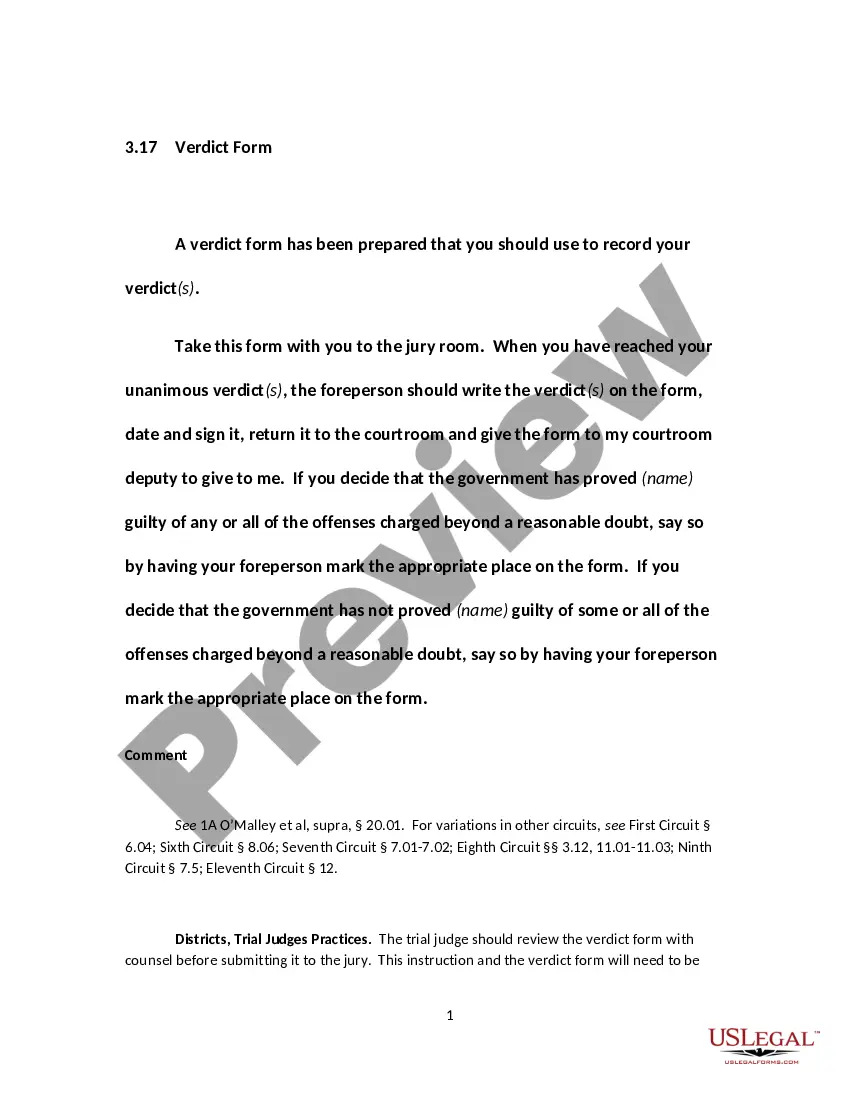
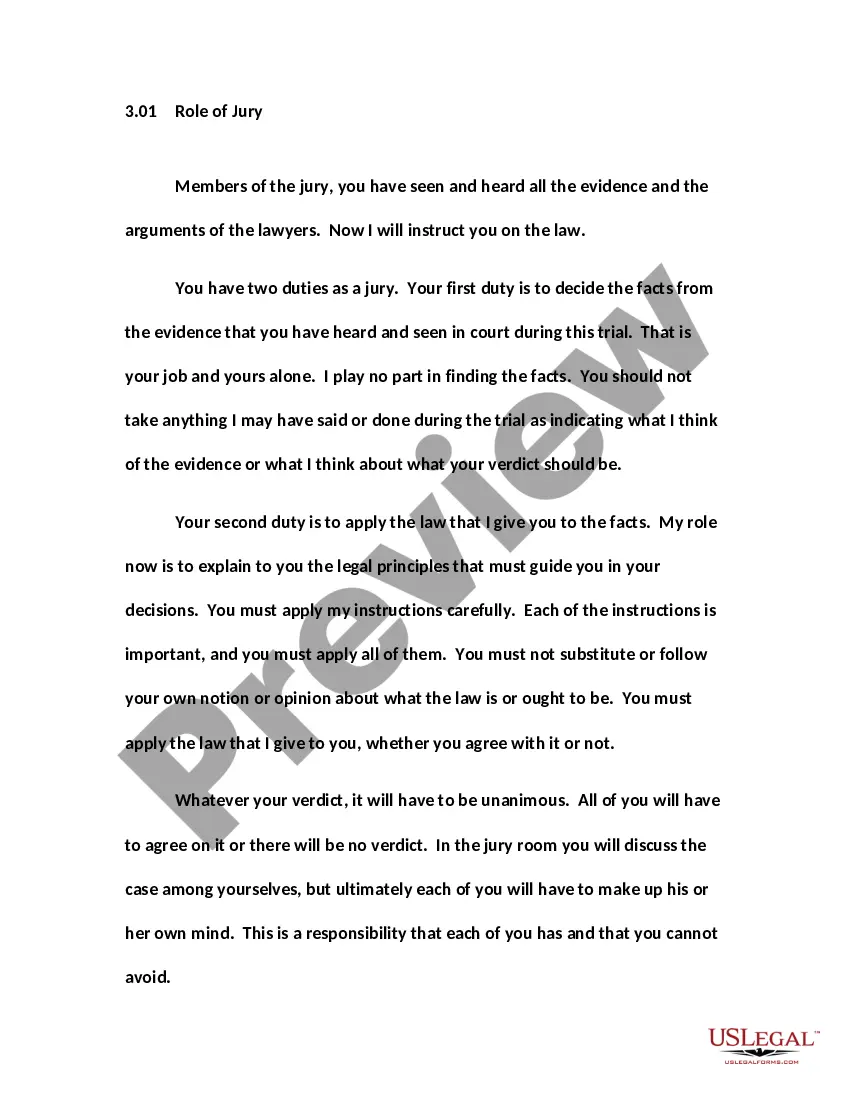
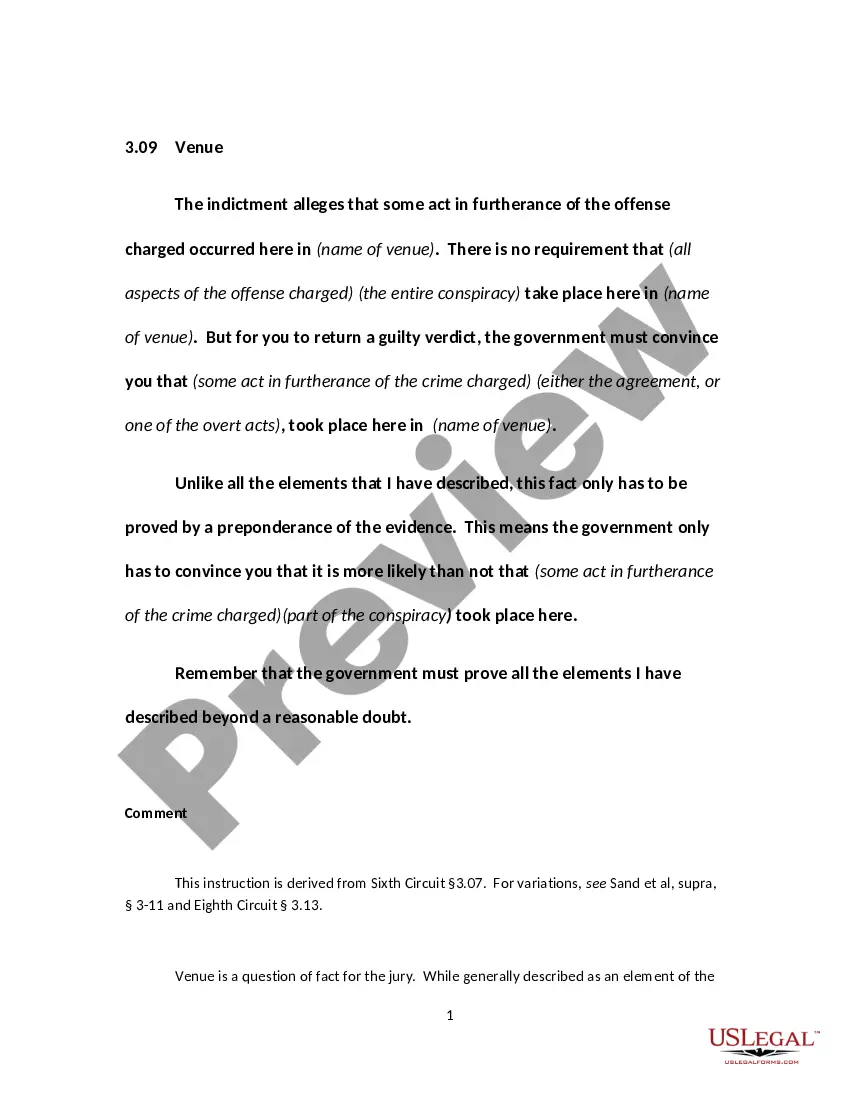
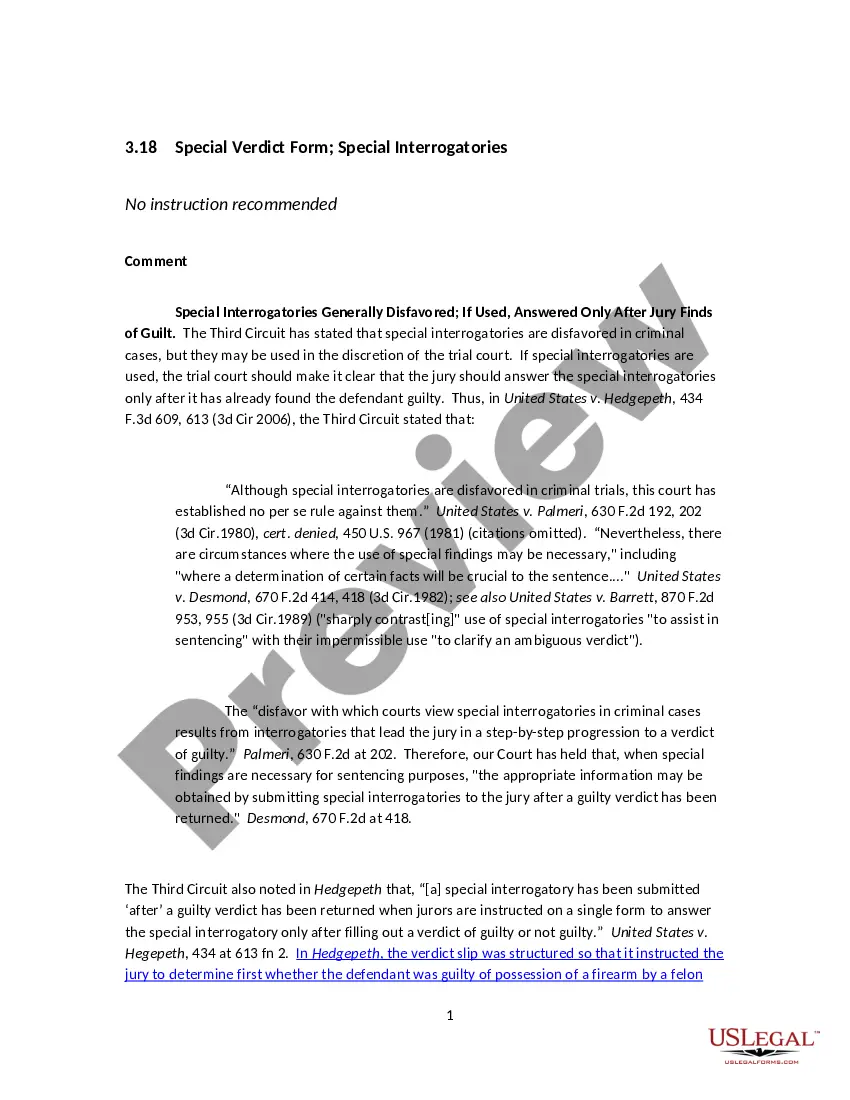
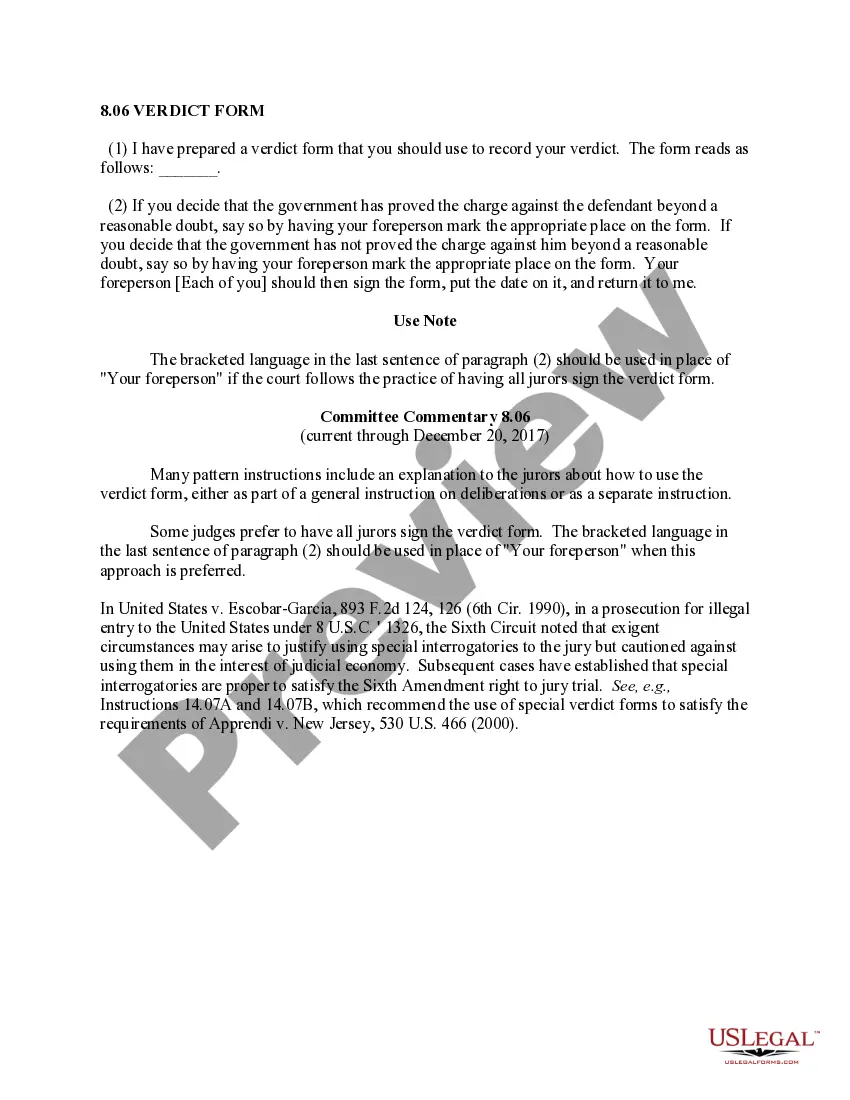
The Verdict Form is a legal document used by jurors to record their final decisions in a trial. This form is essential for jurors in reaching a unanimous verdict regarding the guilt or innocence of a defendant. Unlike other legal documents, the Verdict Form is specifically tailored for use in criminal cases and requires careful attention during its completion to ensure accuracy in the juror's findings.
Key components of this form
- Juror unanimity clause: Indicates the requirement for all jurors to agree on the verdict.
- Verdict declaration sections: Spaces for forepersons to mark findings of guilty or not guilty.
- Signature and date field: Allows the foreperson, and potentially other jurors, to validate the verdict.
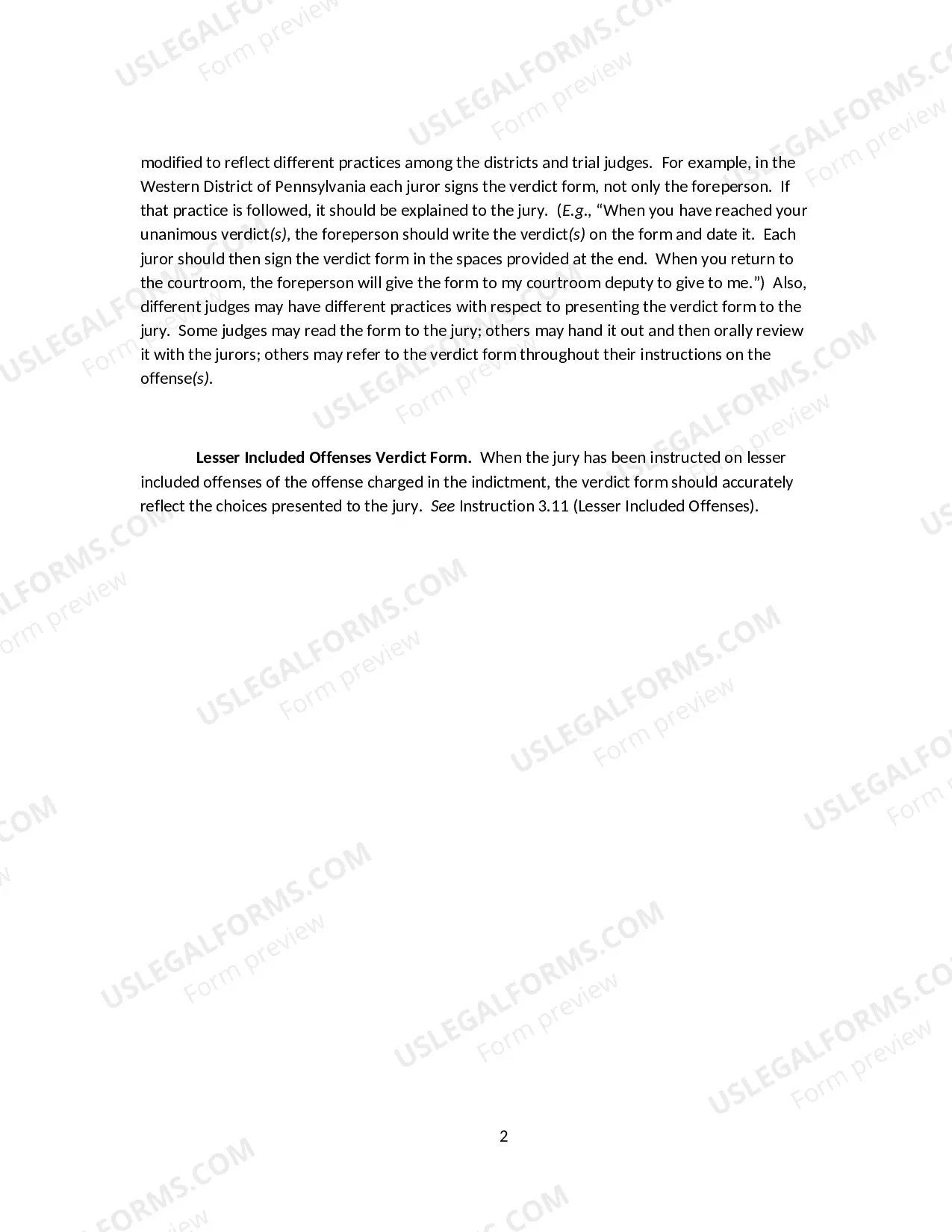
- Section for lesser included offenses: Offers options for jurors if they find the defendant guilty of lesser charges.

Situations where this form applies
This form should be used in criminal trials when a jury has deliberated and reached a decision regarding the charges against a defendant. It is specifically applicable when jurors have been instructed on the requirements for a unanimous verdict and the potential for lesser included offenses.
Who this form is for
- Jurors participating in a criminal trial.
- Forepersons designated to lead jury deliberations.
- Legal representatives observing or advising jurors.
Steps to complete this form
- Gather all jurors to ensure unanimous agreement on the verdict.
- Have the foreperson read the instructions provided on the form.
- Mark the appropriate sections to indicate the verdict of guilty or not guilty.
- If applicable, indicate any lesser included offenses considered.
- Sign and date the form as required by court instructions.
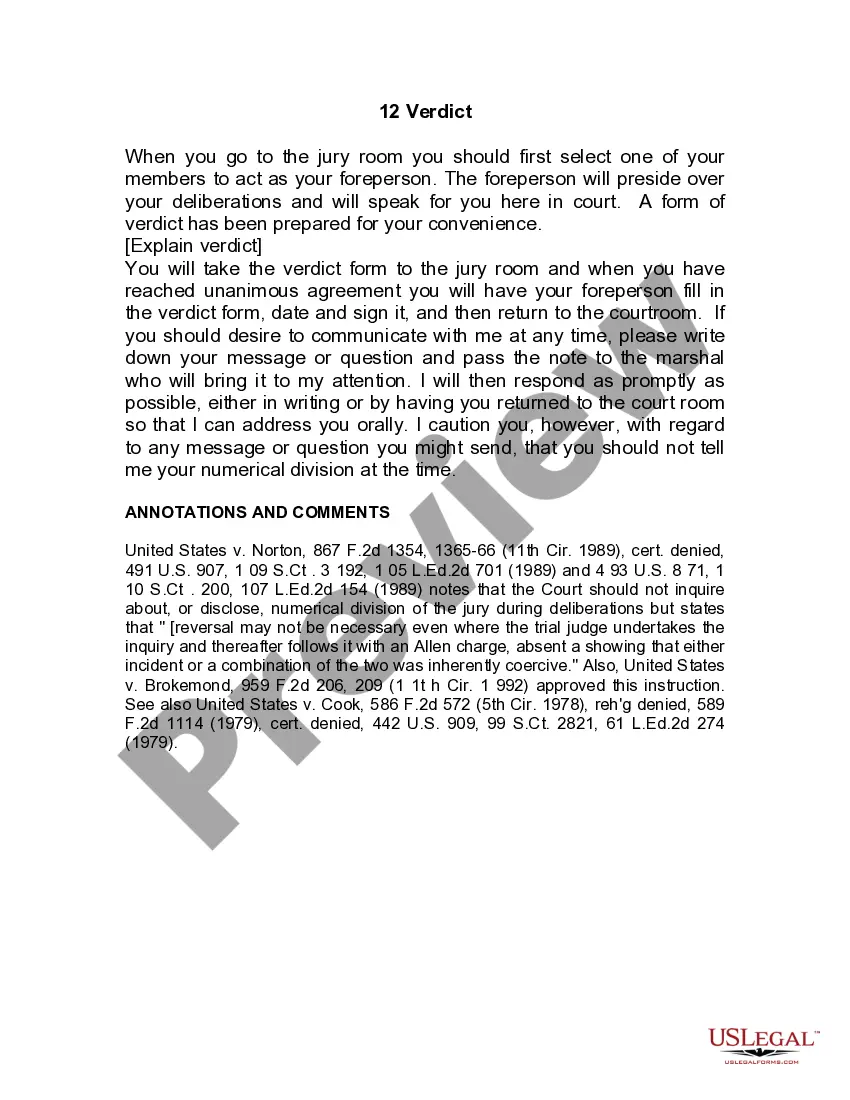
- Return the completed form to the courtroom through the foreperson.
Does this form need to be notarized?
This form does not typically require notarization unless specified by local law. Always check local regulations to confirm if notarization is needed for your jurisdiction.
Get your form ready online
Our built-in tools help you complete, sign, share, and store your documents in one place.
Make edits, fill in missing information, and update formatting in US Legal Forms—just like you would in MS Word.
Download a copy, print it, send it by email, or mail it via USPS—whatever works best for your next step.
Sign and collect signatures with our SignNow integration. Send to multiple recipients, set reminders, and more. Go Premium to unlock E-Sign.
If this form requires notarization, complete it online through a secure video call—no need to meet a notary in person or wait for an appointment.
We protect your documents and personal data by following strict security and privacy standards.

Make edits, fill in missing information, and update formatting in US Legal Forms—just like you would in MS Word.

Download a copy, print it, send it by email, or mail it via USPS—whatever works best for your next step.

Sign and collect signatures with our SignNow integration. Send to multiple recipients, set reminders, and more. Go Premium to unlock E-Sign.

If this form requires notarization, complete it online through a secure video call—no need to meet a notary in person or wait for an appointment.

We protect your documents and personal data by following strict security and privacy standards.
Mistakes to watch out for
- Failing to ensure that all jurors agree on the verdict.
- Incorrectly filling out sections related to lesser included offenses.
- Omitting to sign or date the Verdict Form.
- Misplacing the form before returning it to the courtroom.
Benefits of using this form online
- Accessibility: Download the form anytime to ensure you have the most current version.
- Editability: Easily modify sections as needed to reflect juror decisions accurately.
- Reliability: The form has been professionally drafted by licensed attorneys.
Legal use & context
- The Verdict Form is a crucial document in criminal trials, ensuring that the jury's decisions are officially recorded.
- Inaccurate completion of this form can impact the trial's outcome; therefore, attention to detail is essential.
- Jurors are responsible for understanding their duties in conjunction with using this form.
Summary of main points
- The Verdict Form is essential for juror decision-making in criminal cases.
- It is crucial that all jurors are in agreement before completing the form.
- Be aware of any specific local requirements or practices regarding the use of this form.
Looking for another form?

Form popularity
FAQ
A general verdict form is a relatively simple form that is easy to prepare and asks the jury to determine whether it believes the defendant is liable and, if so, the damages the defendant owes the plaintiff.
The jury verdict form asks the jury to decide if Depp's former attorney, acting as an agent for Depp, made or published three statements that were about Heard, were false and were seen by someone other than Heard. The jury must also decide if Depp's attorney made the statements with actual malice.
FORMS OF VERDICT Multiple counts: A. ?We, the Jury, find the defendant, (guilty; not guilty; not guilty by reason of mental disease or defect; or not guilty and not guilty by reason of mental disease or defect) of , as charged in Count 1 of the Indictment/Complaint.?
The jury's decision is "the verdict." To return a verdict in a civil case, three-fourths of jurors must agree on the verdict. In a criminal case, the verdict must be unanimous. When the jury reaches a verdict, the foreperson should notify the court and provide the signed verdict form.
The unanimous decision made by a jury and reported to the court on the matters lawfully submitted to them in the course of the trial of a cause. Verdicts are of several kinds, namely, privy and public, general, partial, and special.
Example Sentences The verdict was not guilty. The jury reached a guilty verdict. Do you want my verdict on the meal? The critic's verdict about the show was positive.
The verdict was not guilty. The jury reached a guilty verdict. Do you want my verdict on the meal? The critic's verdict about the show was positive.
?We, the Jury, find the defendant, (guilty; not guilty; not guilty by reason of mental disease or defect; or not guilty and not guilty by reason of mental disease or defect) of , as charged in Count 1 of the Indictment/Complaint.?