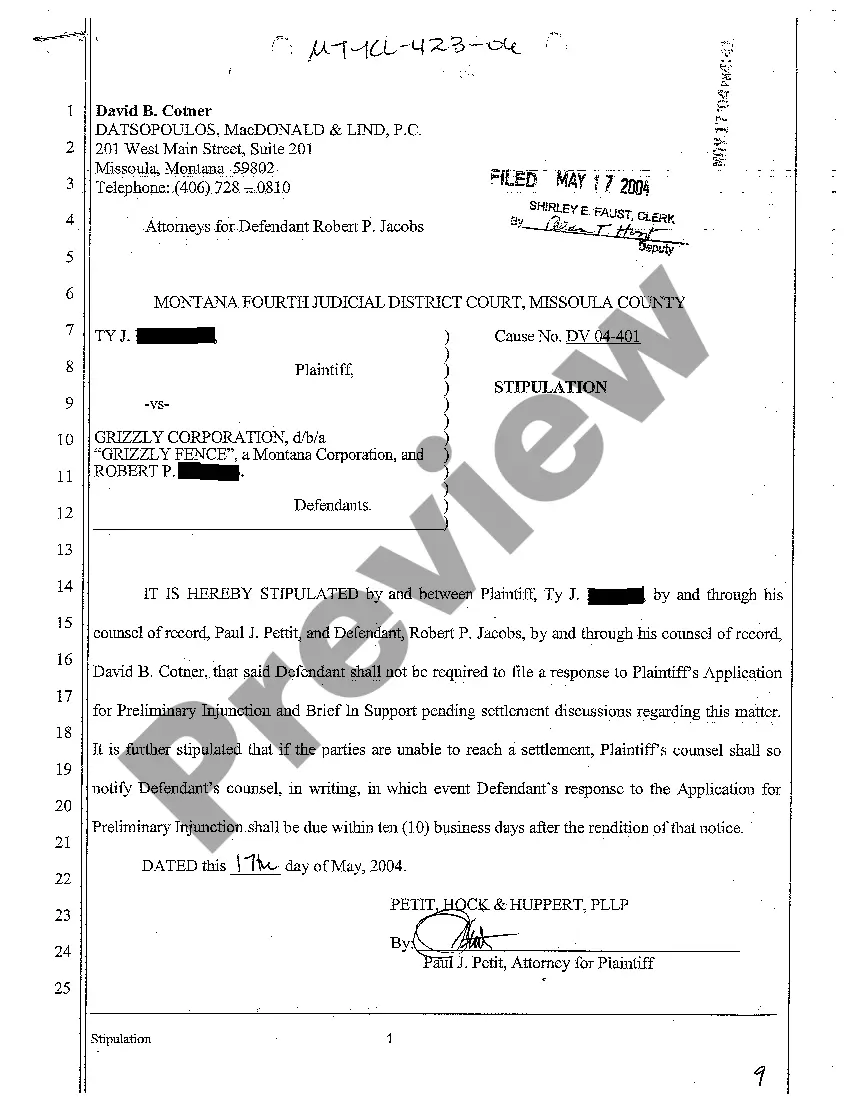
Montana Stipulation that Defendant Need Not Reply to Plaintiff's Application for Preliminary Injunction Pending Settlement Discussions
Description
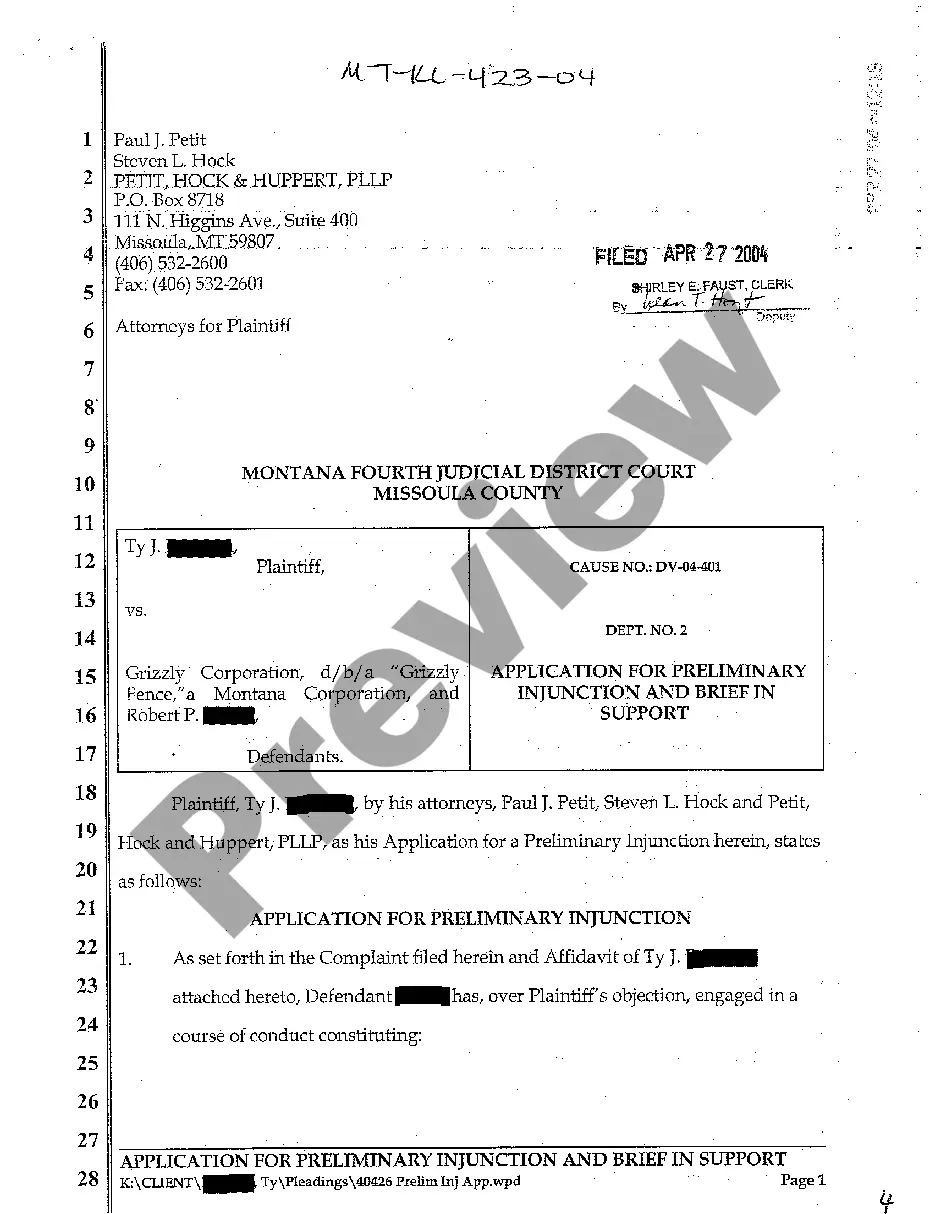
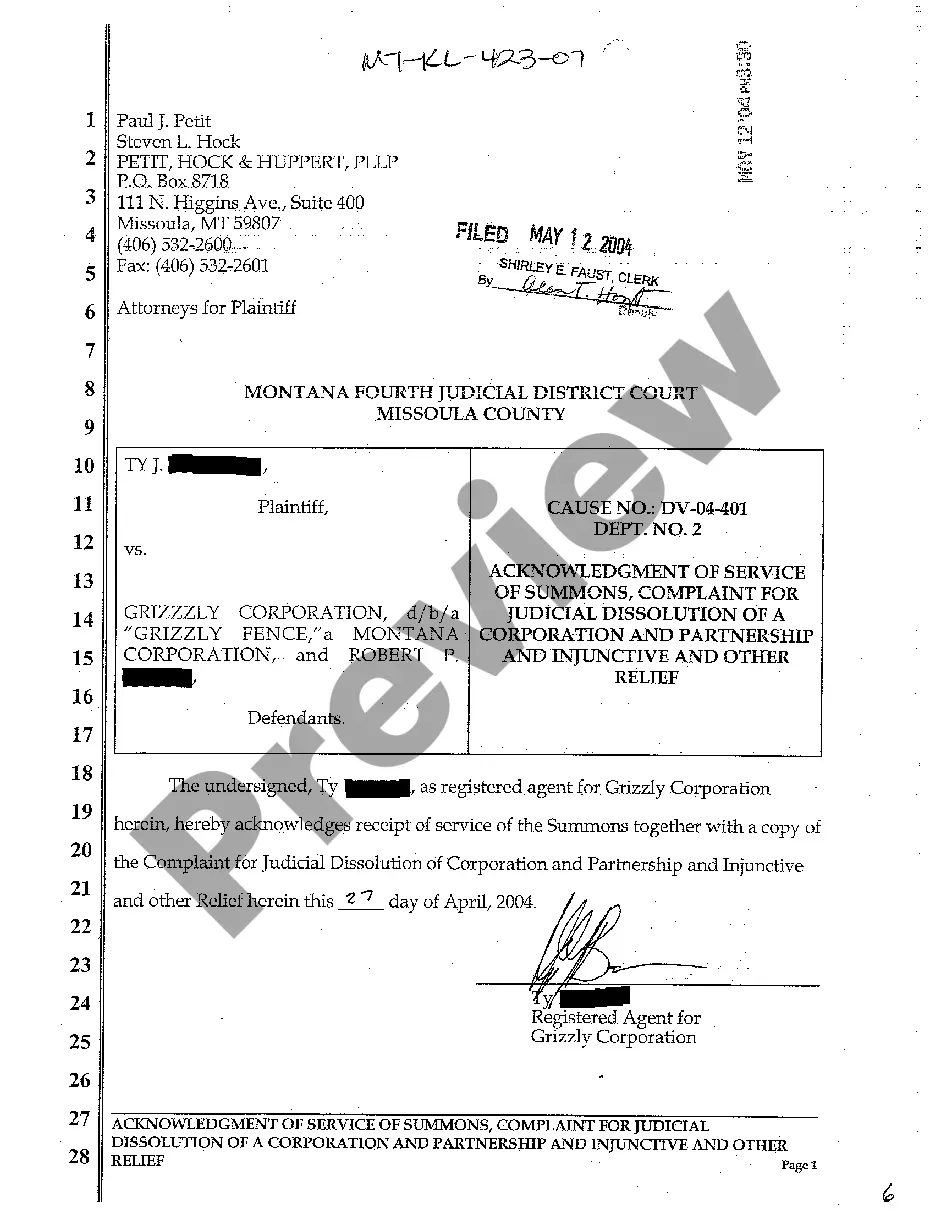
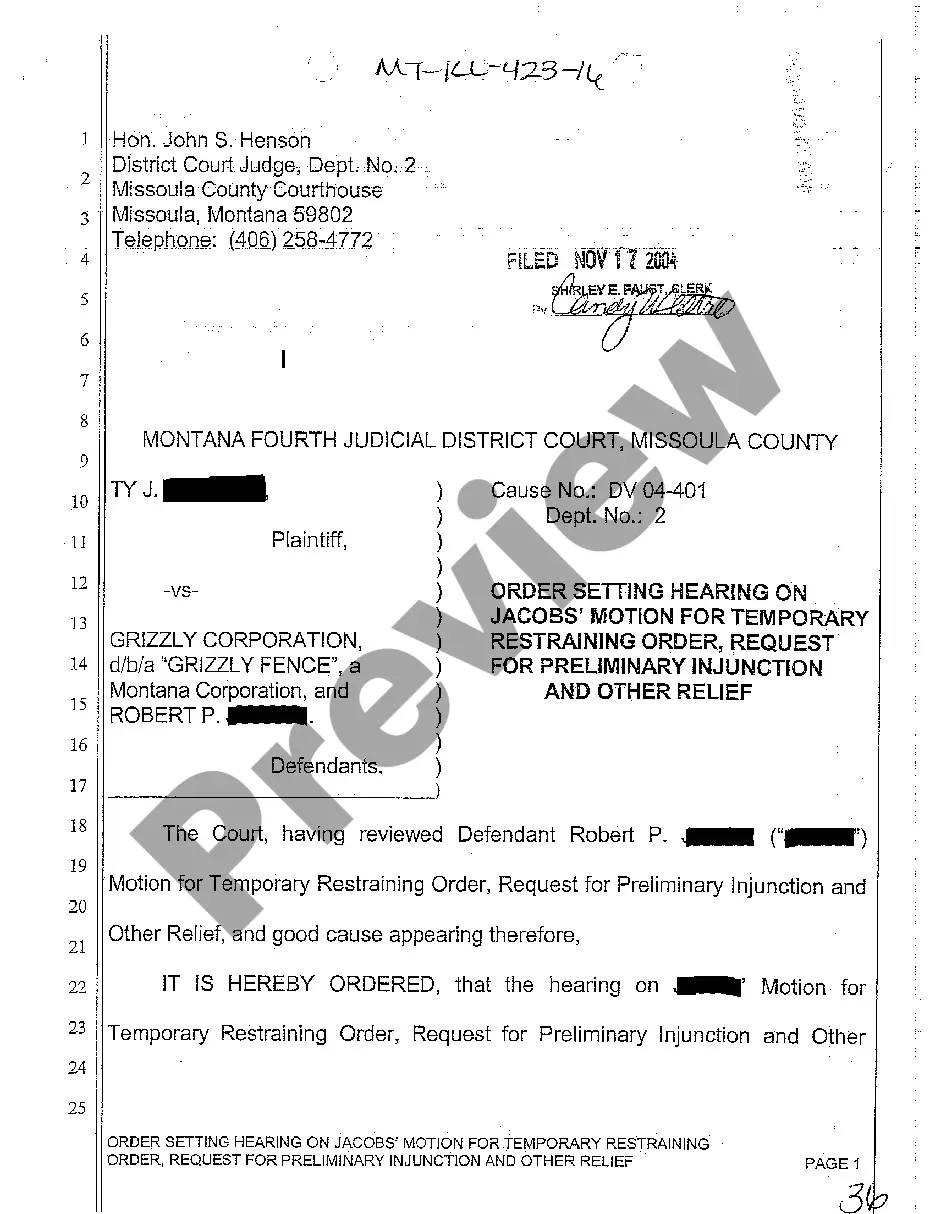
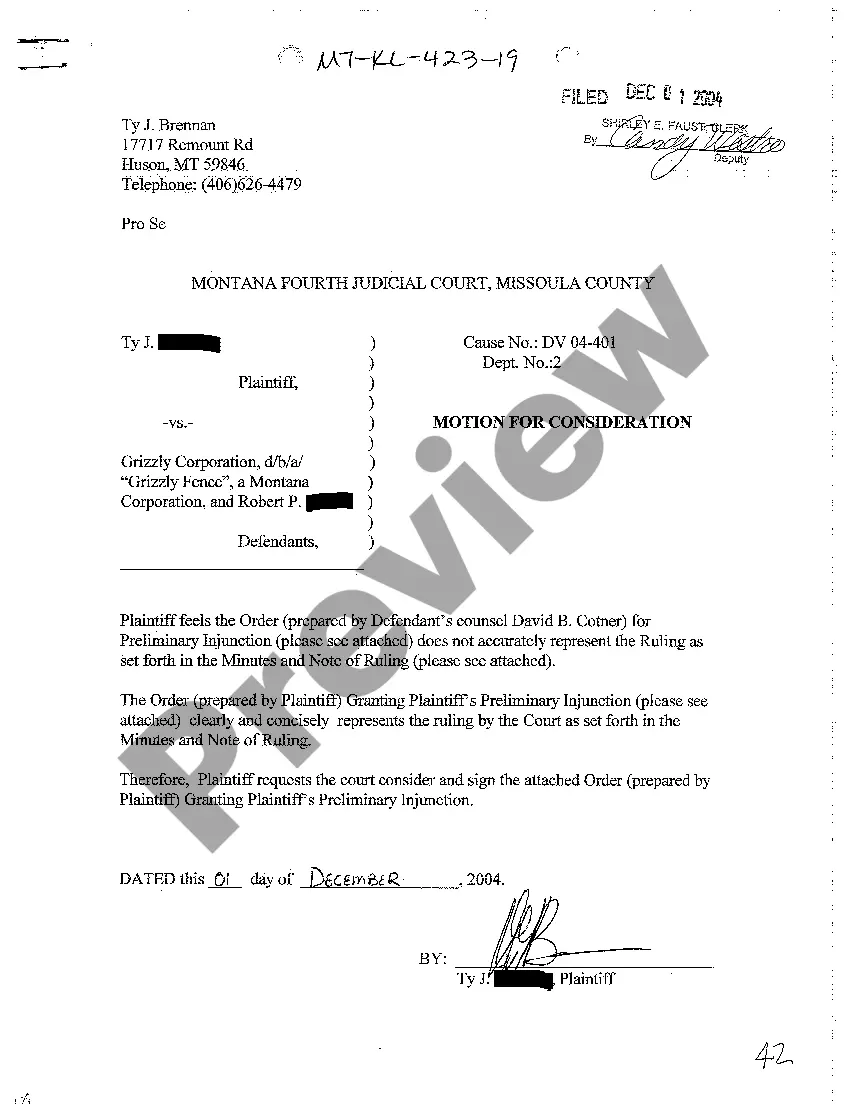
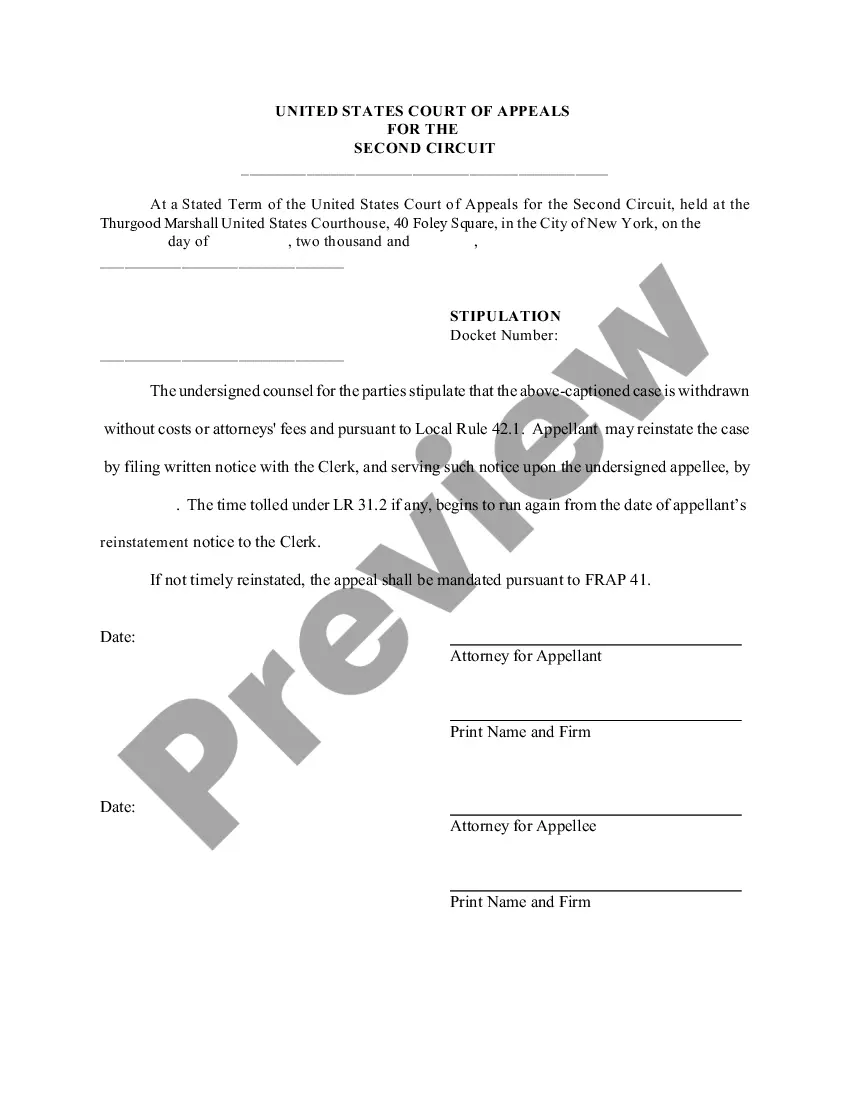
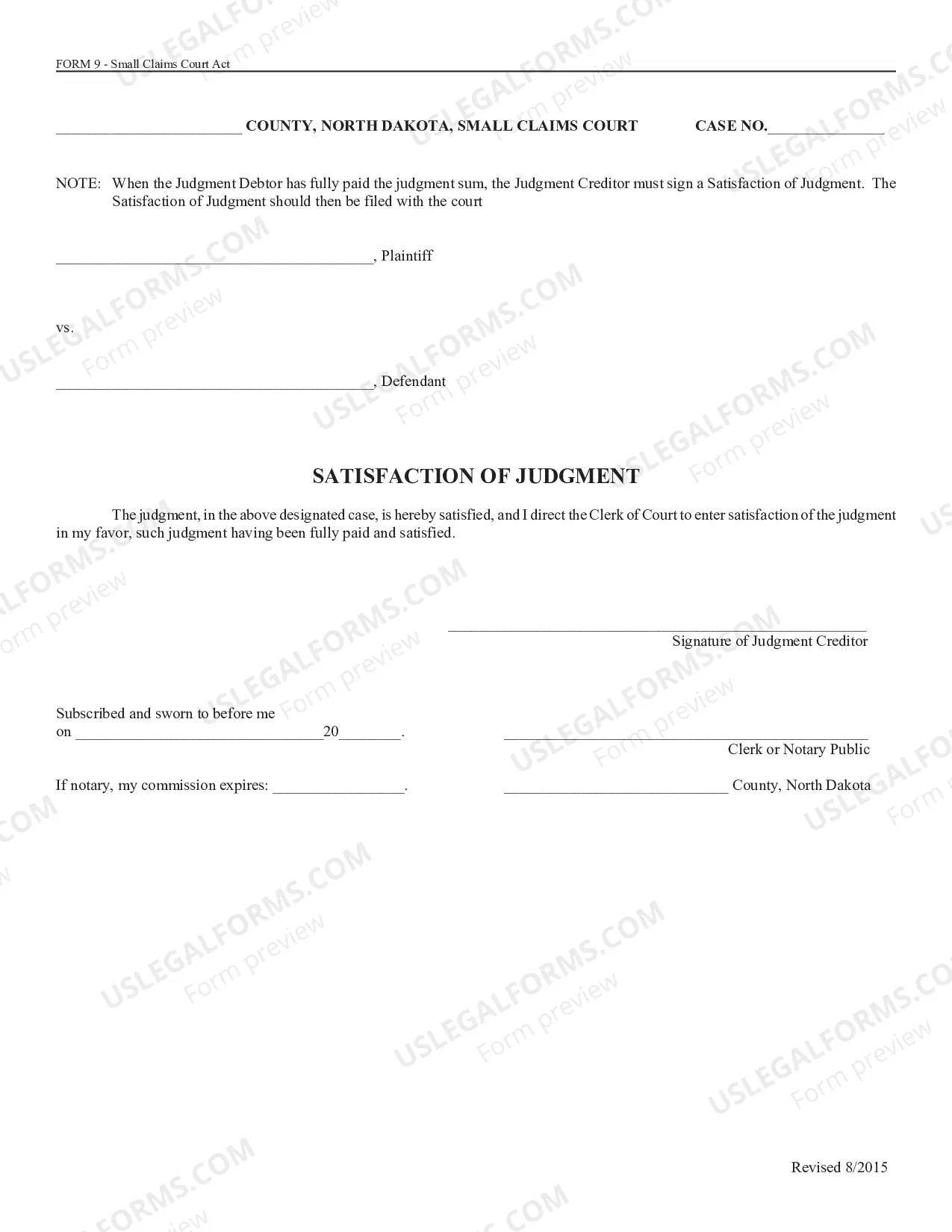
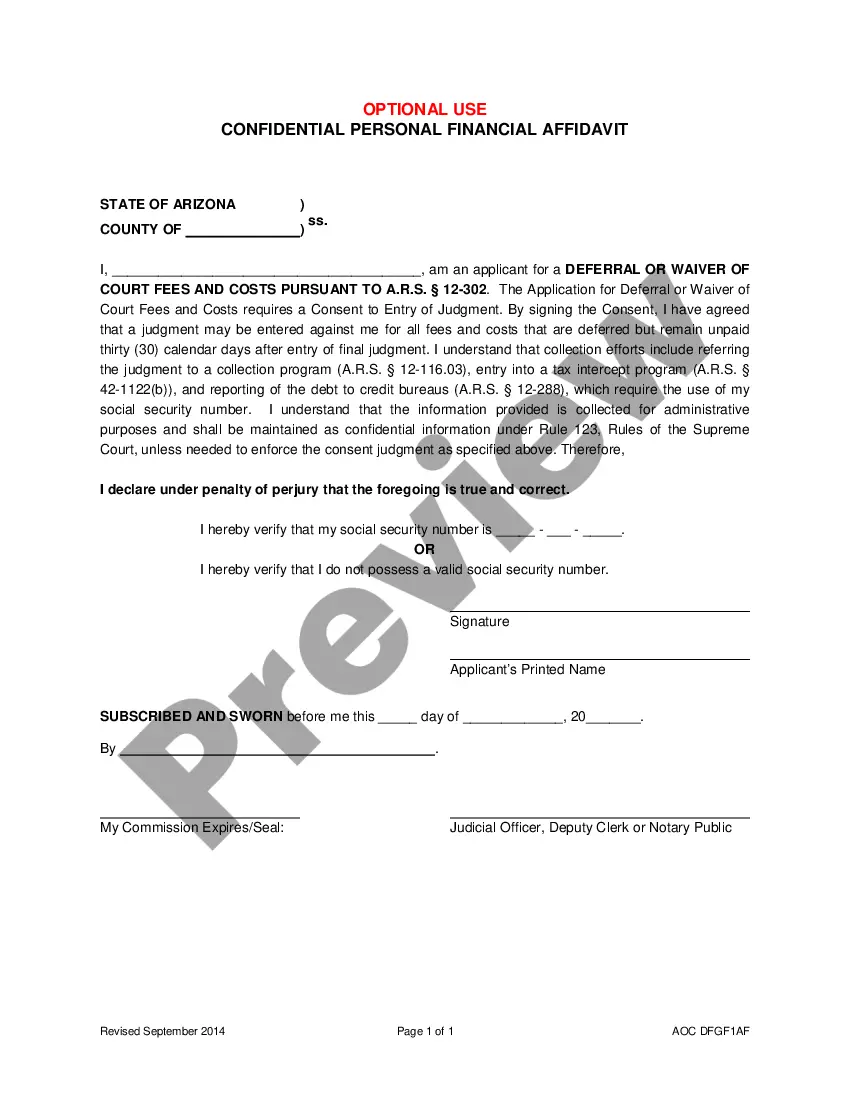
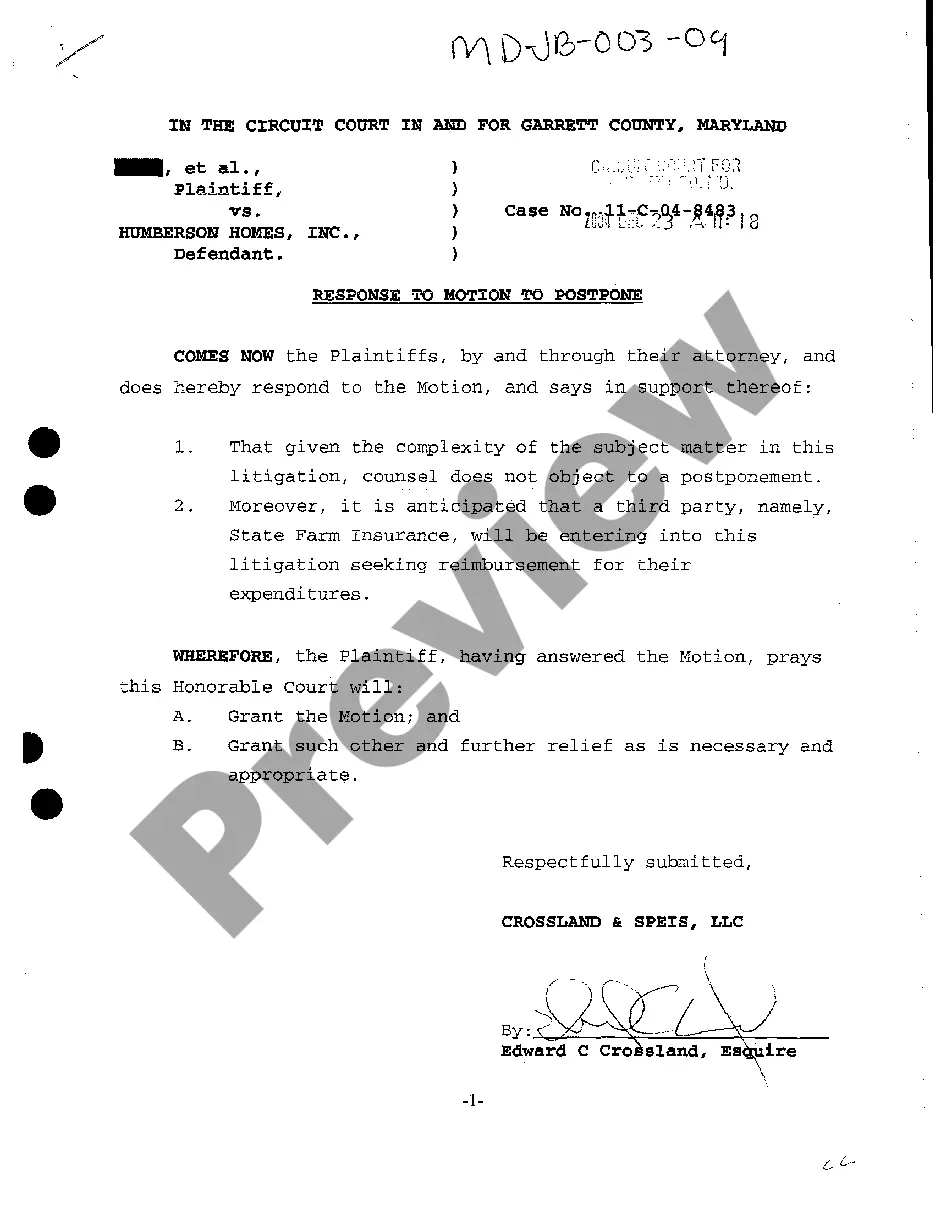
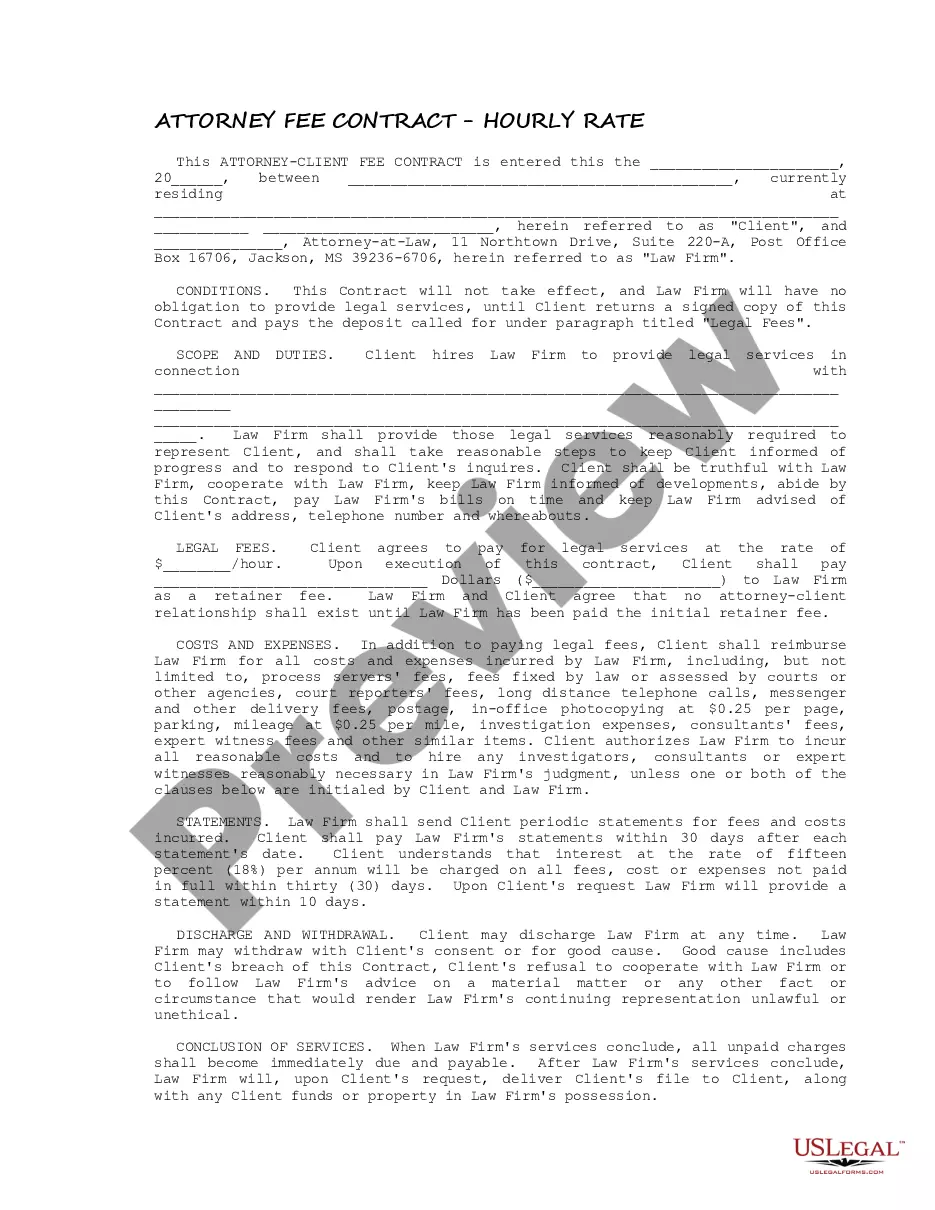
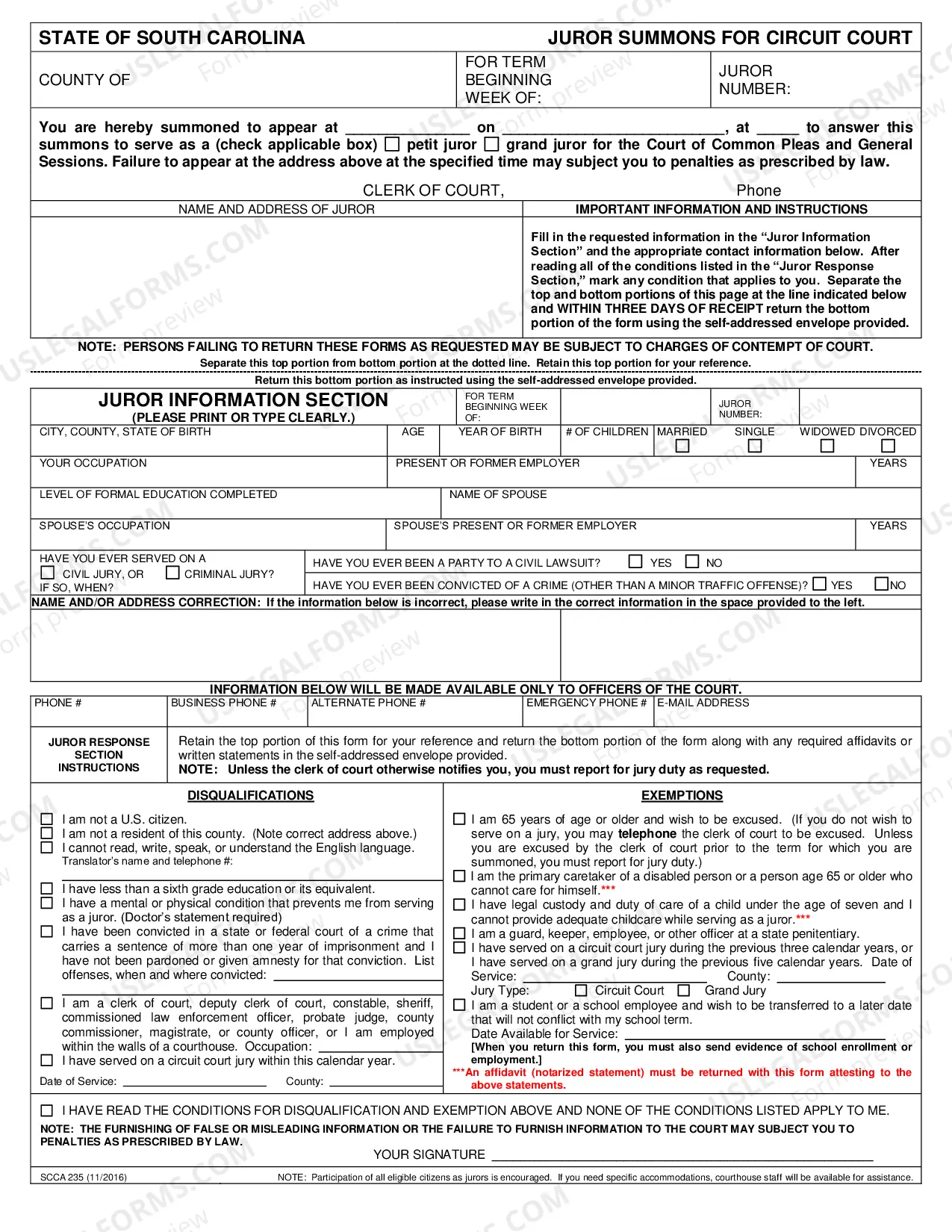
How to fill out Montana Stipulation That Defendant Need Not Reply To Plaintiff's Application For Preliminary Injunction Pending Settlement Discussions?
Acquire a printable Montana Stipulation indicating that the Defendant is not required to respond to the Plaintiff's request for a Preliminary Injunction during Settlement Negotiations with just a few clicks from the most extensive collection of legal e-documents.
Locate, download, and print expertly prepared and verified templates on the US Legal Forms platform. US Legal Forms has been the leading provider of economical legal and tax documents for American citizens and residents online since 1997.
After downloading your Montana Stipulation indicating that the Defendant need not respond to the Plaintiff's request for a Preliminary Injunction during Settlement Negotiations, you can complete it in any online editor or print it and fill it out manually. Utilize US Legal Forms to access 85,000 professionally drafted, state-specific documents.
- Users who already possess a subscription must Log In directly into their US Legal Forms account to obtain the Montana Stipulation indicating that the Defendant need not respond to the Plaintiff's request for a Preliminary Injunction during Settlement Negotiations and find it saved in the My documents section.
- Users without a subscription must follow the outlined steps below.
- Confirm that your form adheres to your state’s regulations.
- If available, examine the form’s description for additional information.
- If accessible, review the form to see further details.
- Once you are assured that the form satisfies your needs, click Buy Now.
- Establish a personal account.
- Select a subscription plan.
- Make payment through PayPal or credit card.
- Download the document in Word or PDF format.
Form popularity
FAQ
: something not needed : superfluity purchasing need-nots.
You needn't worry about anything. They needn't trouble themselves! Jackson had called Consuelo and told her they had plenty of help, so she needn't come. Jackson quickly realized he needn't have worried. Of course, as long as she kept the hood up, he needn't know her hair was a mess.
The short answer to your question, though, is that both are correct. I would only add that "need not" is probably less common in colloquial speech, and even then it is often contracted to "needn't".
You're welcome. Go ahead. Be my guest. My pleasure. That's very kind of you. You shouldn't have.
Yes. Say No reply needed. or End of conversation. or Please do not respond.
Generally "need not" is less personal and has less to do with the noun "need" than "don't need to". "You needn't be overly concerned" means "It is of no use for you to be overly concerned." The use of modal "need not" makes it clear that the sentence is not about your needs or even about whether something is necessary.
This need is sometimes called a modal verb (although others find this term inconsistent): it always requires an infinitive without to; it doesn't have do-support in questions and negative sentences; and the third person singular (he/she/it) doesn't have -s. This is the need in your example.
"X Need Not Apply" is a discriminatory message that essentially means "If you're X, don't bother applying because we won't hire you." For example, "No Irish Need Apply" signs were part of a wave of discrimination against Irish-American immigrants.