Third Party Intellectual Property Policy
About this form
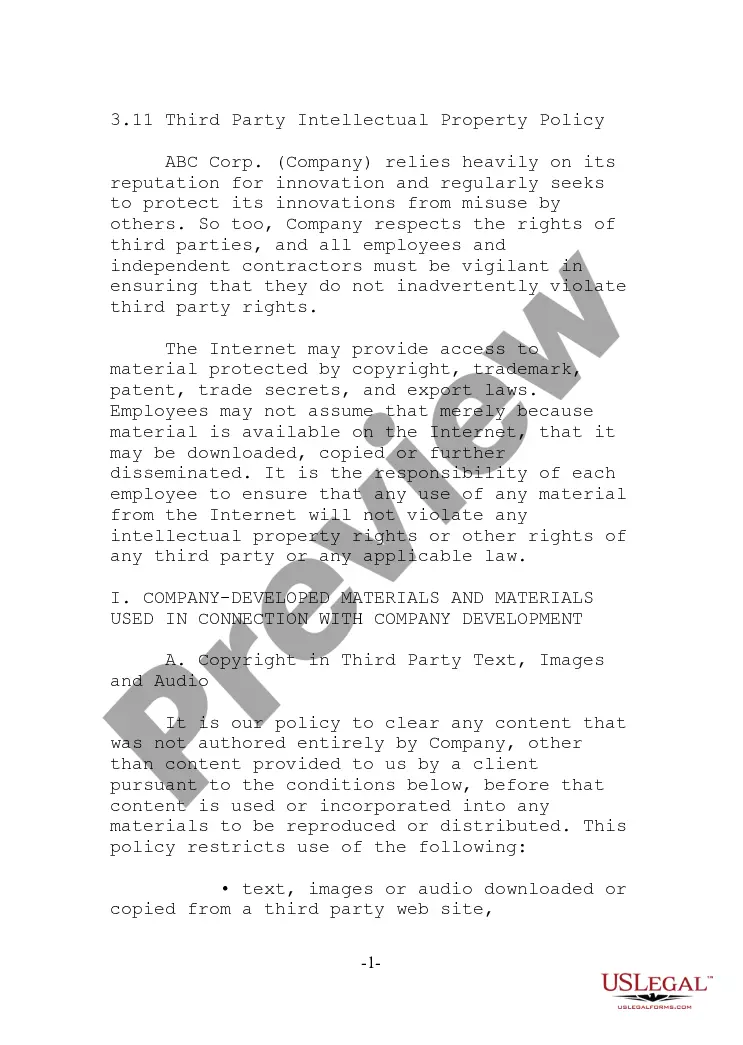
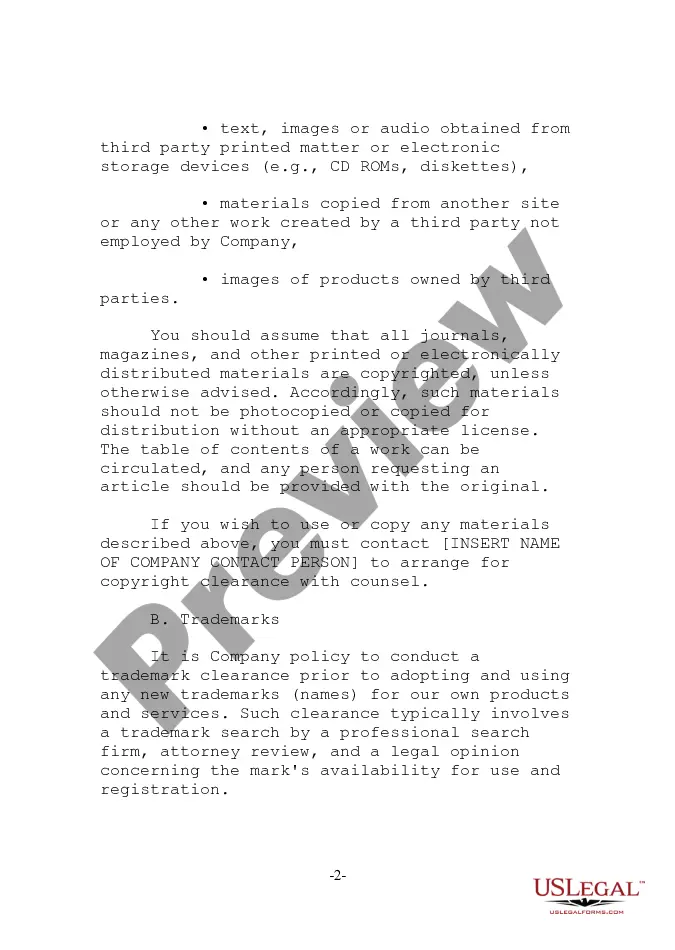
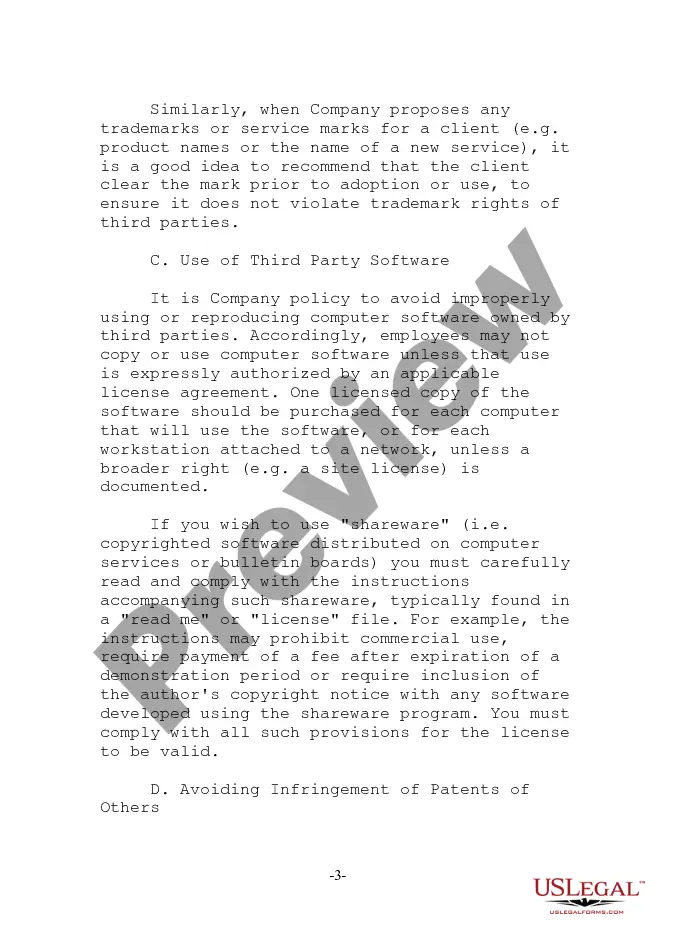
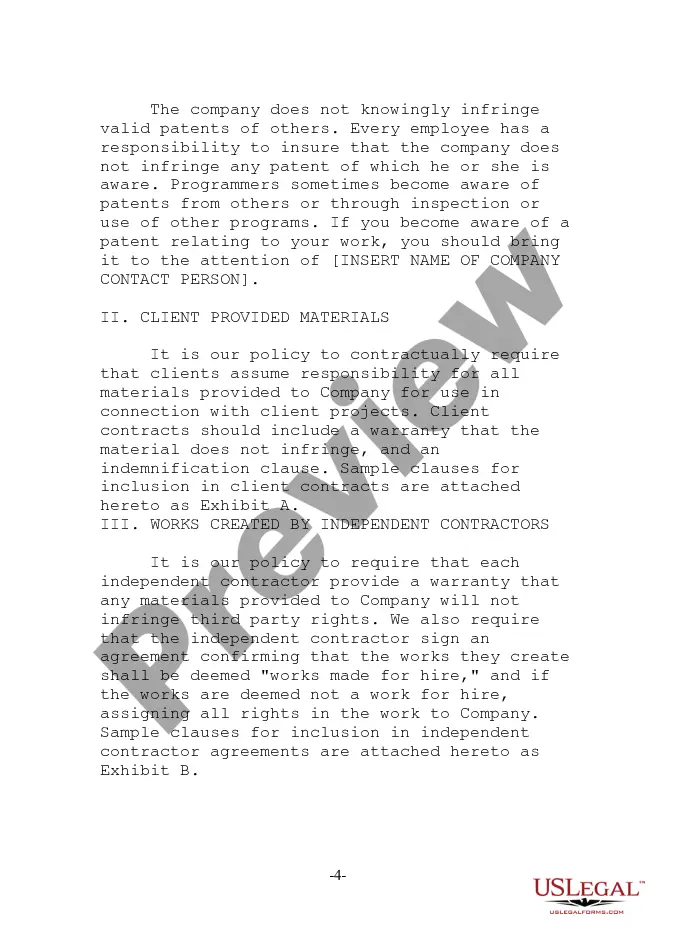
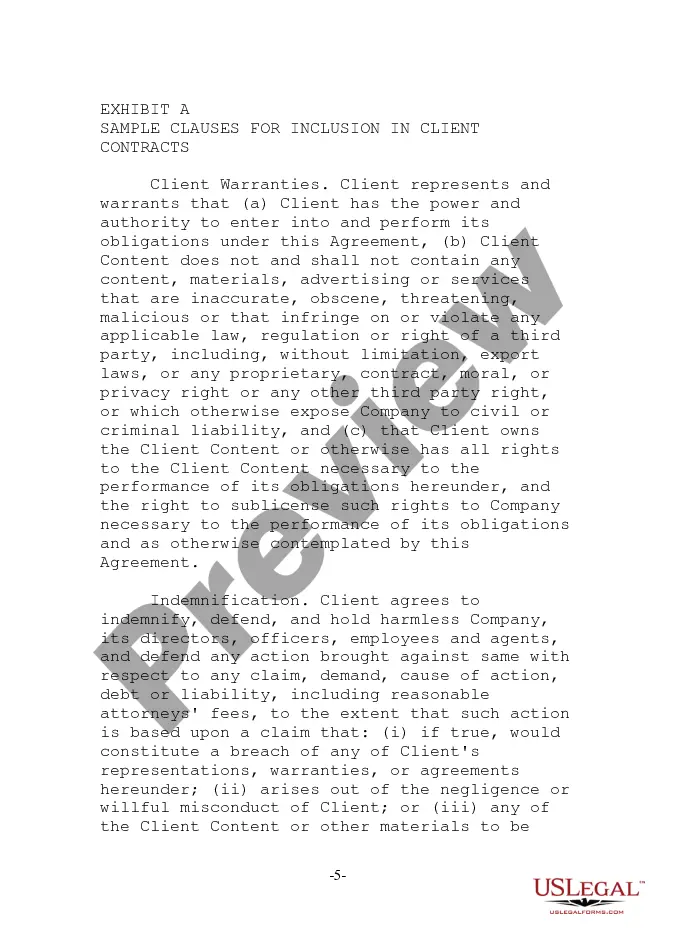
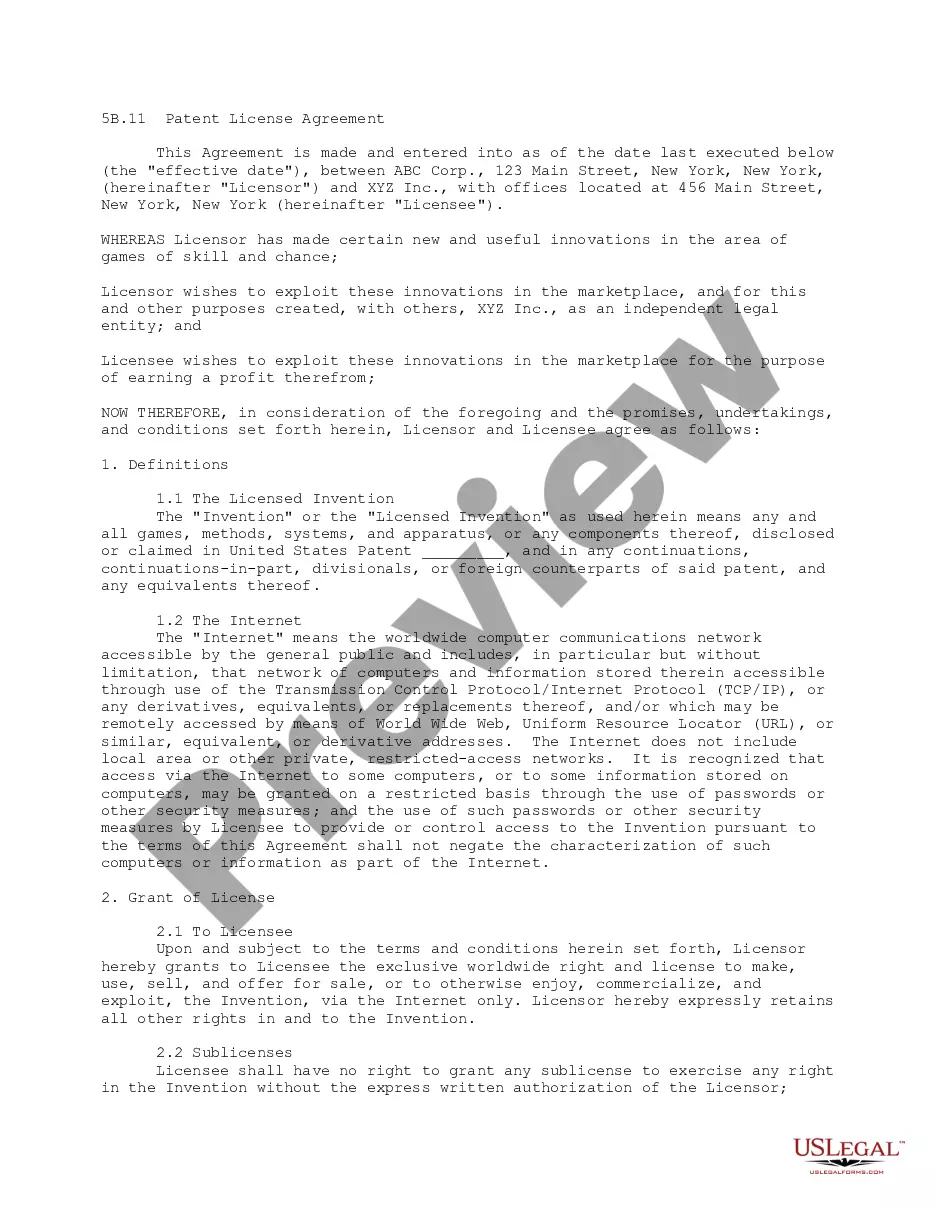
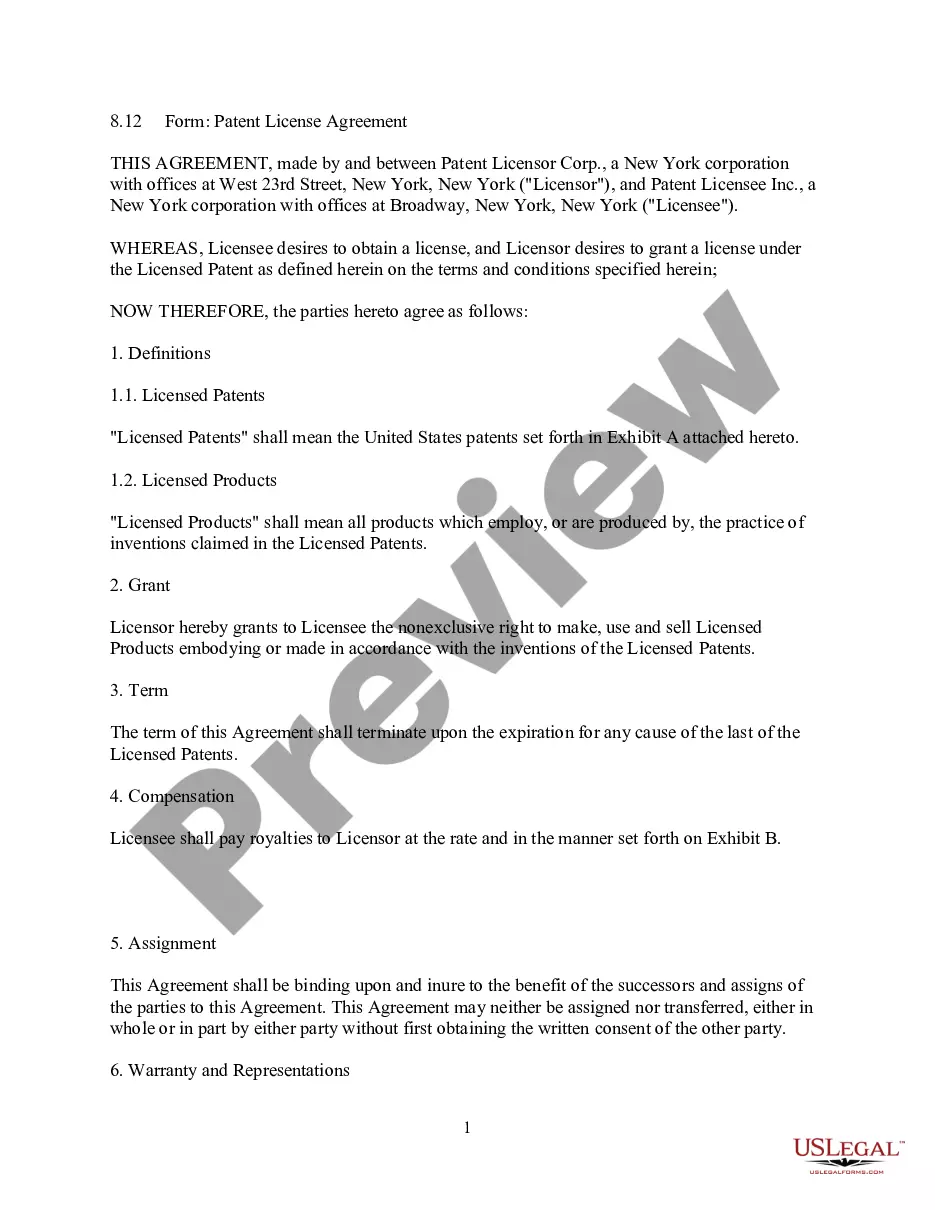
The Third Party Intellectual Property Policy template is a legal document designed to help businesses protect their intellectual property rights while respecting the rights of third parties. This form outlines the procedures for using, copying, and distributing materials that may be protected under copyright, trademark, patent, or other intellectual property laws. It is particularly essential for companies engaged in innovation and content creation, as it helps avoid potential legal issues that arise from improper use of third-party properties. This policy differs from other legal forms as it specifically addresses the handling of intellectual property within a corporate context.
Key components of this form
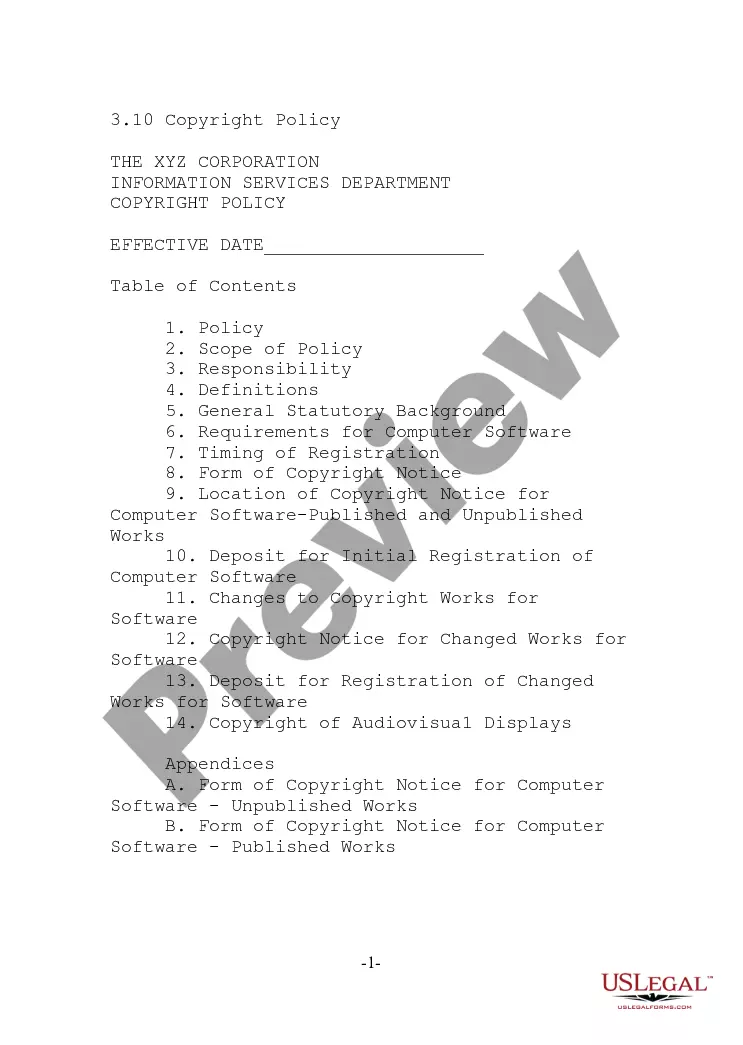
- Copyright clearance processes for third-party text, images, and audio.
- Procedures for conducting trademark searches prior to adopting new trademarks.
- Guidelines for the use of third-party software, including licensing requirements.
- Responsibilities regarding patent infringement awareness and reporting.
- Client warranties and responsibilities concerning provided materials.
- Independent contractor agreements including copyright ownership requirements.
Situations where this form applies
This form is essential for businesses that create or utilize content that may involve intellectual property owned by third parties. Use this form when establishing company policies on copyright, trademark usages, or patent considerations to ensure compliance with legal standards. It is particularly relevant when hiring independent contractors, collaborating with clients on content development, or when planning to launch new products or services that may involve the use of protected materials.
Who needs this form
This Third Party Intellectual Property Policy is intended for:
- Business owners and managers overseeing product development and content creation.
- Employees tasked with obtaining permissions for the use of third-party materials.
- Legal teams and compliance officers responsible for intellectual property matters.
- Independent contractors engaged by companies to create or provide materials.
Instructions for completing this form
- Identify the types of third-party materials your business utilizes or intends to utilize.
- Designate a company contact person for managing copyright clearance and compliance.
- Outline the procedures for conducting trademark searches prior to adopting new marks.
- Detail the terms regarding the use of proprietary software and necessary licenses.
- Include warranty clauses for client contracts and independent contractor agreements.
Is notarization required?
Notarization is not commonly needed for this form. However, certain documents or local rules may make it necessary. Our notarization service, powered by Notarize, allows you to finalize it securely online anytime, day or night.
Get your form ready online
Our built-in tools help you complete, sign, share, and store your documents in one place.
Make edits, fill in missing information, and update formatting in US Legal Forms—just like you would in MS Word.
Download a copy, print it, send it by email, or mail it via USPS—whatever works best for your next step.
Sign and collect signatures with our SignNow integration. Send to multiple recipients, set reminders, and more. Go Premium to unlock E-Sign.
If this form requires notarization, complete it online through a secure video call—no need to meet a notary in person or wait for an appointment.
We protect your documents and personal data by following strict security and privacy standards.

Make edits, fill in missing information, and update formatting in US Legal Forms—just like you would in MS Word.

Download a copy, print it, send it by email, or mail it via USPS—whatever works best for your next step.

Sign and collect signatures with our SignNow integration. Send to multiple recipients, set reminders, and more. Go Premium to unlock E-Sign.

If this form requires notarization, complete it online through a secure video call—no need to meet a notary in person or wait for an appointment.

We protect your documents and personal data by following strict security and privacy standards.
Common mistakes to avoid
- Failing to secure copyright clearance for third-party materials before use.
- Not conducting thorough trademark searches, leading to potential infringement claims.
- Overlooking the need for software licenses or failing to comply with license terms.
- Neglecting to outline responsibilities for independent contractors regarding intellectual property.
Advantages of online completion
- Convenience of accessing the form from anywhere at any time.
- Editability allows you to customize the policy to suit your specific business needs.
- Reliability with templates drafted by licensed attorneys, ensuring legal accuracy.
Legal use & context
- This policy serves as a precautionary measure against infringement claims.
- Enforceability may vary based on state laws and the specific circumstances of use.
- Clear guidelines can mitigate potential disputes regarding intellectual property rights.
Quick recap
- The Third Party Intellectual Property Policy helps establish clear guidelines for using external materials.
- Implementing this form protects your company from legal risks concerning intellectual property rights.
- Thoroughly document your processes to ensure compliance and protection for all parties involved.
Looking for another form?
Form popularity
FAQ
There are three primary types of Intellectual Property: copyrights, trademarks, and patents. A copyright is a legal term that is used to describe a person's ownership rights to an original expression of creativity.
Third Party Infringement means any actual or threatened infringement, misappropriation, or other violation by a Third Party of any Intellectual Property Controlled by Alnylam that relates to this Agreement or a Product, including the Trial Inventions.
The purpose of the Intellectual Property Policy is to foster the creation and dissemination of knowledge and to provide certainty in individual and institutional rights associated with ownership and with the distribution of benefits that may be derived from the creation of Intellectual Property.
IP is protected in law by, for example, patents, copyright and trademarks, which enable people to earn recognition or financial benefit from what they invent or create.
There are four types of intellectual property rights (IP): patents, trademarks, copyrights, and trade secrets.
Keep it under scrutiny. Be aware of your Intellectual Property Rights. Consult an expert. Double check if your idea is unique. Hire an auditor. Keep a record of almost everything related. Protect your IP without delay.
Trade Secrets. Trade secrets refer to specific, private information that is important to a business because it gives the business a competitive advantage in its marketplace. Patents. Copyrights. Trademarks.
Keep it under scrutiny. Be aware of your Intellectual Property Rights. Consult an expert. Double check if your idea is unique. Hire an auditor. Keep a record of almost everything related. Protect your IP without delay.