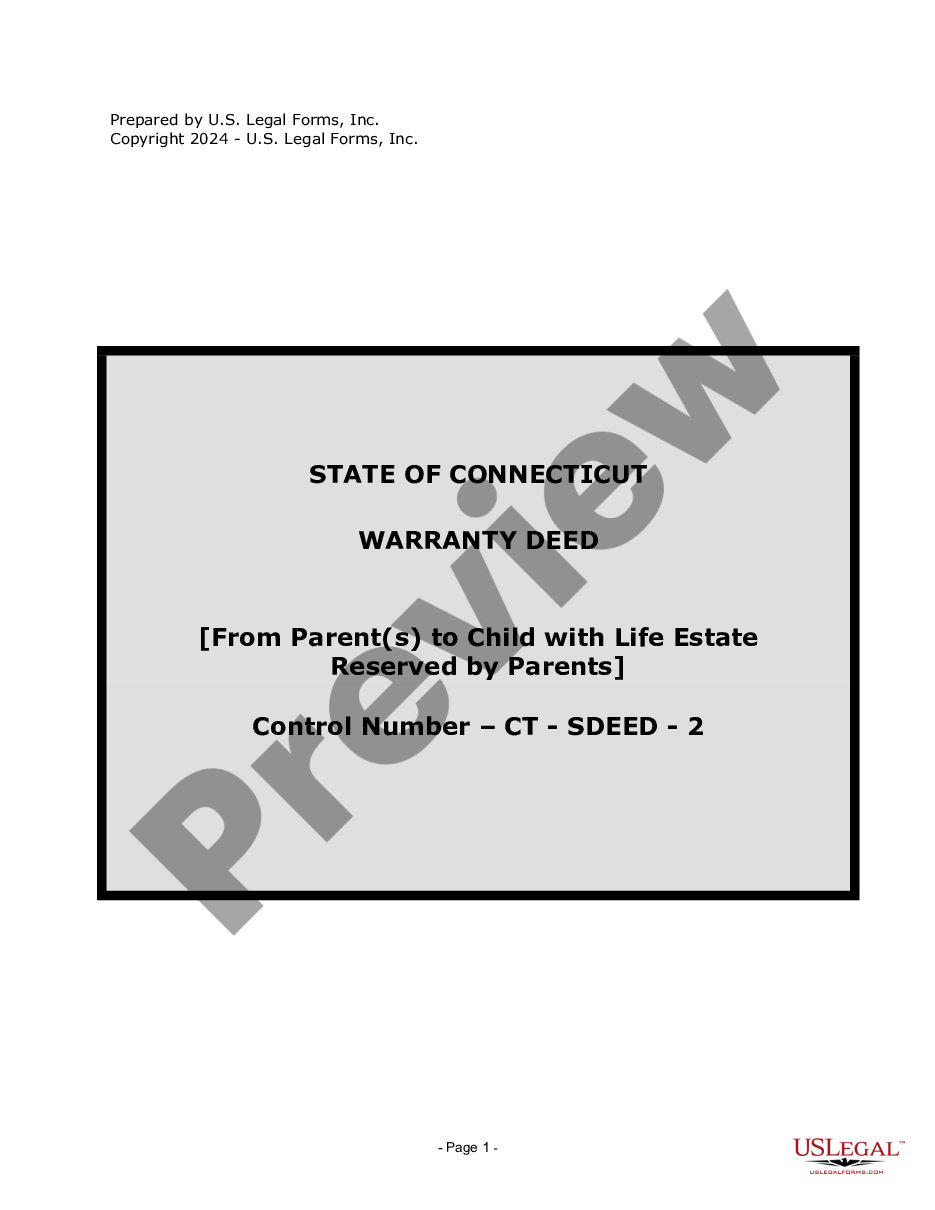
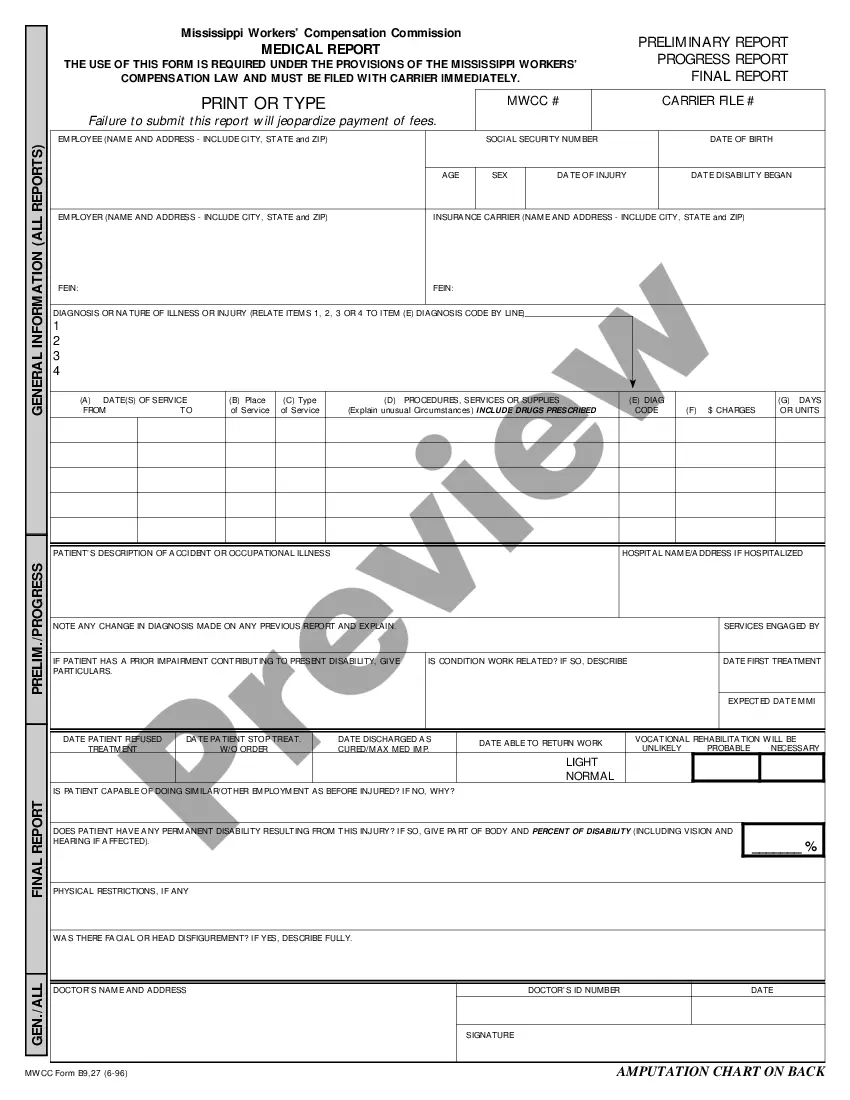
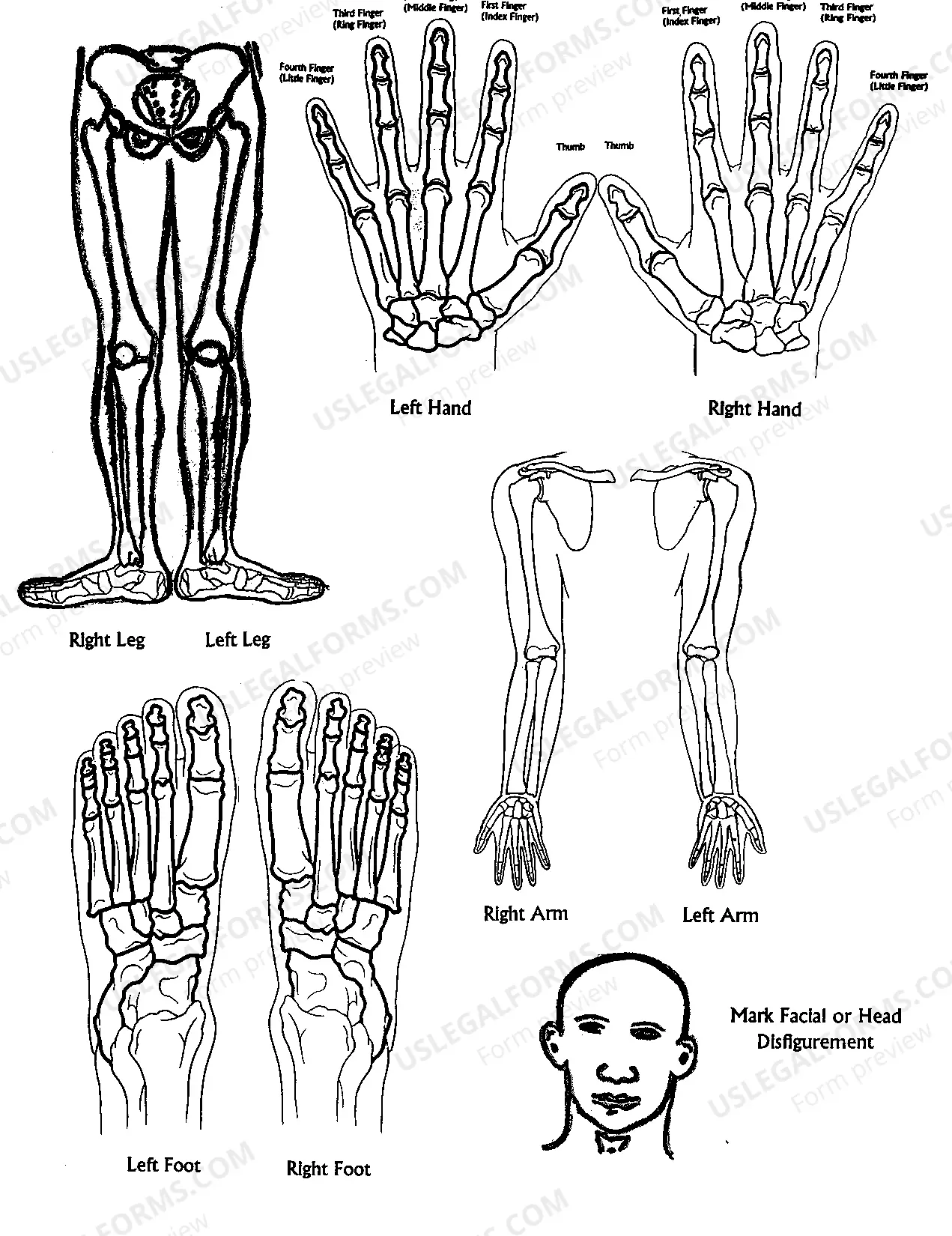
Mississippi Workers Compensation Medical Report
Description
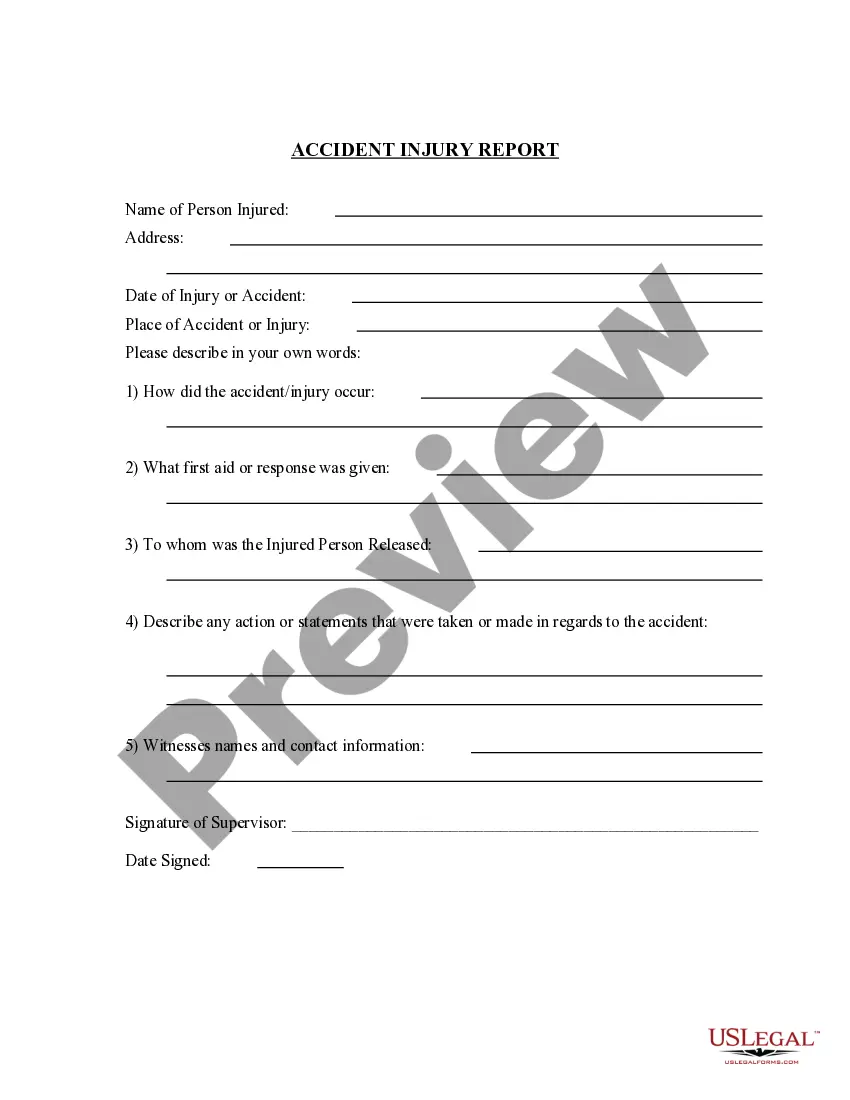
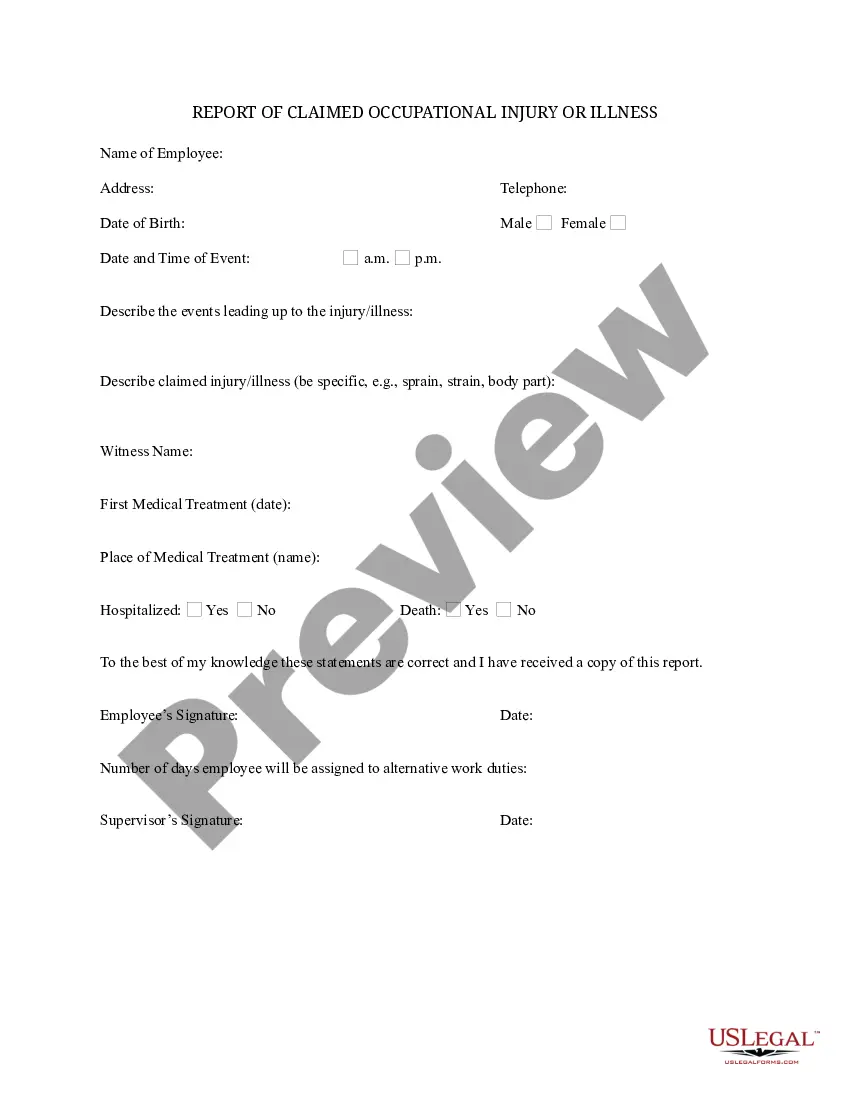
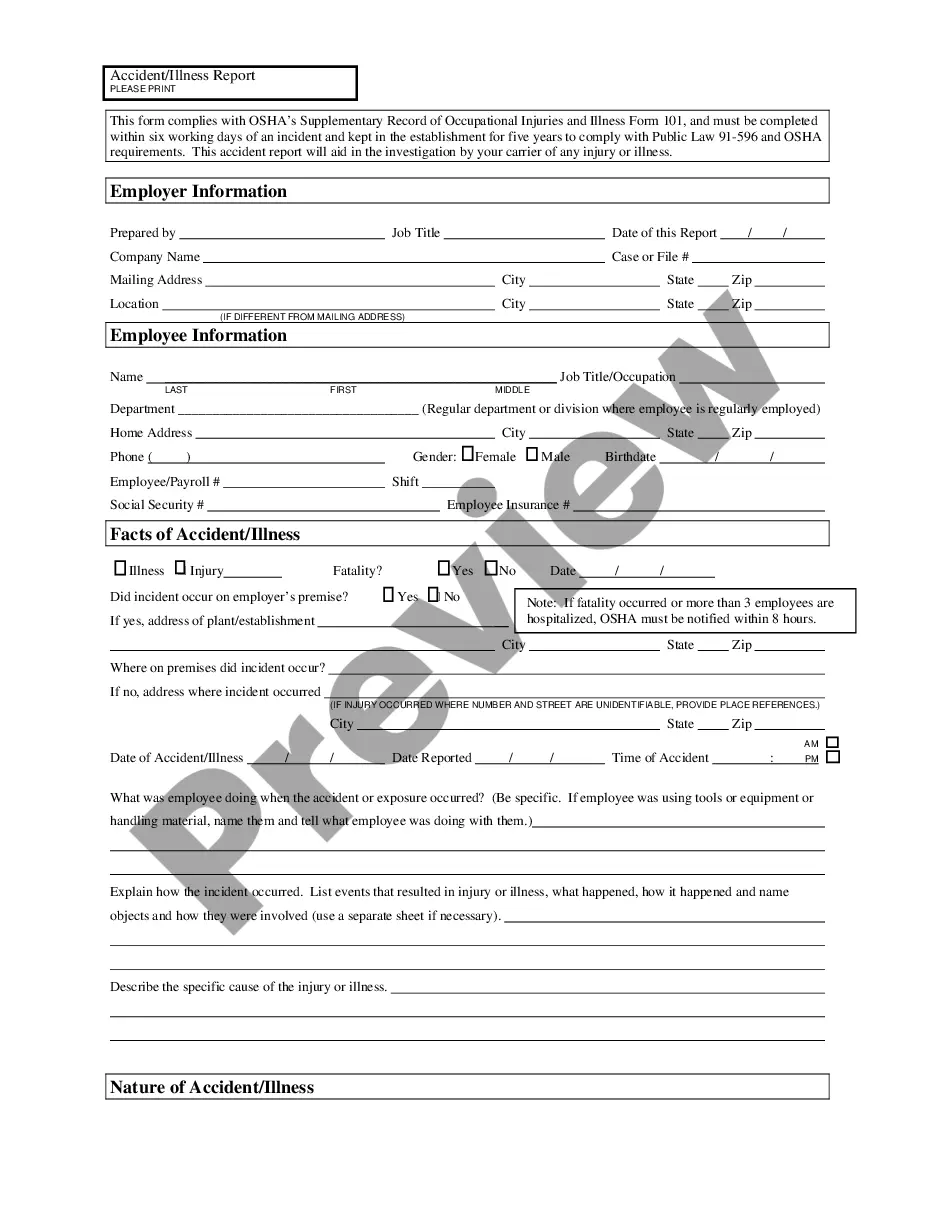
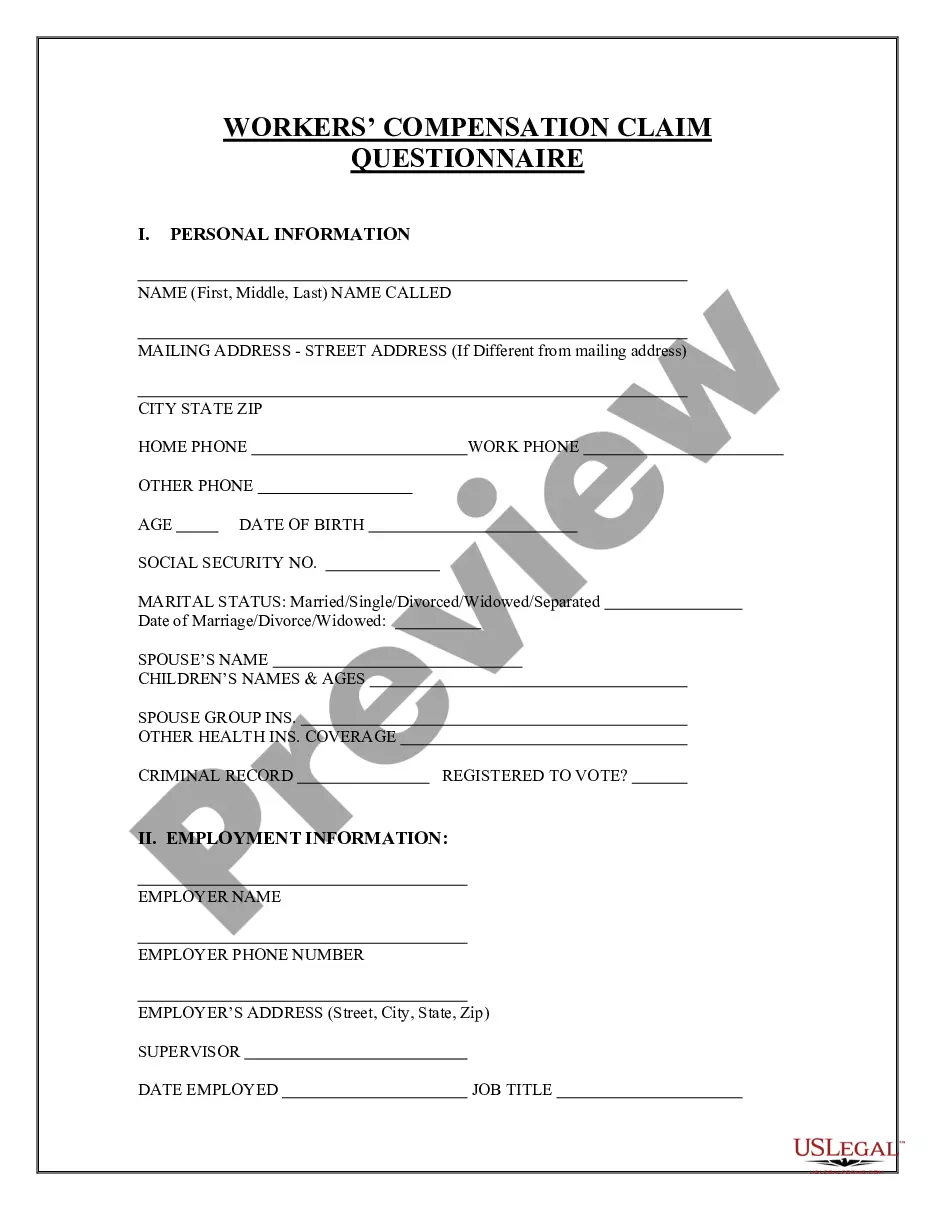
Get your form ready online
Our built-in tools help you complete, sign, share, and store your documents in one place.
Make edits, fill in missing information, and update formatting in US Legal Forms—just like you would in MS Word.
Download a copy, print it, send it by email, or mail it via USPS—whatever works best for your next step.
Sign and collect signatures with our SignNow integration. Send to multiple recipients, set reminders, and more. Go Premium to unlock E-Sign.
If this form requires notarization, complete it online through a secure video call—no need to meet a notary in person or wait for an appointment.
We protect your documents and personal data by following strict security and privacy standards.

Make edits, fill in missing information, and update formatting in US Legal Forms—just like you would in MS Word.

Download a copy, print it, send it by email, or mail it via USPS—whatever works best for your next step.

Sign and collect signatures with our SignNow integration. Send to multiple recipients, set reminders, and more. Go Premium to unlock E-Sign.

If this form requires notarization, complete it online through a secure video call—no need to meet a notary in person or wait for an appointment.

We protect your documents and personal data by following strict security and privacy standards.
Looking for another form?
How to fill out Mississippi Workers Compensation Medical Report?
Acquire a printable Mississippi Workers Compensation Medical Report with just a few clicks from the most extensive collection of legal e-documents.
Discover, download, and print expertly prepared and certified templates on the US Legal Forms website. Since 1997, US Legal Forms has been the premier provider of affordable legal and tax forms for US citizens and residents online.
After downloading your Mississippi Workers Compensation Medical Report, you can complete it in any online editor or print it out and fill it out manually. Utilize US Legal Forms to access 85,000 expertly drafted, state-specific forms.
- Customers with a subscription must Log In to their US Legal Forms account and download the Mississippi Workers Compensation Medical Report to find it saved in the My documents section.
- Customers without a subscription should follow the steps outlined below.
- Confirm that your form satisfies your state’s requirements.
- If applicable, browse the form’s description to gather additional information.
- If available, examine the shape to learn more details.
- Once you are certain the form is suitable for you, click on Buy Now.
- Establish a personal account.
- Select a subscription plan.
- Complete payment via PayPal or credit card.
- Download the form in either Word or PDF format.
Form popularity
FAQ
The HIPAA Privacy Rule does not apply to entities that are either workers' compensation insurers, workers' compensation administrative agencies, or employers, except to the extent they may otherwise be covered entities.
Many insurance companies use generic forms that are broad in scope and grant blanket access to all of your medical records. The Medical Authorization form may even give the claims adjuster or insurance defense attorney permission to speak with your doctors and nurses without you present.
Insurance companies frequently request medical records when evaluating claims.The insurance company doesn't have an inherent right to view your records, which is why they will ask you to sign a release granting them the right. But without medical records, your claim will most likely be denied.
Workers' comp insurance provides coverage to help your employee pay for medical expenses related to a work-related injury or illness. This can include emergency room visits, necessary surgeries and prescriptions.
A worker is disqualified where the injury: (1) is caused by the worker's own intoxication (alcohol or other controlled substance as defined by the Health and Safety Code; (2) is intentionally self-inflicted; (3) occurs out of an altercation (mutual combat) where the claimant was the initial physical aggressor; (4)
Your employer's insurer's access to your medical records related to your injuries is necessary in order to manage your workers' compensation claim.Yes, you are required to release your medical records if requested when you file a workers' compensation claim after a workplace injury.
Workers' comp does pay for medical expenses that are necessary to diagnose and treat your injury. But it also provides temporary disability payments while you are recovering and unable to work, as well as compensation for permanent impairments caused by your work-related injury or illness (more on that below).
Medical only workers' comp claims are those that involve an injury where the employee only receives medical care and treatment, or the wage loss is confined to the waiting period under a workers' compensation act.
No: your employer cannot see your health history. The insurance company handling workers' compensation claims, however, can request authorization to your medical records but only to those records that are relevant to your injury.