Mississippi Answer to Discovery
What this document covers
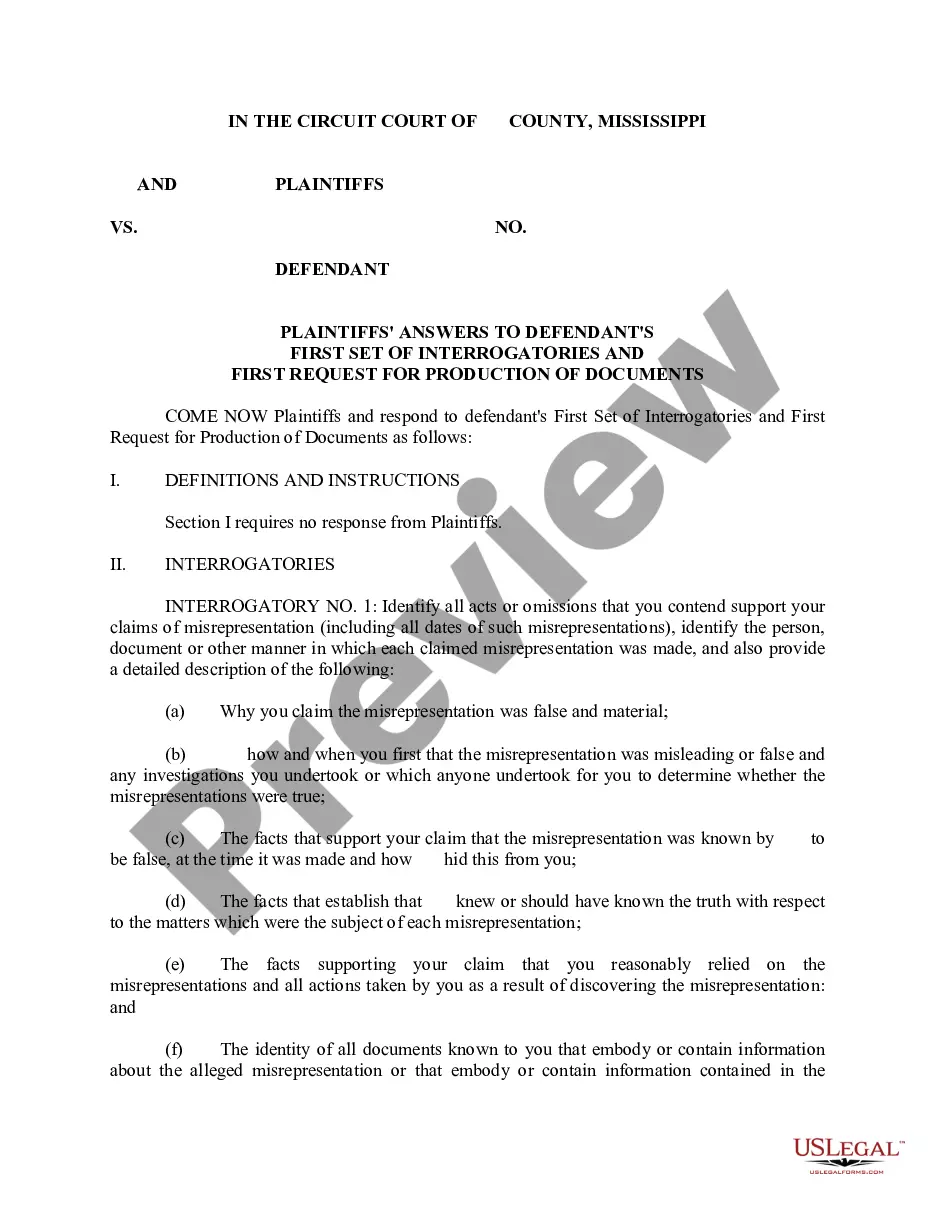
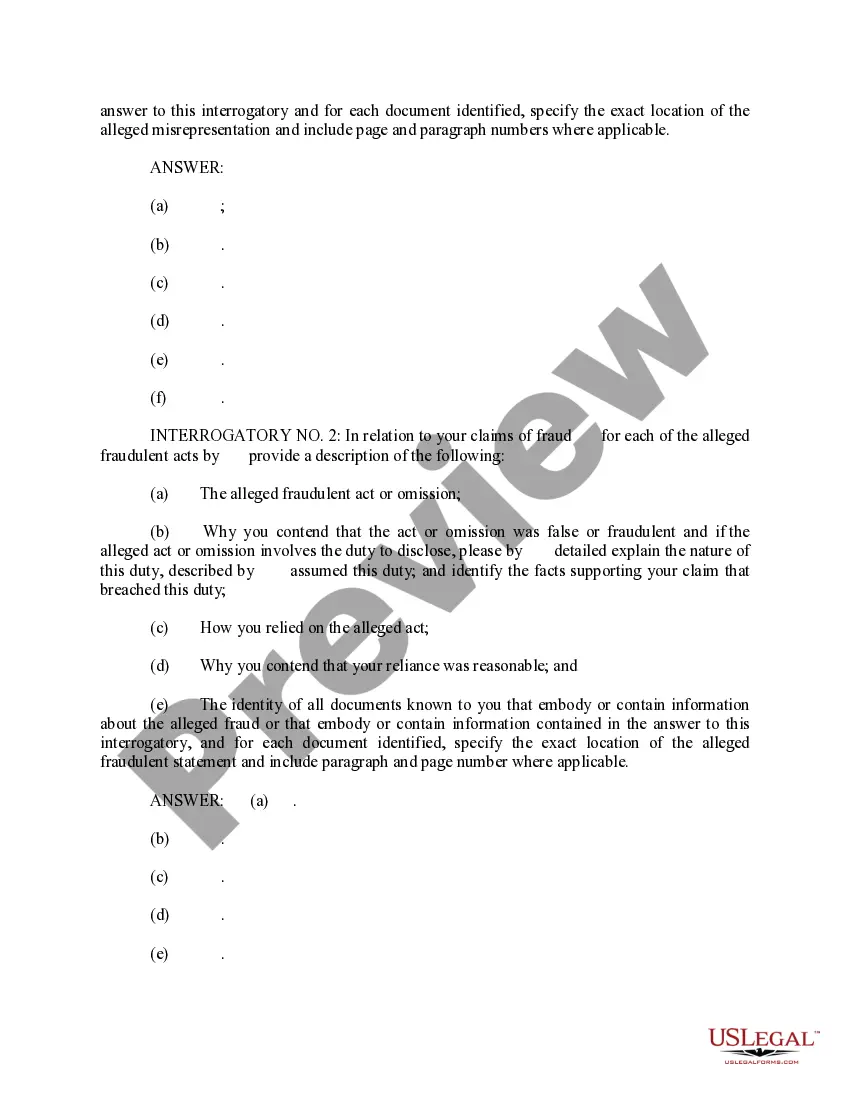
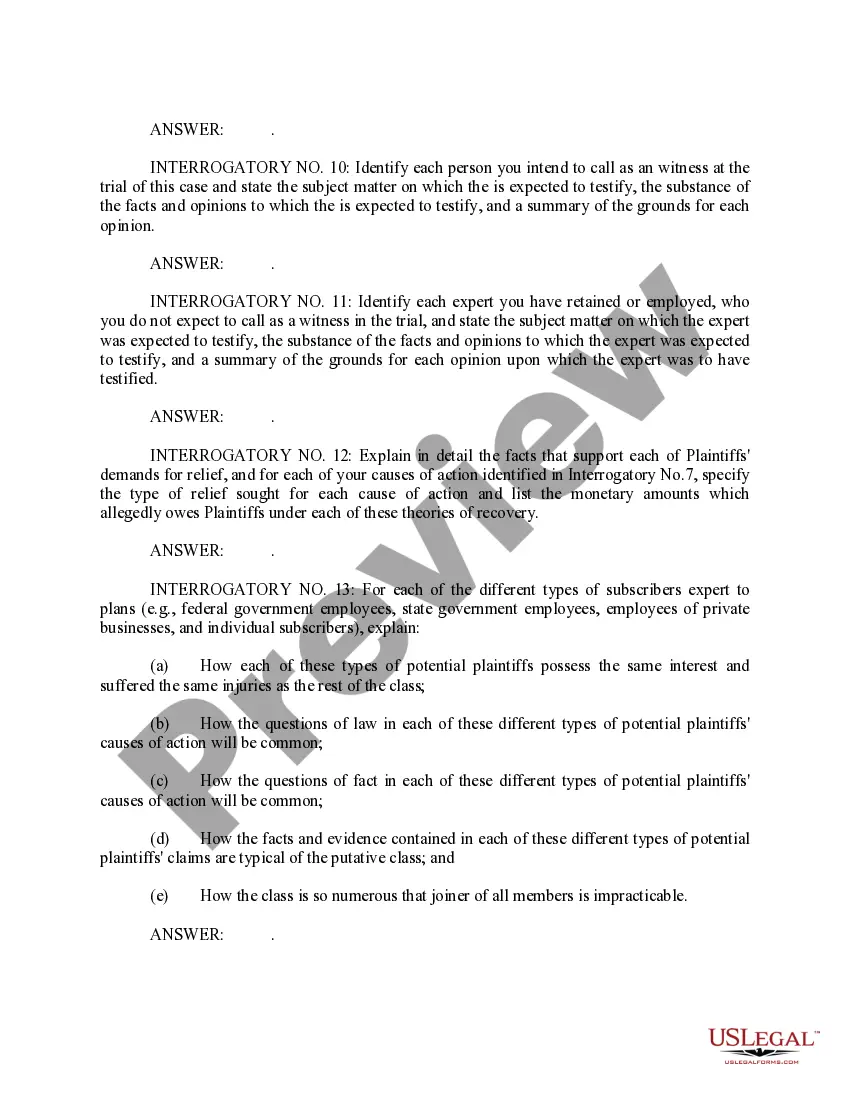
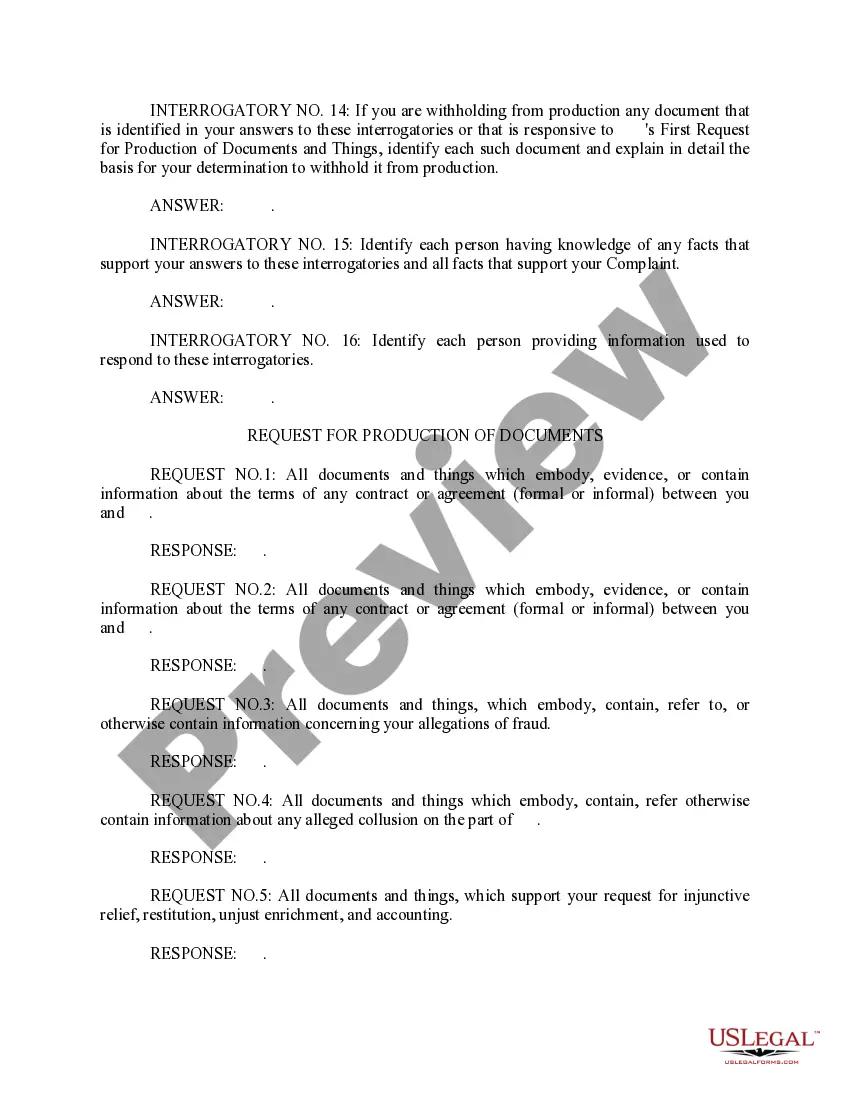
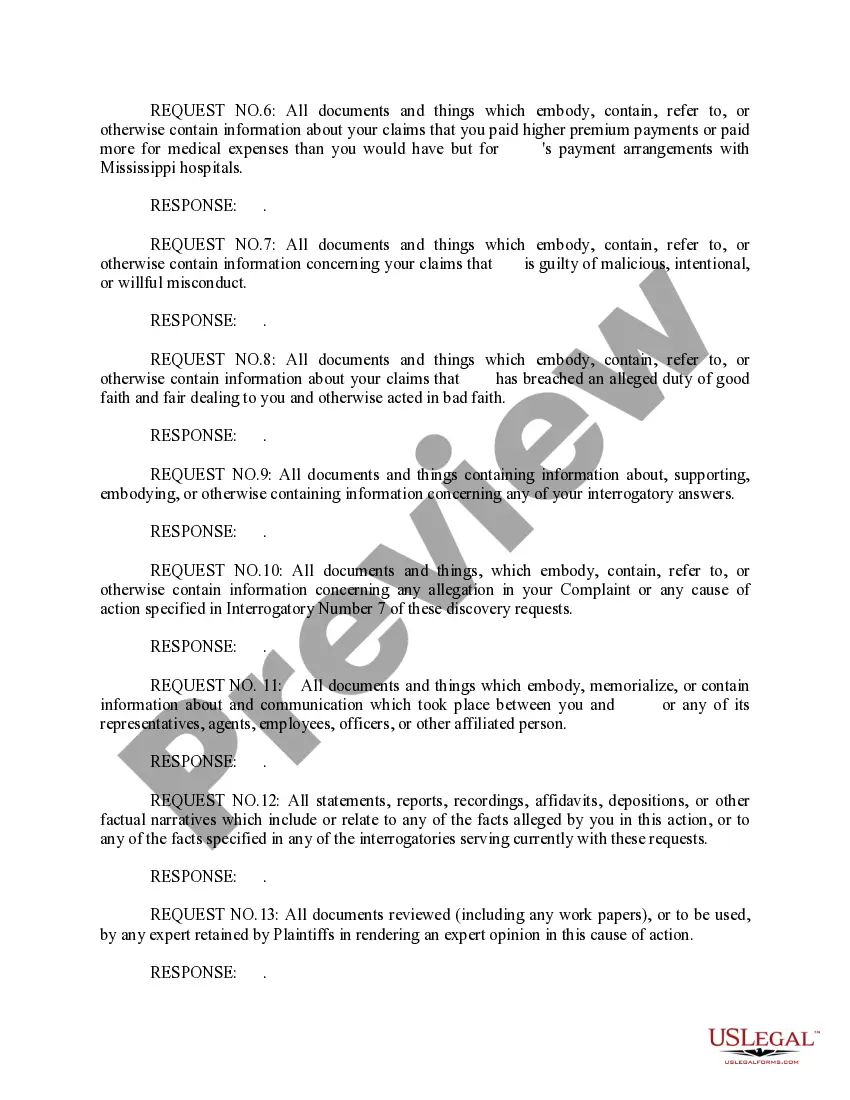
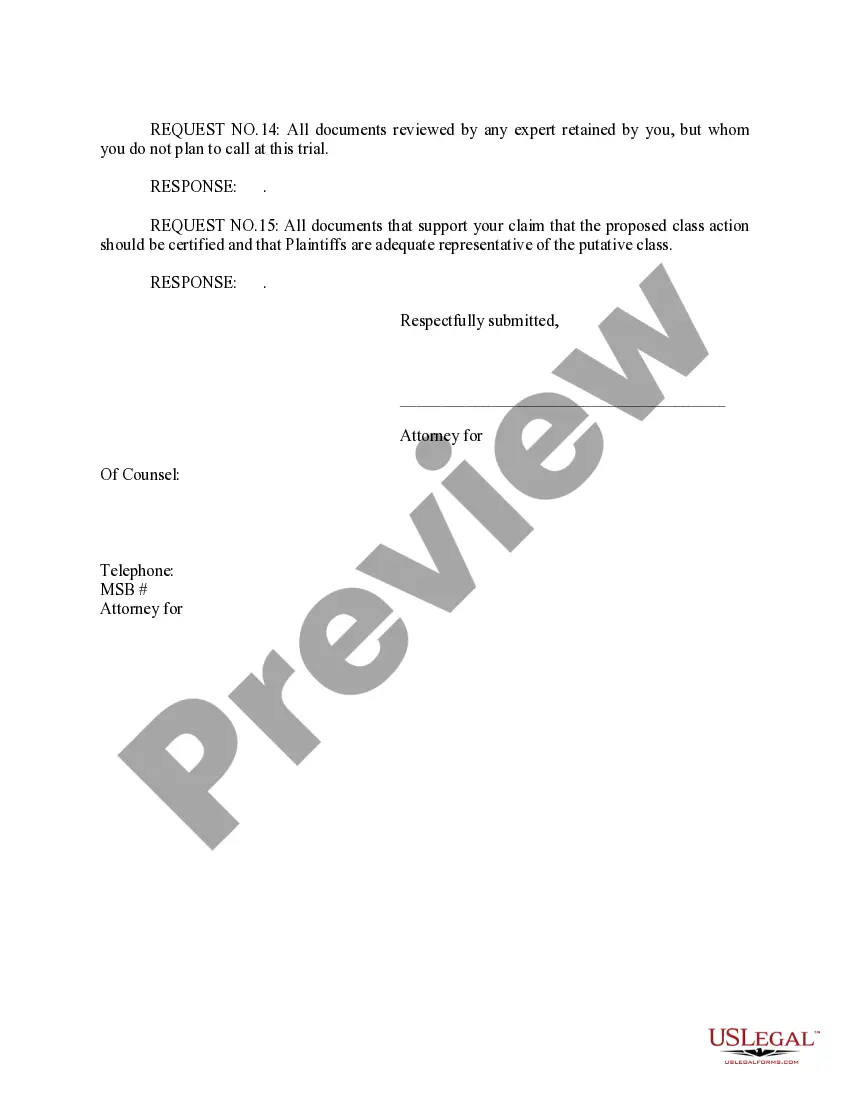
The Answer to Discovery is a legal document used in the state of Mississippi. It is filed by either party in a legal dispute to respond to the interrogatories and requests for the production of documents from the opposing side. This form is essential for ensuring compliance with state discovery rules, allowing parties to provide detailed answers and evidence pertinent to the case while upholding the integrity of the legal process.
Main sections of this form
- Definitions and Instructions: Clarifies the legal terminology and guidelines for responding.
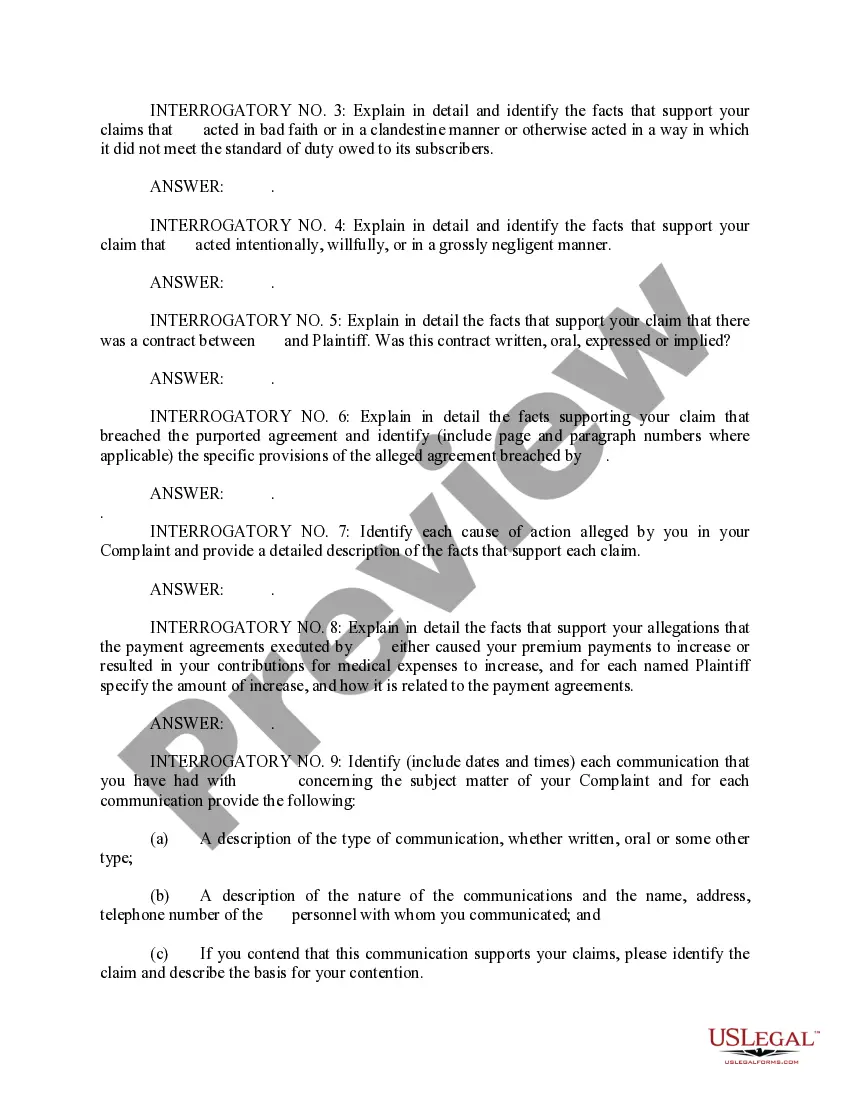
- Interrogatories: A series of questions that the responding party must answer in detail.
- Request for Production of Documents: Specific requests for documents related to the case to provide evidence.
- Answers: Detailed responses to each interrogatory and document request, including supporting evidence.
When to use this form
This form should be used during the discovery phase of litigation in Mississippi when one party has received interrogatories and requests for documents from the opposing counsel. It is crucial for presenting factual evidence that supports claims and defenses in a legal action, especially in cases involving issues such as fraud, misrepresentation, or breach of contract.
Who needs this form
- Plaintiffs or defendants involved in a lawsuit in Mississippi.
- Individuals or attorneys responding to discovery requests from the opposing party.
- Parties seeking to clarify their positions in a legal matter regarding claims and defenses.
How to complete this form
- Identify the parties involved in the case.
- Read each interrogatory and request carefully to understand what is being asked.
- Provide detailed answers to each question, being sure to include relevant facts and evidence.
- Document any information required regarding communications or evidence supporting your claims.
- Review the completed form for accuracy before filing it with the court.
Notarization guidance
Notarization is not commonly needed for this form. However, certain documents or local rules may make it necessary. Our notarization service, powered by Notarize, allows you to finalize it securely online anytime, day or night.
Get your form ready online
Our built-in tools help you complete, sign, share, and store your documents in one place.
Make edits, fill in missing information, and update formatting in US Legal Forms—just like you would in MS Word.
Download a copy, print it, send it by email, or mail it via USPS—whatever works best for your next step.
Sign and collect signatures with our SignNow integration. Send to multiple recipients, set reminders, and more. Go Premium to unlock E-Sign.
If this form requires notarization, complete it online through a secure video call—no need to meet a notary in person or wait for an appointment.
We protect your documents and personal data by following strict security and privacy standards.

Make edits, fill in missing information, and update formatting in US Legal Forms—just like you would in MS Word.

Download a copy, print it, send it by email, or mail it via USPS—whatever works best for your next step.

Sign and collect signatures with our SignNow integration. Send to multiple recipients, set reminders, and more. Go Premium to unlock E-Sign.

If this form requires notarization, complete it online through a secure video call—no need to meet a notary in person or wait for an appointment.

We protect your documents and personal data by following strict security and privacy standards.
Common mistakes
- Failing to answer all interrogatories fully and accurately.
- Not providing adequate evidence or documentation to support claims.
- Missing deadlines for submitting discovery responses.
- Neglecting to review responses for completeness and clarity.
Why use this form online
- Convenience of completing the form from anywhere at any time.
- Editability to customize responses based on specific case details.
- Access to up-to-date legal templates that comply with state requirements.
Legal use & context
- The answers provided in this form can be used as evidence in court if needed.
- Failure to respond appropriately can lead to sanctions or adverse rulings.
- This form plays a critical role in the discovery process, affecting case outcomes.
Looking for another form?
Form popularity
FAQ
That disclosure is accomplished through a methodical process called "discovery." Discovery takes three basic forms: written discovery, document production and depositions. See 's Stages of a Personal Injury Case section for related articles and resources.
In law, interrogatories (also known as requests for further information) are a formal set of written questions propounded by one litigant and required to be answered by an adversary in order to clarify matters of fact and help to determine in advance what facts will be presented at any trial in the case.
The purpose of discovery is to allow the parties to obtain full knowledge of the issues and facts of the lawsuit before going to trial. An experienced family law attorney will use discovery to help you identify the various strengths and weaknesses of each side of the case.
: the act of finding or learning something for the first time : the act of discovering something. : something seen or learned for the first time : something discovered. See the full definition for discovery in the English Language Learners Dictionary. discovery. noun.
You must answer each interrogatory separately and fully in writing under oath, unless you object to it. You must explain why you object. You must sign your answers and objections.
Motions to Compel If a party doesn't respond to interrogatories or requests for production, then the party seeking those answers must file a motion to compel with the court. If the court grants the motion to compel, then the party who objected or failed to answer must then do so.
Discovery, in the law of common law jurisdictions, is a pre-trial procedure in a lawsuit in which each party, through the law of civil procedure, can obtain evidence from the other party or parties by means of discovery devices such as interrogatories, requests for production of documents, requests for admissions and
This is the formal process of exchanging information between the parties about the witnesses and evidence they'll present at trial. Discovery enables the parties to know before the trial begins what evidence may be presented.One of the most common methods of discovery is to take depositions.
So, can you refuse to answer interrogatories? The answer is, no, you may not. You must answer a Rule 33 interrogatory within 30 days of being served with it. That answer must either permit inspection of the requested information or object to the production of the information for a specific reason.