Tennessee Individual Credit Application
About this form
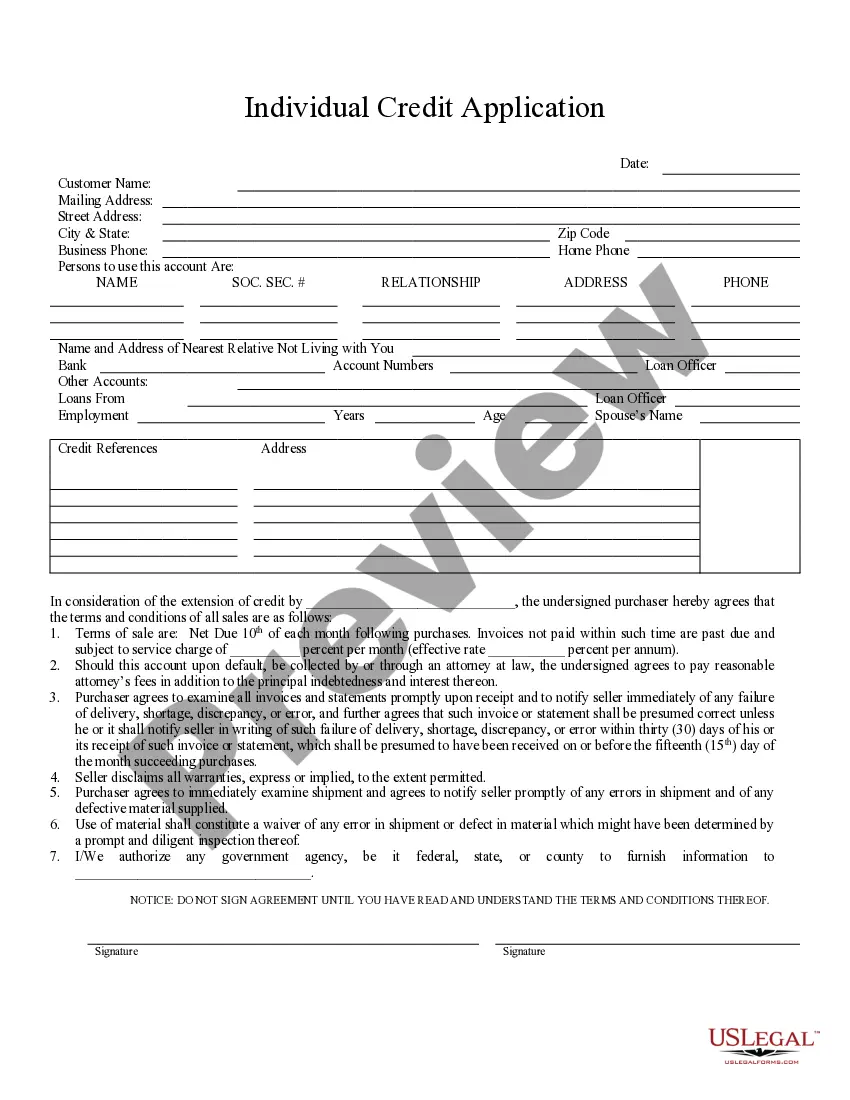
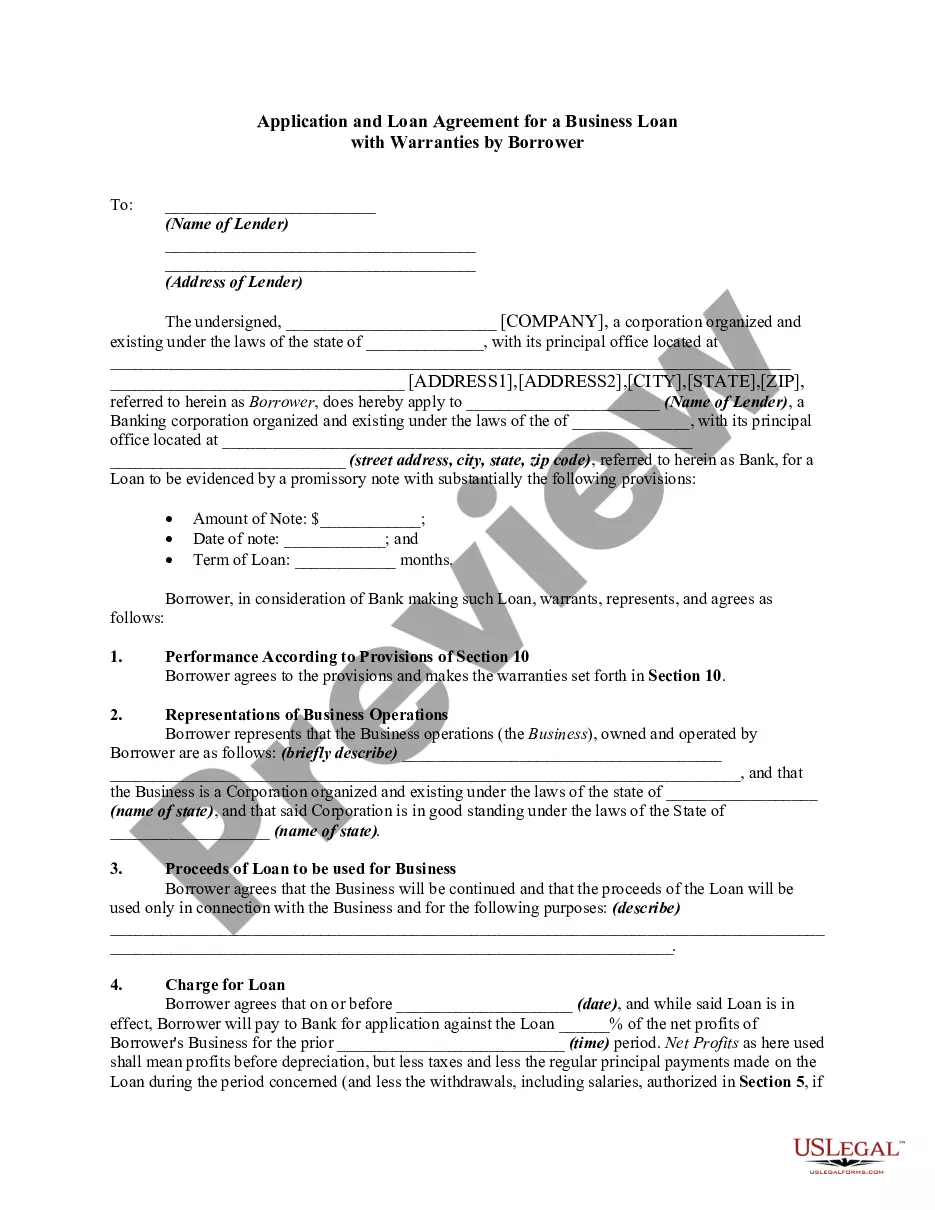
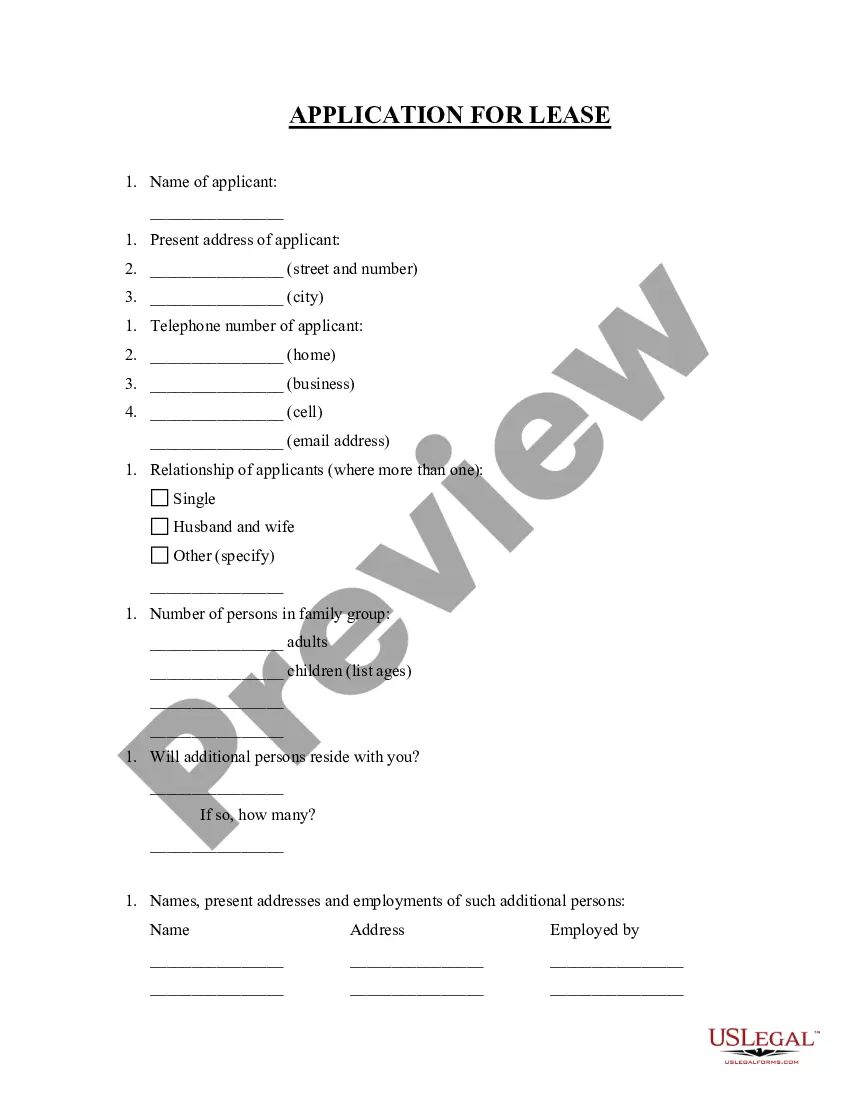
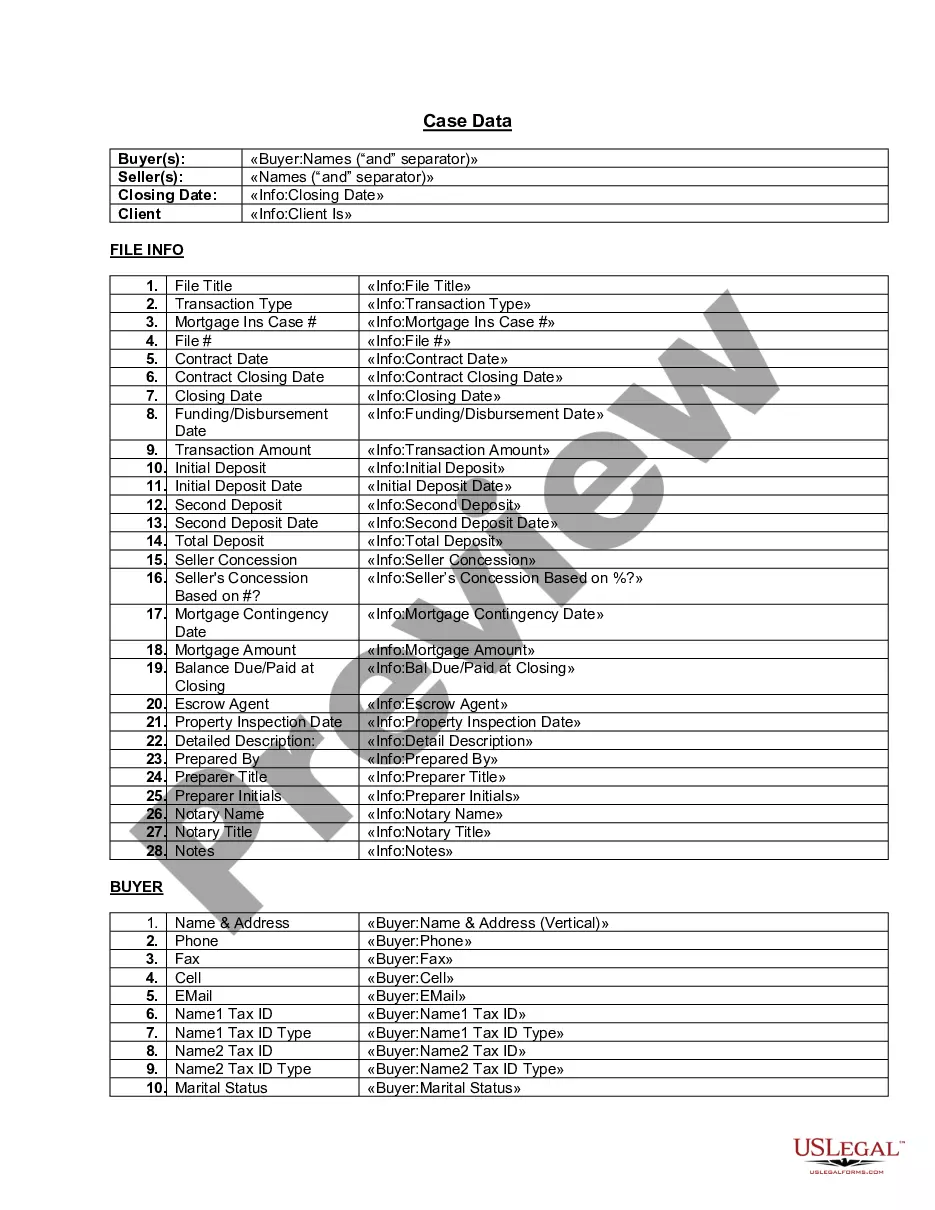
The Individual Credit Application is a legal document used by individuals seeking credit for purchases. This form outlines the terms of repayment, interest rates, and potential defaults, distinguishing it from other credit applications by focusing on the individual borrowing aspect and including specific provisions for information retrieval from government agencies if necessary.
Form components explained
- Identification of the seller and the purchaser.
- Terms of sale, including payment due dates and interest rates on late payments.
- Provisions regarding attorney fees in the event of default on payments.
- Requirements for promptly reviewing invoices and reporting discrepancies.
- Disclaimer of warranties by the seller.
- Authorization for the seller to obtain personal information from government agencies.
Situations where this form applies
This form should be used when an individual is applying for credit to make a purchase, such as buying a vehicle or furniture. It is particularly useful in situations where the seller requires specific terms of repayment and assurances regarding the buyer's financial status. Additionally, it can be employed when the seller needs to verify personal information before extending credit.
Who should use this form
- Individuals looking to obtain credit from sellers for purchases.
- Sellers who require a structured method to assess and document creditworthiness of potential buyers.
- Financial institutions or lenders seeking a straightforward way to evaluate credit applications from individuals.
How to prepare this document
- Identify the parties involved by entering the name of the seller and purchaser.
- Specify the payment terms, including due dates and interest rates.
- Fill in information regarding the service charge for late payments.
- Provide any necessary authorization for personal information retrieval.
- Review all terms carefully before signing to confirm understanding and agreement.
Does this document require notarization?
Notarization is not commonly needed for this form. However, certain documents or local rules may make it necessary. Our notarization service, powered by Notarize, allows you to finalize it securely online anytime, day or night.
Get your form ready online
Our built-in tools help you complete, sign, share, and store your documents in one place.
Make edits, fill in missing information, and update formatting in US Legal Forms—just like you would in MS Word.
Download a copy, print it, send it by email, or mail it via USPS—whatever works best for your next step.
Sign and collect signatures with our SignNow integration. Send to multiple recipients, set reminders, and more. Go Premium to unlock E-Sign.
If this form requires notarization, complete it online through a secure video call—no need to meet a notary in person or wait for an appointment.
We protect your documents and personal data by following strict security and privacy standards.

Make edits, fill in missing information, and update formatting in US Legal Forms—just like you would in MS Word.

Download a copy, print it, send it by email, or mail it via USPS—whatever works best for your next step.

Sign and collect signatures with our SignNow integration. Send to multiple recipients, set reminders, and more. Go Premium to unlock E-Sign.

If this form requires notarization, complete it online through a secure video call—no need to meet a notary in person or wait for an appointment.

We protect your documents and personal data by following strict security and privacy standards.
Mistakes to watch out for
- Not thoroughly reading and understanding the terms before signing.
- Failing to provide accurate personal information, which can delay credit approval.
- Ignoring the requirement to report invoice discrepancies within the specified timeframe.
Why complete this form online
- Convenient access to the form from anywhere, allowing for completion at your own pace.
- Editability allows users to easily customize the form to meet specific needs.
- Reliable templates drafted by licensed attorneys ensuring legal compliance.
Legal use & context
- This form serves as a binding agreement between the buyer and seller regarding credit terms.
- Failure to adhere to the terms outlined can lead to legal consequences, including potential collection actions.
- Understanding your rights and obligations outlined in this form is crucial for both parties.
What to keep in mind
- The Individual Credit Application is essential for individuals seeking credit based on agreed-upon terms.
- Be aware of your rights and responsibilities as outlined in the form before signing.
- Ensure compliance with any relevant state laws regarding credit applications.
Looking for another form?

Form popularity
FAQ
The only forms of taxable income in Tennessee are interest and dividend income, and this law is being phased out in 2021 and beyond. However, regardless of this tax, it does not cover interest or dividends earned by retirement accounts, such as a 401(k) or an IRA.
4% of taxable income for tax years beginning January 1, 2017. 3% of taxable income for tax years beginning January 1, 2018. 2% of taxable income for tax years beginning January 1, 2019. 1% of taxable income for tax years beginning January 1, 2020.
Under Tennessee law, the Commissioner of Revenue is authorized to extend the deadline for filing a return whenever the IRS extends a federal filing date for a specified group of taxpayers. The extensions will automatically apply.
General Instructions The guidelines for obtaining a Tennessee tax extension are as follows: If you have a valid Federal extension (IRS Form 7004) and you owe zero state tax, you will automatically be granted a Tennessee tax extension.
There is no income tax on wages in this state. Therefore, the Tennessee income tax rate is 0%. It does have, however, a flat 1 to 2% tax rate that applies to income earned from interest and dividends. Tennessee levies tax on other items, outside of income.
No Tennessee State Income TaxTennessee is one of the seven states that does not impose an income tax. Taxpayers are not required to file a state return or pay tax on their wages and monetary bonuses. The only income subject to tax is investment dividends and interest.
Income tax is generally levied at a state-level on the income you earn within a tax year. Yet, Tennessee is one of several states that doesn't levy a state-level income tax on personal income. Business income and real property taxes as well as sales taxes are levied in Tennessee.
The only forms of taxable income in Tennessee are interest and dividend income, and this law is being phased out in 2021 and beyond. However, regardless of this tax, it does not cover interest or dividends earned by retirement accounts, such as a 401(k) or an IRA.
No Tennessee State Income Tax Tennessee is one of the seven states that does not impose an income tax. Taxpayers are not required to file a state return or pay tax on their wages and monetary bonuses. The only income subject to tax is investment dividends and interest.