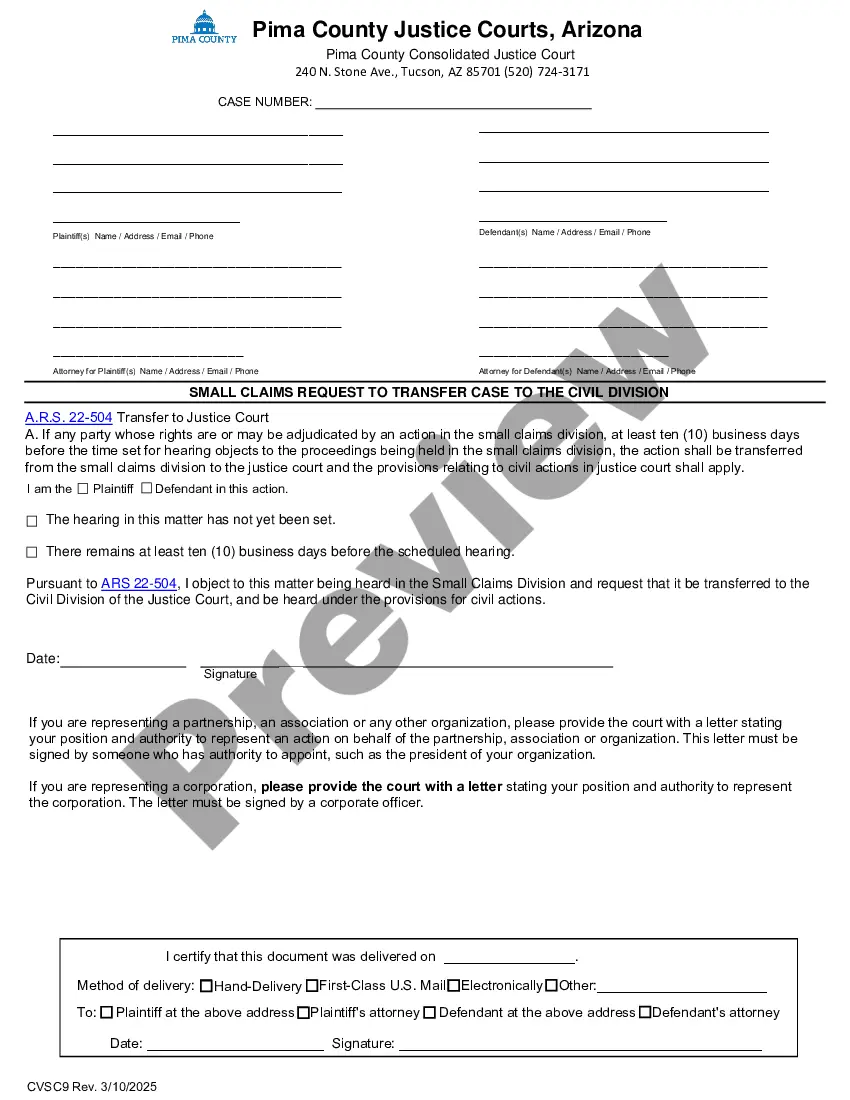
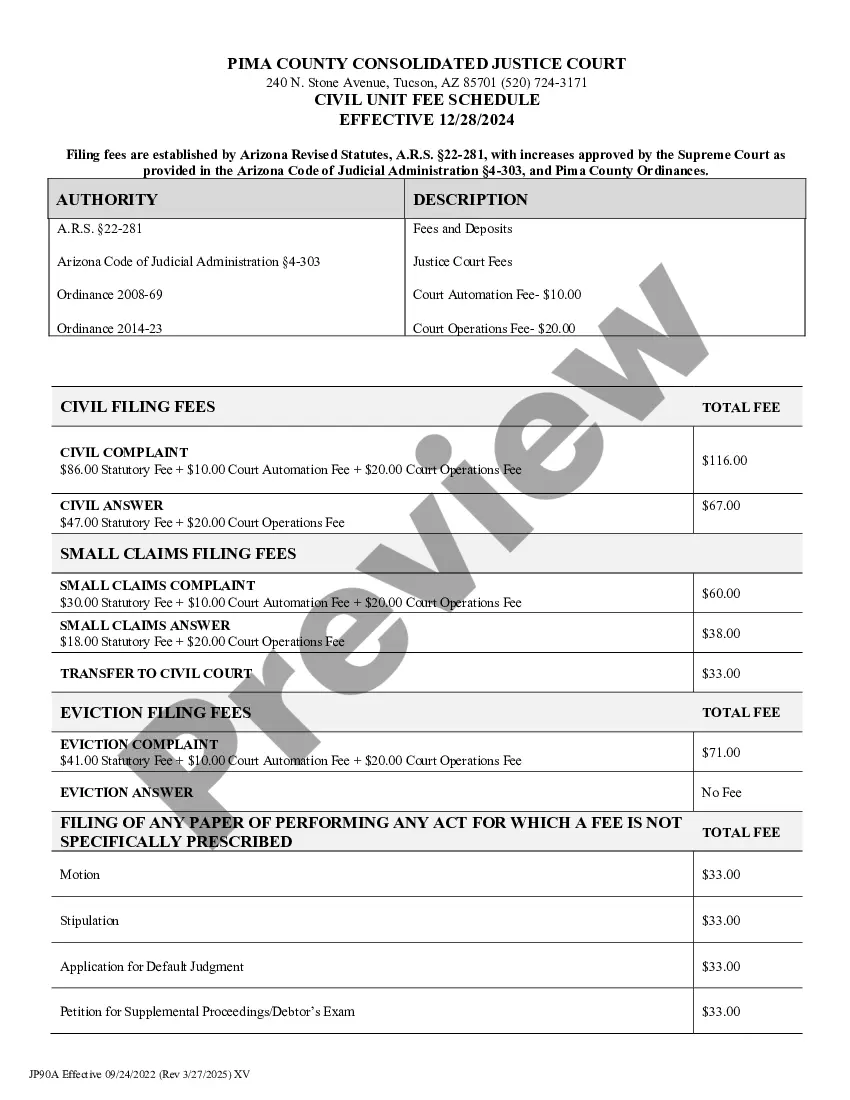
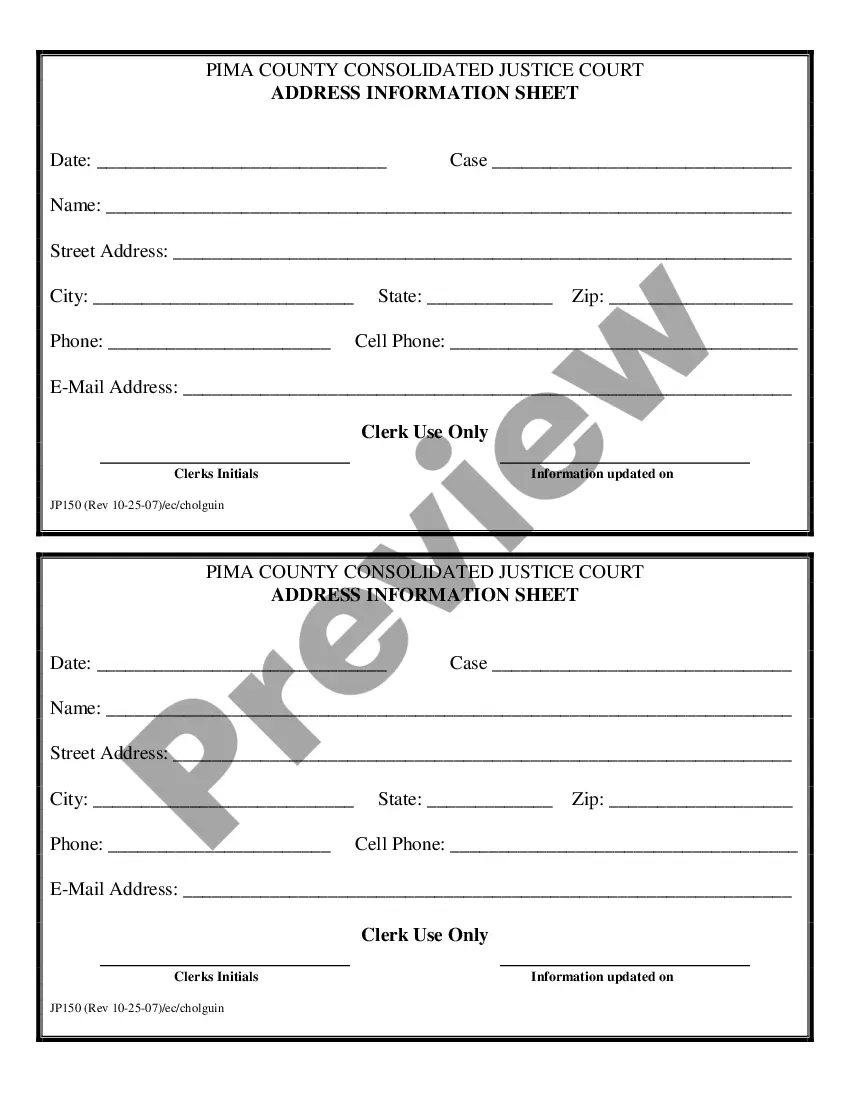
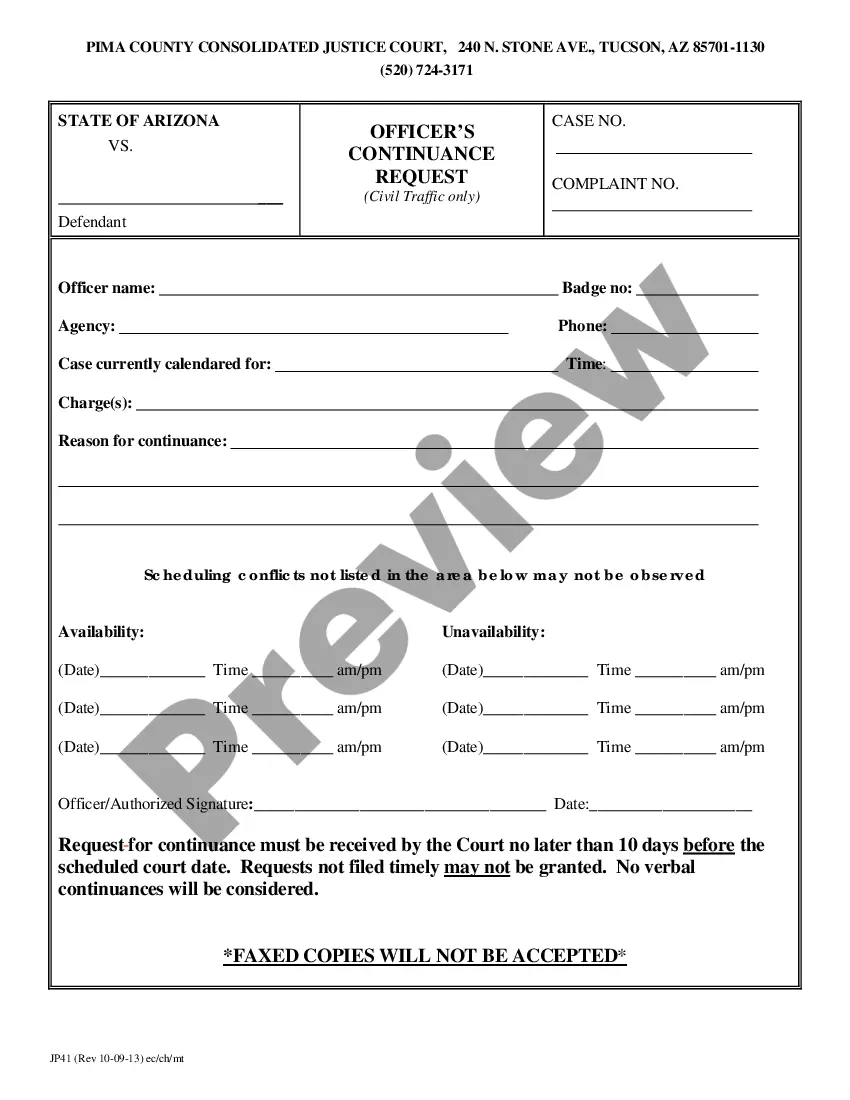
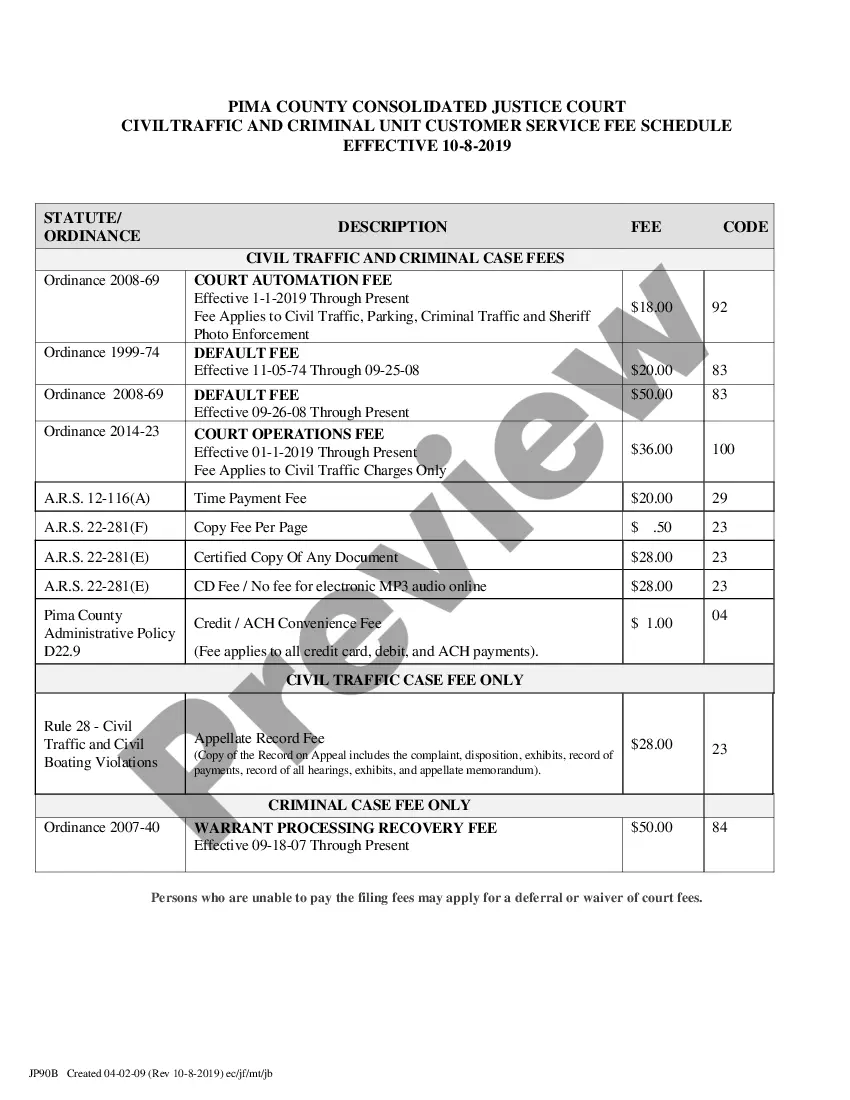
Mississippi Suggestion for Writ of Garnishment
About this form
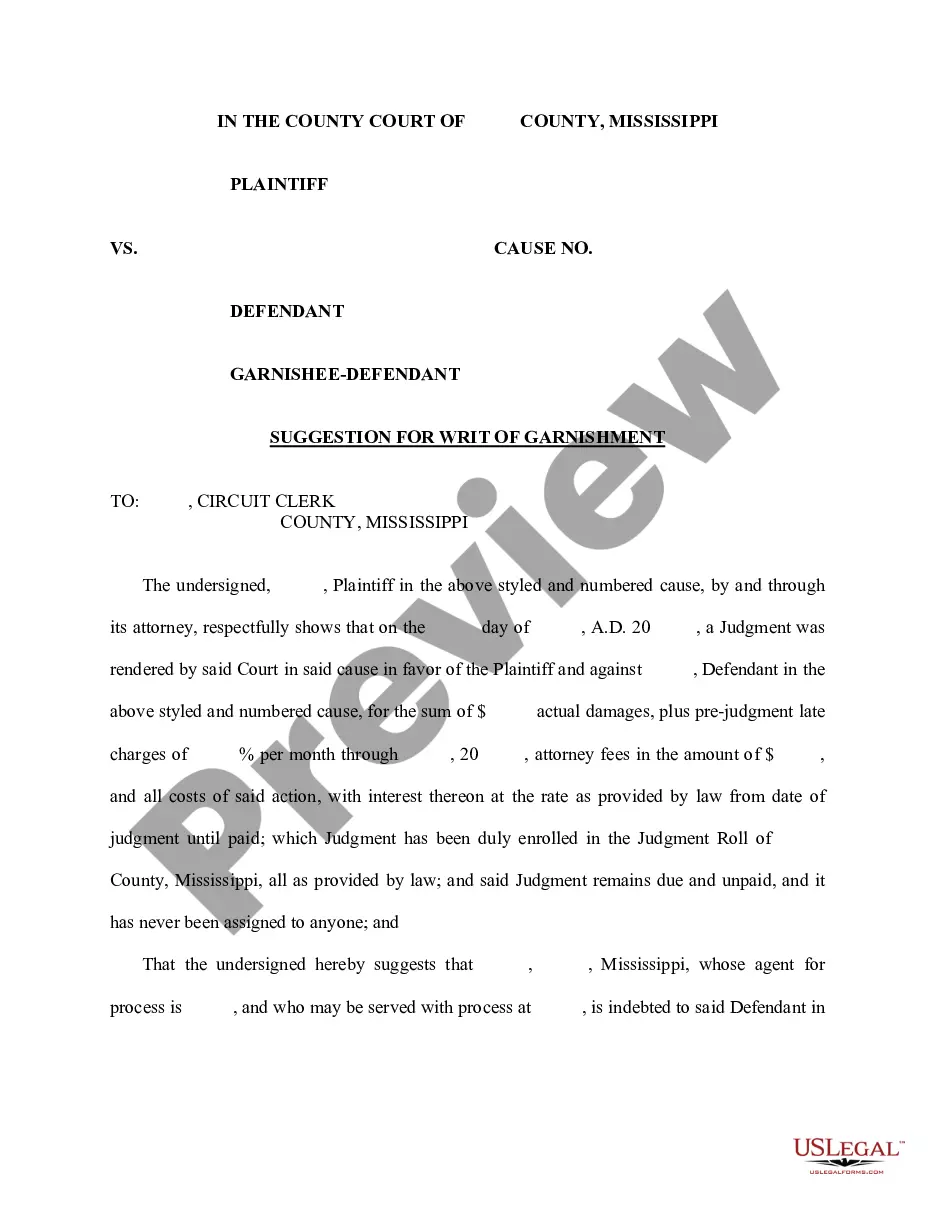
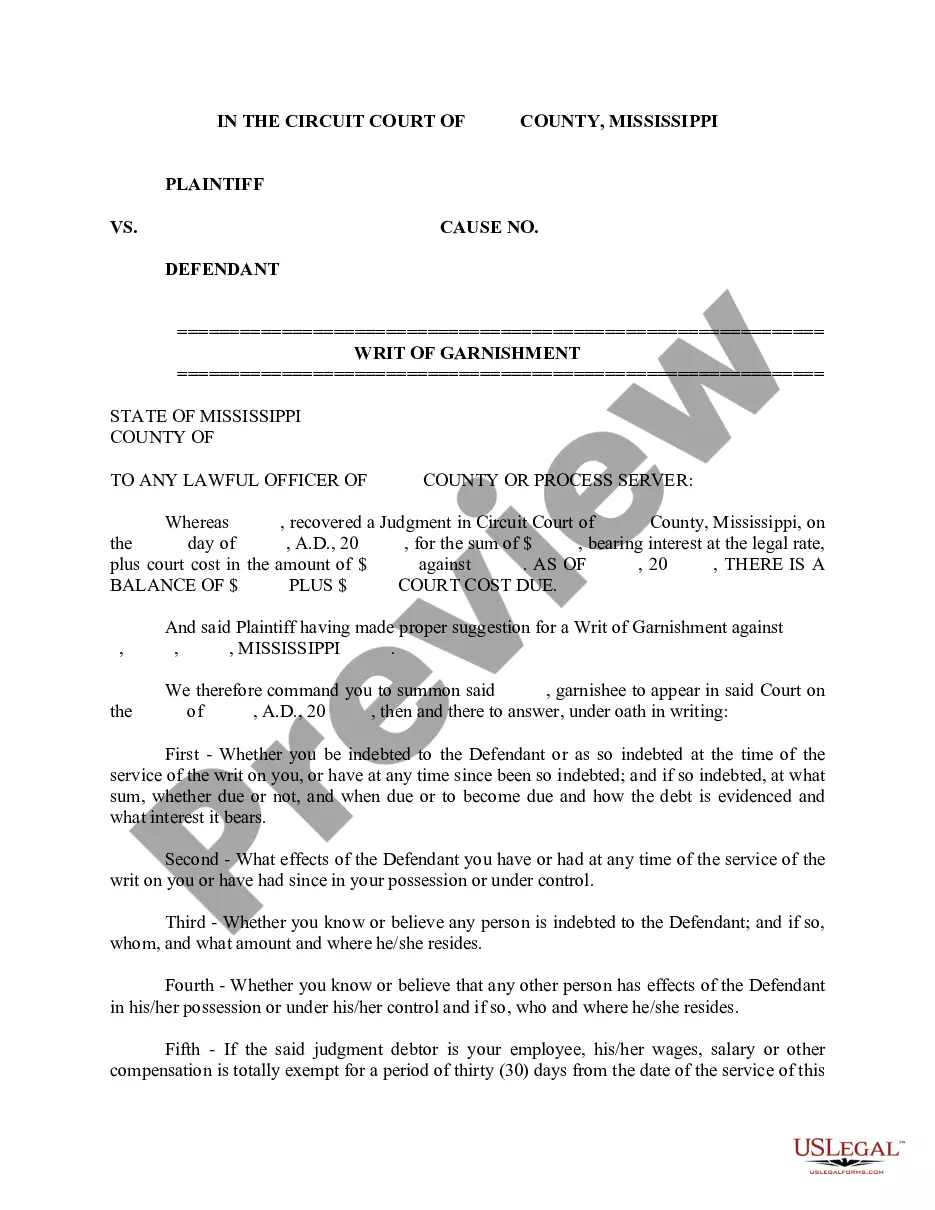
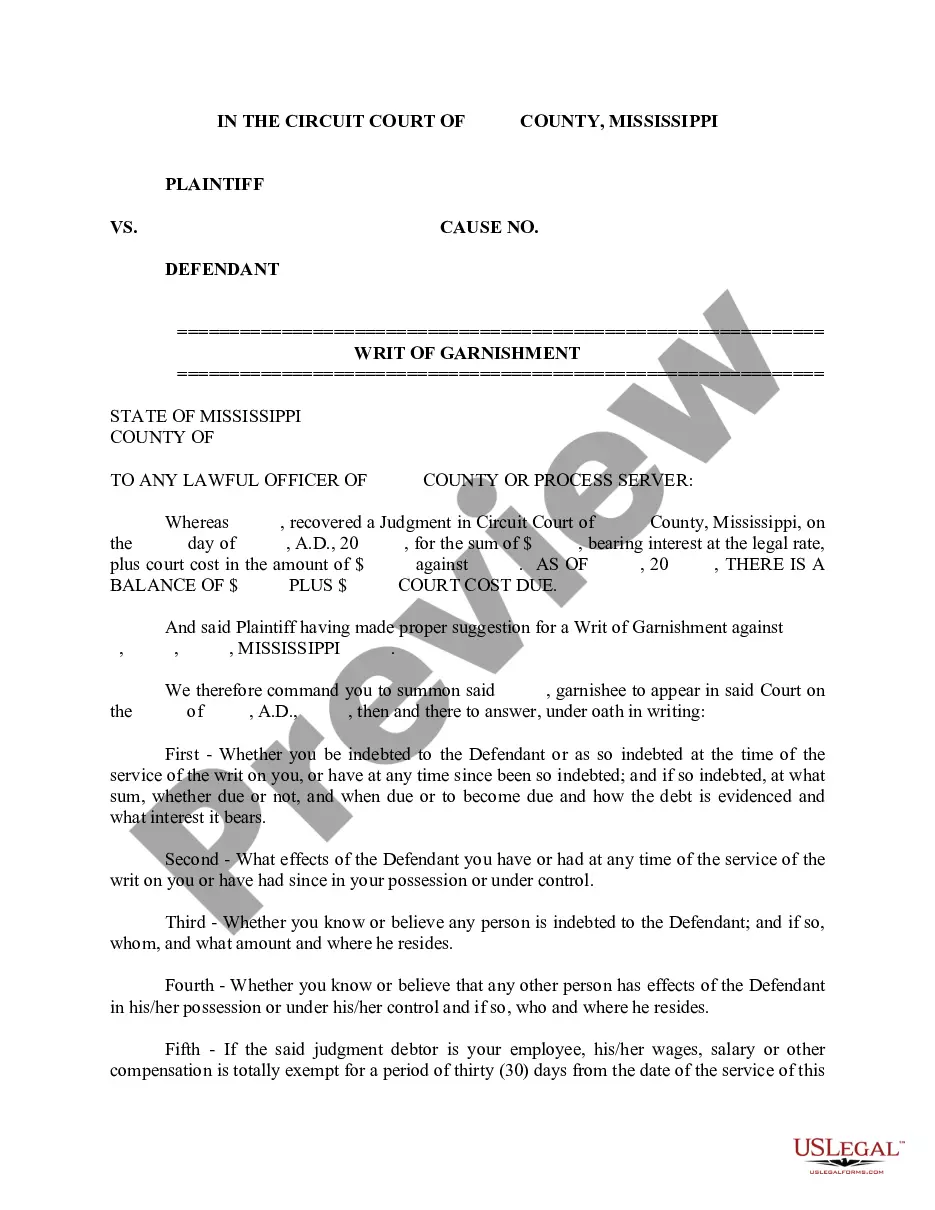
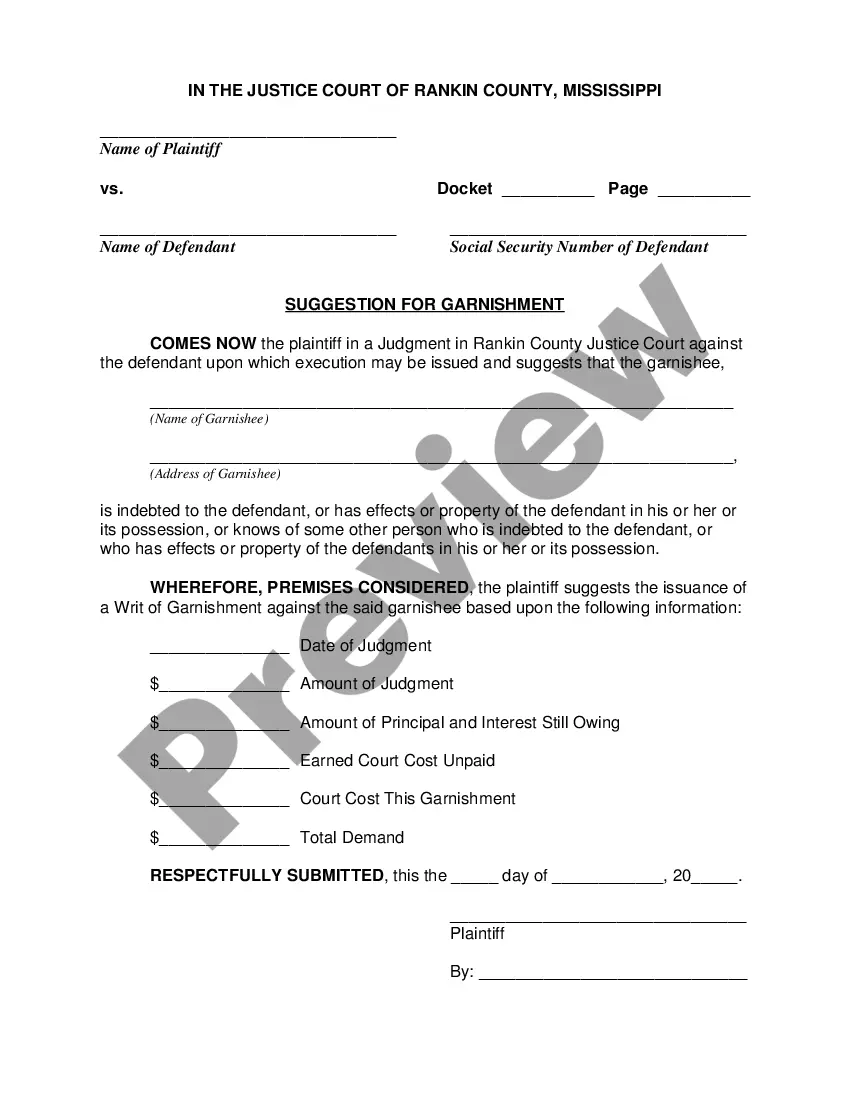
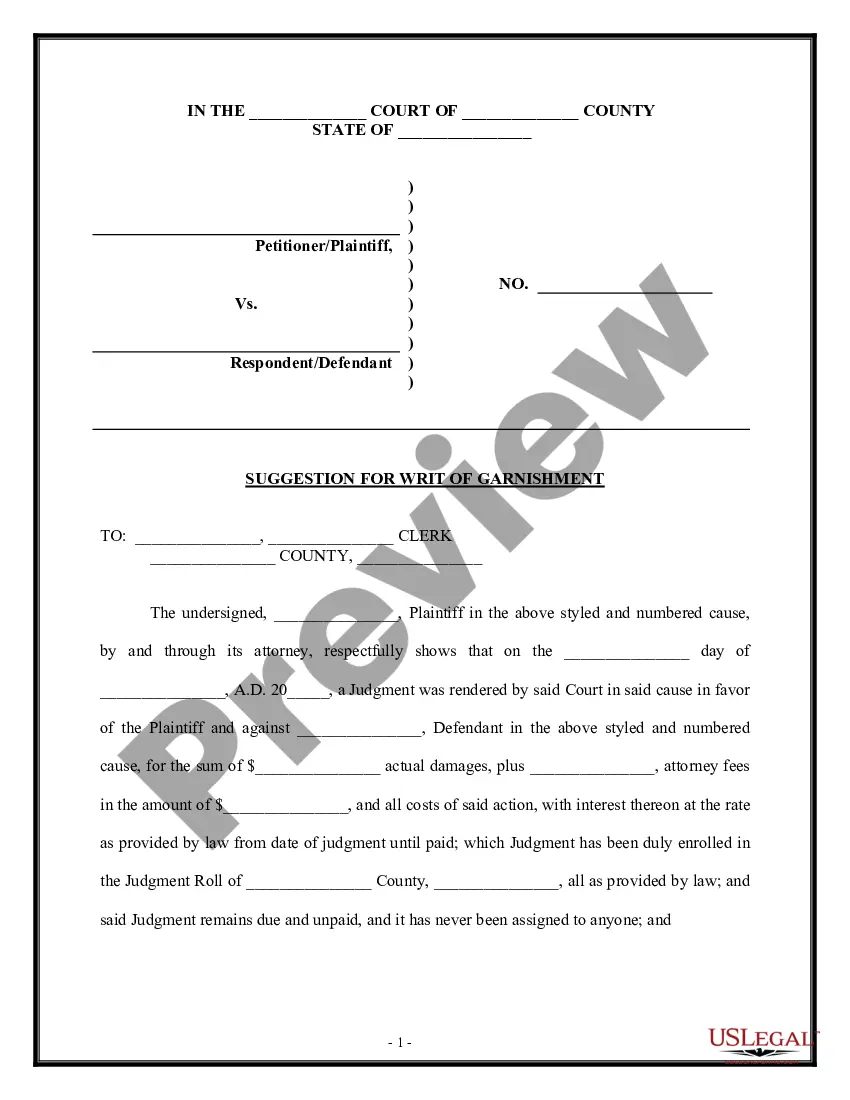
The Suggestion for Writ of Garnishment is a legal document filed by a judgment creditor to request the court to issue a writ that allows for the collection of unpaid debts directly from a defendant's wages. This form differs from other debt collection documents by specifically targeting wage garnishment, a method that enables creditors to fulfill money judgments against debtors who have not satisfied their obligations. By using this form, creditors can initiate the garnishment process in a legally recognized manner.
Main sections of this form
- Identification of the judgment creditor (plaintiff)
- Details of the judgment rendered against the defendant (judgment debtor)
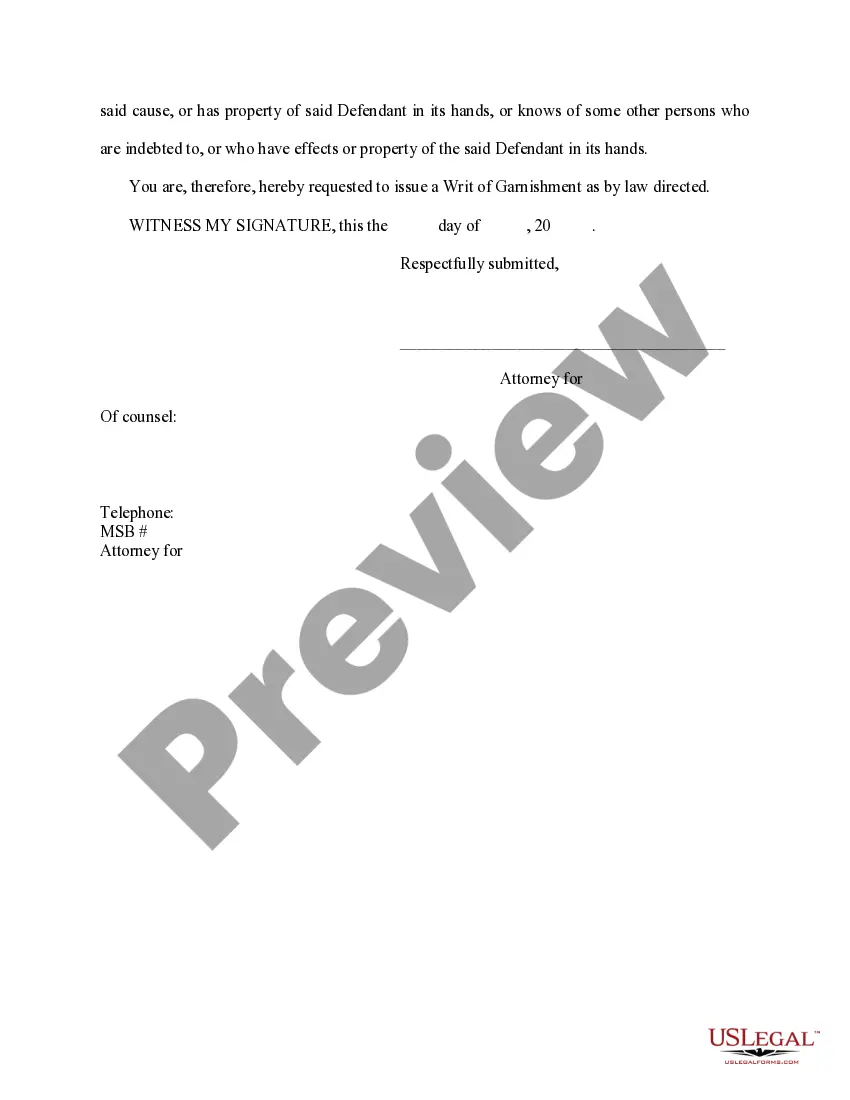
- Request for the issuance of a writ of garnishment
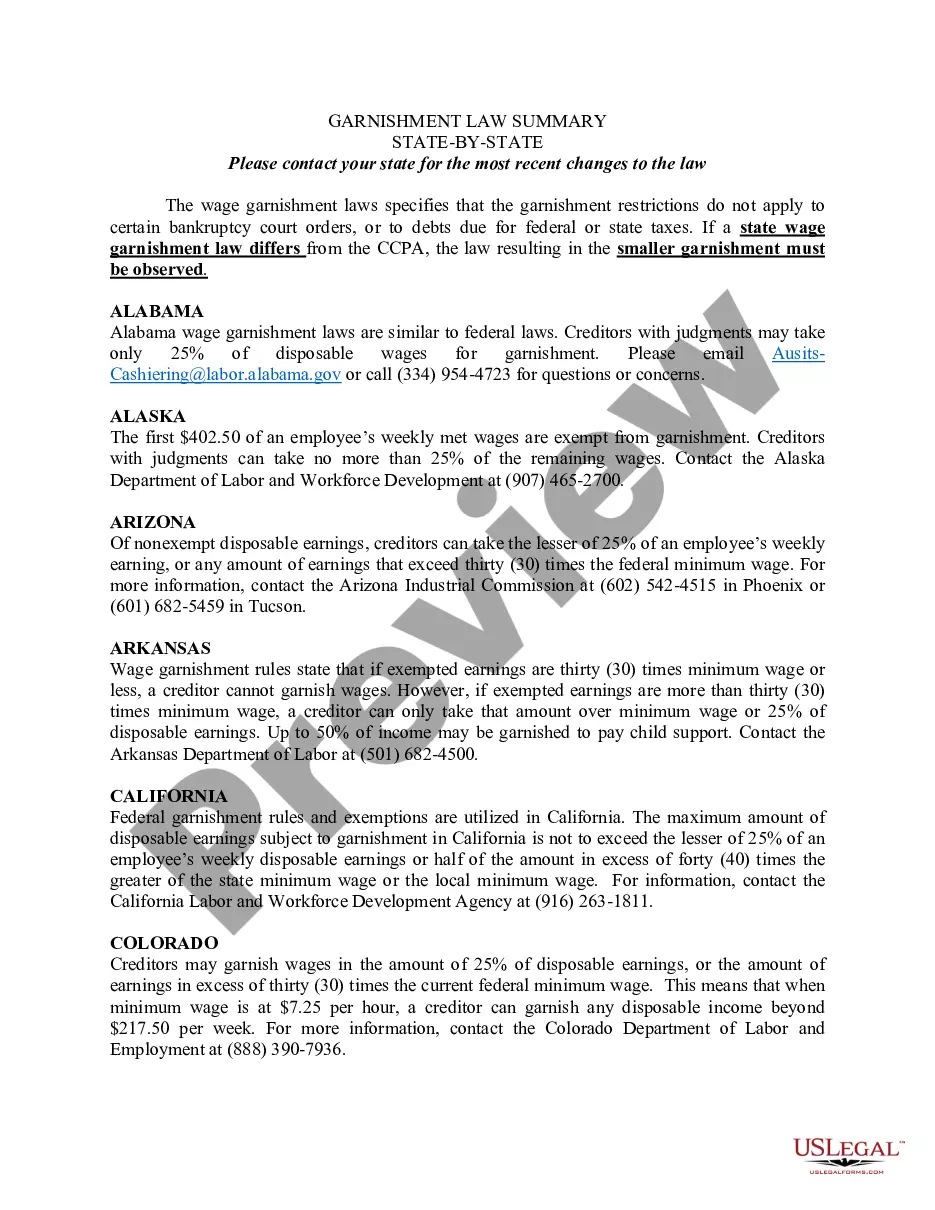
- Legal basis for the garnishment request
Common use cases
This form is applicable in situations where a creditor has obtained a judgment against a debtor for an outstanding debt but has been unsuccessful in collecting the amount owed. When the debtor fails to voluntarily pay the judgment, creditors can use this form to initiate wage garnishment, allowing them to collect the owed funds directly from the debtor's wages. It is a crucial step in the enforcement of a court-awarded judgment.
Intended users of this form
- Judgment creditors seeking to collect outstanding debts
- Individuals or businesses that have obtained a court judgment
- Claimants in need of a legal mechanism to enforce wage garnishment
How to complete this form
- Identify the parties involved, including the creditor and debtor.
- Provide information about the original judgment, including the date it was rendered.
- State the amount of debt that remains unpaid.
- Include a clear request for the issuance of a Writ of Garnishment.
- Sign and date the form where required.
Notarization guidance
This form does not typically require notarization to be legally valid. However, some jurisdictions or document types may still require it. US Legal Forms provides secure online notarization powered by Notarize, available 24/7 for added convenience.
Get your form ready online
Our built-in tools help you complete, sign, share, and store your documents in one place.
Make edits, fill in missing information, and update formatting in US Legal Forms—just like you would in MS Word.
Download a copy, print it, send it by email, or mail it via USPS—whatever works best for your next step.
Sign and collect signatures with our SignNow integration. Send to multiple recipients, set reminders, and more. Go Premium to unlock E-Sign.
If this form requires notarization, complete it online through a secure video call—no need to meet a notary in person or wait for an appointment.
We protect your documents and personal data by following strict security and privacy standards.

Make edits, fill in missing information, and update formatting in US Legal Forms—just like you would in MS Word.

Download a copy, print it, send it by email, or mail it via USPS—whatever works best for your next step.

Sign and collect signatures with our SignNow integration. Send to multiple recipients, set reminders, and more. Go Premium to unlock E-Sign.

If this form requires notarization, complete it online through a secure video call—no need to meet a notary in person or wait for an appointment.

We protect your documents and personal data by following strict security and privacy standards.
Typical mistakes to avoid
- Failing to include complete and accurate information about the original judgment.
- Not signing the form, leading to invalid submissions.
- Ignoring state-specific requirements, which may result in delays or rejection.
Benefits of completing this form online
- Immediate access to the form for prompt filing.
- Editability allows you to customize the form to your specific circumstances.
- Reliability as the form is prepared by licensed attorneys, ensuring compliance with legal standards.
Key takeaways
- The Suggestion for Writ of Garnishment is essential for creditors looking to collect unpaid debts through wage garnishment.
- Accurate details of the judgment and parties involved are crucial for the form's validity.
- Review state-specific rules to ensure proper filing and compliance with local legal standards.
Looking for another form?
Form popularity
FAQ
If you are served with a garnishment summons, do not ignore these documents because they do not directly involve a debt that you owe. Instead, you should immediately freeze any payments to the debtor, retain the necessary property, and provide the required written disclosure.
If it's already started, you can try to challenge the judgment or negotiate with the creditor. But, they're in the driver's seat, and if they don't allow you to stop a garnishment by agreeing to make voluntary payments, you can't really force them to. You can, however, stop the garnishment by filing a bankruptcy case.
The creditor must serve the Writ of Garnishment on the garnishee via certified mail, restricted delivery, private process, or sheriff/constable. For more information on service of process see Frequently Asked Questions about Service.
Wage garnishment can follow a debtor from job to job, but it requires separate court orders. This means a creditor will need to request the wage garnishment every time a person changes jobs.
Identify The Funds Or Asset You Want To Collect. Prepare The Writ Of Execution. Prepare The Notice of Execution. Prepare The Writ Of Garnishment. Prepare Instructions To The Sheriff Or Constable. Have Your Papers Served And Watch For A Claim Of Exemption. Track Your Collection And Judgment.
The Order dissolves the existing writ of garnishment. It means that whatever was being garnished, wages or bank accounts, are no longer subject to the writ of garnishment.
Your bank isn't required to notify you of an account garnishment unless the withdrawal overdraws your balance. Depending on where you live, you may have certain rights and protections against having your bank account garnished.
What you can do about wage garnishment.You have to be legally notified of the garnishment. You can file a dispute if the notice has inaccurate information or you believe you don't owe the debt. Some forms of income, such as Social Security and veterans benefits, are exempt from garnishment as income.
Respond to the Creditor's Demand Letter. Seek State-Specific Remedies. Get Debt Counseling. Object to the Garnishment. Attend the Objection Hearing (and Negotiate if Necessary) Challenge the Underlying Judgment. Continue Negotiating.