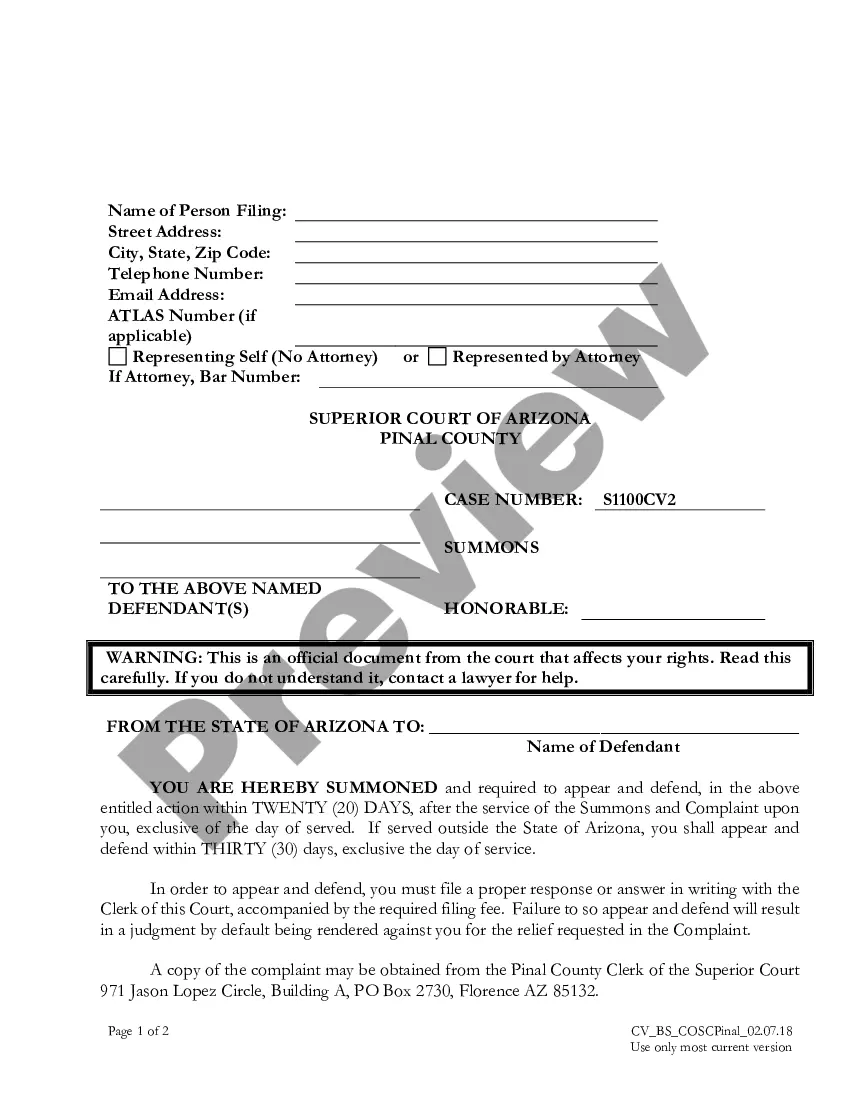
Mississippi Writ of Garnishment
Understanding this form
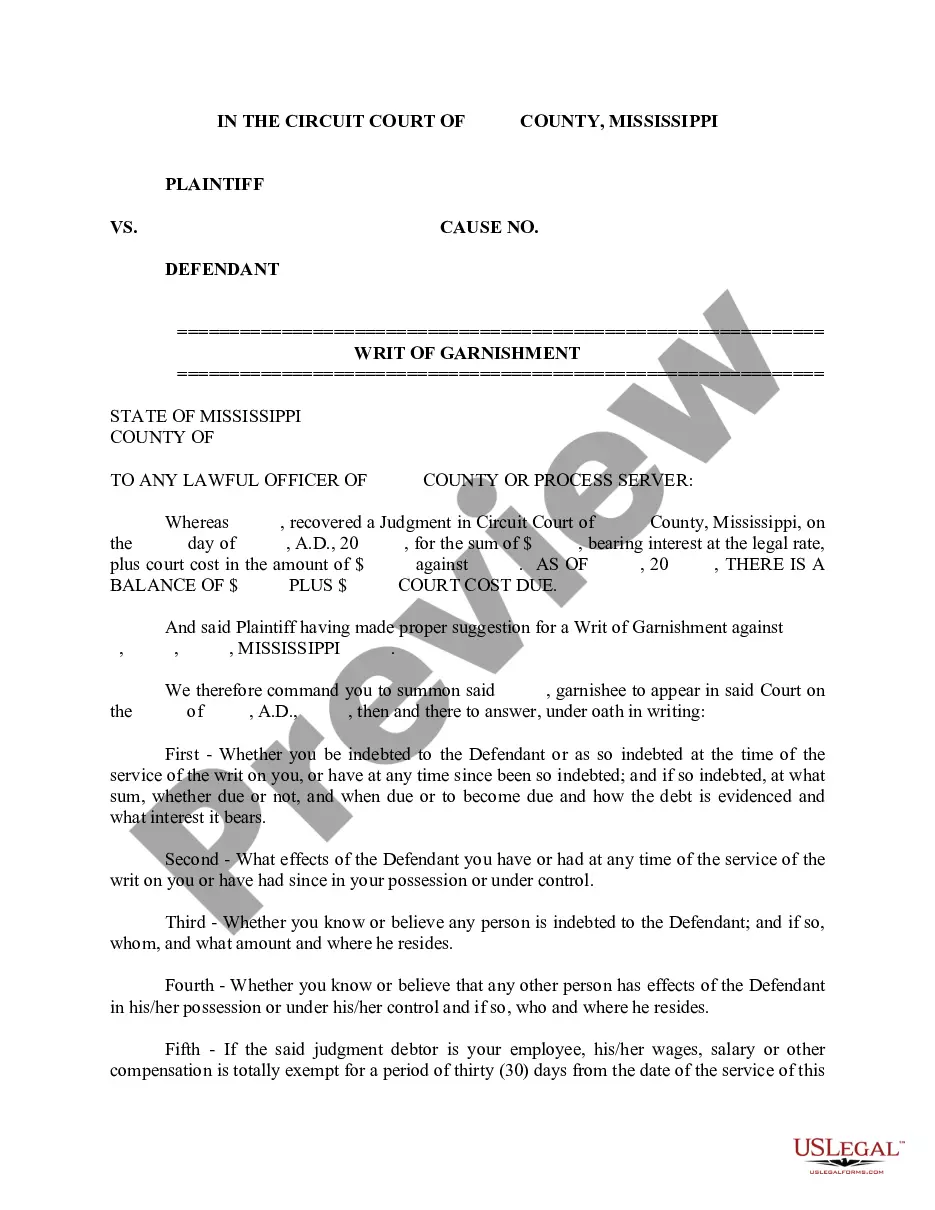
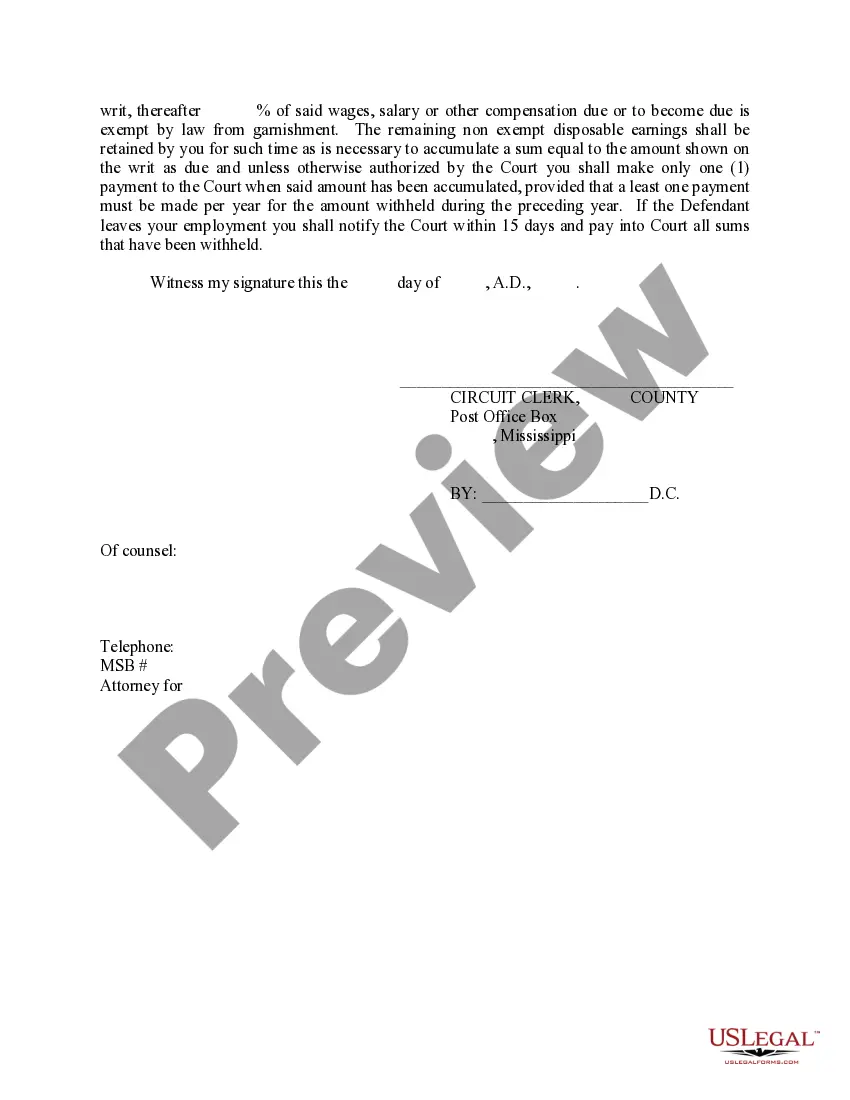
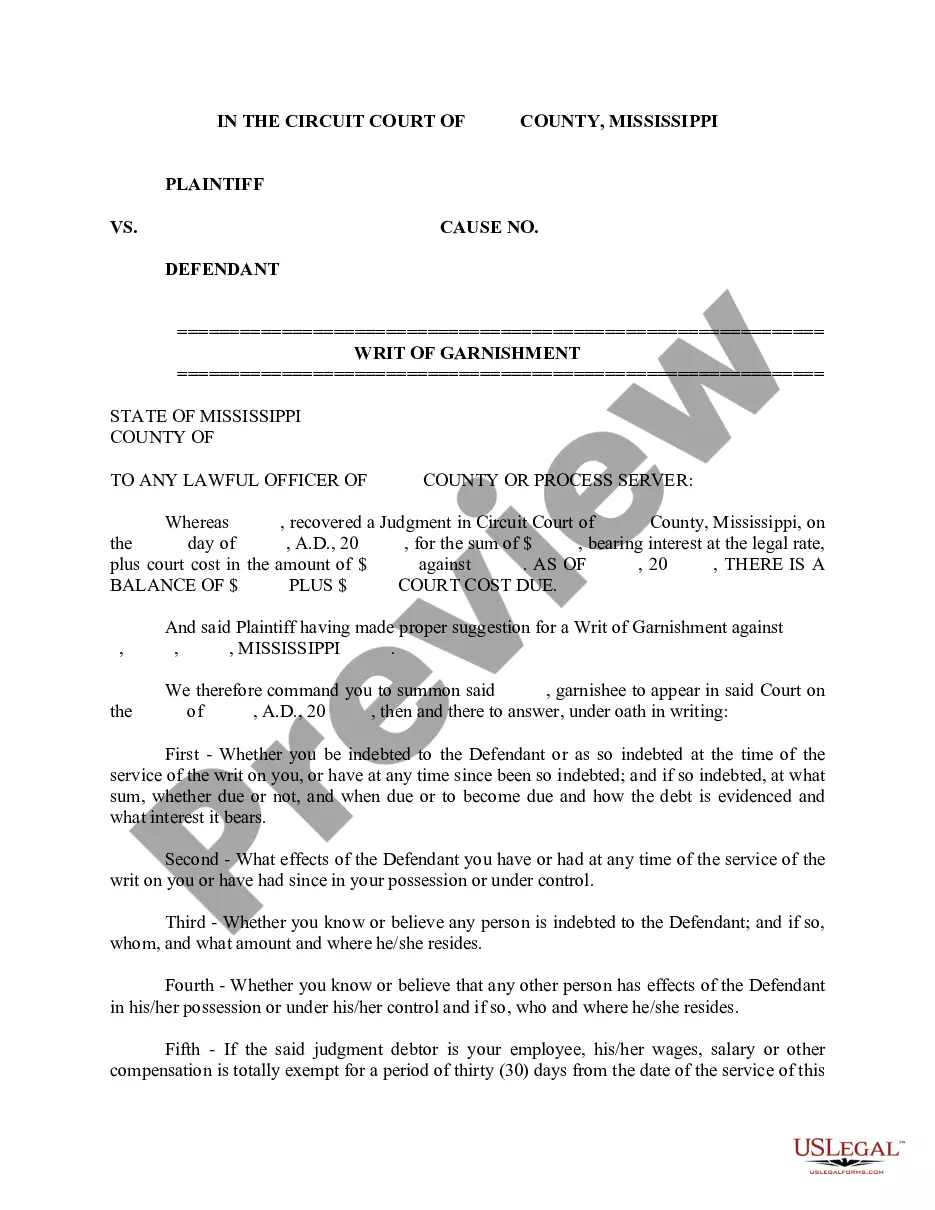
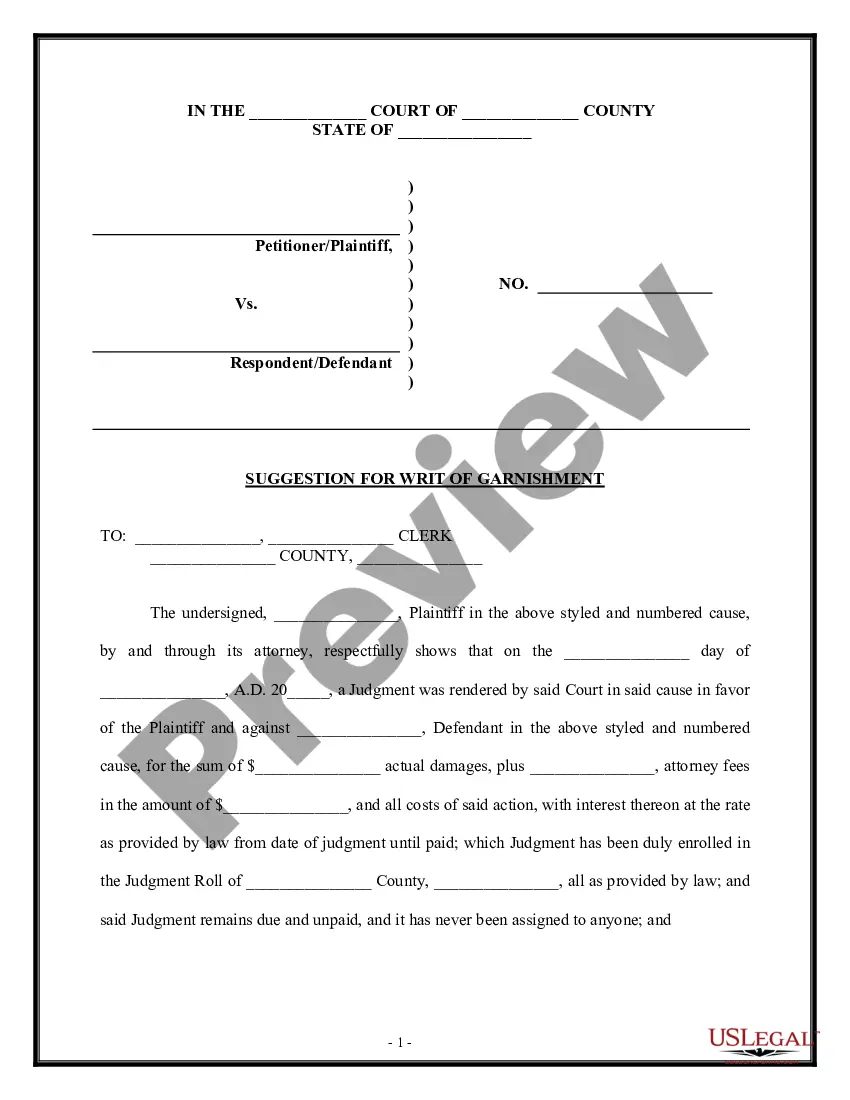
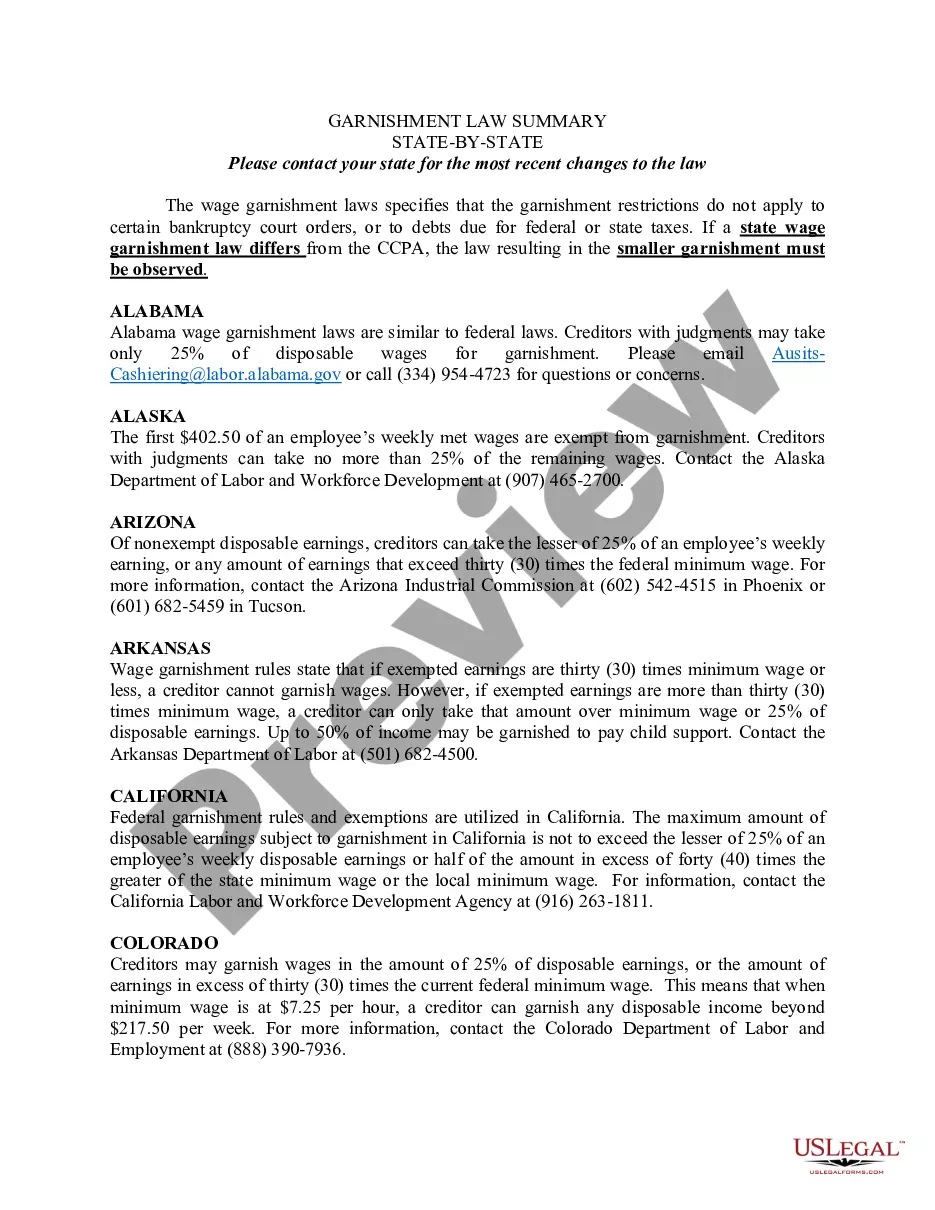
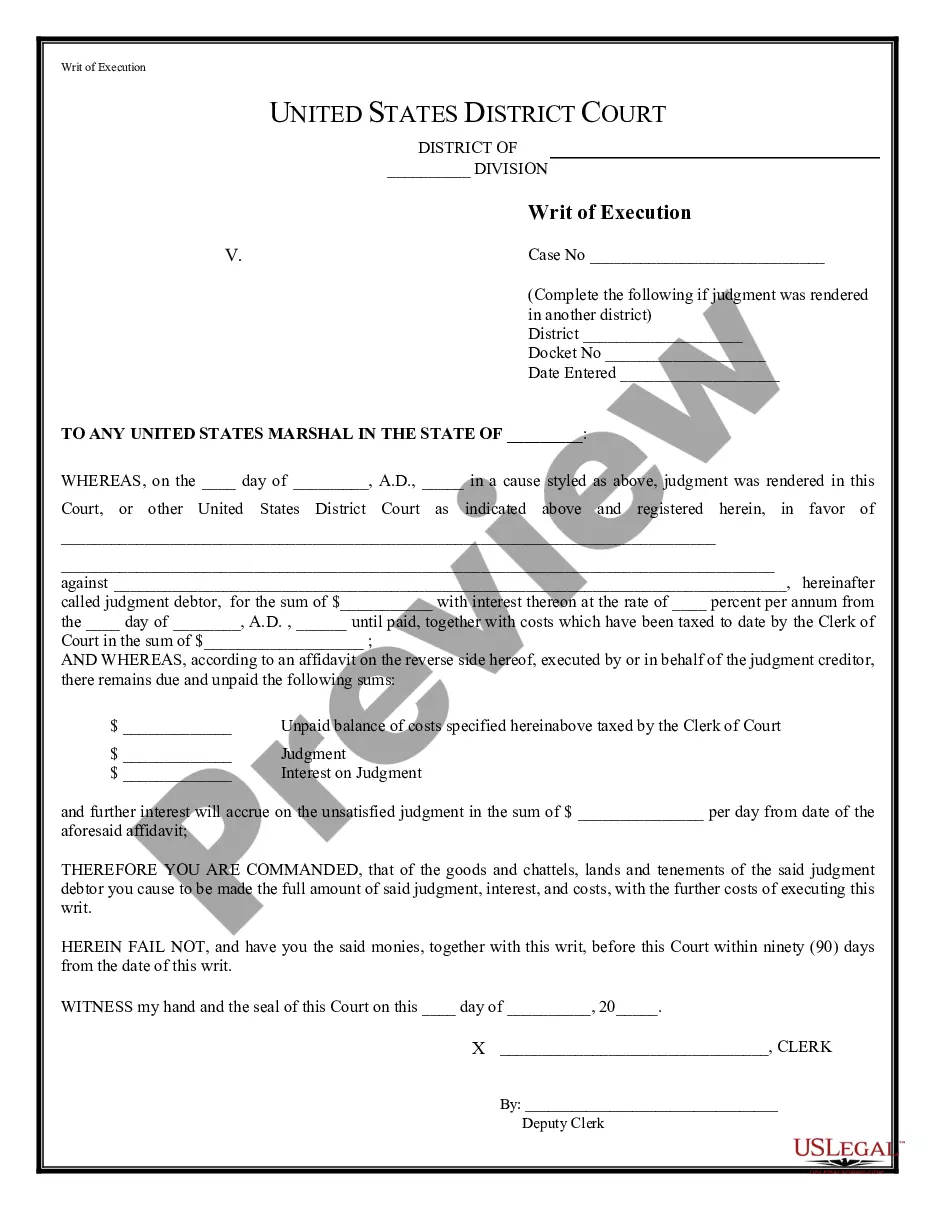
A Writ of Garnishment is a legal document issued by the court to collect unpaid debts from a defendant. This form is used when a plaintiff proves that the defendant has not satisfied a judgment against them. It allows the court to order a percentage of the defendant's wages to be withheld until the debt is paid. This form differs from other legal documents in that it specifically targets creditors seeking to enforce a monetary judgment through wage garnishment.
What’s included in this form
- Question of indebtedness: Inquire if you owe any money to the defendant.
- Identification of effects: State what property or assets the defendant has in your possession.
- Third-party indebtedness: Provide information on anyone else you believe owes money to the defendant.
- Possession of effects: Clarify if you know other individuals holding the defendantâs property.
Common use cases
This form should be used when a plaintiff has successfully obtained a judgment against a defendant for unpaid debts, and there is a need to enforce that judgment through garnishment. It is applicable in cases where the defendant has failed to make the required payments, and the plaintiff seeks to retrieve the owed funds directly from the defendant's wages or other assets.
Who needs this form
- Creditors who have obtained a court judgment against a debtor.
- Individuals or businesses seeking to enforce collection of a debt through wage garnishment.
- Parties involved in a lawsuit where a monetary judgment has been awarded.
How to prepare this document
- Identify the parties involved: Clearly state the names of the plaintiff and defendant.
- Fill in the indebtedness section: Specify whether you owe any money to the defendant and the amounts.
- Outline the effects of the defendant: Mention any property or assets in your possession belonging to the defendant.
- Provide information on third parties: Identify anyone else you know who may owe money to the defendant.
- Complete any additional required fields: Follow the prompts to ensure all necessary information is provided.
Does this document require notarization?
This form does not typically require notarization unless specified by local law. Always verify whether additional requirements exist in your jurisdiction to avoid complications.
Get your form ready online
Our built-in tools help you complete, sign, share, and store your documents in one place.
Make edits, fill in missing information, and update formatting in US Legal Forms—just like you would in MS Word.
Download a copy, print it, send it by email, or mail it via USPS—whatever works best for your next step.
Sign and collect signatures with our SignNow integration. Send to multiple recipients, set reminders, and more. Go Premium to unlock E-Sign.
If this form requires notarization, complete it online through a secure video call—no need to meet a notary in person or wait for an appointment.
We protect your documents and personal data by following strict security and privacy standards.

Make edits, fill in missing information, and update formatting in US Legal Forms—just like you would in MS Word.

Download a copy, print it, send it by email, or mail it via USPS—whatever works best for your next step.

Sign and collect signatures with our SignNow integration. Send to multiple recipients, set reminders, and more. Go Premium to unlock E-Sign.

If this form requires notarization, complete it online through a secure video call—no need to meet a notary in person or wait for an appointment.

We protect your documents and personal data by following strict security and privacy standards.
Common mistakes to avoid
- Failing to accurately identify debts owed to the defendant.
- Providing incomplete information about third-party indebtedness.
- Neglecting to include all relevant parties in the document.
Advantages of online completion
- Convenient access: Download the form at any time without visiting a law office.
- Editable formats: Choose from Word or Rich Text formats to easily fill in your details.
- Reliable templates: All forms are drafted by licensed attorneys to ensure legal compliance.
What to keep in mind
- A Writ of Garnishment is a court order to collect debts directly from a third party.
- Complete the form accurately to avoid delays in enforcement.
- Understand state-specific rules and guidelines to ensure validity.
Looking for another form?



Form popularity
FAQ
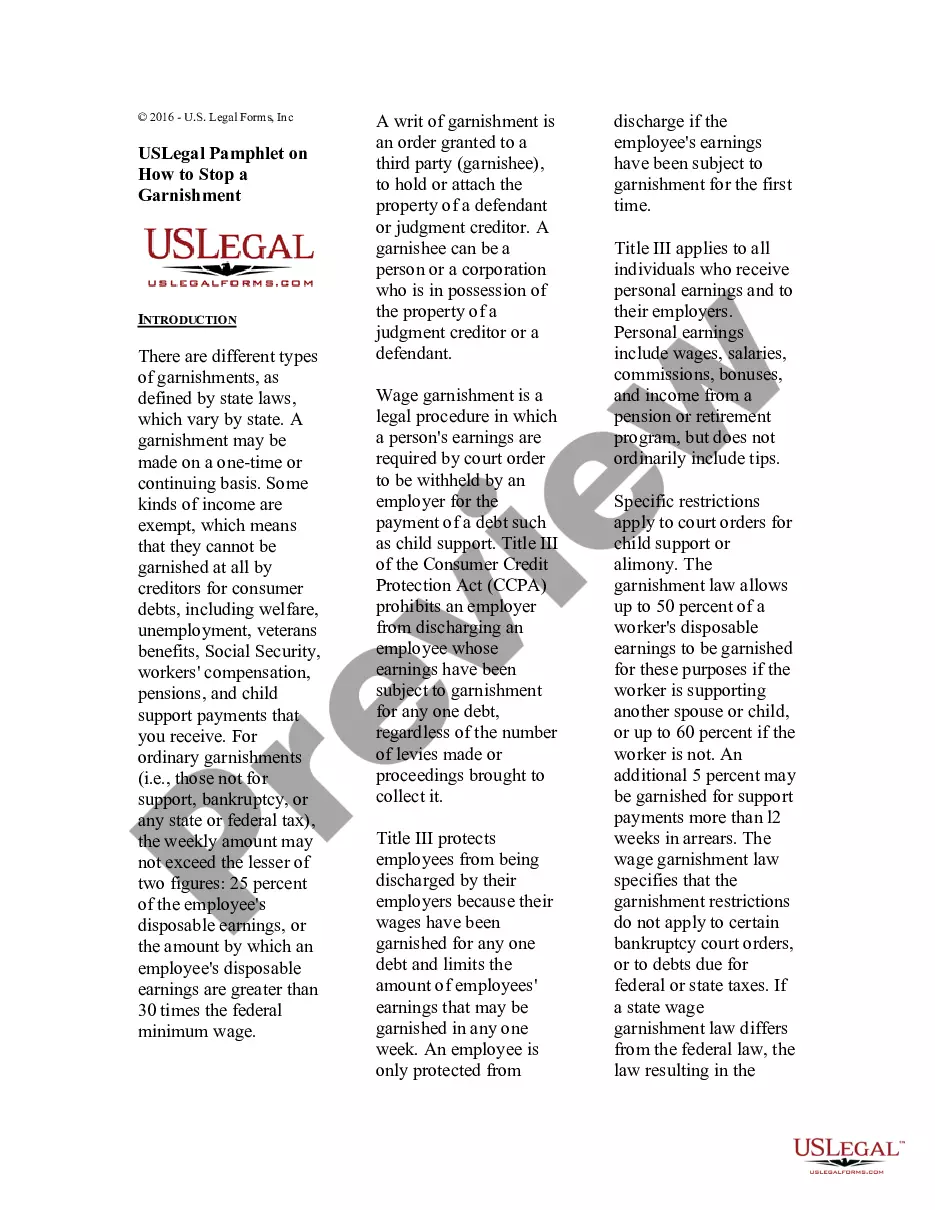
Garnishment is a proceeding by a creditor (a person or entity to whom money is owed) to collect a debt by taking the property or assets of a debtor (a person who owes money). Wage garnishment is a court procedure where a court orders a debtor's employer to hold the debtor's earnings in order to pay a creditor.
It releases your garnishment! When a creditor sues you, they eventually get a judgment in court. With this judgment, they can send a letter to your employer so that they can garnish your wages.A release of garnishment would stop any future garnishments.
In most states, employers answer a writ of garnishment by filling out the paperwork attached to the judgment and returning it to the creditor or the creditor's attorney.
The employer is also required to return a statutory response form within 7 days of receiving the writ of garnishment. This form is usually sent to the employer with the garnishment order. With very few exceptions, the employer is required to complete the form indicating that they will pay the garnishment.