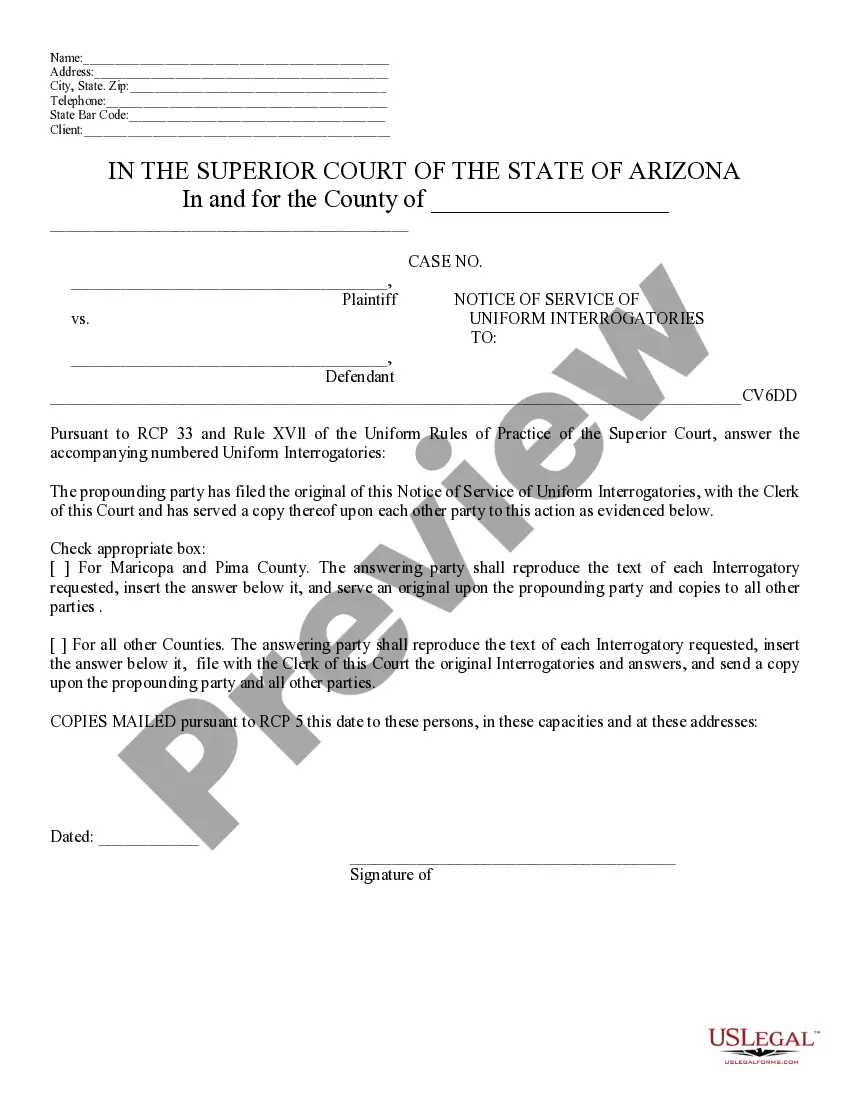
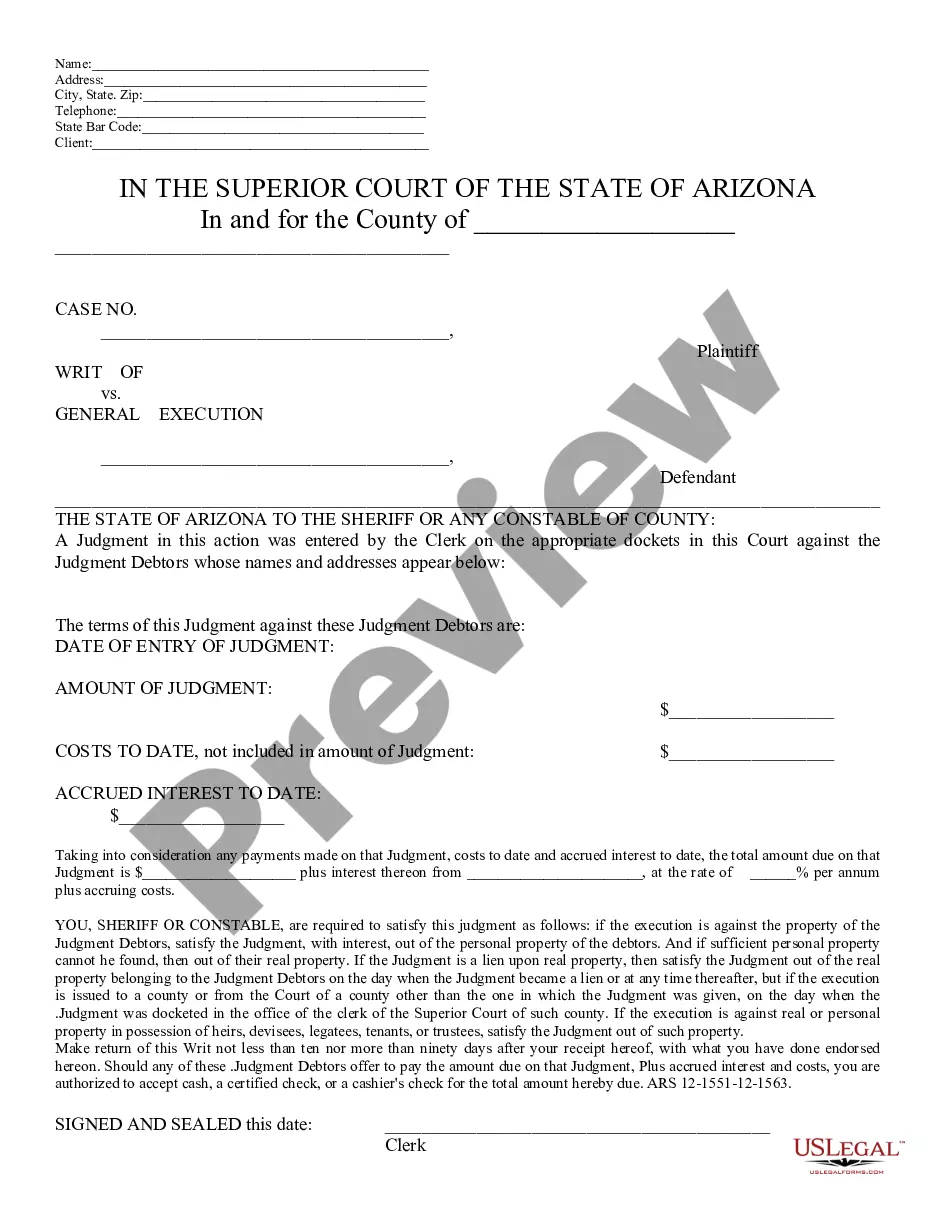
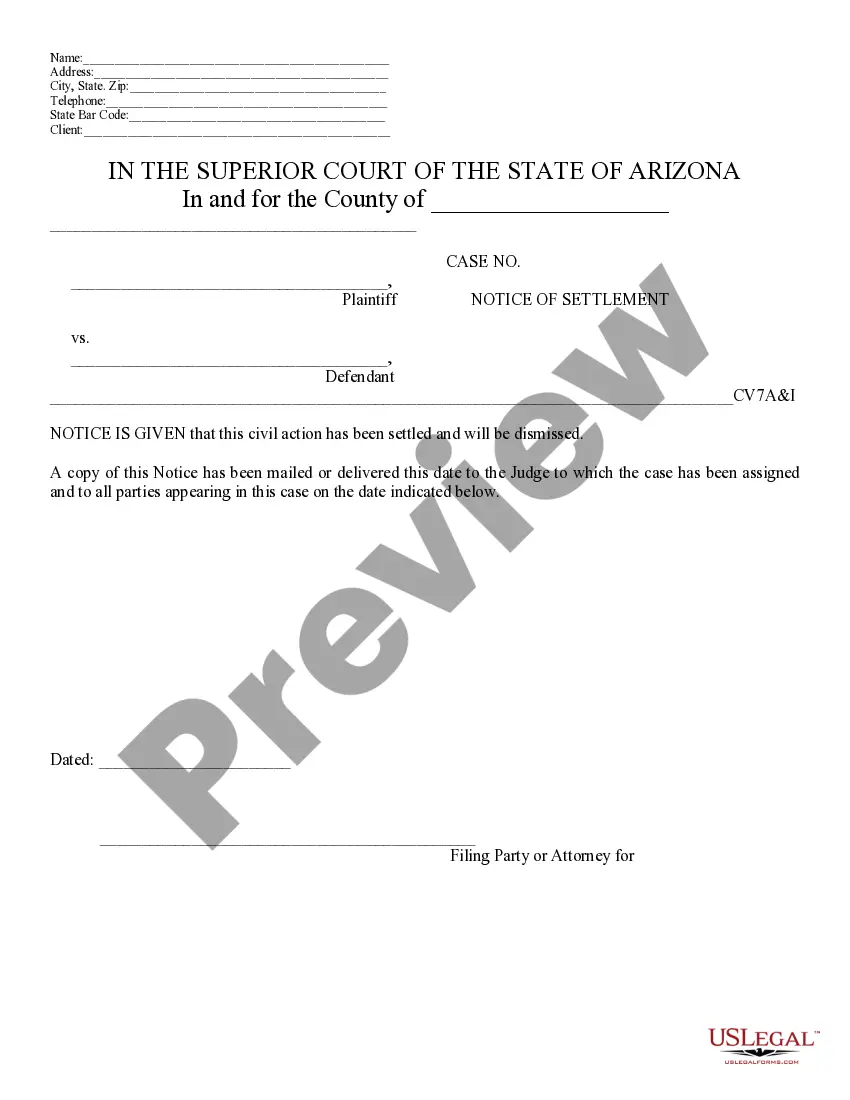
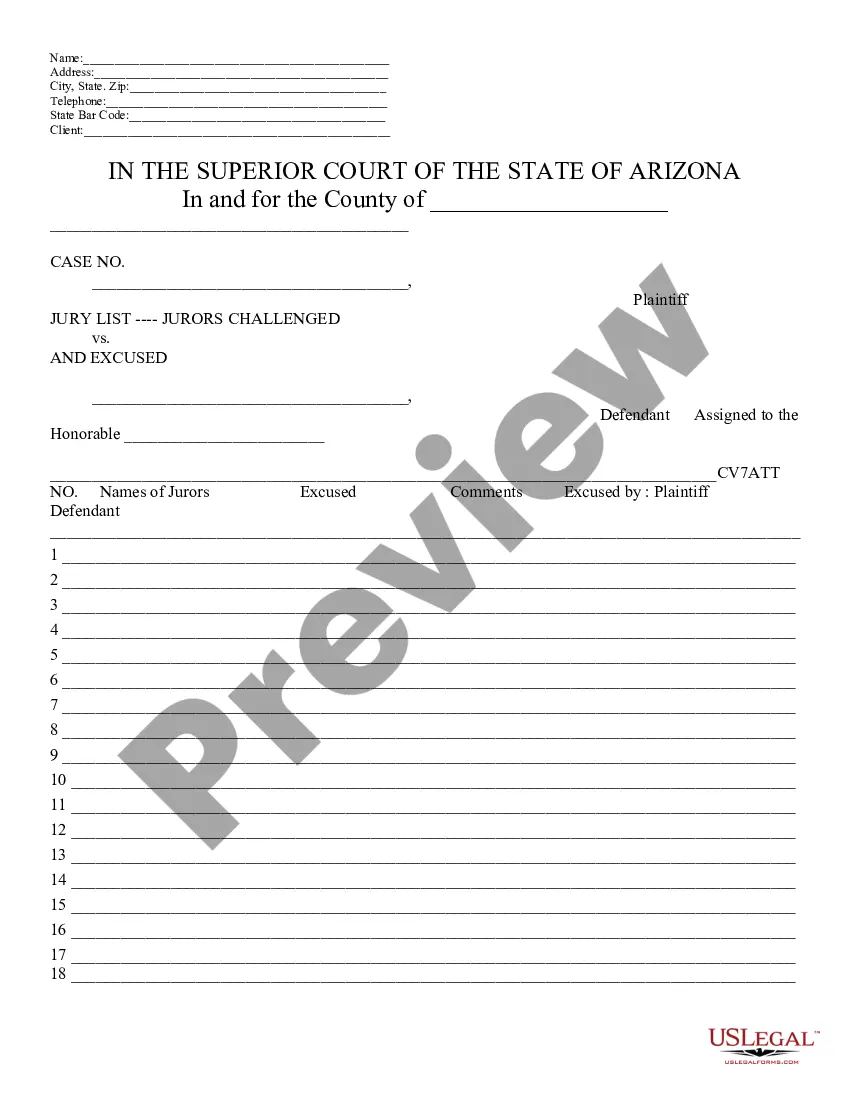
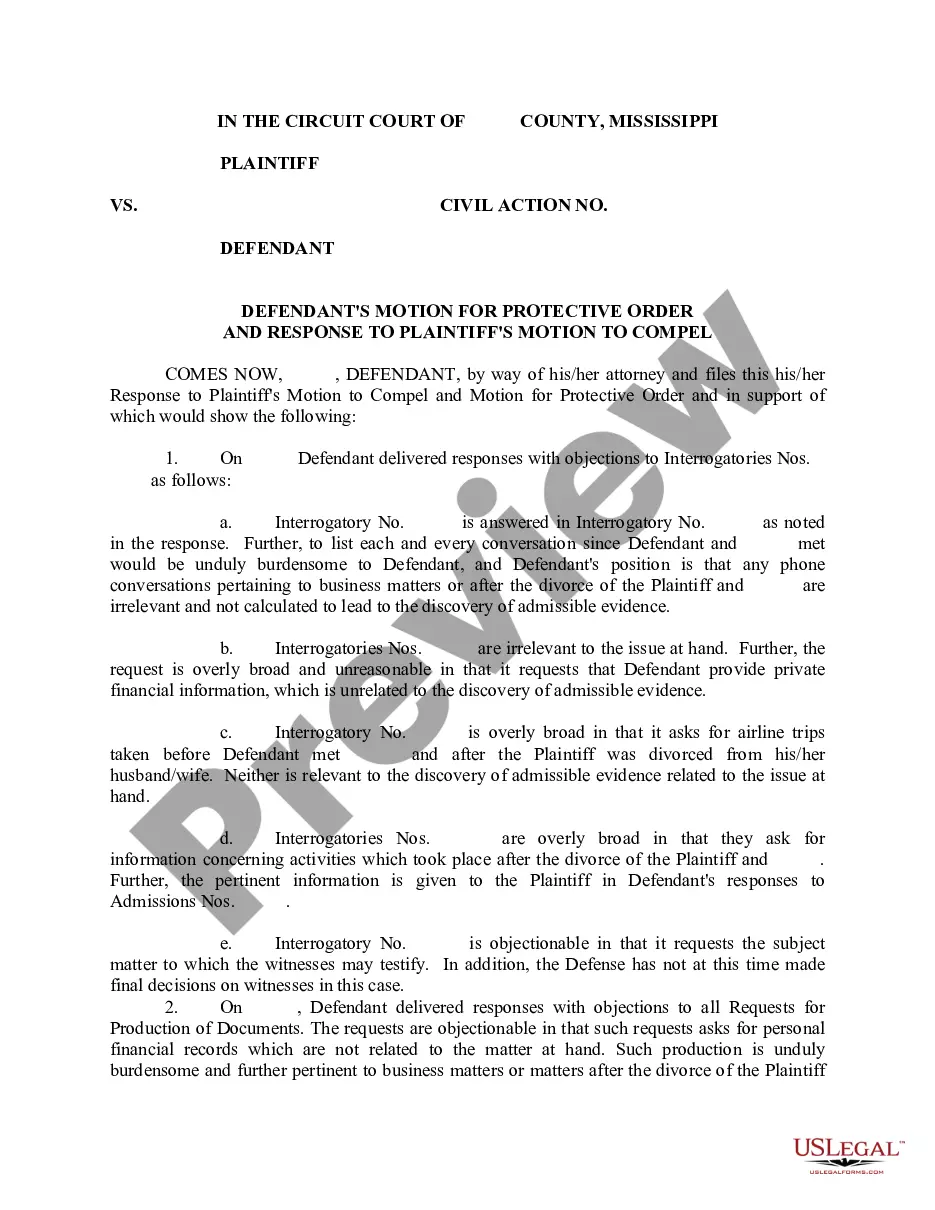
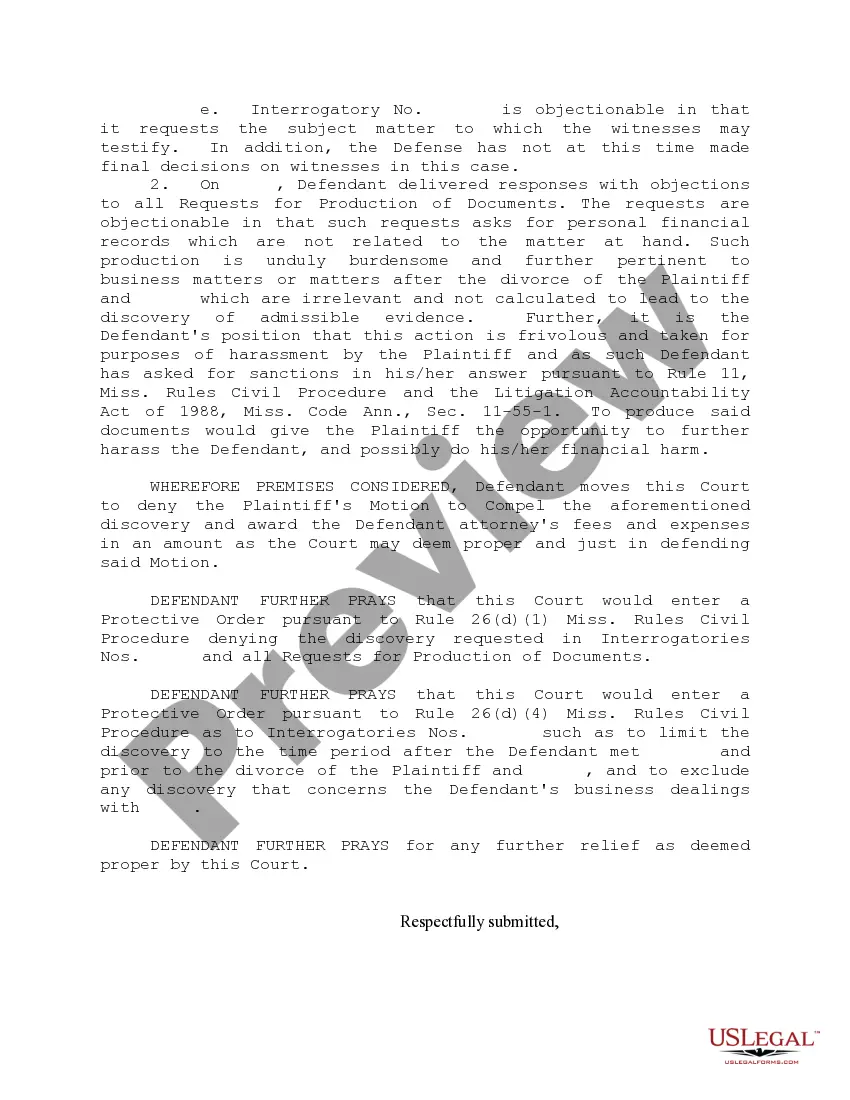
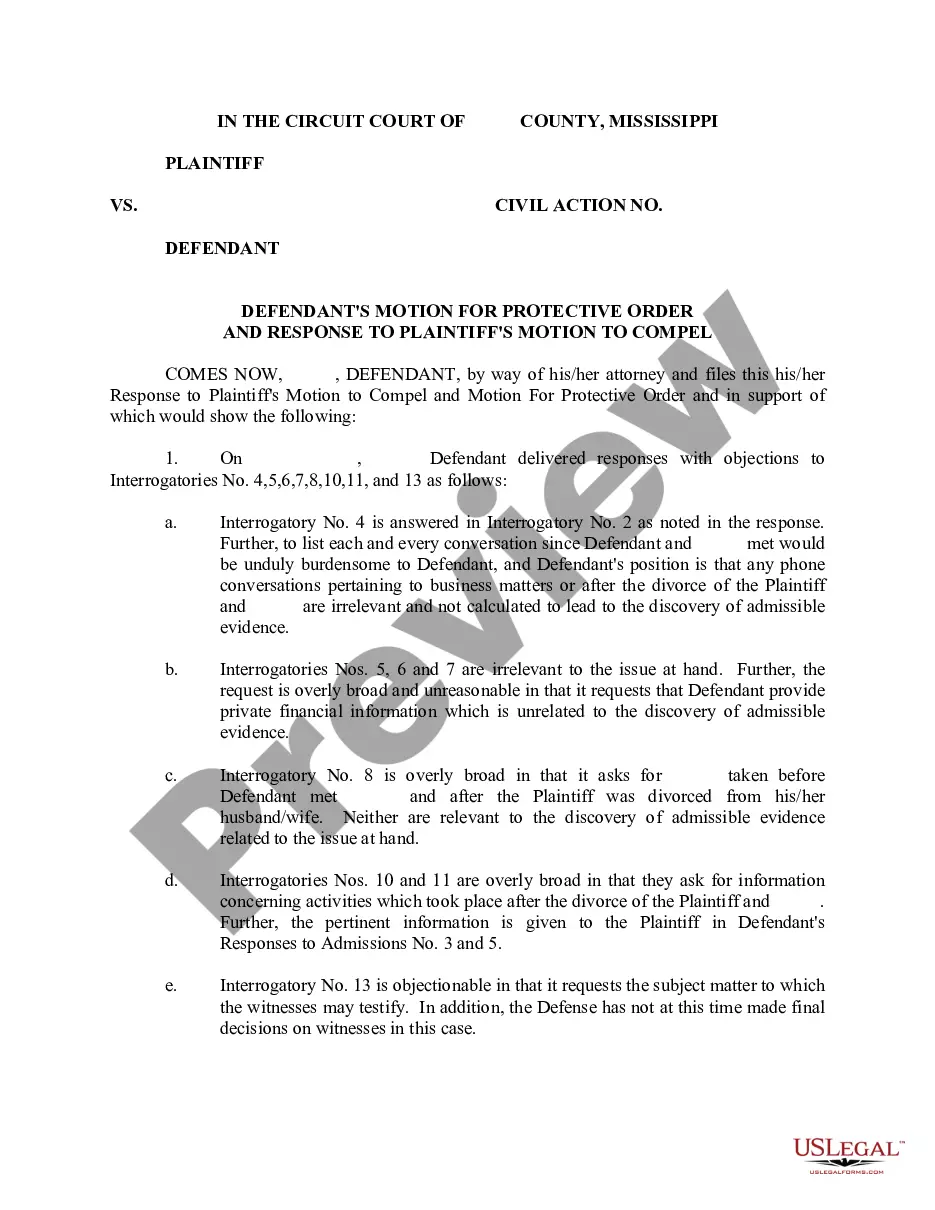
Mississippi Defendant's Motion for Protective Order and Response to Plaintiff's Motion to Compel
What this document covers
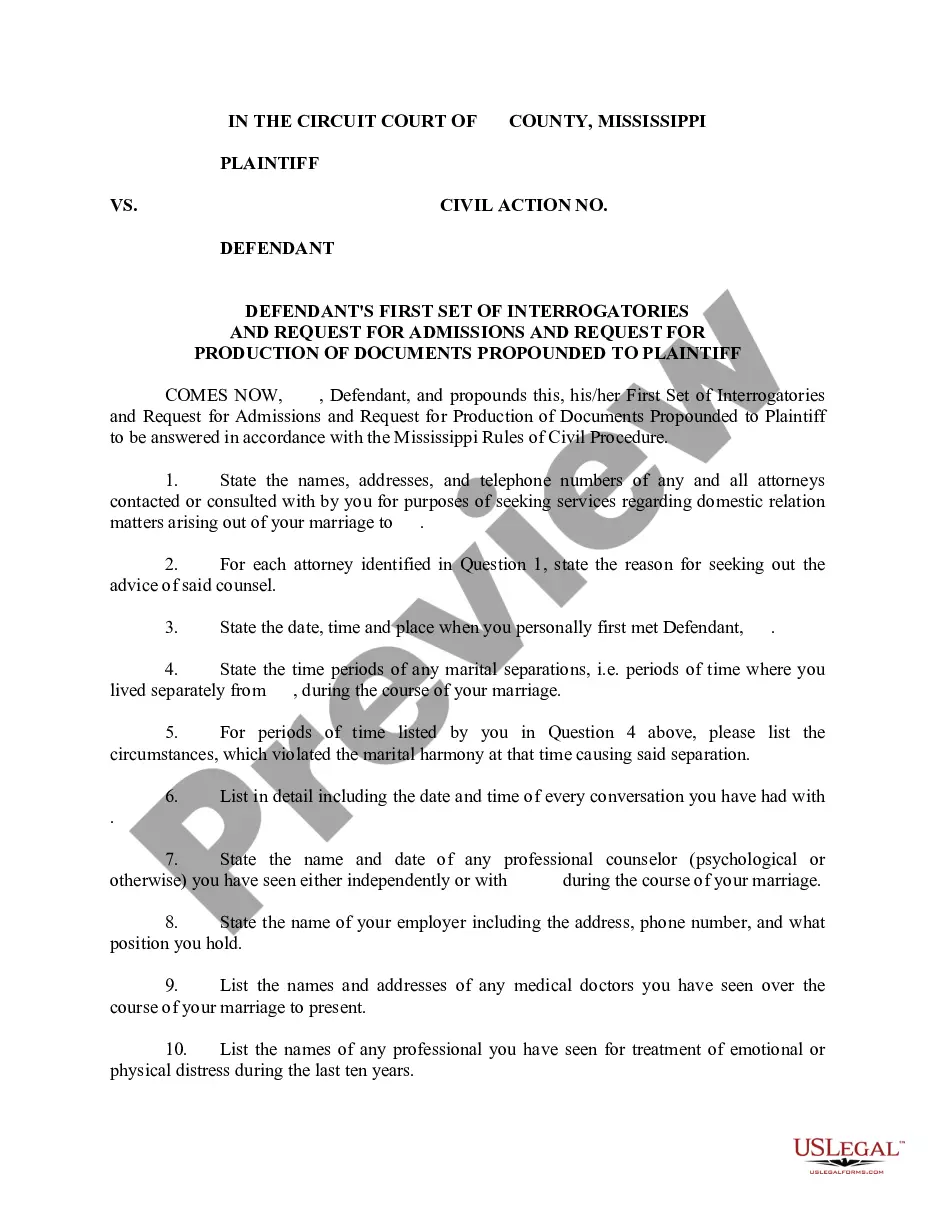
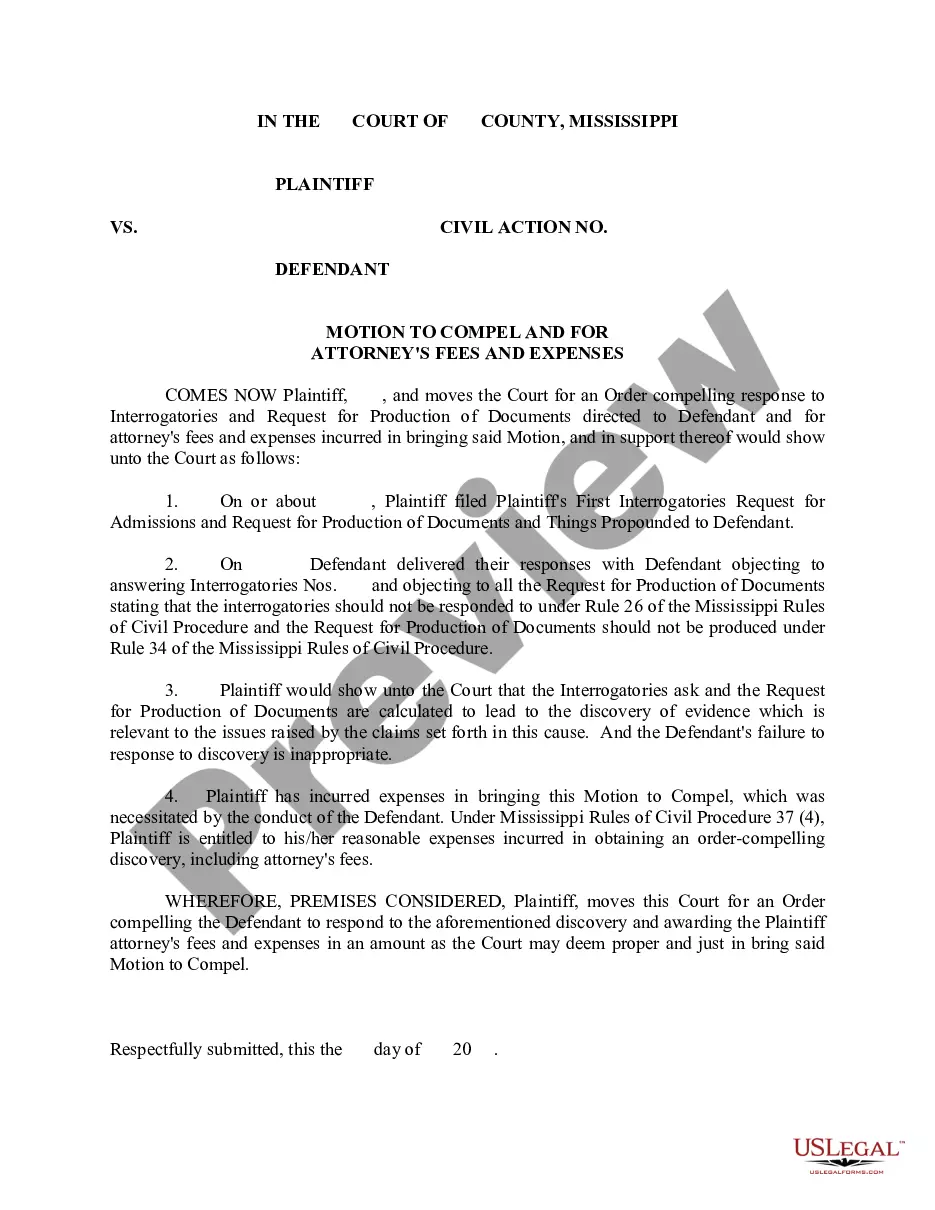
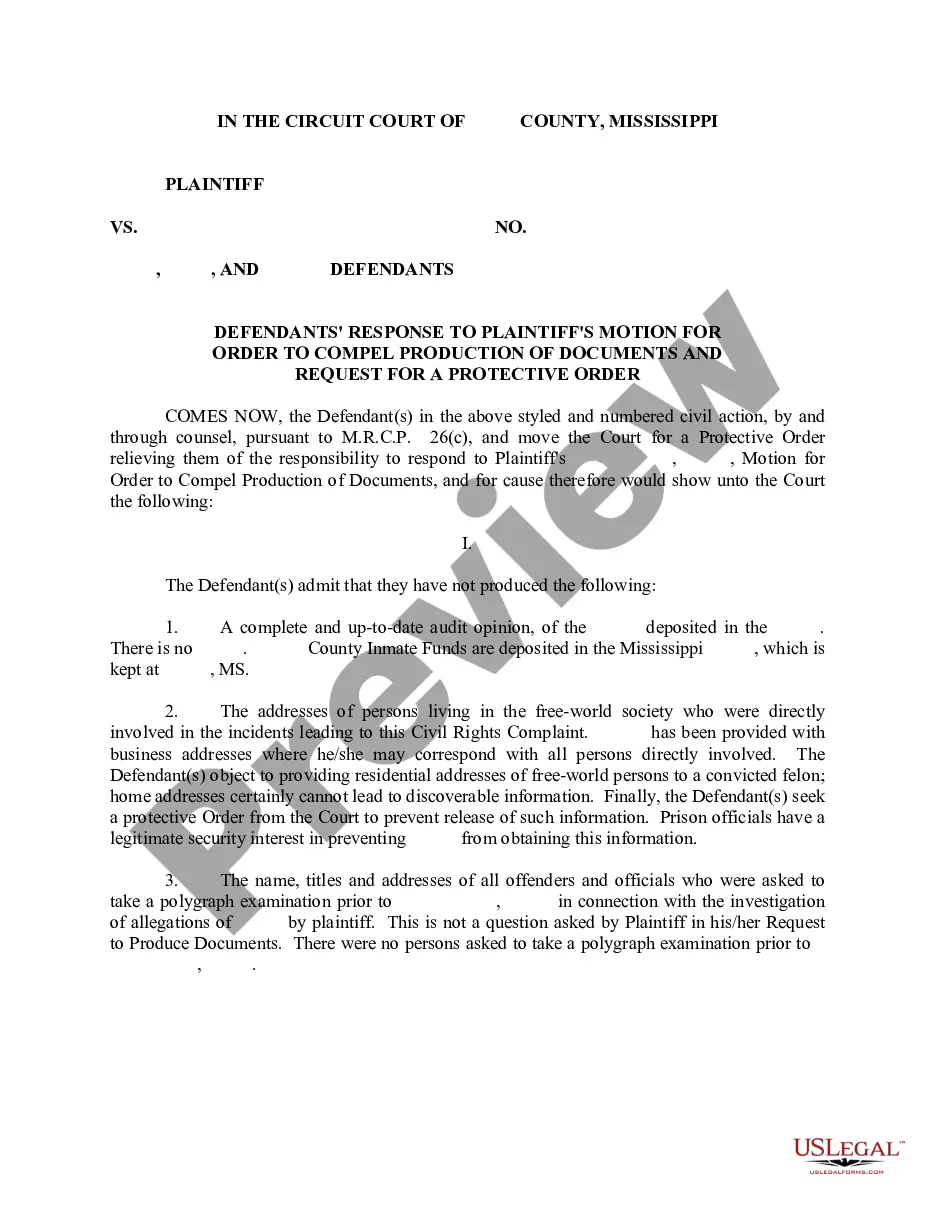
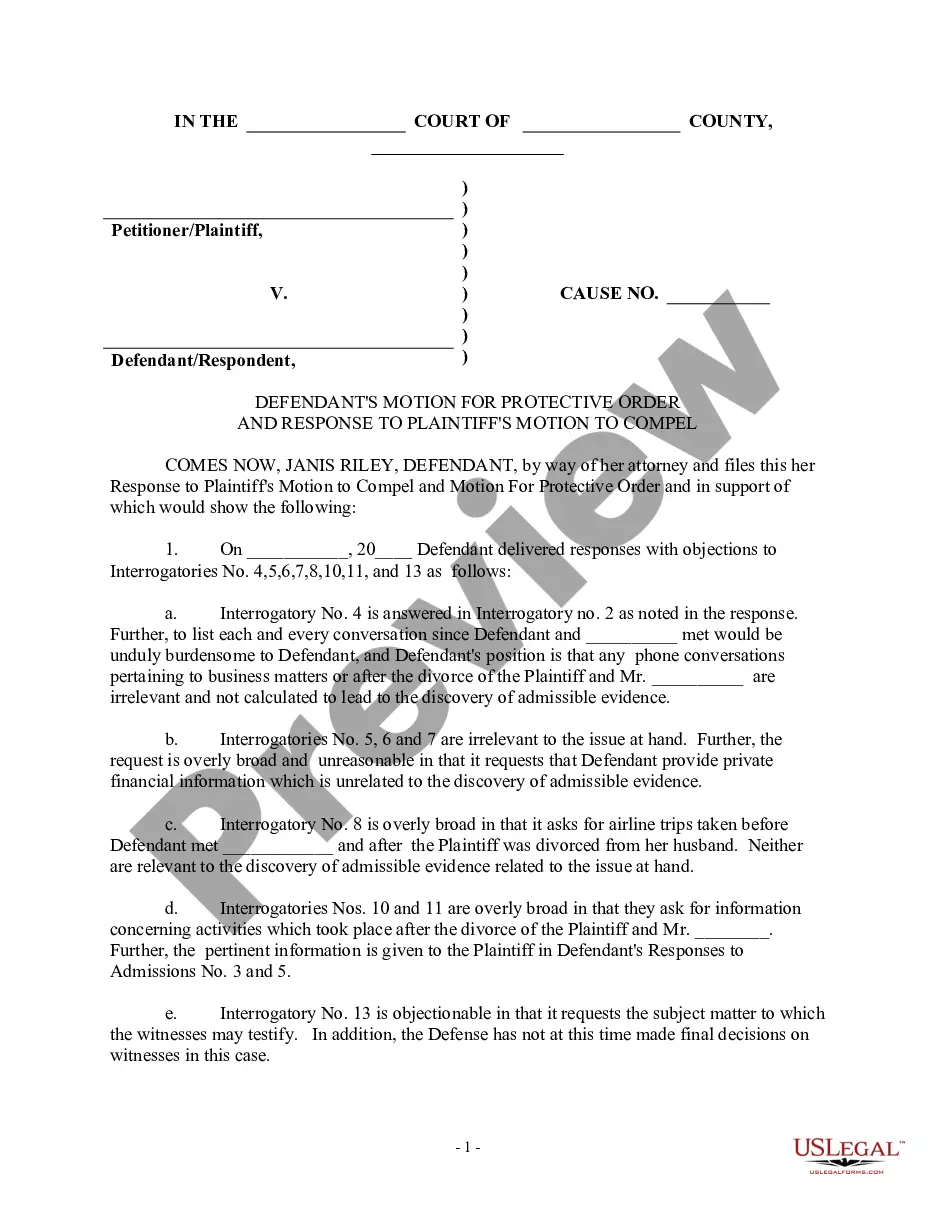
The Defendant's Motion for Protective Order and Response to Plaintiff's Motion to Compel is a legal document used in civil litigation. This form enables the defendant to formally request that the court deny the plaintiff's motion to compel discovery, while also seeking reimbursement for attorney fees related to defending against that motion. It serves as a critical response strategy in legal disputes and differs from simpler responses by including specific requests for protective orders and cost considerations.
Key parts of this document
- Introduction of the motion stating the purpose and context.
- Clear request to deny the plaintiff's motion to compel.
- Request for attorney fees and expenses incurred during the defense.
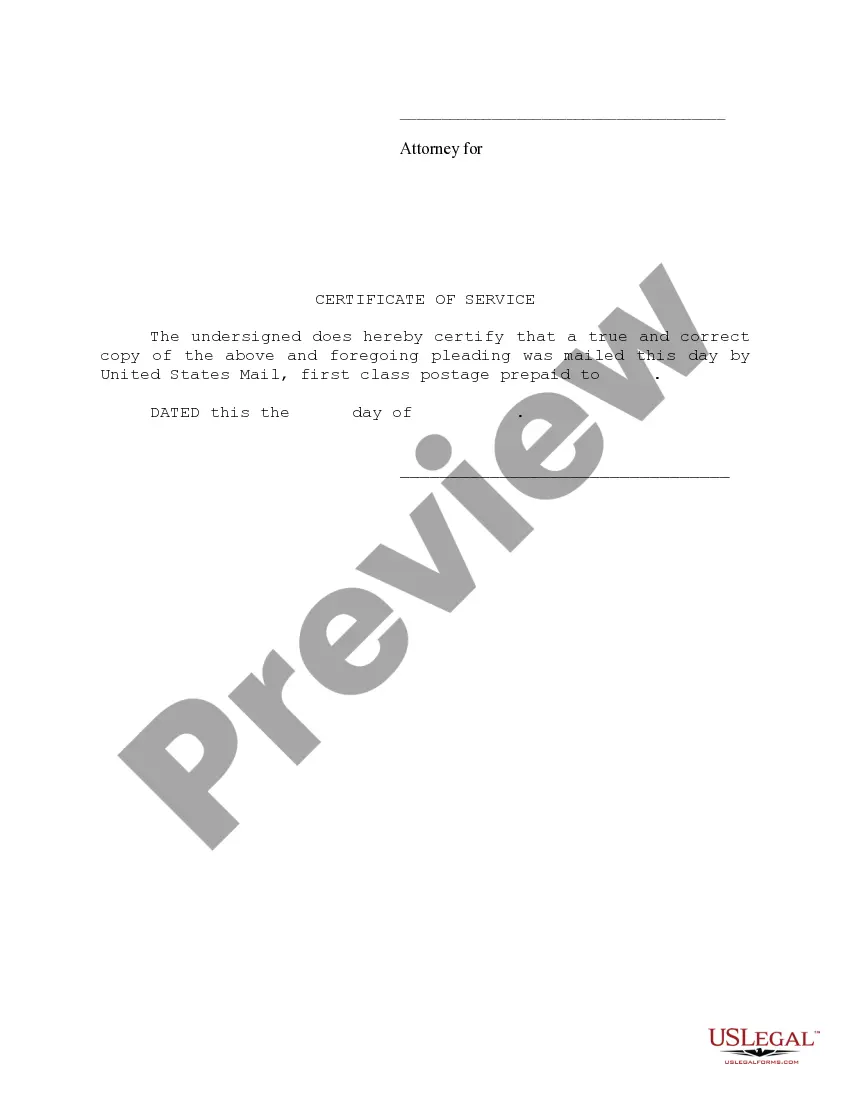
- Signature and date fields to ensure proper submission.
Common use cases
This form should be used when a defendant is presented with a motion to compel from the plaintiff, which demands additional evidence or information. It is essential to file this motion to protect against undue discovery demands and to seek compensation for the legal costs incurred in responding to the motion. Scenarios include instances where the requesting information is overly invasive or irrelevant to the case at hand.
Who can use this document
- Defendants in civil lawsuits who receive a plaintiff's motion to compel.
- Individuals or entities seeking to protect their rights during discovery.
- Parties looking to recover attorney fees following an unsuccessful motion to compel.
How to complete this form
- Identify the parties involved, including the defendant and the plaintiff.
- Clearly state the reasons for denying the plaintiff's motion to compel.
- Specify the attorney fees and expenses you are requesting.
- Fill in the date and signatures at the bottom of the form to validate your motion.
Is notarization required?
This form does not typically require notarization unless specified by local law. However, it's wise to verify local court requirements to ensure compliance.
Get your form ready online
Our built-in tools help you complete, sign, share, and store your documents in one place.
Make edits, fill in missing information, and update formatting in US Legal Forms—just like you would in MS Word.
Download a copy, print it, send it by email, or mail it via USPS—whatever works best for your next step.
Sign and collect signatures with our SignNow integration. Send to multiple recipients, set reminders, and more. Go Premium to unlock E-Sign.
If this form requires notarization, complete it online through a secure video call—no need to meet a notary in person or wait for an appointment.
We protect your documents and personal data by following strict security and privacy standards.

Make edits, fill in missing information, and update formatting in US Legal Forms—just like you would in MS Word.

Download a copy, print it, send it by email, or mail it via USPS—whatever works best for your next step.

Sign and collect signatures with our SignNow integration. Send to multiple recipients, set reminders, and more. Go Premium to unlock E-Sign.

If this form requires notarization, complete it online through a secure video call—no need to meet a notary in person or wait for an appointment.

We protect your documents and personal data by following strict security and privacy standards.
Typical mistakes to avoid
- Failing to clearly articulate the reasons for denying the motion to compel.
- Neglecting to provide clear documentation of incurred attorney fees.
- Missing signatures or improper dates, which can invalidate the form.
Why complete this form online
- Convenience of downloading and completing the form at your own pace.
- Editable templates allow you to customize the form as needed for your case.
- Access to forms drafted by licensed attorneys for increased reliability.
Legal use & context
- This form serves as a formal means to challenge a plaintiff's discovery request in court.
- Using this form correctly can help protect a defendant's rights and prevent unnecessary legal burdens.
- Filing this motion is a critical step in managing discovery disputes effectively.
Key takeaways
- The form combines a protective order request with a response to a motion to compel.
- It is essential for Defendants to understand their rights during discovery.
- Proper completion and submission of this form can help safeguard confidential information.
Looking for another form?
Form popularity
FAQ
You need to give the court a reason to deny the other side's motion to compel. There are many different reasons you could give. Take out your Response to the discovery request. You should have identified reasons in your Response for why you weren't turning over certain information.
Therefore, a party filing a motion to dismiss a case is not sufficient for the trial court to stay discovery. Discovery will proceed even while the court resolves the motion.Consequently, discovery will cease if the case is dismissed by the court. 1 1.280, Florida Rules of Civil Procedure.
This motion shall be accompanied by a meet and confer declaration under Section 2016.040. The taking of the deposition is stayed pending the determination of this motion.This protective order may include, but is not limited to, one or more of the following directions: (1) That the deposition not be taken at all.
The motion to compel further responses has to be brought within 45 days of service of the response. (C.C.P.
Protective orders are used in litigation to protect a party's propriety or confidential information from being disclosed to the public. Often, parties agree on the terms of the order and submit a stipulated protective order for entry by the court.
A motion for protective order refers to a party's request that the court protect it from potentially abusive action by the other party. Such a request is often made in relation to discovery, as when one party seeks discovery of the other party's trade secrets.
Motions for Protective Order If a party or person maintains that responding to the discovery sought will result in potentially abusive action, then the party or person will file a motion for protective order. The Florida Rules of Civil Procedure 1.280 sets forth how a party can move for a protective order.
Motion for Sanctions If the court issues an order compelling discovery, and the party fails to comply with that order, then the court may sanction the party in numerous ways such as refusing to let in the party's evidence at trial, dismissing their lawsuit or striking their defense to a lawsuit, and imposing