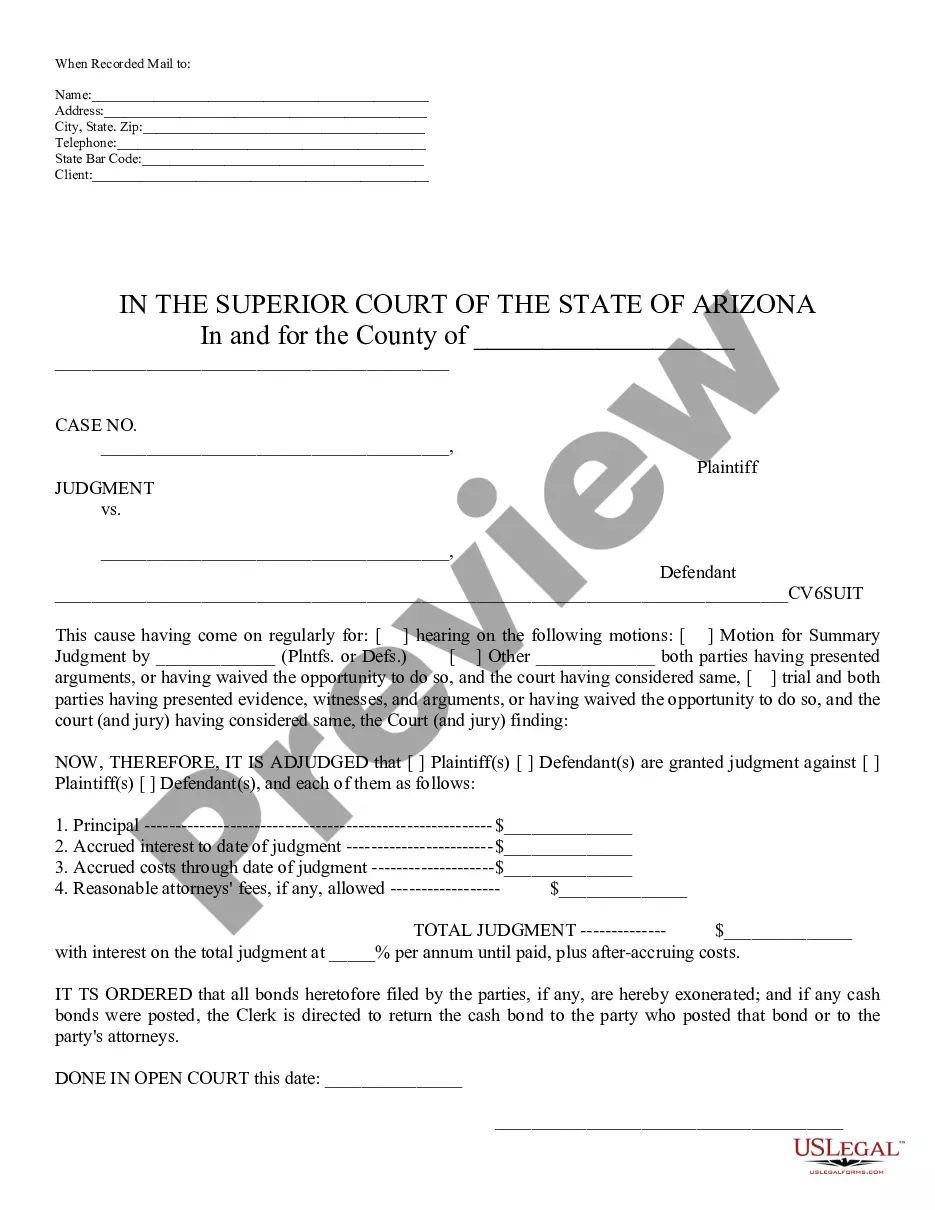
Mississippi Defendant's First Set of Interrogatories and Request for Admissions and Request for Production of Documents to Plaintiff
Overview of this form
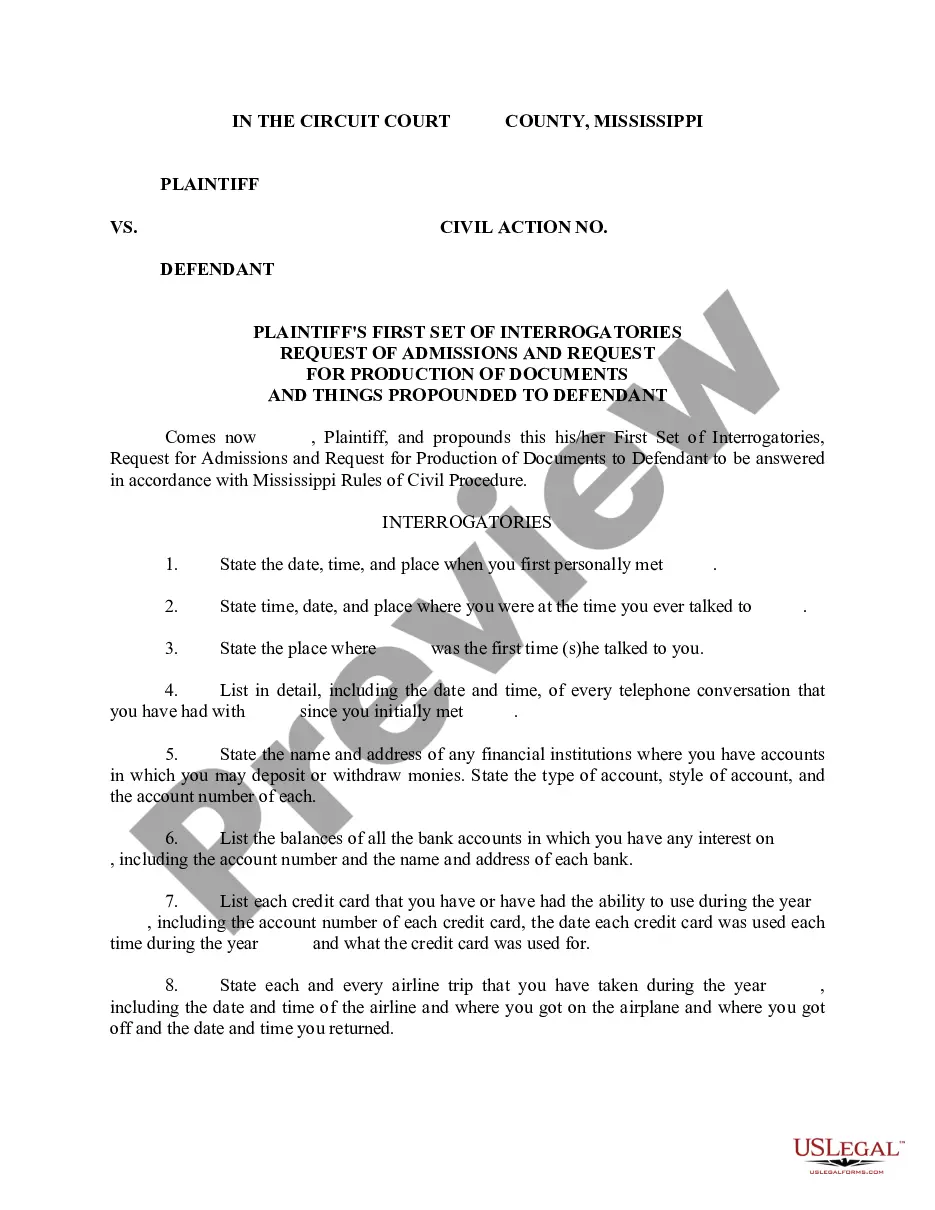
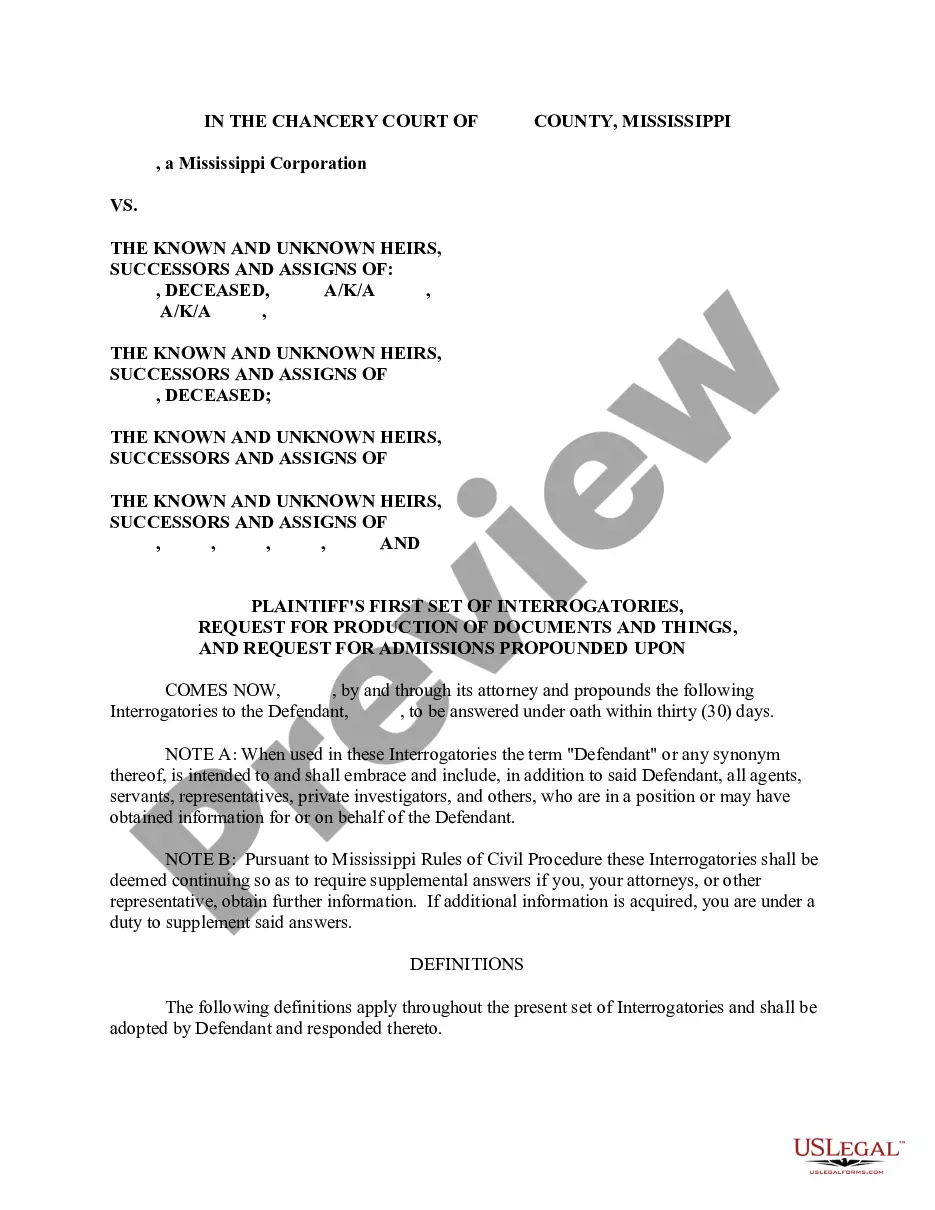
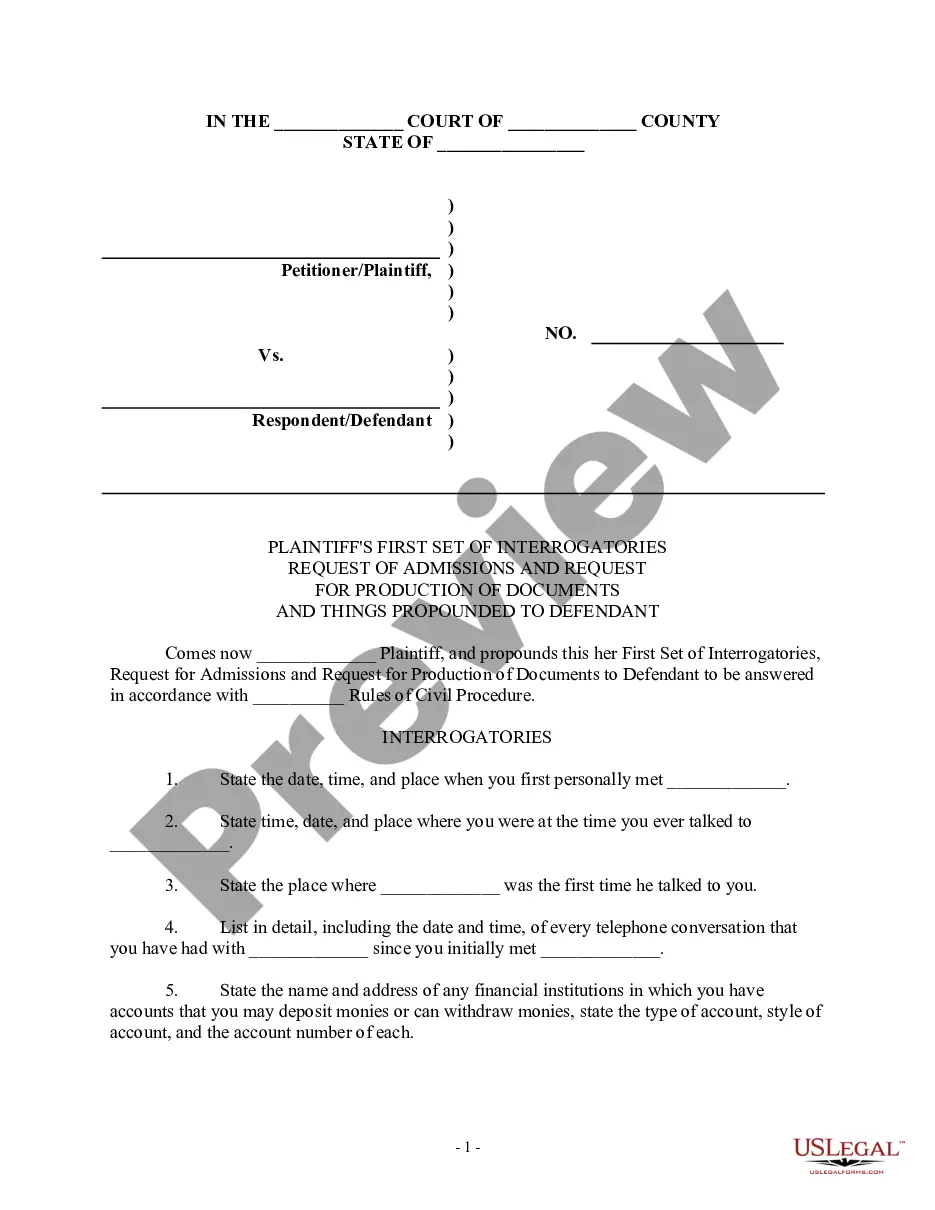
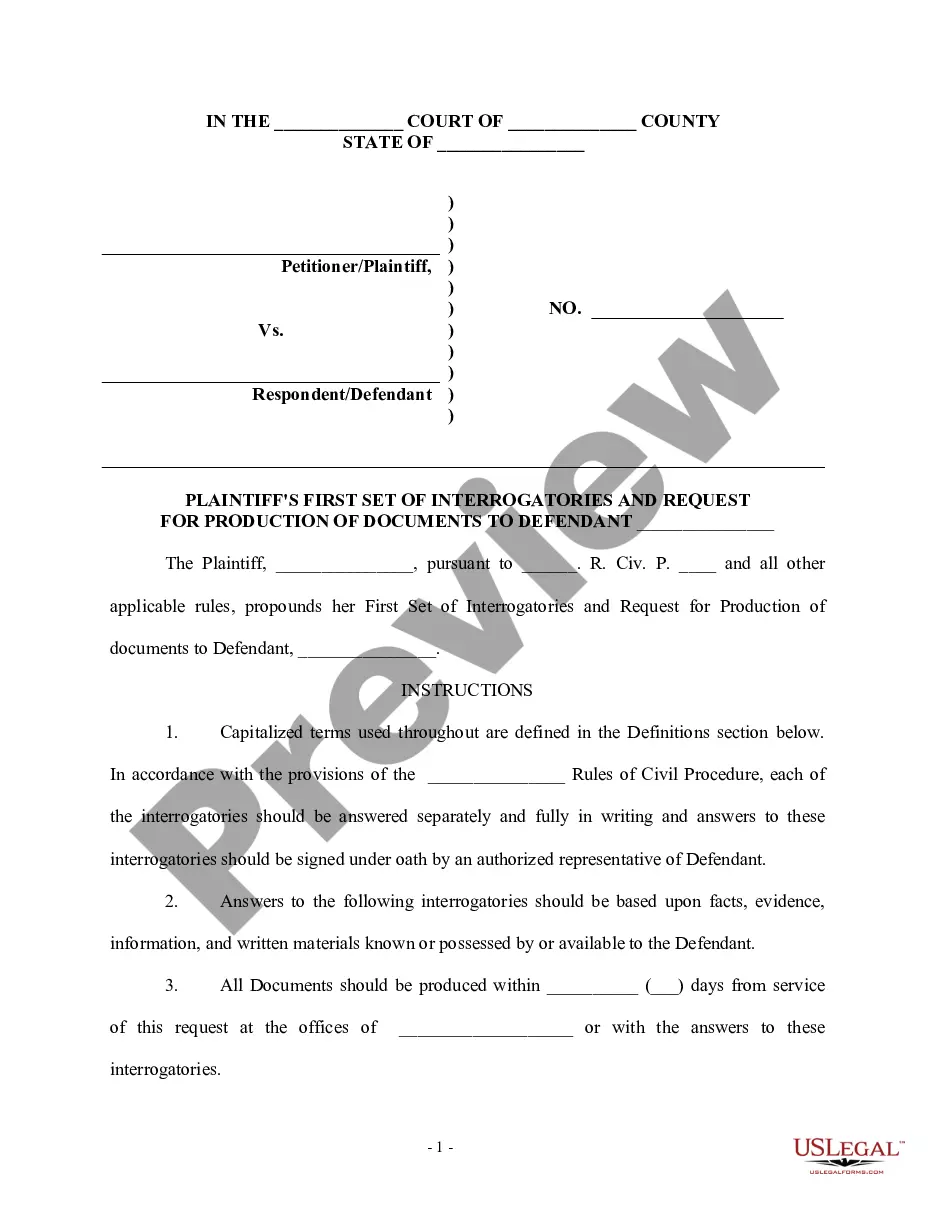
The Defendant's First Set of Interrogatories and Request for Admissions and Request for Production of Documents to Plaintiff is a legal document used during the discovery phase of a lawsuit. This form allows the defendant to formally gather information from the plaintiff by posing written questions, requesting admissions, and seeking documents relevant to the case. This form is essential in understanding the plaintiff's claims and preparing for trial, as it helps clarify the issues at hand and obtain important evidence. Unlike other discovery forms, this one combines interrogatories, requests for admission, and requests for document production, making it a comprehensive tool for the defense.
What’s included in this form
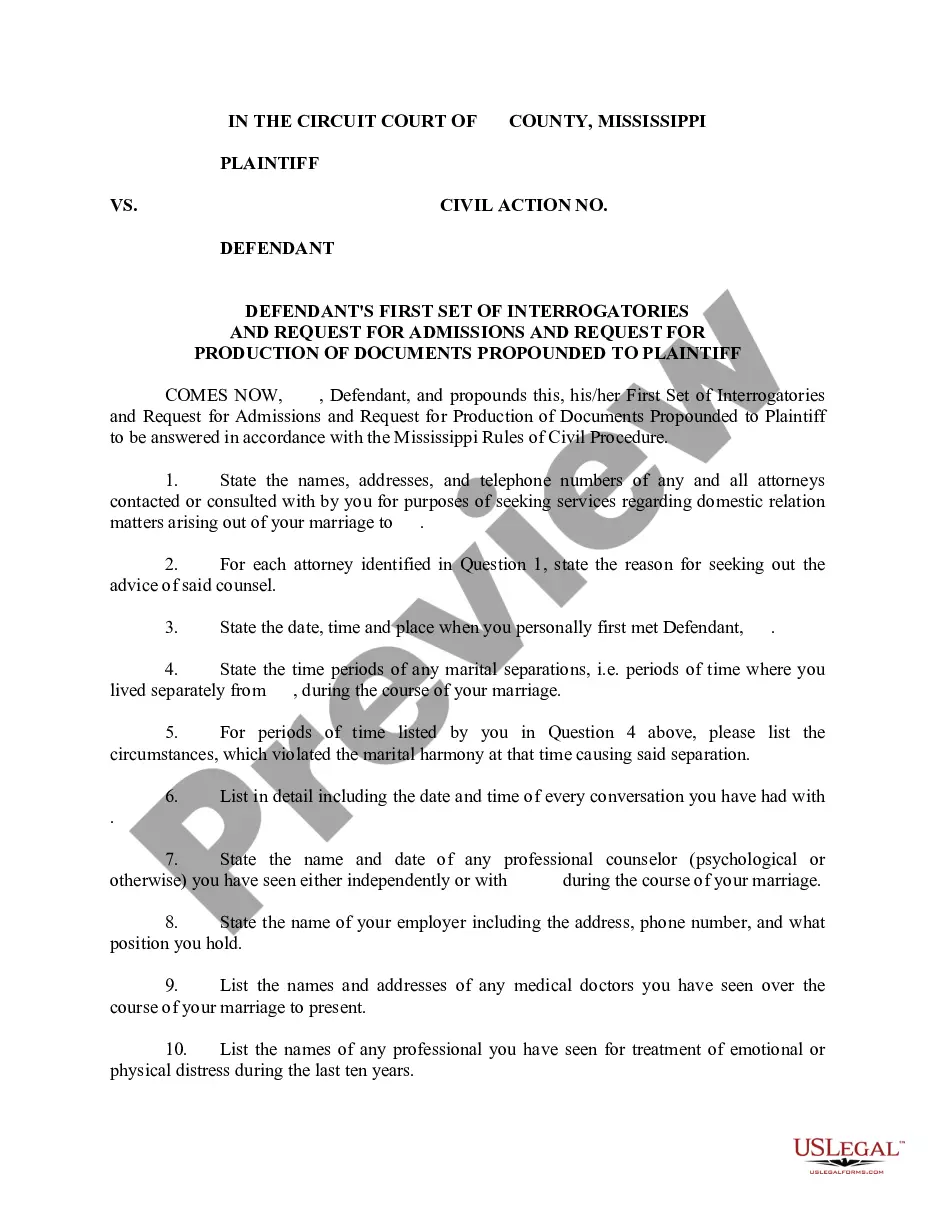
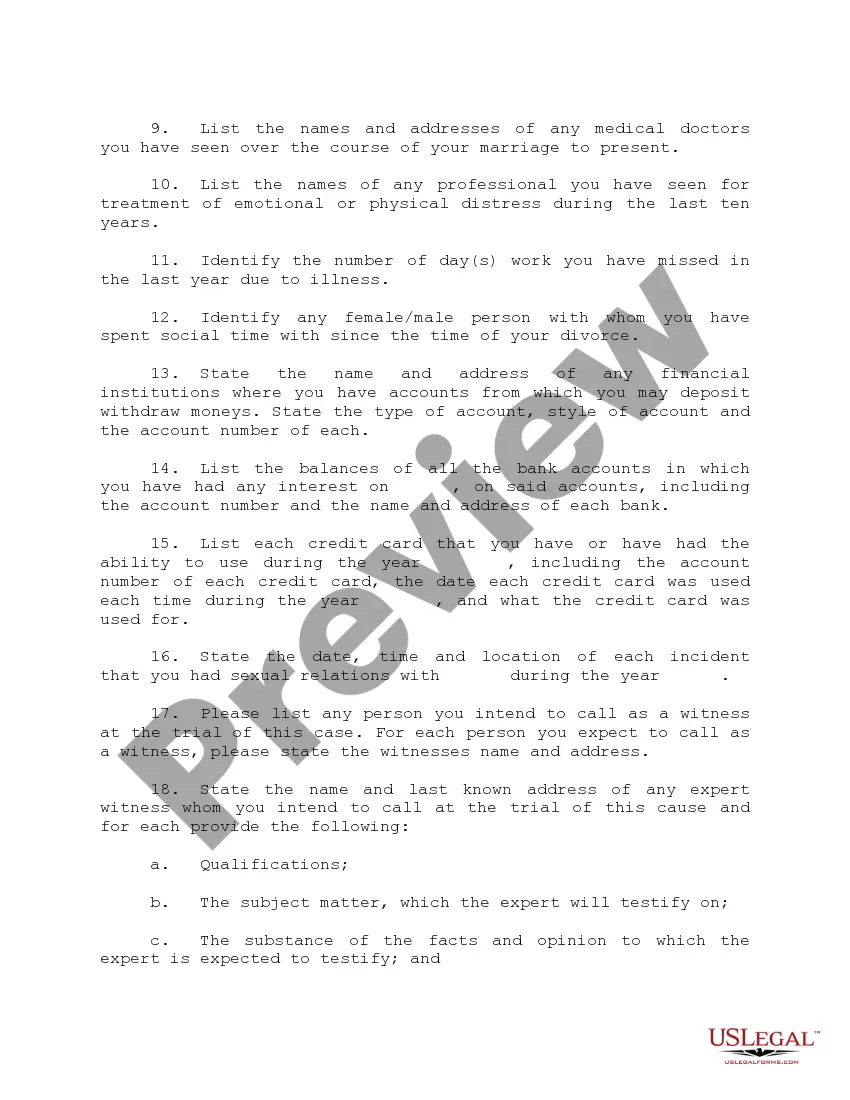
- Interrogatories: A series of written questions that the plaintiff must answer under oath.
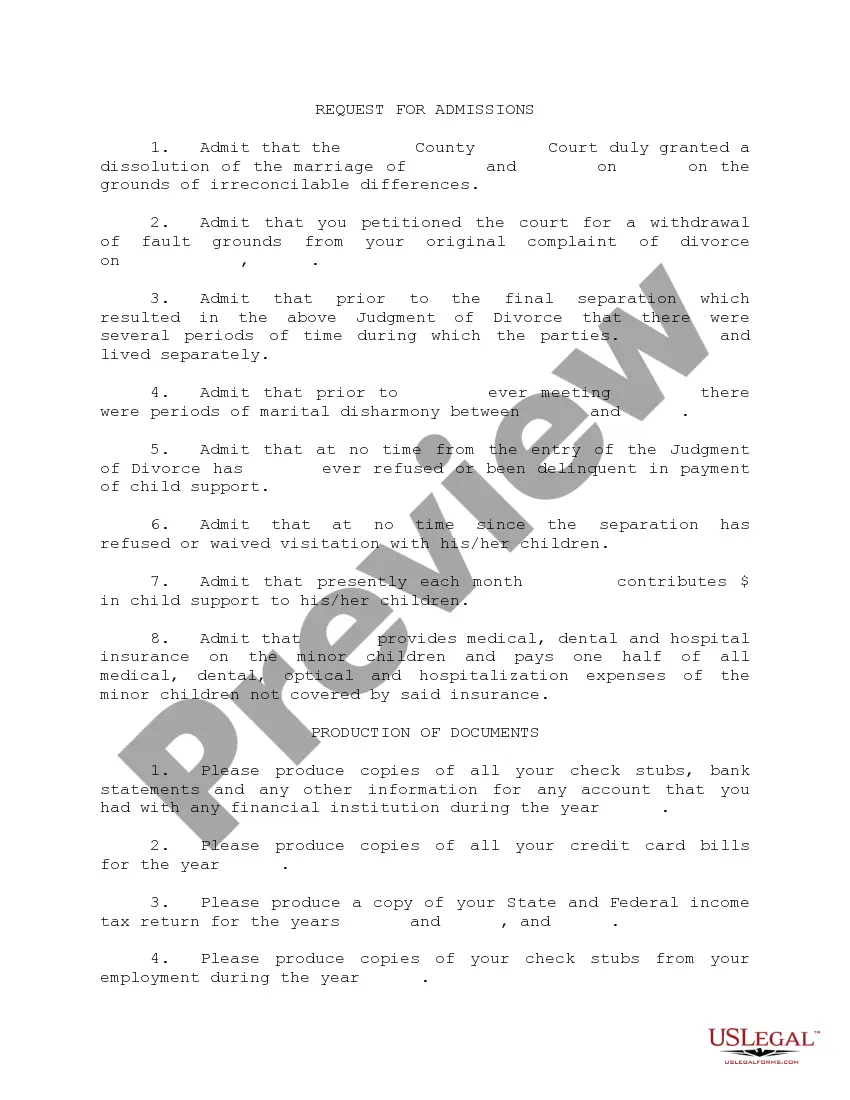
- Request for Admissions: Statements that the plaintiff must either admit or deny.
- Request for Production of Documents: A list of documents that the plaintiff must provide to the defendant.
- Instructions for answering: Guidelines about how and when to respond to the interrogatories and requests.
- Civility Action Number: A unique identifier for the case being litigated.

Situations where this form applies
This form should be used when a defendant needs to establish facts, gather testimony, or request documents from the plaintiff in a civil lawsuit. It is typically employed when the defendant believes the information requested will assist in preparing their defense or clarifying issues regarding marital disputes, financial obligations, or other contentious matters brought up in the lawsuit. It is crucial for defendants seeking to build a comprehensive understanding of the plaintiff's case and secure relevant materials for trial.
Intended users of this form
- Defendants in civil lawsuits who need critical information from the plaintiff.
- Individuals involved in marital disputes where discovery of documentations and testimonies is essential.
- Legal representatives seeking to gather evidence for their clients' defenses.
- Parties in litigation who require structured questions to uncover factual details related to the case.
Completing this form step by step
- Identify the parties involved: Clearly list the names of the defendant and plaintiff at the beginning of the form.
- Fill in the civil action number: Provide the assigned case number for easy reference during proceedings.
- Answer the interrogatories: Respond to each written question in detail, ensuring all provided information is accurate and complete.
- Complete the requests for admission: Indicate which statements are admitted or denied, as this can significantly impact the case.
- Compile documents: Gather and produce all requested documents listed in the production requests and include them with the form.
Does this document require notarization?
In most cases, this form does not require notarization. However, some jurisdictions or signing circumstances might. US Legal Forms offers online notarization powered by Notarize, accessible 24/7 for a quick, remote process.
Get your form ready online
Our built-in tools help you complete, sign, share, and store your documents in one place.
Make edits, fill in missing information, and update formatting in US Legal Forms—just like you would in MS Word.
Download a copy, print it, send it by email, or mail it via USPS—whatever works best for your next step.
Sign and collect signatures with our SignNow integration. Send to multiple recipients, set reminders, and more. Go Premium to unlock E-Sign.
If this form requires notarization, complete it online through a secure video call—no need to meet a notary in person or wait for an appointment.
We protect your documents and personal data by following strict security and privacy standards.

Make edits, fill in missing information, and update formatting in US Legal Forms—just like you would in MS Word.

Download a copy, print it, send it by email, or mail it via USPS—whatever works best for your next step.

Sign and collect signatures with our SignNow integration. Send to multiple recipients, set reminders, and more. Go Premium to unlock E-Sign.

If this form requires notarization, complete it online through a secure video call—no need to meet a notary in person or wait for an appointment.

We protect your documents and personal data by following strict security and privacy standards.
Avoid these common issues
- Failing to provide complete and accurate answers to interrogatories.
- Missing the deadline for submitting responses to the form.
- Neglecting to include all requested documents, which may lead to complications in the case.
- Not adapting the form to address the specifics of the case, which can hinder the information-gathering process.
Why complete this form online
- Convenience of downloading the form instantly from the comfort of your home or office.
- Ability to edit and customize the form to fit your unique case circumstances.
- Access to legal forms drafted by licensed attorneys, which enhances reliability and compliance.
Legal use & context
- This form serves as an essential tool for defendants in civil litigation to uncover crucial details from plaintiffs.
- It upholds the right to a fair discovery process, allowing both parties to prepare adequately for trial.
- Understanding the responses and documents produced can significantly affect the outcome of the case.
Summary of main points
- The Defendant's First Set of Interrogatories is critical for gathering information from the plaintiff.
- Completing the form accurately and on time is vital for maintaining legal standing in your case.
- Consulting with a legal professional can provide additional guidance tailored to your situation.
Looking for another form?


Form popularity
FAQ
The purpose of interrogatories is to learn a great deal of general information about a party in a lawsuit. For example, the defendant in a personal injury lawsuit about a car accident might send you interrogatories asking you to disclose things like: Where you live. Where you work.
(1) Number. Unless otherwise stipulated or ordered by the court, a party may serve on any other party no more than 25 written interrogatories, including all discrete subparts.
So, can you refuse to answer interrogatories? The answer is, no, you may not.That answer must either permit inspection of the requested information or object to the production of the information for a specific reason.
In law, interrogatories (also known as requests for further information) are a formal set of written questions propounded by one litigant and required to be answered by an adversary in order to clarify matters of fact and help to determine in advance what facts will be presented at any trial in the case.