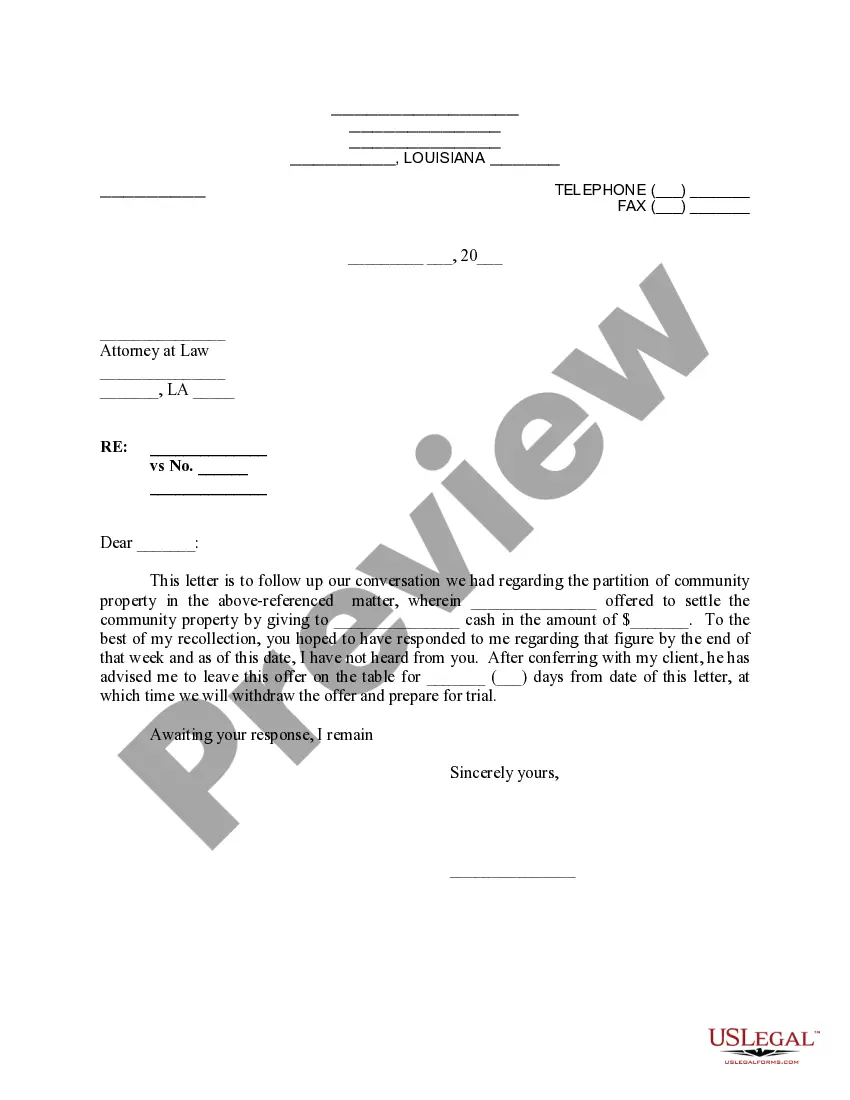
Arizona Judgment
What is this form?
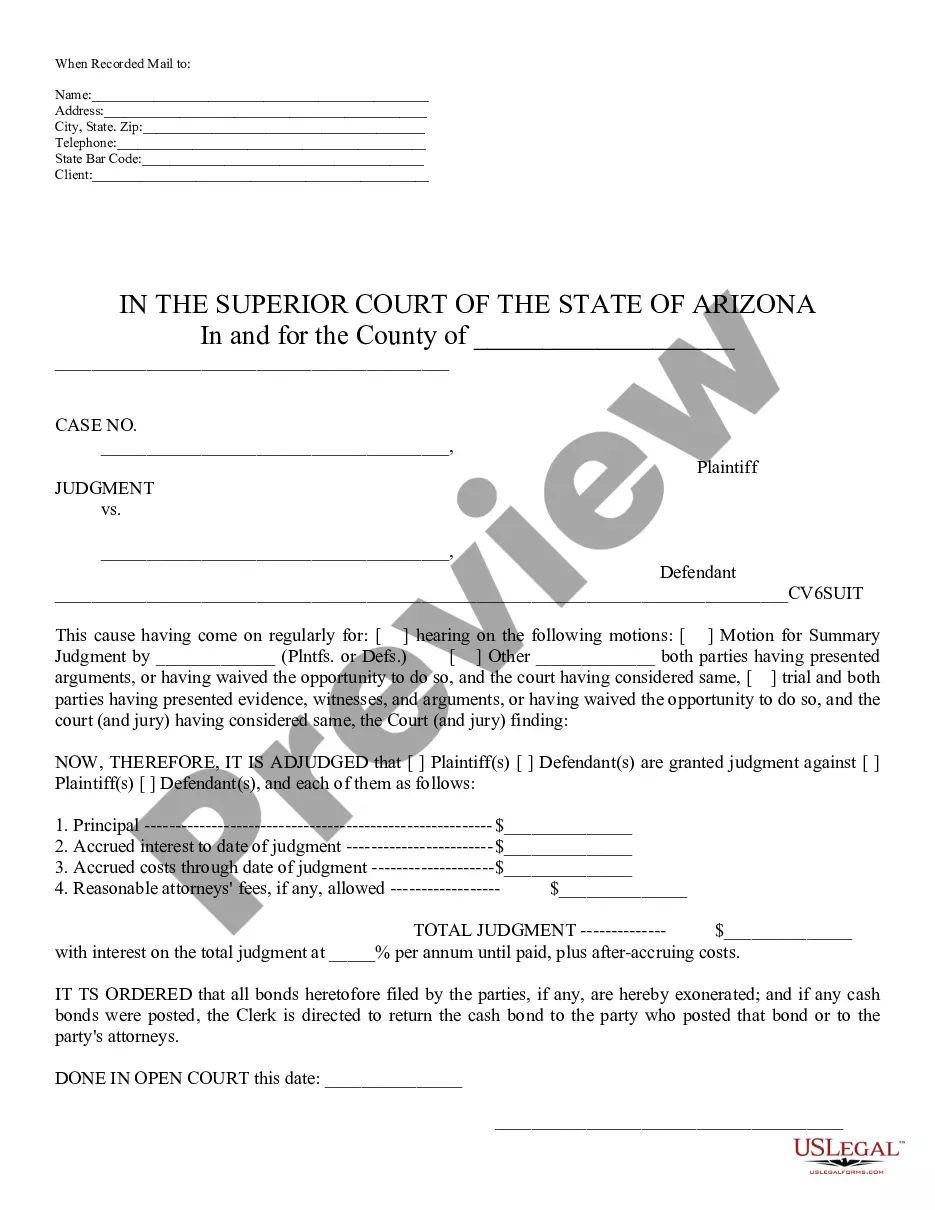
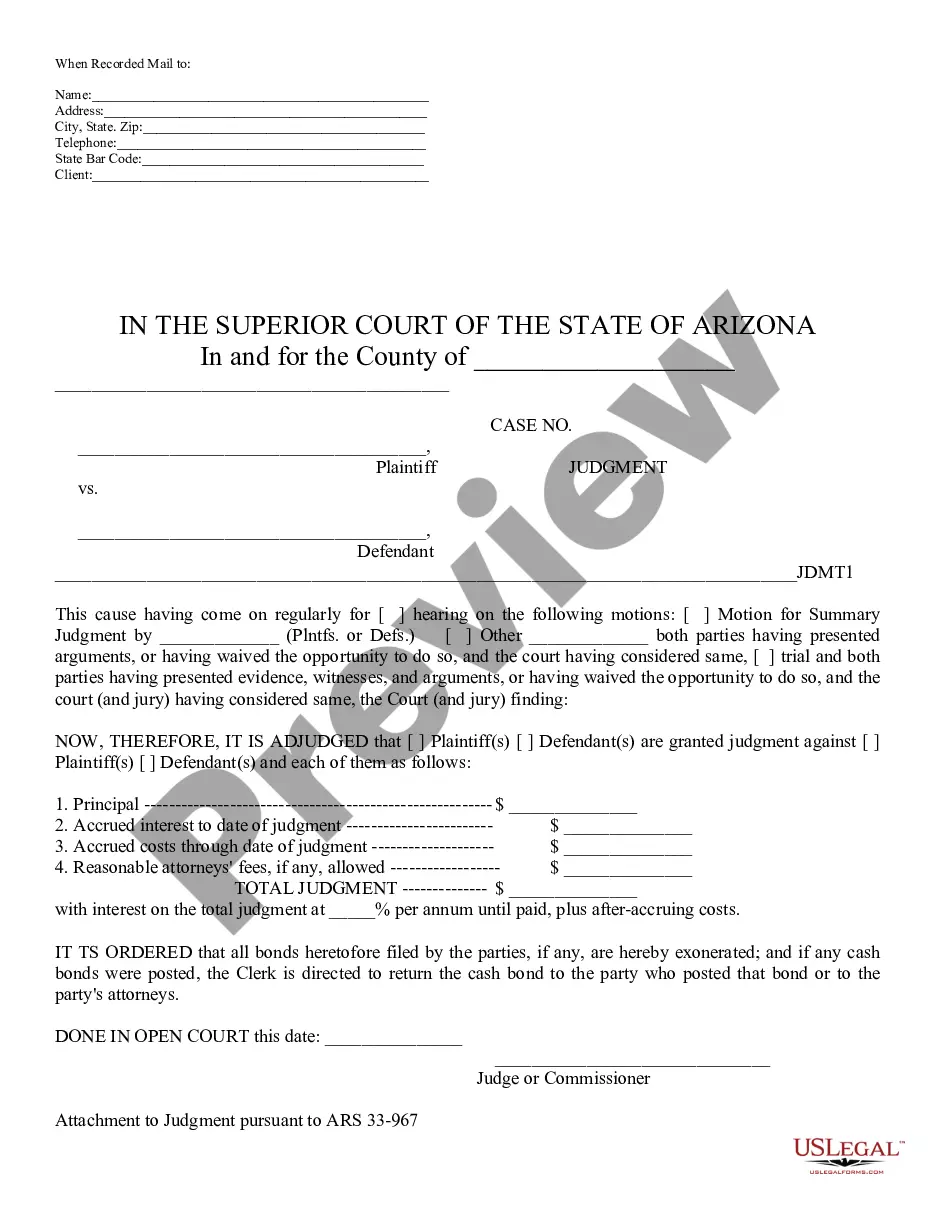
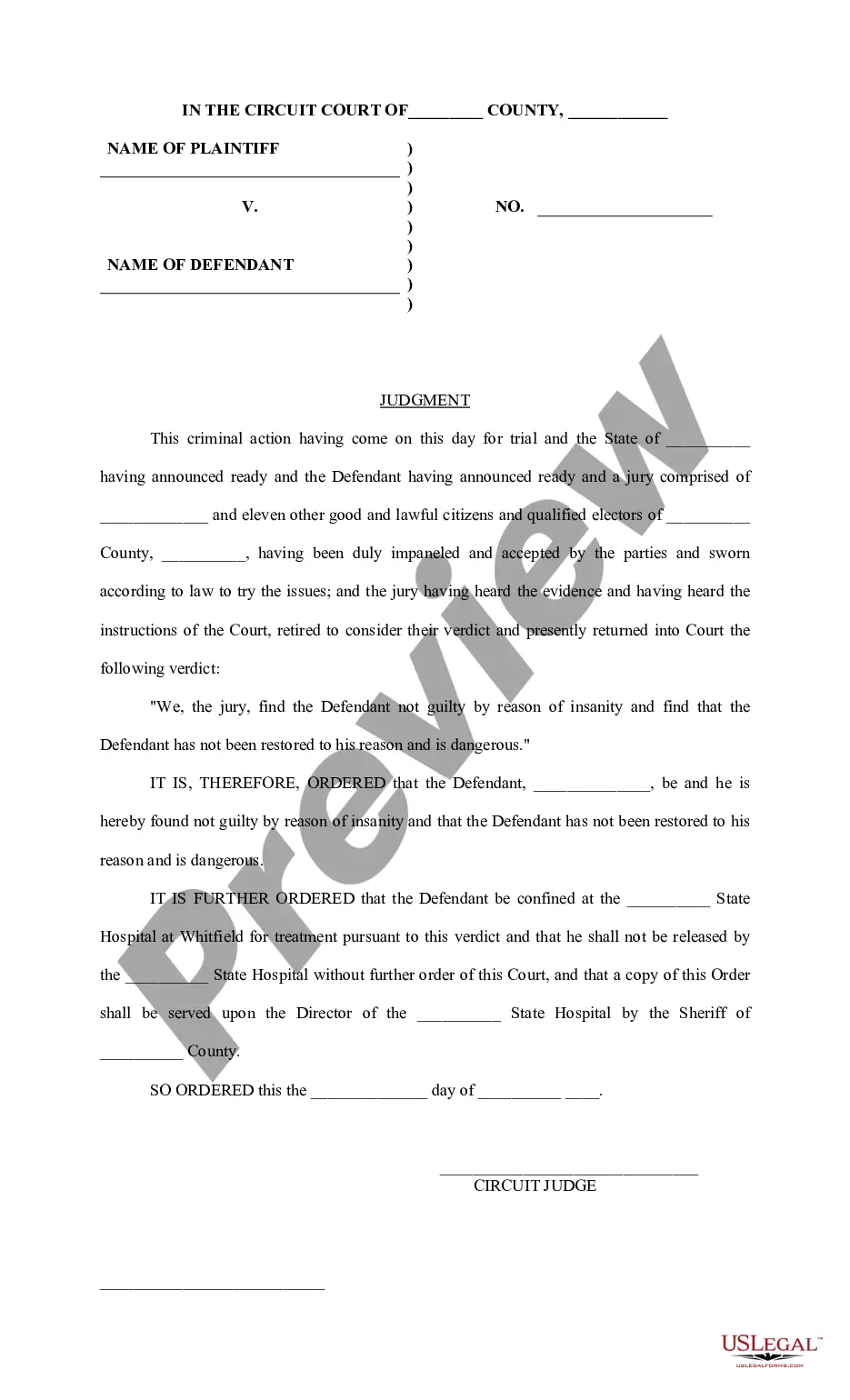
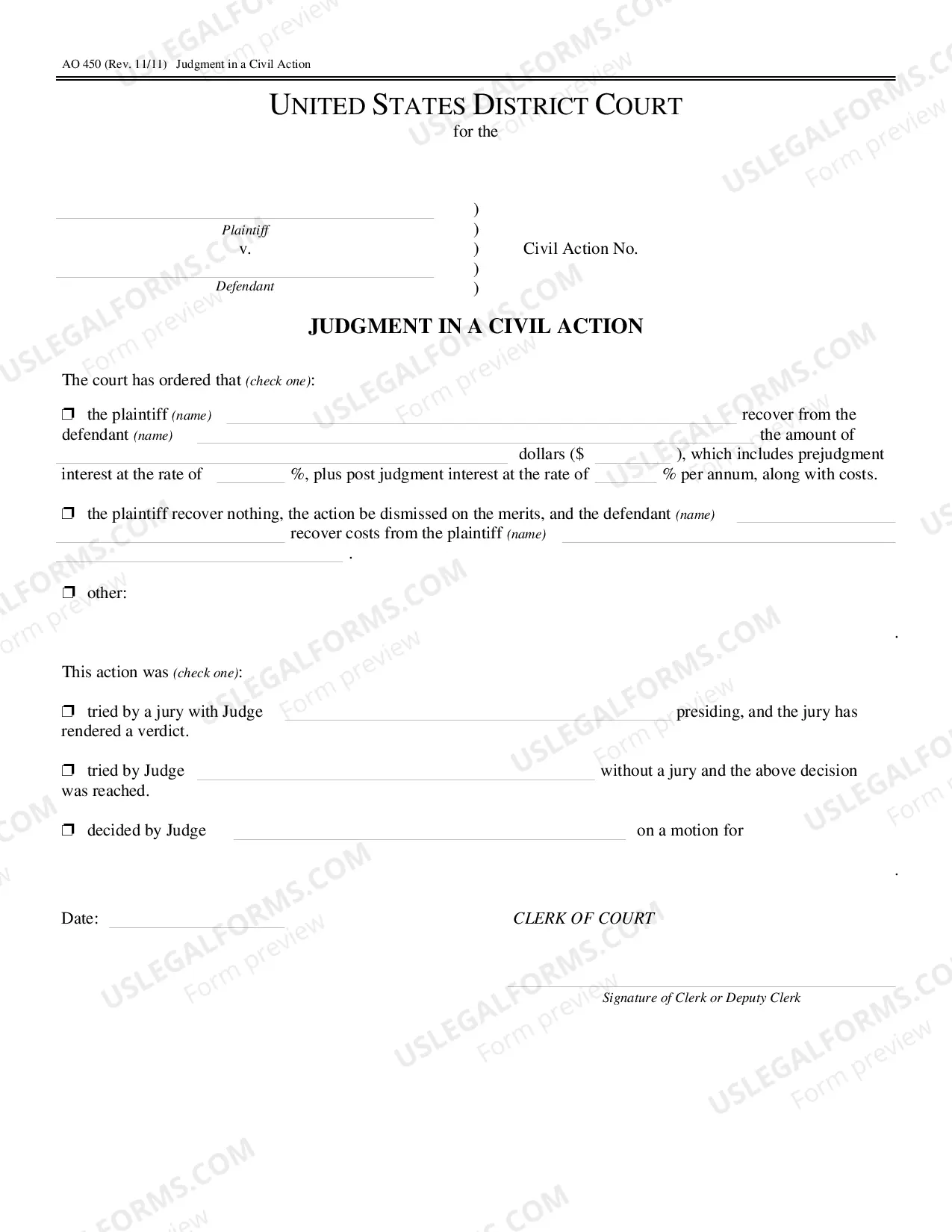
The Judgment form is a legal document that outlines a court's decision in a civil case. It details the terms of the judgment rendered by the court, including any monetary awards and conditions. This form serves as a binding order once signed by the judge, distinguishing it from other forms that may not carry legal weight. The Judgment is important for enforcing court rulings and ensuring compliance by the parties involved in the case.
Key components of this form
- Parties involved: Names and addresses of the plaintiff(s) and defendant(s).
- Case number: Unique identifier for the specific legal case.
- Judgment details: Key monetary amounts including principal, interest, and attorneysâ fees.
- Order of the court: Official ruling and directives from the judge.
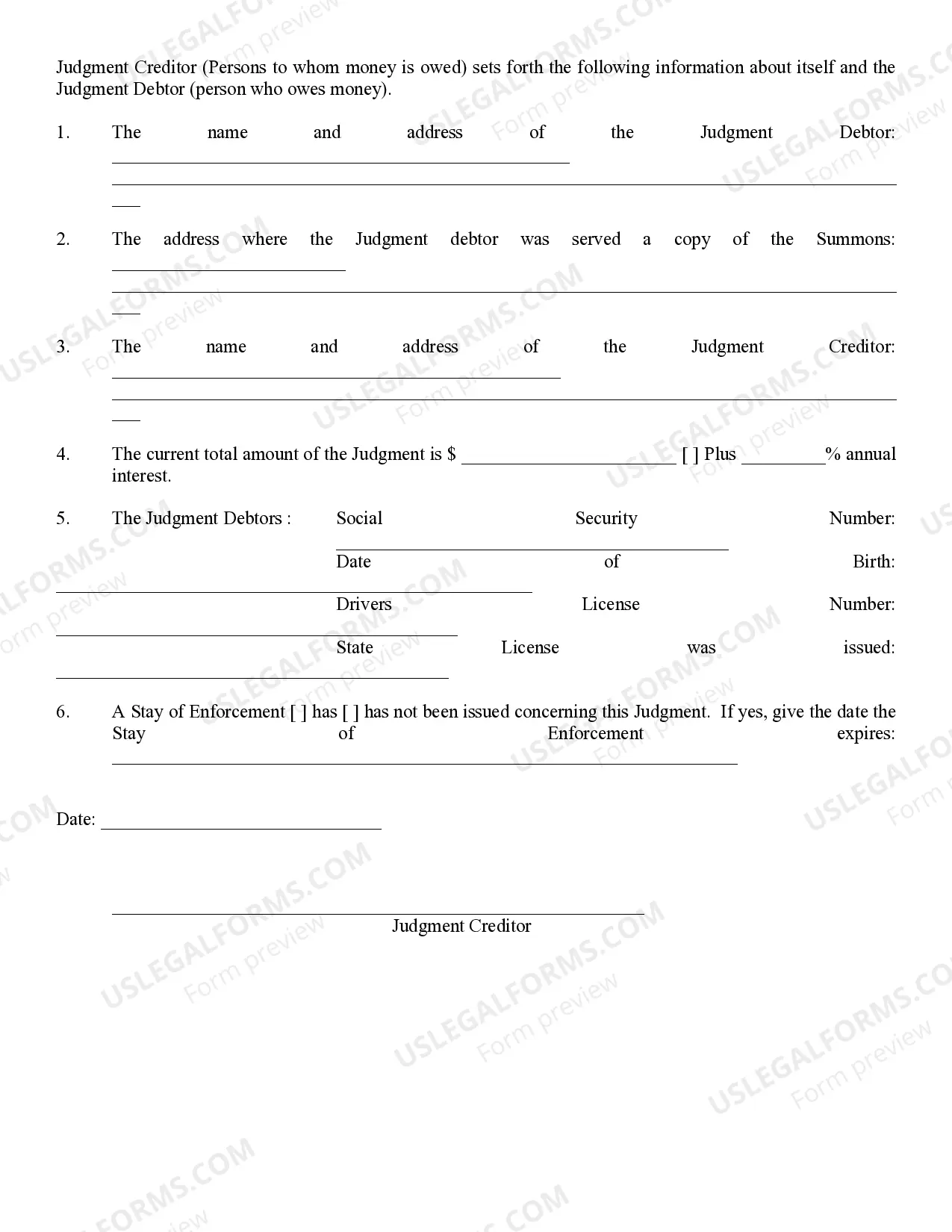
- Attachment for judgment creditor: Information about the person owed money.

When this form is needed
This form should be used when a court has reached a final decision in a civil suit, determining the rights and obligations of the parties involved. It is necessary when one party seeks to formalize the judgment for enforcement, including recovering monetary awards or establishing legal obligations. Common scenarios include resolving disputes related to contracts, debts, or personal injury claims.
Who this form is for
This form is intended for:
- Plaintiffs seeking to formalize a ruling in their favor.
- Defendants who need to respond to a judgment against them.
- Attorneys representing clients in civil litigation.
- Individuals involved in civil cases who require a legal judgment for future enforcement.
How to prepare this document
- Identify the parties: Fill in the names and addresses of the plaintiff(s) and defendant(s).
- Enter the case number: Include the unique identifier provided by the court.
- Specify the details of the judgment: Include the principal amount, accrued interest, and any awarded attorney's fees.
- Sign and date the judgment: Ensure that the judge or commissioner signs the document.
- Provide details for the judgment creditor attachment: Include information about the judgment debtor and the current total amount owed.
Notarization guidance
This form does not typically require notarization unless specified by local law. Ensure that all signatures are duly completed to maintain the validity of the judgment.
Get your form ready online
Our built-in tools help you complete, sign, share, and store your documents in one place.
Make edits, fill in missing information, and update formatting in US Legal Forms—just like you would in MS Word.
Download a copy, print it, send it by email, or mail it via USPS—whatever works best for your next step.
Sign and collect signatures with our SignNow integration. Send to multiple recipients, set reminders, and more. Go Premium to unlock E-Sign.
If this form requires notarization, complete it online through a secure video call—no need to meet a notary in person or wait for an appointment.
We protect your documents and personal data by following strict security and privacy standards.

Make edits, fill in missing information, and update formatting in US Legal Forms—just like you would in MS Word.

Download a copy, print it, send it by email, or mail it via USPS—whatever works best for your next step.

Sign and collect signatures with our SignNow integration. Send to multiple recipients, set reminders, and more. Go Premium to unlock E-Sign.

If this form requires notarization, complete it online through a secure video call—no need to meet a notary in person or wait for an appointment.

We protect your documents and personal data by following strict security and privacy standards.
Common mistakes
- Failing to include all necessary party details, such as names and addresses.
- Neglecting to verify the accuracy of the case number.
- Omitting the required signatures of the judge or court official.
- Miscalculating financial amounts, such as interest or costs.
Why use this form online
- Convenience of accessing the form at any time.
- Immediate download allows for quick preparation and submission.
- Editability means users can tailor the document to their specific case requirements.
- Reliability of professionally drafted documents ensures compliance with legal standards.
- The Judgment is enforceable when properly completed and signed by a judge.
- This document serves as proof of the legal decision and can be used in further legal actions, such as collections, if necessary.
- Non-compliance with the judgment can lead to additional legal consequences for the debtor.
Main things to remember
- The Judgment form is essential in documenting the court's decision in civil cases.
- Completing the form accurately is crucial for enforceability and clarity.
- Understanding the specific requirements in your state can help avoid legal issues.
Looking for another form?





Form popularity
FAQ
To find a judgment against you in Arizona, you can check public court records online or visit your local courthouse. Many counties maintain searchable databases that list judgments. Additionally, you may consider hiring a professional service for a comprehensive search if you are unsure about gathering this information yourself. Platforms like US Legal Forms can assist you in accessing and managing your legal documents effectively.
In Arizona, certain personal properties can be seized to satisfy a judgment. This may include vehicles, bank accounts, and collectibles. However, state law protects some assets, such as necessary household goods and certain retirement accounts. Understanding what can be seized can help you navigate your situation more effectively, and resources like US Legal Forms can provide valuable templates and guidance.
In Arizona, a judgment can generally be collected for up to 10 years. However, you can renew the judgment for an additional 10 years if you file the necessary paperwork. This allows you ongoing opportunities to collect the amount owed under your Arizona Judgment. It's important to stay informed of your rights regarding judgment collections to maximize your recovery.
The default judgment rule in Arizona allows a plaintiff to obtain a judgment when the defendant fails to respond to a complaint within the specified time frame. Generally, the plaintiff must provide evidence of the claim to support the default judgment. Familiarizing yourself with this rule can be advantageous if facing an Arizona judgment case involving an unresponsive party.
The standard for summary judgment in Arizona requires that there is no genuine issue of material fact and that the moving party is entitled to judgment as a matter of law. This standard helps to expedite cases where the outcome is clear without the need for a trial. Understanding the local rules for summary judgment can help you achieve a favorable Arizona judgment more efficiently.
To domesticate a judgment in Arizona, you must file the original judgment from another state with the appropriate Arizona court. This process includes submitting an affidavit that confirms the judgment is valid and final. By following these steps, you can enforce an out-of-state judgment in Arizona effectively.
In Arizona, judgments must comply with specific statutory and procedural rules, including those governing jurisdiction and venue. A judgment must clearly state the relief granted and be signed by a judge. If you are navigating the process of obtaining an Arizona judgment, knowing these rules can help ensure your case is handled correctly.
The rules for offer of judgment in Arizona allow a party to propose a settlement to the opposing side before a trial begins. If the offer is rejected and the final judgment is less favorable than the offer, the rejecting party may face the risk of paying the other side's legal costs. Understanding this process can be crucial for those involved in Arizona judgment scenarios.
Rule 26.1 in Arizona concerns the disclosure of information and documents in civil cases. It mandates that parties share pertinent information early in the litigation process to ensure all parties have the necessary data for informed decision-making. This rule can impact an Arizona judgment case, as proper disclosures can lead to more streamlined proceedings.
Receiving a judgment against you in Arizona can significantly impact your financial position and credit score. This judgment can lead to wage garnishment, bank levies, or liens against your property. It's essential to address the judgment promptly, whether through payment, settlement, or filing an appeal. For assistance navigating these options and understanding your rights, US Legal Forms offers helpful documents and support.