California Tenant Welcome Letter
Understanding this form
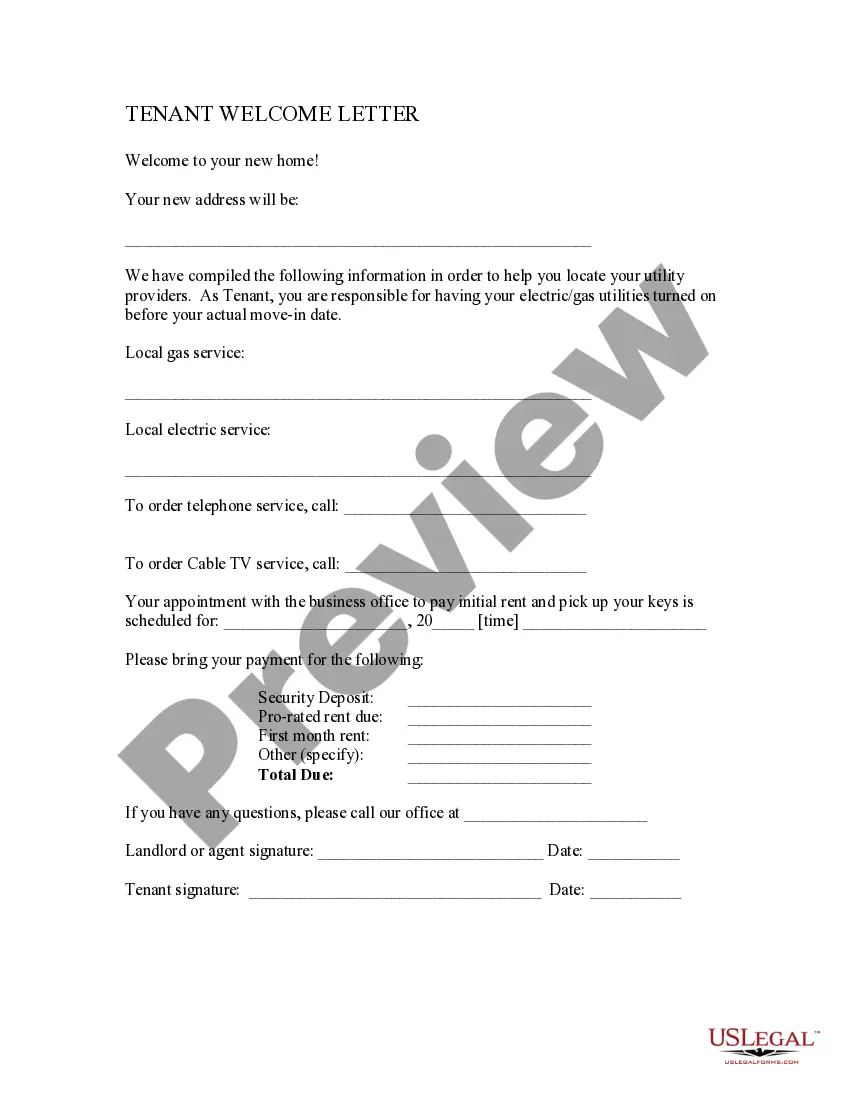
The tenant welcome letter is a crucial document for new renters, providing essential information about their new home. It outlines contact details for utilities and important reminders relevant to the lease agreement. Unlike a lease agreement, which legally binds the landlord and tenant, the welcome letter serves as an introductory overview to facilitate a smooth transition into the rental property.
Key parts of this document
- Security deposit payment details
- Pro-rated rent amount due
- First monthâs rent amount
- Space for additional charges with specifications
- Total amount due for the tenant
Situations where this form applies
This form is ideal for landlords who want to formally welcome a new tenant. It should be given at the start of the tenancy period to ensure the new renter is informed about payment obligations and utility contacts. The welcome letter helps establish a positive relationship between the landlord and tenant from the outset.
Who can use this document
This form is suitable for:
- Landlords and property managers
- Real estate agents representing landlords
- Anyone renting out residential properties
Instructions for completing this form
- List the security deposit amount in the designated space.
- Enter the pro-rated rent due amount.
- State the amount for the first monthâs rent.
- Specify any additional charges that may apply.
- Calculate and write down the total payment due.
Notarization requirements for this form
This form does not typically require notarization unless specified by local law. It serves as an informational document rather than a legally binding agreement.
Get your form ready online
Our built-in tools help you complete, sign, share, and store your documents in one place.
Make edits, fill in missing information, and update formatting in US Legal Forms—just like you would in MS Word.
Download a copy, print it, send it by email, or mail it via USPS—whatever works best for your next step.
Sign and collect signatures with our SignNow integration. Send to multiple recipients, set reminders, and more. Go Premium to unlock E-Sign.
If this form requires notarization, complete it online through a secure video call—no need to meet a notary in person or wait for an appointment.
We protect your documents and personal data by following strict security and privacy standards.

Make edits, fill in missing information, and update formatting in US Legal Forms—just like you would in MS Word.

Download a copy, print it, send it by email, or mail it via USPS—whatever works best for your next step.

Sign and collect signatures with our SignNow integration. Send to multiple recipients, set reminders, and more. Go Premium to unlock E-Sign.

If this form requires notarization, complete it online through a secure video call—no need to meet a notary in person or wait for an appointment.

We protect your documents and personal data by following strict security and privacy standards.
Avoid these common issues
- Forgetting to include all charges in the total amount due.
- Not providing accurate utility contact information.
- Failing to personalize the letter with tenant and property details.
Why use this form online
- Convenient access to downloadable templates at your convenience.
- Editable fields that save time and effort.
- Reliable and professionally drafted content to ensure compliance.
Summary of main points
- The tenant welcome letter helps new renters transition smoothly into their new home.
- It includes important financial obligations like security deposits and rents.
- Using this template can help maintain a professional relationship between landlords and tenants.
Looking for another form?
Form popularity
FAQ
Welcoming a new tenant requires a warm and inviting approach. A well-crafted California Tenant Welcome Letter can convey your appreciation and set a positive tone for their new living experience. Include essential details, such as move-in procedures and community guidelines, while encouraging open communication. This letter not only helps tenants feel at home but also establishes a professional relationship right from the start.
To give notice to a tenant to vacate in California, you must provide a written notice that states the reason for eviction, the date they need to move out, and follows the legal guidelines. Typically, a 30-day notice is required, but it may vary depending on the lease agreement. Ensuring proper documentation is crucial to avoid misunderstandings. For templates and detailed guidance on creating an effective eviction notice, check out our platform.
To write a welcome letter to a tenant, start with a warm greeting and express appreciation for their choice of your property. Include essential information like lease terms, payment methods, and local amenities. Make it personal by adding a few tips on how to settle in smoothly. Utilize our resources to find templates for a professional California Tenant Welcome Letter that fits your needs.
A welcoming message for new tenants can include a friendly introduction, essential contact details, and a brief overview of building amenities. It should convey excitement about having them as part of the community. Incorporating helpful tips about nearby services can enhance their experience. A well-crafted California Tenant Welcome Letter can help you communicate these messages effectively.
Yes, many apartments do send a California Tenant Welcome Letter to new tenants. This letter serves as a warm introduction to the property and outlines important information such as rules, amenities, and contact information. It helps create a positive first impression and fosters a sense of community. If you are a landlord, consider using our platform to create a customized welcome letter that reflects your property’s unique character.
To obtain a landlord letter, you can request one directly from your property manager or landlord. They typically provide this letter as part of your lease documentation. If you're unsure where to start, consider using platforms like US Legal Forms, which offer templates for California Tenant Welcome Letters to streamline the process. Having a clear landlord letter can ensure you have all necessary details about your tenancy.
A California Tenant Welcome Letter serves as an important introduction from your landlord. It outlines key information about your new home, including rules, expectations, and contact details. This letter helps establish good communication between you and your landlord. It can set the tone for a positive renting experience right from the start.
An example of a tenant's welcome letter might include a warm greeting, mention of important details like parking instructions, and information about local utilities. It could also provide a brief overview of community rules and how to reach you for assistance. A well-crafted California Tenant Welcome Letter can really enhance your tenant's experience and ease their transition.
An introduction letter to a tenant should be friendly and informative. Start by introducing yourself, followed by a short description of the property and its amenities. Include your contact information and encourage the tenant to reach out with any questions. This California Tenant Welcome Letter can set a positive tone for your landlord-tenant relationship.
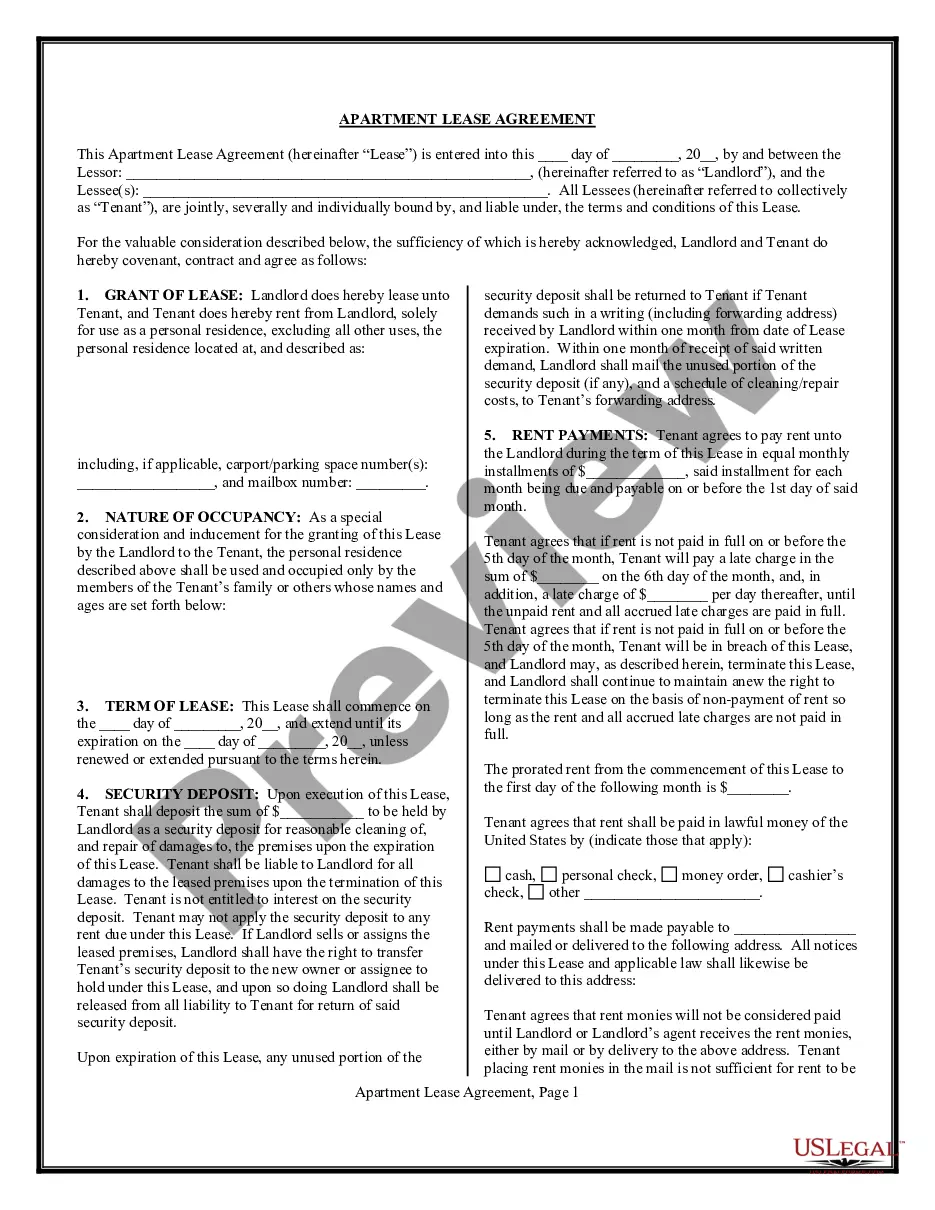
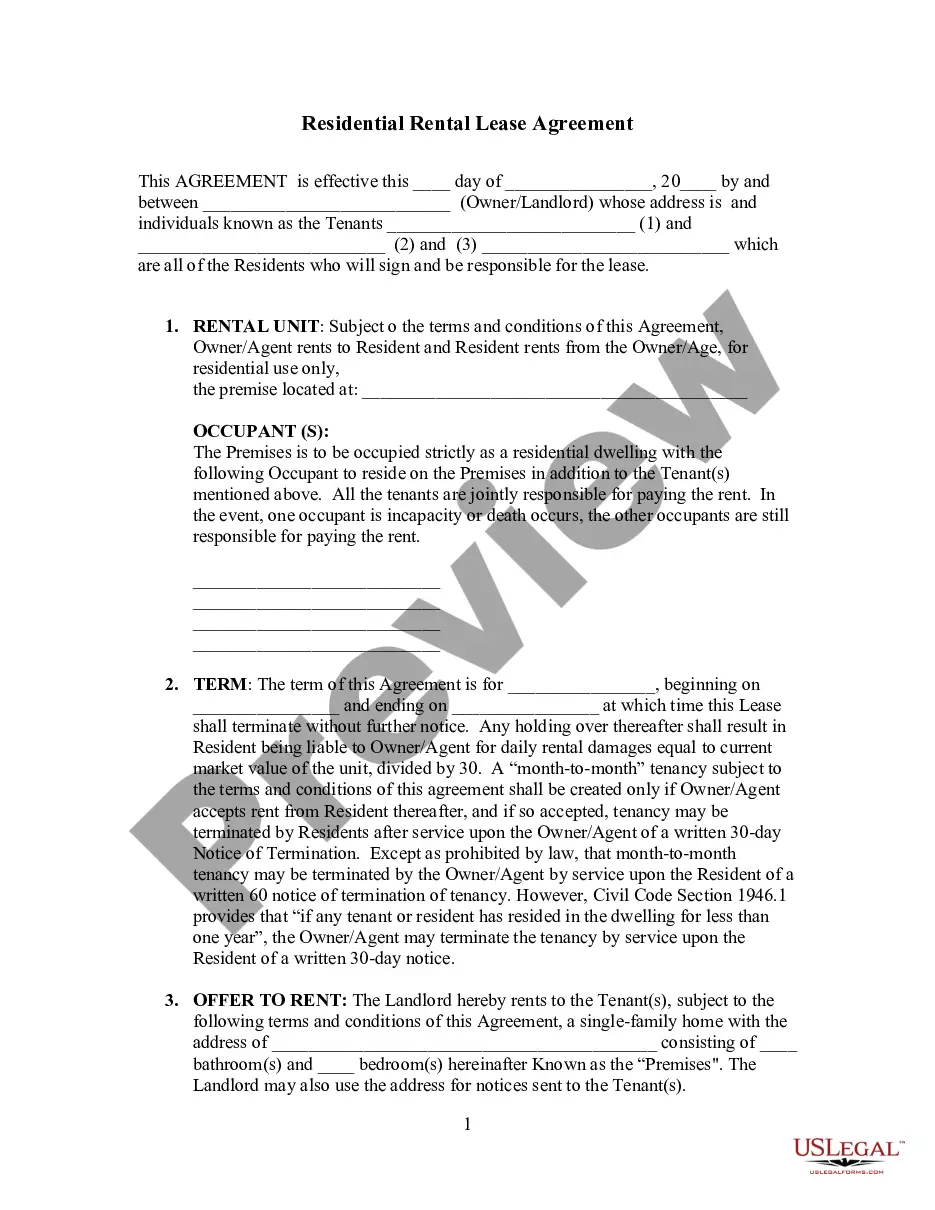
Filling out a California residential lease agreement starts with ensuring you have all necessary information, like tenant names, property address, and rental terms. Make sure to clarify the rental amount, due date, and any additional fees. You can use a reliable platform like USLegalForms to access templates and guides that simplify this process. By using the right resources, you ensure accuracy and compliance with California regulations.