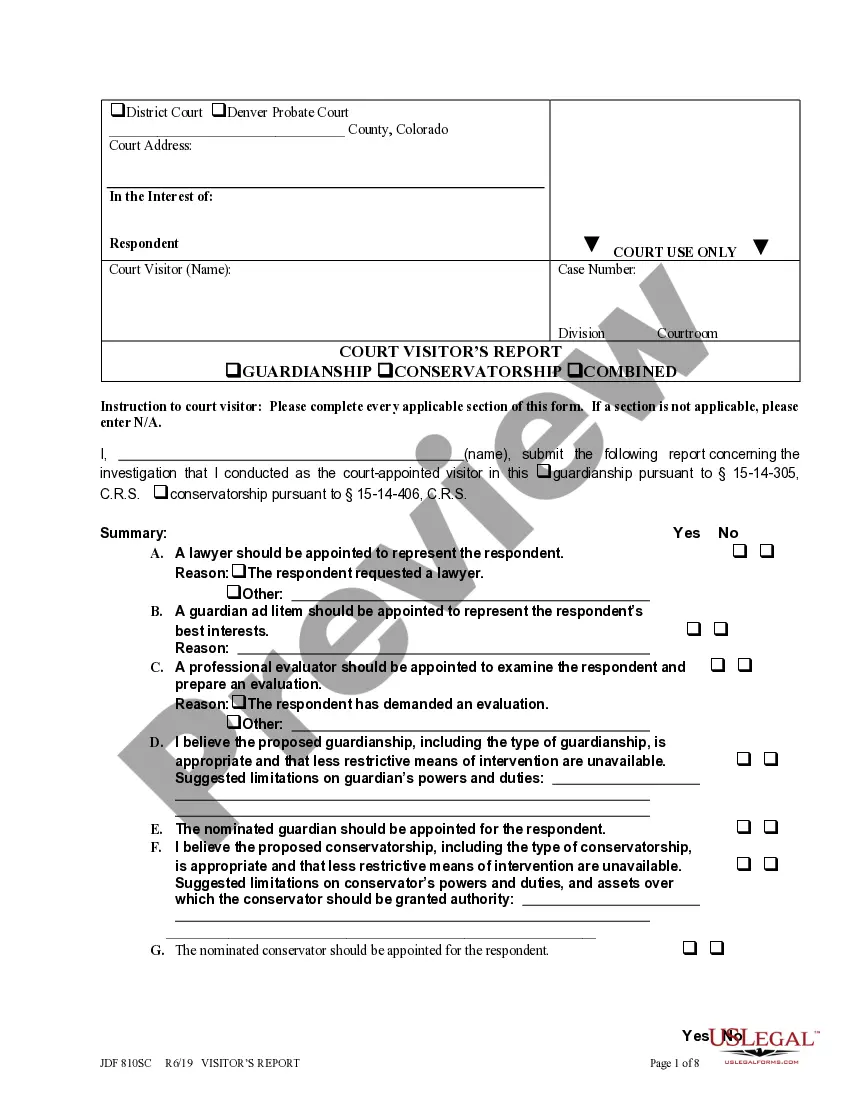
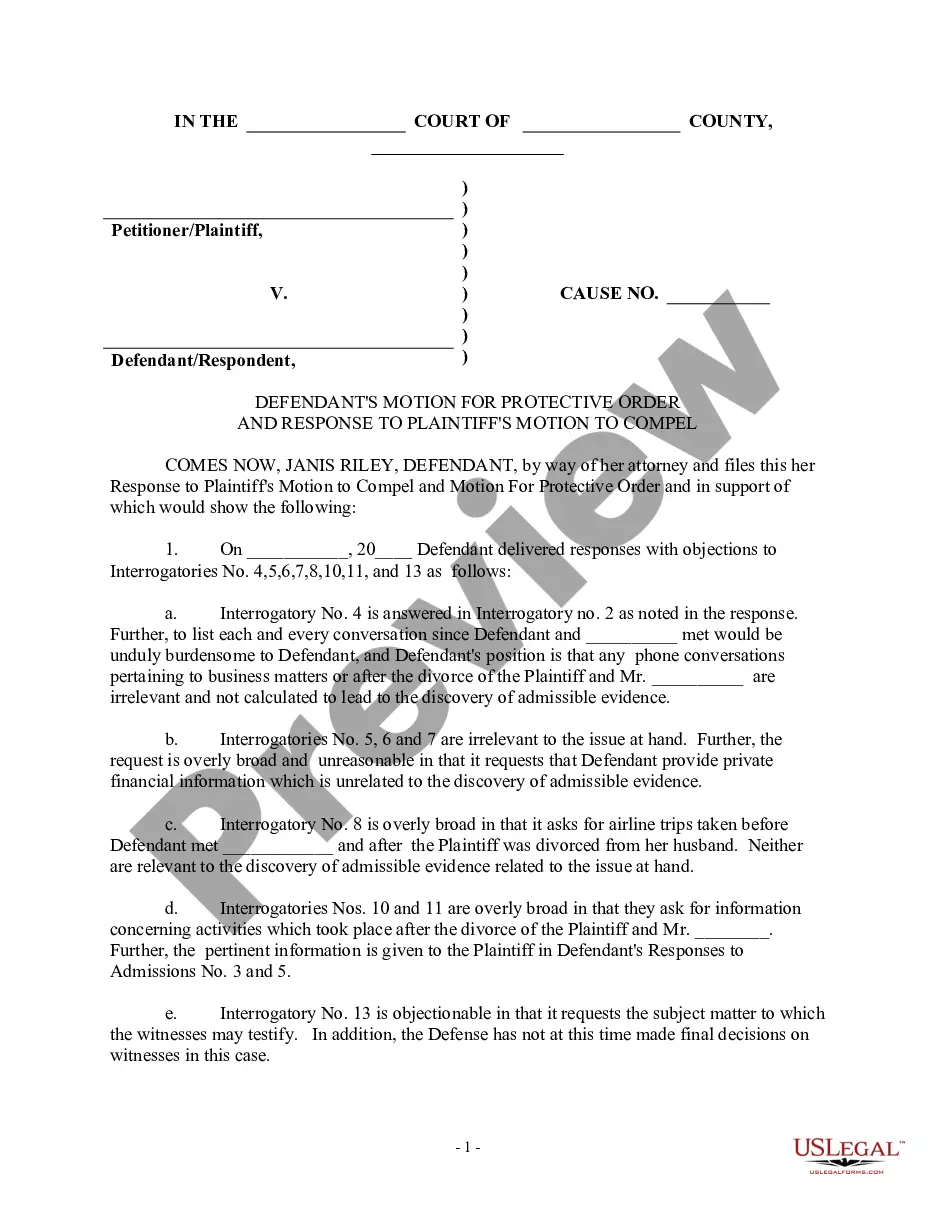
Mississippi Defendant's Motion for Protective Order and Response to Plaintiff's Motion to Compel
What is this form?
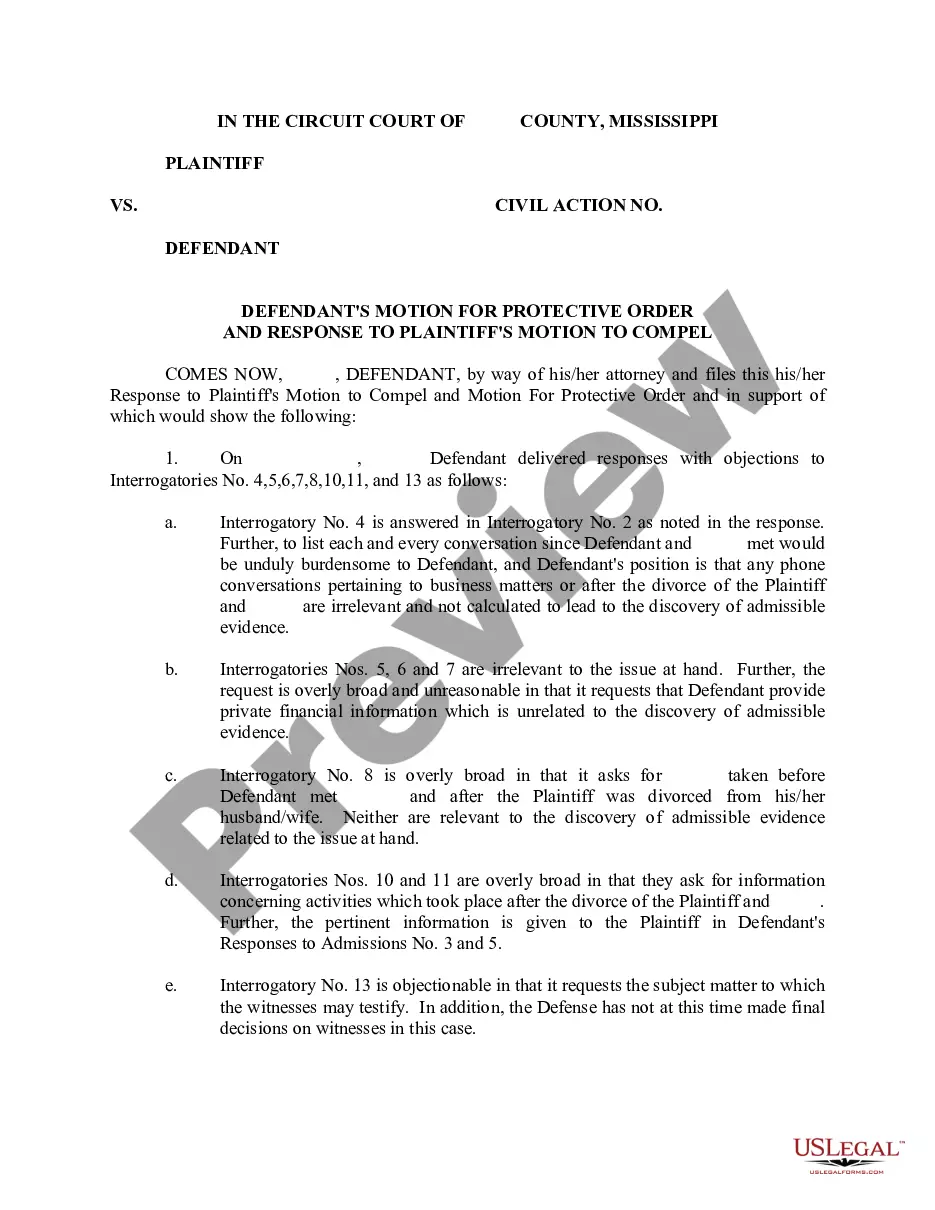
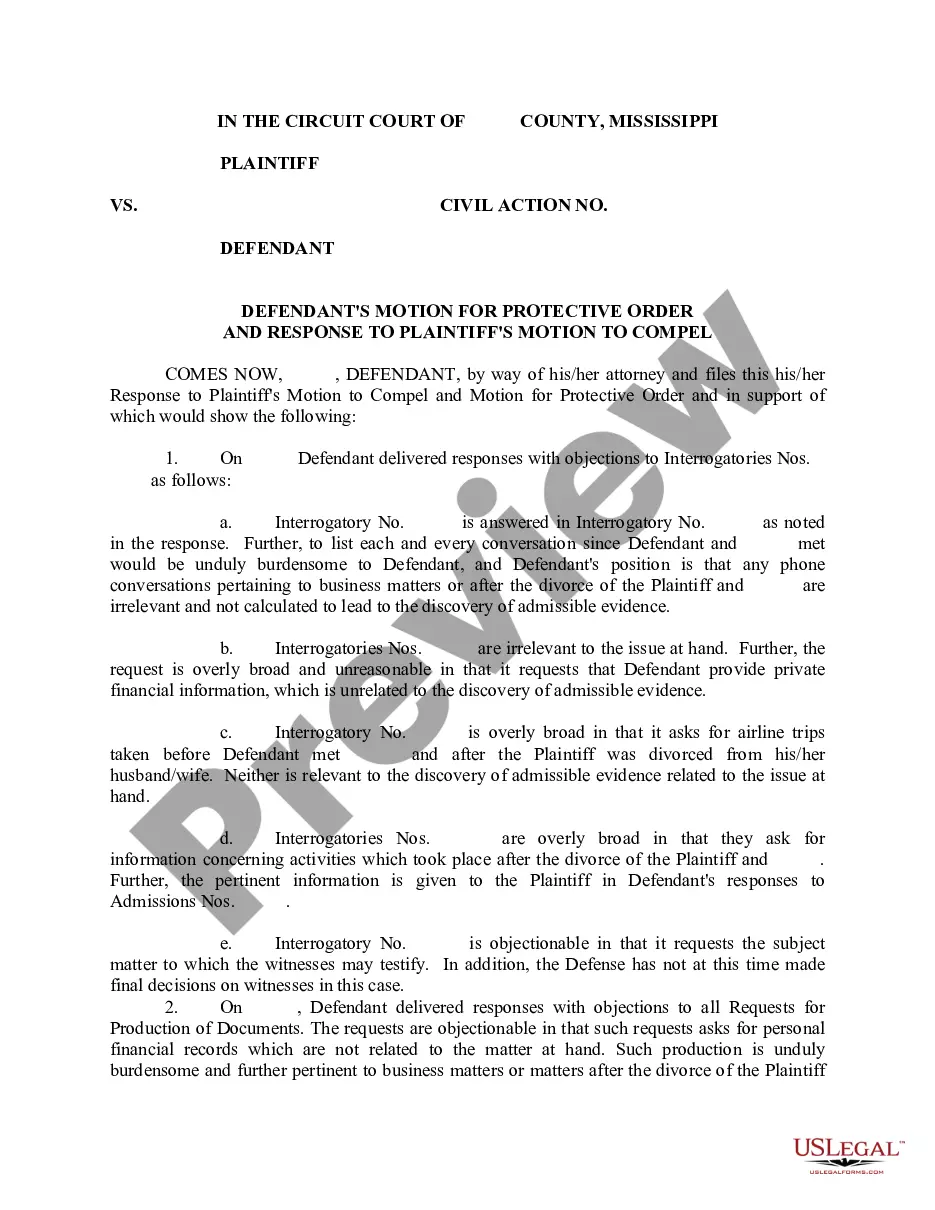
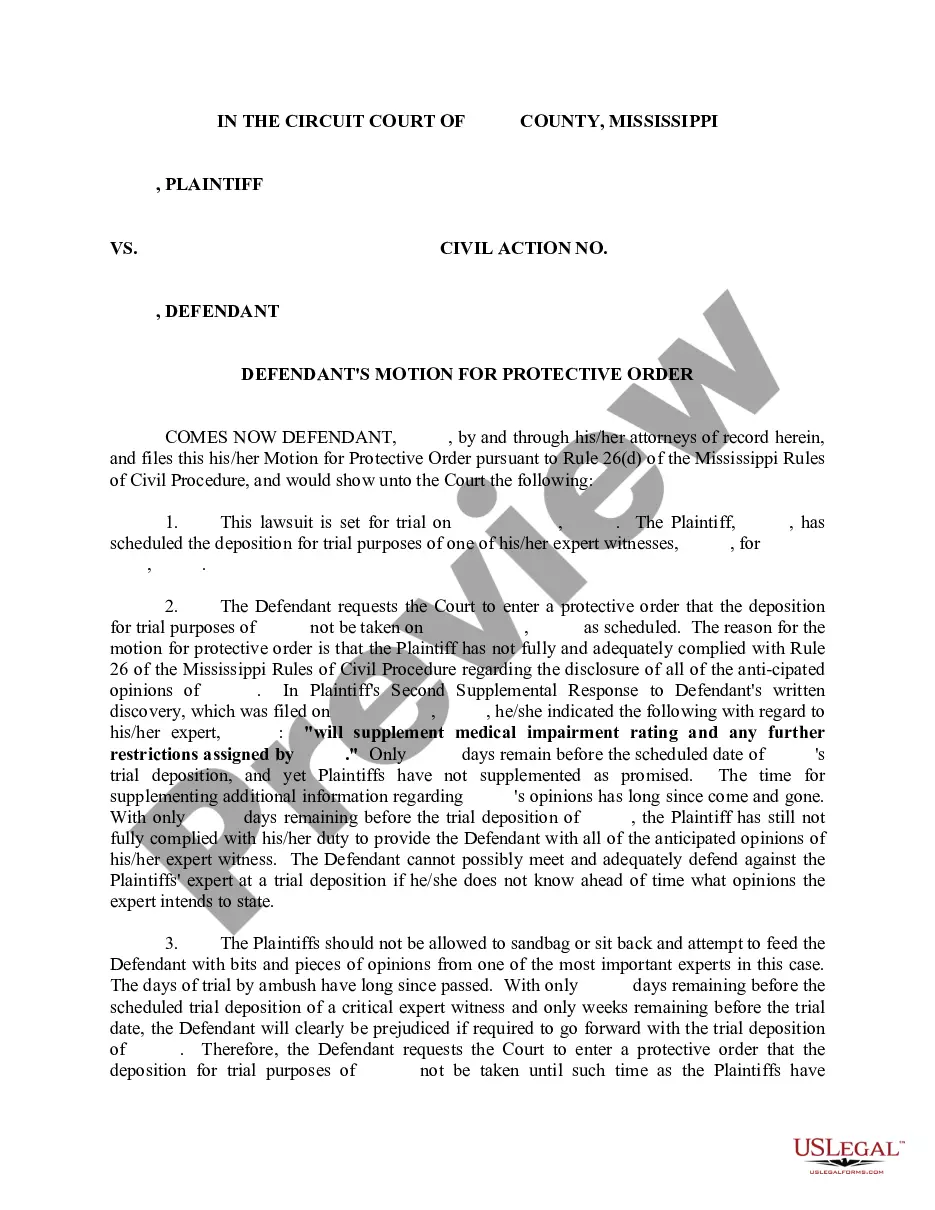
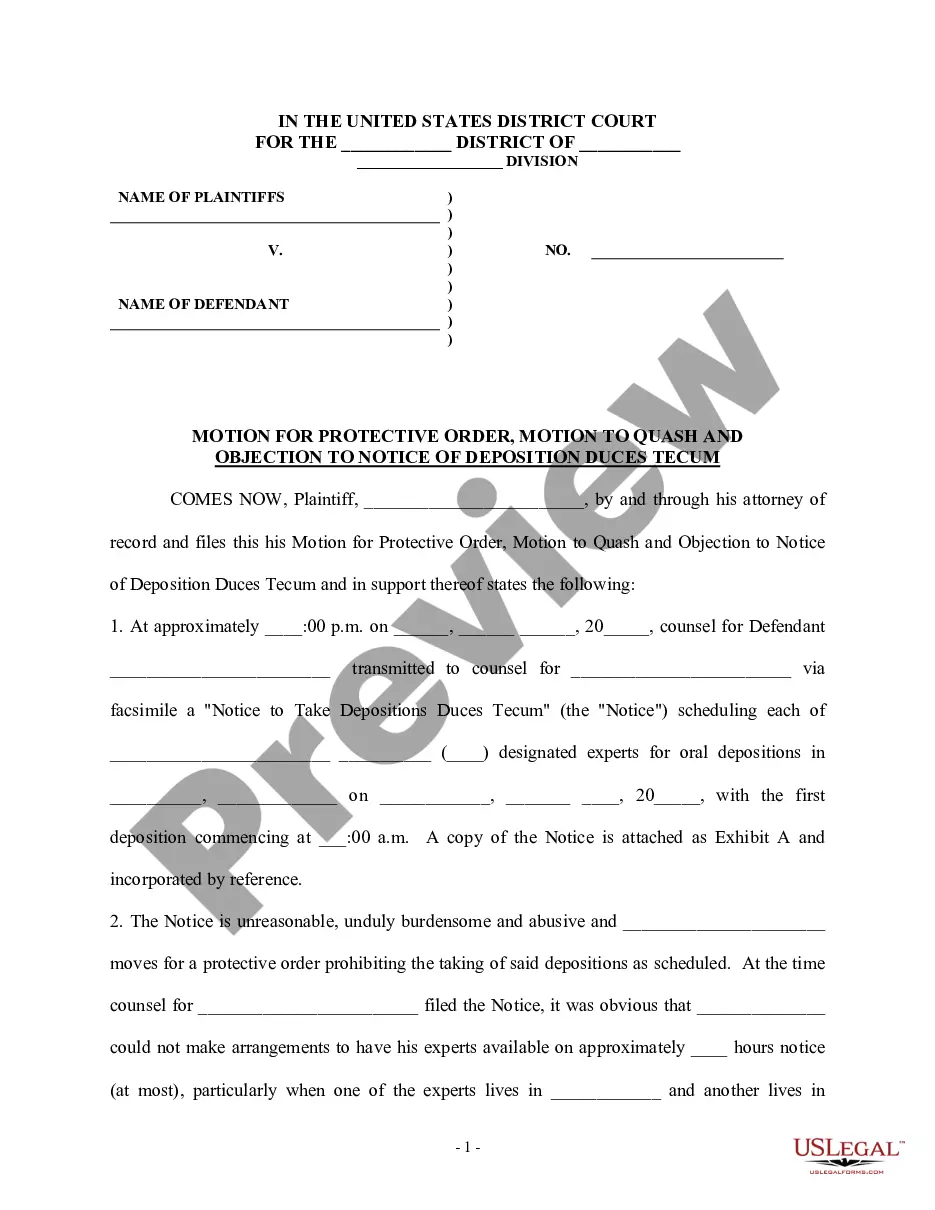
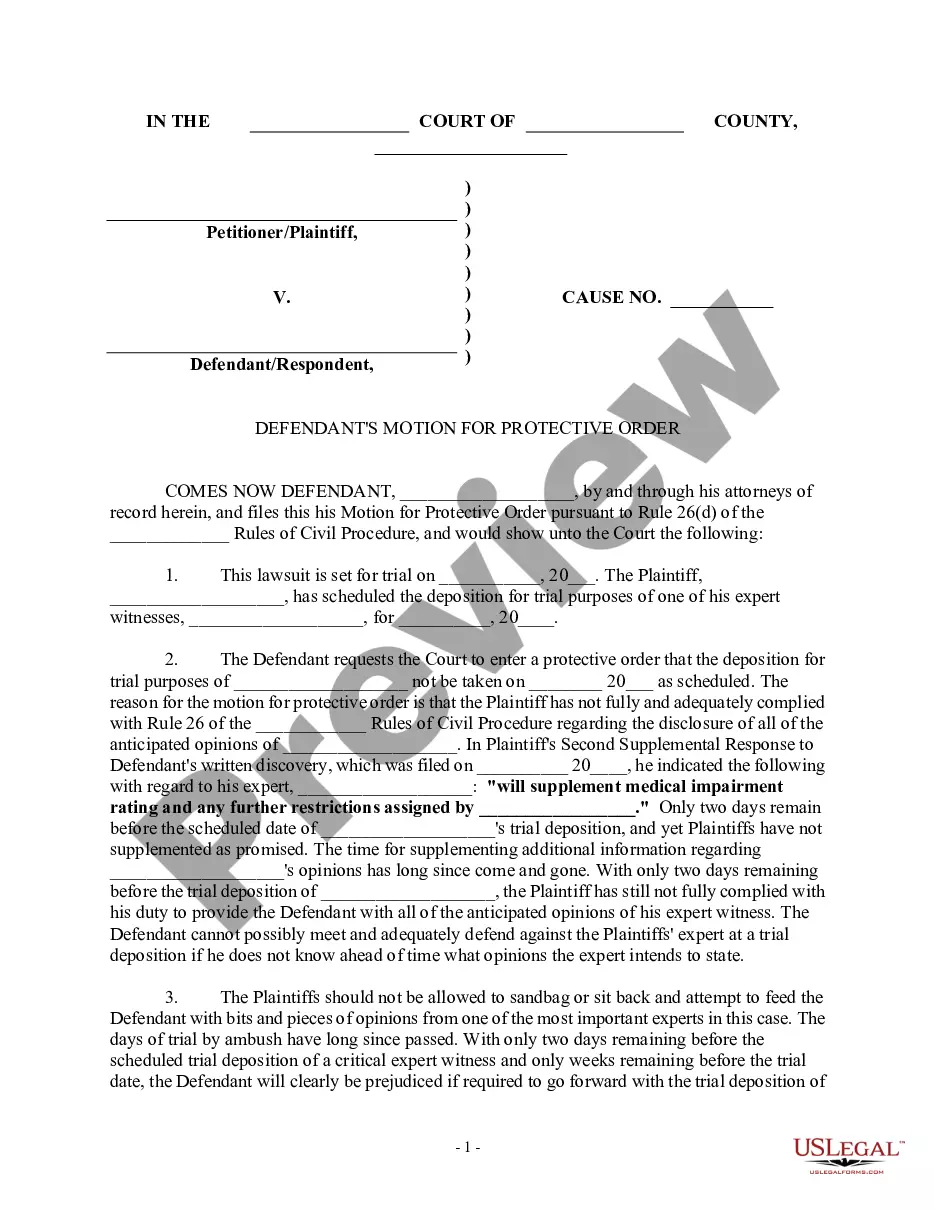
The Defendant's Motion for Protective Order and Response to Plaintiff's Motion to Compel is a legal document designed to protect a defendant from overly broad or irrelevant requests for information during litigation. This form allows the defendant to formally request the court to deny the plaintiff's motion to compel the production of specific evidence, ensuring that discovery is conducted fairly and reasonably.
Form components explained
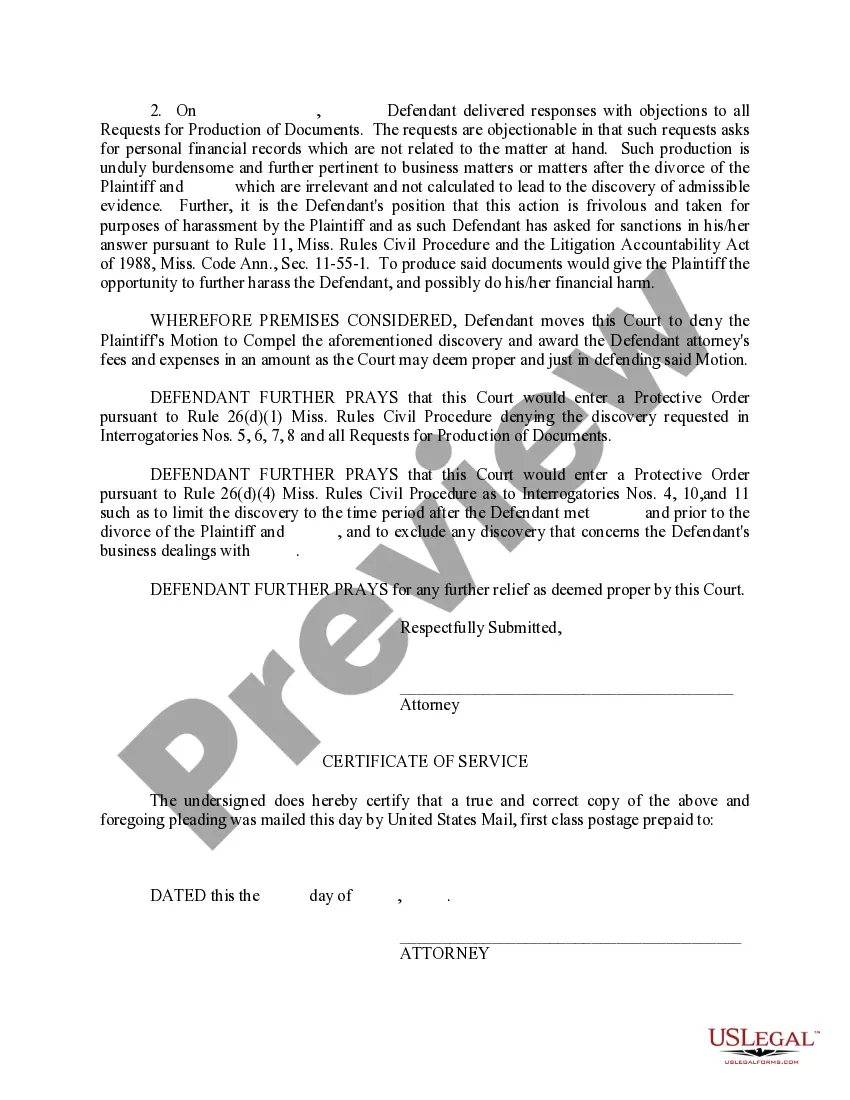
- The motion to deny the plaintiff's motion to compel discovery.
- A request for attorneys' fees and expenses related to defending against the motion.
- A request for a protective order to limit or deny certain discovery requests.
- Identification of specific interrogatories and requests for production related to the protective order.
- Certification of service indicating that the document has been properly distributed to involved parties.
When this form is needed
This form should be used when a defendant believes that a plaintiff's requests for discovery are unreasonable or oppressive. It is particularly relevant in scenarios where the plaintiff's motion to compel seeks information that may be sensitive, irrelevant, or overly burdensome. Utilizing this form helps the defendant protect their rights and manage the scope of discovery during litigation.
Who can use this document
- Defendants in civil litigation who are facing a motion to compel from a plaintiff.
- Attorneys representing defendants needing to file a response to a motion to compel.
- Individuals who wish to contest excessive or intrusive discovery requests in a lawsuit.
Steps to complete this form
- Identify the parties: Fill in the names of the defendant and plaintiff.
- Specify the objections: Clearly outline the discovery requests you wish to contest.
- Request fees: Indicate the amount of attorneys' fees and expenses you are seeking.
- Complete the certification of service: Provide details on how and when the form was served to the other parties.
- Sign and date the document: Ensure it is properly signed to validate the motion.
Notarization guidance
This form does not typically require notarization unless specified by local law. However, it is important to verify any additional requirements that may apply in your jurisdiction to ensure proper filing.
Get your form ready online
Our built-in tools help you complete, sign, share, and store your documents in one place.
Make edits, fill in missing information, and update formatting in US Legal Forms—just like you would in MS Word.
Download a copy, print it, send it by email, or mail it via USPS—whatever works best for your next step.
Sign and collect signatures with our SignNow integration. Send to multiple recipients, set reminders, and more. Go Premium to unlock E-Sign.
If this form requires notarization, complete it online through a secure video call—no need to meet a notary in person or wait for an appointment.
We protect your documents and personal data by following strict security and privacy standards.

Make edits, fill in missing information, and update formatting in US Legal Forms—just like you would in MS Word.

Download a copy, print it, send it by email, or mail it via USPS—whatever works best for your next step.

Sign and collect signatures with our SignNow integration. Send to multiple recipients, set reminders, and more. Go Premium to unlock E-Sign.

If this form requires notarization, complete it online through a secure video call—no need to meet a notary in person or wait for an appointment.

We protect your documents and personal data by following strict security and privacy standards.
Avoid these common issues
- Failing to properly serve the opposing party with the motion.
- Not specifying the interrogatories or requests being contested, leading to unclear arguments.
- Omitting signatures or dates, which can result in the motion being rejected.
- Underestimating the importance of citing relevant rules and legal standards.
Advantages of online completion
- Immediate access to the form, saving time in legal preparation.
- Editability allows you to customize the form to fit your specific case.
- Documents are drafted with input from licensed attorneys to ensure compliance with legal standards.
- Convenient downloading options to choose the format that best suits your needs.
Summary of main points
- The form is essential for defendants seeking to contest discovery requests in a civil case.
- It offers a structured approach to formally request judicial protection from intrusive discovery.
- Using this motion can safeguard against the disclosure of sensitive information.
Looking for another form?
Form popularity
FAQ
You need to give the court a reason to deny the other side's motion to compel. There are many different reasons you could give. Take out your Response to the discovery request. You should have identified reasons in your Response for why you weren't turning over certain information.
Therefore, a party filing a motion to dismiss a case is not sufficient for the trial court to stay discovery. Discovery will proceed even while the court resolves the motion.Consequently, discovery will cease if the case is dismissed by the court. 1 1.280, Florida Rules of Civil Procedure.
This motion shall be accompanied by a meet and confer declaration under Section 2016.040. The taking of the deposition is stayed pending the determination of this motion.This protective order may include, but is not limited to, one or more of the following directions: (1) That the deposition not be taken at all.
The motion to compel further responses has to be brought within 45 days of service of the response. (C.C.P.
Protective orders are used in litigation to protect a party's propriety or confidential information from being disclosed to the public. Often, parties agree on the terms of the order and submit a stipulated protective order for entry by the court.
A motion for protective order refers to a party's request that the court protect it from potentially abusive action by the other party. Such a request is often made in relation to discovery, as when one party seeks discovery of the other party's trade secrets.
Motions for Protective Order If a party or person maintains that responding to the discovery sought will result in potentially abusive action, then the party or person will file a motion for protective order. The Florida Rules of Civil Procedure 1.280 sets forth how a party can move for a protective order.
Motion for Sanctions If the court issues an order compelling discovery, and the party fails to comply with that order, then the court may sanction the party in numerous ways such as refusing to let in the party's evidence at trial, dismissing their lawsuit or striking their defense to a lawsuit, and imposing