Mississippi Motion for Protective Order
What is this form?
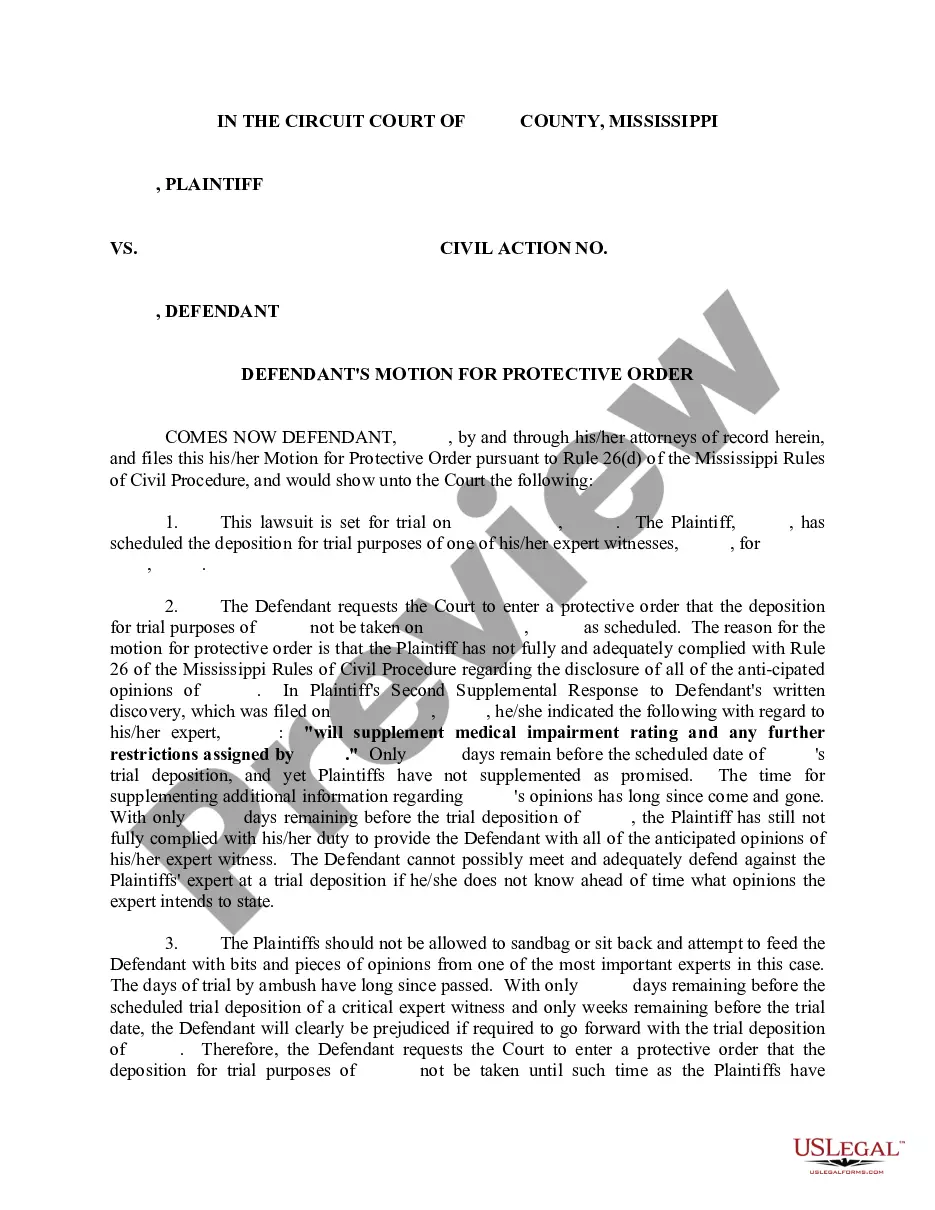
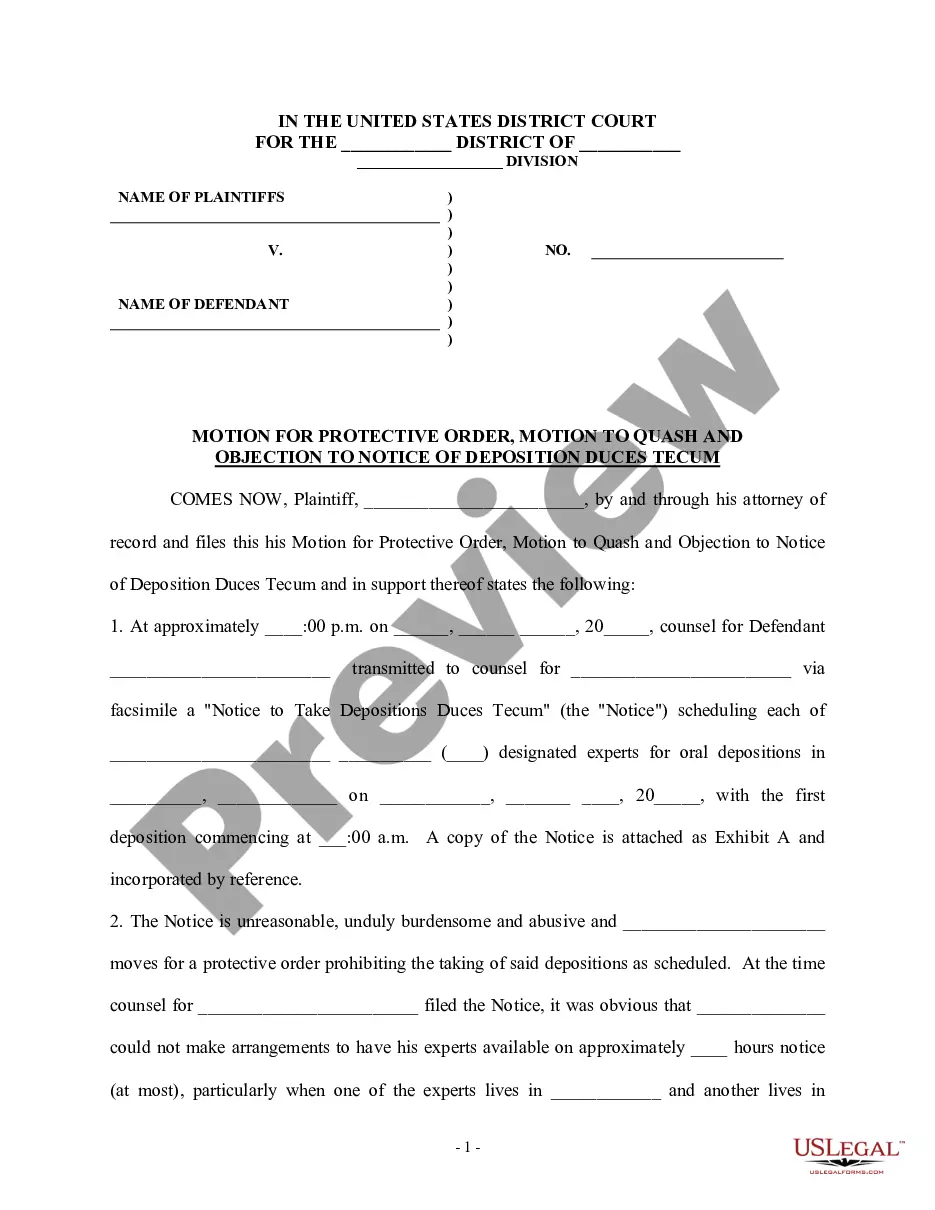
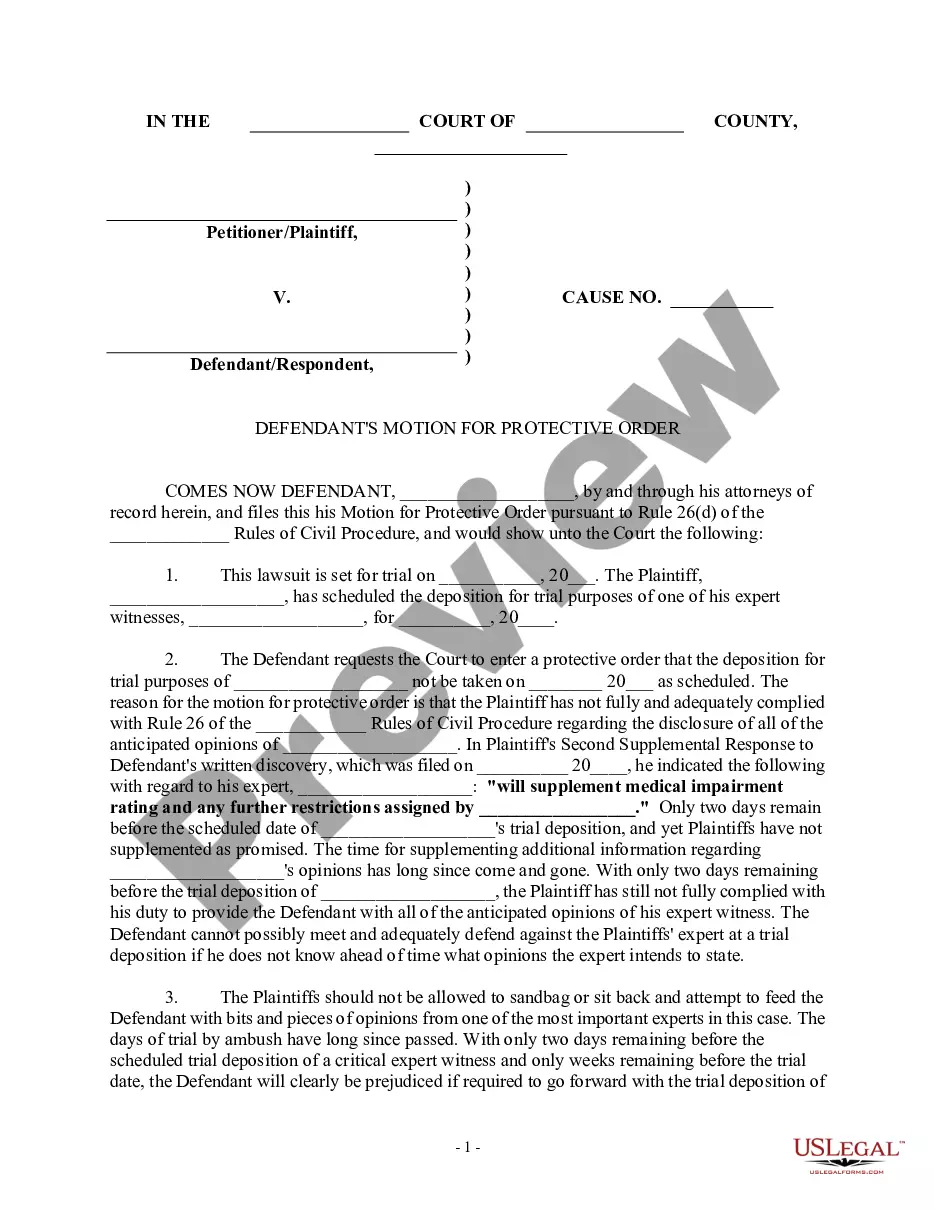
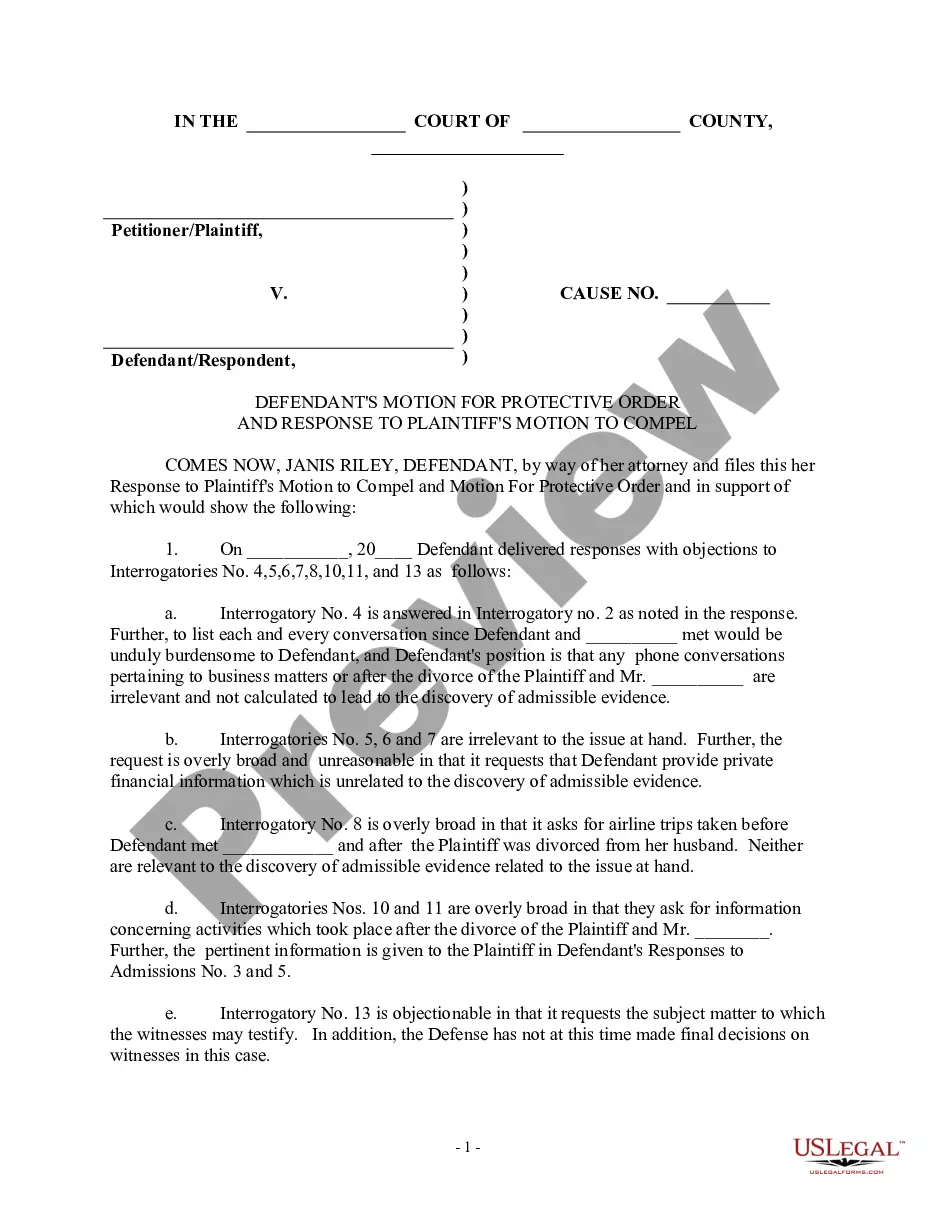
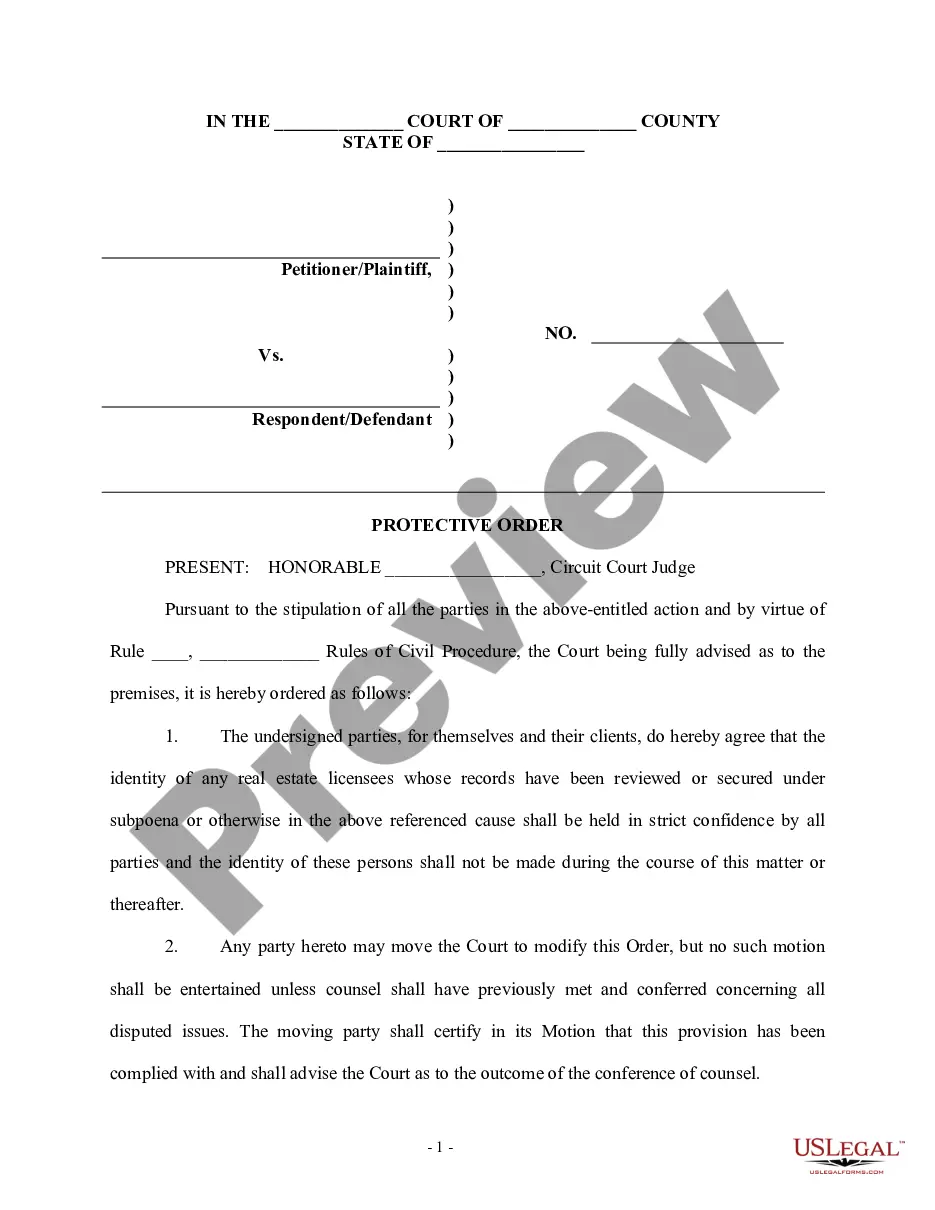
A Motion for Protective Order is a formal request submitted to the court, asking it to take specific action to protect parties involved in a legal dispute. This form is particularly useful in situations where a party seeks to safeguard their interests from potential harm or disclosure during legal proceedings. Unlike other motions, this document focuses specifically on protection measures, making it essential for those needing judicial assistance in sensitive matters.
Key parts of this document
- Caption: Identifies the court and case information.
- Introduction: States the purpose of the motion and relevant legal grounds.
- Factual background: Details the circumstances requiring the protective order.
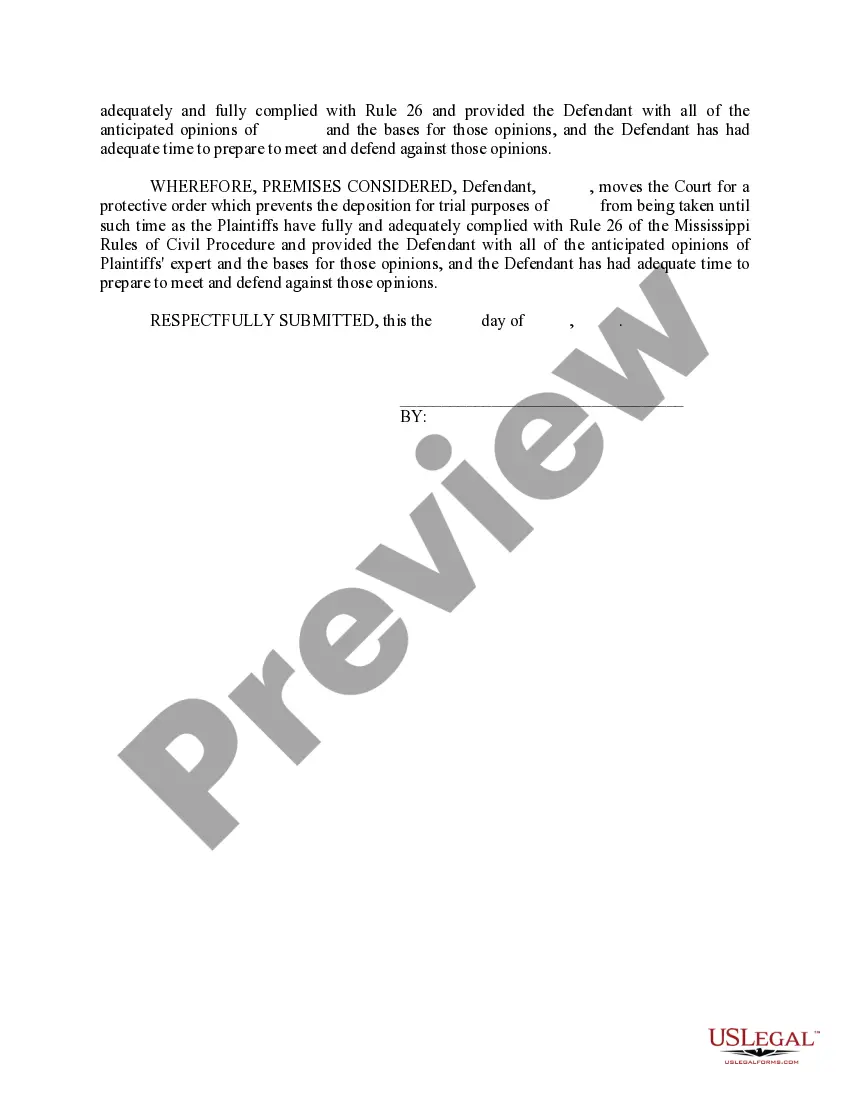
- Request for relief: Specifies the type of protective order sought.
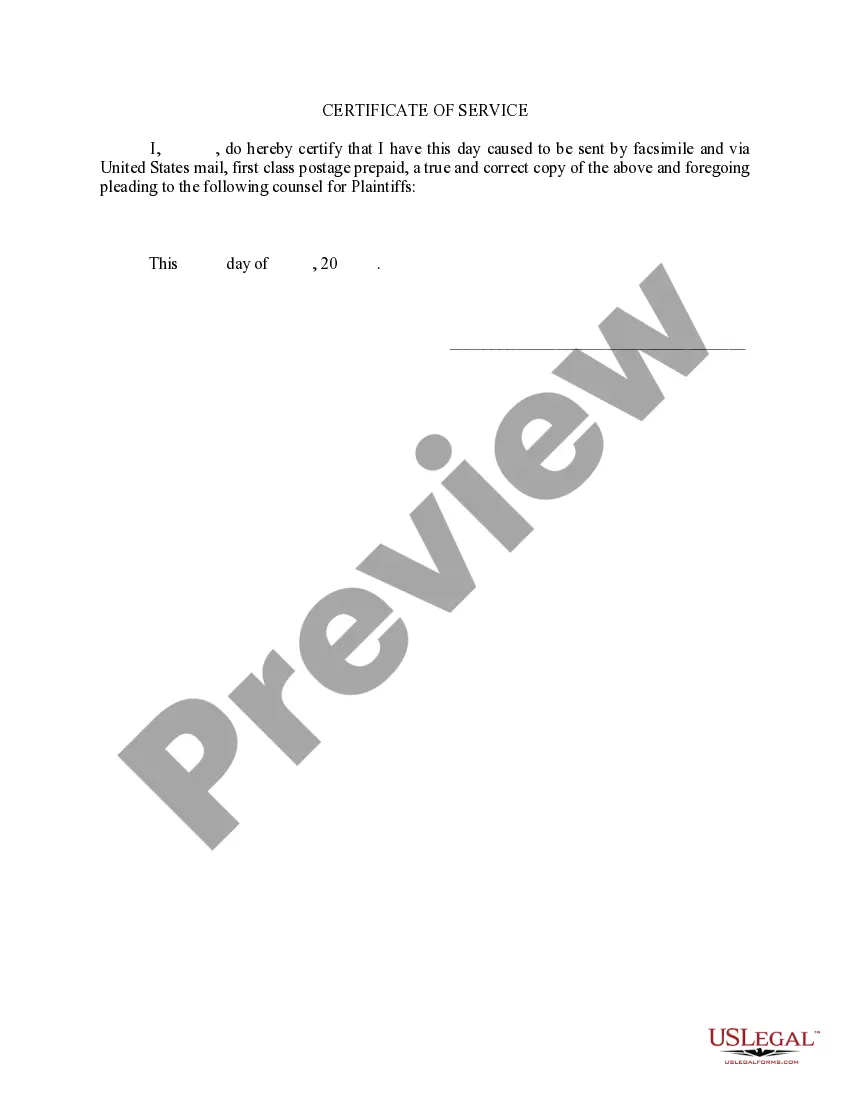
- Signature block: Includes the signatures of the moving party and attorney.
When to use this document
This form is typically used when a party believes that sensitive information may be disclosed, which could lead to harm or disadvantage, or when a party feels the need for protection against harassment or undue burden during the legal process. Common situations include cases involving family law matters, harassment claims, or disputes over confidential business information.
Who can use this document
- Individuals involved in legal disputes where protection from disclosure is necessary.
- Attorneys representing clients who need to seek a protective order.
- People wanting to limit access to sensitive information in court filings.
How to complete this form
- Identify the parties involved: Name the individuals or entities seeking protection and those involved in the case.
- State the facts: Clearly outline the background information related to the request for a protective order.
- Specify the request: Detail what protections you are seeking from the court.
- Fill in the signature block: Ensure all necessary signatures and dates are entered in the appropriate sections.
- File with the court: Submit the completed motion to the court clerk along with any required fees.
Is notarization required?
In most cases, this form does not require notarization. However, some jurisdictions or signing circumstances might. US Legal Forms offers online notarization powered by Notarize, accessible 24/7 for a quick, remote process.
Get your form ready online
Our built-in tools help you complete, sign, share, and store your documents in one place.
Make edits, fill in missing information, and update formatting in US Legal Forms—just like you would in MS Word.
Download a copy, print it, send it by email, or mail it via USPS—whatever works best for your next step.
Sign and collect signatures with our SignNow integration. Send to multiple recipients, set reminders, and more. Go Premium to unlock E-Sign.
If this form requires notarization, complete it online through a secure video call—no need to meet a notary in person or wait for an appointment.
We protect your documents and personal data by following strict security and privacy standards.

Make edits, fill in missing information, and update formatting in US Legal Forms—just like you would in MS Word.

Download a copy, print it, send it by email, or mail it via USPS—whatever works best for your next step.

Sign and collect signatures with our SignNow integration. Send to multiple recipients, set reminders, and more. Go Premium to unlock E-Sign.

If this form requires notarization, complete it online through a secure video call—no need to meet a notary in person or wait for an appointment.

We protect your documents and personal data by following strict security and privacy standards.
Common mistakes to avoid
- Failing to provide sufficient facts to justify the protective order.
- Not including the correct case information in the caption.
- Omitting signatures or dates from the document.
- Submitting the form without adhering to local court rules or timelines.
Advantages of online completion
- Convenience: Access and download the form anytime from anywhere.
- Editability: Customize the form to fit your specific circumstances easily.
- Reliability: Ensure that the form is drafted based on legal standards by licensed attorneys.
Summary of main points
- A Motion for Protective Order is essential for protecting sensitive information in legal proceedings.
- Completing the form requires clear identification of parties and specific reasons for protection.
- Understanding jurisdiction-specific requirements is crucial for valid submission.
Looking for another form?
Form popularity
FAQ
(OPPOSED) MOTION TO STAY DISCOVERY When such a motion is pending, Circuit law compels a stay to guard against the significant costs of unwarranted discovery requests.
In civil litigation, an order that prevents the disclosure of certain information. A party or person, such as a non-party recipient of a subpoena, may move for a protective order by showing good cause that the court should not permit the requested discovery because the discovery request is: Annoying.
Therefore, a party filing a motion to dismiss a case is not sufficient for the trial court to stay discovery. Discovery will proceed even while the court resolves the motion.Consequently, discovery will cease if the case is dismissed by the court. 1 1.280, Florida Rules of Civil Procedure.
Motions for Protective Order If a party or person maintains that responding to the discovery sought will result in potentially abusive action, then the party or person will file a motion for protective order. The Florida Rules of Civil Procedure 1.280 sets forth how a party can move for a protective order.
If the judge is satisfied, he or she will issue a temporary protective order that will last ten days, but which can be extended upon request, up to the maximum length of one year, but can only last 30 days where the victim has minor children with the abuser.
Under section 93-21-7(2) of the Mississippi Code, there is no cost to file for a protection order. . temporary restraining order. the clerk will fill out the information for you.