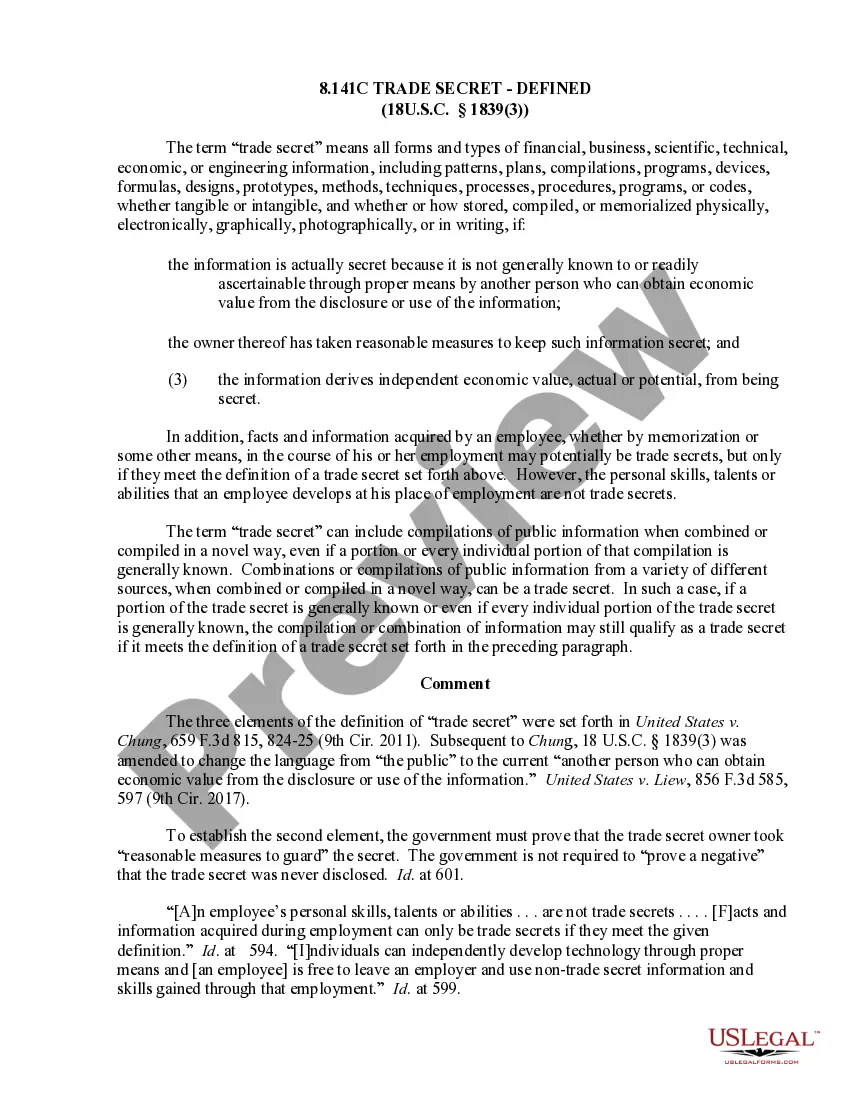
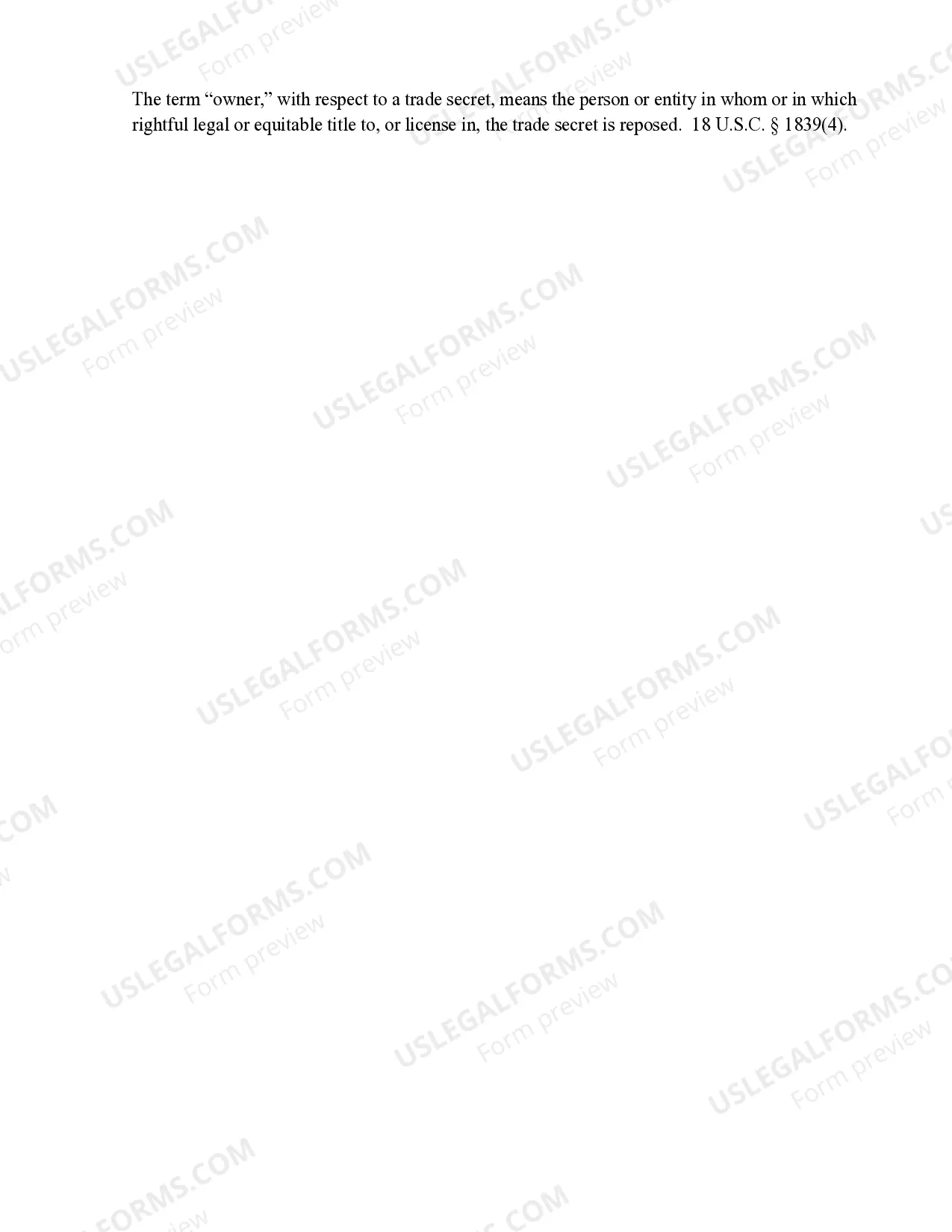
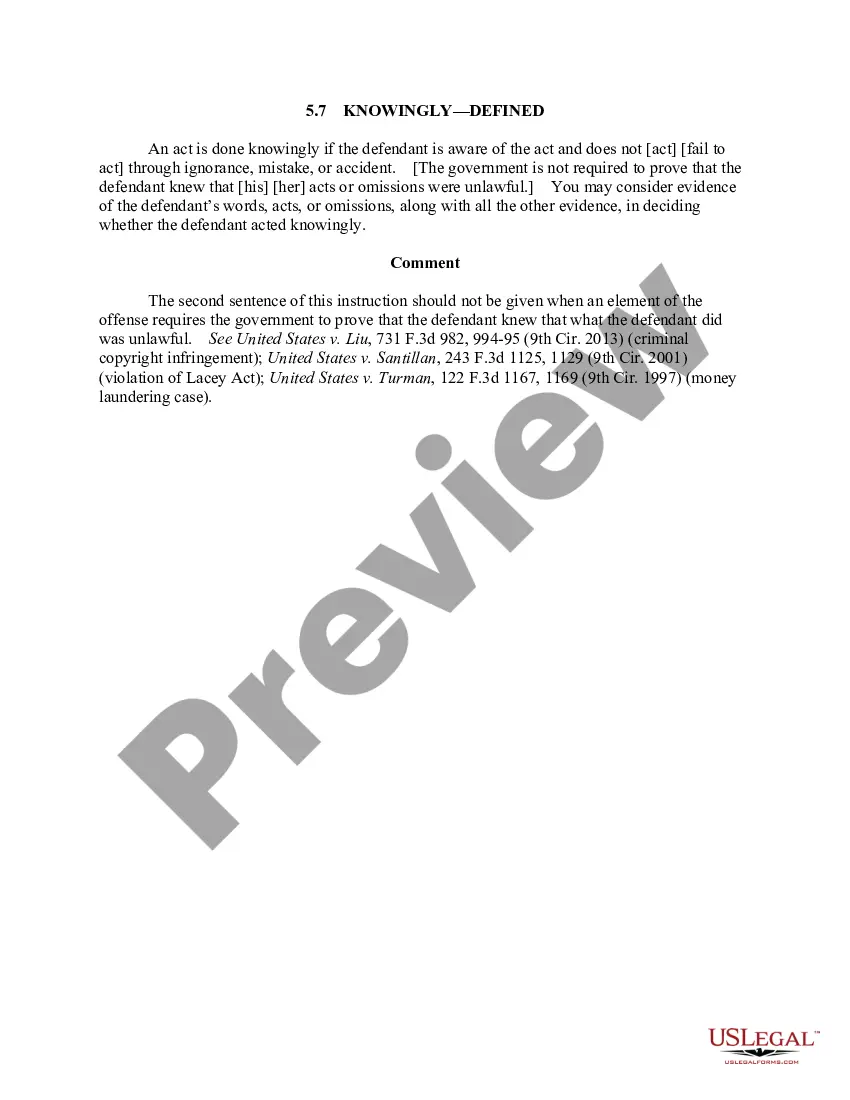
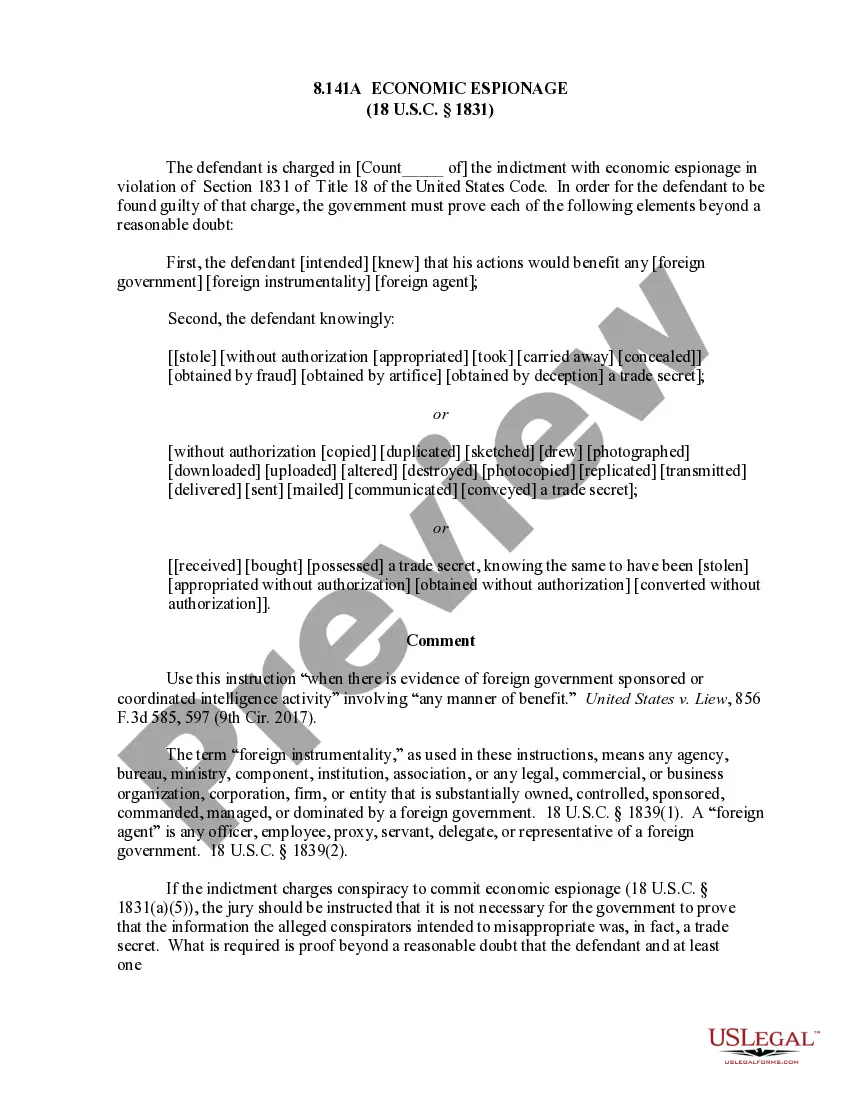
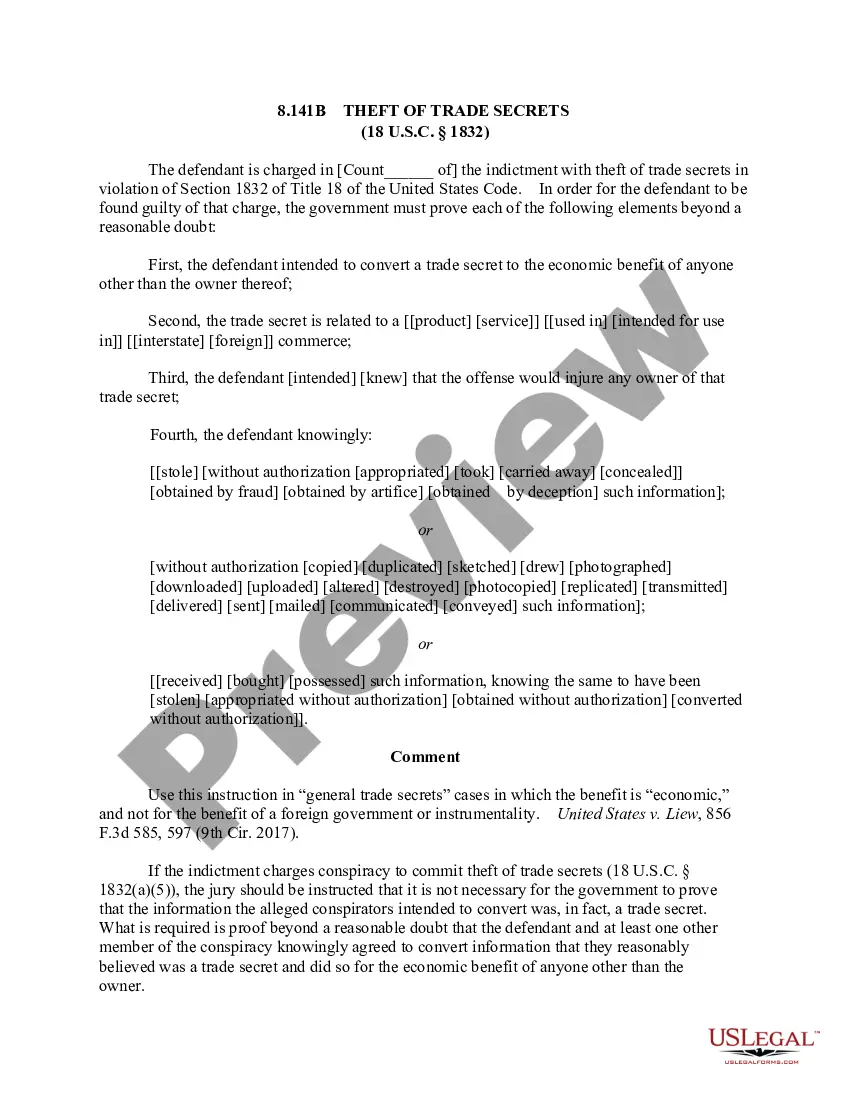
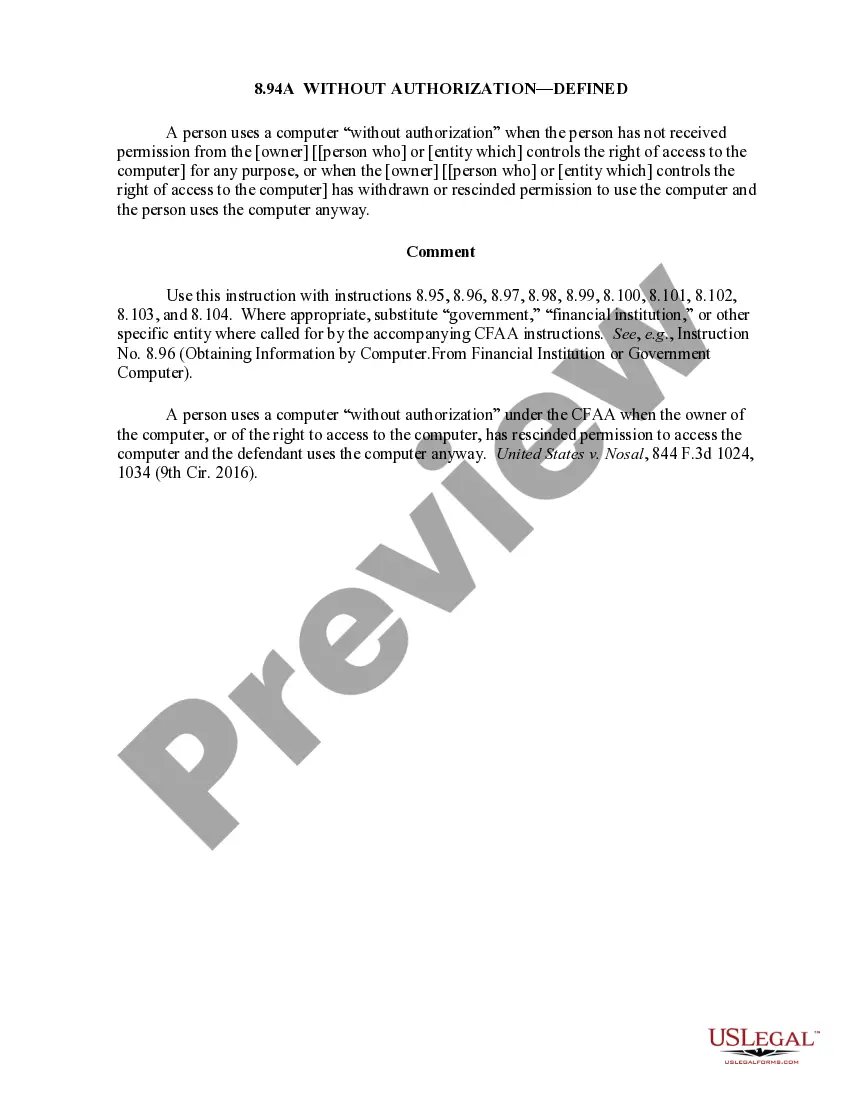
8.141CTrade Secret-Defined
Notarization requirements for this form
Notarization is not commonly needed for this form. However, certain documents or local rules may make it necessary. Our notarization service, powered by Notarize, allows you to finalize it securely online anytime, day or night.
Get your form ready online
Our built-in tools help you complete, sign, share, and store your documents in one place.
Make edits, fill in missing information, and update formatting in US Legal Forms—just like you would in MS Word.
Download a copy, print it, send it by email, or mail it via USPS—whatever works best for your next step.
Sign and collect signatures with our SignNow integration. Send to multiple recipients, set reminders, and more. Go Premium to unlock E-Sign.
If this form requires notarization, complete it online through a secure video call—no need to meet a notary in person or wait for an appointment.
We protect your documents and personal data by following strict security and privacy standards.

Make edits, fill in missing information, and update formatting in US Legal Forms—just like you would in MS Word.

Download a copy, print it, send it by email, or mail it via USPS—whatever works best for your next step.

Sign and collect signatures with our SignNow integration. Send to multiple recipients, set reminders, and more. Go Premium to unlock E-Sign.

If this form requires notarization, complete it online through a secure video call—no need to meet a notary in person or wait for an appointment.

We protect your documents and personal data by following strict security and privacy standards.
Looking for another form?

Form popularity
FAQ
The American Bar Association has published a number of books on model jury instructions by topical practice area, as shown below. To find other books on jury instructions, search in the Library's catalog, for subjects: "Instructions to Juries (State)" or Instructions to Juries United States" for federal publications.
(18 U.S.C. § 1519) The government need not prove that the defendant's sole or even primary intention was to obstruct justice so long as the government proves beyond a reasonable doubt that one of the defendant's intentions was to obstruct justice. The defendant's intention to obstruct justice must be substantial.
To search Jury Instruction Filings: Select. Trial Court Documents. on the Westlaw homepage. Select. Jury Instruction Filings. .
There are thirteen courts of appeals: eleven numbered circuits (First through Eleventh), the United States Court of Appeals for the District of Columbia Circuit and the United States Court of Appeals for the Federal Circuit. Not all circuits have published jury instructions: the Second and Fourth Circuits do not.
Jury instructions should ideally be brief, concise, non-repetitive, relevant to the case's details, understandable to the average juror, and should correctly state the law without misleading the jury or inviting unnecessary speculation.
The Judicial Council of California has adopted award-winning plain language civil and criminal jury instructions that accurately convey the law using language that is understandable to jurors.