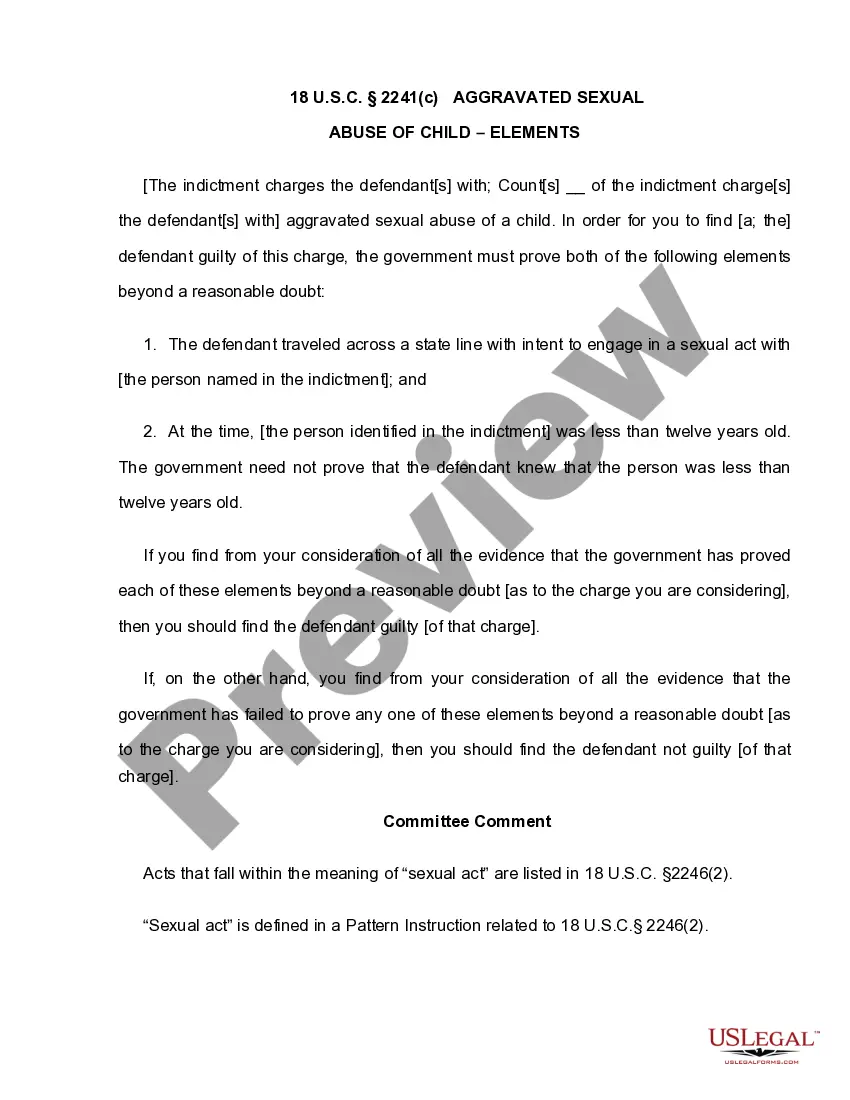
Minnesota Promissory Note and Confession of Judgment for Legal Fees
Overview of this form
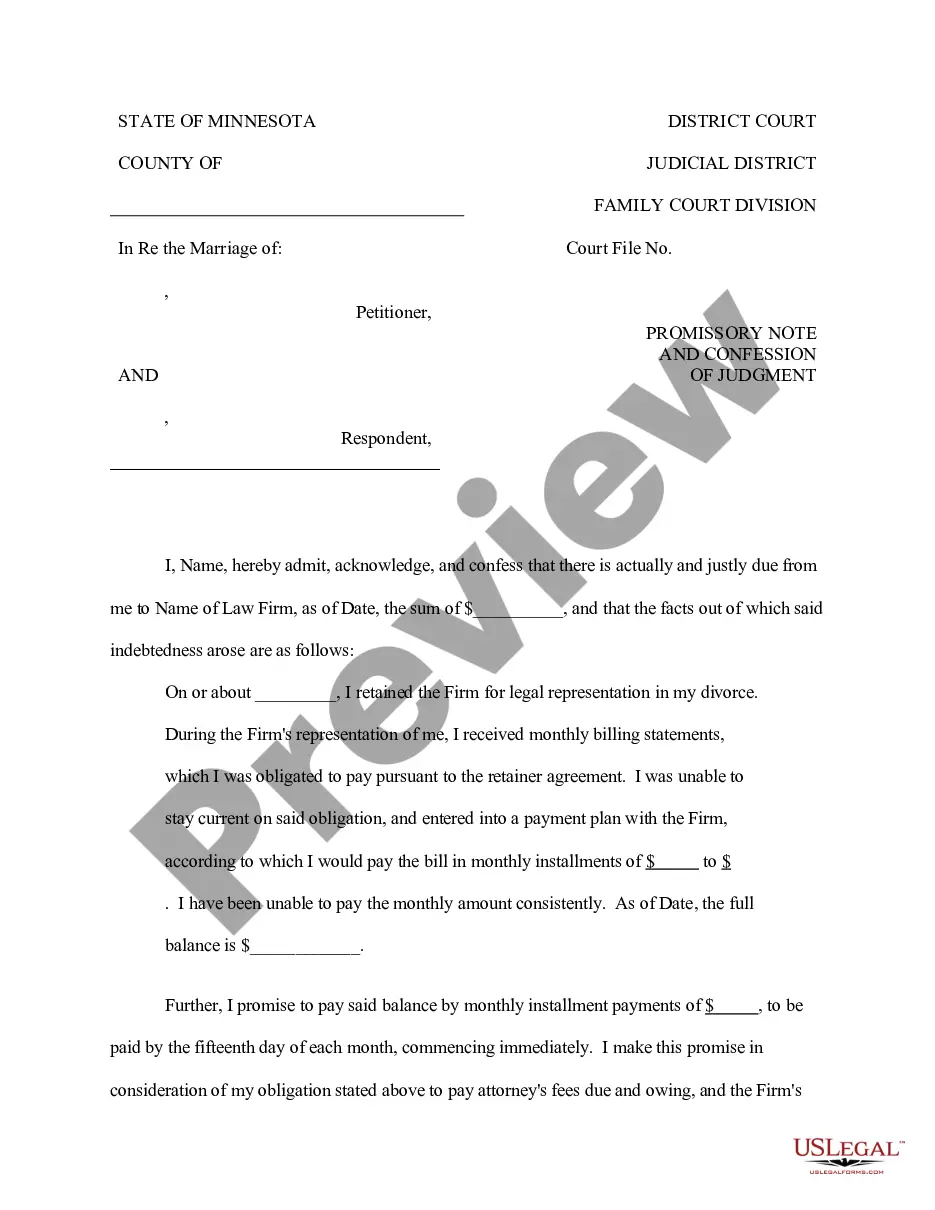
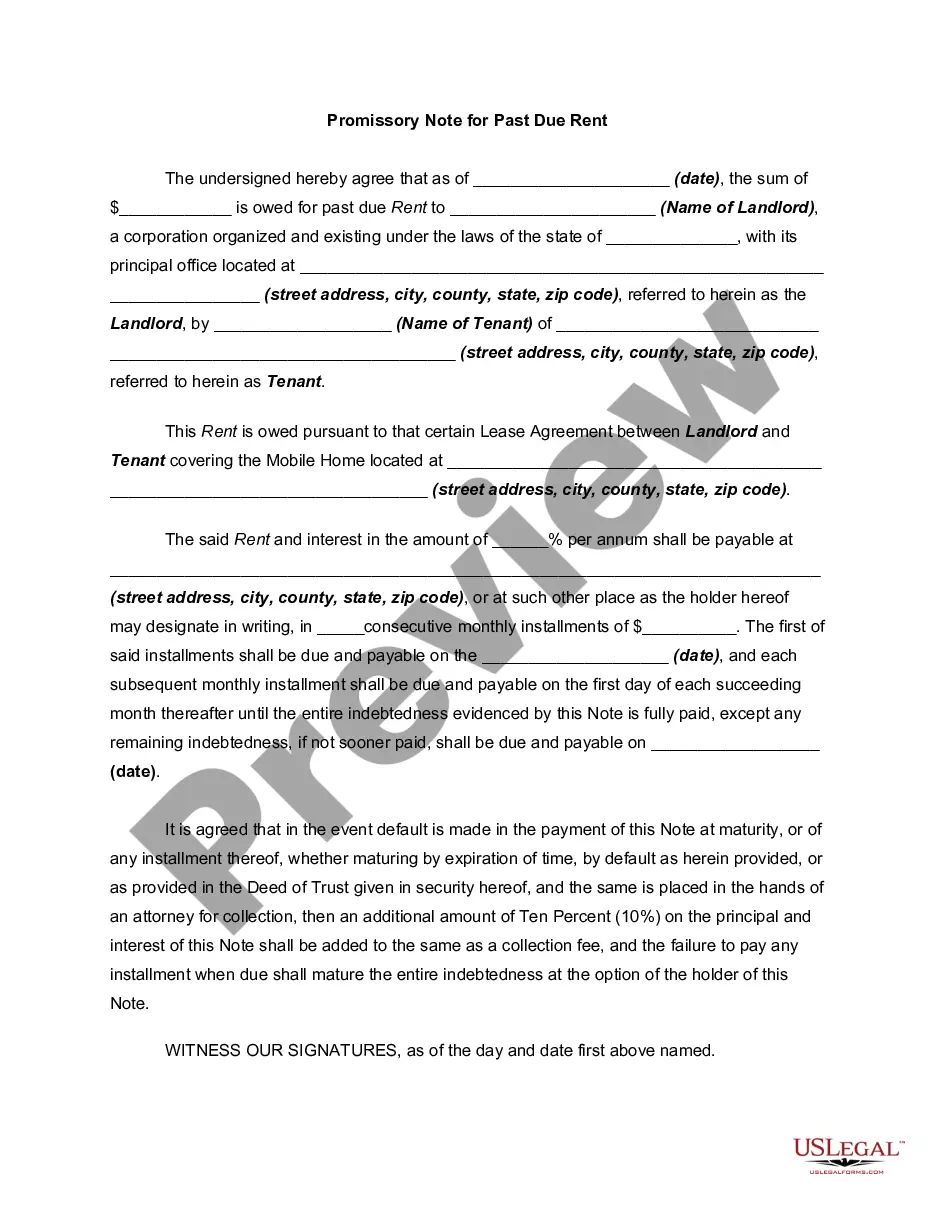
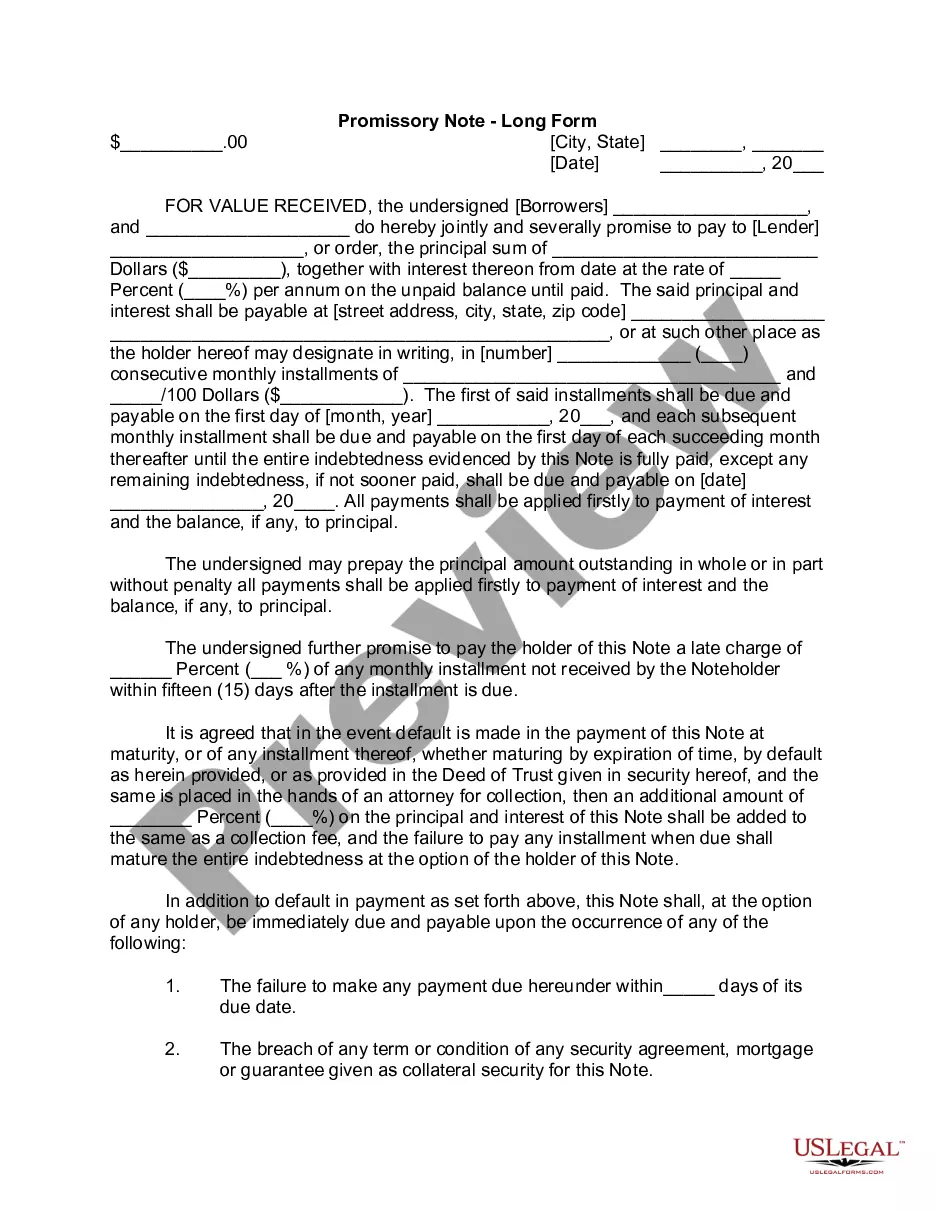
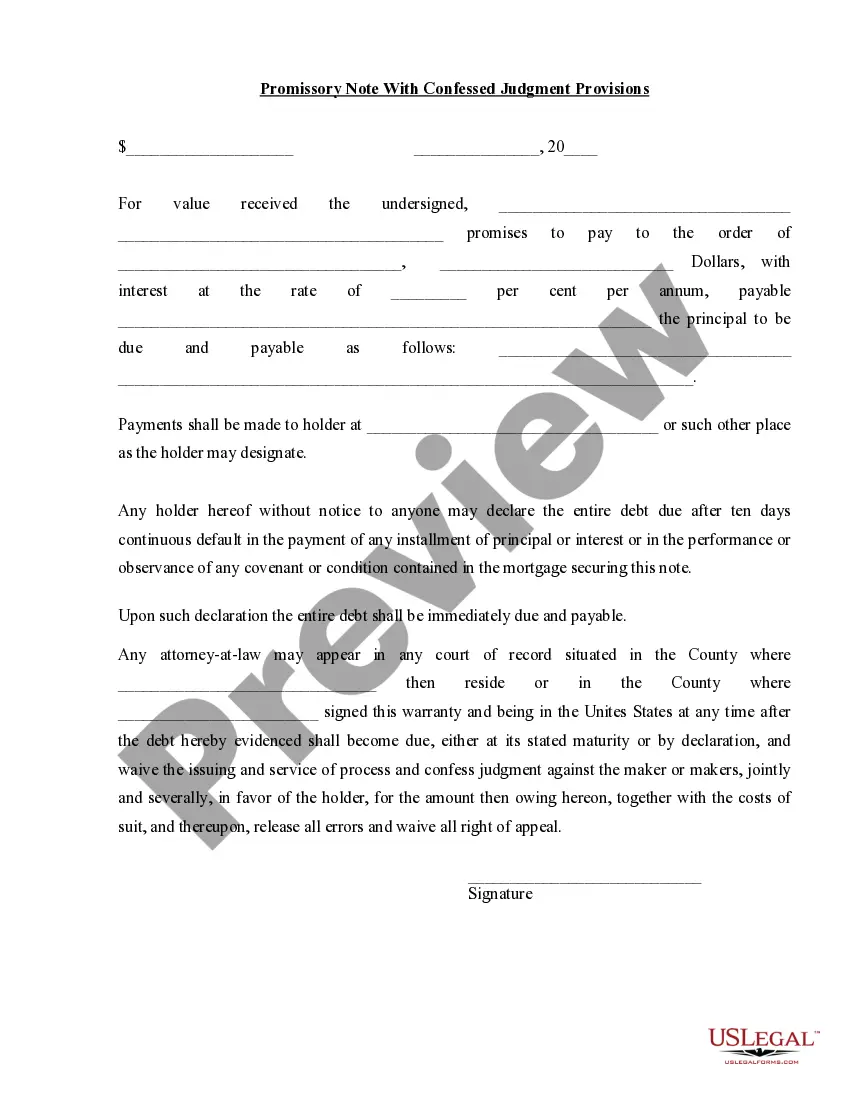
The Promissory Note and Confession of Judgment for Legal Fees is a legal document that formalizes a client's acknowledgment of a debt owed for legal services and their commitment to repay that amount in installments. This form also allows a client to confess judgment, enabling the legal firm to obtain a court judgment against them if they default on their payment agreement. Unlike other debt acknowledgment forms, this document includes specific payment terms and legal ramifications tailored for legal fees.
Key parts of this document
- Date of legal representation and description of services.
- The total amount owed and payment plan details, including installment amounts.
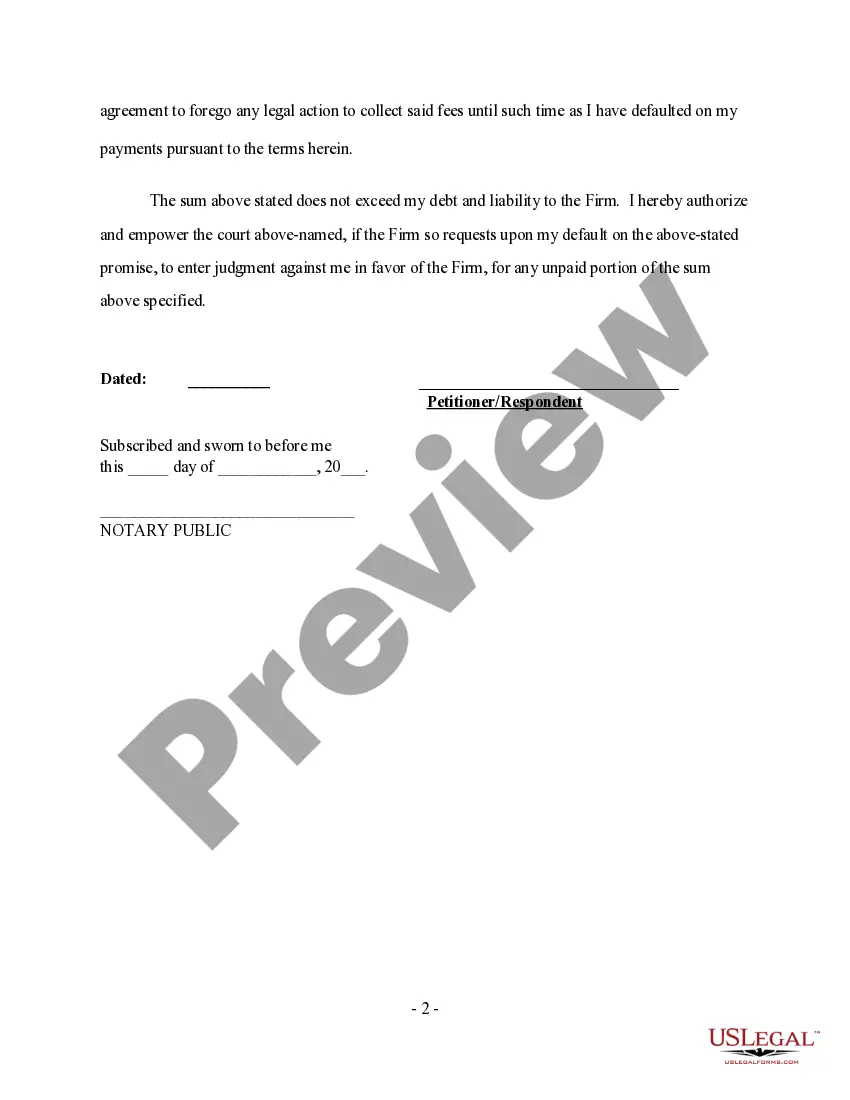
- A clause acknowledging failure to make payments and allowing for legal judgment.
- Signature line for adherence to the agreement, along with notary information.
When to use this document
This form is used when a client has received legal services but has been unable to pay the full amount owed to their attorney. It is suitable for situations where a payment plan has been established, and both parties agree that the client will repay the debt in installments. By completing this form, the client formally acknowledges the debt and the terms of repayment while providing the attorney with potential legal recourse in case of default.
Who should use this form
- Clients who have retained a lawyer for legal representation and have unpaid legal fees.
- Individuals who are unable to pay the full amount owed and wish to set up a structured payment plan.
- Those who want to formalize an agreement with their attorney regarding their outstanding fees.
Steps to complete this form
- Provide the date when you retained the legal firm and describe the services received.
- Enter the total amount owed and specify the monthly installment payments.
- Include the payment start date and the agreed-upon payment frequency.
- Sign the document to confirm your agreement and ensure it is notarized.
- Keep a copy for your records after submitting the form to your attorney.
Is notarization required?
To make this form legally binding, it must be notarized. Our online notarization service, powered by Notarize, lets you verify and sign documents remotely through an encrypted video session.
Get your form ready online
Our built-in tools help you complete, sign, share, and store your documents in one place.
Make edits, fill in missing information, and update formatting in US Legal Forms—just like you would in MS Word.
Download a copy, print it, send it by email, or mail it via USPS—whatever works best for your next step.
Sign and collect signatures with our SignNow integration. Send to multiple recipients, set reminders, and more. Go Premium to unlock E-Sign.
If this form requires notarization, complete it online through a secure video call—no need to meet a notary in person or wait for an appointment.
We protect your documents and personal data by following strict security and privacy standards.

Make edits, fill in missing information, and update formatting in US Legal Forms—just like you would in MS Word.

Download a copy, print it, send it by email, or mail it via USPS—whatever works best for your next step.

Sign and collect signatures with our SignNow integration. Send to multiple recipients, set reminders, and more. Go Premium to unlock E-Sign.

If this form requires notarization, complete it online through a secure video call—no need to meet a notary in person or wait for an appointment.

We protect your documents and personal data by following strict security and privacy standards.
Typical mistakes to avoid
- Failing to accurately fill in the total amount owed.
- Not specifying or miscalculating the installment amounts.
- Skipping the notarization step when required by law.
- Not keeping a signed copy for personal records after completion.
Why complete this form online
- Convenient access from anywhere, allowing you to fill it out at your own pace.
- Editability, enabling you to adjust terms before finalization.
- Reliable templates drafted by licensed attorneys, ensuring legal compliance.
Legal use & context
- This form provides legal evidence of debt acknowledgment and repayment agreement.
- It gives the attorney the legal right to seek judgment if the client fails to adhere to the payment plan.
- Using this form can help establish a clear understanding between the client and attorney regarding financial responsibilities.
Key takeaways
- The Promissory Note and Confession of Judgment for Legal Fees helps formalize the repayment of legal fees.
- Understanding the terms and conditions is crucial to avoid legal complications in the future.
- Notarization is a necessary step to validate the document legally.
Looking for another form?


Form popularity
FAQ
Rule 521 of the Minnesota General Rules of Practice relates to the procedures for obtaining a confession of judgment. This rule outlines the requirements necessary to ensure that the process is fair and transparent. When utilizing a Minnesota Promissory Note and Confession of Judgment for Legal Fees, understanding Rule 521 can help ensure compliance and protect your legal rights.
Confession of judgment laws vary by state, and many jurisdictions allow it under specific conditions. States like Minnesota recognize this practice, especially in relation to financial agreements such as a Minnesota Promissory Note and Confession of Judgment for Legal Fees. It's essential to consult local laws to understand the implications and benefits of this legal tool.
Rule 55.01 in Minnesota addresses default judgments, allowing a party to win a case if the opposing party fails to respond. This rule is particularly relevant when dealing with a Minnesota Promissory Note and Confession of Judgment for Legal Fees, as it can expedite the collection process. It’s crucial for creditors to understand this rule to effectively manage their legal strategies.
In Minnesota, you can request to be excused from jury duty under certain circumstances, such as financial hardship or conflicting obligations. However, simply wanting to avoid service is not a valid reason. If you are involved in a case concerning a Minnesota Promissory Note and Confession of Judgment for Legal Fees, your participation might be essential for resolving the matter fairly.
Rule 68 in Minnesota involves offers of judgment, which can significantly impact legal fees and costs. Under this rule, if a party makes an offer that the other party does not accept, and the case proceeds to trial, the rejecting party may be responsible for additional costs. In the context of a Minnesota Promissory Note and Confession of Judgment for Legal Fees, understanding this rule can help parties better navigate potential financial liabilities.
Rule 119.05 in Minnesota pertains to the enforcement of certain judgments and how they relate to a Minnesota Promissory Note and Confession of Judgment for Legal Fees. This rule allows for the collection of legal fees through a confession of judgment, streamlining the process for creditors. It emphasizes the importance of clear documentation in financial agreements, ensuring that both parties understand their obligations.
Rule of Practice 521 in Minnesota governs the process for confession of judgment and sets forth the necessary forms and procedures. This rule ensures that both parties understand their rights and obligations under the promissory note. For those utilizing a Minnesota Promissory Note and Confession of Judgment for Legal Fees, familiarizing yourself with Rule 521 is important for effective legal compliance.
Section 357.22 of the Minnesota statutes outlines the legal framework for confession of judgment provisions. This statute specifies the requirements and procedures for implementing such provisions within promissory notes. Understanding Section 357.22 is essential when drafting a Minnesota Promissory Note and Confession of Judgment for Legal Fees to ensure compliance with state regulations.
The confession of judgment provision is a clause that permits a creditor to secure a judgment against a debtor without going through the court process. Essentially, the debtor agrees in advance to the judgment if they fail to meet the terms of the agreement. This provision can be particularly useful in a Minnesota Promissory Note and Confession of Judgment for Legal Fees, as it streamlines the enforcement of the agreement.
Yes, including a confession of judgment provision in a promissory note is common practice, especially for loans related to legal fees. This provision allows a lender to obtain a judgment against the borrower without a trial if the borrower defaults. In the context of a Minnesota Promissory Note and Confession of Judgment for Legal Fees, this can provide quicker resolution for lenders.