Minnesota Discovery - Requests for Business Valuation Information
Understanding this form
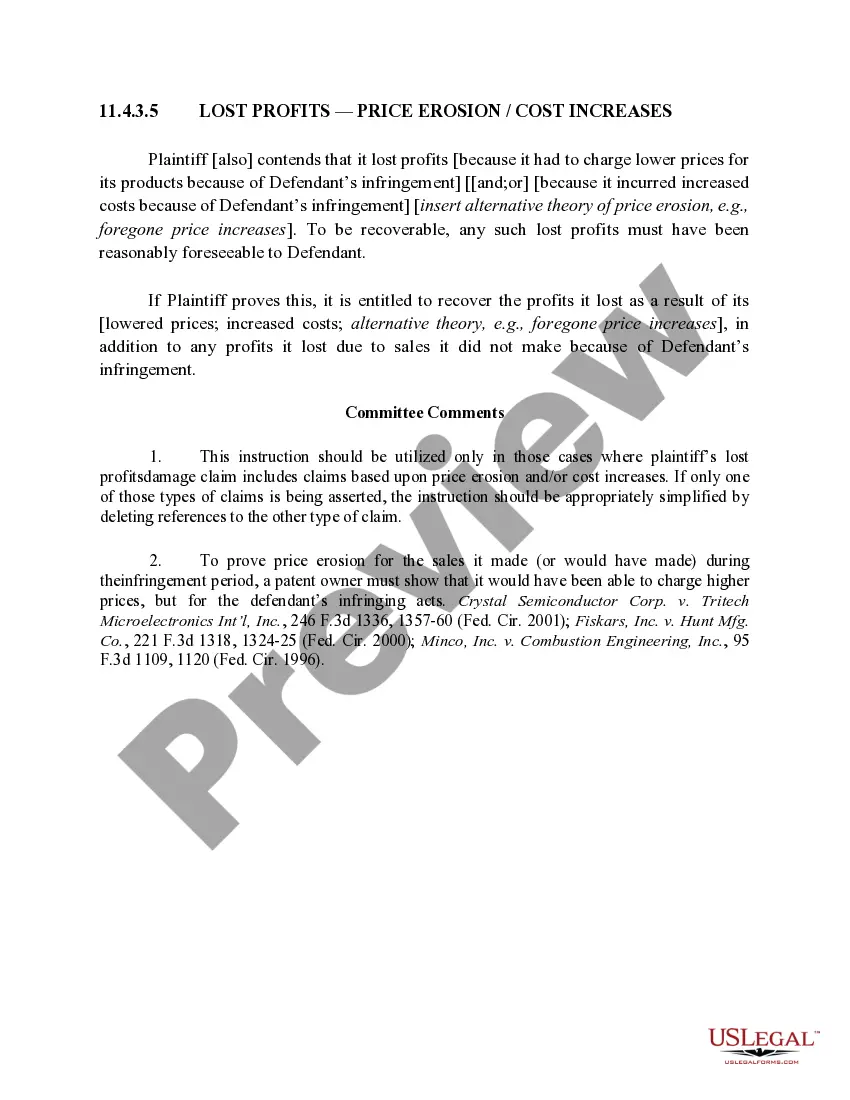
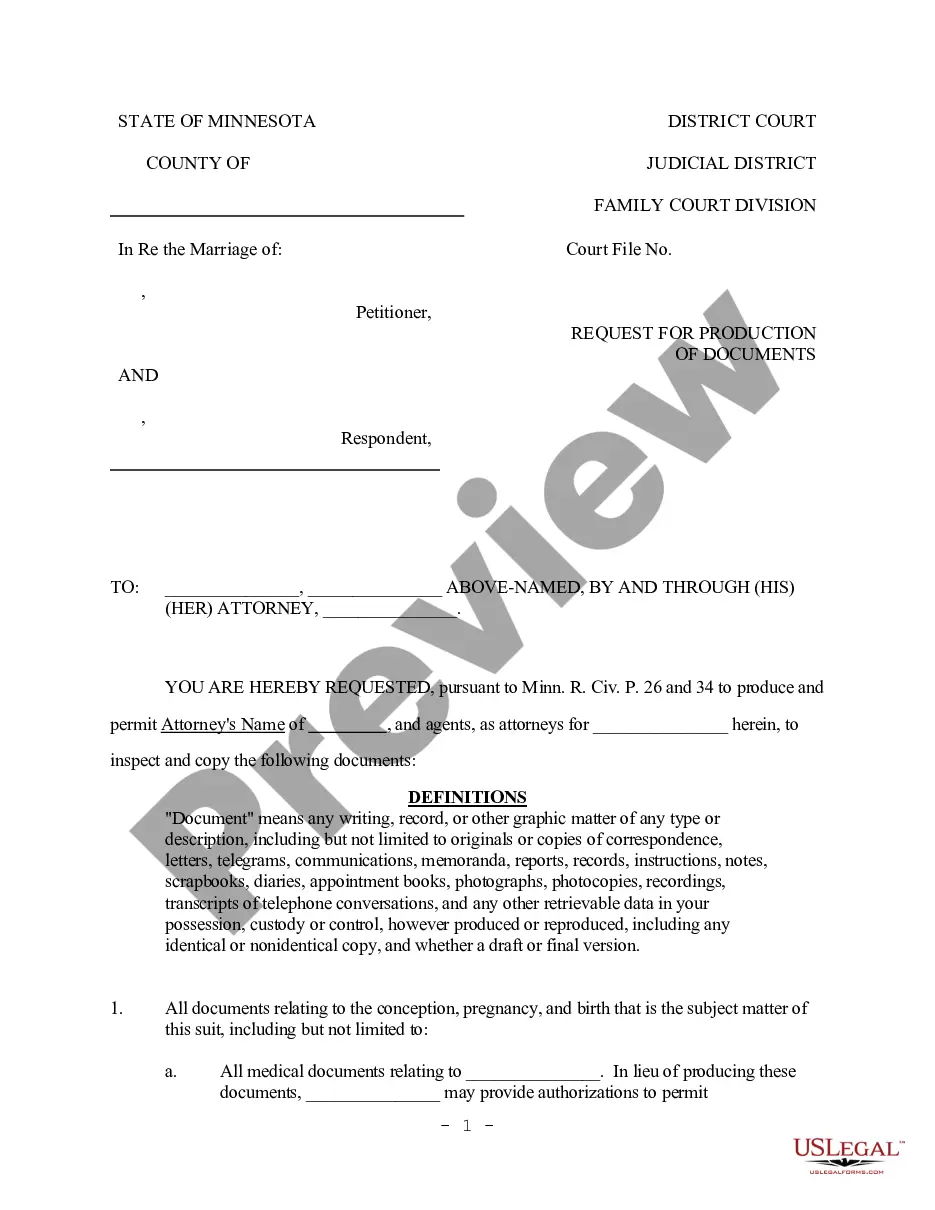
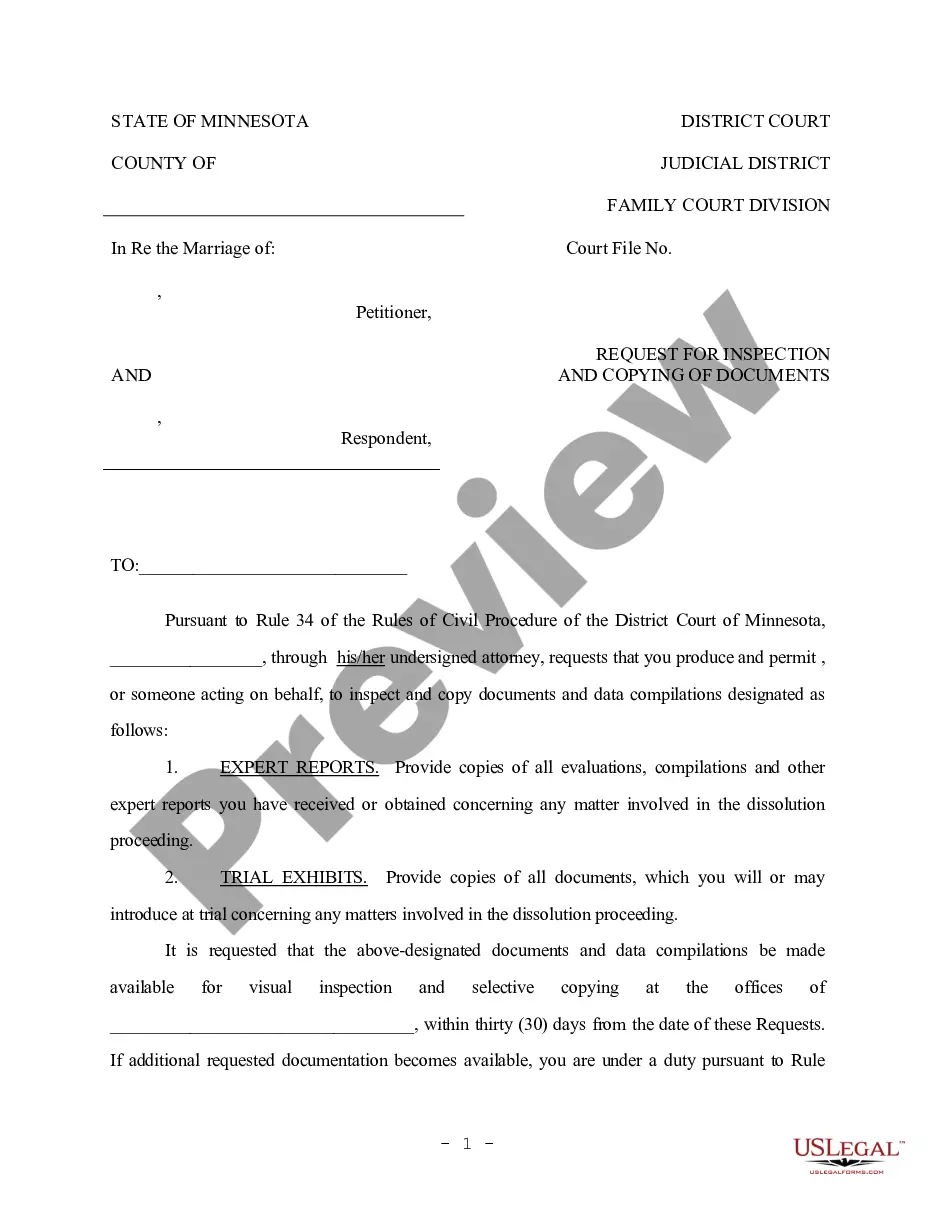
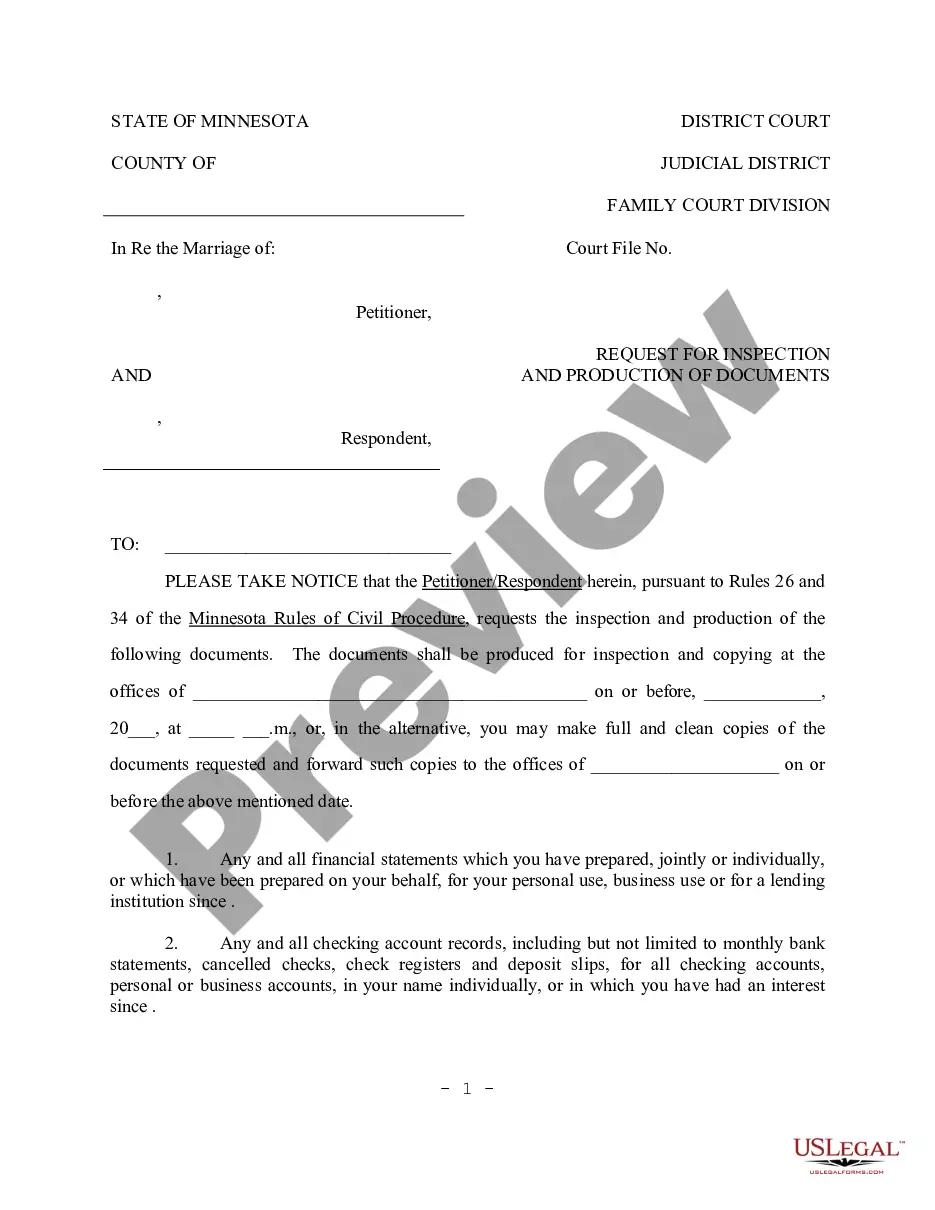
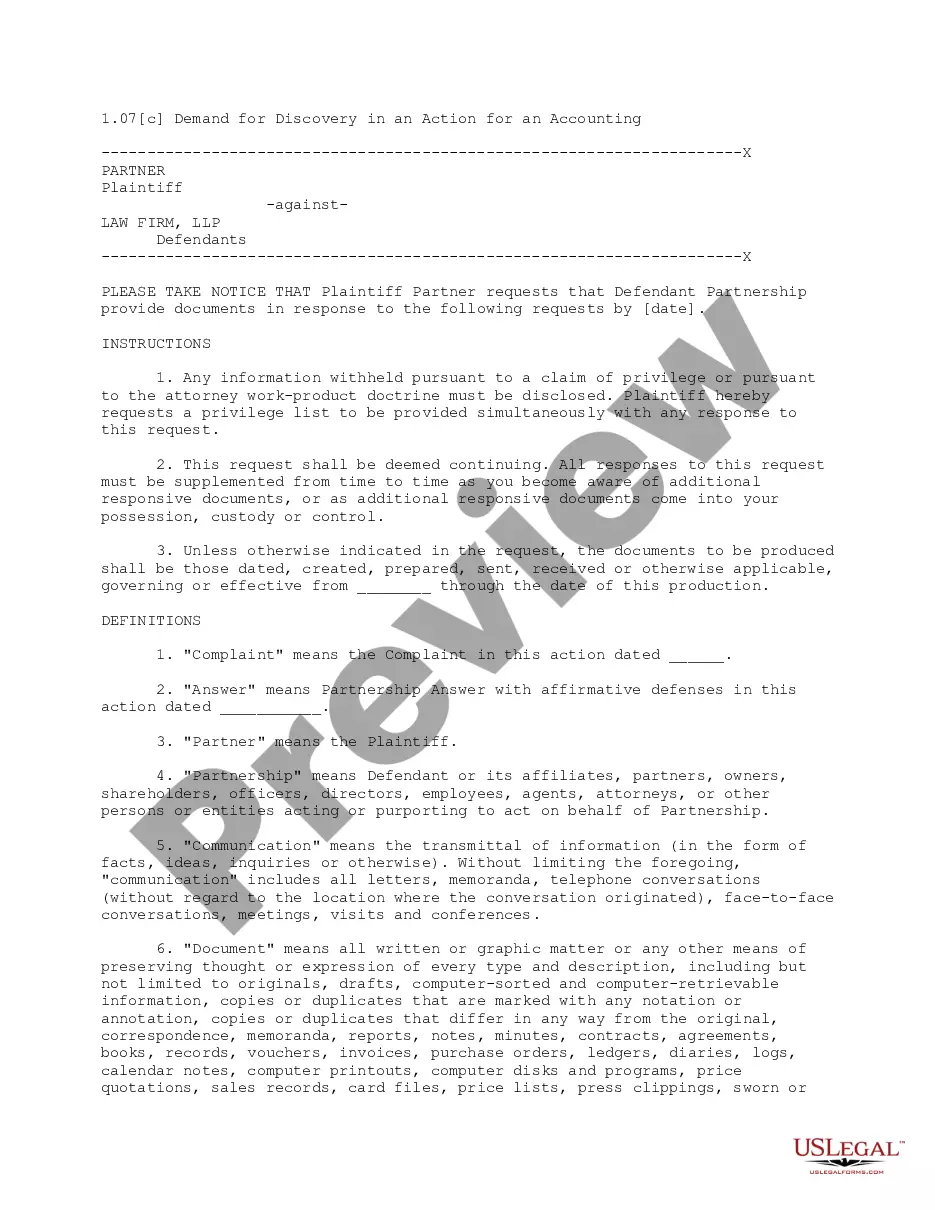
The Discovery - Requests for Business Valuation Information form is a legal document designed to collect comprehensive documentation regarding the value of a business. Its primary purpose is to ensure that all necessary financial and operational data is available for evaluation in legal proceedings. This form is distinct from other discovery forms as it specifically targets the financial aspects required for business valuation assessments.
Key components of this form:
- Audited financial statements including balance sheets and income statements.
- Interim financial statements covering the most current period.
- Management financial projections or forecasts.
- Aged receivables list and inventory listings.
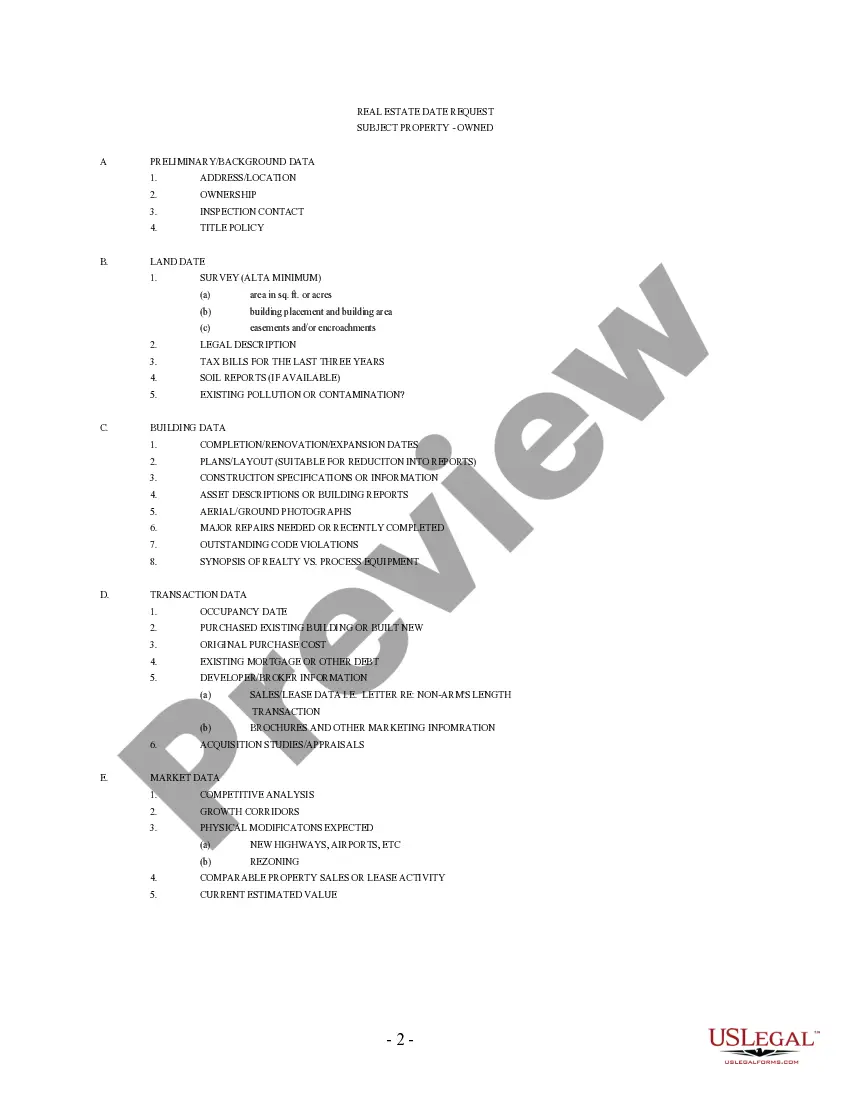
- Details on real estate and equipment assets.
- Information regarding officers' compensation and dividends paid.
- Lists of key employees, customers, competitors, and suppliers.

When this form is needed
This form is typically utilized during legal disputes, transactions, or assessments requiring a clear understanding of a business's financial health and valuation. Common scenarios include divorce proceedings, business negotiations, or litigation where the value of a business needs to be established transparently for all parties involved.
Who should use this form
This form is ideal for:
- Business owners undergoing litigation or negotiations.
- Attorneys representing clients in business valuation disputes.
- Accountants or financial analysts needing information to assess the value of a business.
- Individuals involved in divorce proceedings where business valuation is necessary.
Steps to complete this form
- Gather all relevant financial documents such as audited financial statements and tax returns.
- Compile management projections and budgets for internal review.
- List all real estate and equipment assets with costs and acquisition dates.
- Detail the compensation schedules for officers and the list of stockholders.
- Provide any additional data that reflects the business's operational context, such as customer and supplier lists.
Does this form need to be notarized?
This form does not typically require notarization to be legally valid. However, some jurisdictions or document types may still require it. US Legal Forms provides secure online notarization powered by Notarize, available 24/7 for added convenience.
Get your form ready online
Our built-in tools help you complete, sign, share, and store your documents in one place.
Make edits, fill in missing information, and update formatting in US Legal Forms—just like you would in MS Word.
Download a copy, print it, send it by email, or mail it via USPS—whatever works best for your next step.
Sign and collect signatures with our SignNow integration. Send to multiple recipients, set reminders, and more. Go Premium to unlock E-Sign.
If this form requires notarization, complete it online through a secure video call—no need to meet a notary in person or wait for an appointment.
We protect your documents and personal data by following strict security and privacy standards.

Make edits, fill in missing information, and update formatting in US Legal Forms—just like you would in MS Word.

Download a copy, print it, send it by email, or mail it via USPS—whatever works best for your next step.

Sign and collect signatures with our SignNow integration. Send to multiple recipients, set reminders, and more. Go Premium to unlock E-Sign.

If this form requires notarization, complete it online through a secure video call—no need to meet a notary in person or wait for an appointment.

We protect your documents and personal data by following strict security and privacy standards.
Mistakes to watch out for
- Neglecting to include comprehensive financial statements.
- Failing to keep records current or up-to-date.
- Oversights in documenting real estate and equipment accurately.
- Omitting crucial data such as loans to and from officers or stockholders.
Benefits of using this form online
- Easy customization to fit specific business needs.
- Immediate access to downloadable forms, saving time and effort.
- Enhanced reliability due to attorney-drafted templates.
- Ability to update and edit documents as necessary before finalizing.
Looking for another form?

Form popularity
FAQ
The timing of the Rule 26 conference in Minnesota typically occurs early in the litigation process, often within 14 days after the initial disclosures. This conference serves as a platform for parties to discuss discovery issues, including timelines and requirements, such as Minnesota Discovery - Requests for Business Valuation Information. Attending this conference is essential for setting the stage for successful collaboration throughout the case.
The rule of practice 521 in Minnesota outlines the procedures for certain civil actions, including the handling of discovery disputes. This rule provides a framework for resolving disagreements related to the discovery process, ensuring that parties follow proper protocols. For those dealing with Minnesota Discovery - Requests for Business Valuation Information, understanding Rule 521 can help navigate potential conflicts effectively.
Rule 26 in Minnesota specifically addresses the requirements for parties to disclose information during the discovery phase of litigation. This rule encourages transparency and mandates that both parties share relevant documents and evidence, which can include Minnesota Discovery - Requests for Business Valuation Information. By adhering to Rule 26, parties can avoid surprises and promote fairness in the legal process.
Rule 26 in Minnesota outlines the general provisions governing discovery, including the scope and limits of discovery. This rule emphasizes the need for parties to disclose relevant information early in the process, facilitating smoother proceedings. In the context of Minnesota Discovery - Requests for Business Valuation Information, understanding Rule 26 is crucial for ensuring that all pertinent data is shared timely.
Rule 33 in Minnesota governs interrogatories, which are written questions that one party sends to another to gather information. This rule allows parties to obtain detailed responses related to the case, including aspects related to Minnesota Discovery - Requests for Business Valuation Information. Utilizing Rule 33 can streamline the discovery process and clarify issues before trial.
Rule 69 in Minnesota pertains to the discovery process in civil cases, specifically focusing on the methods of obtaining discovery materials. This rule allows parties to request information and documents relevant to their case, including Minnesota Discovery - Requests for Business Valuation Information. Understanding Rule 69 is essential for ensuring compliance and effectively gathering necessary evidence.
Businesses where the owner is actively-involved typically sell for 2-3 times the annual earnings of the company. A business that earns $100,000 per year should sell for $200,000-$300,000. This is consistent with most listings on BizBuySell, a small business brokering site with thousands of companies available for sale.
Most certified business appraisers quote a project fee or an hourly rate, with outside expenses billed separately. Depending on the scope of the valuation, a valuation can cost anywhere from $5,000 to more than $20,000.
Tally the value of assets. Add up the value of everything the business owns, including all equipment and inventory. Base it on revenue. Use earnings multiples. Do a discounted cash-flow analysis. Go beyond financial formulas.
How much does a business valuation cost. Most certified business appraisers quote a project fee or an hourly rate, with outside expenses billed separately. Depending on the scope of the valuation, a valuation can cost anywhere from $5,000 to more than $20,000.