Massachusetts Interrogatories to Plaintiff for Motor Vehicle Occurrence
What is this form?
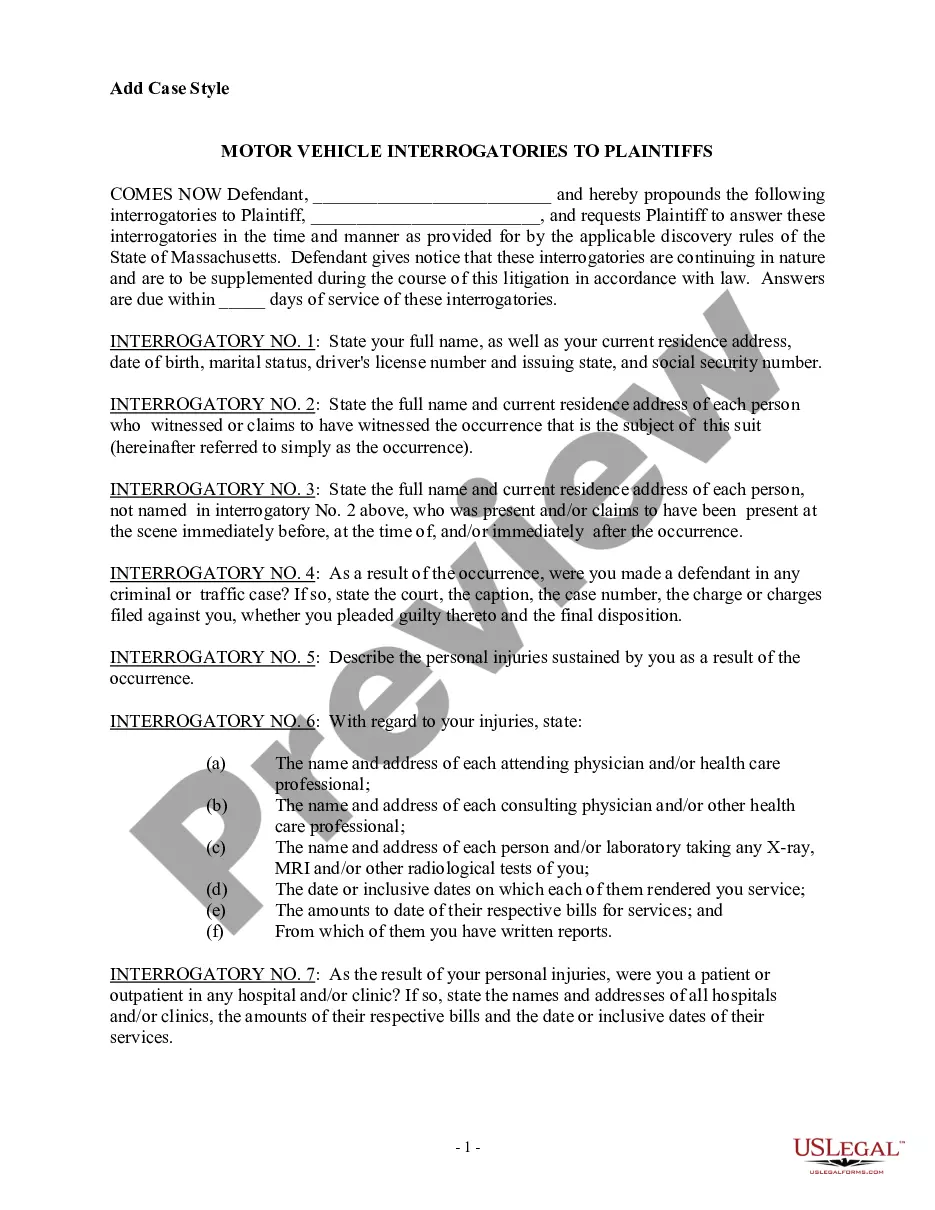
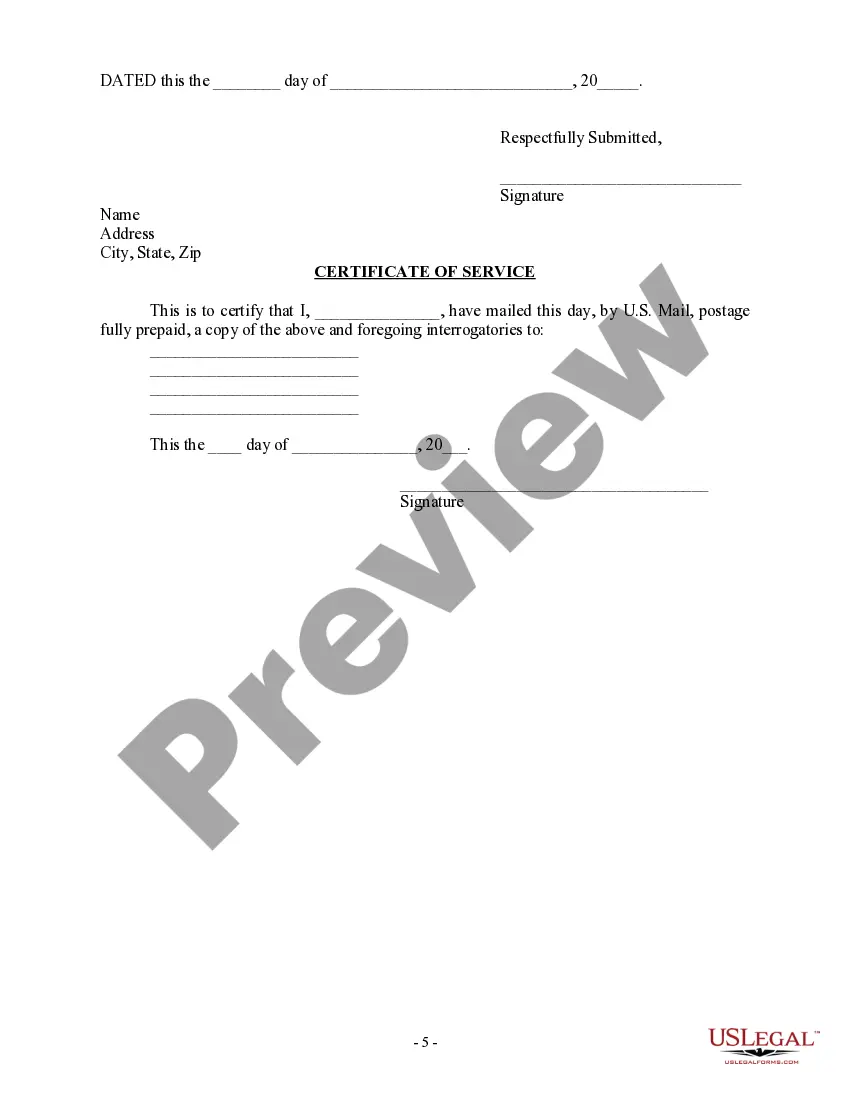
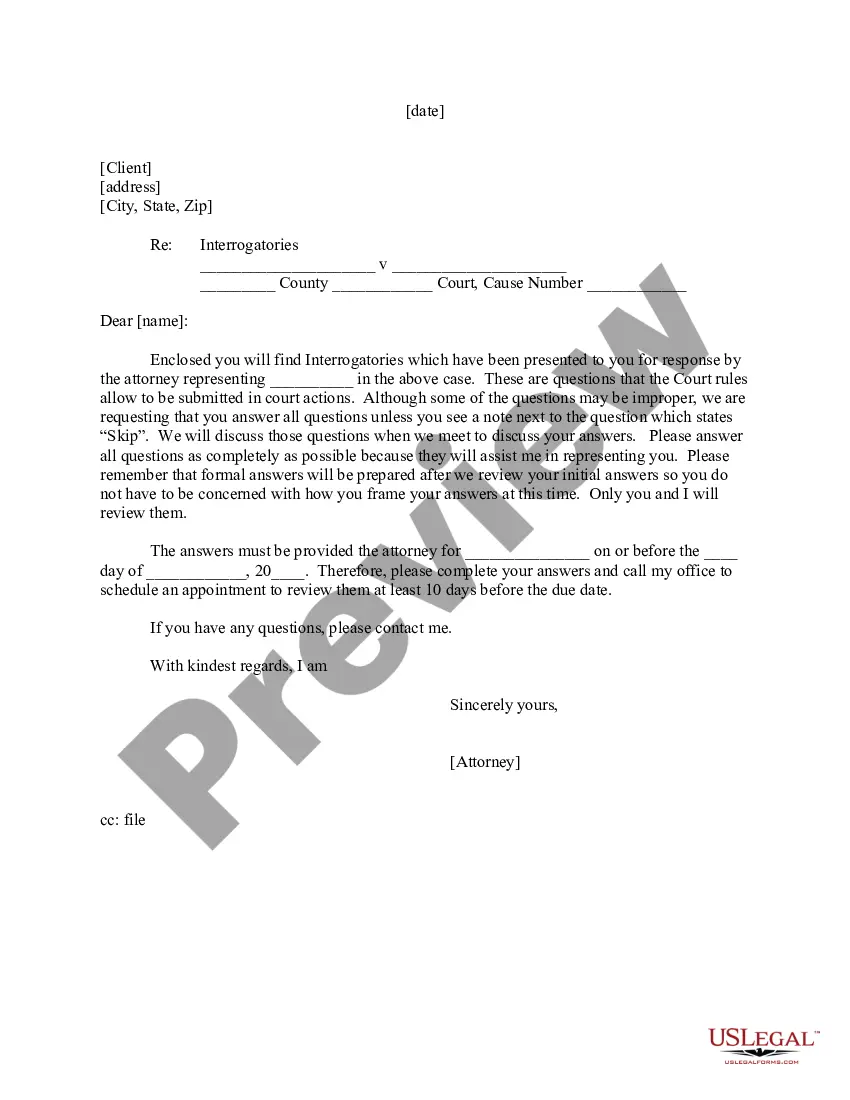
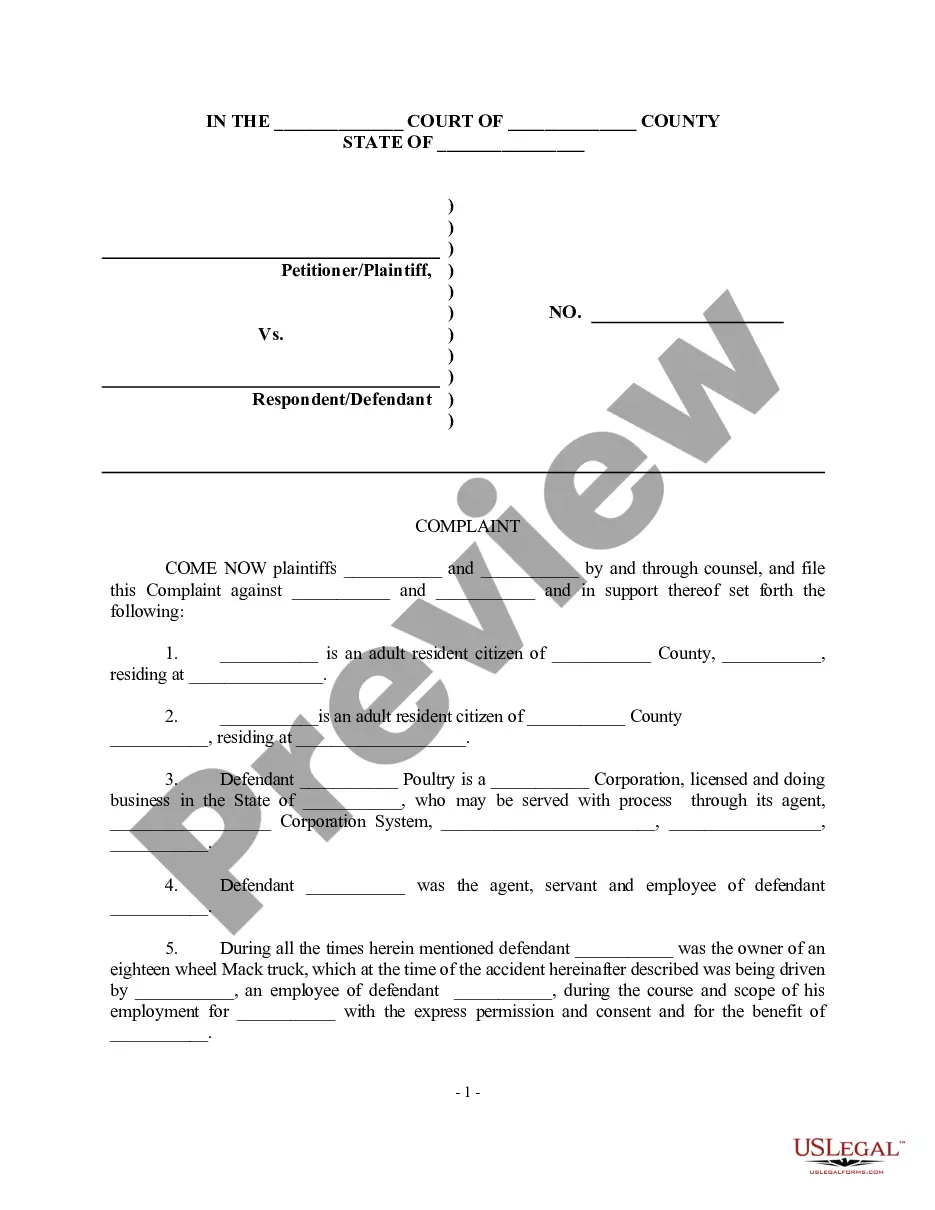
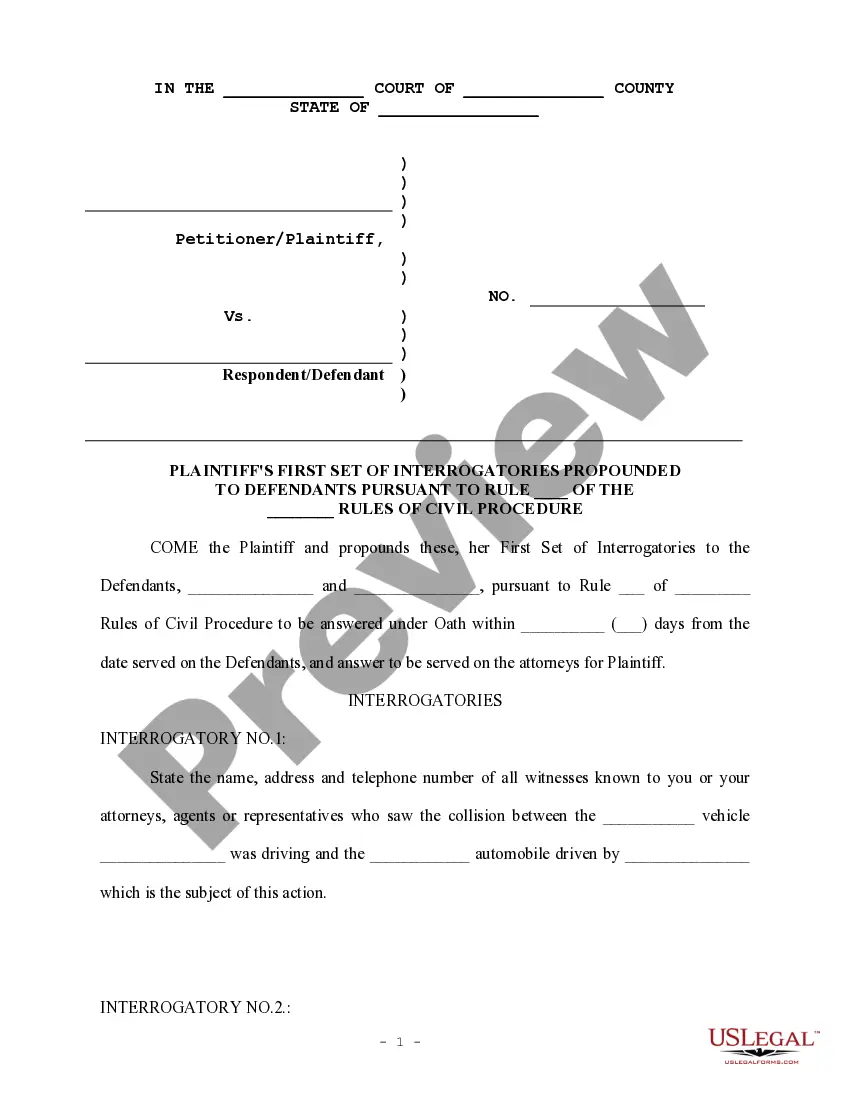
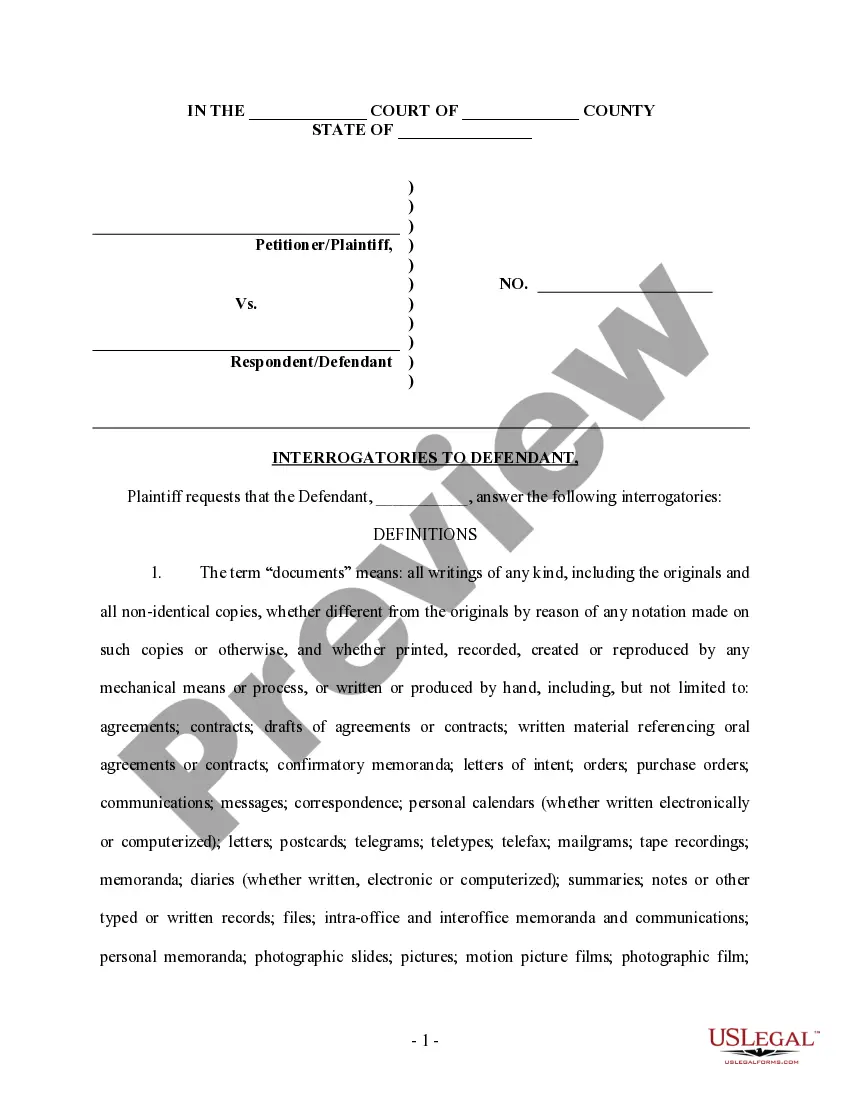
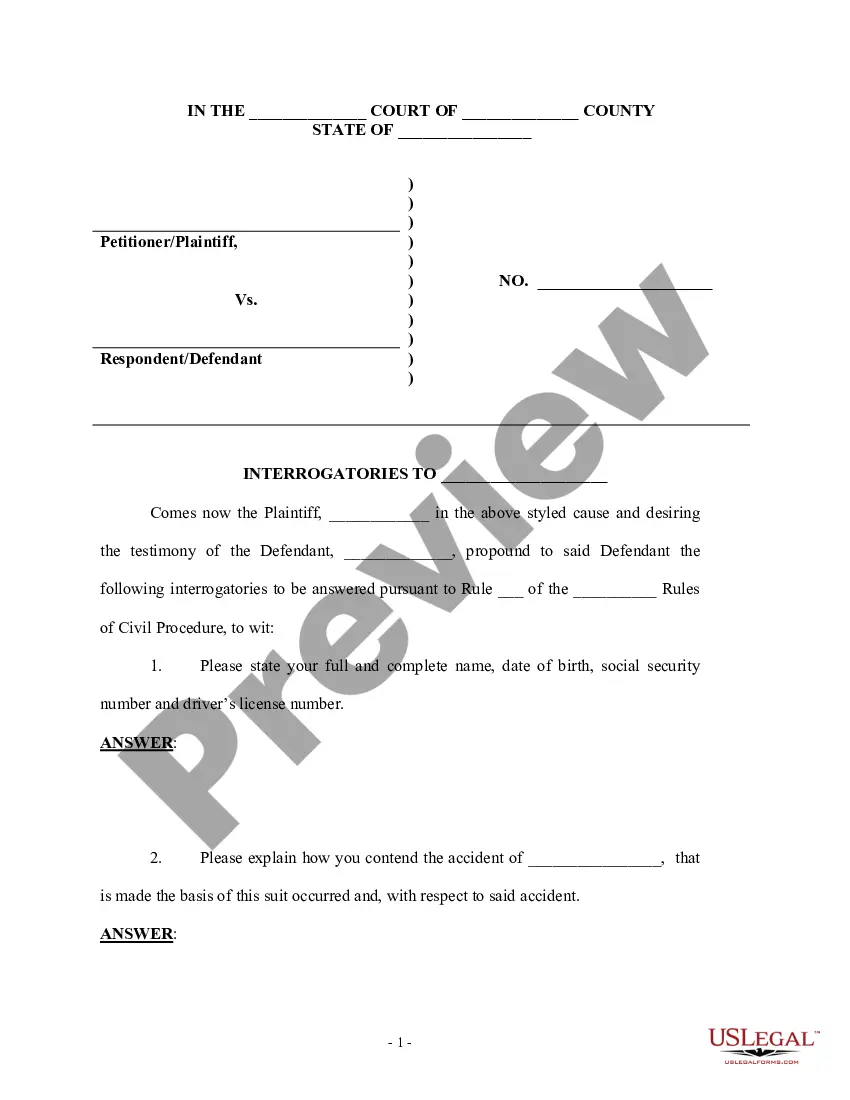
The Interrogatories to Plaintiff for Motor Vehicle Occurrence is a legal document consisting of a set of questions that a defendant can ask a plaintiff following a vehicle incident, such as an automobile accident. This form serves as a crucial part of the discovery process, allowing the defendant to gather relevant information. Unlike other forms, this document includes specific interrogatories tailored to the context of motor vehicle accidents, ensuring that all necessary details are addressed in a systematic manner.
Main sections of this form
- General information about the plaintiff, including name, address, and Social Security number.
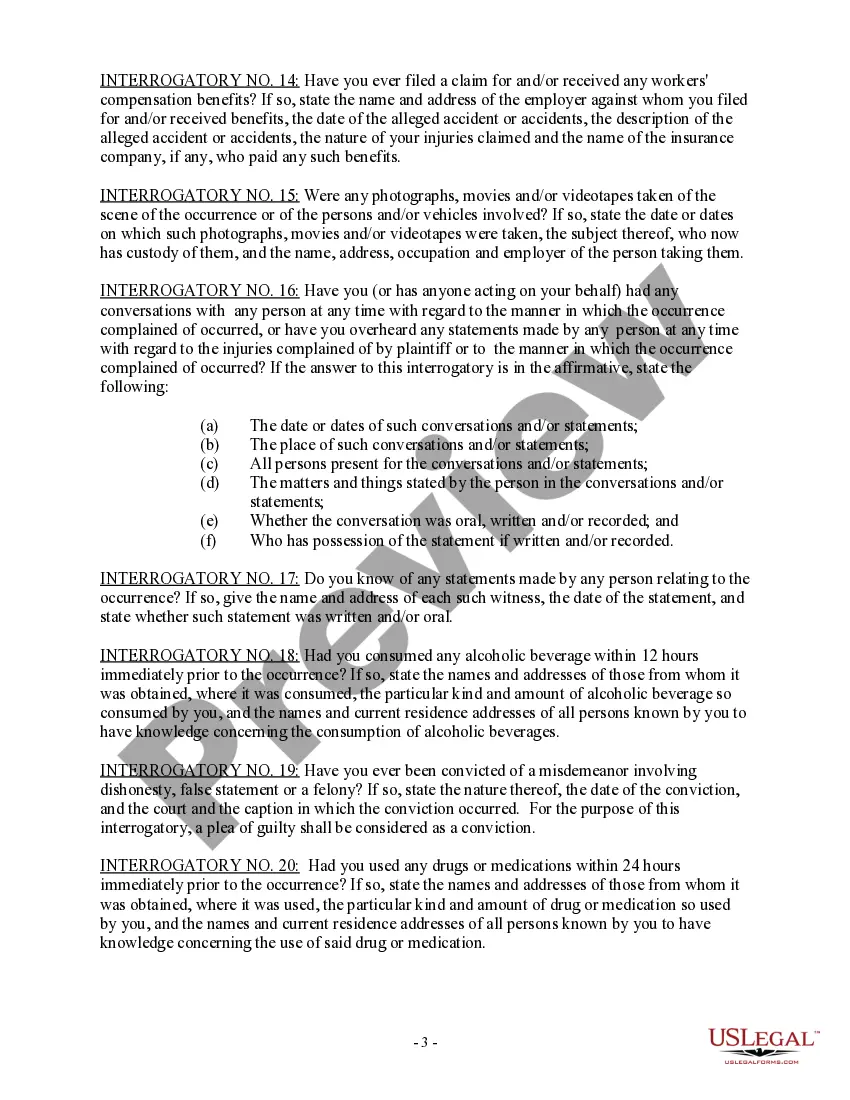
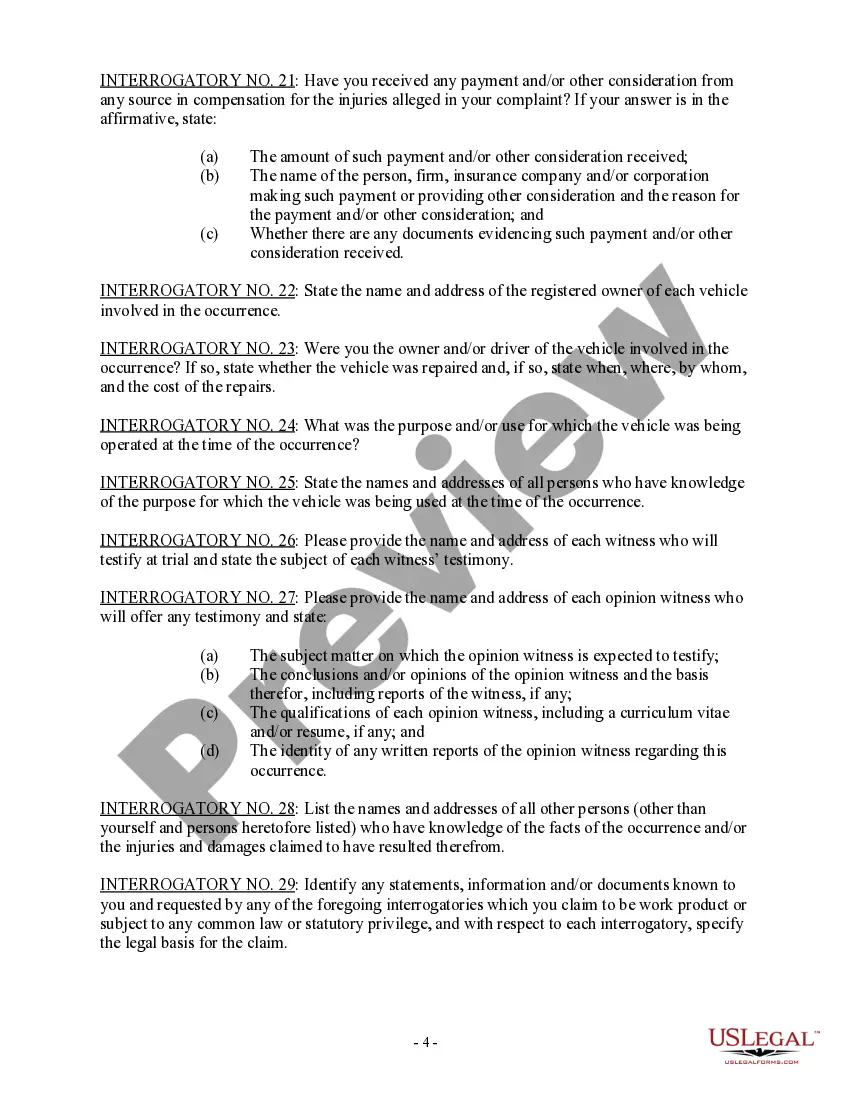
- Details regarding witnesses to the incident and their statements.
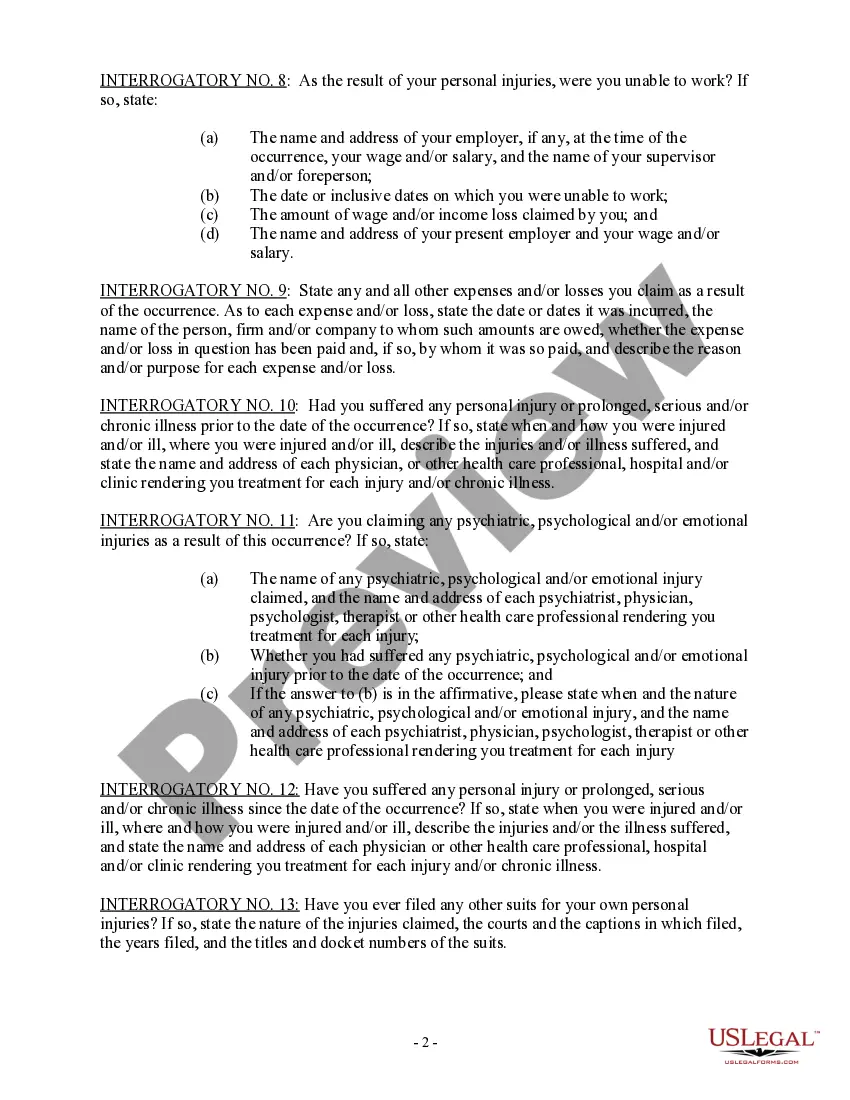
- Descriptions of personal injuries sustained by the plaintiff and medical treatment received.
- Financial implications including lost wages and additional expenses incurred due to the accident.
- Questions regarding any prior medical history related to personal injuries or conditions.
- Information about any claims or legal actions previously taken by the plaintiff for personal injuries.
When this form is needed
This form is typically used in legal proceedings following a vehicle accident where a plaintiff has filed a complaint against a defendant. It is essential for defendants who need to collect information that could be pivotal for their case or to prepare for litigation. The interrogatories can help clarify the facts surrounding the incident, confirm the damages claimed, and prepare for potential negotiations or trial proceedings.
Who this form is for
This form is intended for:
- Defendants involved in a motor vehicle accident and facing a lawsuit from a plaintiff.
- Legal representatives seeking to gather critical information during the discovery phase of litigation.
- Parties intending to clarify liability and damages before proceeding to court or settling.
Instructions for completing this form
- Provide the full name and address of the parties involved, including the defendant and plaintiff.
- Answer each interrogatory thoroughly, ensuring that all questions are addressed based on your case facts.
- Include details on any witnesses, medical providers, and others relevant to the incident and injuries.
- Document any financial losses resulting from the accident to support your claims.
- Review the completed form for accuracy before submission, ensuring all necessary sections are filled out appropriately.
Does this document require notarization?
Notarization is generally not required for this form. However, certain states or situations might demand it. You can complete notarization online through US Legal Forms, powered by Notarize, using a verified video call available anytime.
Get your form ready online
Our built-in tools help you complete, sign, share, and store your documents in one place.
Make edits, fill in missing information, and update formatting in US Legal Forms—just like you would in MS Word.
Download a copy, print it, send it by email, or mail it via USPS—whatever works best for your next step.
Sign and collect signatures with our SignNow integration. Send to multiple recipients, set reminders, and more. Go Premium to unlock E-Sign.
If this form requires notarization, complete it online through a secure video call—no need to meet a notary in person or wait for an appointment.
We protect your documents and personal data by following strict security and privacy standards.

Make edits, fill in missing information, and update formatting in US Legal Forms—just like you would in MS Word.

Download a copy, print it, send it by email, or mail it via USPS—whatever works best for your next step.

Sign and collect signatures with our SignNow integration. Send to multiple recipients, set reminders, and more. Go Premium to unlock E-Sign.

If this form requires notarization, complete it online through a secure video call—no need to meet a notary in person or wait for an appointment.

We protect your documents and personal data by following strict security and privacy standards.
Mistakes to watch out for
- Failing to answer all interrogatories completely or accurately.
- Not including relevant witnesses or information that may support the case.
- Missing deadlines for the submission of responses as mandated by local laws.
Why complete this form online
- Convenient access to a standardized legal document that saves time and effort.
- Easily editable to fit specific case details and requirements.
- Reliable and up-to-date forms created by licensed attorneys to ensure compliance.
Looking for another form?
Form popularity
FAQ
Rule 26 of the Massachusetts Rules of Civil Procedure outlines the procedures regarding the disclosure of witnesses and discovery materials. It sets forth the standards for exchanging relevant information before trial, which can significantly impact case preparedness. Utilizing Massachusetts interrogatories to plaintiff for motor vehicle occurrence falls under these rules, emphasizing the importance of comprehensive discovery. It's wise to familiarize yourself with Rule 26 to enhance your legal strategy.
Rule 26 of the Massachusetts Rules of Civil Procedure outlines the general provisions governing discovery, including interrogatories. This rule emphasizes the need for parties to exchange relevant information, helping to build a strong case concerning Massachusetts Interrogatories to Plaintiff for Motor Vehicle Occurrence. Understanding this rule can help you navigate the discovery process more effectively, potentially improving your chances of a favorable outcome. Consulting with a legal professional can provide clarity on how this rule applies to your specific situation.
(1) Number. Unless otherwise stipulated or ordered by the court, a party may serve on any other party no more than 25 written interrogatories, including all discrete subparts. Leave to serve additional interrogatories may be granted to the extent consistent with Rule 26(b)(1) and (2).
The rules of practice require that responses to interrogatories are provided under oath, which in your case, would be taken by a Notary.
The 25-interrogatory limit applies to all parts and sub-parts of a single question (so 1a, 1b, and 1c count as three interrogatories). For civil lawsuits in state court, the allowable number of interrogatories varies, so check your state's civil procedure rules or ask your personal injury lawyer.
You can object to an interrogatory if the information sought is known by the requesting party or available to both parties equally. For example, you should raise this objection if the answers are publicly available or in a third-party's custody or control.
Also, Federal Rules of Civil Procedure have placed twenty-five questions per party limitations on the use of interrogatories, but there is no numerical limit in FRCP on the requests for admission (unless specified differently in Local Rules of the state, which most states do have).
§2 allows the court to alter the limits of discovery on the number of depositions, interrogatories, and document requests if it determines that the discovery sought is overly burdensome, redundant, unnecessary, or disproportionately difficult to produce with respect to the importance of the case or specific issue.
No party shall serve upon any other party as of right more than thirty interrogatories, including interrogatories subsidiary or incidental to, or dependent upon, other interrogatories, and however the same may be grouped or combined; but the interrogatories may be served in two or more sets, as long as the total number
Make it a lead-off general objection. Object to anything that is not relevant to the subject matter (no longer the standard) or not likely to lead to admissible evidence (no longer the standard). Don't say if anything is being withheld on the basis of the objection. Use boilerplate wording from form files.