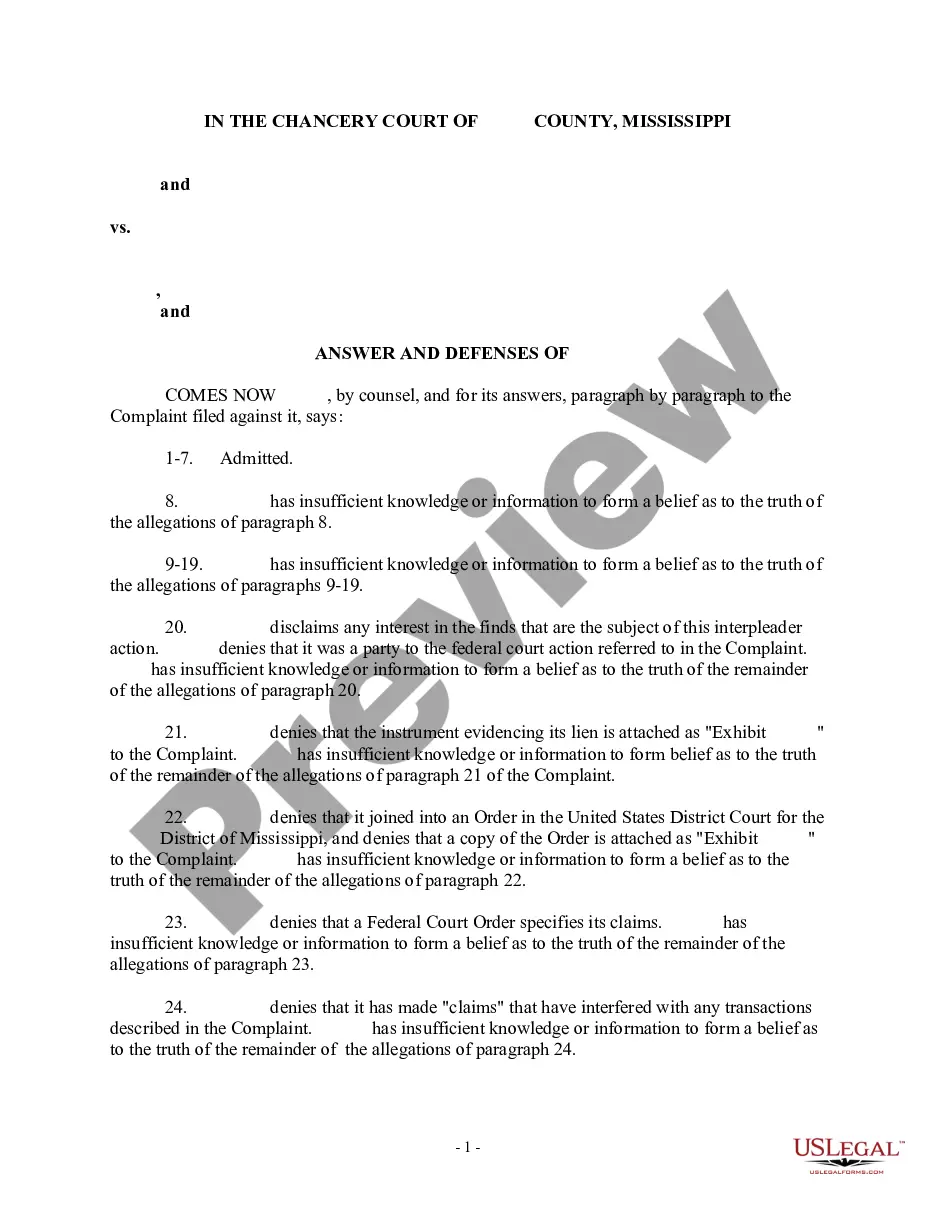
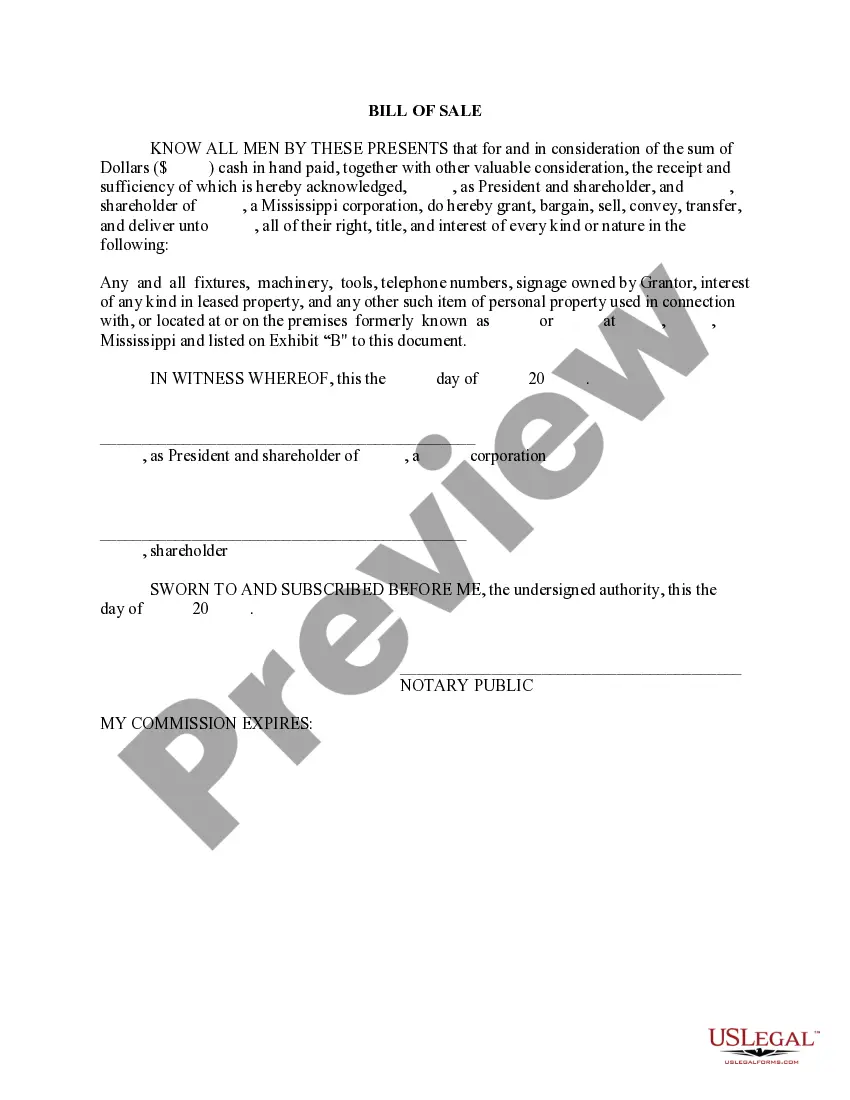
Louisiana Affidavit of Paternity
Understanding this form
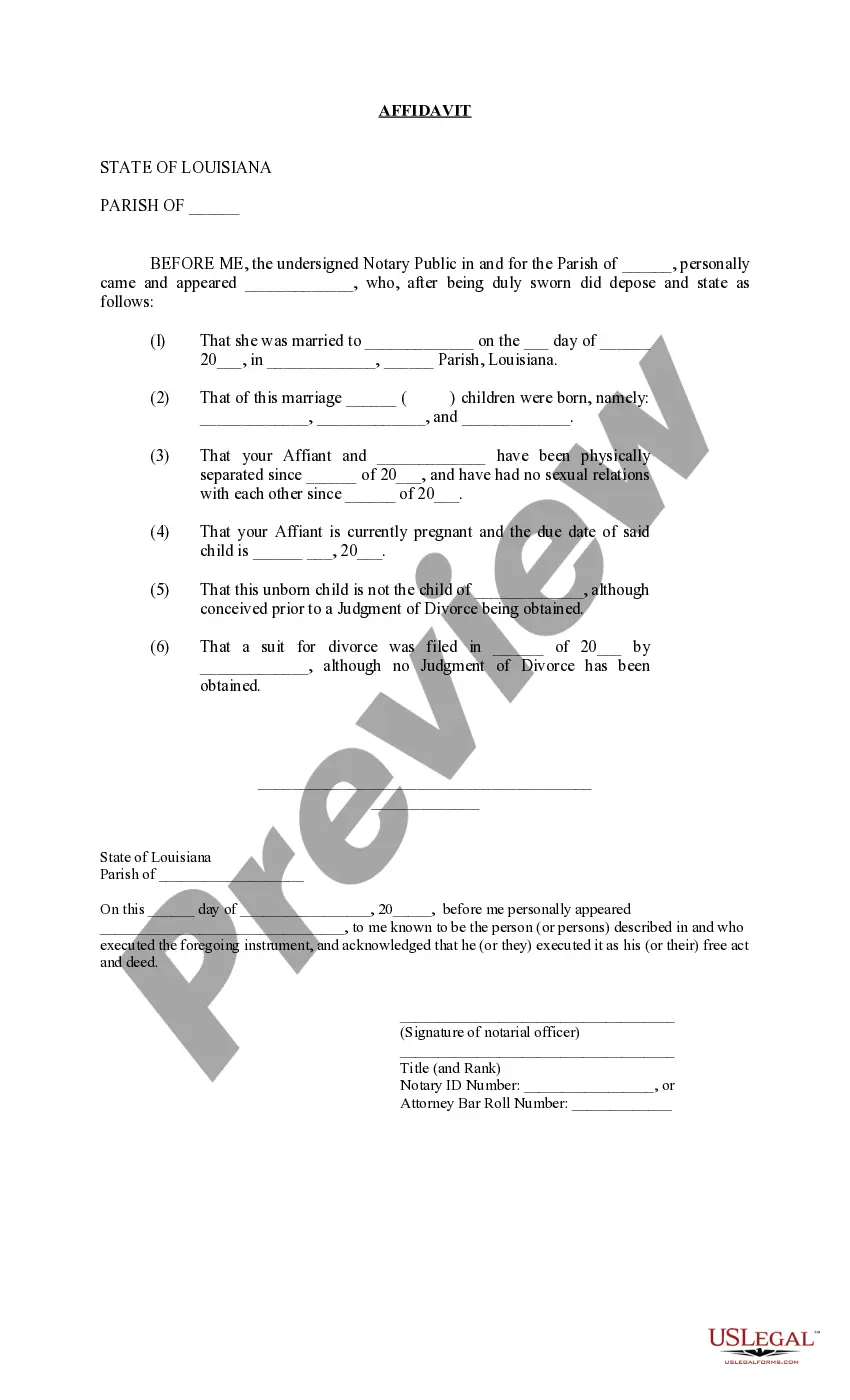
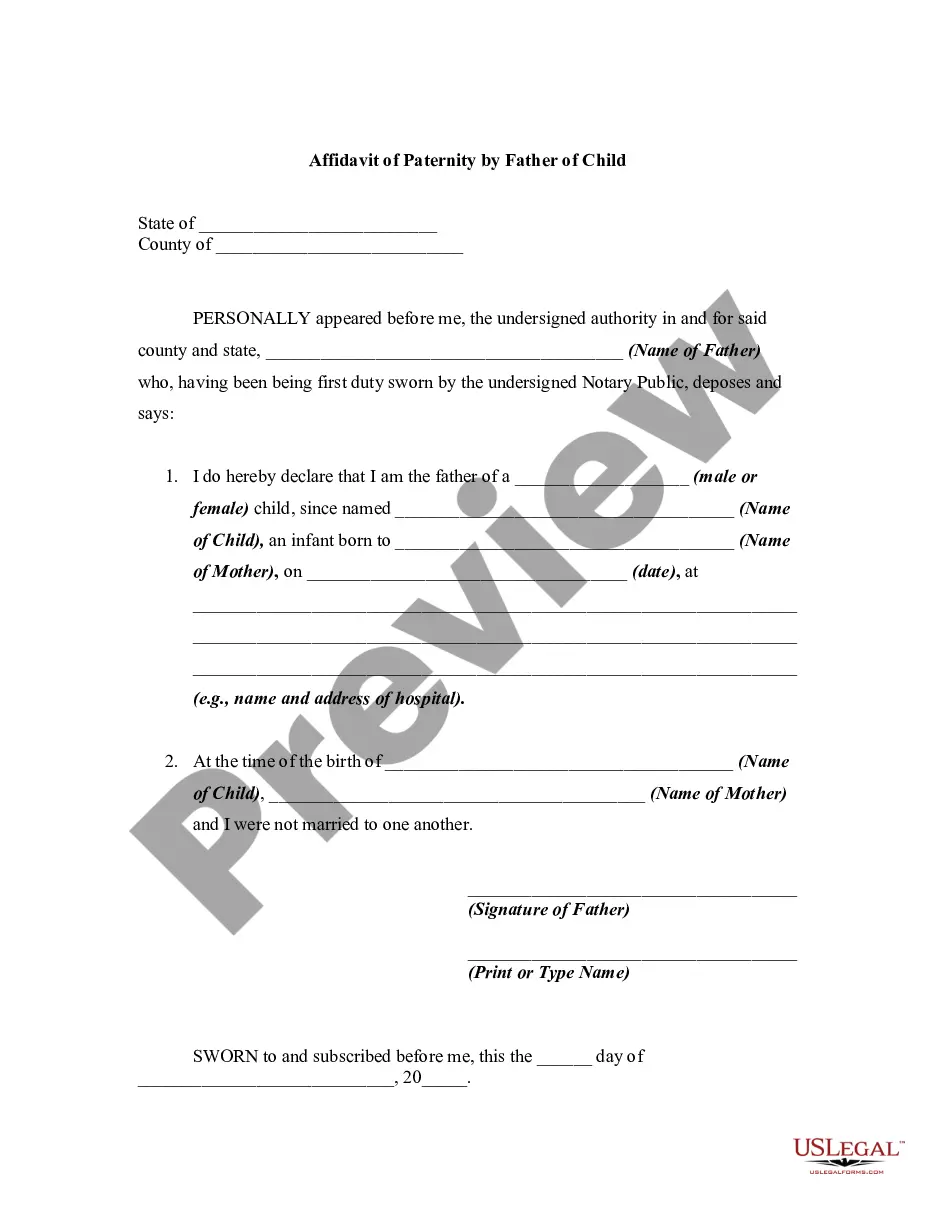
The Affidavit of Paternity is a legal document that allows a woman involved in a divorce proceeding to declare that her unborn child is not the biological child of the other party in the divorce. This affidavit helps clarify paternity issues, especially important in divorce contexts where custody and support may be at stake.
What’s included in this form
- Party identification: Names of the individuals involved in the affidavit.
- Marriage details: Date and location of marriage to establish relationship context.
- Pregnancy declaration: Confirmation of the woman's current pregnancy and expected due date.
- Paternity assertion: Statement that the unborn child is not the biological child of the other party.
- Divorce proceeding details: Information about the filed divorce suit and status.
Situations where this form applies
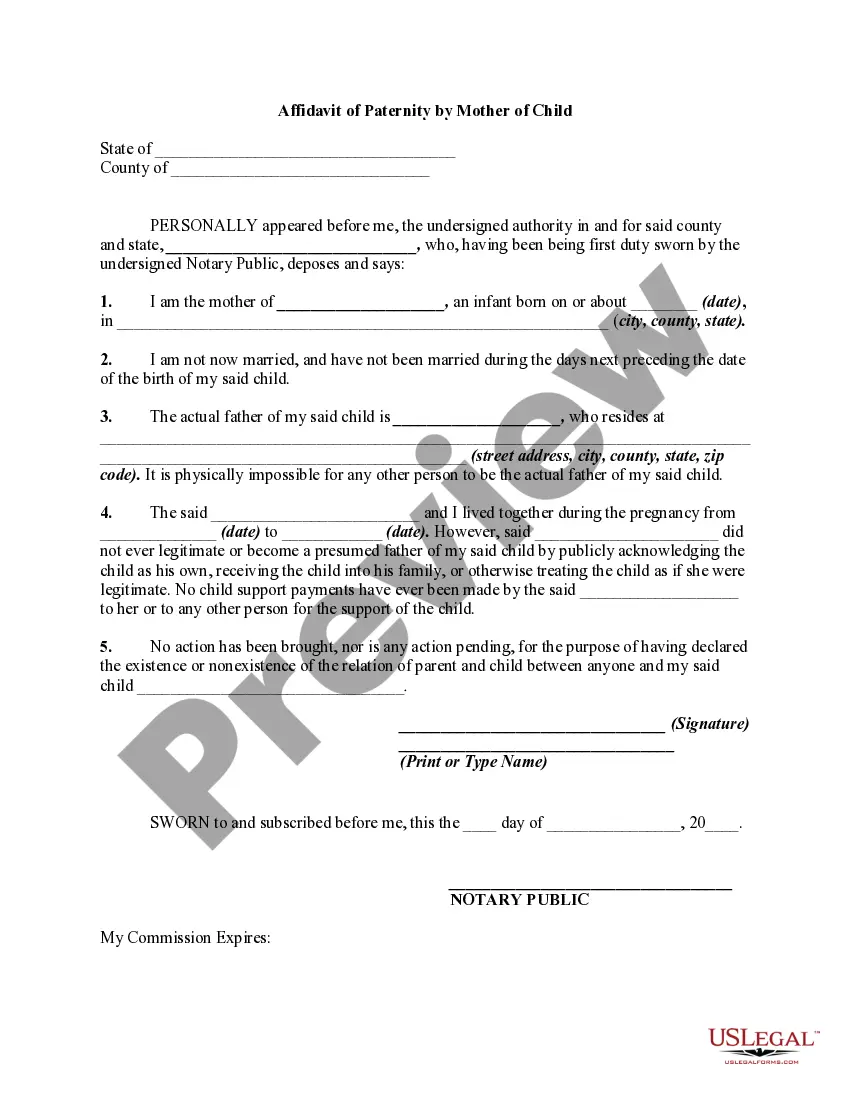
This form is useful when a woman who is pregnant must clarify the paternity of her unborn child in the context of a divorce. It can be critical for establishing legal grounds for child support or custody arrangements later, ensuring that the biological father is accurately identified.
Who can use this document
- Women who are pregnant and in the process of getting divorced.
- Individuals needing to assert paternity issues formally during divorce proceedings.
- Legal representatives assisting clients with divorce and paternity matters.
How to complete this form
- Fill in the names of all parties involved in the affidavit.
- Specify the date and location of the marriage.
- Indicate the expected due date of the unborn child.
- State clearly that the unborn child is not the biological child of the other party.
- Include details about the divorce suit, including the year it was filed.
Notarization guidance
Yes, this form must be notarized to be legally valid. US Legal Forms offers integrated online notarization, available 24/7 via secure video call, providing legal equivalence without the need for travel.
Get your form ready online
Our built-in tools help you complete, sign, share, and store your documents in one place.
Make edits, fill in missing information, and update formatting in US Legal Forms—just like you would in MS Word.
Download a copy, print it, send it by email, or mail it via USPS—whatever works best for your next step.
Sign and collect signatures with our SignNow integration. Send to multiple recipients, set reminders, and more. Go Premium to unlock E-Sign.
If this form requires notarization, complete it online through a secure video call—no need to meet a notary in person or wait for an appointment.
We protect your documents and personal data by following strict security and privacy standards.

Make edits, fill in missing information, and update formatting in US Legal Forms—just like you would in MS Word.

Download a copy, print it, send it by email, or mail it via USPS—whatever works best for your next step.

Sign and collect signatures with our SignNow integration. Send to multiple recipients, set reminders, and more. Go Premium to unlock E-Sign.

If this form requires notarization, complete it online through a secure video call—no need to meet a notary in person or wait for an appointment.

We protect your documents and personal data by following strict security and privacy standards.
Mistakes to watch out for
- Failing to accurately fill in dates or names, which can lead to legal issues.
- Not including all required signatures or failing to have the form notarized.
- Providing incorrect information about the divorce proceedings.
Advantages of online completion
- Convenient access to the form at any time, allowing for easy downloads.
- Editable templates that simplify the information filling process.
- Reliability of forms created by licensed attorneys, ensuring legal accuracy.
Quick recap
- The Affidavit of Paternity is essential for clarifying paternity in divorce cases.
- Accurate details and notarization are crucial for the legal validity of the document.
- This form is specifically designed for use in Louisiana, following state legal requirements.
Looking for another form?
Form popularity
FAQ
An Affidavit of Admission of Paternity is a document wherein the person signing the affidavit acknowledges that he is the father of an illegitimate child. An illegitimate child is a child whose parents are not legally married to each other.
There are two methods that unmarried Louisiana couples with a baby can take to establish paternity: the parents can sign an affidavit of acknowledgement, or the question of the baby's paternity can be adjudicated (decided) by a judge of district court after someone files a paternity lawsuit.
If you would like to formally establish paternity, you should begin by asking the father of your child to voluntarily acknowledge paternity.The birth father can voluntarily acknowledge paternity in two ways: He can be present at the birth of your child and sign a Declaration of Paternity.
If an individual is wishing to add a father to their birth certificate and change their last name, a properly executed Acknowledgment of Paternity Affidavit can be submitted, along with a District Attorney Affidavit which states no objection to the name change.
In the case of unmarried parents, in order to put the father on the birth certificate, the father will need to fill out and sign a voluntary AOP form.If the father is unknown, uncertain, reluctant, or absent, they can be added at a later time at your state's department of vital records.
If you get married after the child is born, it can establish paternity retroactively. This is not an automatic process, and it is in you and your child's best interest to work with a family lawyer to establish paternity in this way. Both parents can sign an Affidavit of Paternity, which establishes paternity.
Birth certificate. If a birth certificate declares the father and he signs it, this is a legally binding qualification of paternity. DNA test. Court order.
Get on the birth certificate. Once your child is born, the easiest way to establish paternity is by getting your name on the birth certificate. Get an order through an administrative agency. Get a court order.