Call Asset Transfer Agreement
Understanding this form
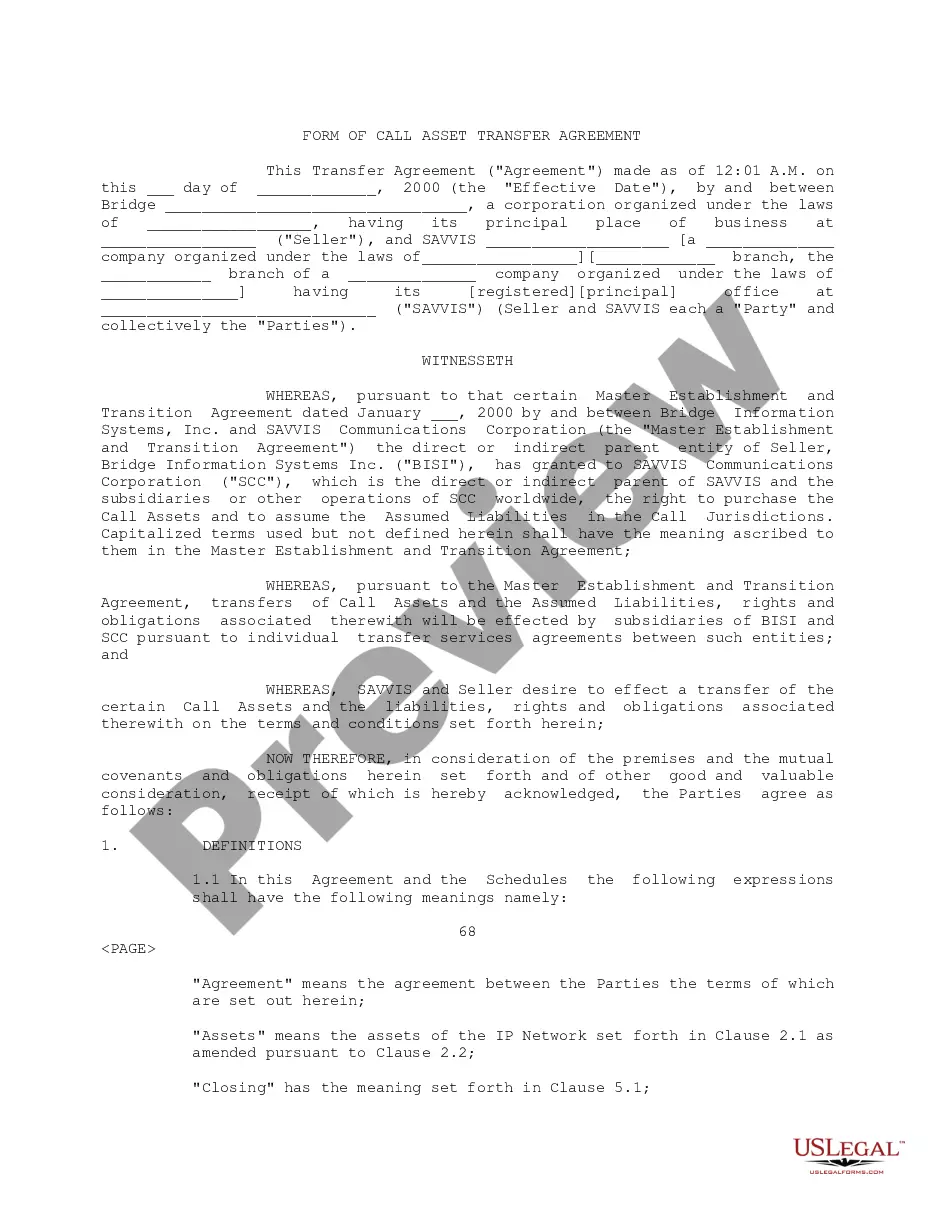
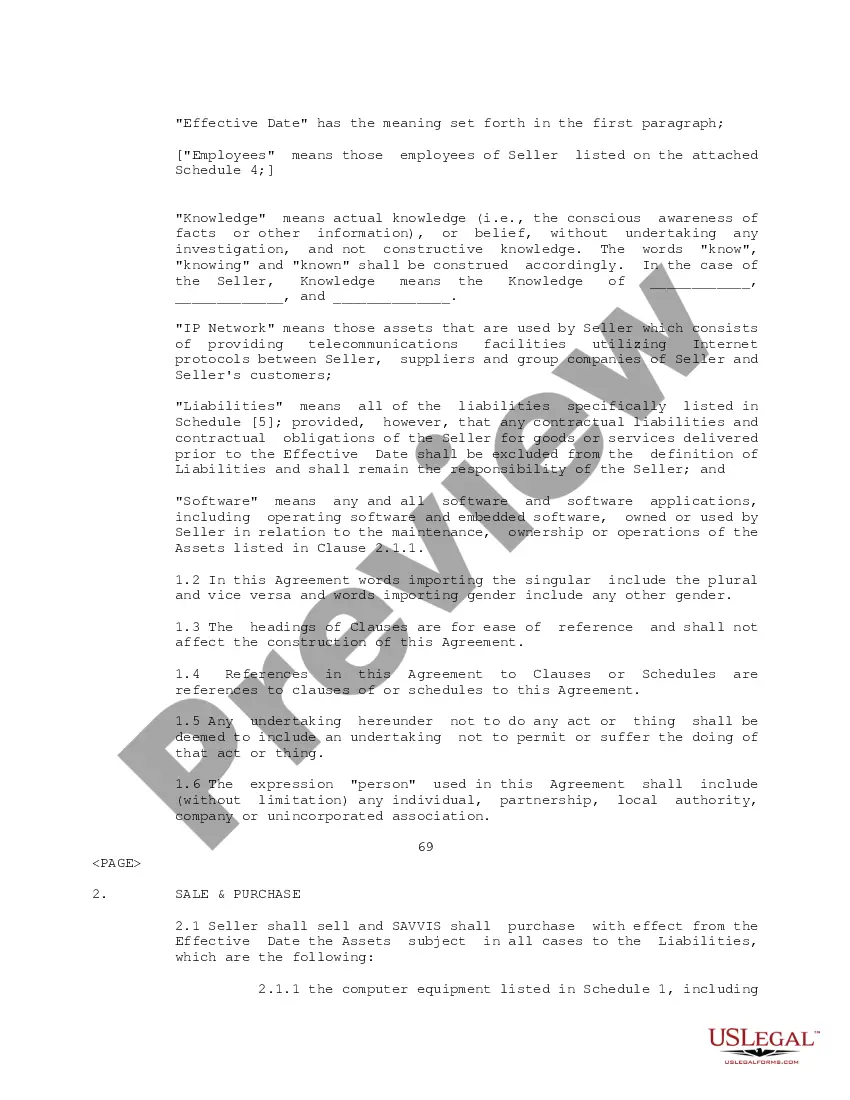
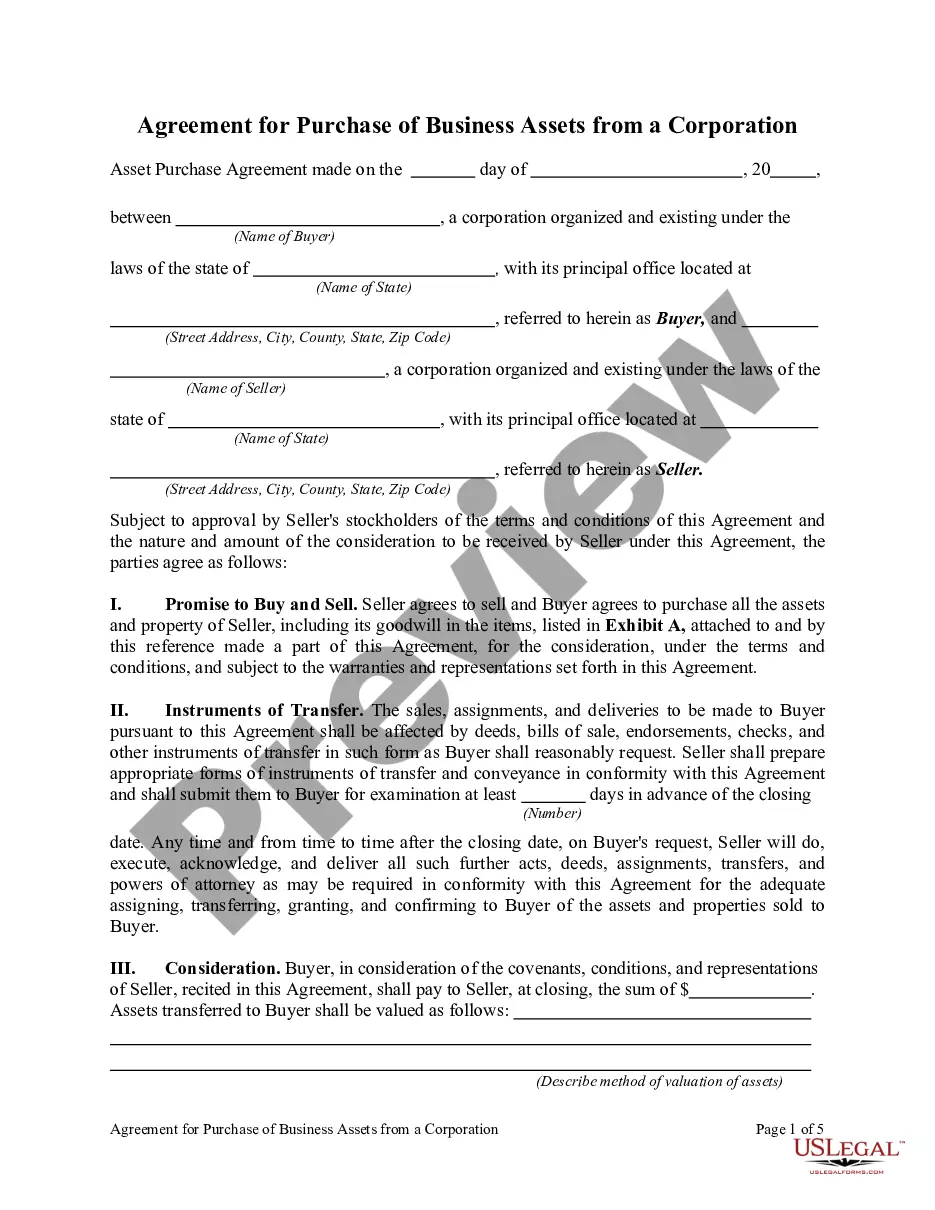
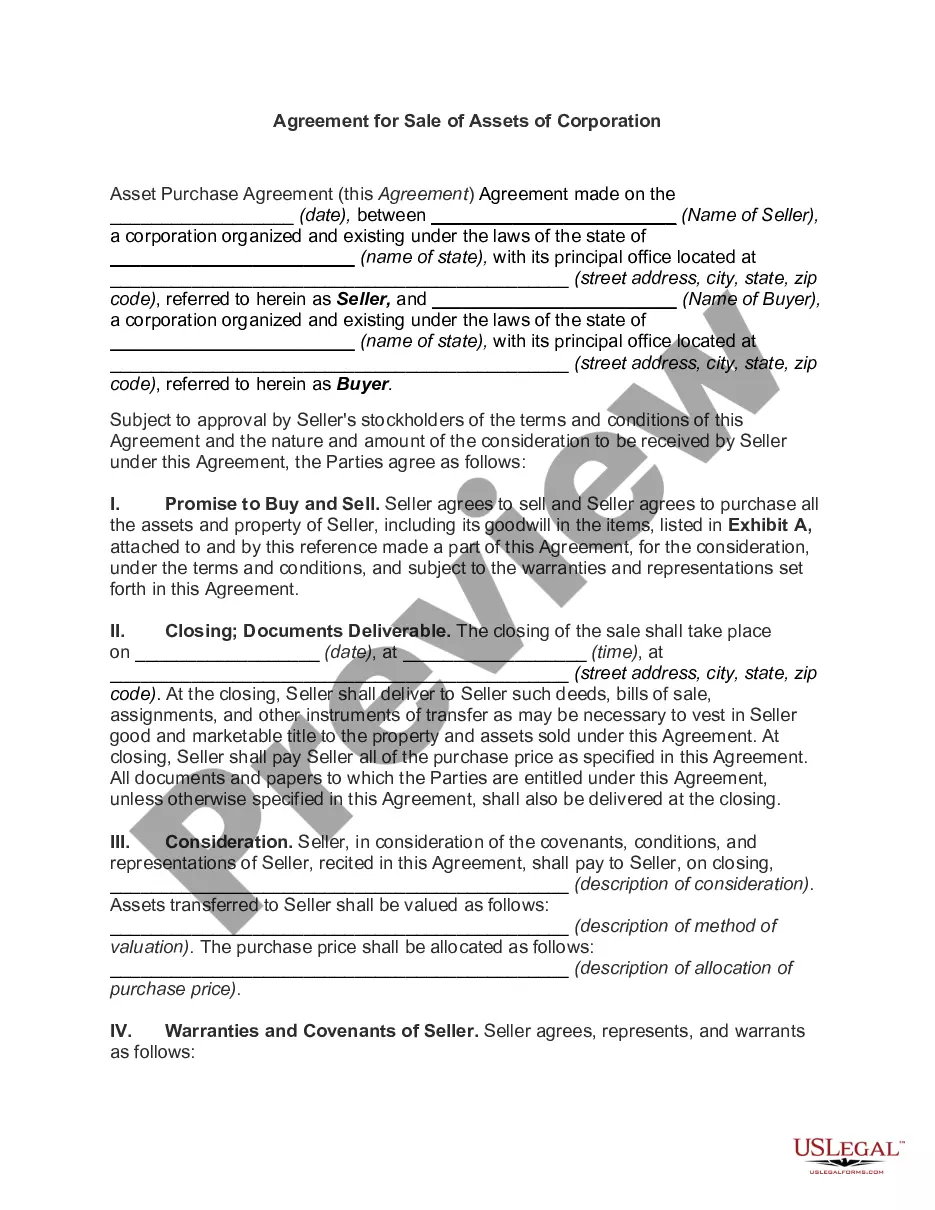
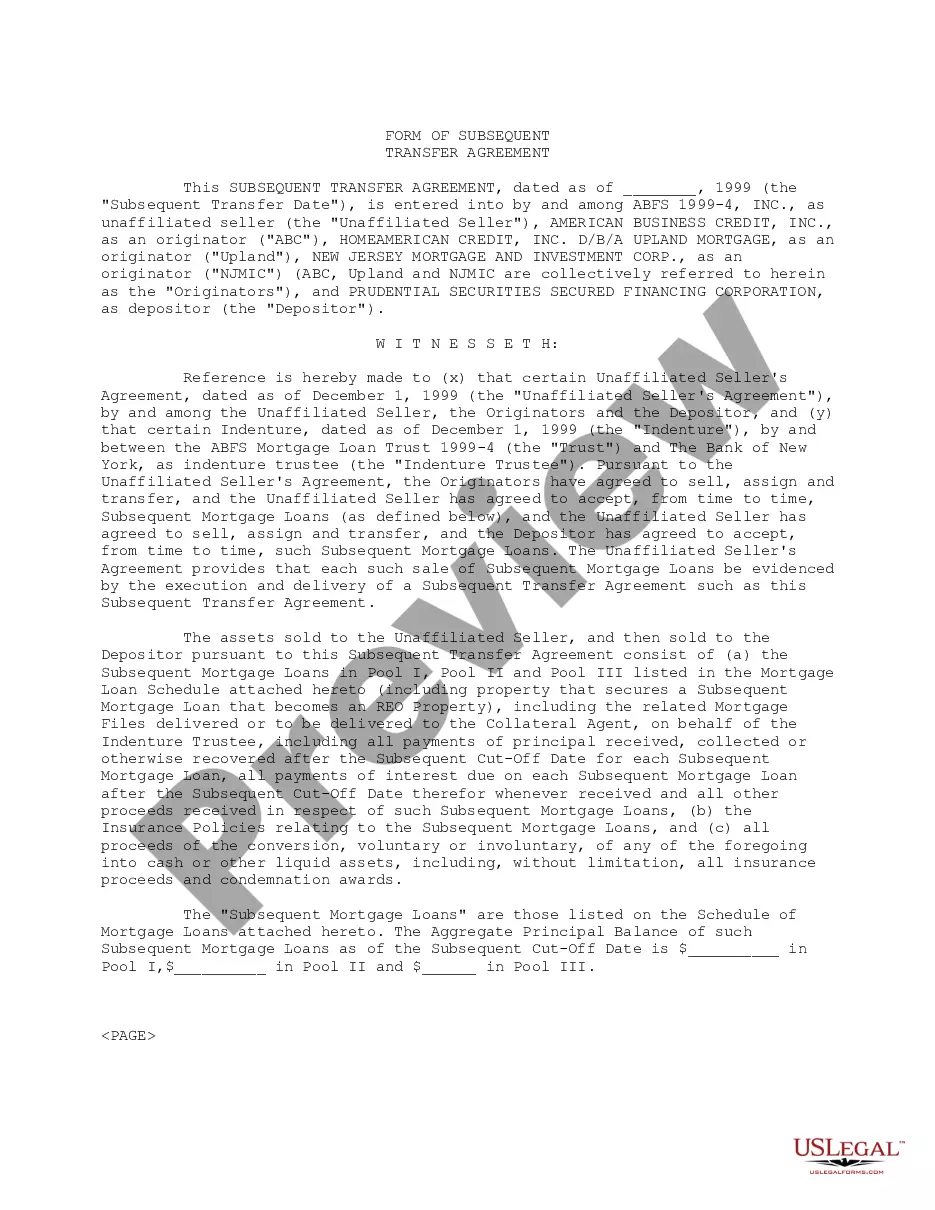
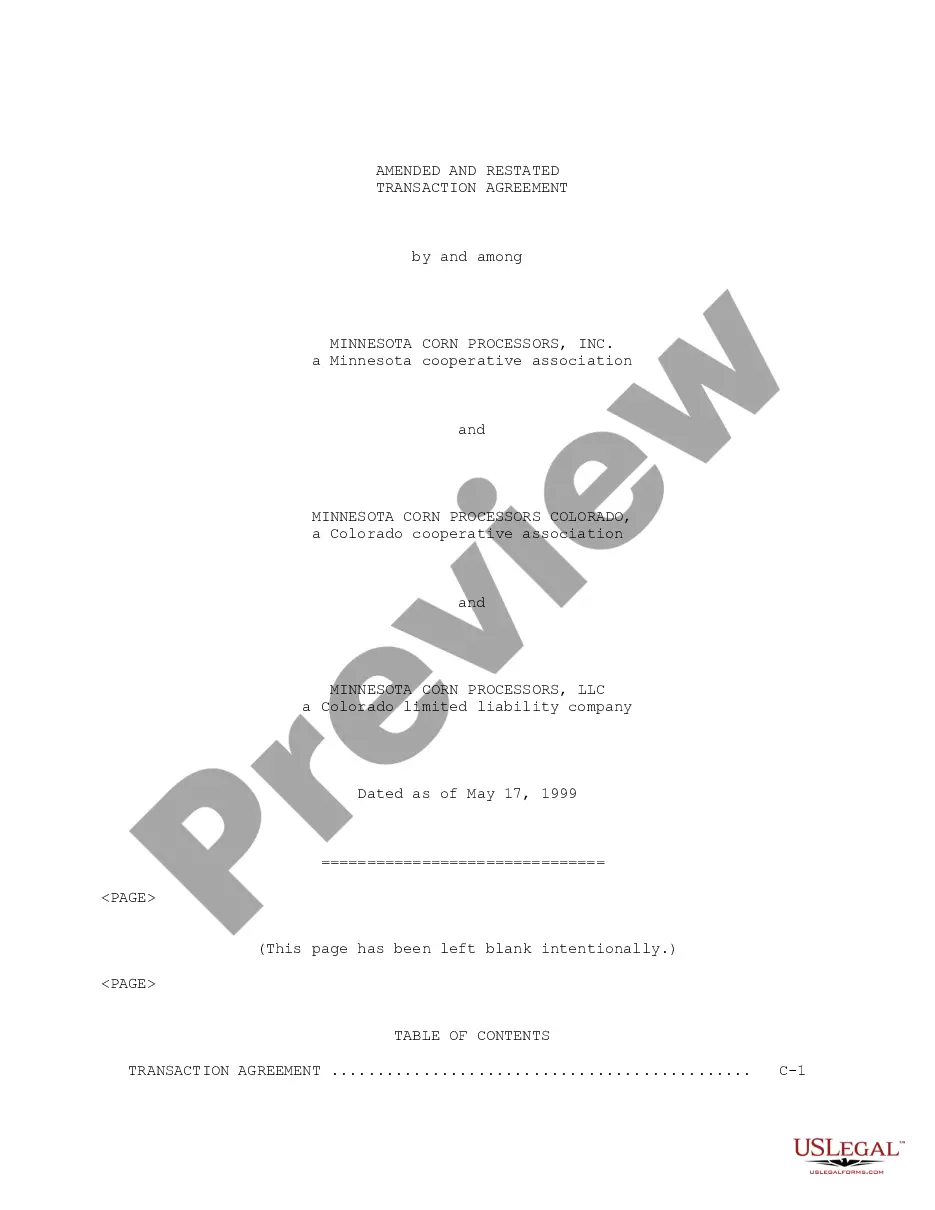
The Call Asset Transfer Agreement is a legal document that facilitates the transfer of telecommunications assets and associated liabilities between two parties, specifically Savvis Communications Corporation and Bridge Information Systems, Inc. This agreement outlines the responsibilities and rights of each party involved in the transfer, ensuring a clear understanding of the transaction. Unlike other asset transfer agreements, this document specifically addresses call assets and liabilities within the telecommunications sector.
Key components of this form
- Definitions: Key terms used throughout the agreement are defined to eliminate ambiguity.
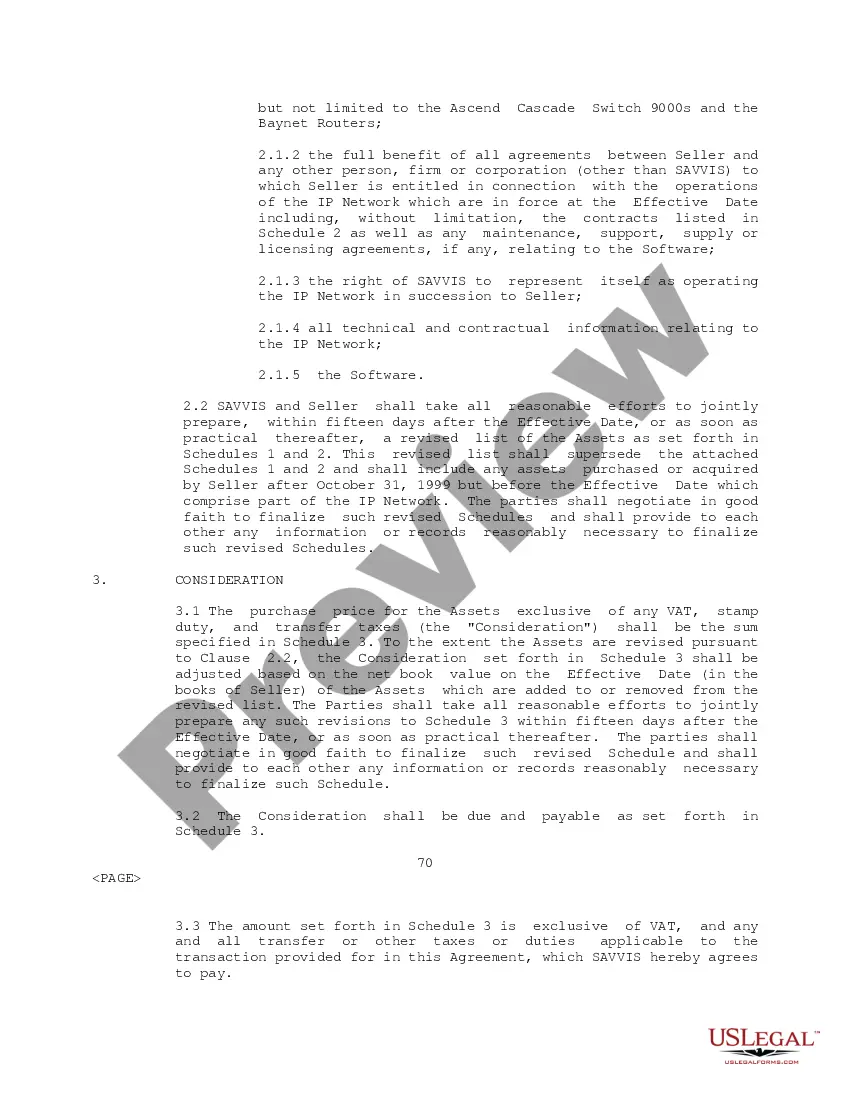
- Sale and Purchase: Details the assets being sold and purchased, along with any associated liabilities.
- Consideration: Specifies the purchase price and how it will be determined.
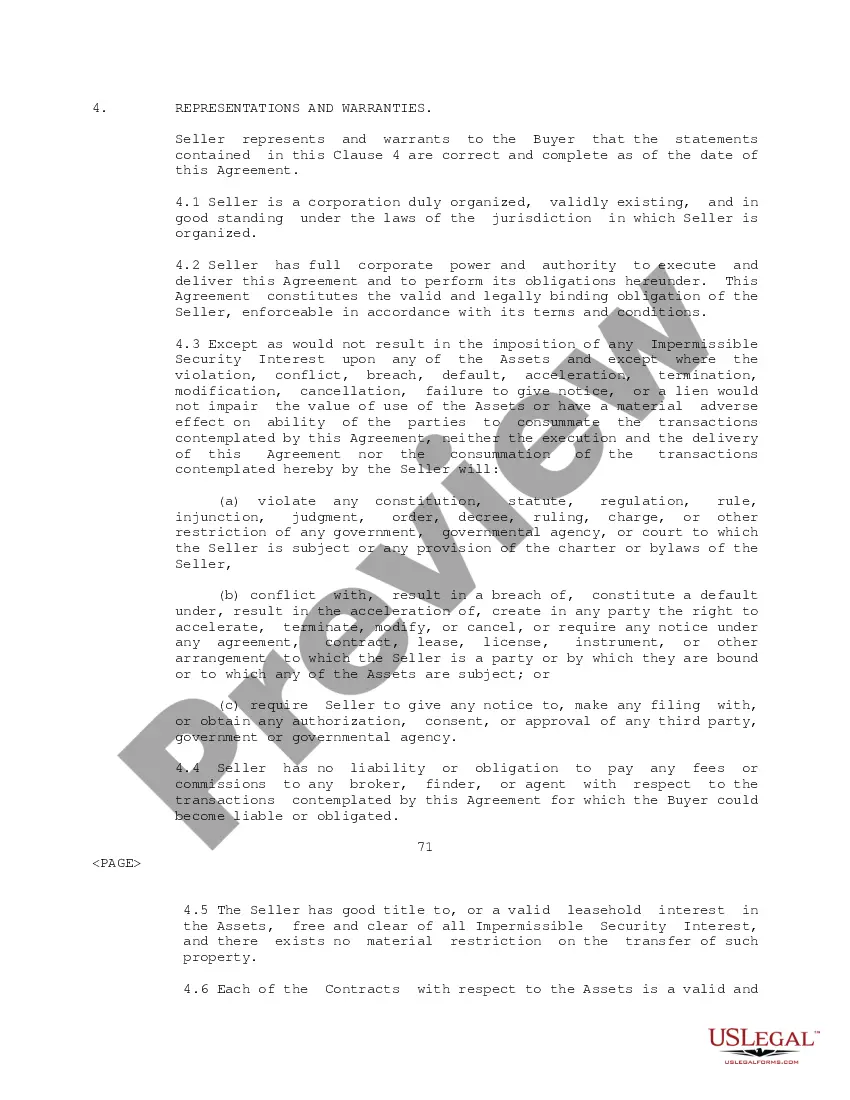
- Representations and Warranties: Outlines the commitments of the seller regarding the assets being transferred.
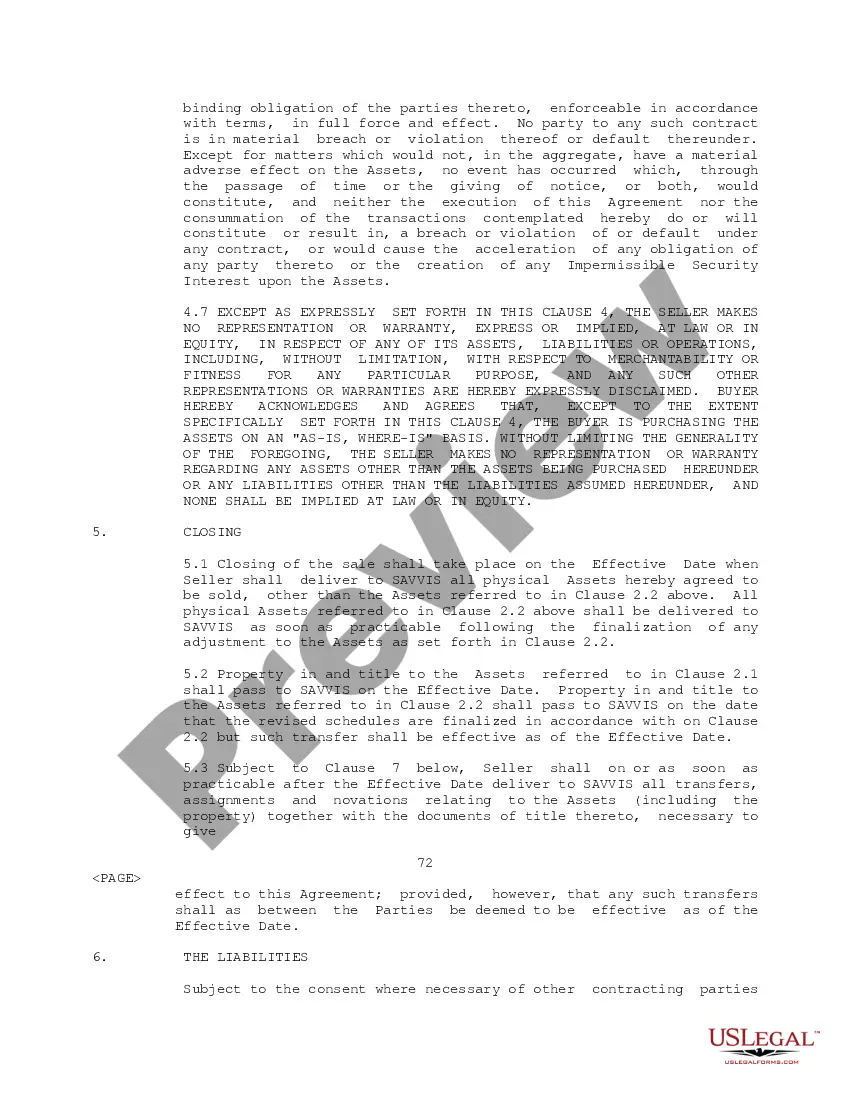
- Closing Procedures: Describes the steps to complete the transfer on the effective date.
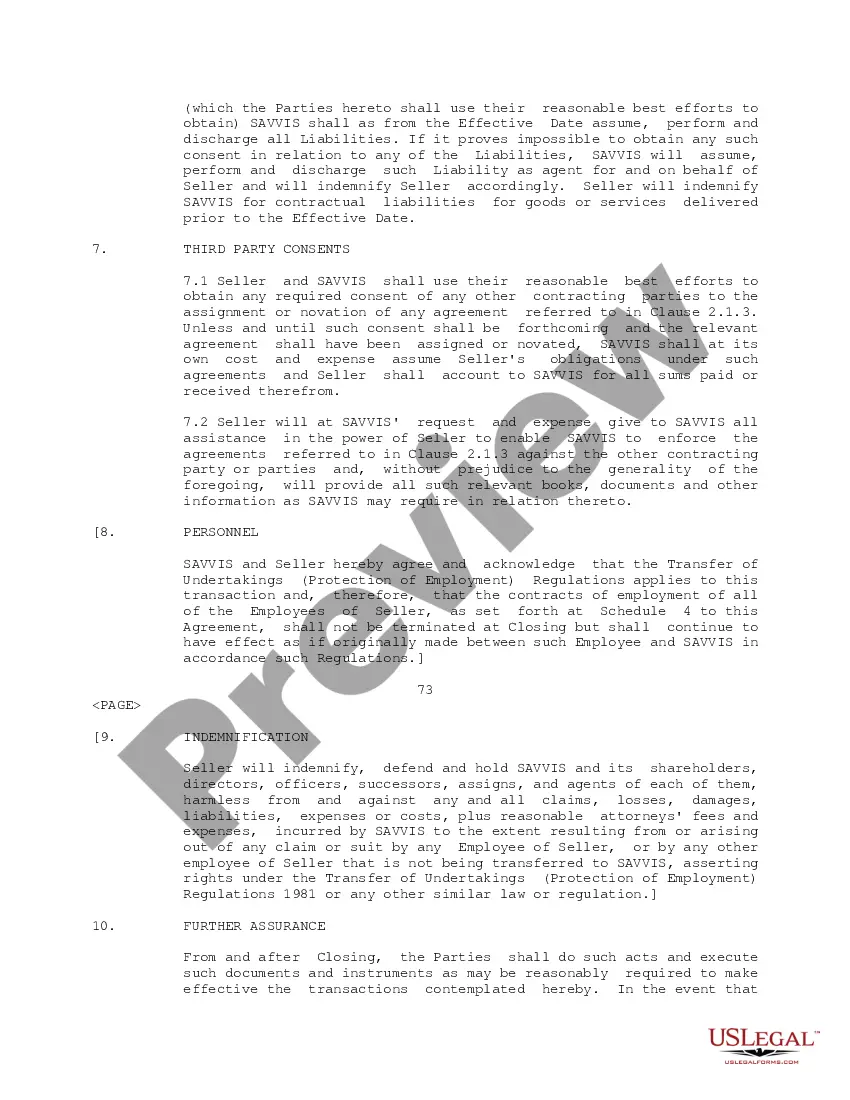
- Indemnification: Sets forth the responsibilities of each party in relation to potential claims after the transfer.
Situations where this form applies
This form is essential when one corporation needs to transfer specific telecommunications assets to another entity as part of a reorganization, merger, or acquisition. It is particularly useful in scenarios where rights and obligations must be clearly defined to prevent misunderstandings or disputes between the parties. For example, if Savvis Communications Corporation is acquiring call assets to enhance its telecommunications network, this agreement ensures lawful and organized transfer of those assets and liabilities.
Who should use this form
This form is intended for:
- Corporations involved in the telecommunications industry looking to transfer assets.
- Legal professionals who represent parties in the process of asset acquisition or business mergers.
- Business owners and managers who are undertaking asset transactions to ensure compliance with legal standards.
Completing this form step by step
- Identify the parties involved, including the seller and buyer details.
- Clearly define the assets being transferred, including any associated software and contracts.
- Specify the purchase price and any conditions attached to the sale.
- Review and complete all representations and warranties sections to ensure compliance.
- Ensure all parties sign the agreement and any additional documents as required to finalize the transfer.
Notarization guidance
Notarization is generally not required for this form. However, certain states or situations might demand it. You can complete notarization online through US Legal Forms, powered by Notarize, using a verified video call available anytime.
Get your form ready online
Our built-in tools help you complete, sign, share, and store your documents in one place.
Make edits, fill in missing information, and update formatting in US Legal Forms—just like you would in MS Word.
Download a copy, print it, send it by email, or mail it via USPS—whatever works best for your next step.
Sign and collect signatures with our SignNow integration. Send to multiple recipients, set reminders, and more. Go Premium to unlock E-Sign.
If this form requires notarization, complete it online through a secure video call—no need to meet a notary in person or wait for an appointment.
We protect your documents and personal data by following strict security and privacy standards.

Make edits, fill in missing information, and update formatting in US Legal Forms—just like you would in MS Word.

Download a copy, print it, send it by email, or mail it via USPS—whatever works best for your next step.

Sign and collect signatures with our SignNow integration. Send to multiple recipients, set reminders, and more. Go Premium to unlock E-Sign.

If this form requires notarization, complete it online through a secure video call—no need to meet a notary in person or wait for an appointment.

We protect your documents and personal data by following strict security and privacy standards.
Typical mistakes to avoid
- Failing to define all relevant terms, leading to ambiguity in the agreement.
- Omitting important assets or liabilities from the listing, which can result in disputes later on.
- Not obtaining necessary consents or approvals from third parties involved.
- Forgetting to include indemnification clauses, which can leave parties exposed to liability.
Benefits of using this form online
- Convenience of immediate access to a standardized form that meets legal requirements.
- Editable format allows users to customize sections according to their specific transaction details.
- Reliable templates provided by licensed attorneys ensure legal validity.
Legal use & context
- The agreement is enforceable under contract law, provided all parties sign and date it appropriately.
- It ensures the transfer of rights and responsibilities regarding the specified assets, protecting both parties.
- Users should ensure compliance with local laws governing asset transfers to avoid legal disputes.
Summary of main points
- The Call Asset Transfer Agreement is crucial for ensuring the lawful transfer of assets and liabilities between entities in the telecommunications field.
- Completing this form accurately is vital to prevent disputes post-transfer.
- Consider obtaining legal advice for complex transactions or when dealing with specific legal requirements in your state.
Looking for another form?


Form popularity
FAQ
A Business Transfer Agreement (BTA) is structured to give effect to a comprehensive sale of assets and liabilities of one entity to another entity. It is in a form of a purchase and transfer of ownership agreement wherein details regarding the sale of the business and its assets are captured.
Provisions of an APA may include payment of purchase price, monthly installments, liens and encumbrances on the assets, condition precedent for the closing, etc. An APA differs from a stock purchase agreement (SPA) where company shares, title to assets, and title to liabilities are also sold.
These will include the purchase price, of course, and bills of sale, assignment and assumption agreements, intellectual property assignments, real property transfer documents and so on, as well as any legal opinions, employment agreements, escrow agreement and other ancillary documents.
In an asset sale, the seller retains possession of the legal entity and the buyer purchases individual assets of the company, such as equipment, fixtures, leaseholds, licenses, goodwill, trade secrets, trade names, telephone numbers, and inventory.
The Fixed Asset Transfer (FT) document transfers ownership (represented by accounting codes) of assets. It also transfers construction-in-process to the completed asset account. If one of the accounting attributes is changed, you must enter the entire accounting distribution.
To record the purchase of a fixed asset, debit the asset account for the purchase price, and credit the cash account for the same amount.
An asset purchase involves the purchase of the selling company's assets -- including facilities, vehicles, equipment, and stock or inventory. A stock purchase involves the purchase of the selling company's stock only.
Among the terms typically included in the agreement are the purchase price, the closing date, the amount of earnest money that the buyer must submit as a deposit, and the list of items that are and are not included in the sale.
Asset transfer is a process to allow a community organisation to take over publicly owned land or buildings, in a way that recognises the public benefits that the community use will bring.