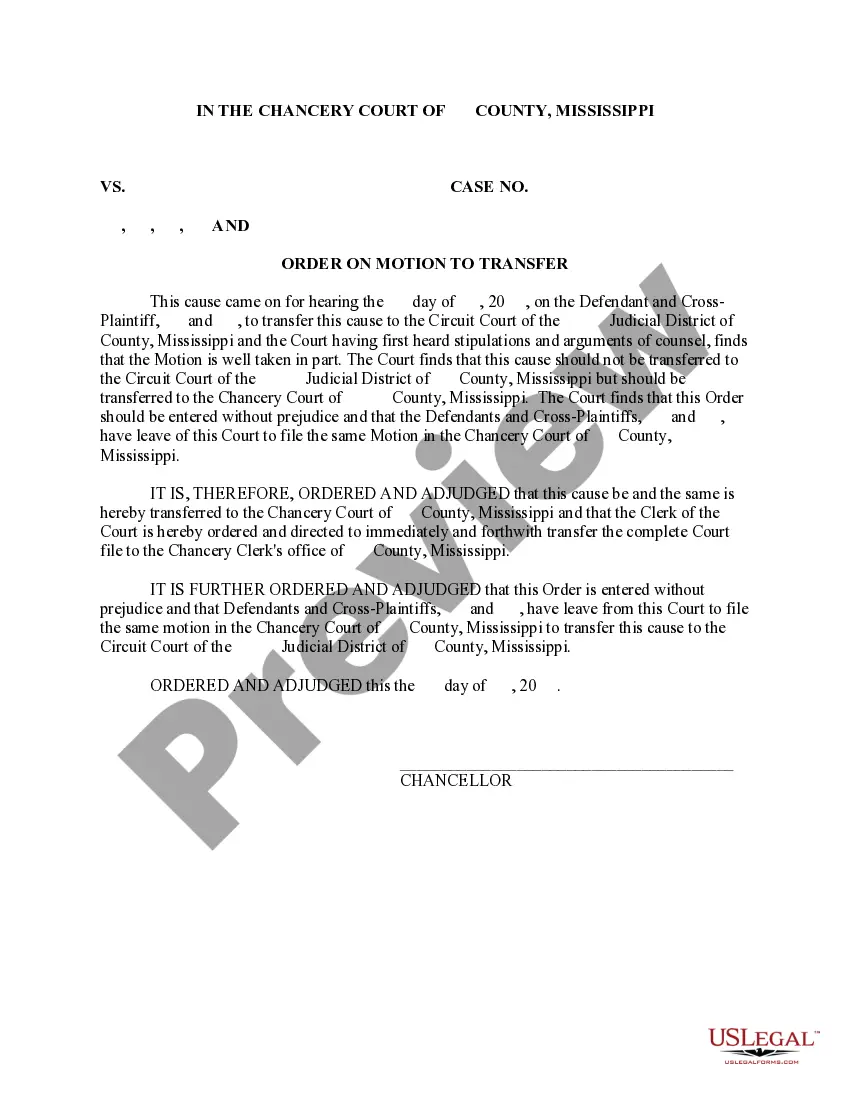
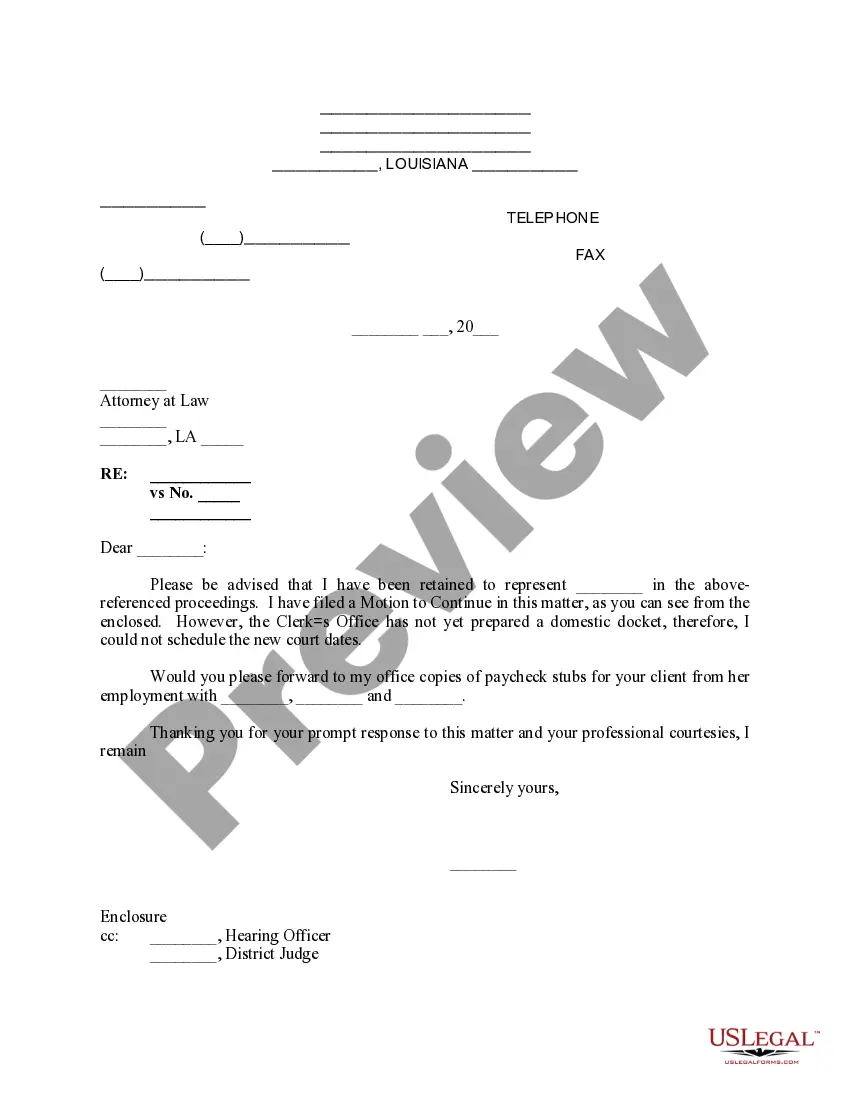
Louisiana Letter to Opposing Counsel Advising of Representation, Filing of Motion and Request for Documents
Overview of this form
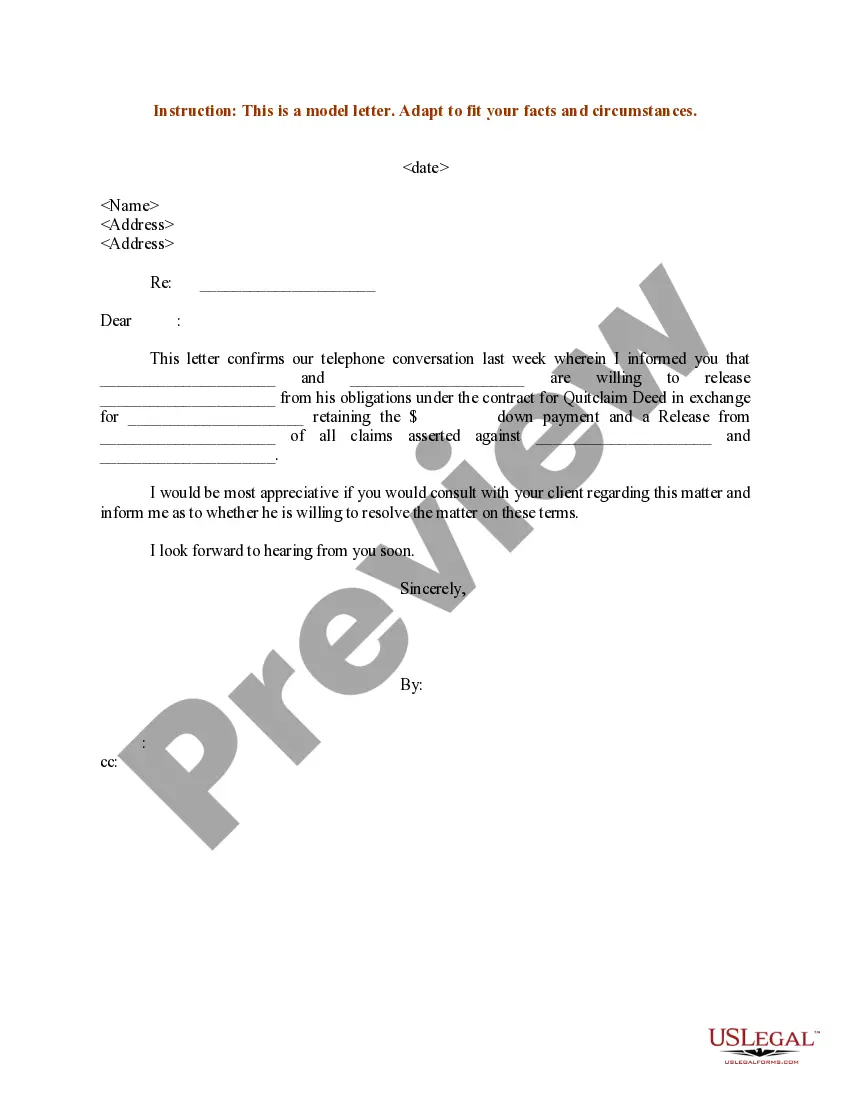
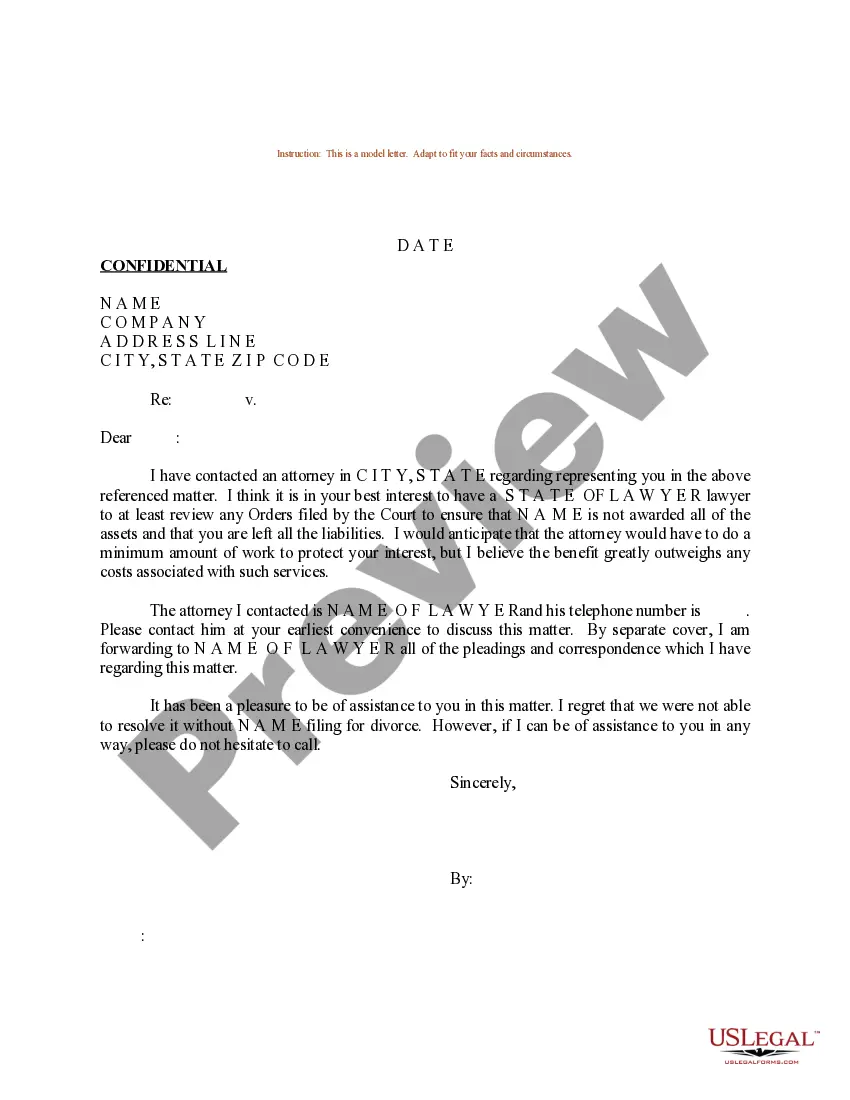
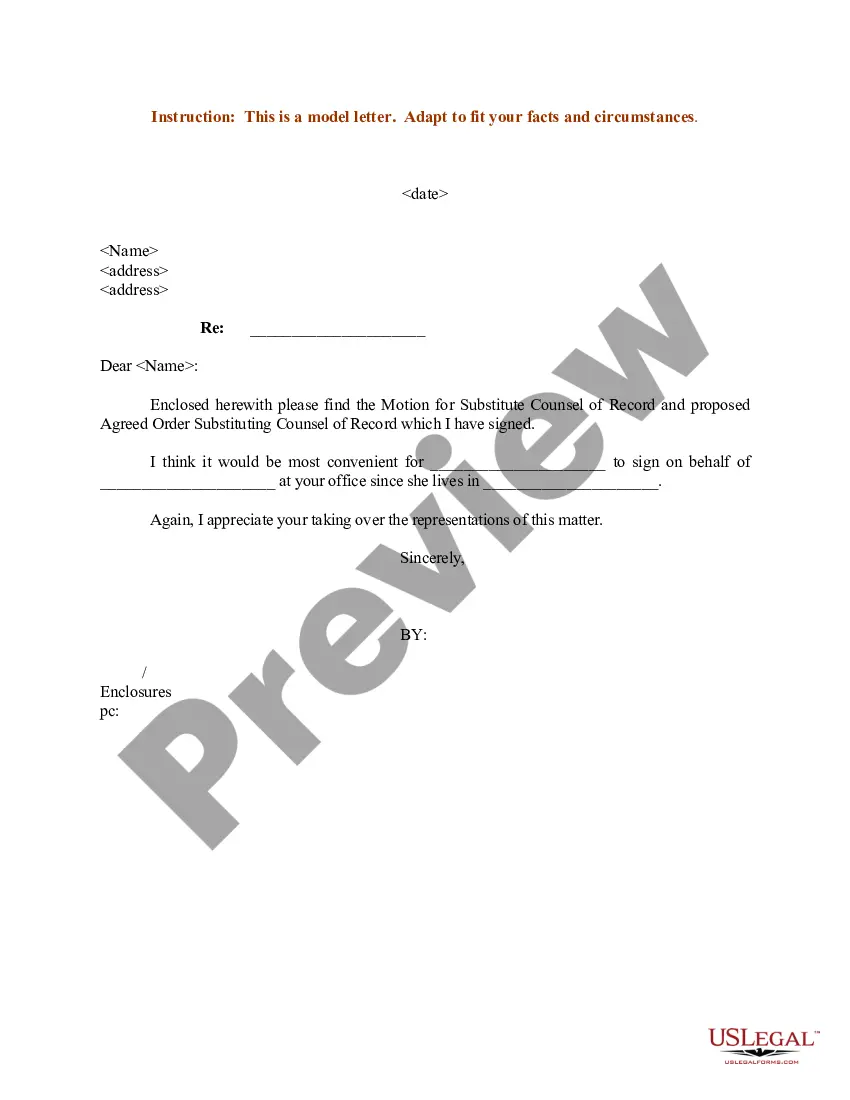
This form is a Letter to Opposing Counsel Advising of Representation, Filing of Motion and Request for Documents. It is used by an attorney to inform opposing counsel of their representation in a lawsuit, to notify them of a filed motion, and to request specific documents from the opposing party. This form helps facilitate communication and ensures that all parties are aware of the current legal proceedings.
Key components of this form
- Contact information of the attorney and their client.
- Notification of representation in the lawsuit.
- Details of the filed Motion to Continue.
- A request for copies of relevant documents.
- Professional closing and signature section.
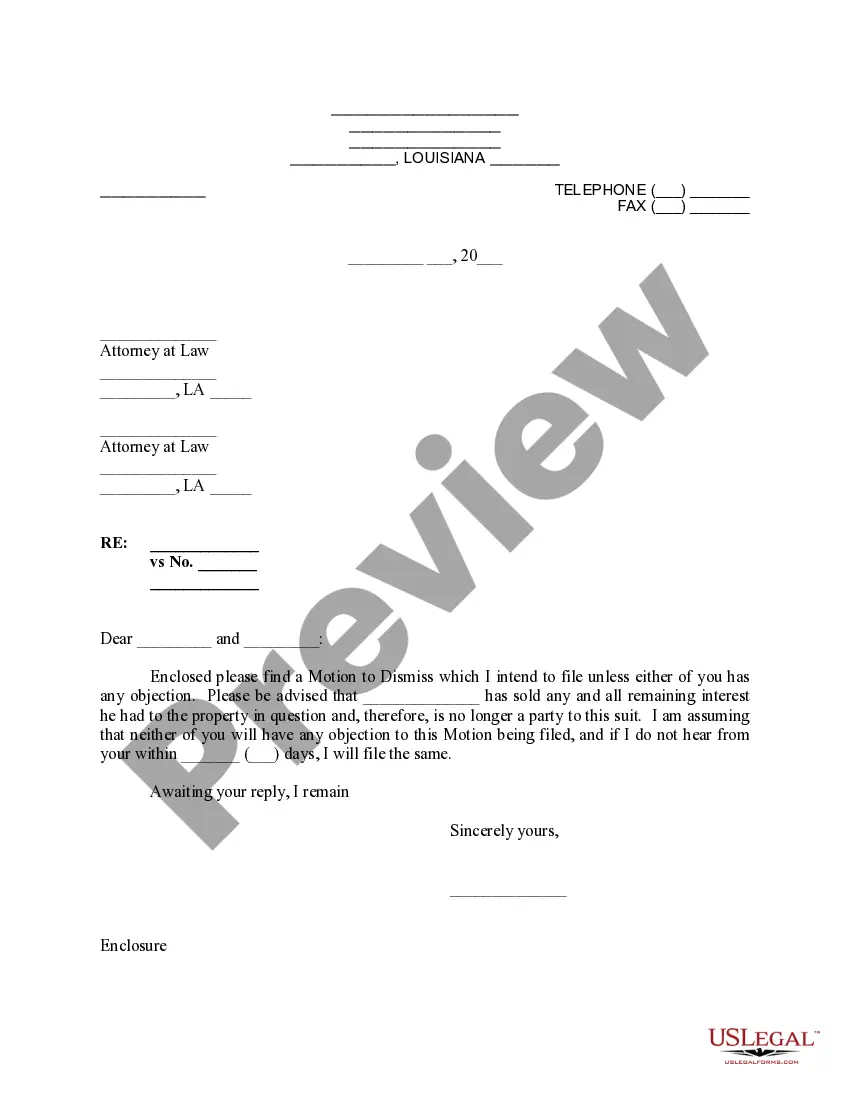
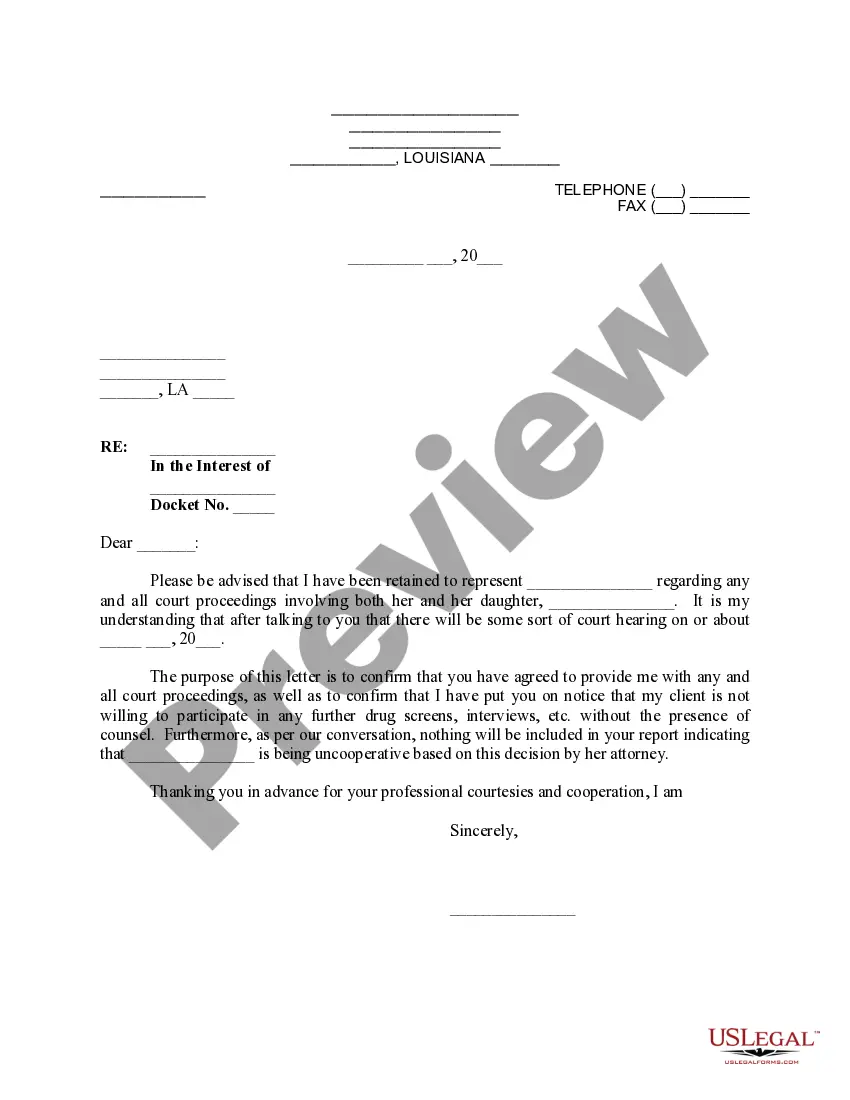
When to use this document
This form should be used when an attorney has been retained by a party involved in litigation and needs to formally notify opposing counsel of their role. It is particularly useful when the attorney has filed a motion that impacts scheduling and requires the collection of documentation from the opposing client to support their case.
Who should use this form
- Attorneys representing a party in a lawsuit.
- Legal professionals needing to communicate officially with opposing counsel.
- Clients who have retained an attorney to manage their legal affairs.
How to prepare this document
- Enter your contact details including name, address, and phone number at the top.
- Fill in the date of the letter.
- Provide the name of the opposing counsel and any relevant case details.
- Clearly state your representation of the client and reference the Motion to Continue.
- Request specific documents by listing them explicitly.
- Sign the letter and include any necessary enclosures.
Does this document require notarization?
This form does not typically require notarization to be legally valid. However, some jurisdictions or document types may still require it. US Legal Forms provides secure online notarization powered by Notarize, available 24/7 for added convenience.
Get your form ready online
Our built-in tools help you complete, sign, share, and store your documents in one place.
Make edits, fill in missing information, and update formatting in US Legal Forms—just like you would in MS Word.
Download a copy, print it, send it by email, or mail it via USPS—whatever works best for your next step.
Sign and collect signatures with our SignNow integration. Send to multiple recipients, set reminders, and more. Go Premium to unlock E-Sign.
If this form requires notarization, complete it online through a secure video call—no need to meet a notary in person or wait for an appointment.
We protect your documents and personal data by following strict security and privacy standards.

Make edits, fill in missing information, and update formatting in US Legal Forms—just like you would in MS Word.

Download a copy, print it, send it by email, or mail it via USPS—whatever works best for your next step.

Sign and collect signatures with our SignNow integration. Send to multiple recipients, set reminders, and more. Go Premium to unlock E-Sign.

If this form requires notarization, complete it online through a secure video call—no need to meet a notary in person or wait for an appointment.

We protect your documents and personal data by following strict security and privacy standards.
Mistakes to watch out for
- Failing to provide complete contact information.
- Not referencing the correct case number or parties involved.
- Overlooking the inclusion of document requests.
- Neglecting to proofread for grammatical errors before sending.
Why complete this form online
- Convenience of downloading the form anytime.
- Editability to customize the form according to specific case needs.
- Reliability, ensuring the form meets legal standards.
Looking for another form?

Form popularity
FAQ
Motions before a trial are usually made by a party to obtain the security of a court order that will govern some aspect of the parties' relations until the time of trial, as described below. Motions after trial are made to modify or enforce the orders already in place.
There's no exact time limit on how fast a judge must do his work. In the states and federal courts I am familiar with, the lawyer files a motion and sets it for hearing about six weeks later, more or less, depending on the court's docket.
A motion is an application to the court made by the prosecutor or defense attorney, requesting that the court make a decision on a certain issue before the trial begins.
A motion, in its simplest form is a list of requests that you are asking the Court grant on your behalf. You, or your attorney on your behalf, will file a Notice of Motion which includes a list of requests for the court to rule upon.