Kentucky Organizing your Personal Assets Package
Understanding this form package
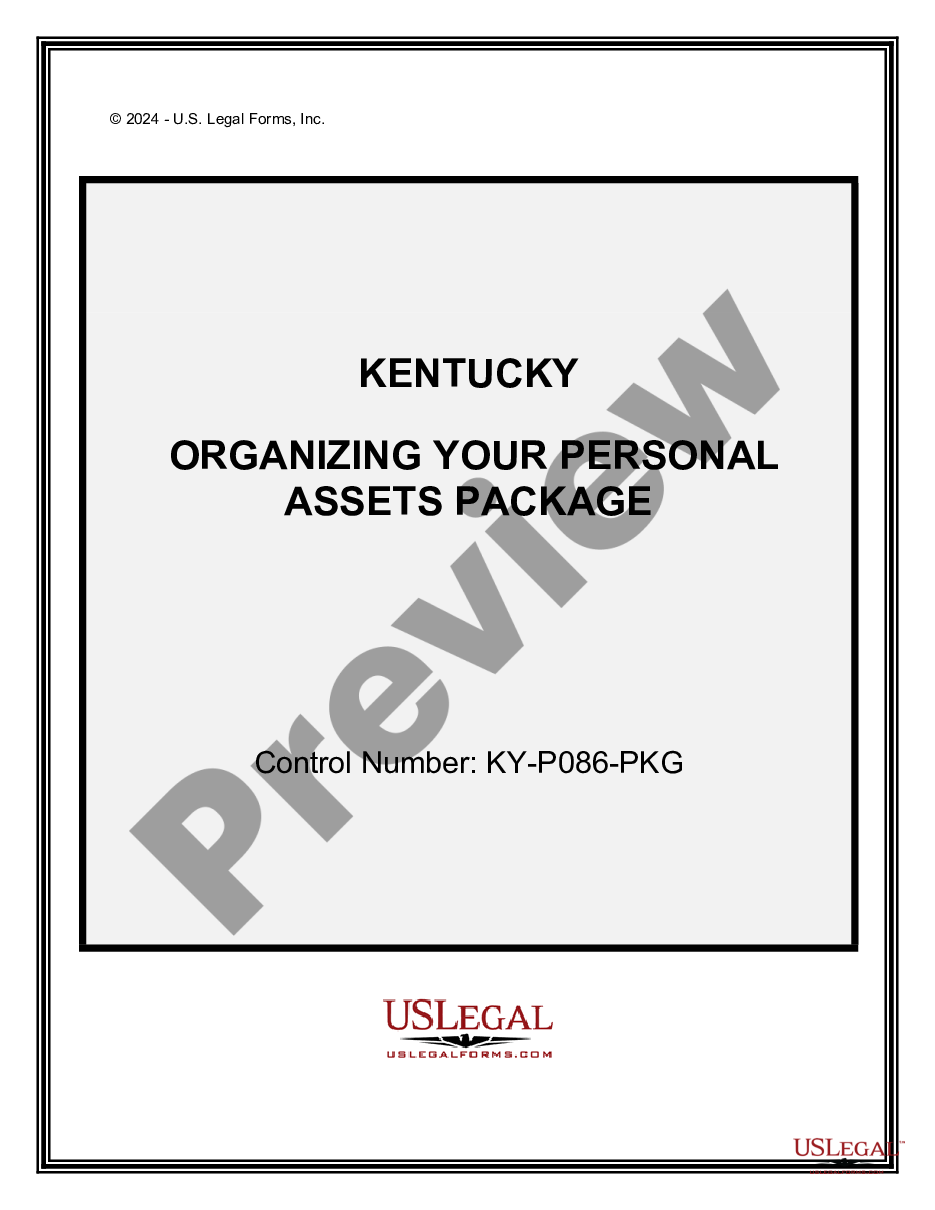
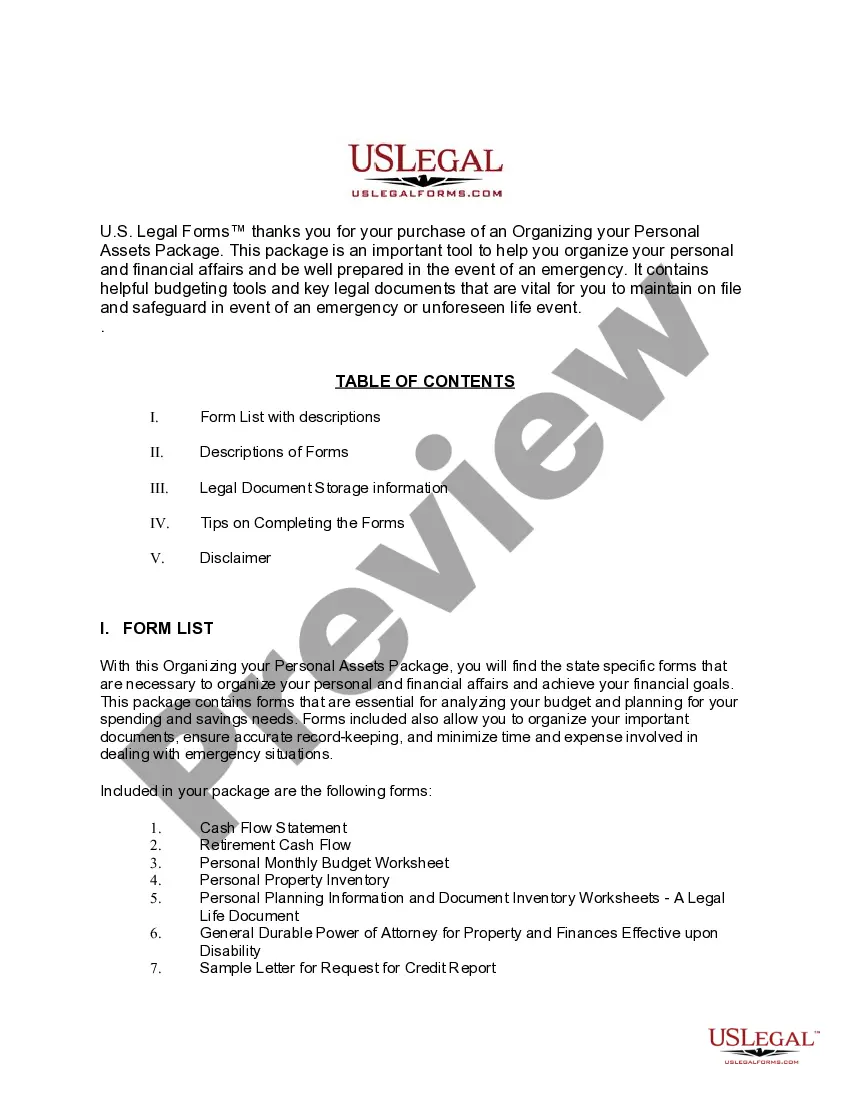
The Kentucky Organizing Your Personal Assets Package is designed to help you effectively organize your personal and financial affairs. This comprehensive form package provides state-specific forms tailored to meet your budgeting, document management, and financial planning needs. Unlike generic forms, this package includes essential tools for analyzing your budget, planning for expenses and savings, and ensuring that you have all your important documents neatly organized for easy access, especially during emergencies.
Forms provided in this package
- General Durable Power of Attorney for Property and Finances or Financial Effective upon Disability
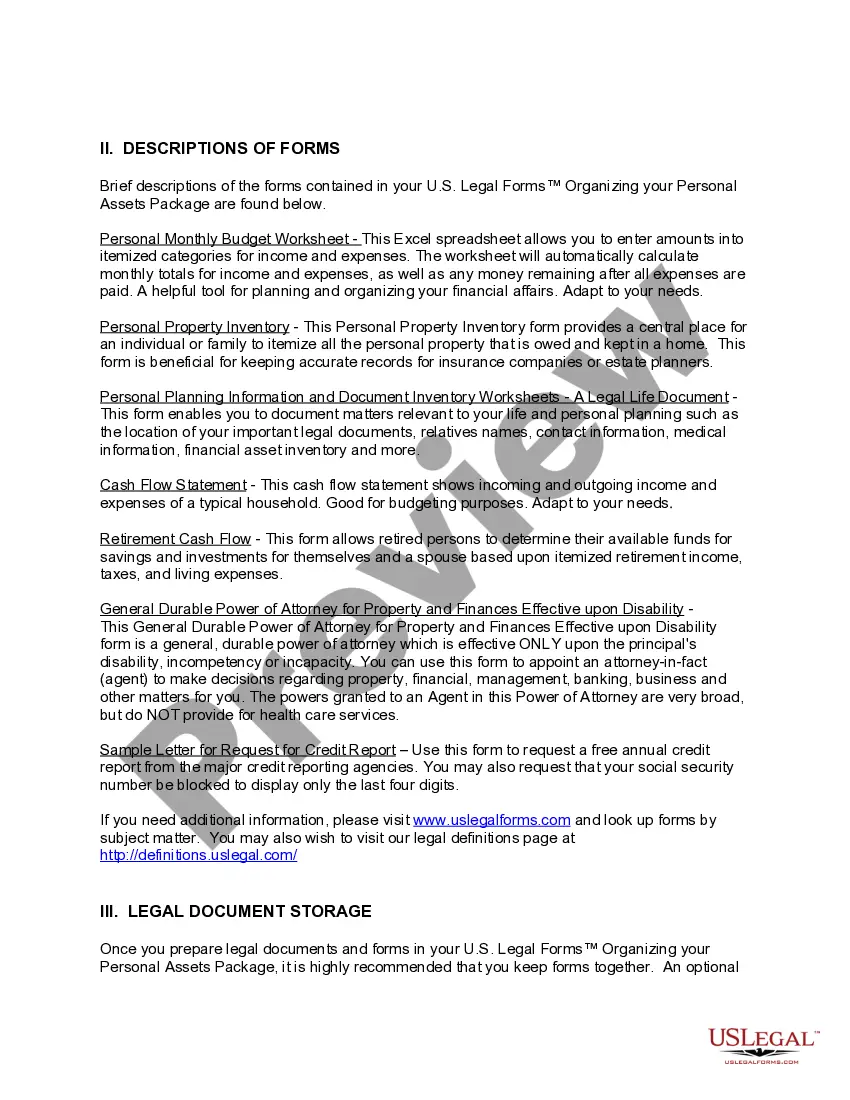
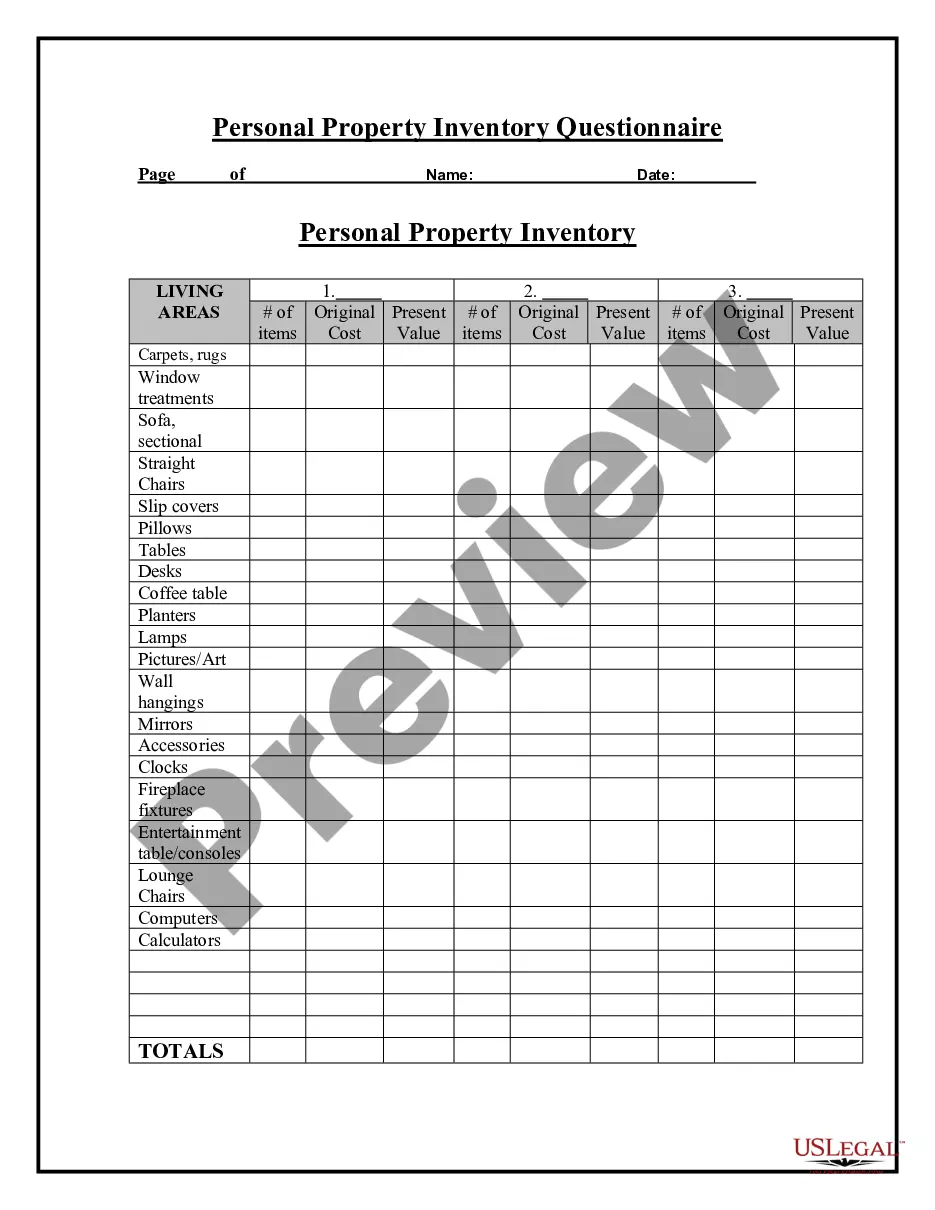
- Personal Property Inventory
- Sample Letter for Request for Free Credit Report Allowed by Federal Law
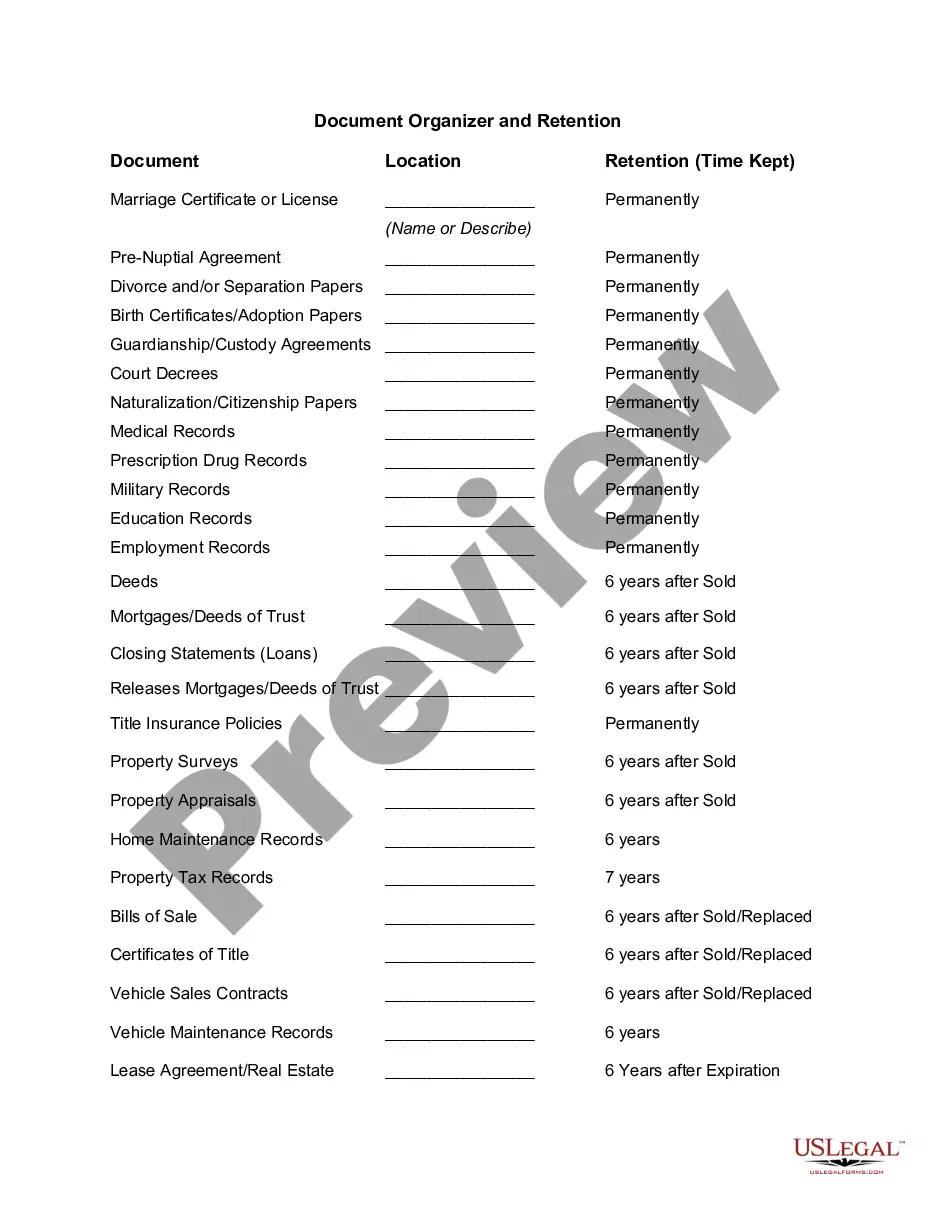
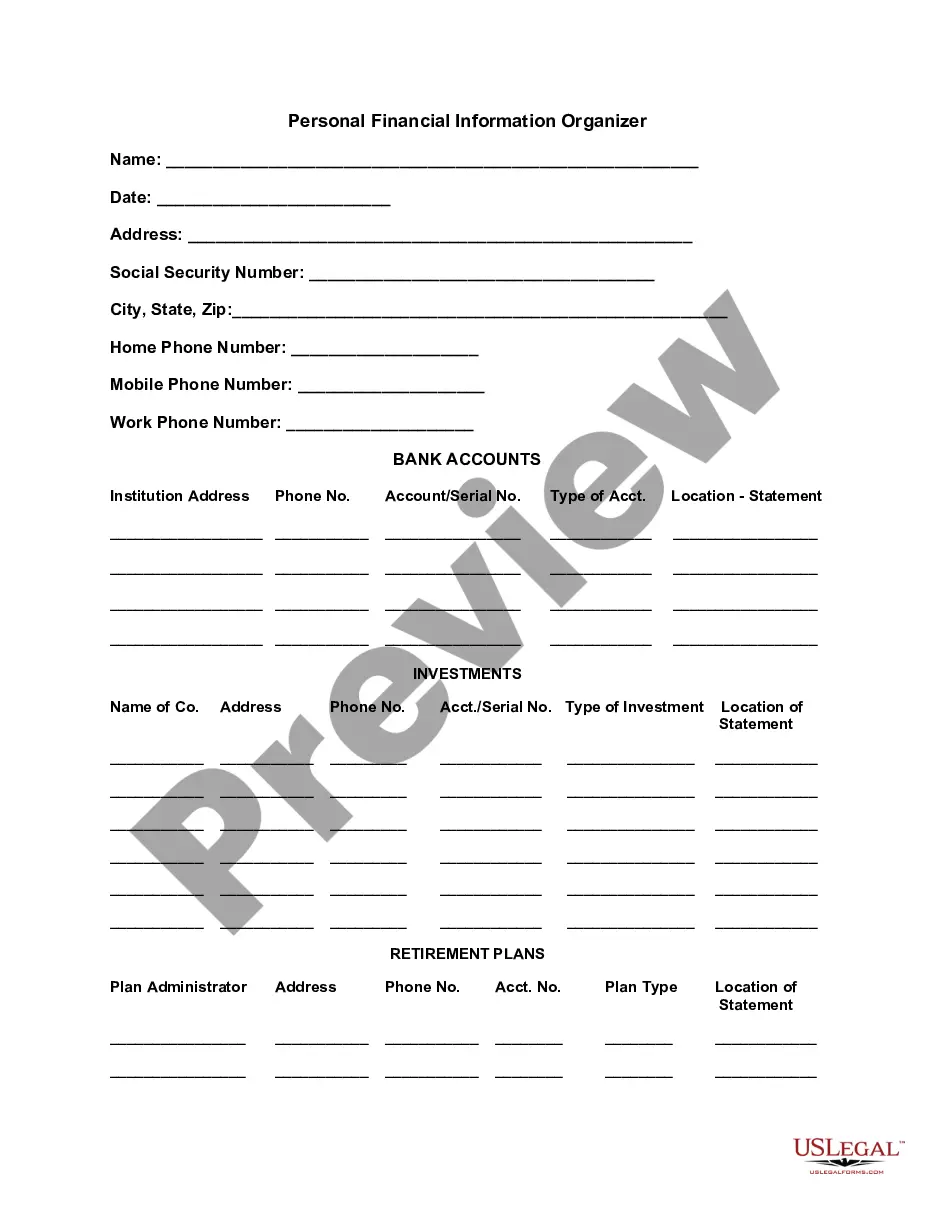
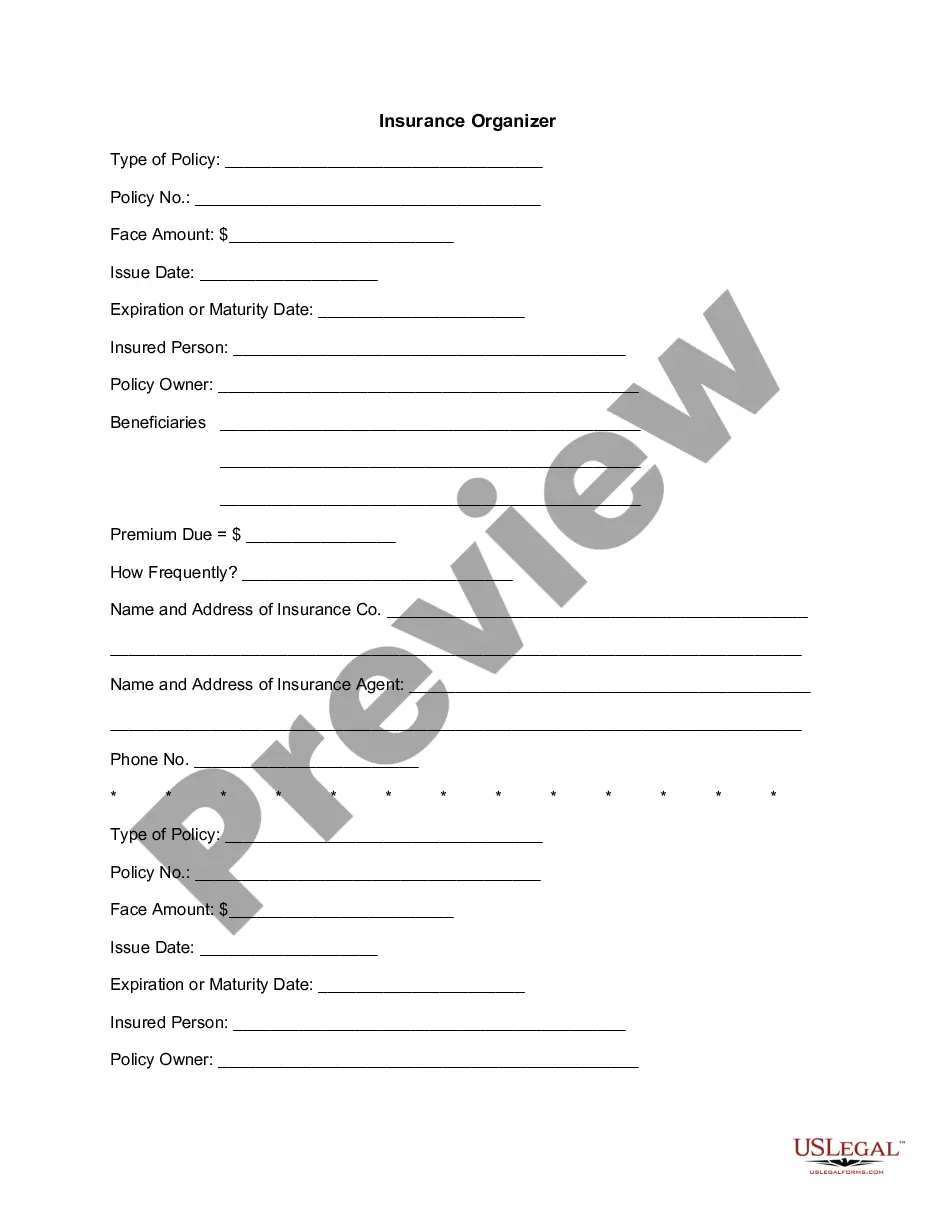
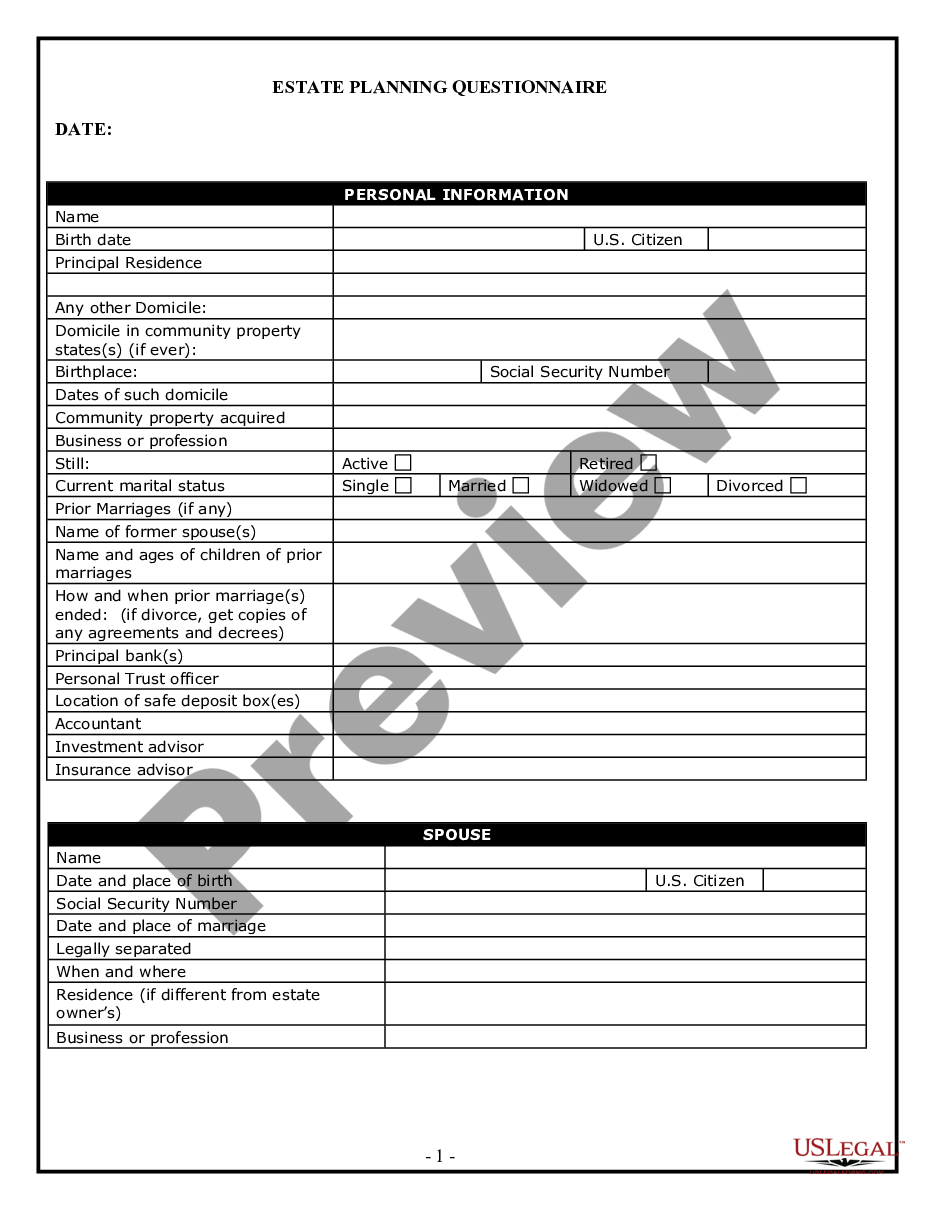
- Personal Planning Information and Document Inventory Worksheets - A Legal Life Document
- Cash Flow Statement
- Retirement Cash Flow
- Personal Monthly Budget Worksheet
When to use this document
This package is useful in various real-world scenarios, including:
- When you want to review and analyze your household cash flow.
- When preparing to retire and needing to assess retirement income and expenses.
- When creating a personal monthly budget to control spending and save more effectively.
- When documenting personal property for insurance or estate planning purposes.
- When you need to organize and inventory important life documents for better accessibility.
Who this form package is for
- Individuals looking to take control of their personal finances.
- Families needing to organize their financial and legal documents.
- Individuals preparing for retirement.
- Those who wish to create a detailed inventory of personal property.
- Anyone who wants to ensure proper record-keeping during emergency situations.
Steps to complete these forms
- Review the included forms to understand their purpose and information requirements.
- Gather necessary financial documents and personal information needed for completion.
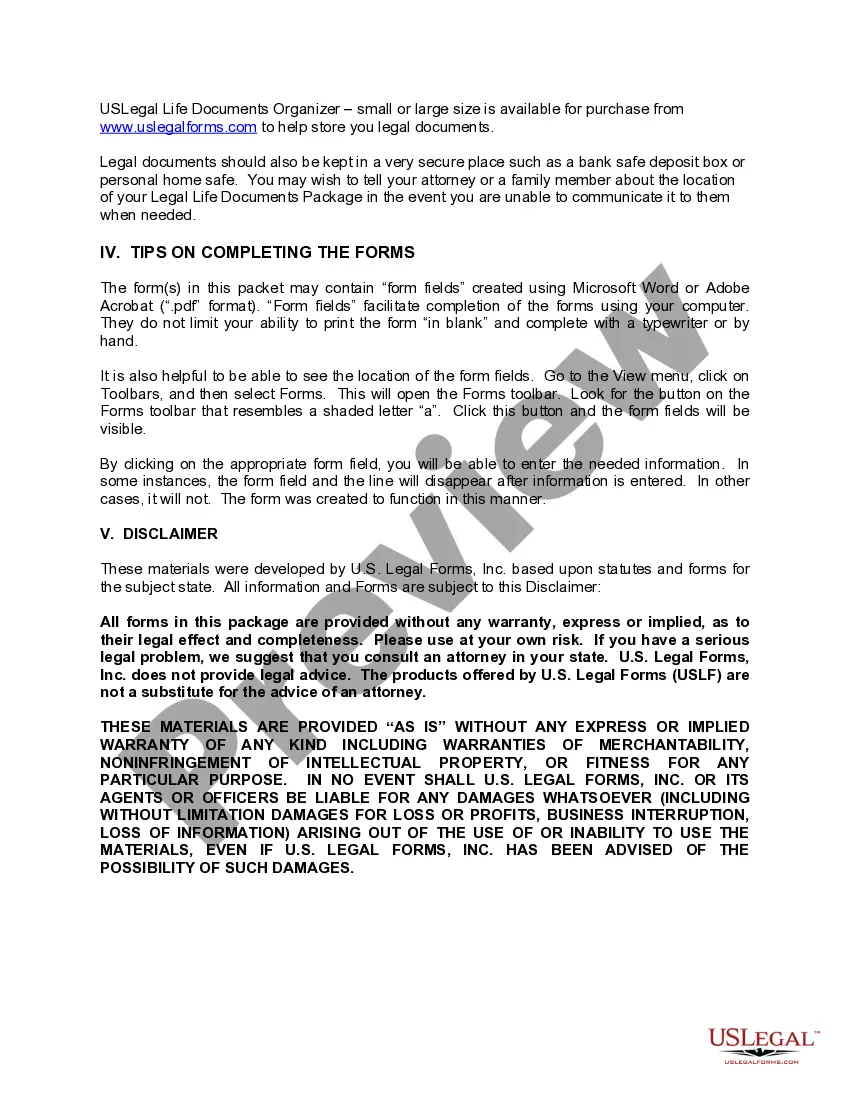
- Fill out each form using your computer or by hand, ensuring all fields are completed accurately.
- Keep a copy of each completed form for your records.
- Store your completed documents in a secure place for easy access in emergencies.
Notarization requirements for forms in this package
Some forms in this package need notarization to be legally binding. Our online notarization service, powered by Notarize, lets you verify and sign documents remotely through an encrypted video session, available 24/7.
Get your form ready online
Our built-in tools help you complete, sign, share, and store your documents in one place.
Make edits, fill in missing information, and update formatting in US Legal Forms—just like you would in MS Word.
Download a copy, print it, send it by email, or mail it via USPS—whatever works best for your next step.
Sign and collect signatures with our SignNow integration. Send to multiple recipients, set reminders, and more. Go Premium to unlock E-Sign.
If this form requires notarization, complete it online through a secure video call—no need to meet a notary in person or wait for an appointment.
We protect your documents and personal data by following strict security and privacy standards.

Make edits, fill in missing information, and update formatting in US Legal Forms—just like you would in MS Word.

Download a copy, print it, send it by email, or mail it via USPS—whatever works best for your next step.

Sign and collect signatures with our SignNow integration. Send to multiple recipients, set reminders, and more. Go Premium to unlock E-Sign.

If this form requires notarization, complete it online through a secure video call—no need to meet a notary in person or wait for an appointment.

We protect your documents and personal data by following strict security and privacy standards.
Avoid these common issues
- Failing to update the forms regularly with changes in income or financial status.
- Not documenting all important assets in the Personal Property Inventory.
- Overlooking to appoint a reliable attorney-in-fact in the Durable Power of Attorney form.
- Ignoring to keep completed documents in a secure location.
Why complete this package online
- Convenient access and download of essential forms tailored to your state's requirements.
- Edit and customize forms to fit your specific needs easily.
- Reduce time spent on research and ensure you have the correct legal documents for your situation.
- Peace of mind knowing that the forms are drafted by licensed attorneys.
Legal use & context
- This package provides reliable forms for personal and financial organization, ensuring compliance with Kentucky law.
- Completion of these forms establishes a solid foundation for personal asset management and planning.
- Filling out these forms does not guarantee legal validity unless they are used in accordance with state laws.
Quick recap
- The Kentucky Organizing Your Personal Assets Package offers essential forms for managing your finances and personal documentation.
- Use this package to enhance your financial awareness and preparedness for emergencies.
- Ensure forms are completed accurately and stored securely for future use.
Looking for another form?
Form popularity
FAQ
In its simplest form, your balance sheet can be divided into two categories: assets and liabilities. Assets are the items your company owns that can provide future economic benefit. Liabilities are what you owe other parties. In short, assets put money in your pocket, and liabilities take money out!
Cash and cash equivalents: Treasury bills, certificates of deposit, and cash. Marketable securities: Debt securities or equity that is liquid. Accounts receivables: Money owed by customers to be paid in the short-term. Inventory: Goods available for sale or raw materials.
Tangible Assets. Tangible assets are any assets that have a physical presence. Intangible Assets. Intangible assets are assets that have no physical presence. Financial Asset. A financial asset is an asset that has a value that's based on a contract. Fixed Assets. Current Assets.
Assets are persons or things that can produce value. People can be assets because of the value they bring to a relationship or organization. Things which are assets have value for the owner because they can be converted into cash. Cash on hand is also considered an asset.
Assets. Mostly assets are classified based on 3 broad categories, namely Current assets or short-term assets. Fixed assets or long-term assets. Tangible assets. Intangible assets. Operating assets. Non-operating assets. Liability.