Illinois Siding Contractor Package
Understanding this form package
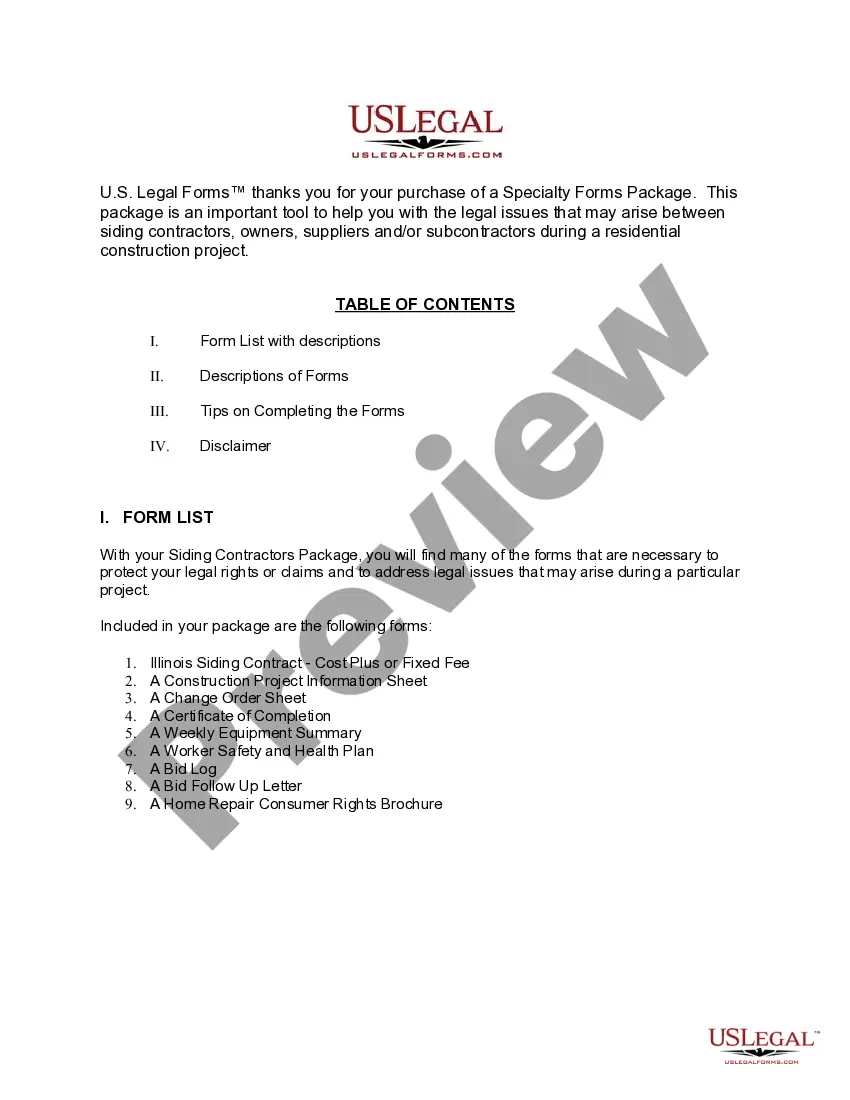
The Illinois Siding Contractor Package provides essential legal documents for siding contractors, owners, or siding subcontractors. This package includes a siding contract designed to comply with Illinois state law, ensuring that your business operations and client relationships are protected. By consolidating all necessary forms, this package saves you time and ensures compliance with legal standards, differentiating it from other forms that may not be tailored to your specific needs.
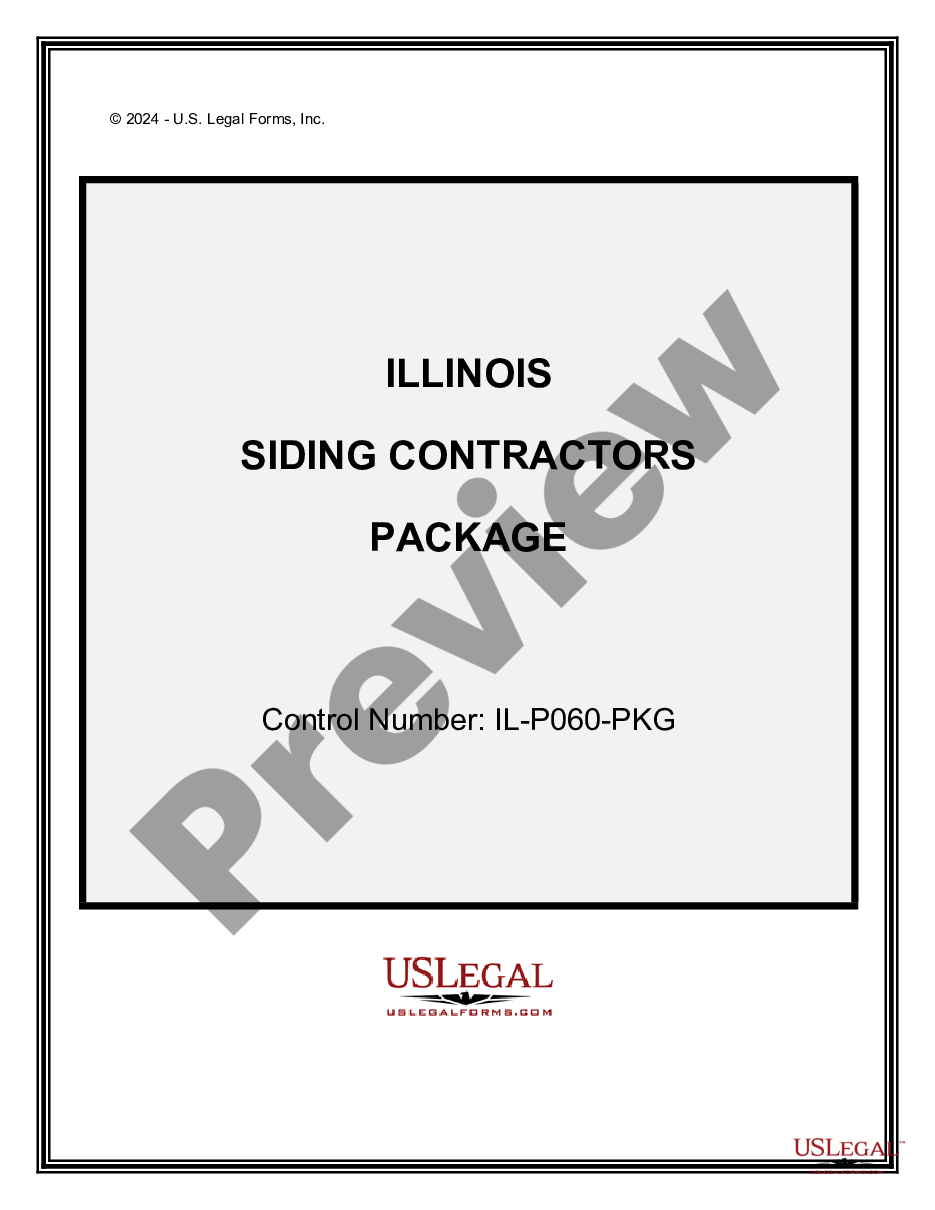
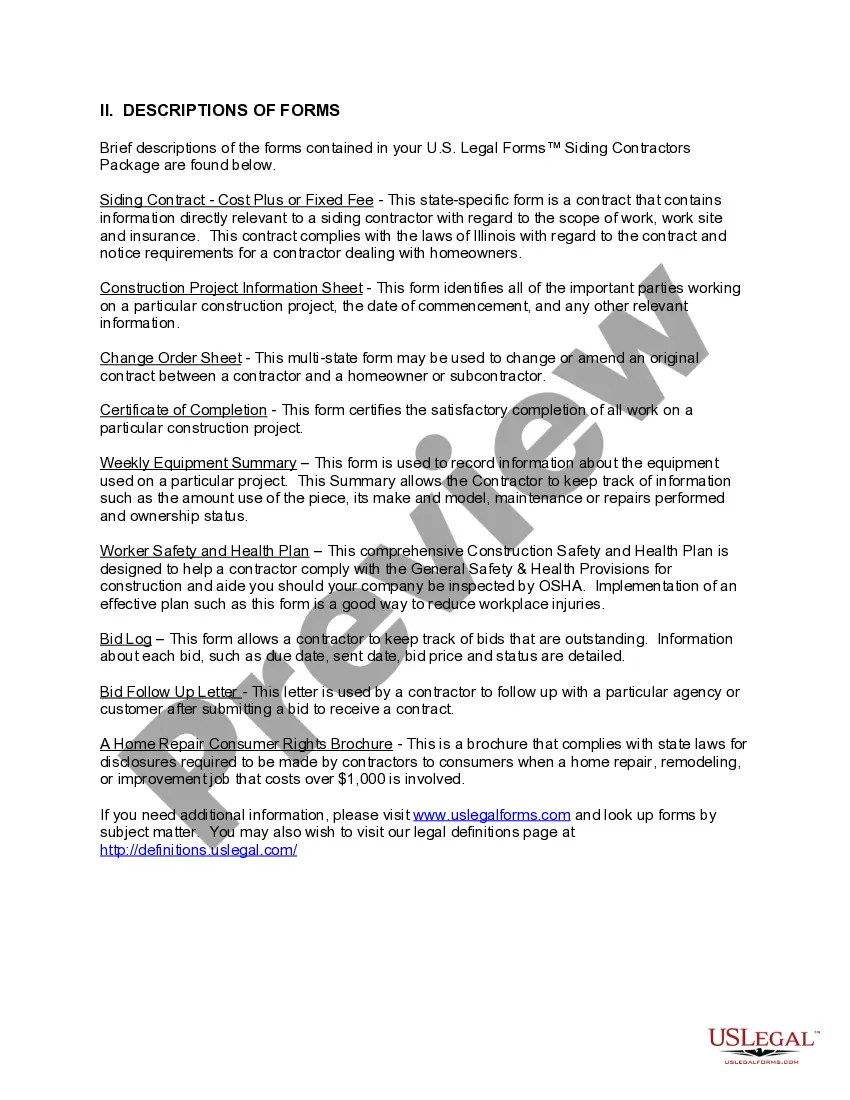
Forms included in this package
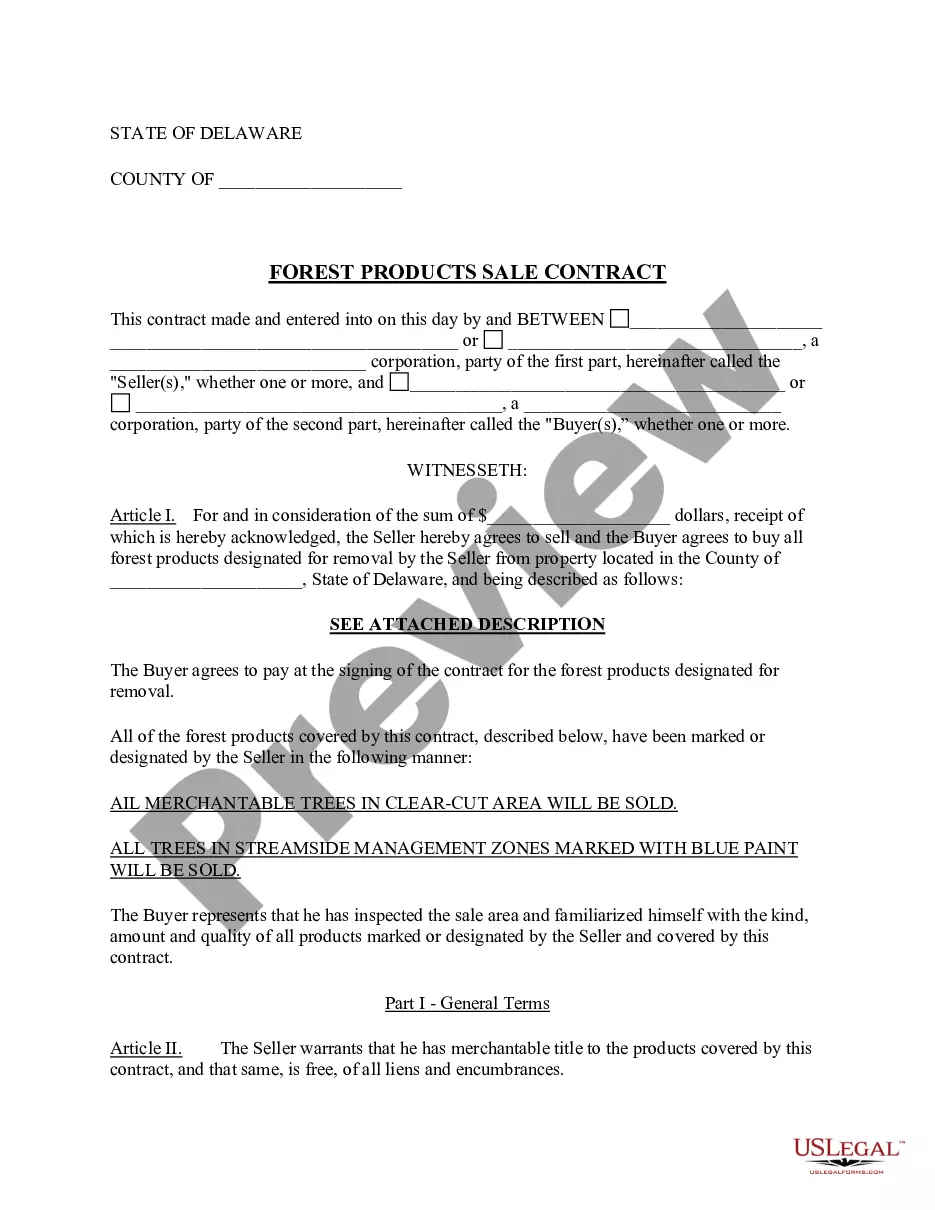
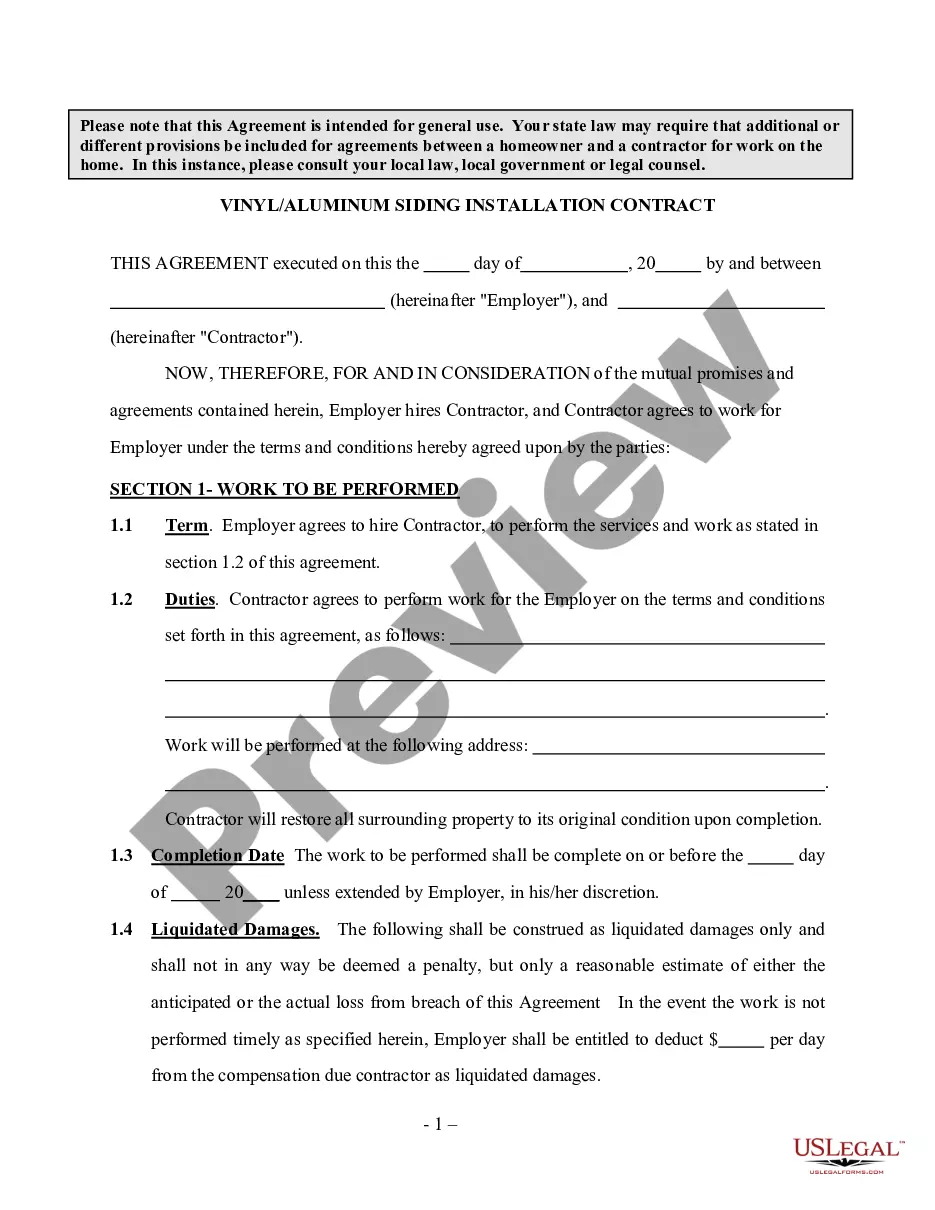
- Siding Contract for Contractor
- Illinois Home Repair Consumer Rights Brochure
- Contractor's Weekly Equipment Summary
- Contractor's Bid Log
- Contractor's Bid Follow Up Letter
- Construction Safety and Health Plan
- Change Order for Construction or Repairs by Contractor
- Certification of Completion by Contractor
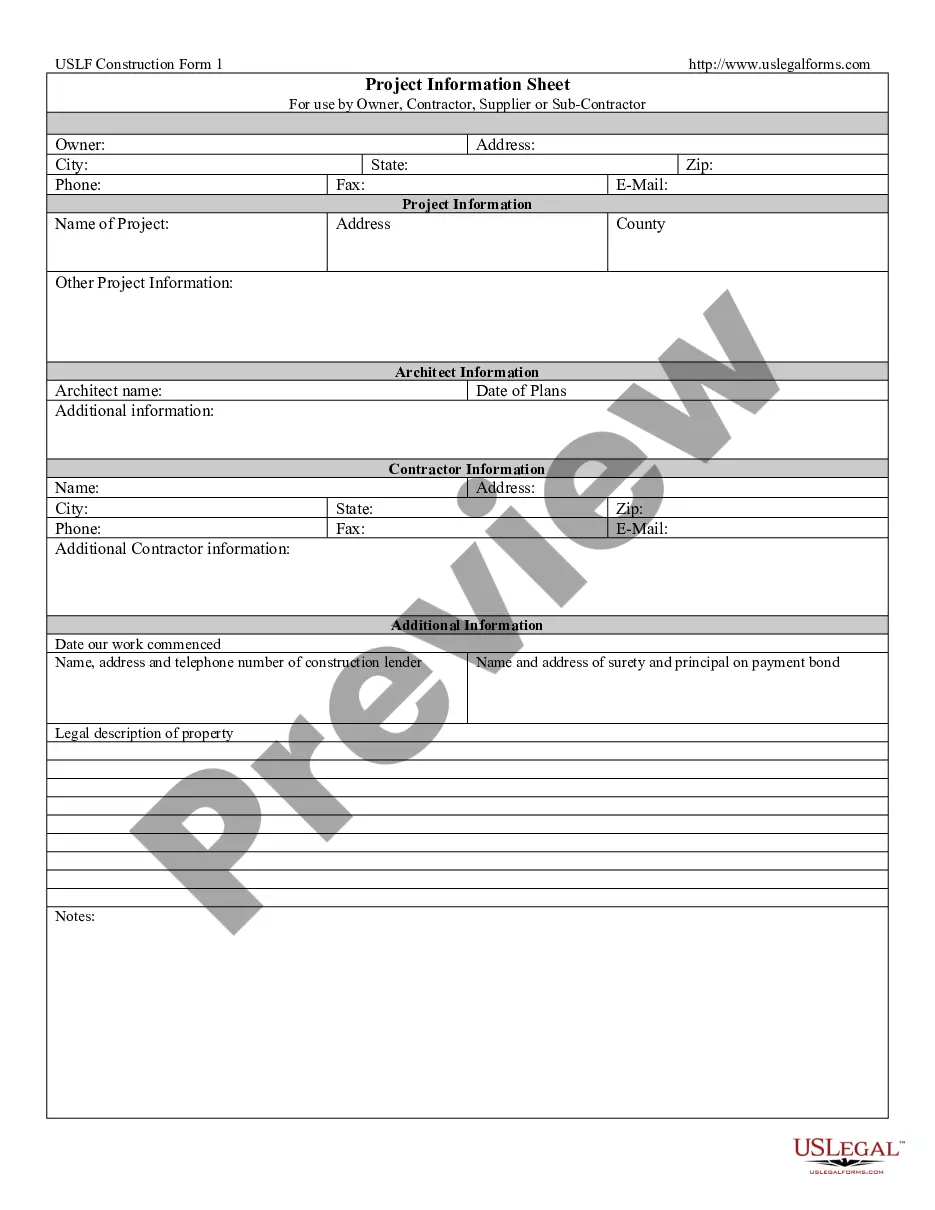
- Construction Project Information Sheet


When to use this form package
This form package is useful in several scenarios, including:
- When entering into a siding contract with a homeowner or subcontractor.
- When documenting important project details and specifications.
- When making changes to existing contracts through change orders.
- For certifying the completion of a siding project.
- When developing safety plans for workers on a construction site.
- To track bids and follow up on proposals submitted to potential clients.
Who can use this document
- Siding contractors working on residential or commercial projects in Illinois.
- Homeowners hiring siding contractors for their home improvement projects.
- Siding subcontractors involved in larger construction contracts.
- Construction project managers overseeing siding installations.
- Businesses that need to maintain proper documentation for legal compliance.
Steps to complete these forms
- Review included forms to understand their purpose and requirements.
- Identify the parties involved in the contract, including contractors and homeowners.
- Enter the relevant dates, prices, and details for each project.
- Document changes to contracts using the change order sheet as necessary.
- Complete the certificate of completion once the project is finalized.
- Utilize the weekly equipment summary and worker safety plan throughout the project to maintain compliance.
Do forms in this package need to be notarized?
Notarization is not commonly needed for forms in this package. However, if your state’s laws require it, our notarization service, powered by Notarize, allows you to finalize documents online 24/7 without in-person visits.
Get your form ready online
Our built-in tools help you complete, sign, share, and store your documents in one place.
Make edits, fill in missing information, and update formatting in US Legal Forms—just like you would in MS Word.
Download a copy, print it, send it by email, or mail it via USPS—whatever works best for your next step.
Sign and collect signatures with our SignNow integration. Send to multiple recipients, set reminders, and more. Go Premium to unlock E-Sign.
If this form requires notarization, complete it online through a secure video call—no need to meet a notary in person or wait for an appointment.
We protect your documents and personal data by following strict security and privacy standards.

Make edits, fill in missing information, and update formatting in US Legal Forms—just like you would in MS Word.

Download a copy, print it, send it by email, or mail it via USPS—whatever works best for your next step.

Sign and collect signatures with our SignNow integration. Send to multiple recipients, set reminders, and more. Go Premium to unlock E-Sign.

If this form requires notarization, complete it online through a secure video call—no need to meet a notary in person or wait for an appointment.

We protect your documents and personal data by following strict security and privacy standards.
Typical mistakes to avoid
- Failing to fill out all necessary sections of the forms, which can lead to incomplete contracts.
- Not reviewing the forms for compliance with Illinois state laws before use.
- Neglecting to keep accurate records of project changes, potentially leading to disputes.
- Misunderstanding the terms outlined in the contract and change order, which can create legal issues.
Benefits of completing this package online
- Convenient access to all necessary forms in one package, saving time and effort.
- Editability allows you to customize forms to fit specific project details and client needs.
- Reliable templates drafted by licensed attorneys ensure adherence to state laws.
- Immediate downloads allow for quick use without the need for physical shipping.
Legal use & context
- The forms included are designed to protect the legal rights of contractors and homeowners.
- Completing these forms accurately is essential for enforceability in Illinois.
- Misuse or incomplete forms may result in legal disputes or claims being invalidated.
Main things to remember
- The Illinois Siding Contractor Package provides comprehensive legal documentation tailored for siding projects.
- Understanding when and how to use each form is crucial for compliance and legal protection.
- Using these forms correctly can help prevent disputes and ensure a smooth contracting process.
Looking for another form?


Form popularity
FAQ
All subcontractors must file and pay taxes including state, local and federal income and self-employment taxes on their own. The general contractor must file IRS Form 1099-MISC if the subcontractor earns over $600.
A rule of thumb for independent contractors is that the vendor should be allowed to mark up your pay rate by about 15 percent when billing the client. This allows the vendor a respectable profit without making the bill rate outrageous.
Clients withhold retention against main contractors and main contractors withhold payment against sub-contractors. Retentions typically take the form of a percentage on the contract value. The rate can vary wildly but is typically around 5%.
To find subcontractors, GCs and PMs usually go to sites like BuildingConnected, AGC, BIA, and other trade organizations. Once there, a GC will put out a Request for Proposal (RFP). RFPs list out important project details, like the skills needed, objectives, and the project timeline.
Subcontractor markup will vary by trade and can be upwards of 25% depending on the trade and whether the work is union or non-union. To summarize, the contractor marks up work performed his own employed workers and each subcontractor (or supplier) hired by the contractor will mark up their own work.
When clients hire you to work on a specific project or on a freelance basis, you are usually considered a contractor. You provide the labor, services, and sometimes whatever equipment is needed to get the project done.Subcontractors are companies or individual people that you hire to help you complete a project.