Idaho Affidavit in Lieu of Administration
Understanding this form
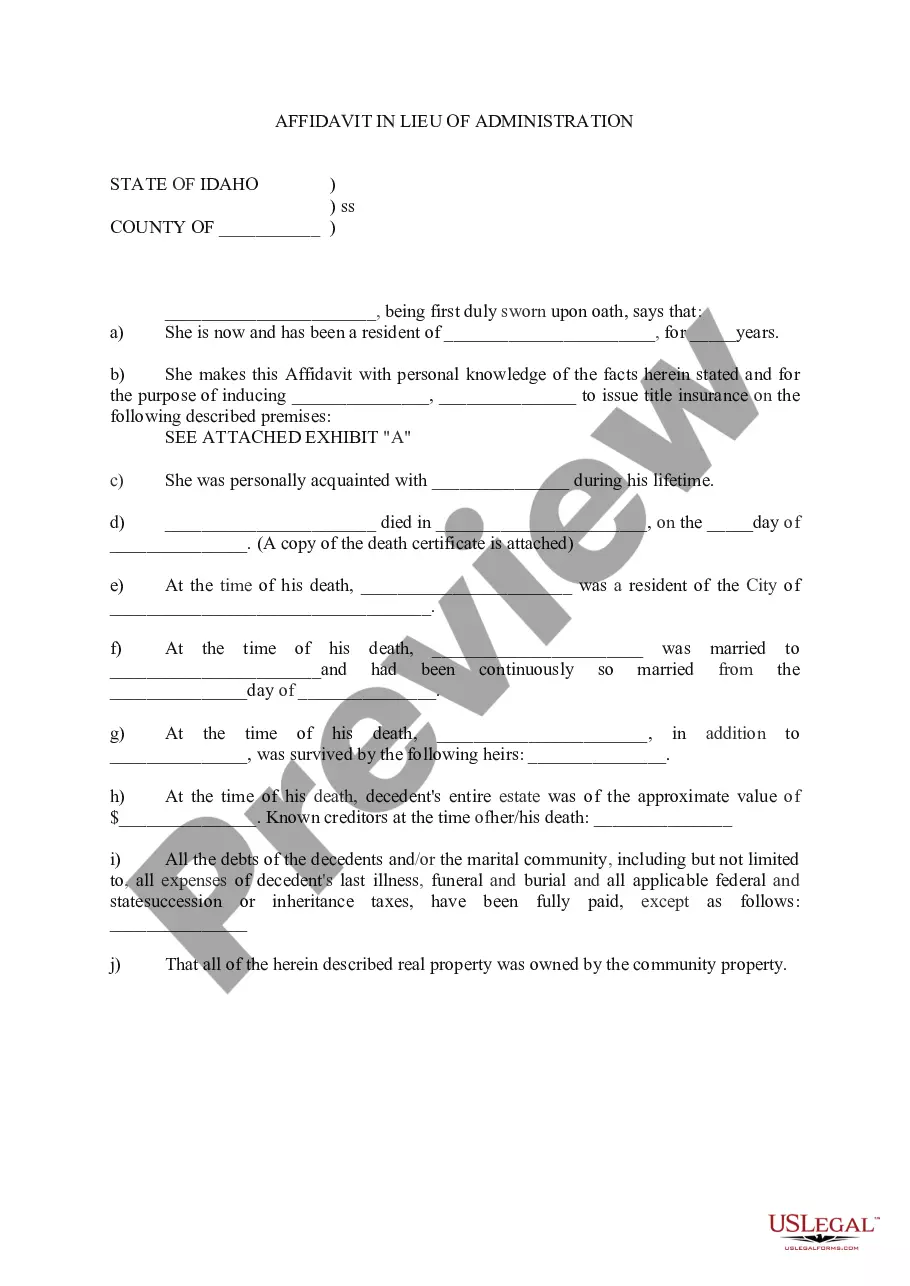
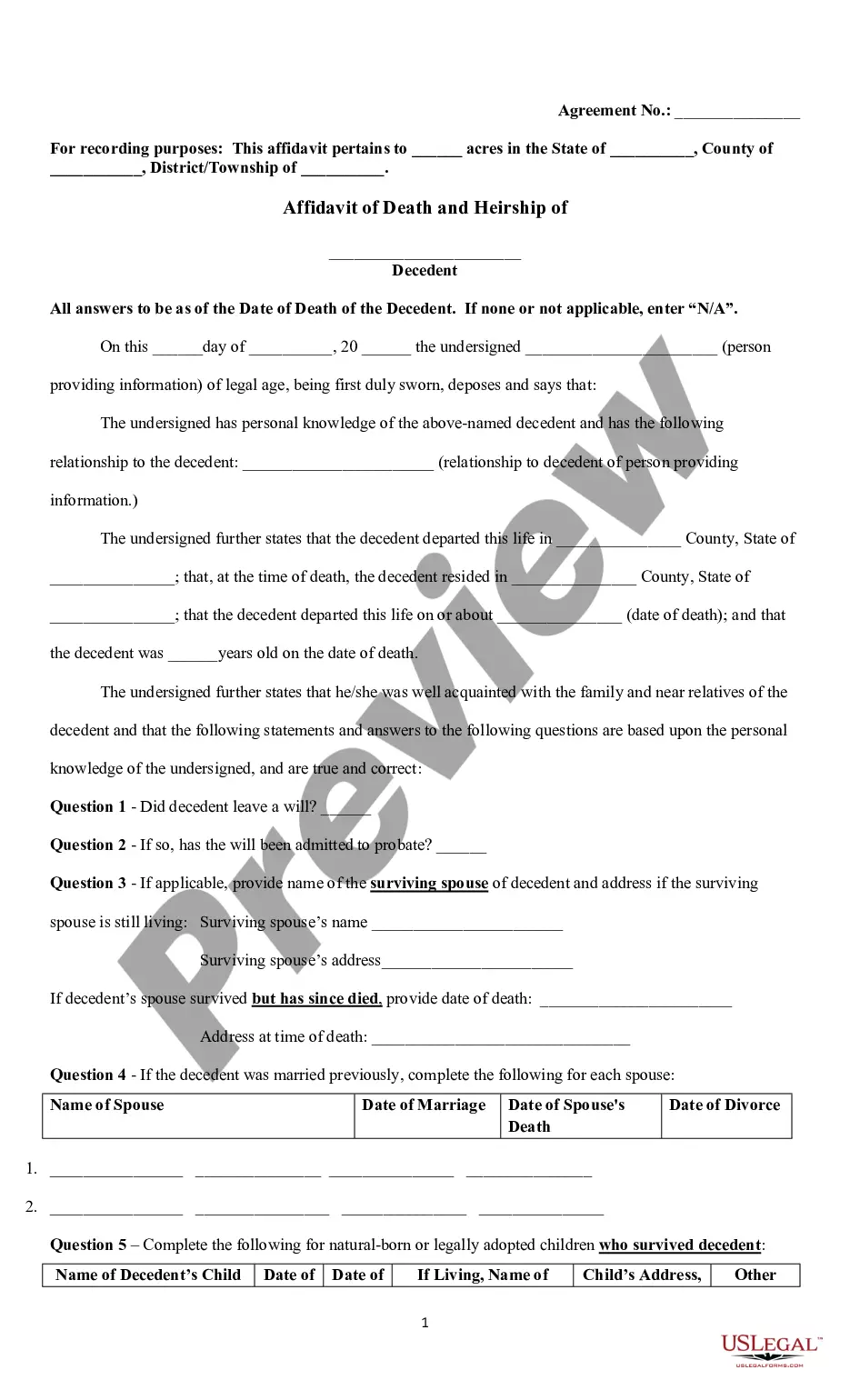
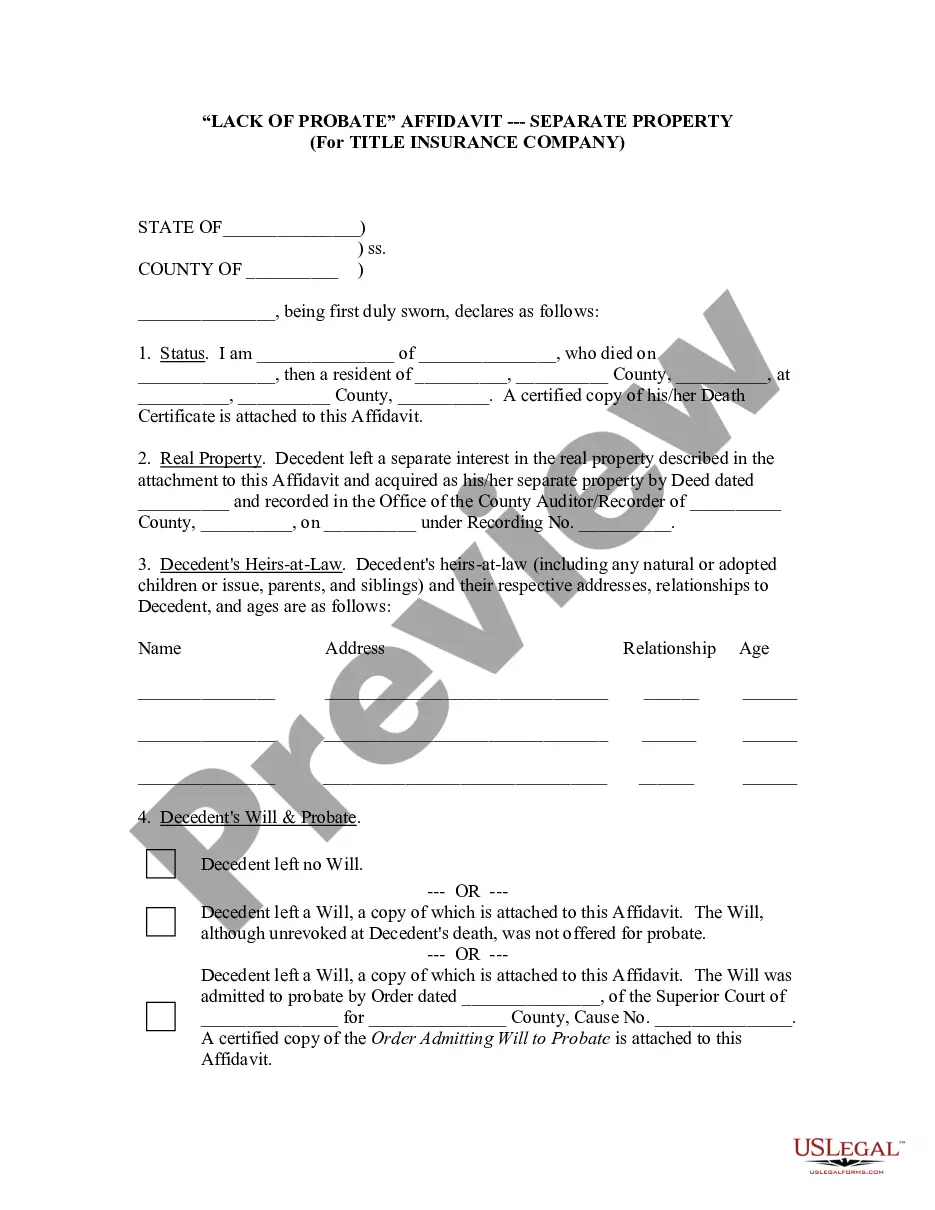
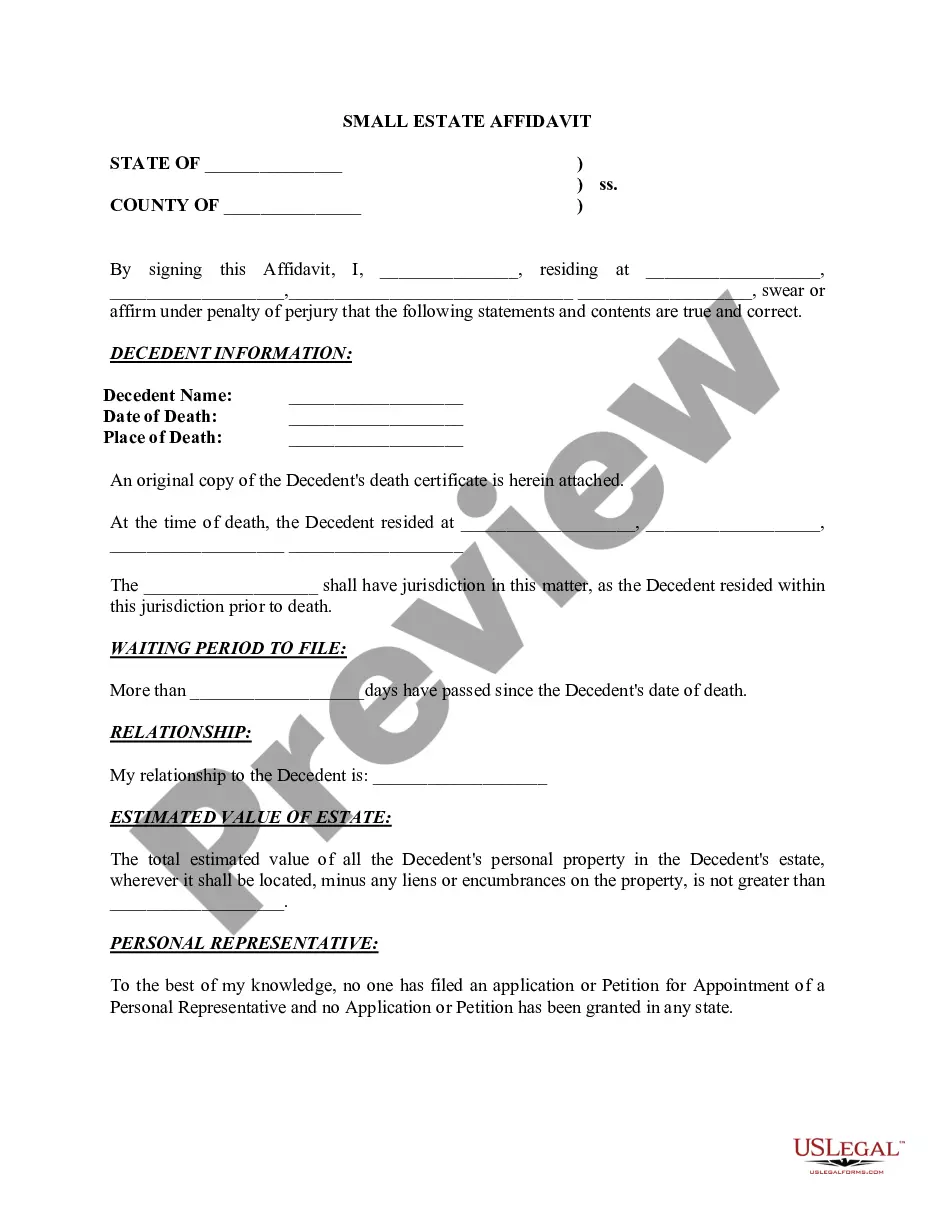
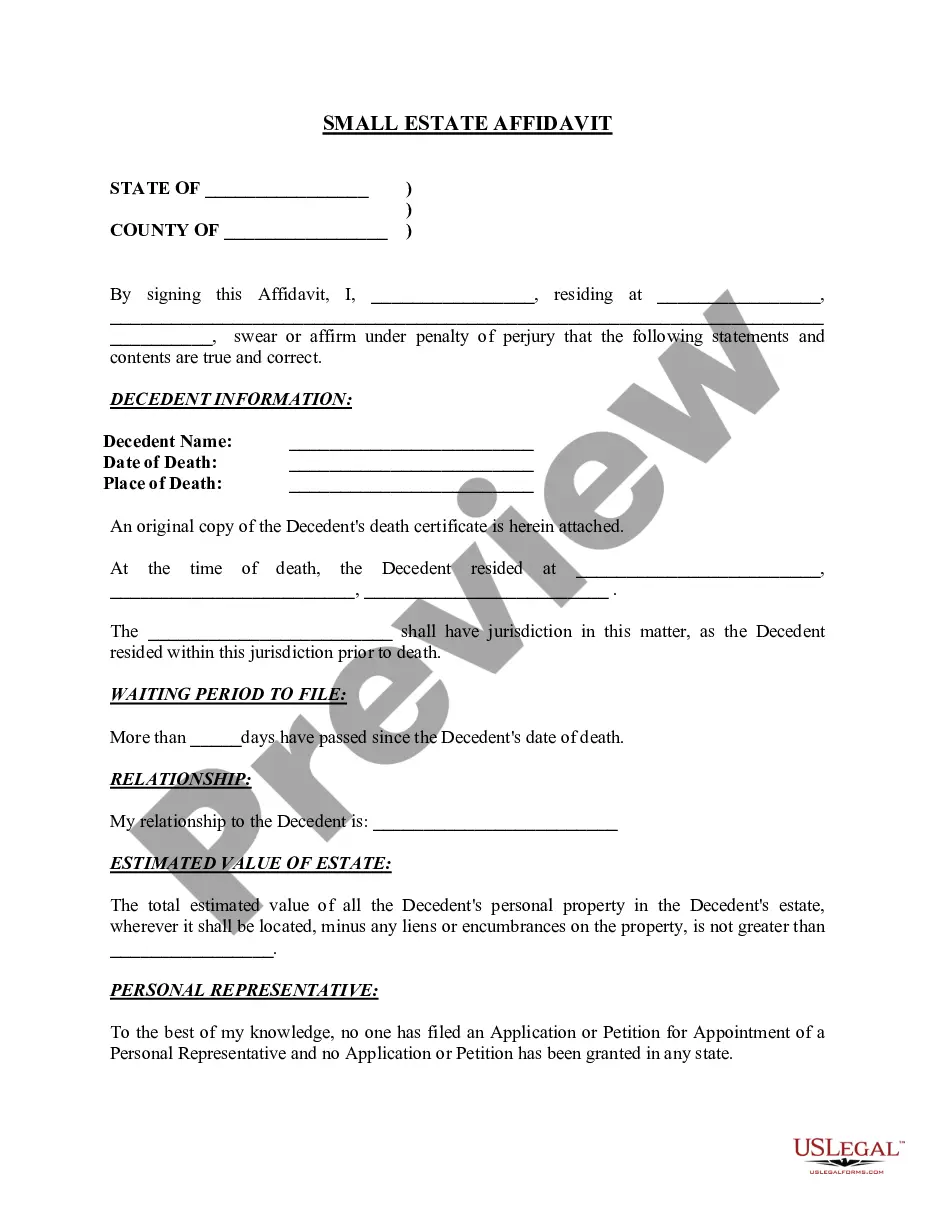
The Affidavit in Lieu of Administration is a legal document used to provide a sworn statement about the estate of a deceased person. This form is particularly relevant when one wishes to simplify the estate administration process without going through formal probate. Unlike a full probate proceeding, this affidavit allows for the immediate transfer of certain estate assets, making it beneficial for quick estate resolution.
Key parts of this document
- The declarantâs personal information and residency details.
- The relationship of the declarant to the deceased.
- The date and place of the deceased's death.
- Information about the deceased's marriage and surviving heirs.
- A declaration regarding the debts and estimated value of the estate.
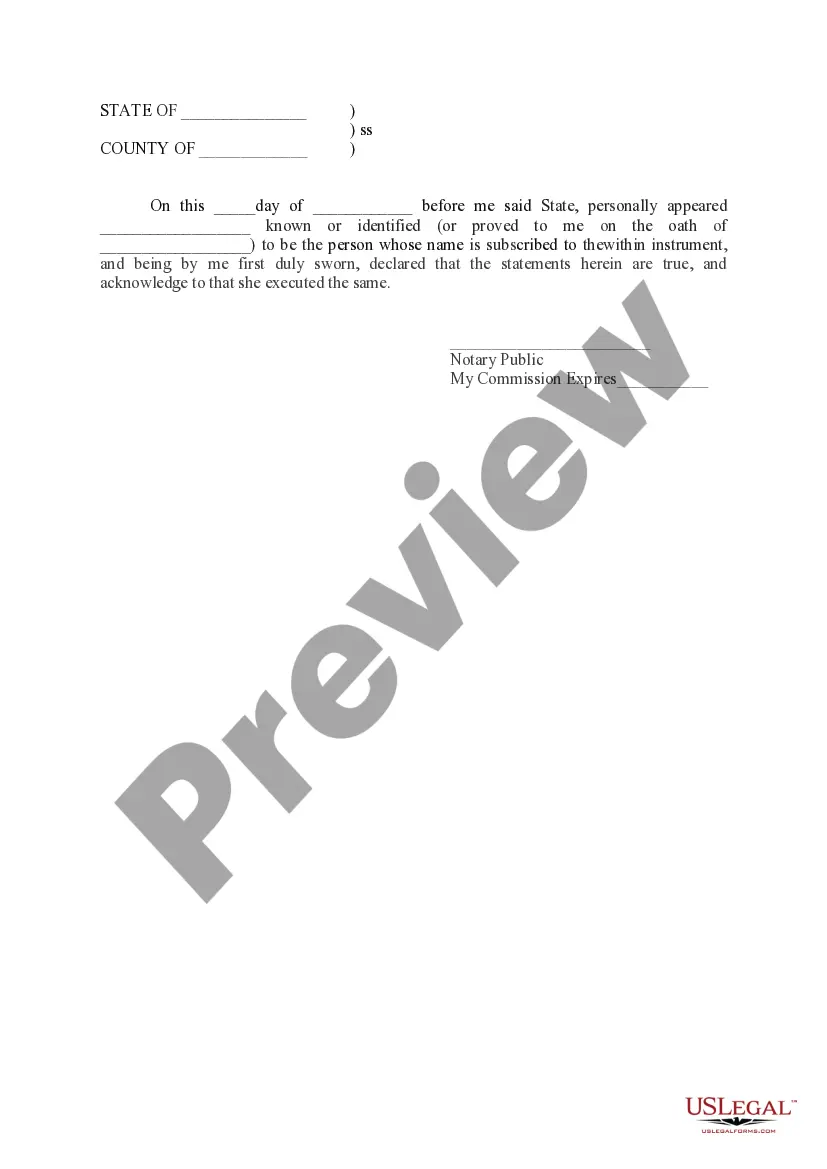
- Space for notarization and verification by a notary public.
Situations where this form applies
This form is typically used when a person passes away without a will or when expedited administration of an estate is desired. It is ideal in situations where the estate's total value is manageable and the heirs wish to avoid the complexities of a full probate process. Additionally, it can be used to confirm the transfer of property ownership in cases where the deceased owned real estate.
Who should use this form
- Individuals who are family members or close relatives of the deceased.
- Heirs seeking to settle an estate quickly without formal probate.
- Those needing to transfer assets of the deceased, including real estate.
- Personal representatives or administrators managing the estate on behalf of the heirs.
Steps to complete this form
- Enter the declarant's name and residency information.
- Complete details regarding the deceased, including their date of death and place of residence.
- List the spouseâs name and any surviving heirs, along with their relationship to the deceased.
- Provide an estimate of the estate's value and any known debts.
- Ensure the form is signed and notarized by a certified notary public.
Notarization guidance
Yes, this form must be notarized to be legally valid. Following completion, the document requires verification by a notary public, ensuring that the statements made within the affidavit are acknowledged as true. US Legal Forms offers integrated online notarization services, allowing users to easily notarize documents via secure video calls, ensuring convenience and compliance with legal standards.
Get your form ready online
Our built-in tools help you complete, sign, share, and store your documents in one place.
Make edits, fill in missing information, and update formatting in US Legal Forms—just like you would in MS Word.
Download a copy, print it, send it by email, or mail it via USPS—whatever works best for your next step.
Sign and collect signatures with our SignNow integration. Send to multiple recipients, set reminders, and more. Go Premium to unlock E-Sign.
If this form requires notarization, complete it online through a secure video call—no need to meet a notary in person or wait for an appointment.
We protect your documents and personal data by following strict security and privacy standards.

Make edits, fill in missing information, and update formatting in US Legal Forms—just like you would in MS Word.

Download a copy, print it, send it by email, or mail it via USPS—whatever works best for your next step.

Sign and collect signatures with our SignNow integration. Send to multiple recipients, set reminders, and more. Go Premium to unlock E-Sign.

If this form requires notarization, complete it online through a secure video call—no need to meet a notary in person or wait for an appointment.

We protect your documents and personal data by following strict security and privacy standards.
Avoid these common issues
- Failing to complete all required fields, especially regarding the deceased's details.
- Not attaching the death certificate or relevant exhibits.
- Skipping the notarization process, which may invalidate the affidavit.
- Providing inaccurate information about debts or property ownership.
Benefits of completing this form online
- Easy access to a reliable, attorney-drafted template suitable for immediate download.
- Convenience of completing the form at your own pace without the need for office visits.
- Editable fields allow for customization specific to your situation.
- Quickly obtain needed documents for estate administration without long wait times.
Looking for another form?
Form popularity
FAQ
Retirement accountsIRAs or 401(k)s, for examplefor which a beneficiary was named. Life insurance proceeds (unless the estate is named as beneficiary, which is rare) Property held in a living trust. Funds in a payable-on-death (POD) bank account.
In Idaho, you can make a living trust to avoid probate for virtually any asset you ownreal estate, bank accounts, vehicles, and so on. You need to create a trust document (it's similar to a will), naming someone to take over as trustee after your death (called a successor trustee).
First, a probate is required in Idaho anytime an estate has a value of $100,000 or more regardless of the property that is contained in the estate.Second, a probate is required in Idaho anytime an estate holds any real property, regardless of the value of the real property. (Idaho Code § 15-3-711.)
Every financial institution will have a different threshold as to the amount they will transfer without a Grant of Probate. To provide you some guidance, a balance of somewhere in the vicinity of $20,000.00 $50,000.00 will not require a Grant of Probate.
With Informal probate, an Application (along with the decedent's original will) and Acceptance are typically filed with the court by the person nominated as Personal Representative, and then the court signs and issues (without a formal hearing) a Statement and Letters Testamentary (if the decedent had a will) or
Write a Living Trust. The most straightforward way to avoid probate is simply to create a living trust. Name Beneficiaries on Your Retirement and Bank Accounts. For some, a last will is often a better fit than a trust because it is a more straightforward estate planning document. Hold Property Jointly.
Children (or grandchildren if children have died) Parents. Siblings (or nieces and nephews over 18 if siblings have died) Half-siblings (or nieces and nephews over 18 if half-siblings have died) Grandparents. Aunts or uncles.
Letters of Administration are granted by a Surrogate Court or probate registry to appoint appropriate people to deal with a deceased person's estate where property will pass under Intestacy Rules or where there are no executors living (and willing and able to act) having been validly appointed under the deceased's will
If you die without a will in Idaho, your children will receive an intestate share of your property.For children to inherit from you under the laws of intestacy, the state of Idaho must consider them your children, legally.