Connecticut Assignment of Mortgage Package
What is this form package?
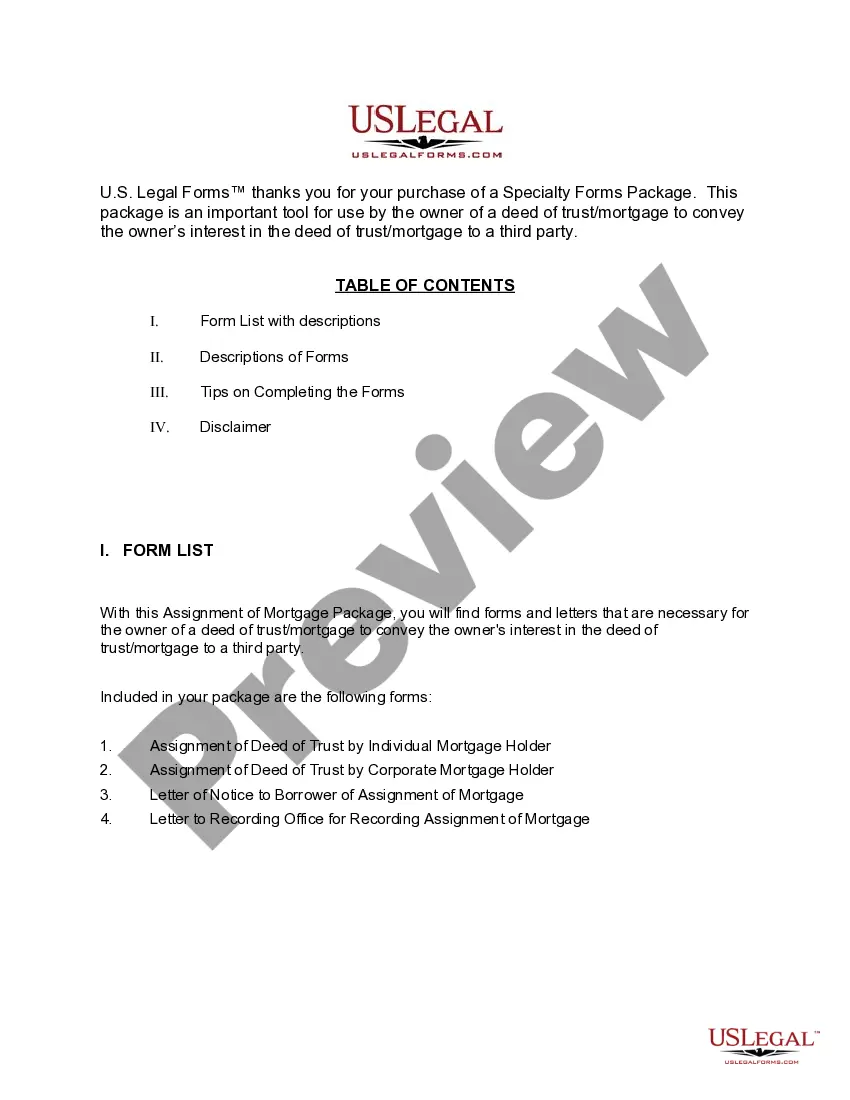
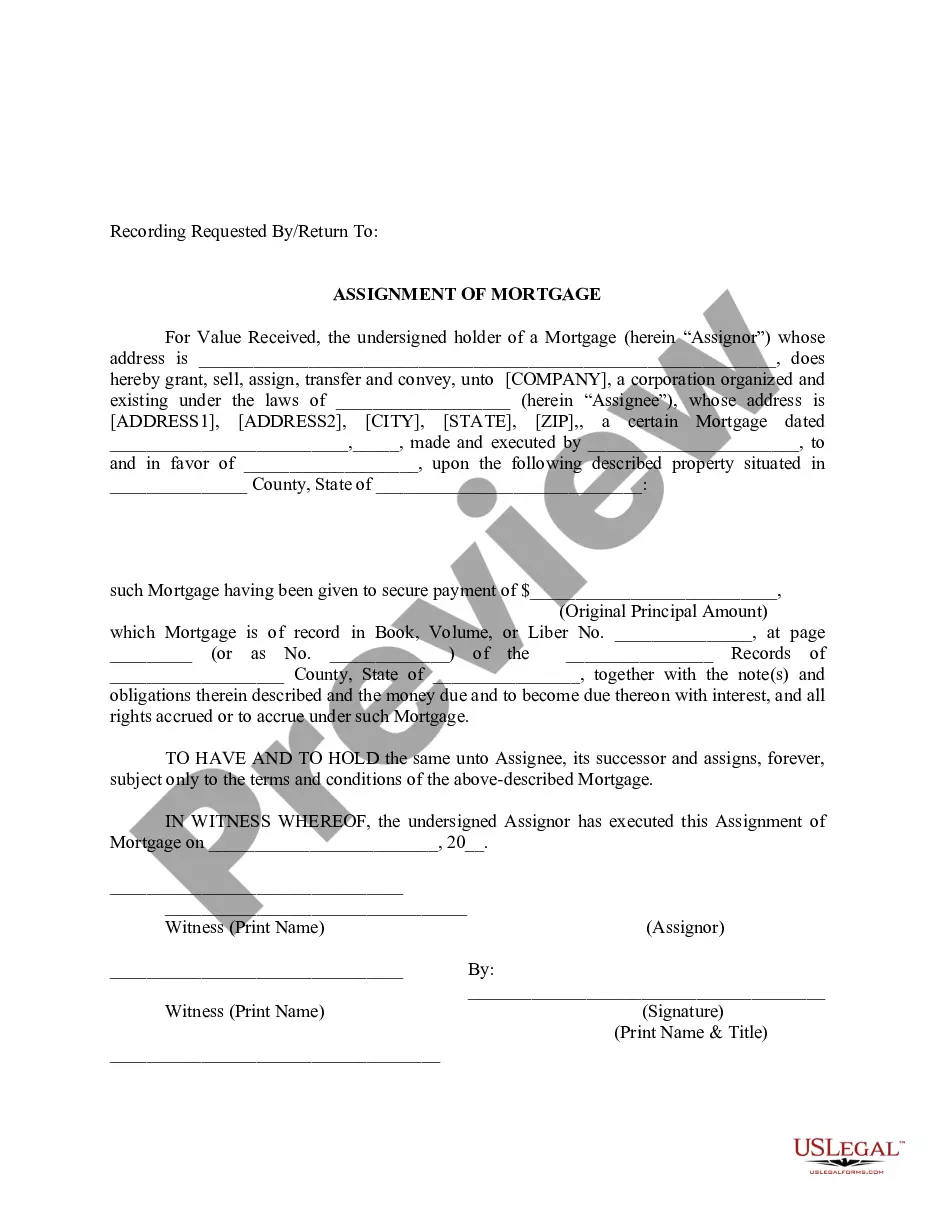
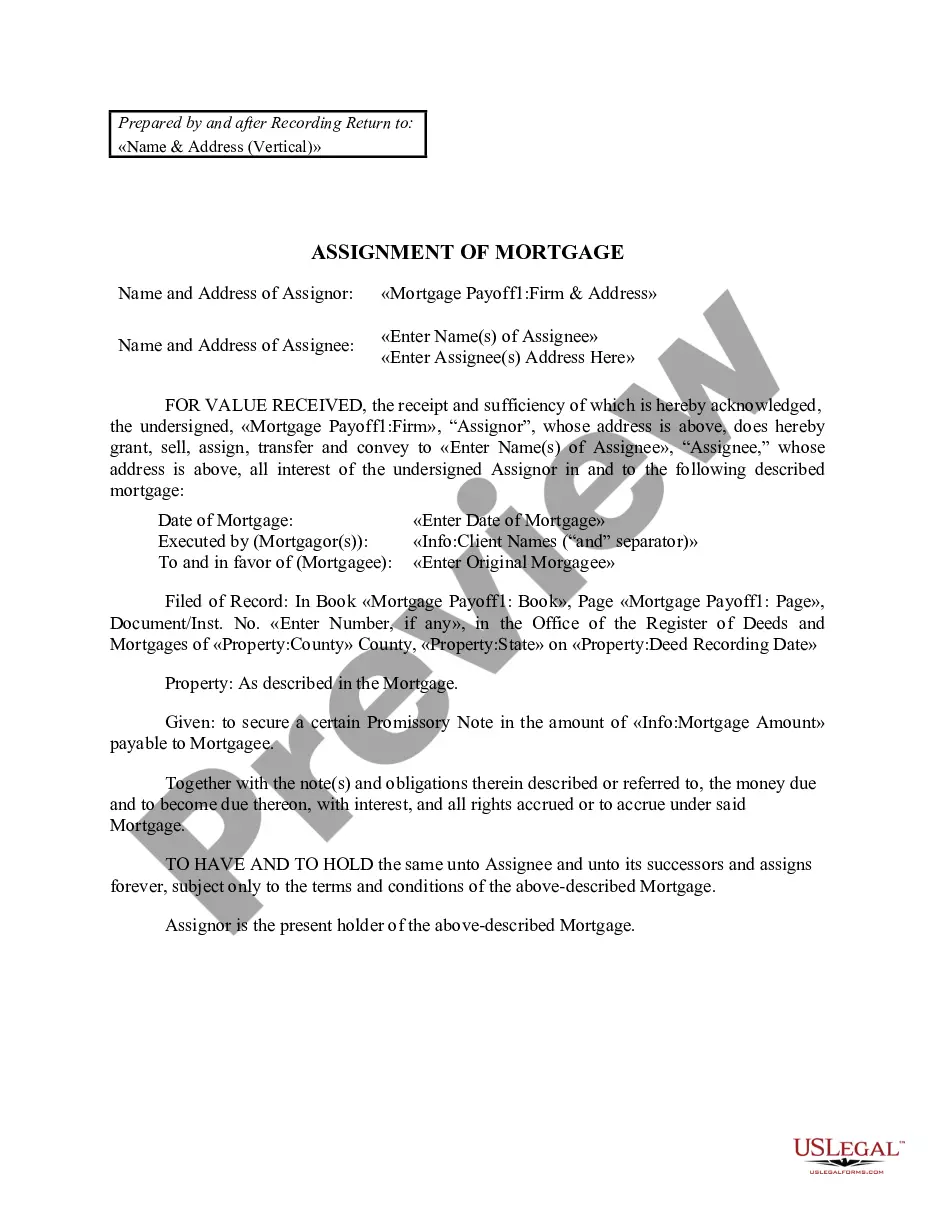
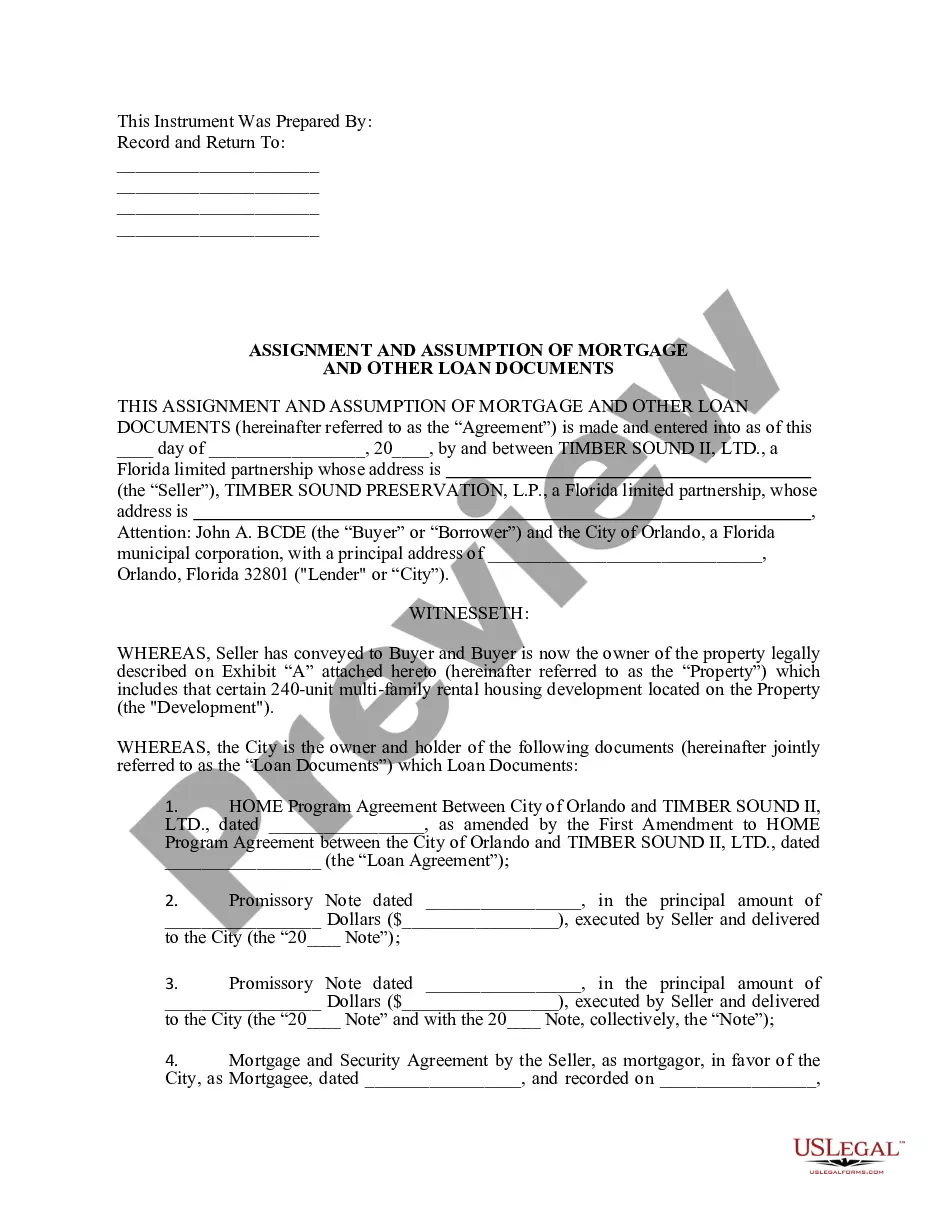
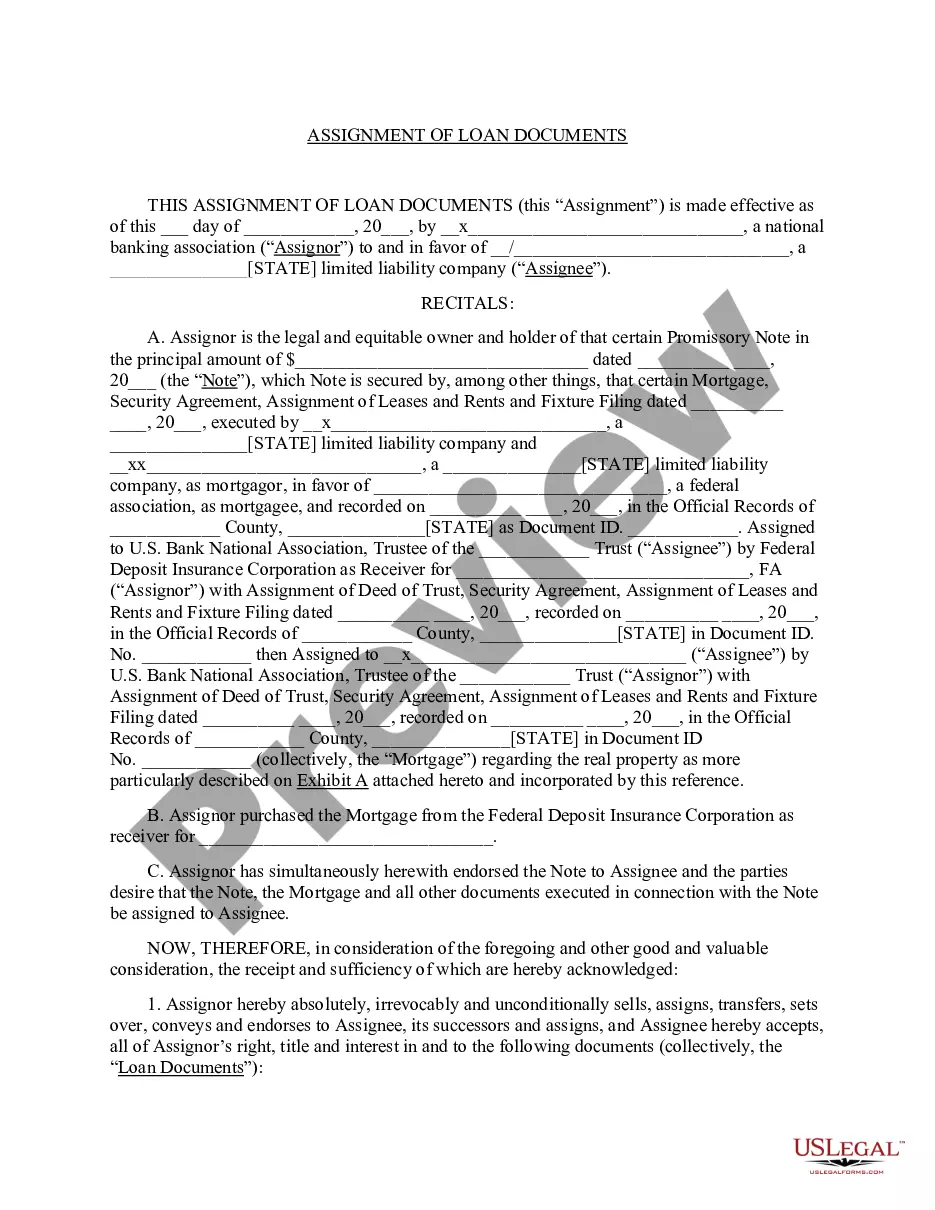
The Connecticut Assignment of Mortgage Package is designed to help the owner of a deed of trust or mortgage transfer their interest in the mortgage to a third party. This package includes vital forms and letters, allowing for a streamlined transfer process that complies with Connecticut's legal requirements. Unlike generic templates, these forms are drafted by licensed attorneys to ensure they meet state-specific standards.
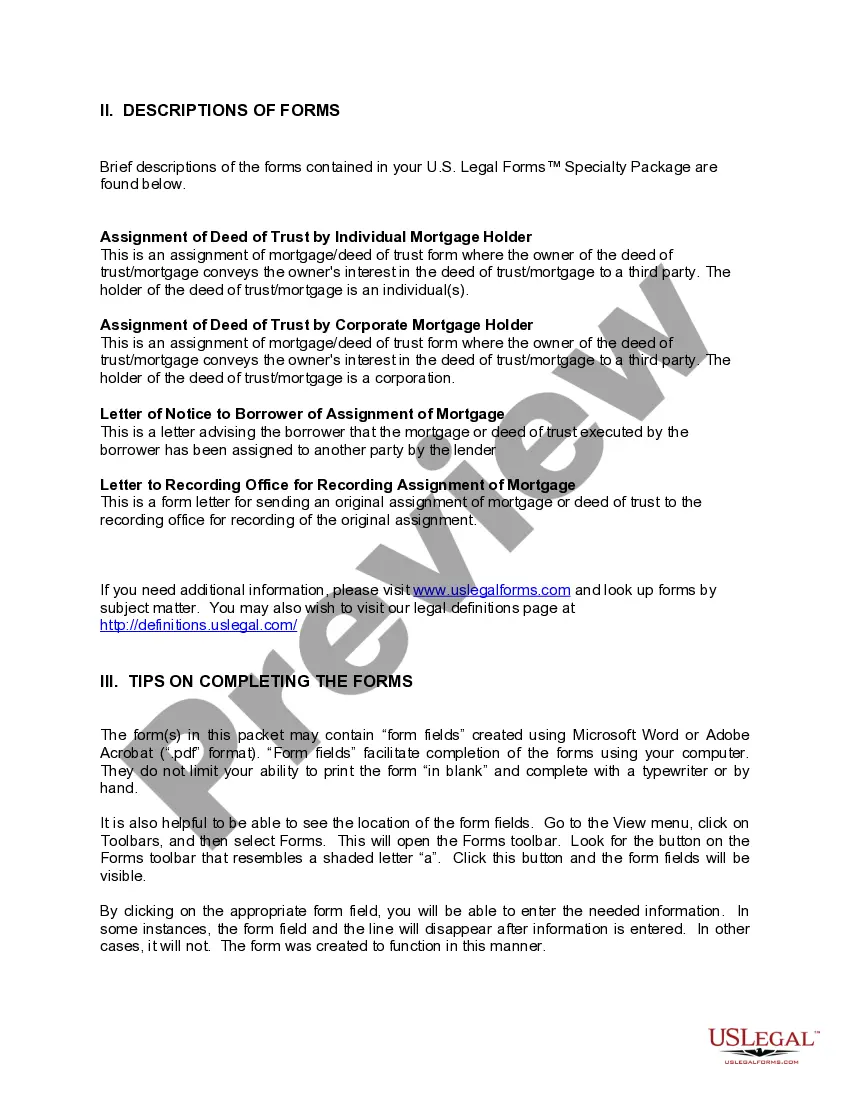
Documents contained in this package
When to use this document
This form package is useful in various scenarios, including:
- When a mortgage holder needs to transfer their ownership interest to another party.
- If the mortgage holder has sold the property and needs to assign their mortgage to the new owner.
- When a lender wants to assign their rights in a mortgage to a different financial institution.
- If a corporation, as the mortgage holder, is involved in a change of ownership or refinance.
Who needs this form package
- Individual homeowners holding a deed of trust or mortgage.
- Corporate entities acting as mortgage holders.
- Real estate professionals involved in property transactions.
- Lenders looking to assign their mortgage interest to another party.
How to complete these forms
- Review all included forms to ensure you understand their purpose.
- Identify the parties involved in the assignment, such as the current mortgage holder and the new assignee.
- Fill in required information for each form, including dates, names, and signatures.
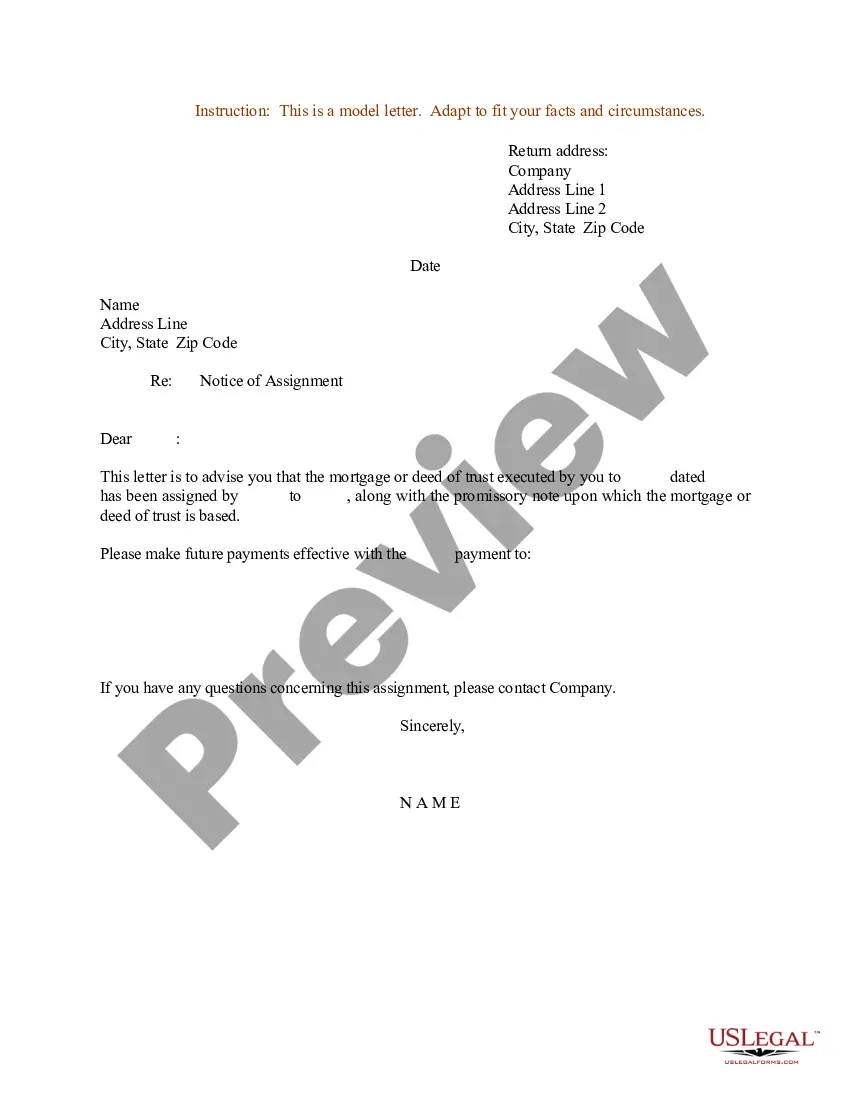
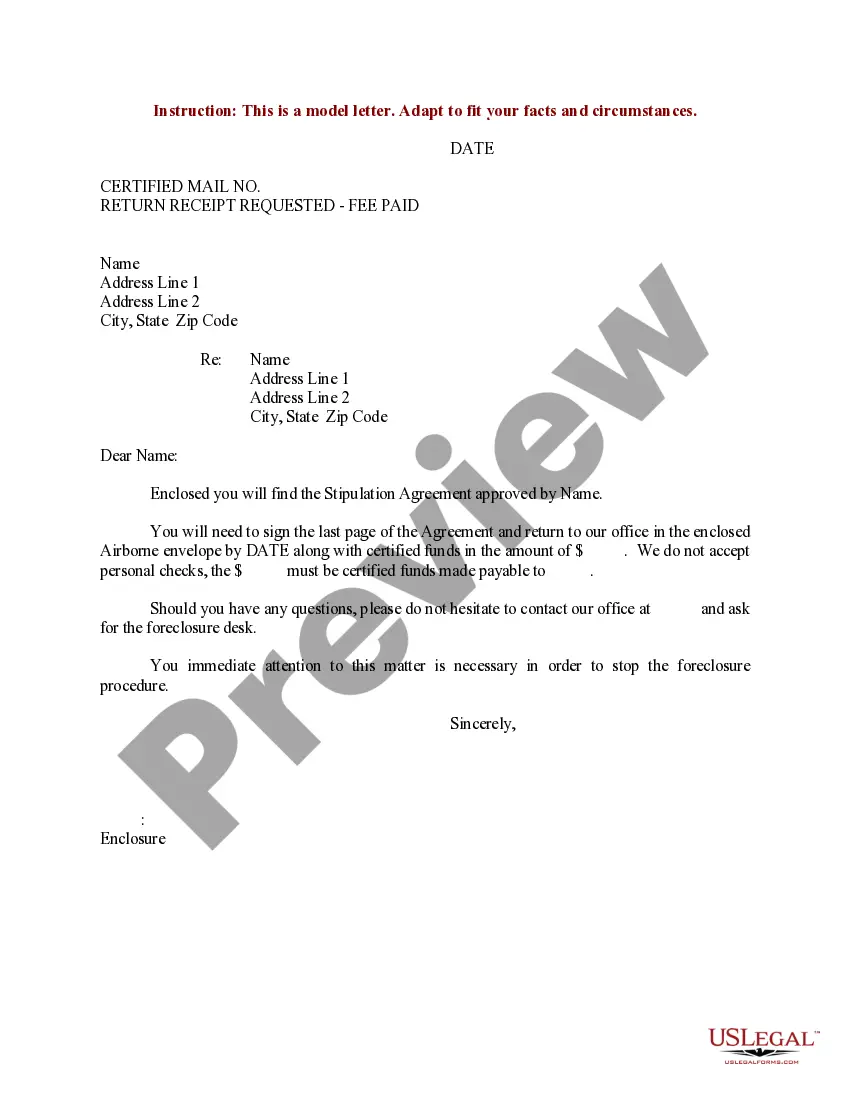
- Prepare the Letter of Notice to inform the borrower of the assignment.
- Send the Letter to Recording Office along with the original assignment for official recording.
Do forms in this package need to be notarized?
Forms in this package typically do not require notarization unless required by local law. It is important to verify any local requirements to ensure compliance and validity in the assignment process.
Get your form ready online
Our built-in tools help you complete, sign, share, and store your documents in one place.
Make edits, fill in missing information, and update formatting in US Legal Forms—just like you would in MS Word.
Download a copy, print it, send it by email, or mail it via USPS—whatever works best for your next step.
Sign and collect signatures with our SignNow integration. Send to multiple recipients, set reminders, and more. Go Premium to unlock E-Sign.
If this form requires notarization, complete it online through a secure video call—no need to meet a notary in person or wait for an appointment.
We protect your documents and personal data by following strict security and privacy standards.

Make edits, fill in missing information, and update formatting in US Legal Forms—just like you would in MS Word.

Download a copy, print it, send it by email, or mail it via USPS—whatever works best for your next step.

Sign and collect signatures with our SignNow integration. Send to multiple recipients, set reminders, and more. Go Premium to unlock E-Sign.

If this form requires notarization, complete it online through a secure video call—no need to meet a notary in person or wait for an appointment.

We protect your documents and personal data by following strict security and privacy standards.
Avoid these common issues
- Failing to include necessary signatures on the assignment forms.
- Not providing proper notice to the borrower about the assignment.
- Submitting incomplete forms to the recording office.
- Not following state-specific requirements for notarization or recording.
Advantages of online completion
- Convenience of downloading forms immediately to complete at your own pace.
- Editability of forms using computer software, ensuring accuracy.
- Reliability of attorney-drafted forms, reducing the risk of legal issues.
Looking for another form?
Form popularity
FAQ
A mortgage assignment occurs when the original lender transfers the rights and obligations of the mortgage to another party. This legal process establishes that the new lender now holds the mortgage, and the borrower must make payments to this entity. Understanding this is crucial for homeowners, so utilizing the Connecticut Assignment of Mortgage Package can help you navigate the assignment process efficiently and securely.
To fill out a satisfaction of mortgage form, begin by clearly identifying the property for which the mortgage was taken. Next, include the names of all parties involved, as well as the mortgage date and details. It’s essential to provide the original mortgage document or reference it accurately. Using the Connecticut Assignment of Mortgage Package, you can streamline this process, ensuring all necessary sections are completed properly.
Typically, the current holder of the mortgage signs the assignment to transfer rights to the new lender. Additionally, the original borrower may need to sign to acknowledge the transfer. Ensuring all signatures are correct and notarized is crucial for a valid assignment. If you seek guidance on this process, rely on the Connecticut Assignment of Mortgage Package from US Legal for clarity and convenience.
An assignment of a mortgage should be recorded to ensure its legal validity. Recording the assignment protects the new mortgage holder's rights and serves as public notice of the change. This makes it essential for maintaining accurate property records. For a streamlined experience, consider using the US Legal’s Connecticut Assignment of Mortgage Package.
Yes, mortgages typically need to be recorded in the county where the property is located. Recording creates a public record, which informs others about the mortgage status and protects the lender's rights. This is an important step to ensure the mortgage is legally enforceable. To navigate this process smoothly, look into the Connecticut Assignment of Mortgage Package available through US Legal.
In an assignment of a mortgage, the grantor is the party that gives up their rights to the mortgage. Usually, this is the original lender or mortgage holder transferring their interest to the new lender. For the Connecticut Assignment of Mortgage Package, understanding the role of the grantor is vital for both compliance and clarity in the transaction. It's important to have all documentation properly handled to ensure a smooth transfer.
The assignment and transfer of lien is primarily signed by the original mortgage lender or their authorized representative. In the context of the Connecticut Assignment of Mortgage Package, the document serves as an official record of the change in lien holder. Proper execution of this document is crucial for ensuring that the new party gains rights to the mortgage. This process helps protect all parties involved in the transaction.
To access up to $50,000 as a first-time homebuyer in Connecticut, you should look into state-sponsored programs. These initiatives often include down payment assistance or grants that can help make homeownership more attainable. Engaging with resources like the Connecticut Assignment of Mortgage Package can guide you through your options and connect you with helpful financing solutions. Make sure to check eligibility requirements and application processes for these programs.
Typically, the original lender or mortgage holder signs the assignment of a mortgage. In the context of the Connecticut Assignment of Mortgage Package, it is essential that the lender’s representative executes the document to confirm the transfer. The borrower does not need to sign the assignment, but they should be informed about the change in mortgage holders. This clarity helps maintain transparent communication throughout the process.
The assignment of mortgage payment system refers to how payments are processed after a mortgage assignment takes place. It ensures that the new holder of the mortgage receives payments correctly and on time. The Connecticut Assignment of Mortgage Package offers clear instructions on how to manage this system effectively, helping you stay on top of your mortgage obligations.