North Carolina Roofing Contractor Package
What this form package covers
The North Carolina Roofing Contractor Package is a comprehensive collection of legal forms designed specifically for roofing contractors, property owners, and subcontractors in North Carolina. This package serves to facilitate smoother roofing projects whether they involve new construction or repairs, helping you address legal issues that may arise. At the core of this package is the roofing contract that fully complies with North Carolina state law, setting it apart from general form packages.
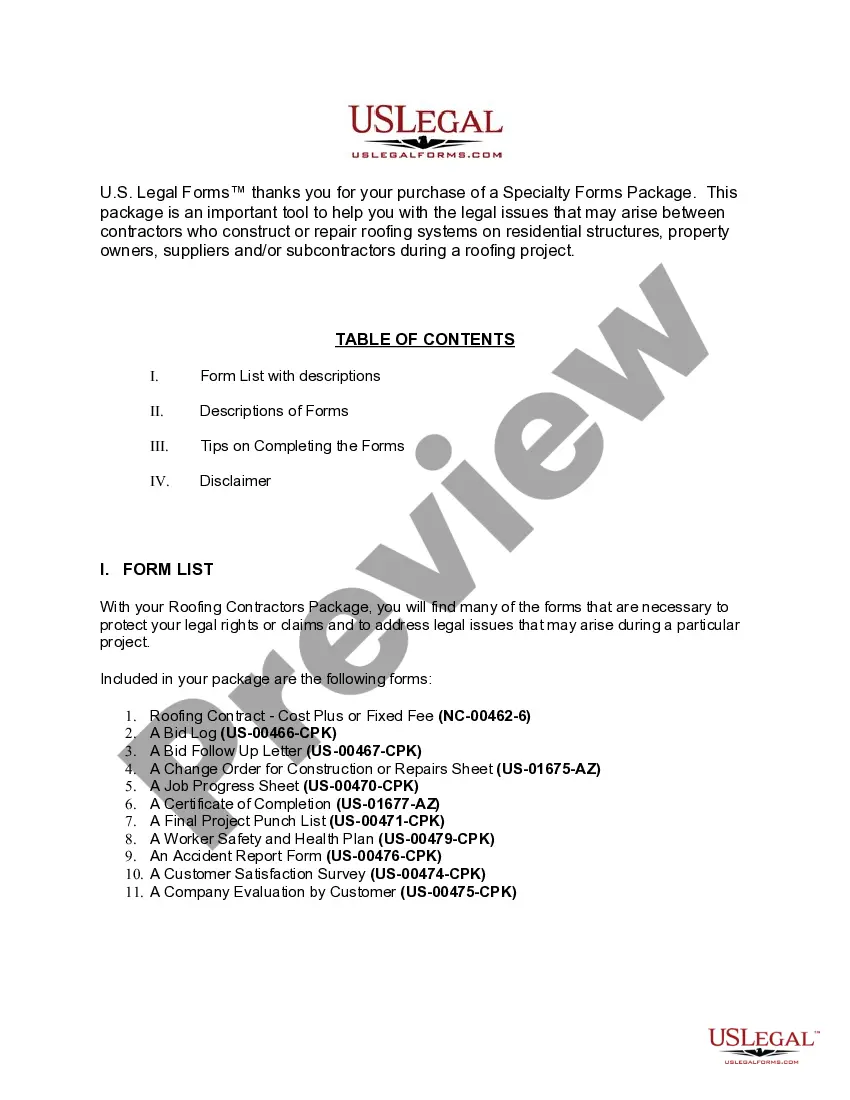
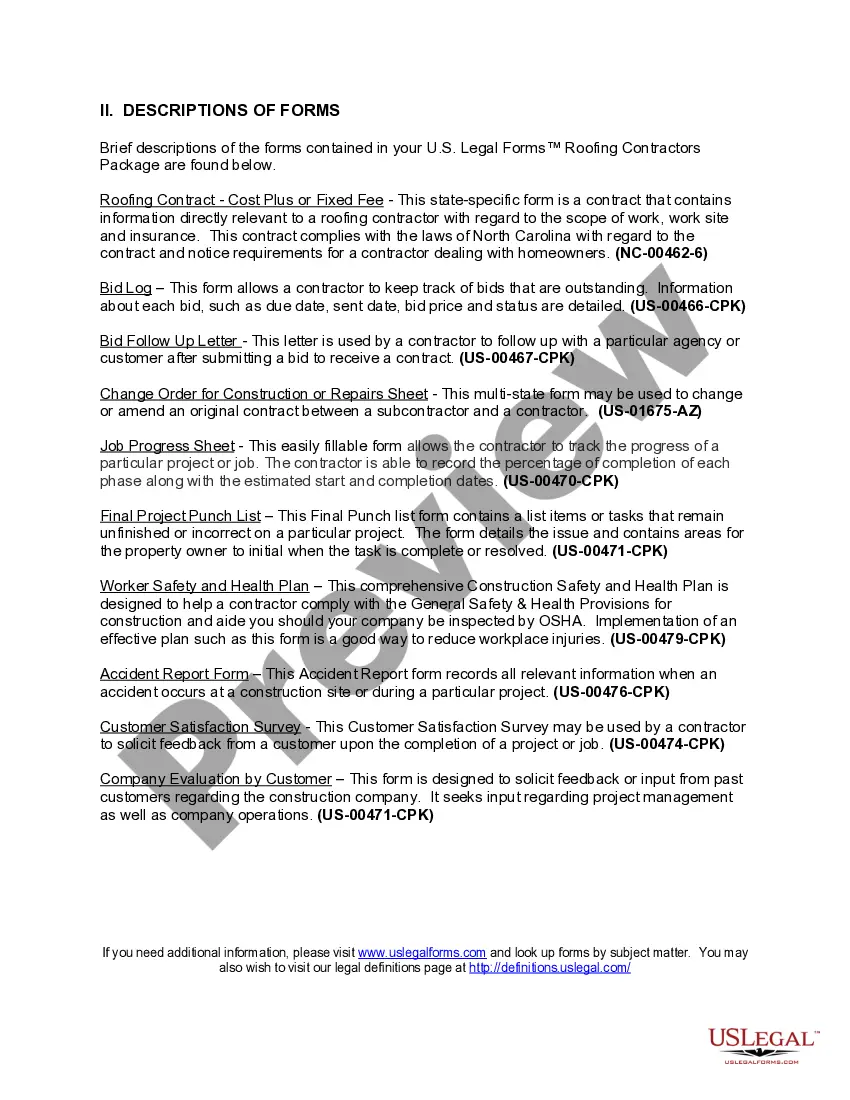
Forms provided in this package
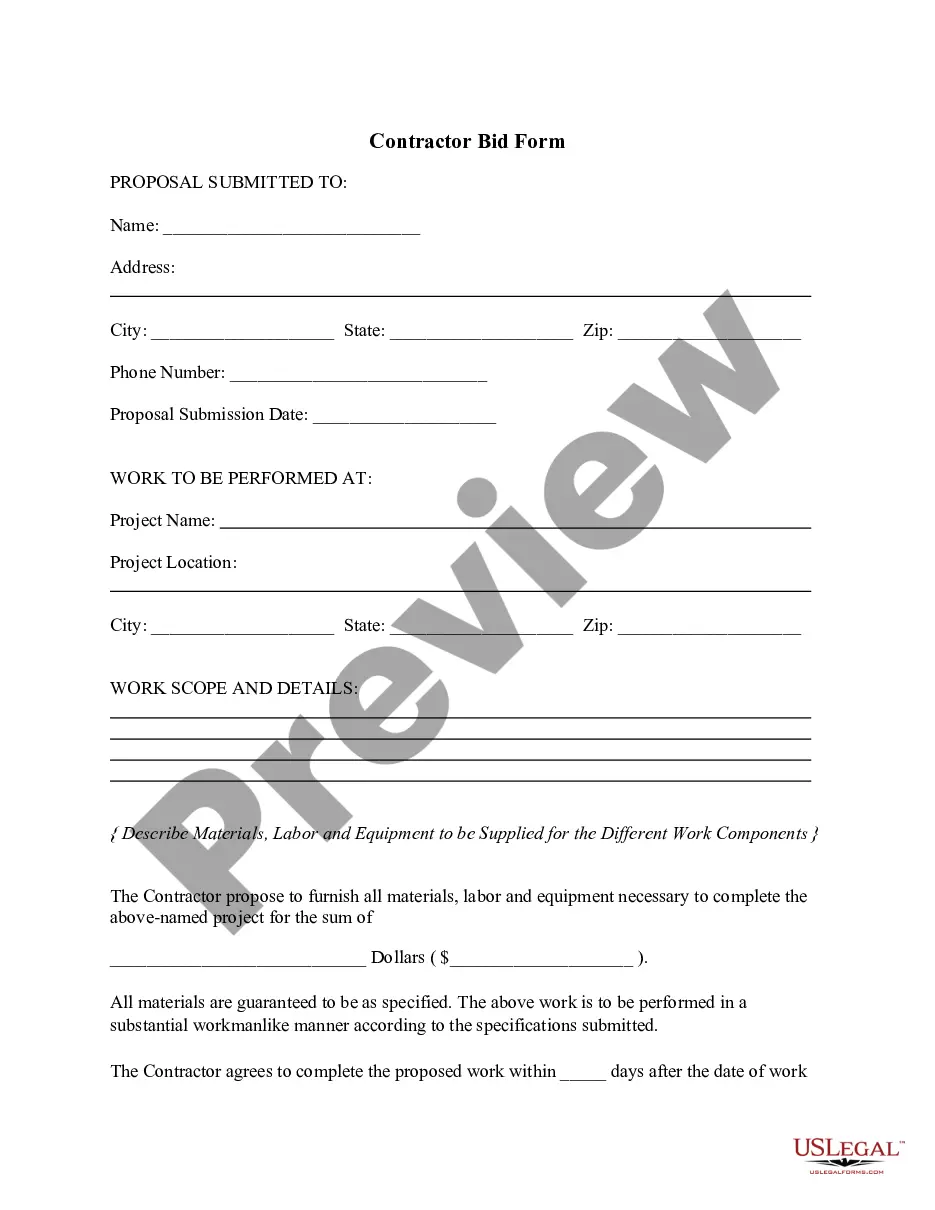
- Roofing Contract for Contractor
- Contractor's Bid Log
- Contractor's Bid Follow Up Letter
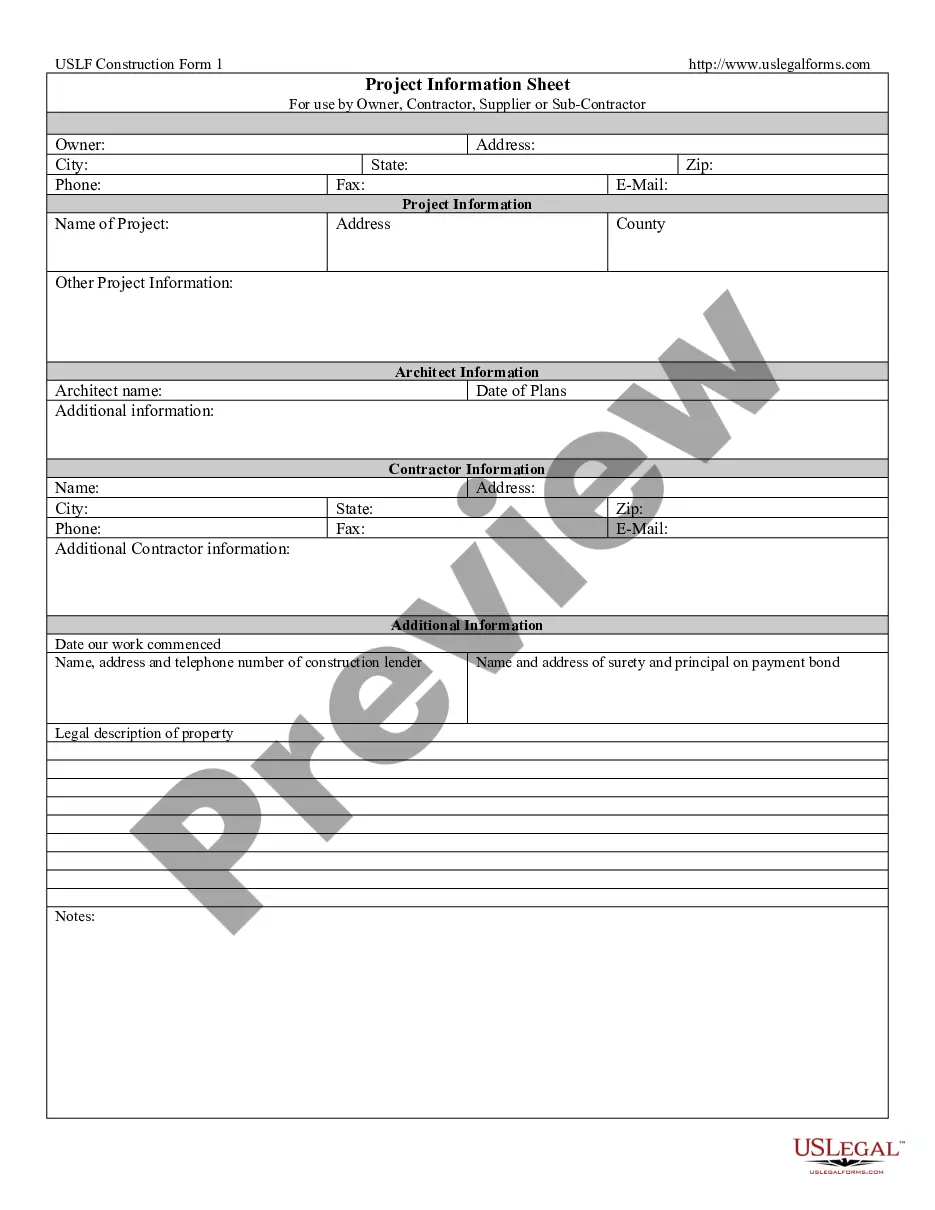
- Contractor's Job Progress Sheet
- Customer Satisfaction Survey
- Construction Company Evaluation by a Customer
- Construction Accident Report
- Construction Safety and Health Plan
- Change Order for Construction or Repairs by Contractor
- Certification of Completion by Contractor
Common use cases
This package is beneficial in various scenarios, including:
- When entering into a roofing contract for new construction or repairs.
- When tracking bids and communicating with clients about project estimates.
- When needing to document changes to the original scope of work through change orders.
- When verifying project completion and ensuring customer satisfaction upon project delivery.
Who should use this form package
- Roofing contractors operating within North Carolina.
- Property owners looking to hire roofing services or monitor ongoing projects.
- Suppliers and subcontractors engaged in roofing projects.
- Anyone who wants to understand their legal rights and responsibilities in roofing contracts.
Completing these forms step by step
- Review all included forms thoroughly to understand their purpose and requirements.
- Identify the parties involved in the contract and enter their details where required.
- Fill in any specific project information, such as addresses, dates, and contract terms.
- Ensure all relevant signatures are obtained from parties involved.
- Keep copies of completed forms for your records and provide copies to all involved parties.
Notarization details for included forms
Notarization is generally not required for forms in this package. However, specific circumstances or local laws may require it. You can complete notarization remotely through US Legal Forms, powered by Notarize, with 24/7 availability.
Get your form ready online
Our built-in tools help you complete, sign, share, and store your documents in one place.
Make edits, fill in missing information, and update formatting in US Legal Forms—just like you would in MS Word.
Download a copy, print it, send it by email, or mail it via USPS—whatever works best for your next step.
Sign and collect signatures with our SignNow integration. Send to multiple recipients, set reminders, and more. Go Premium to unlock E-Sign.
If this form requires notarization, complete it online through a secure video call—no need to meet a notary in person or wait for an appointment.
We protect your documents and personal data by following strict security and privacy standards.

Make edits, fill in missing information, and update formatting in US Legal Forms—just like you would in MS Word.

Download a copy, print it, send it by email, or mail it via USPS—whatever works best for your next step.

Sign and collect signatures with our SignNow integration. Send to multiple recipients, set reminders, and more. Go Premium to unlock E-Sign.

If this form requires notarization, complete it online through a secure video call—no need to meet a notary in person or wait for an appointment.

We protect your documents and personal data by following strict security and privacy standards.
Mistakes to watch out for
- Failing to include all necessary details in the roofing contract.
- Not tracking bids accurately, leading to confusion about proposals.
- Overlooking the need for signatures on change orders or certificates of completion.
- Neglecting to assess customer satisfaction through the survey provided.
Benefits of using this package online
- Convenience of downloading forms instantly, saving time and effort.
- Editability of forms allows customization to fit specific project needs.
- Access to forms created by licensed attorneys ensures reliability and legal compliance.
- Cost savings: purchasing the package is more affordable than buying forms separately.
Legal use & context
- The roofing contract is essential for outlining the obligations of all parties involved in a roofing project.
- Change orders must be documented properly to avoid disputes regarding project scope and costs.
- Certificates of completion protect contractors by providing proof that the work was satisfactorily completed.
Main things to remember
- The North Carolina Roofing Contractor Package is essential for legal clarity in roofing projects.
- It includes various forms to help manage project dynamics effectively.
- Understanding how to complete and use these forms can significantly reduce legal disputes.
Looking for another form?
Form popularity
FAQ
Since it is not required, most roofers will not use it because of the added expense. However, at the end of the day, the best choice for everyone is the choice to use a water proofing underlayment or leak barrier such as ice and water shield in all roofing penetrations and vulnerable areas.
7. Set a payment schedule in the contract. You never want to pay a contractor more than 50% up front. Depending on the size of the job, your initial payment is ideally going to be no more than roughly 30% of the total cost of the project.
1Get a business registration. You will need to get a business registration at the Office of the Secretary of State.2Complete your license application.3Get a contractor license surety bond.4Pass a licensing exam.5Pay an application and/or licensing fee.6License renewal.
Owens Corning2122 Roofing recommends installing drip edge on all roofs to be covered with asphalt shingles. The drip edge should be installed on top of the underlayment at all rakes, and below the underlayment at all eaves (alternative installation in the Florida Building Code).
In addition to water shielding, North Carolina code doesn't require drip edge. This leaves homes exposed to sideways wind and rain, another major cause of leaks.
A Gutter Apron, also known as L- Metal, is installed above your roof decking and sits over the edge of your gutter. Gutter aprons are installed right under your shingles as well.In most states, it is not required to have a Drip Edge or a Gutter Apron but it is highly recommended.
In actuality the North Carolina construction license exam is more difficult to pass than similar closed book exams due to the fact that you have books available as a resource during the contractor exam. You are permitted to bring certain reference materials into the builder test.
Although subcontractors may be required to obtain certain trade licenses if acting as electricians, plumbers, carpenters, etc., they are not required to have a general contractor's license even if their subcontract is valued at $30,000 or more if they are contracting with a licensed general contractor.
Without a drip edge, water may end up beneath the shingles and may cause damage to various parts of the home. Though your home may not have originally had a drip edge installed, drip edges are now required by most building codes across North America to protect homes from damage.