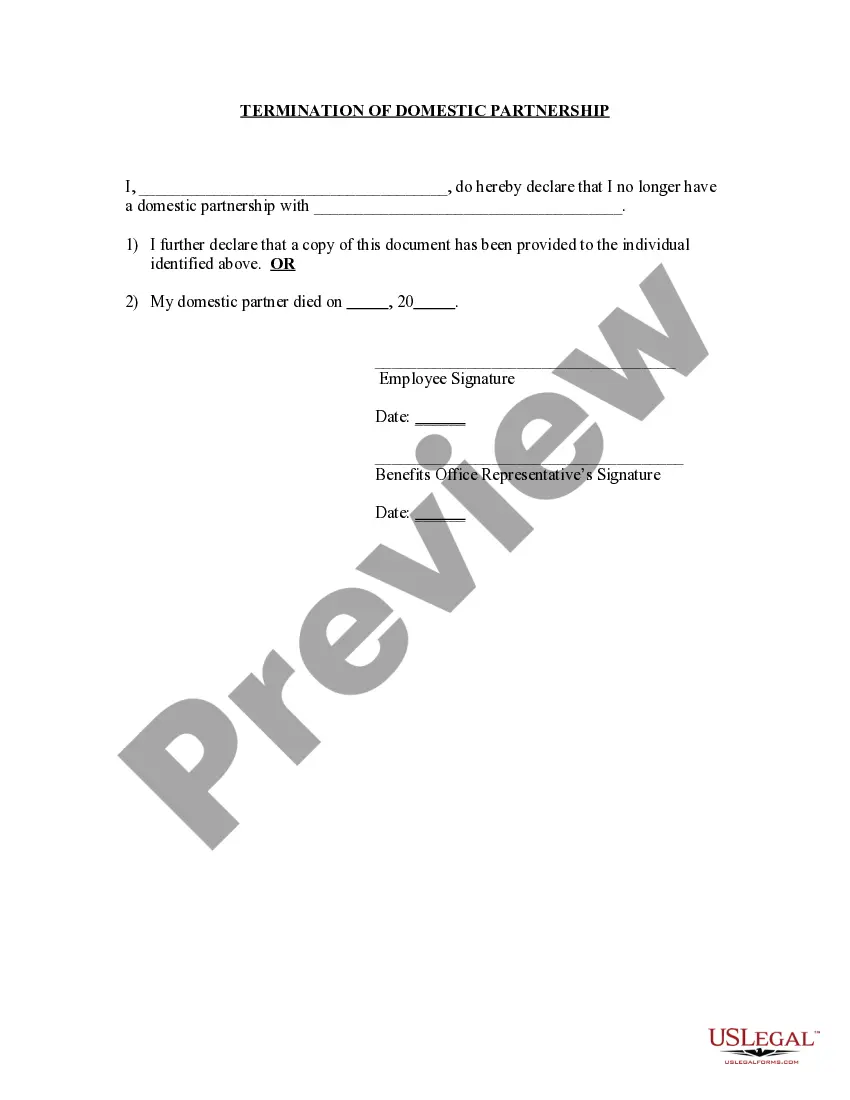
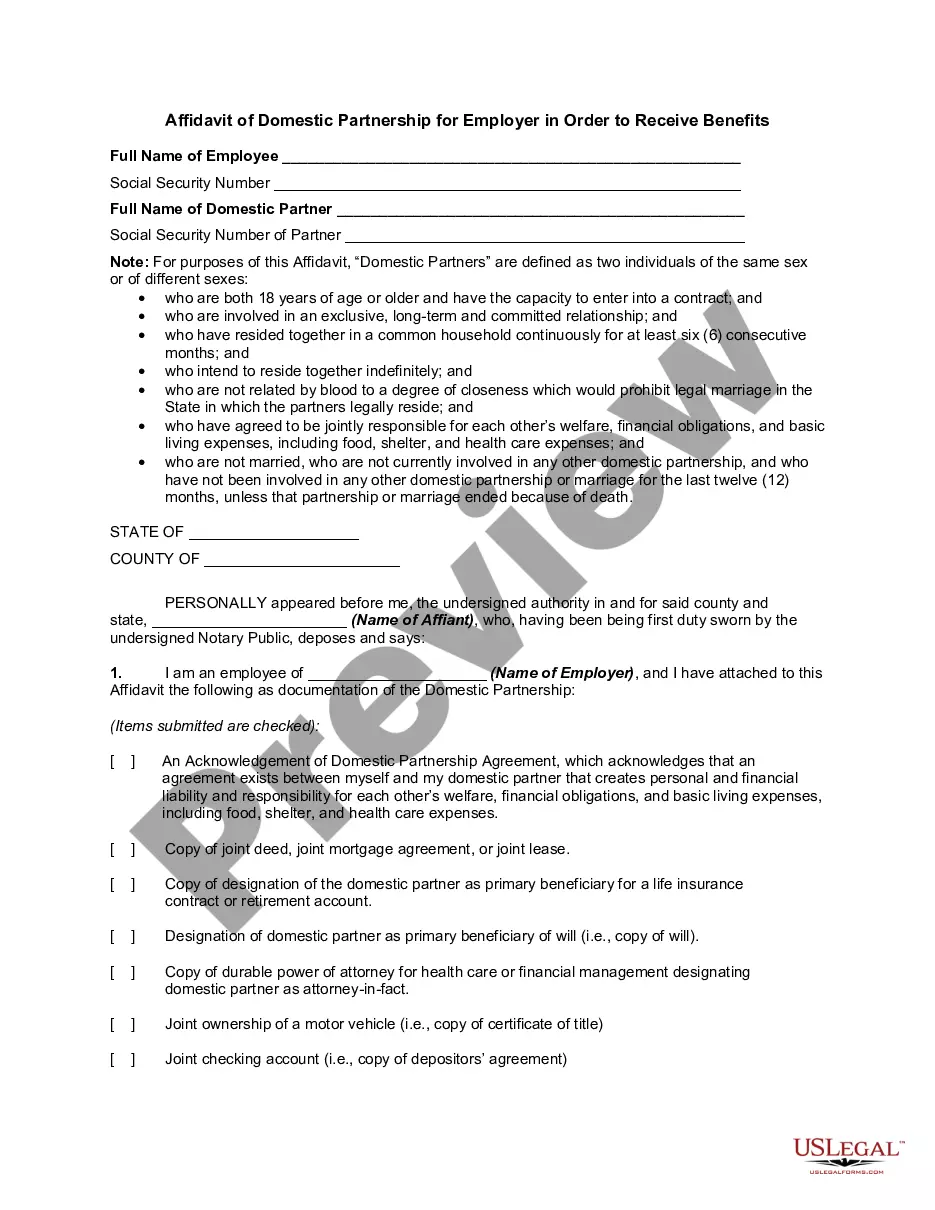
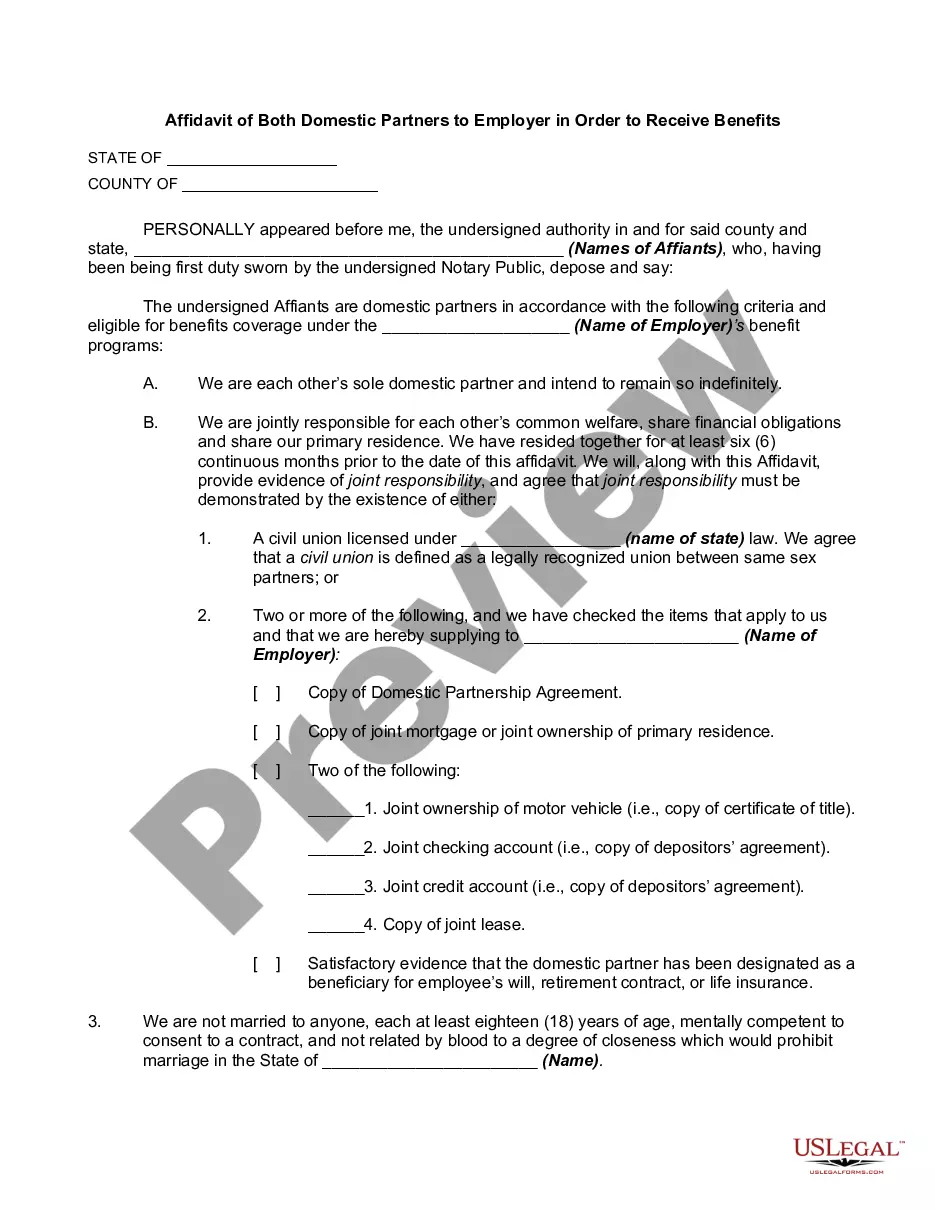
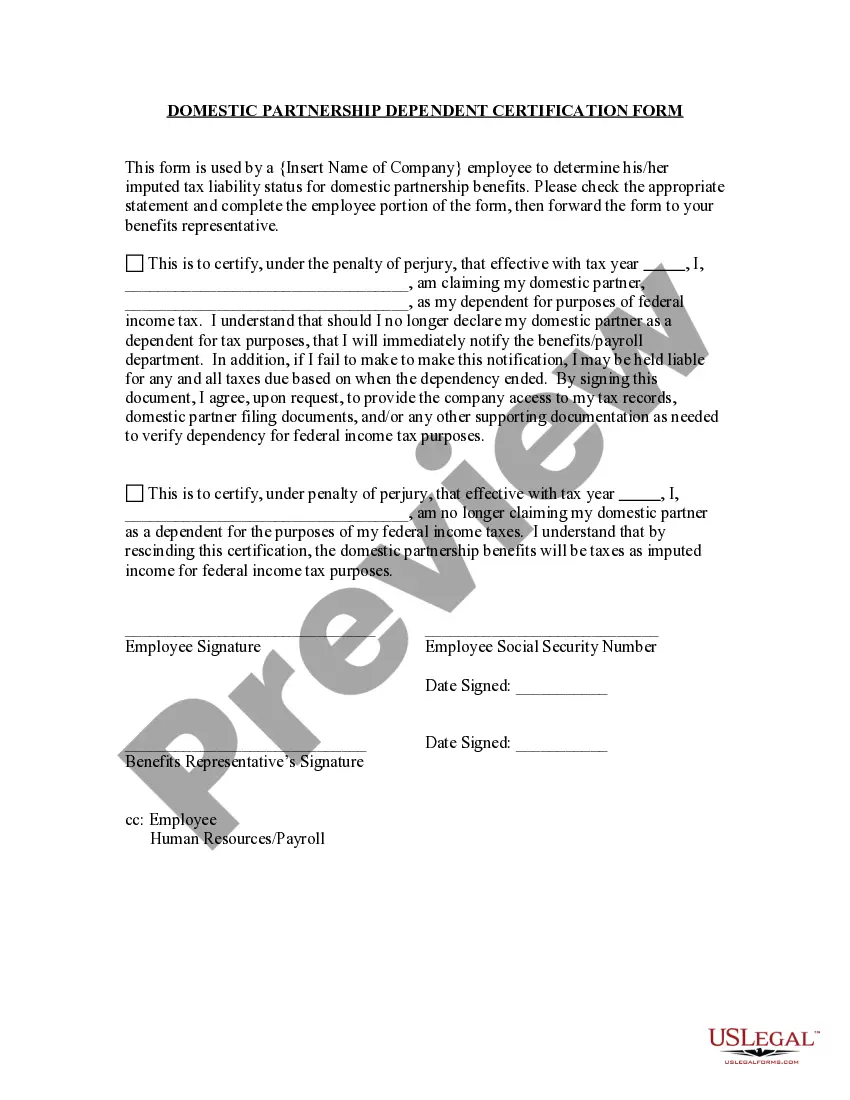
California Termination of Domestic Partnership
Description
Get your form ready online
Our built-in tools help you complete, sign, share, and store your documents in one place.
Make edits, fill in missing information, and update formatting in US Legal Forms—just like you would in MS Word.
Download a copy, print it, send it by email, or mail it via USPS—whatever works best for your next step.
Sign and collect signatures with our SignNow integration. Send to multiple recipients, set reminders, and more. Go Premium to unlock E-Sign.
If this form requires notarization, complete it online through a secure video call—no need to meet a notary in person or wait for an appointment.
We protect your documents and personal data by following strict security and privacy standards.

Make edits, fill in missing information, and update formatting in US Legal Forms—just like you would in MS Word.

Download a copy, print it, send it by email, or mail it via USPS—whatever works best for your next step.

Sign and collect signatures with our SignNow integration. Send to multiple recipients, set reminders, and more. Go Premium to unlock E-Sign.

If this form requires notarization, complete it online through a secure video call—no need to meet a notary in person or wait for an appointment.

We protect your documents and personal data by following strict security and privacy standards.
Looking for another form?
How to fill out Termination Of Domestic Partnership?
US Legal Forms - one of the largest compilations of legal documents in America - provides a range of legal form templates you can download or print. While navigating the website, you can find thousands of forms for business and personal purposes, categorized by type, state, or keywords.
You can access the latest versions of forms like the California Termination of Domestic Partnership in moments. If you already have a monthly subscription, Log In and download the California Termination of Domestic Partnership from the US Legal Forms repository. The Download option will be visible on every form you examine. You can view all previously acquired forms in the My documents section of your account.
If you're using US Legal Forms for the first time, here are straightforward instructions to get started: Ensure you have selected the appropriate form for your location/region. Click the Review button to check the form's content. Read the form details to ensure you have chosen the correct form. If the form does not fulfill your requirements, utilize the Search section at the top of the screen to locate one that does. If you are satisfied with the form, confirm your choice by clicking on the Buy now button. Then, select your preferred payment plan and provide your details to register for an account.
Utilize thousands of professional and state-specific templates that meet your business or personal needs and criteria.
- Process the transaction. Use your Visa or Mastercard or PayPal account to finalize the transaction.
- Select the format and download the form to your device.
- Make adjustments. Fill out, modify, and print, and sign the downloaded California Termination of Domestic Partnership.
- Every format you added to your account has no expiration date and belongs to you indefinitely.
- So, if you wish to download or print another copy, just navigate to the My documents section and click on the form you need.
- Access the California Termination of Domestic Partnership with US Legal Forms, the most extensive collection of legal document templates.
Form popularity
FAQ
To be officially registered as domestic partners with the State of California, certain criteria must be me:Both persons must have a common residence.They must agree to be responsible for each other's basic living expenses.Neither person can be married or a member of another domestic partnership.More items...
Up to 12 weeks of leave under the California Family Rights Act (CFRA) to care for the registered domestic partner. Use of paid leave, sick time and kin-care time to take care of a domestic partner or children. Coverage under an organization's health insurance.
Domestic Partners filing taxes in California are treated the same as a married couple. However, the federal government does not treat the domestic partners similarly. Thus, registered domestic partners are not considered married for federal tax purposes and must file as individuals.
Each of the states will have its own requirements in order for a couple to have a valid common law marriage such as minimum ages (usually 18), and cohabitation minimums living together for at least 3 years, etc. The potential for recognition needs to be mentioned because it isn't guaranteed.
Up to 12 weeks of leave under the California Family Rights Act (CFRA) to care for the registered domestic partner. Use of paid leave, sick time and kin-care time to take care of a domestic partner or children. Coverage under an organization's health insurance.
Not all domestic partners have to divorce. Those who are partnered for fewer than five years, don't have any children and meet other financial and property requirements can fill out a termination of domestic partnership form with the Secretary of State.
The process for terminating a domestic partnership varies between states. In some jurisdictions, ending a domestic partnership is as simple as filing a Notice of Termination with the Secretary of State. In other jurisdictions, domestic partners must dissolve their relationship through divorce or annulment proceedings.
No. While California generally treats registered domestic partners and married couples equally in terms of rights and responsibilities, the federal government does not always treat registered domestic partners the same as spouses for legal or tax purposes.
Up to 12 weeks of leave under the California Family Rights Act (CFRA) to care for the registered domestic partner. Use of paid leave, sick time and kin-care time to take care of a domestic partner or children. Coverage under an organization's health insurance.
California, Nevada, and Washington allow same-sex couples to enter into registered domestic partnerships. These laws in general provide registered domestic partners the same legal benefits and burdens as married couples. In community property states, RDP status subjects the partners to community property rules.